
The Daily Marketing Brief · 2026-05-18 · 18 min
Key moments - from our scoring
Substance score
52 / 100
Five dimensions, 20 points each
This episode covers four major announcements reshaping enterprise AI procurement and platform strategy in the near term. YouTube's Brandcast 2026 unveiled three integrated products: custom sponsorships using AI to match brand placements to video moments dynamically, multimodal video creation combining Gemini, Veo, and Nano Banana in the ads workflow, and buy-with-Google-Pay checkout on connected TVs. Salesforce CEO Mark Benioff disclosed $300M in annual Anthropic token spend (weighted toward coding), while publicly calling for token routing intermediaries to send lower-value tasks to cheaper models - signaling the frontier model market has matured toward cost-per-outcome optimization. Anthropic's reported $300M+ acquisition of Stainless consolidates the SDK and Model Context Protocol layer used by OpenAI, Google, Meta, and Cloudflare, raising developer infrastructure concentration concerns. Apple's WWDC keynote (June 8th) will debut a redesigned Siri powered by Gemini under a Google Cloud partnership, plus an extension framework letting Anthropic, OpenAI, and others compete for third-party AI tasks. The host frames these as procurement and distribution stories, not model announcements, with immediate implications for CTV media planning, enterprise AI cost structures, and iOS user acquisition flows.
YouTube launched custom sponsorships (AI-matched brand placements to video moments), multimodal video creation (Gemini ideation + Veo video generation + Nano Banana images in the ads workflow), and buy-with-Google-Pay checkout on connected TVs enabling two-click transactions from TV ads.
Salesforce will spend approximately $300 million on Anthropic tokens in 2026, almost entirely on coding applications, with the CEO also calling for token routing intermediaries to send simpler tasks to cheaper models instead of routing every prompt to frontier models.
Anthropic is in advanced talks to acquire Stainless for at least $300 million; Stainless builds AI-powered SDKs and Model Context Protocol servers used by OpenAI, Google, Meta, and Cloudflare, so acquisition would consolidate critical developer infrastructure inside Anthropic's corporate perimeter.
Apple will redesign Siri with a chat-style interface, dedicated app, and dynamic island presence, powered by Gemini under a Google Cloud partnership, plus an extension framework letting third-party model providers (including Anthropic and OpenAI) compete for specific tasks.
Audit YouTube custom sponsorships and multimodal video creation workflows against retainers and CTV plans, model Salesforce's token spend ratio for internal AI budgets, review vendor dependencies for third-party SDKs post-Stainless acquisition, and prepare Apple Intelligence readiness briefs for iOS-dependent brands before June 8th.
Our reviewer’s read on each dimension, with quotes from the episode.
The episode packs substantive, timely business implications across four major announcements with concrete commercial consequences (YouTube's AI ad stack, Salesforce's $300M Anthropic spend, Anthropic-Stainless acquisition, Apple's Gemini-powered Siri). However, the density is diluted by extensive recaps of what is already confirmed, reporter attribution chains, and repeated structuring language ('what happened, what is confirmed, what is not confirmed, why it matters') that consumes airtime without adding insight. The actionable implications are solid but somewhat predictable (e.g., 'model costs, so audit SDKs'; 'Siri launches, so plan for AEO measurement').
This is the most coherent AI ad stack any major platform has shipped to date. Custom sponsorship solves the placement and brand fit problem dynamically.
Benioff's intermediary layer point is the durable signal. He is effectively saying the frontier model market has matured to the point where buyers care about cost per outcome, not capability per call.
The host reframes the week around 'procurement infrastructure and distribution' rather than model releases, which is a useful contrarian move against the typical 'hot new model' coverage. However, the individual takes are largely derivative: YouTube's multimodal pipeline, Salesforce's token spend, the developer infrastructure consolidation, and Apple's Siri upgrade are all being covered across mainstream tech/marketing press. The framing adds value but the underlying analysis echoes industry consensus without introducing counterintuitive arguments or first-principles challenges.
The pattern across today's stories is that the AI conversation has moved from model release to procurement infrastructure and distribution.
This is YouTube quietly building a private upfront marketplace on top of an AI matching layer.
This is a solo host briefing with no guest interviews. The host cites quotes and confirmation from Mark Benioff (Salesforce CEO) and Thomas Kurian (Google Cloud CEO), but only via secondary reporting and prior public statements, not direct conversation. For the B2B Podcast Index's guest caliber metric, this episode scores poorly because there is no actual operator or practitioner in dialogue - it is a curator of news with curated sourcing.
On the all-in podcast published Friday, May 15th, Salesforce CEO Mark Benioff said Salesforce will spend approximately $300 million on anthropic tokens this year.
Google Cloud CEO Thomas Currion confirmed at Google Cloud Next in April that Gemini will power the more personalized Siri due later this year.
The episode is rich with specific numbers, named companies, products, and timelines: $300M Anthropic spend, YouTube's Brandcast creator slate (Trevor Noah, Alex Cooper, Dude Perfect), Stainless's $300M+ acquisition price, Series C $300M+ equity from 2023, 150M prior valuation, WWDC June 8th, Google I/O May 19-20, iOS 27, multiple named SDKs and MCP servers, sub-100-pound AOV threshold for CTV testing. Attribution to sources is methodical (The Information, AdWeek, Modern Retail, TechCrunch). The main weakness is that much of this specificity comes from *reporting on* the announcements rather than proprietary data or direct measurement.
Salesforce will spend approximately $300 million on anthropic tokens this year, almost entirely on coding.
Anthropic is in advanced talks to acquire New York developer tool startup stainless for at least $300 million.
The host does not engage in conversation; this is a scripted briefing delivered as monologue. The structure is methodical and well-organized, but there are no follow-up questions, no pushback on claims, no guest perspective, and no productive disagreement. The host does include confidence levels ('high,' 'medium,' 'speculative') which adds useful epistemic humility, but this is editorial framing, not conversational depth. The actionable advice at the close ('what I would do,' 'what I tell a client') is prescriptive rather than exploratory.
Confidence level high on the launch facts, medium on the production cost claims until independent benchmarks land. Speculative on the timing of competitor responses.
Confidence level, high on the reporting, medium on the final closing price. Speculative on the OpenAI response, although a response of some form is structurally likely.
Computed from the transcript - who did the talking, and the words that came up most.
Send us Fan Mail YouTube used its 2026 Brandcast on 13 May to ship the most credible AI ad stack in television this year: Custom Sponsorships matched dynamically by AI, Multimodal Video Creation powered by Gemini, Veo and Nano Banana, and Buy with Google Pay on connected TVs. It is the cleanest preview of what Google Marketing Live will land on Wednesday and the most useful direct-response brief any advertiser will read this weekend. Marc Benioff said on the All-In podcast, published Friday, that Salesforce expects to spend roughly $300 million on Anthropic tokens this year, almost entirely on coding. It is the single largest disclosed enterprise AI procurement figure of 2026 to date and gives operators a concrete reference for what frontier-model spend looks like inside a large software company. Anthropic is in advanced talks to acquire developer tools startup Stainless for at least $300 million, per The Information. Stainless writes the SDKs that ship with OpenAI's, Google's and Meta's APIs. The structural read is that Anthropic is buying the layer through which its rivals reach their own developers.
Transcribed and scored by The B2B Podcast Index.
Welcome to the Daily Marketing Brief. Your daily AI news and tactics for marketers who move fast. I'm your host, Jen Bryan, and here's today's update. The week ahead is set up to be the loudest seven days of marketing news in 2026 to date.
Google I.O. lands on Monday, Google Marketing Live lands on Wednesday, and a clear tier of named entities sit just behind them. Apple's WWDC on June 8th, Anthropic's procurement and acquisition activity over the weekend, and YouTube's brandcast announcements which set the upfront agenda.
None of this is news in the academic sense, all of it has commercial consequences this quarter and several inside the next two weeks. Today, four stories that should reshape how a sharp operator approaches the next 10 days. YouTube's Brandcast 2026 AI ad stack and what it means for performance creative. Salesforce's $300 million Anthropic spend and what enterprise AI procurement actually looks like at scale.
Anthropic's reported stainless acquisition and the developer infrastructure consolidation it signals. And Apple's WWDC trajectory with a Gemini-powered Siri now confirmed by Google itself. We close with the Google I.O.
preview and what it means for Marketing Live. First up, YouTube Brandcast 2026 Ships, AI Custom Sponsorships, Multimodal Video Creation and Buy with Google Pay, Unconnected TV, What Happened. At its 2026 Brandcast in New York on May 13th, YouTube announced three commercially significant updates alongside its creator Slate. First, custom sponsorships, which uses AI to dynamically match brand placements to moments inside videos that fit the campaign brief.
Second, multimodal video creation, which strings together Gemini for ideation, Veo for video generation, and Nano Banana for image work, taking advertisers from brief to finished ad inside the YouTube ads workflow. Third, buy with Google Pay on connected TVs, enabling two-click checkout from a TV ad. Brandcast also formalized YouTube's first slate of original creator shows from Talent, including Trevor Noah, Alex Cooper, Dude Perfect, Quinn Blackwell, and Kareem Rama, sold under exclusive sponsorship.
What is confirmed? The three product announcements, the AI model stack and the creator show slate, are confirmed by YouTube's own Brandcast blog post and by AdWeek, the Hollywood Reporter and Modern Retail. What is not confirmed is general availability dates outside the US, full pricing for custom sponsorships, or full attribution detail on buy with Google Pay on Connected TIVs, why it matters. This is the most coherent AI ad stack any major platform has shipped to date.
Custom sponsorship solves the placement and brand fit problem dynamically. Multimodal video creation collapses creative production into the buying interface. Buy with Google Pay on connected TVs closes the loop from CTV viewer to transaction in a way the industry has been trying to deliver for a decade. Together they reset what performance means on the largest video surface in the Western market.
What it means for business. For brands with a CTV line in the media plan, the conversion measurement assumption changes. Two-click TV checkout means the gap between awareness creative and direct response collapses. For DTC brands and e-commerce operators, YouTube becomes a candidate primary performance channel, not just an awareness channel.
For traditional broadcast buyers, the integrated AI stack moves YouTube further ahead of any linear network's ability to compete on attribution and creative speed. What it means for marketers and agencies. Three actions. First, brief your creative team on what a multimodal video creation workflow looks like in practice, because cost per asset is about to drop and your retainers should reflect that conversation by July.
Second, model custom sponsorships against your existing influencer and creator deal. Many will look overpriced once the AI matched alternative is live. Third, if you sell anything with a sub 100 pounds average order value and a clean creative hook, build a CTV to checkout test plan for Q3 around buy with Google Pay. My take.
The undervalued story here is custom sponsorships. The headline grabbing piece is VO plus Nano Banana plus Gemini, but the durable commercial advantage is contextual placement at moment level granularity against a sponsored show slate that YouTube now owns end-to-end. This is YouTube quietly building a private upfront marketplace on top of an AI matching layer. Expect Meta and TikTok to respond inside 90 days, but the platform of record question is being decided this quarter.
Confidence level high on the launch facts, medium on the production cost claims until independent benchmarks land. Speculative on the timing of competitor responses. Next up, Salesforce expects to spend $300 million on anthropic tokens in 2026. Benioff calls for a token routing intermediary.
What happened? On the all-in podcast published Friday, May 15th, Salesforce CEO Mark Benioff said Salesforce will spend approximately $300 million on anthropic tokens this year, almost entirely on coding. He called Claude Awesome, confirmed Salesforce is building tools to make coding easier inside Slack, and argued the industry needs an intermediary routing layer that sends simpler tasks to smaller, cheaper models rather than every prompt to a frontier model. What is confirmed?
The $300 million figure is Benny off on record on a published episode. The coding focus, the Slack tooling work, and the routing layer comment are confirmed by the next web AOL Benzinga and Yahoo Finance reporting from Saturday. Salesforce's prior equity investment of over $300 million in Anthropic from Series C in 2023 is also confirmed. The contractual rate card, the Claude versus Claude code consumption split, and how much of the spend is internal versus passed through to Salesforce customers via Agent Force are not disclosed.
Why it matters? This is the first time an S P 500 Enterprise Software CEO has put a hard number on annual frontier model spend, and it is meaningful. $300 million from one customer makes Salesforce one of Anthropic's largest commercial accounts and validates the $30 billion ARR run rate Anthropic disclosed earlier this month. More importantly, the routing layer comment is the first public confirmation from a major buyer that token economics now need engineering attention.
That layer is the next venture-funded software category. What it means for business. Operators currently writing AI procurement memos now have a market reference. A software company with roughly $40 billion in revenue is allocating sub 1% to frontier model token spend weighted to engineering while building internal infrastructure to route lower value workloads to cheaper models.
That ratio is the working benchmark for any board conversation this quarter. For software vendors selling against anthropic and open AI, the routing layer comment is an explicit invitation to ship a credible middleware product, and Salesforce is signaling that it will favor vendors who can. What it means for marketers and agencies. Two reads First, if your agency or in-house team is currently buying frontier model tokens at retail rates for marketing automation, content production, or analytics, the Benny Off number tells you the spend is real and the routing question is on the table.
Build a tier one versus tier two model usage policy by July. Second, if you sell marketing services that ride on Claude or GPT 5.5, your client procurement question for H2 is going to be what is your token mix and your routing approach? Not which model do you use?
My take. Benioff's intermediary layer point is the durable signal. He is effectively saying the frontier model market has matured to the point where buyers care about cost per outcome, not capability per call. That is the commercial moment when token routing becomes a billable category, and the moment middleware vendors, what including the agentic IDE layer, start commanding premium pricing.
Watch for venture funding in routing and gateway products inside 30 days. Confidence level high on the spend disclosure, medium on the implication for procurement norms until at least one other Fortune 100 customer publishes a comparable number. Speculative on the routing layer becoming a billable category, though a Q4 inflection looks likely. Next up, Anthropic in advanced talks to acquire stainless for at least $300 million, the SDK layer used by OpenAI and Google.
What happened? The information reported on May 12th with follow-on coverage from investing.com, WindBuzzer, Digitimes, and TechCrunch through May 14th to 16th. That Anthropic is in advanced talks to acquire New York developer tool startup stainless for at least $300 million.
Stainless uses an AI-powered compiler to generate production ready SDKs from OpenAPI specs across Python, TypeScript, Kotlin, Go, Java, and others. It also builds model context protocol servers. Its customer list includes OpenAI, Google and Meta, and Cloudflare. Its last priced round in December 2024 valued the company at roughly $150 million.
What is confirmed? The advanced talks reporting, the at least $300 million figure, the customer list, and the product scope are confirmed by the information's lead reporting and at least four follow-on outlets. What is not confirmed is the final deal price, the close date, or any terms covering Stainless's continued service to OpenAI, Google, and MetaPost acquisition. There is no formal anthropic statement at the time of this briefing.
Why it matters? If the deal closes, Anthropic owns the SDK and MCP server layer, its two largest competitors currently used to reach developers. The structural implication is more important than the headline price. SDK quality and time to availability shape developer adoption for any model API.
Anthropic acquiring stainless puts a potential bottleneck inside its own corporate perimeter. The competitive question for OpenAI and Google immediately becomes whether they accept that, in-source the SDK function themselves or back a rival vendor what it means for business. For any company building on top of Model APIs, which is now most software companies, the developer infrastructure layer is consolidating. Operators should expect SDK release cadences to change, MCP server quality to buy for Kate, and integration timelines to shift depending on which lab a vendor pledges allegiance to.
For procurement, this is the moment to ask vendors a sharper question. Where does your SDK come from? Who maintains it? And what is your fallback if that supplier becomes a competitor?
What it means for marketers and agencies. The direct marketing relevance is narrower, but it matters for engineering-led services, content automation, analytics integrations, e-commerce headless builds. The risk profile of any client integration that depends on third-party SDKs just changed. Bring it into the next architecture review.
For SEO and AEO agencies running MCP-based scrapers and analytics, the supplier picture is shifting. Expect vendor migration through H2, my take. This is a classic infrastructure play, and Anthropic is the right buyer for it. The interesting question is not whether the deal closes at $300 million for a strategic developer infrastructure mode, it almost certainly should, but whether OpenAI responds by acquiring or building its own SDK and MCP layer inside 90 days.
Watch the spend pattern at OpenAI between now and Dev Day. Confidence level, high on the reporting, medium on the final closing price. Speculative on the OpenAI response, although a response of some form is structurally likely. Last up, Apple ready's WWDC 2026 with redesigned Siri running on Gemini and an extension model for third-party assistance.
What happened? Apple's WWDC 2026 keynote lands on Monday, June 8th, three weeks from this briefing. Reporting from McRumers on May 12th confirmed that iOS 27 will include a redesigned Siri with a chat style interface, a dedicated app, and a presence in the dynamic island. Google Cloud CEO Thomas Currion confirmed at Google Cloud Next in April that Gemini will power the more personalized Siri due later this year under a partnership in which Google Cloud serves as Apple's preferred provider for the next generation of Apple Foundation models.
Apple is also expected to open Apple intelligence to third-party model providers via an extension framework that integrates with writing tools and image playground. What is confirmed? The WWDC date, the Gemini partnership, and the Kurian quote are confirmed. The chat interface and dedicated Siri app are reported by MacRumors with corroboration from 9 to 5 Mac.
The third-party model extension framework is reported but not yet formally confirmed by Apple. Apple shares hit an all-time high last week as the market priced in the AI reset. Why it matters. For the first time in two years, Apple is set to ship a credible AI experience inside iOS.
That alone changes the addressable AI audience by hundreds of millions of users overnight. The Gemini Partnership also reorders the strategic map. Google is now the preferred cloud and model partner for the largest consumer device platform in the world. If the extension framework lands as reported, Anthropic, OpenAI, and others will compete inside Apple's Surface for specific tasks on Apple's terms.
What it means for business. For consumer brands with a meaningful share of iOS users, the next 12 months involve a redesigned Siri actively brokering customer interactions. If your customer service flow lives inside your app, expect a measurable share of inbound to migrate to Siri. If your acquisition funnel depends on Spotlight Search or App Store Discovery, expect ranking and intent signals to shift.
The procurement question for product teams becomes which model your in-app AI features run on. Given Apple's extension framework will create choice where there was none. What it means for marketers and agencies, three implications. First, AEO measurement now has to include Siri once iOS 27 ships in the autumn.
Audit your top 20 branded queries against an iPhone and beta from the day it is available. Second, lifecycle and retention messaging inside iOS will be partly mediated by Siri's contextual layer. This changes how you write the first 10 seconds of any in-app interaction. Third, agencies should prepare a one-page Apple intelligence readiness brief for clients in retail, finance, travel, and subscriptions before WWDC.
My take, this is the most important consumer AI story of the summer, even though the actual launch is three weeks away. The Gemini partnership matters because it locks Google into iOS at the model layer at the moment Google's own Android push is at peak intensity. The extension framework matters because it preserves Apple's negotiating leverage. The operator implication is that whichever default Apple chooses for any given workflow will shape consumer behavior for hundreds of millions of users from October onwards.
That is a Q4 planning problem, not a 2027 one. Confidence level, high on the WWDC date and the Gemini partnership, medium on the chat interface and Siri app design. Speculative on the extension framework until Apple confirms it on stage. Two things for the watch list today Google I.
O. 2026, May 19th to 20th, plus Google Marketing Live, May 20th, three consecutive days of Google product news during which Gemini 3.2 Flash is widely expected to launch. Android 17 enters developer preview, Android XR glasses surface formally, and the Agentic Ads framework rolls out to advertisers.
Gemini 3.2 Flash has been spotted running silent benchmarks on LM Arena and cycling through iOS Gemini app strings with early signals pointing to better coding output and a price cut versus 3Flash. Plan client comes for the week and expect to revisit your H2 plan by Friday. Salesforce's intermediary token routing layer, watch for venture funding announcements in the model routing and gateway category over the next 30 days.
Benioff's public call is effectively a buyer side prompt for category investment. The acquisition or investment activity here will reveal where enterprise procurement believes AI costs lives in 2027. What matters most? The pattern across today's stories is that the AI conversation has moved from model release to procurement infrastructure and distribution.
YouTube is selling AI as ad inventory. Salesforce is publishing AI as a costline. Anthropic is buying AI as developer infrastructure. Apple is shipping AI as a default Siri.
None of those headlines say new model. All have larger commercial consequences than any model launched this quarter. Operators who plan around model news will keep being late. Operators who plan around procurement, distribution, and platform defaults will end the year ahead.
What I would do if I were running this account, brand, or agency this week. Build a one-page brief on YouTube Brandcast 2026 for any client running CTV, performance video, or creator activation. Recommend a Q3 test of custom sponsorships and a creative production cost retainer review by July. Reset your AI procurement memo with the Salesforce Anthropic $300 million number as the reference point.
Model the equivalent ratio for your own business by Friday. Audit any client integration that depends on third-party MCP servers or vendor supplied SDKs. Flag Anthropic Stainless as a single point of dependency to track through Q3. Lock the diary for Google IO Monday morning and Google Marketing Live Wednesday morning.
Brief the team on Monday afternoon. Update the H2 plan on Thursday. Prepare an Apple Intelligence Readiness one pager for any client with a meaningful iOS user share. Circulate before WWDC on June 8th.
What I tell a client today, AI is now a procurement question, not a model question. Your H2 plan must include a token spend forecast, a routing policy, and a vendor concentration view. The biggest direct response channel of 2026 is going to be YouTube on Connected TV. If your creative team has not yet briefed against VAO, Nano Banana, and custom sponsorships, that is this week's gap.
Apple Intelligence ships in the autumn and your iOS users will start interacting with your brand through Siri. Plan for that distribution shift now, not in October. The next 72 hours are the most consequential planning window of 2026 so far. Treat Google IO and Google Marketing Live as work, not content, and end the quarter ahead of the operators who treat them as keynote viewing.
That's been today's episode. See you tomorrow.
Other episodes covering the same guests and topics, from across The B2B Podcast Index.
 How SSW turned AI into ½ their pipeline - Ulysses Maclaren, COO of SSWSaaS Stories · on Anthropic86 / 100
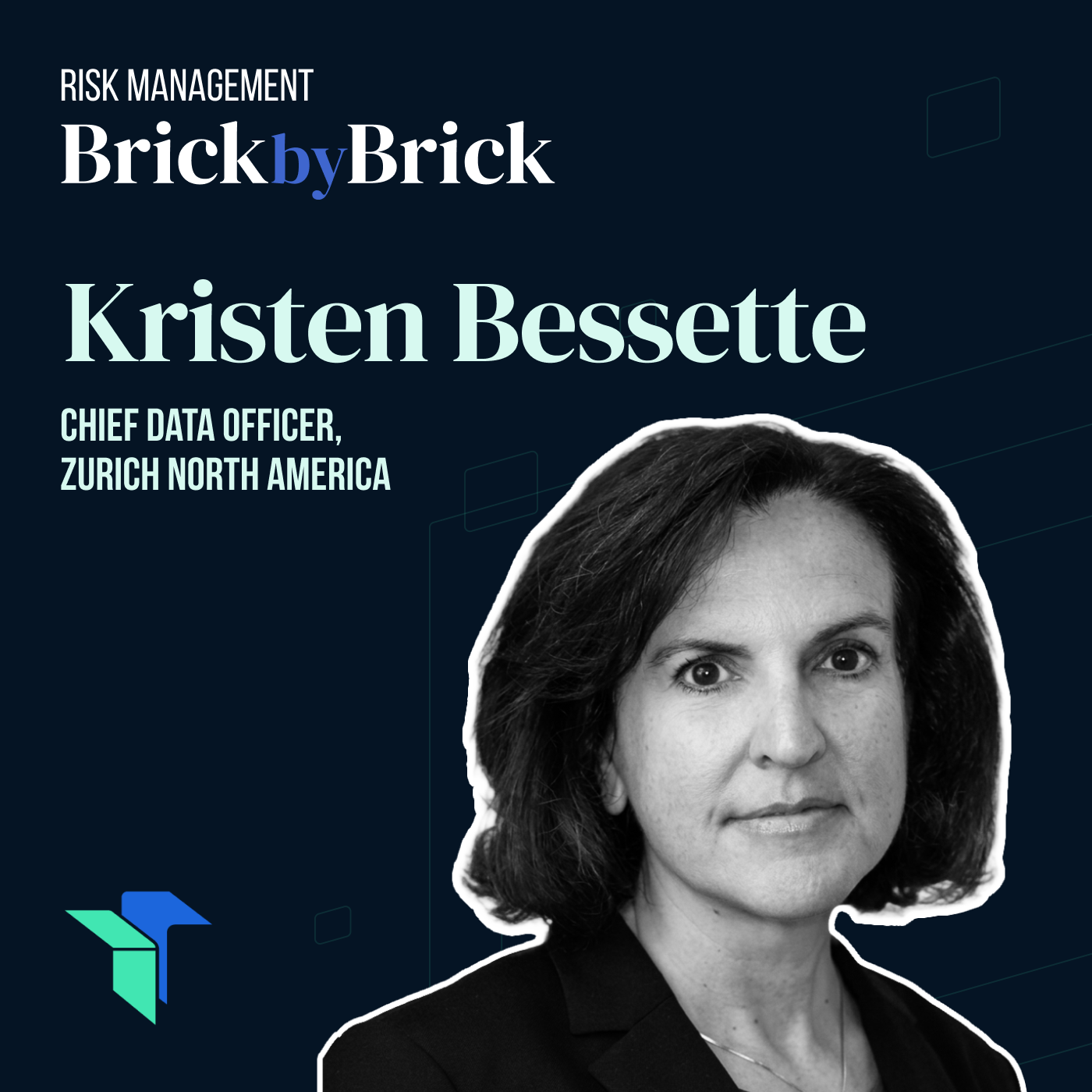 Why AI Will Replace Risk Managers Who Don't Adapt | Kristen BessetteRisk Management: Brick by Brick · on Salesforce85 / 100
 Unscripted with Victor: Agentic AI, Fintech's Future, and the Death of the App EconomyVentures from The Valley · on Anthropic83 / 100
 Off-site Retail Media & CTV - Andrew Lipsman on Retail Media’s Next FrontierThe Retail Razor Show · on Connected TV (CTV)78 / 100
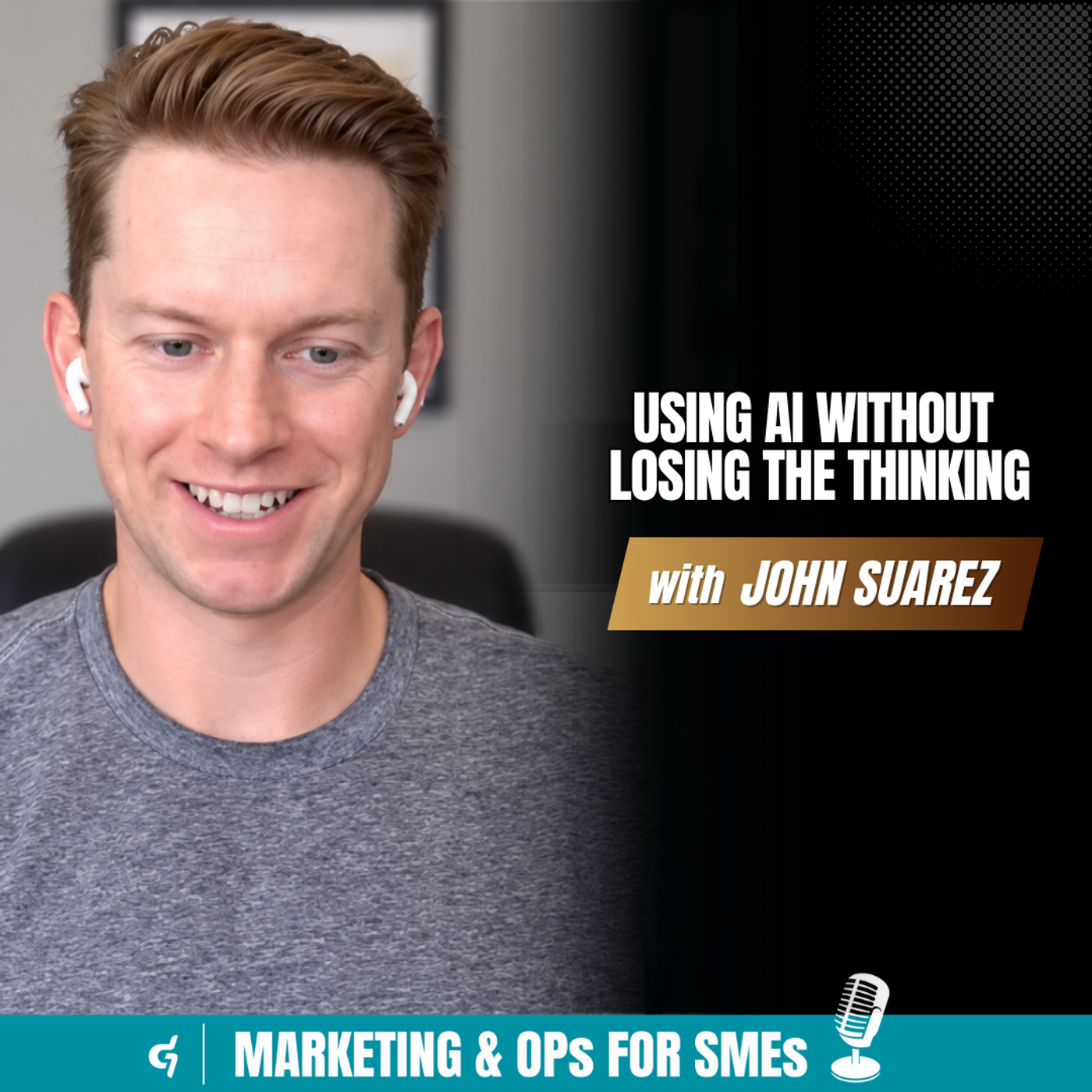 John Suarez on How Businesses Should Actually Use AI Without Losing Human JudgementMarketing for SMEs · on Anthropic78 / 100
 Mike Micucci: Tell the World Your StoryThe BreakLine Arena · on Salesforce77 / 100OpenAI files confidential S-1 toward September IPO, Anthropic projects first profit of $559m at $10.9bn quarterly revenue, SpaceX prospectus reveals Anthropic's $15bn compute bill, Google ships Conversational Discovery ads at Marketing Live68 / 100Google ships Gemini 3.5 Flash and Gemini Spark at I/O, AI Max for Search graduates and retires Dynamic Search Ads, Google launches Universal Commerce Protocol with Shopify and Walmart, AI Ultra subscription drops to $10065 / 100OpenAI partners Dell to ship Codex on-premises, Anthropic overtakes OpenAI in US business spend on Ramp, xAI launches Grok Build at $300 a month72 / 100Google I/O 2026 opens with Gemini Intelligence and Googlebook, ChatGPT shifts ads to cost-per-click bidding, Snap kills Perplexity's $400m AI search deal, Coty hands Consumer Beauty content to Pencil70 / 100OpenAI ships ChatGPT Personal Finance with Plaid, Anthropic eyes $950bn raise on $30bn ARR, HubSpot launches AEO Sensor for ChatGPT and Gemini visibility, Meta opens Incognito Chat with WhatsApp Private Processing71 / 100