
The Connection · 2026-03-12 · 17 min
Key moments - from our scoring
Substance score
39 / 100
Five dimensions, 20 points each
Gareth Jones, Business Development Director at North London Partners, discusses how healthcare organizations should use automation to create a "time dividend" rather than simply replacing jobs. Drawing from his unconventional career path - from Virgin Group to NHS staff banking to building a corporate shared services collaborative across eight London trusts - Jones argues that technology like RPA (robotic process automation, including his award-winning tool STU) should free clinical and administrative staff to do higher-value work that currently goes undone due to time constraints. He warns against repeating the mistakes of industrial decline, where displaced workers received no support, and advocates for redeploying freed-up staff capacity toward patient-facing activities and care quality improvements. The discussion covers his organization's early-stage experiments with generative AI for HR policy simplification and chatbots, while emphasizing that non-clinical automation can build confidence for clinical applications. Jones also reflects on career development, the importance of exposing young people to non-traditional healthcare roles (like robotics), and how the pandemic created collaborative momentum that organizations should have capitalized on.
STU (Speeds Things Up) is a robotic process automation tool that North London Partners developed to automate repetitive administrative tasks, reduce errors, and free up staff time to focus on telephone-based support and direct patient interaction rather than data entry and form processing.
Rather than letting workers become redundant, Jones argues healthcare organizations should redeploy freed-up capacity to address unmet needs - such as improved patient communication, care quality assurance, and face-to-face engagement - that currently go undone because staff lack time.
The organization is experimenting with chatbots for 24/7 policy FAQs and has tested dropping entire trust HR policies into generative AI systems to produce simplified one-page guides, which are then used to redesign training.
Established in 2021 across an eight-trust ICS, the collaborative delivers recruitment services, medical staffing, occupational health, payroll, and staff benefits administration as centralized shared services.
The time dividend is the extra staff capacity freed up by automation - measured in available hours per week - that organizations can redeploy to value-adding work that improves patient outcomes and staff experience rather than simply cutting jobs.
Our reviewer’s read on each dimension, with quotes from the episode.
A handful of genuinely useful framings (the 'time dividend', mining analogy for displacement, pandemic as silo-breaker) are buried under extended biographical tangents, book-writing chat, and a Paris restaurant recommendation that consume significant airtime in a 17-minute episode.
it's that time dividend. If I had an extra 600 hours a week worth of staff time, what would I deploy it to do?
it almost doesn't matter what it does as long as it does it well. But it needs to free us up to do the things it can't do and that we're not doing now because we haven't got time
The 'time dividend' framing is a mildly fresh way to pose the workforce-displacement question, but the mining analogy is a well-worn comparison and the remaining AI observations ('chatbots scrape your policies', 'prove concept in non-clinical first') are standard-issue takes circulating across the sector.
The catastrophe of the mining thing wasn't that we closed the mines, it was is that we didn't give anything back to those people and give them meaningful careers to go forward
A chatbot at the moment basically just scrapes your policies and you've got to give it a bunch of FAQs
Gareth Jones is a genuine NHS practitioner who actually stood up a multi-trust shared services collaborative and deployed an award-winning automation tool; he's a real operator, not a thought-leader, though his seniority is mid-tier and his depth of insight in the transcript is constrained by the conversation's casual tone.
in 2021, we set up in across our ICS, we set up a collaborative to deliver corporate shared services. So there are eight trusts in our ics
Stu stands for Speeds Things up. And that's really where we started our automation journey was how can we do stuff quicker and with fewer errors?
There are a handful of concrete anchors - eight trusts, a named automation tool, the 600-hours-per-week thought experiment, specific hospitals - but no outcome data, no ROI figures, and no before/after metrics to substantiate any of the automation claims.
If I had an extra 600 hours a week worth of staff time, what would I deploy it to do?
Another colleague of mine has dropped the entirety of a trust's HR policies into an AI machine and produced one page Idiot's guides on what you need to do
The hosts openly flag a long personal friendship and the conversation plays out accordingly - no pushback, no probing follow-ups, and the episode's closing minutes are spent on Gareth's book about French pop music and a Paris sightseeing tip, which is a striking use of a 17-minute B2B healthcare show.
And what does the Gareth out of work get involved in, then? What's going on?
What's your best spot in Paris? A newbie to Paris. Where do they head for?
Computed from the transcript - who did the talking, and the words that came up most.
In this episode, recorded live at the Connected Health and Care Summit, hosts Liz Jones (Chief Customer Officer) and Darren Kilroy (Medical Director) sit down with Gareth Jones, Business Development Director at North London Partners Shared Services, an ICS-wide shared services collaborative spanning eight NHS trusts. Welcome to The Connection: Where Tech Meets Humanity in Healthcare podcast,
Transcribed and scored by The B2B Podcast Index.
Some of that work will go completely. And it's a bit like when we took the mines out. The catastrophe for the mining thing wasn't that we closed the mines, is that we didn't give anything back to those people and give them meaningful careers to go forward. So we need to think about those people if we're going to take their jobs away.
We can't just put them in scrap heap. We need to find something else for them to do. And for me, there's loads of stuff in the health service that needs doing but doesn't get done because there's nobody to do it. Hello and welcome to the Connection, where RL Data's Chief Customer officer, Liz Jones and Medical director Darren Kilroy are joined by leaders and colleagues from within the healthcare industry.
In the Connection, we explore how people and technology in healthcare can come together to create great experiences and support patient safety. We hope you enjoy listening. Hello and welcome to the Connection Podcast. We're here at the Connected Health and Care Summit, and my name is Liz Jones.
My name is Darren Kilroy and we're joined today by Gareth Jones from North London Partners. Good to see you, Gareth. Thanks for popping in. Amazing to see you.
So, Gareth, the three of us have known each other a very long time, right? So for anyone listening, let's not go there. So for anyone listening, there's a lot of history across a lot of different topics, and we know each other individually as well as together. I thought, because this.
This podcast is as much about the people that we're talking to as some of the stuff that you've been doing. I wanted to start with your story about how you got into healthcare, because it's a cool story, I think. I think it's one of those. And you're not from these parts originally?
No, I grew up on the other side of the world, where there's kangaroos. And I came over here years ago and I worked with the Virgin Group, best part of a decade, selling things called records and CDs, which some of our younger listeners may not know where those things are, but the Virgin Group doing that is the coolest place you could have been doing it. And records are all trending now again, Gareth, aren't they? So, you know, vinyl's back in, mate.
But we digress. And I said I worked there for best part of a decade and then took a voluntary redundancy when they restructured, had a year off and did what you do when you have a year off. And they needed a job. So I just wandered down to my local hospital and joined the staff bank and I never left.
We've done a few of these this last two days and I love the entry points into the nhs. I just think it's an entire podcast in its own right. So you started stuff Banking, you were doing an administration role, which a lot of people don't realize that there are such thing as stuff banks for or flexible work for administration roles, right? No, I didn't know either.
I went down to the local job center and there was this thing saying, oh, there's a jobs fair at the Royal Free. So I wandered up, didn't really see anything that took my fancy, but I had a chat to the temporary staffing manager and said, oh, okay, I'll fill in a form. And about three weeks later I got a phone call saying there's some rostering stuff that needs doing for resident doctors that we need to reduce their hours. We need someone to come in and do a little project.
Do you think that would interest you? So I went along, I tried it and five weeks later I had a proper job and like I said, I never left. And the rest is sort of contractual history, isn't it? Yeah, kind of.
It is. And so if we can fast forward right to where we are now, could you describe to the listeners what it is your role is now and in the organization that you do it? Because you've got a sub organization within an organization, haven't you? Yeah.
So in 2021, we set up in across our ICS, we set up a collaborative to deliver corporate shared services. So there are eight trusts in our ics, they're all partners, hence we're called North London Partners. And I'm the business development director there, which means I pursue new business opportunities, new things we could put into the shared service, new customers that might want to come and take our services. And we deliver recruitment services, medical staffing services, which is my background, occupational health, payroll, staff, paying benefits and a range of things.
In the years that you've now been involved in this industry of healthcare, there's such a lot's changed and there's so many changes all over the way that we work. And what has changed the most for you in your time in healthcare, Gareth, since you started in the early days, what's been the biggest thing that's impacted the way that you work and operate and the people around you, do you reckon? Any one thing that stands out? Tech.
So when I started in a medical staffing office, the medical staffing manager didn't have a computer on her Desk. That's how far back we go. So don't make any guesses as to how old I am from that. But she didn't have a computer, she didn't have an email account and we were struggling to master things like basic, Excel.
Now we spend all our time having meetings online via Microsoft Teams. We have a massive battery of technological software at our fingertips, which enables us to work much more quickly, to shift course much more quickly. And actually, perversely, because of the way we've set up our shared service, it's actually freed us up to do more face to face stuff because we're not wasting time feeding the beast, filling in paper forms and processing them. A lot of that's now being done for us.
So we've kind of gone full circle where we spent all our time sticking data into a machine to a point where a machine now does that for us. And I can get out and talk to people and remind me what your. You famously won an award for this machine that is a robot. Ish.
We did. And what was it called again? Stu. Stu.
I knew it had a name. That's great. Stu stands for Speeds Things up. And that's really where we started our automation journey was how can we do stuff quicker and with fewer errors?
And crucially for me, it was. And how can I free up my staff to get back on the telephone and start talking to people rather than just dashing off a quick email because they're too busy? Yeah. And that is.
You've not been here for the whole two days. But we've had a lot of conversation about AI and how it's got to work for us rather than us work for it. And you've just summed it up really quite straightforwardly. It needs to free us up to talk to people.
Yeah. Whatever AI can do for us frees us up to do something else, I think, is the way I see it, it almost doesn't matter what it does as long as it does it well. But it needs to free us up to do the things it can't do and that we're not doing now because we haven't got time. So taking a flip on this.
So you've got this interplay happening here. We've got a bit of a technology revolution within the nhs as new tech is coming on board from your boss having nothing through to now, where it's effectively a member of the workforce. But at the same time, your career, I think, is an inspiration for people that may be listening because you have at times been able to Go, I've got a vision to do things differently. And your vision for this new role and for the way the shared service would work was way before there were ICBs or ICSS.
And I think it's quite inspiring. You know, there's a lot of conversation about the NHS being difficult to navigate and make things happen. You had a vision and you've made it happen. So is that you or is that.
Because. Is the narrative wrong and it's actually easy? No, no, it's certainly not easy, but I wouldn't say it's me either. I think we were lucky in our timing.
The pandemic was a dreadful thing to happen in very, very many ways. But one of the things the pandemic did do was open up the door to collaborative working. And we only got through the pandemic because we took those silos down and started working as systems, not as hospitals. And it was against that backdrop that we started to push the corporate shared services agenda.
So people were in that frame of mind then. Paradoxically, they're not again now because everyone's focused on how they're going to balance their own books and whatever. And I think to do what we did from a standing start now would probably be harder than it was when we did it in 2021. Undoubtedly, Gareth, you set that spot on.
It would be harder now. It would be harder now. Yeah, I think it would. So, yeah, I mean, it does take individuals with vision and drive and all of that stuff.
And I had some really good colleagues. It was certainly not me. And we just never gave up on it. And you kept chipping away and chipping away.
You work with the willing and you build something. If you build it, they will come. And we've built it now and they're coming. And that's a good place, I think, for me, in a year or two's time, to perhaps walk away and leave it and go and do something else.
And what do you think will a conference where arguably the roles of the people here will be radically different within a very short amount of time because certain things will be automated. What's your take in terms of how we start to prepare people for that? Particularly in the admin layer within hospitals, Some of that work will go completely. And it's a bit like when we took the mines out.
The catastrophe of the mining thing wasn't that we closed the mines, it was is that we didn't give anything back to those people and give them meaningful careers to go forward. So we need to think about those people. If we're going to take their jobs away. We can't just put them in scrap paper.
We need to find something else for them to do. And for me, there's loads of stuff in the health service that needs doing but doesn't get done because there's nobody to do it. And so it's about. It's that time dividend.
If I had an extra 600 hours a week worth of staff time, what would I deploy it to do? And you can find work for them to do. That's value adding, that helps you get stuff right the first time and therefore will ultimately pay for itself and arguably more rewarding than what you're doing now, maybe. Oh God, yeah.
I was going to ask you actually go AI as we speak in your world now, how is it being employed and enacted within your teams right now? What's going on there with AI? We haven't done a lot. I am aware of organizations that we're in touch with, having dialogue with now who are investigating the kind of chatbot bit of it, which I think is the easiest bit from an HR perspective to get into.
But I have got a colleague who's actually is working his way through quite a detailed course in generative AI at the moment because I think that's the thing that will really unlock it. A chatbot at the moment basically just scrapes your policies and you've got to give it a bunch of FAQs. And yeah, okay, that is useful and it gives you a 24, 7 service where you've currently now only got 40 hour service. But it's not enough.
We have done some playing around. Another colleague of mine has dropped the entirety of a trust's HR policies into an AI machine and produced one page Idiot's guides on what you need to do. And that's just kind of phenomenal. And she's then used those to redesign training around that stuff.
And this is just. We're in the infancy at the moment of that. So there's lots, I think to play for, certainly in the non clinical space, which is probably where it's a bit safer. And I think if you can prove the concept in a non clinical space, then your clinicians will say, well, hang on, couldn't we be doing this too?
Absolutely. And I wanted to flip it a bit because I know you're a busy man and we've not done much time because you want to do other things at the conference, guys. But when you're not doing this clever work that you do all day with AI and thinking about all These amazing things you've been involved in over the years. What does the Gareth out of work get involved in, then?
What's going on? If anyone reads Shindig Magazine, you'll get my next article in the next month's edition. Wow. What is this?
Go on, tell us more. Yeah, so I do a bit of writing on the side. So I write for a Web magazine called PopXpresso. I write for Shindig two or three times a year.
I wrote a book during the Pandemic. What was the book? I wrote a book on French pop. Which kind of takes you from Edith Piaf.
Well, sort of from the war through to the death of Edith Piaf, that sort of period. Am I allowed to explain that you are fluent in French? I wouldn't say I'm fluent, but I do speak French. You talked about rostering and workforce management in fluent French to French people.
It's a niche topic to be talking in French. This needs to have rostering in French. It's something we should explore in a future. So if we can do another podcast in French.
Yeah, yeah, yeah. That's incredible. The writing's incredible. So is that how you get your kind of like downtime?
Yeah. I mean, the downside of it is it means I spend my downtime in front of the computer too, which isn't great and is one of the reasons that I'm partially retired now is just to get a better balance. But it is what I do. My dad was the same.
My dad did radio. We're both passionate music fans and I don't want that knowledge to die with me, so I've got to find a way of sharing it. It's relatively easy to get published these days. Where can we access the book?
The book's available online. It publishes music mentor books. But if you just Google it online, you can find it. We'll put a link on the podcast.
So 30 years ago and you're back 30 years ago and you're like saying, what job are you going to do, what movie you're going to make, anything you'd have done in hindsight that would be different career wise. And then if you were talking to somebody who was about to enter the workforce now into a health and care setting, where would you be advising them to spend their energy? So, two things. I never had a career plan, ever.
I went from school to university because I didn't know what I wanted to do. I mucked around at university for far more years than I should have done. When that finished, I didn't know what I wanted to do. So I came here, I drifted into selling music because I liked music.
I drifted into the health service because I needed a job. And I've drifted upwards and outwards ever since. And I don't think that's a bad way to run a career. Just see, you know, there's an open door that looks interesting, I'll go and do that.
Is not a bad way to do it. If you do want to make a start in the health service, though, which is, I think, the second half of your question, I don't think it matters where you start, it's really rewarding. And when I look at my two careers, working for Richard Branson, man with a dodgy beard, presumably, I get that from somewhere. And I look at the health service and they were very, very different.
And fundamentally, the second one, the health service one, is more rewarding than working for Virgin was because at the end of the day, no matter how awful my day has been, I can draw a golden thread to Mr. Patel on Ward 7 in UCLH Hospital, who's just had his hip replaced. And something I've done has helped that happen. And so it doesn't matter.
It doesn't matter what you do. I talk to school kids quite a lot and it's. I work for the nhs. Oh, are you a doctor?
No, no, no. I work with robots. You can work with robots in the nhs. That's brilliant because we talk a lot on these podcasts about young people, school, college, undergraduates, whatever you care to mention, about exposing them to the full panoply of career options that go beyond traditional tropes of doctors and nurses and therapists.
And the fact that you talk to kids like that is brilliant because so few people do it in those roles and it's so important. Yeah, I mean, because we're a shared service, I guess we've got more time. So it's that thing, isn't it? And we're able to get out into schools and go to job fairs and not just send, like, the nursing representative, which is the way it was traditionally A one.
So we just have people from our team recruiters, and they could talk about any. Oh, yeah. Did you know you could do this? Did you know you could do this?
And yeah, it is. It's fantastic. And it's a way of getting people in. I think we really missed a trick in the NHS on the back of the pandemic.
There was huge amount of interest in coming to join the nhs and we really, really didn't capitalise on that and we can't make that mistake again. But I think undoubtedly there are some people who do have poor experience at work within the NHS because it's such a big employer. But we talk to people like you who've managed to do really incredible things. You know, we've not even touched on half your career in the NHS here.
We won't go over all of it. We won't have time. But Those are the R.A.
barely told stories. So, Garrett, we're almost out of time because there's a busy schedule for you and everyone. And I just wanted to, at the end of our time, firstly, any more plans to write another book? Anything in the offing?
There's nothing in the offing at the moment, but I am on the glide path, I think, to retirement. So I am starting to think of a topic for the next one. Fantastic. And we'll put a link in to the podcast, as Liz says, for the book, to enable people to access that.
We will. And thank you. Thanks for everything that you do. Thanks for always challenging organizations like ours to do better.
And don't go into retirement too soon, please. No top tip for any listeners you leave. Gareth, what's your best spot in Paris? A newbie to Paris.
Where do they head for? It's a big question, but where would you recommend people head for? So if you want something that still is authentically French, I would go up to Montmartre in the evening and behind Sacre Coeur there is a cabaret that's been there for well over 100 years where they still sing French chanson in the evenings. And I would go there.
It's called Le Panagile. Thank you, Gareth, on that great tip. We'll be heading there soon. As soon as you heard it first.
Thank you, Gareth, for your time so much. Been great to talk to you. Thank you so much. Thanks, Vita.
Cheers. Thank you. Thank you for joining us on today's episode of the Connection. We hope this episode has provided you with valuable insights on the role that both technology and people play within the healthcare landscape.
For more information and resources, visit rldatix.com don't forget to subscribe to the Connection on Apple Podcasts, Spotify or any other podcast platform you use. Join us next time as we continue to explore how healthcare is impacted by by connecting people and technology. On behalf of the RL Datix team, thanks for listening.
Other episodes covering the same guests and topics, from across The B2B Podcast Index.
 Hiring top-tier talent, the importance of adopting an evolutionary mindset, and taking critical feedback to solve technical problems w/ Sergiy Nesterenko @ QuilterEngineering Founders · on generative AI88 / 100
 What Marketers Can Control When AI Changes Everything with Nick Wedewer, VP of Growth Marketing at Hims & HersThe Partnership Economy · on generative AI87 / 100
 Hiring top-tier talent, leveraging open source models, and staying competitive in the age of AI w/ Benny Chen #267The Engineering Leadership Podcast · on generative AI86 / 100
 Inside Target’s approach to enterprise AI deployment with Sowmya PodilaThe Ecommerce Toolbox: AI in Retail · on generative AI79 / 100
 Navigating AI Risks with Trevor Horwitz from TrustNetB2B Automation Spotlight · on generative AI79 / 100
 We React to Viral (& worst) Workplace Videos - Part 1WTF is Business Casual · on Microsoft Teams69 / 100
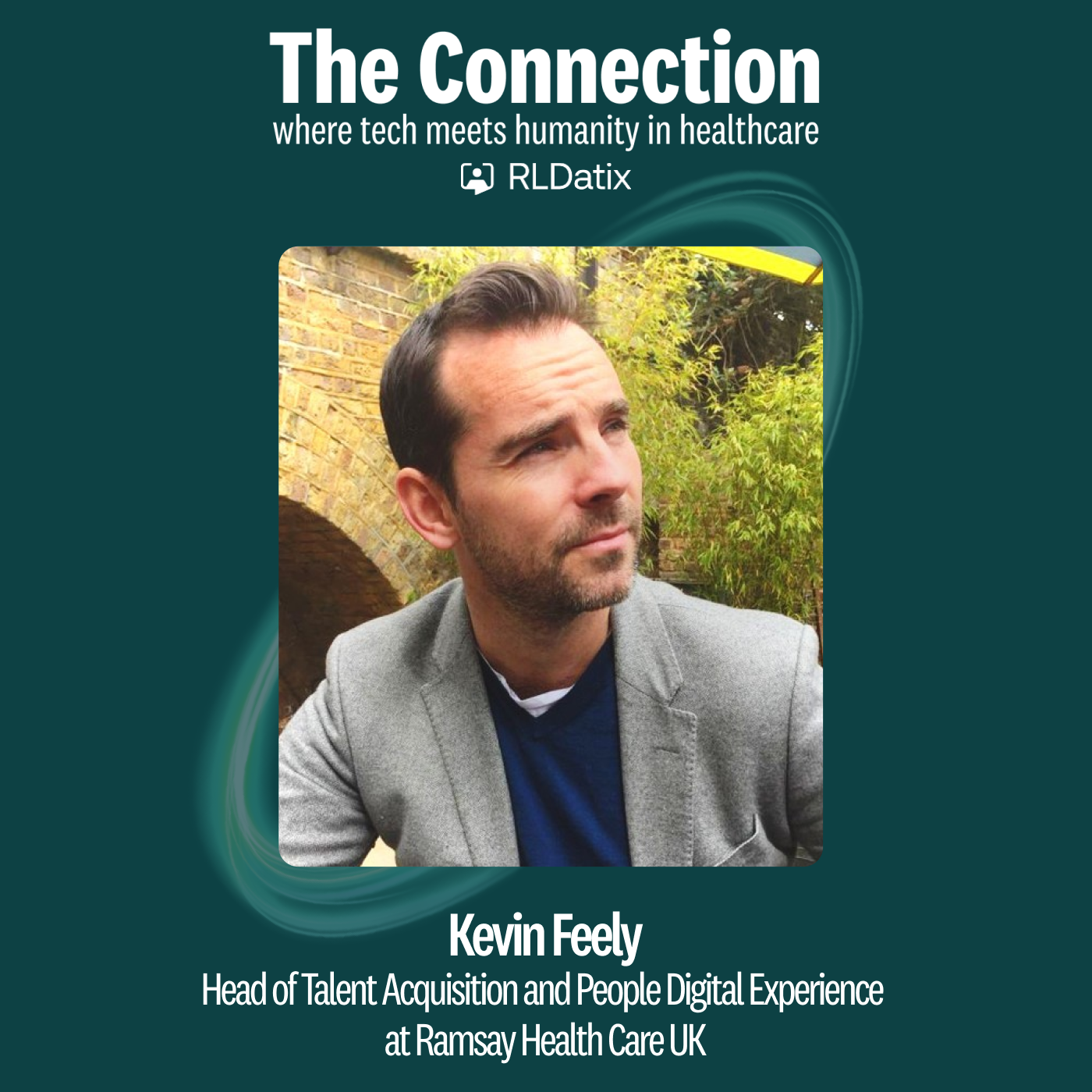 Fixing the Foundations: Trust, Integration, and Workforce Systems62 / 100
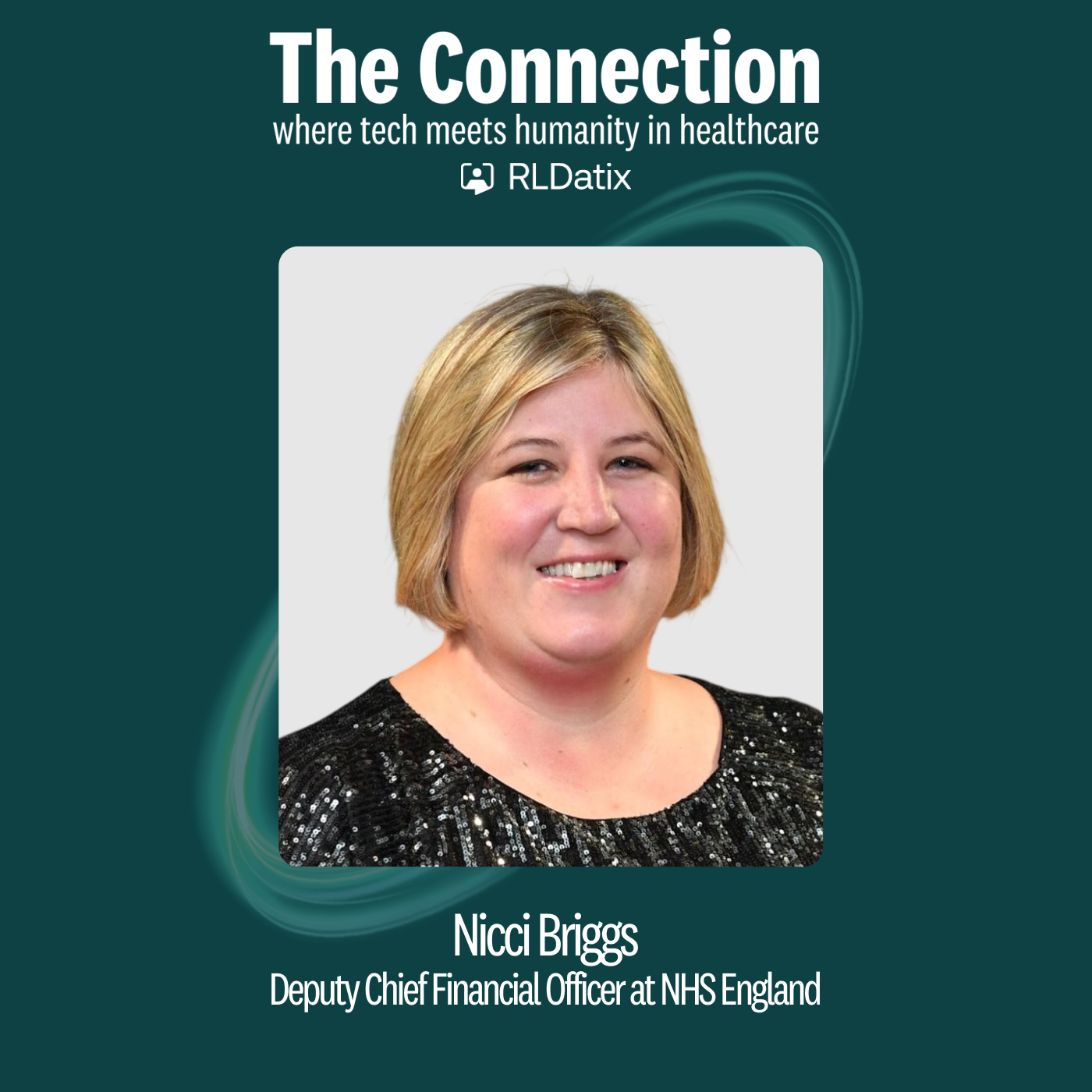 The Language of Change: Why NHS Finance Must Move Closer to the Front Line71 / 100
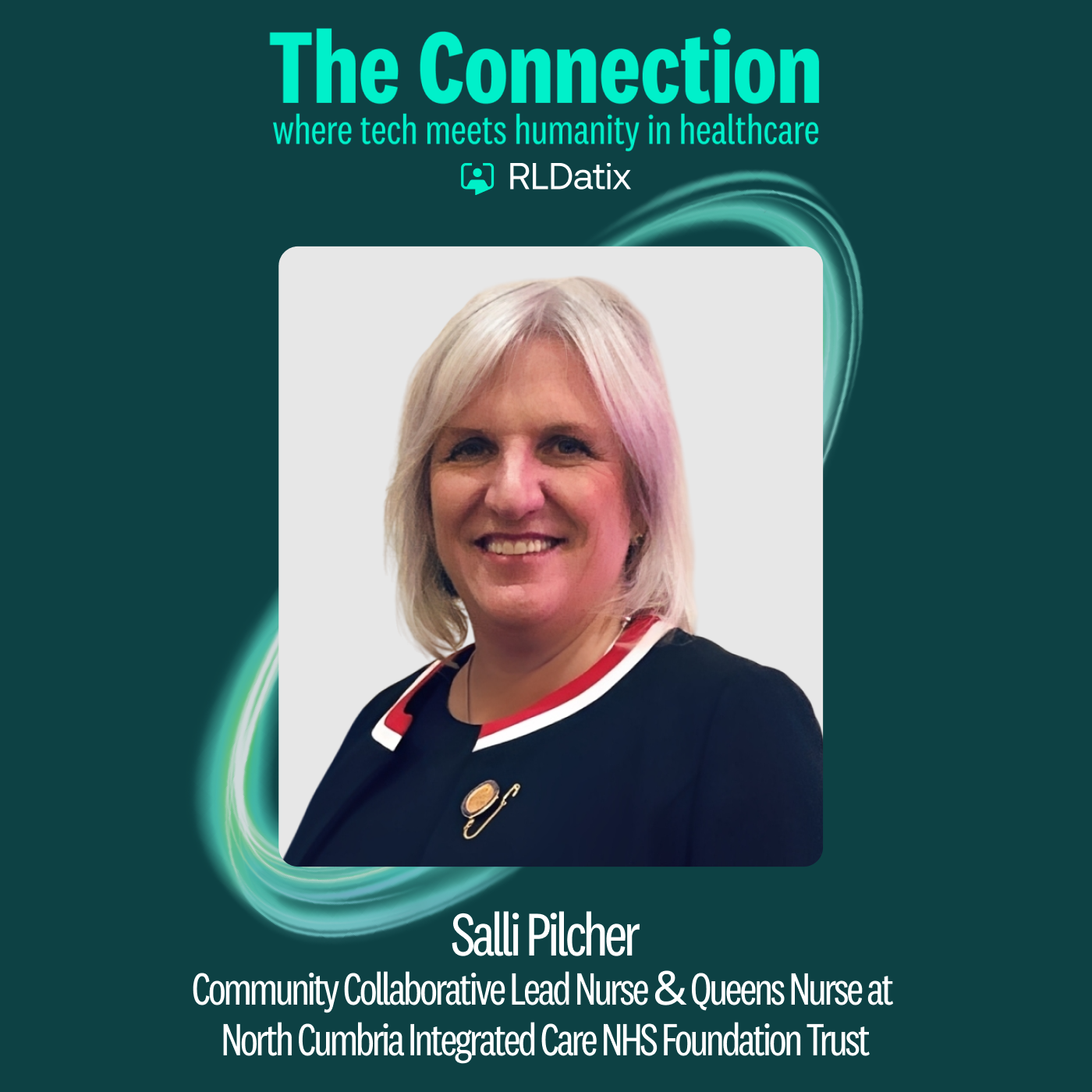 Community Nursing in Focus: How North Cumbria Supports Patients Beyond the Hospital61 / 100
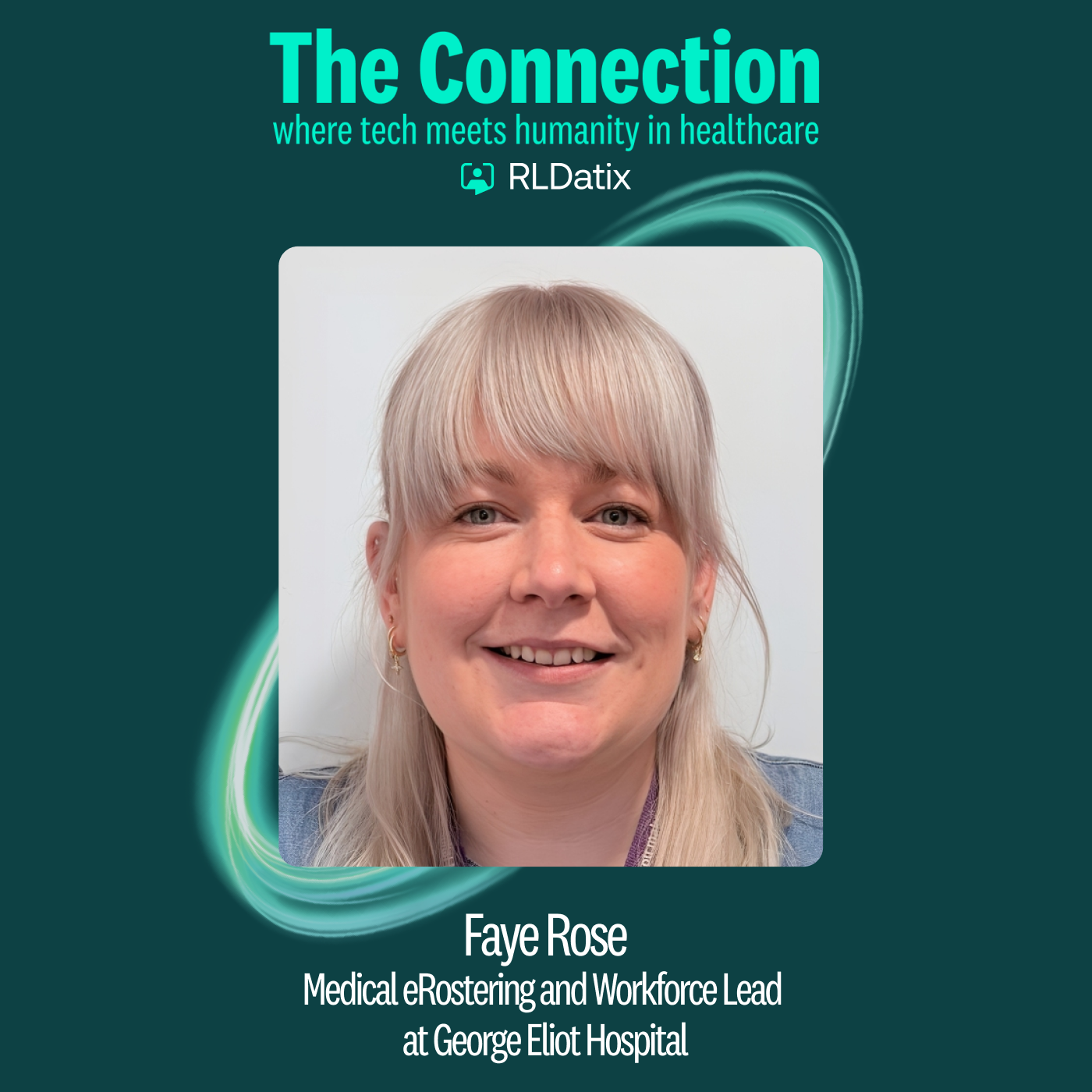 NHS E-Rostering: How Relationships Help Doctors Use Technology With Confidence68 / 100
 Building Internal Governance: Duncan Astill On Healthcare Safety Beyond External Regulation86 / 100