
The Charity Charge Show · 2026-07-30 · 39 min
Key moments - from our scoring
Substance score
48 / 100
Five dimensions, 20 points each
MADD, founded by a mother who lost her daughter in a drunk driving crash, has evolved from a grassroots movement into a national nonprofit that has secured major public safety legislation including seatbelt laws, the 0.08 BAC limit, and the 21 minimum drinking age. Stewart, CEO for 3.5 years with a background in investment banking, discusses the organization's shift toward technology partnerships and cross-sector collaboration. The centerpiece of current efforts is the HALT Act, which mandates passive impaired-driving detection technology in all new vehicles - research shows this could come closer to ending impaired driving than anything attempted before. Stewart addresses common concerns about privacy and surveillance, positioning the technology alongside existing safety systems like lane-keeping assistance. MADD partners with organizations including AAA, the National Safety Council, Uber, Lyft, Waymo, and responsibility.org. Despite having options like rideshare, impaired driving still causes roughly 12,000-13,000 deaths annually and accounts for one-third of fatal crashes. Stewart emphasizes that while distracted and drowsy driving are growing concerns, impaired driving remains the leading behavioral cause of road fatalities.
The HALT Act, passed in 2021 on a bipartisan basis, mandates that new cars include passive impaired-driving detection technology that seamlessly monitors driver state and prevents vehicle operation if the driver is above the legal BAC limit, without requiring active user input or data collection for external purposes.
While some resistance centers on government surveillance and privacy concerns about data collection, Stewart positions these as solvable questions and notes that similar monitoring technology already exists in vehicles (lane-keeping, drowsy-driver alerts) without widespread opposition.
Approximately 12,000-13,000 people die annually as a result of impaired driving crashes involving alcohol or other substances, and impaired driving accounts for roughly one-third of all fatal crashes on U.S. roads.
MADD led efforts that resulted in stronger seatbelt laws, the 0.08 blood alcohol concentration legal limit becoming federal law, and the 21 minimum drinking age becoming federal law - all once-controversial measures now widely accepted.
MADD collaborates with nonprofits including AAA, the National Safety Council, the Governor's Highway Safety Association, and responsibility.org, as well as for-profit partners like Uber, Lyft, Waymo, and some alcohol companies that advocate for responsible consumption.
Our reviewer’s read on each dimension, with quotes from the episode.
There are a handful of genuinely useful data points buried in the conversation, but the ratio of insight to host filler, personal anecdotes, and acknowledgment speeches is poor. Novel statistics appear but are not probed to depth.
about 2/3 of the fatalities that are happening are happening because of drivers who are driving at twice the legal limit or more
the CDC has said that a lot of the people that get arrested for DUI have been driving at least 80 times before they ever get arrested
The pivot to framing chronic impaired driving as a mental health and substance use disorder problem is a legitimately fresh angle for MADD, but it is introduced and then not developed with real depth. The rest of the episode is standard nonprofit advocacy messaging and organizational history.
one of the pivots that we made at MAD is looking at the root causes of impaired driving
about 80% of those DUI arrests, when you ask them, do you have a problem with alcohol or are you an alcoholic? Uh, they will admit, yes, I am
Stacy Davis Stewart is a genuine national nonprofit CEO with direct involvement in federal legislation (HALT Act), multi-sector partnerships, and 45 years of organizational history to speak to. She is not a thought-leader-for-hire, though her investment banking background means some operational insights feel secondhand.
I actually come from a business background. I went to business school, I worked in investment banking. I happen to spend the last many years now in the nonprofit sector
we helped to get passed in 2021, uh, on a bipartisan basis to mandate to require anti drug driving technology to be included in all cars
The episode delivers a respectable number of concrete figures and named organizations, but the host rarely follows up to extract deeper numbers, timelines, or budget-level specifics. Named partners and stats are present but thinly cited.
Every 44 minutes, someone dies in an impaired driving crash
we now have about 94% compliance with seatbelt laws. 94% of people are driving with their seatbelts. When we look at fatalities that happen as a result of car crashes, they happen due to the 6% or so that people, 50% of the fatalities happen within that 6%
The host asks one or two substantive questions (pushback/opposition, root causes, COVID period) but frequently interrupts to share personal stories, offer lengthy validation monologues, and lob softball closes. There are almost no genuine follow-ups or moments of productive challenge.
I'm 40 years old myself and, you know, there's always been seat belts and vehicles, but I couldn't, you know, imagine that there was an organization like this that really had to work to champion it
I found, you know, just in my own life and in, uh, business as well, running charity charge for over a decade now, I've always tried to look at what if. If there's an issue or a symptom
Computed from the transcript - who did the talking, and the words that came up most.
In this episode, nonprofit leader Stacey Davis Stewart discusses the impactful work of Mothers Against Drunk Driving (MAD), its history, legislative successes, and future initiatives to prevent impaired driving and save lives.
Transcribed and scored by The B2B Podcast Index.
Speaker A: Hello everyone. Welcome to this episode of the Charity Charge Show. I'm, um, your host, Stephen Garten. Today I'm excited to have on nonprofit leader Stacy Davis Stewart, who is the CEO of Mothers Against Drunk Driving. Stacy, thank you so much for joining us for today's episode.
Speaker B: Yeah, it's great to be with you. Thank you for having me.
Speaker A: It's our pleasure. And really excited, uh, to explore more about your organization and learn more about all of your experience operating and running and making an impact. I guess to start us off, uh, yeah. Could you share with us a little bit about the background of Mothers Against Drunk Driving and, you know, how the organization came to be and what the organization looks like today as it's evolved over the years.
Speaker B: Yeah. Thanks again for having me on mad. Mothers against drunk driving is a little over 45 years old. Um, we were started by a woman who lost her daughter in a drunk driving crash in California. And it was out of that pain and grief that she made a decision that this was a crime that should never occur again and that it was 100% preventable. And it is. And from, as a mother, she started a grassroots movement of many other mothers and other loved ones as well, people that had, had had similar situations having lost a loved one due to a drunk driving crash all around the country. So there were chapters that started all around the country in different states. I've met people whose mothers started the MAD chapter in, you know, in certain states. Uh, and it really. And over the past 45 years, Mad has played a m critical role in improving road safety and reducing the number of drunk driving and impaired driving crashes that happen on the roads. For example, MADD was very involved in leading the effort for stronger seatbelt laws. Getting 0.08 as the blood alcohol concentration level passed as federal law. Getting 21 as the minimum drinking age passed as federal law. Those were all legislative wins that MADD fought for and led on over these past 45 years. Today the big things we're working on is uh, getting fully implemented a law that we helped to get passed in 2021, uh, on a bipartisan basis to mandate to require anti drug driving technology to be included in all cars. And I'm sure we'll talk more about that. But MAD has had a critical role in addressing impaired driving crashes over many, many decades. Even when I was younger, just learning to drive. So many things at MAD that we take for granted now that are in place. All these things I talked about. 21 is a minimum drinking age. Seatbelt laws really as really requirements, those things were not in place even when I was younger. And so I'm really grateful to MAD for all the things that now make my kids safer and a whole bunch of people driving on the roads much safer. But unfortunately, we still have a lot more to do. Every 44 minutes, someone dies in an impaired driving crash. Many more people are injured. Uh, we will have anywhere between 12 and 13,000 people that will die as a result of an impaired driving crash, either due to alcohol or other substances. So, unfortunately, even though a lot of people think, oh, yeah, we have rideshare, we have Uber, we have Lyft, we have all these other options, people think, why is this still an issue? But unfortunately, it still is. And, uh, and that's why MAD is just as critical now as it ever was.
Speaker A: Well, I appreciate you sharing all of that. And as I sit here, I mean, one of our big mottos and mantras at Charity Charge is giving nonprofits the credit they deserve. And I really am appreciate you being on here even, you know, to share more that we'll get into and what you just shared, because I think that, you know, the collective public, if you will, doesn't always have enough appreciation for the work that's been done by passionate people. And, you know, your founder being, obviously having such a terrible thing happen. But out of that, uh, deciding, hey, I'm going to make a difference. And, you know, we go about the world that we live in and we kind of take for granted. We don't always have the perspective of why things are the way they are. And it's really because there's awesome, in this case, nonprofit organization that decided to make a change and make a difference. So I just wanted to take the moment to acknowledge you and the organization you're leading, because that's really, really incredible. Even when you mention stuff like seat belts and whatnot, I mean, I. I just, it's. It's hard to imagine. I'm 40 years old myself and, you know, there's always been seat belts and vehicles, but I couldn't, you know, imagine that there was an organization like this that really had to work to champion it. So I really appreciate that. That's awesome. Can you talk to us? I'm curious, from your perspective, um, leading this national. And is there. Is there any. Are you operating outside the United States at all?
Speaker B: So mad, the organization I lead is just in the US There is a MAD Canada, and there have been other countries that have tried to get MAD going in their countries as well. But MAD US is obviously the Biggest organization of mad. We license the name to MAD Canada. Got it.
Speaker A: Well, that's also. Yeah, you all have inspired and created the whole movement, you know, globally. So that's, that's really incredible. Can you talk to us like on a really just practical level? Now you, you mentioned some of the, the changes that have gone into effect, like the blood alcohol limit, seat belts. Can you talk to us on a sort uh, of a day to day kind of programming perspective, especially as you have this distributed model of support on the state level as well. You know, what does it look like, you know, for things that are being accomplished today or what happened last year? What does it look like on a kind of day to day grassroots level?
Speaker B: Yeah, well, you know, it's um, policy and advocacy has always been a huge part of madd. And I would say that even though I'm the CEO of madd, it's really the voices of victims and survivors that really power our ability to get legislative success. The people that have experienced the pain the most of losing a loved one are the ones who really give power and voice to the change that we're seeking. And so, um, we do an awful lot across states to engage our volunteers, those victims and survivors who are, who are so passionate about our mission and who are so dedicated to uh, really eliminating impaired driving as an issue and bringing an end to it ultimately. So that's one thing. And our volunteers work at both, as you mentioned, a state level and also the federal level. We have a lot of activity across many states on state specific legislation. So that could be, depending on the state, moving the blood alcohol concentration legal limit from 0.08 to 0.05, which is an effort going on in a few states. There are uh, there is a lot of activity right now on getting stronger ignition interlock laws in place. Ignition interlock. So those devices that often get installed in cars at the request of a court for a, for an offender of a DUI who needs to be held accountable to make sure they don't repeat, uh, that same behavior. And uh, we can reduce recidivism in impaired driving and reduce the number of crashes, the number of DUI cases that exist. So there's a lot of activity there. There's just uh, a lot that we can do. Ultimately. As I mentioned earlier, the implementation of the HALT act, uh, the HALT act is the, is the bill I mentioned earlier, the one that was passed in 2021 on a federal, at the federal level, on a bipartisan basis. It is the one thing that research shows will get Us as close to ending impaired driving as we've ever been. This is intended to be technology, not, we're not advocating for any specific technology, but what the law, uh, lays out is that it should be technology that is passive, mean you should just be able to sit in your car. The technology seamlessly operates at the highest level. If you are impaired, if you're drunk above the legal limit that you would not be able to operate the car. There are a lot of different technology providers that are working on this technology right now. In fact there are um, in Europe right now, there are driver monitoring systems, driver assistance systems that are going in place in new cars to help monitor the concept behavior, starting with drowsy driving and distracted driving, moving to impaired driving. So we know this is happening and it's just a matter of time before it happens in the U.S. but you know, it's still a work in progress. We still have a lot of work to do to make sure that that can be fully implemented. Working with automakers, advocates, the regulatory agencies and others.
Speaker A: And when you say all these things, I, I, to me you mentioned the word bipartisan for some of it and to me a lot of it sounds like a no brainer. You know, we all should be in alignment here. Where do you experience the pushback, uh, you know, when and if you do, in what ways does it manifest, in manifest itself that you're, you know, comfortable speaking about and kind of. Yeah, I don't know, I kind of want to think like, who's the villain out here? Like what's, what's maybe the other side of the argument. I think sometimes it's good to know that because it helps you prepare better and be able to articulate more, you know, for the change that you want to see.
Speaker B: It's a very good question and it is awfully hard to imagine why anybody would want to put roadblocks in the way of ending a pair driving. The people who are advocating to slow the progress that we're advocating for in terms of implementation of life saving technology, uh, it's a little concerning. I, uh, would say very concerning. And it's also a little baffling. It's unclear to me why anyone would be defending a drunk driver. I don't know why you would be someone that would feel that it's okay to go to sleep at night because you are defending the ability for people to go out, drink and use drugs and get behind a wheel. So the first reaction I have to your question is I don't understand the people who see this as not a beneficial mhm change to ensure that we have drunk driving, anti drunk driving technology implemented. Having said that, I think there are people that are raising very good questions and concerns that we want to be a part of helping to solve. So for example, some people have raised questions around is this uh, some kind of tool to, for government surveillance? Some people have asked, is this, is the data that gets collected from this technology going to be collected for any purpose that I don't feel comfortable with? Is my data going to be sold? Is my privacy going to be violated? I think those are all really good questions to ask as we look to try to implement technology that works for all of us. So as opposed to raising those questions and stopping the progress, what we would prefer is ask the questions and work with us to solve them because they are solvable. We agree we do not at MAD want anyone's privacy to be violated. We at MAD believe there's no reason to collect data, to sell it, to share it for any purpose. This technology is simply to be in a car, to monitor and to make sure and to provide a sensor to keep people safe. So think about the technology that already is in your car today that keeps you safely driving in a lane. You know, when you get a little distracted and you drift off in a lane, all of a sudden the car beeps and it keeps you in the lane. Hm. That's technology that's collecting your behavior right now and it's monitoring you. And guess what? It's keeping you safe and probably keeping the person next to you in the other lane safe too. Right. Think about, in some cars today, there is technology that if your eyes go off the road for a little bit, you get a little distracted. The beeps come and they say, oh,
Speaker A: both of my vehicles have that. Yep.
Speaker B: Right. So remember, this is technology that actually is in some cars today. So why you would be averse to any more technology that would say, yeah, you don't look like you're fit to drive, you don't quite look like you're able to safely handle, uh, this vehicle. And in fact, if you do, you could hurt yourself or hurt someone else. Why that would be any more of a challenge than what we already are seeing in cars today is sort of, uh, an open question for us. But having said that, we're willing to work with anybody, uh, to help solve these completely answerable questions. The last thing I'll just say is that I've gone back and look at videos of when we were trying to push for stronger seatbelt laws and Things like that. I've seen people during those times, you know, in the 80s, 90s, who were saying, oh my gosh, there's this government telling me what to do. There's this government ordering me to not, you know, as to how I should be able to drive my car. There are people actually saying on video, you know, I should be able to drink a beer if I want to and get behind the wheel. I don't think government should tell me that. Well, guess what? If you know that that behavior could lead to the death of someone or the death of yourself, what legitimately, you know, rational, uh, reason does anyone have to continue that kind of behavior? The last thing I'll say is that with seatbelts, we now have about 94% compliance with seatbelt laws. 94% of people are driving with their seatbelts. When we look at fatalities that happen as a result of car crashes, they happen due to the 6% or so that people, 50% of the fatalities happen within that 6% of folks that are not wearing seatbelts. Seatbelts work. Life saving technology works in cars. Um, the car can be the cure. Our cars can keep us safe and can keep us safe when someone behind the wheel may not be able to make the right decisions for themselves because they're struggling with mental health issues, substance use issues and other things. So making the car able to be safer for all of us is a positive, uh, is a positive development and it's one that we want to see implemented as soon as we can get it done.
Speaker A: Yeah, really the broader point that I think you're making is around public health. And we have all sorts of innovations and changes that have happened in this country over, as we're about to celebrate 250 years, you know, that are geared around public health and what's in the best interest. And I mean, even when it comes to the road, I think about, you know, changes to the speed limit, things of that sort. Right. Or not being able to smoke, um, you know, indoors or you know, in certain public environments and things of that sort. And it's really, you know, an interesting take on how, how you make laws, but ultimately for the benefit, you know, of society and for people. So I appreciate what you're doing. I'm curious too. Um, there's obviously other areas we'll get into in a moment here. Some of the biggest change and innovations I've seen is when organizations are able to collaborate. So when it comes to the public health side or other initiatives, you know, have there been over the 45 years, you know, other nonprofit partners or organizations that, you know, have been from a, from a mission in alignment with what you're doing and you've worked together to.
Speaker B: Oh, yeah, absolutely. Nonprofit and for profit. You know, we really believe in working across sectors. Uh, I actually come from a business background. I went to business school, I worked in investment banking. I happen to spend the last many years now in the nonprofit sector. But I believe strongly that a lot of our biggest social challenges come when we've got great coordination across sectors. And so at MAD, we have worked very, very closely with organizations like responsibility.org, working right now with AAA. We're working with a lot of the safety organizations like National Safety Council, the Governor's Highway Safety association, so many others who are all aligned around ending, uh, a peer driving. But what I would also say is we have some amazing for profit partners as well that are also really invested in this as well. So Uber is one of our greatest partners. And of course one of their, One of the big reasons why people will take a ride share is so that they don't drive drunk.
Speaker A: Absolutely.
Speaker B: So it actually works for us to work with Uber Lyft. Right? I mean, we've all done it, everyone's done it. Right? You know, Waymo, uh, and our partnerships across the autonomous vehicle industry, as that is evolving, we're developing a lot of great relationships with them. We have entered it into other, a lot of a range of other, uh, partnerships on the for profit side, on the technology side, even a partnership with some alcohol companies who actually advocate for responsibility in a really strong way. So I think it's really interesting how we're evolving as an organization to create a broader tent, a bigger tent. Because we know there really isn't anyone in society who's who, who we think, who rationally looks at this issue and says, yeah, I think we should continue having drunk and impaired driving. I think that's a really good thing for all of us. Like as a parent of two kids, uh, I think a lot about how my kids, especially in high school, but even now, as they are, you know, in college and out of college, driving safely, or if they're a passenger getting into the car of someone that I know and I can feel comfortable is driving safely and making good decisions. I don't know of a parent who hasn't worried about their kid coming home late after Friday football game or prom or homecoming or graduation after kids go out and celebrate. You know, all you dream about and you stay up late at night worrying about is making sure. Your kid gets home at night. Well, if we had technology that can be deployed right now that would make, make sure that's possible. Then, you know, we'd have parents sleeping well at night. You know, we'd have families who wouldn't have to miss their loved ones because of one wrong decision that someone made out on the road. So that's, that's what we're fighting for
Speaker A: today when we've spent a lot of time and I know it's obviously in the name and the kind of the genesis of the organization, Mothers Against Drunk Driving. When I think about what about distracted driving and, you know, people texting and driving or just look on their phone. I mean, I can't tell you how many times I'm driving with my wife and, you know, I'm driving, she looks over and she's like, hey, that person's on their phone, like, look out for them. We just see it all over. So how does the organization as society is changing, thinking about, you know, other things that are related to the genesis of the organization where it was originally drunk driving, but still these other kind of new things that crept up that, I mean, before the iPhone was introduced, I don't think we ever thought, you know, we'd be so addicted to a device. And, you know, people just want to be on it 24 7, even when they're driving. So how do you, uh, how do you all think about that and what are some of the initiatives that you might be able to do with maybe those technology or phone providers to help limit usage during the car?
Speaker B: So it's a really good question. I think we're now in a, um, moment where technology, and we're seeing a lot of people being concerned about how technology cannot be good for us in society. There's a lot of debate about that right now. But I think it's also fair where technology is able to keep us safe and where technology can be a force for good. And in road safety, that certainly isn't one of the. We certainly are living in a place and a time right now where technology is being used to keep us safer. At mad, we really embrace that we're a part of, uh, an ecosystem, uh, of technology solutions that really, once fully implemented, can do a lot of things to help us be safer drivers. Uh, I mentioned things like, uh, lane keeping, technology and intelligence, speed assist. There's a lot of movement right now on moving forward with preventing super speeders on our roads. That's really good technology that will help reduce a lot of crashes. Our HALDACT implementation around anti drunk driving technology is another solution. Autonomous vehicle technology, another solution. So at mad, what we really see is that we're one part of a whole ecosystem that can address not only impaired driving, but also, to your point, distracted driving, drowsy driving. Look, my sister was a, uh, quadriplegic for 45 years because she was a passenger in a crash due to a drowsy driver. So this issue is really personal for me. I understand that impaired driving isn't the only issue on the roads, although I will tell you that impaired driving still accounts for one third of all fatal crashes on our roads. So it still is. While we do have, and rightfully so, growing concerns about distracted driving and drowsy driving, we cannot lose sight of the fact that it is still impaired driving that is still the, uh, leader in terms of all of these kinds of behavioral issues that are causing fatalities and injuries on our roads. So our mission is still preventing, uh, impaired driving, but we see ourselves being very much in partnership with all of these different efforts and see technology as being useful to address a range of issues, including ending in beer driving.
Speaker A: Thank you for sharing that. I appreciate it. I'm curious to talk to you a little bit about, um, your position as the leader of the organization. Because to be operating an organization that's successfully been around and made all this change and improvement for 45 years really is an anomaly. You're really in rare air with that. We work with a few thousand nonprofits at Charity Charge, and a lot of these are, you know, local grassroots organizations that are. Have a specific mission and something that they're really trying to affect change within, in their communities. But they're always trying to figure out, you know, how do I operate and continue to grow the organization? So I'm curious from your perspective, you know, coming in, if you. How long have you been with the organization now?
Speaker B: Uh, yes, it's been about three and a half years.
Speaker A: Three and a half years? Yeah. What were. And you obviously had the business and the investment banking. So, like, what were some of the things that you looked at? Like, if you've been around for 45 years, I mean, obviously, if we could snap our fingers, y' all would be out of business, right? There'd be like, no more drunk driving, no more impaired driving. And, you know, that would be a success. But given that you've been around for 45 years, if you think about that longevity and continuing to operate the organization and making sure that it's there from a business perspective, what were some of the things that you think the organization was doing really well. And then what are some of the initiatives, whether it's around, like funding, diversification of revenue, people, et cetera. What were some of the things that you. So to recap, that you felt the organization was doing really well, and then what are some of the things that you've helped, you know, internally drive the past few years?
Speaker B: That's a really great question. You know, I think organizations that have been around for many decades, obviously, and have had a lot of success in that period of time can really, uh, you know, be applauded for having had a lot of success. And I mentioned a lot of things that Matt has done extremely well in terms of legislative wins, advocacy wins, progress to reducing impaired driving fatalities and injuries on our roads. We haven't quite brought it to an end, but that's certainly what we're working on. But then those same organizations can also fall into a little bit of a trap, right, of getting a little dated in their approach. Or, you know, in our case, at mad, there are a lot of people that are my age or maybe a little younger than me who know of mad, who remember. I see. I hear people all the time tell me, oh, my gosh, I remember when Matt came to my high school and there was a crash car or there was, uh, you know, a family came and spoke about mad, and it was really impactful. And then we have some people that are much younger than me who are, uh, who I. When I say I'm the CEO of mad, they are like, what are you talking about? I've never heard of that before. So we've missed some years of. Especially some younger people who either didn't get the memo that imperial driving still is an issue, don't know about mad, and our efforts are not engaged in what we're trying to do. And frankly, you know, the world has changed. And there are a lot of other concerns that younger people have today, whether it's around climate change or whether it's around gun violence. There are so many challenges in the world today that distract, uh, a lot of people from this issue. So our biggest thing that we're working on is how do we get back to a place where we remind people that this is being able to drive and driving safely behind the wheel is not a constitutional right. There's nothing in the Constitution that protects our ability to drive or to operate a vehicle on the road. So you have to get a license, you have to qualify, you have to register your car. Uh, but we also know that, um, with that Responsibility comes, uh, a lot of work. There's a lot of work that has to be done to make sure that people can handle that responsibility safely. And that's what we think we're here to remind people of. And, uh, even though people know what the laws are, they know it's, you know, 0.08 is the legal limit. Unfortunately, today we have a lot of people still make those decisions. And, uh, let me say something about that, which is that, ah, one of the pivots that we made at MAD is looking at the root causes of impaired driving. So why people say to me all the time, I don't understand why this is still a problem. We have rideshare, we have all these solutions. Excuse me, why are we still having people who are getting behind the wheel? Well, if you look at the data, what it will tell you is that about 2/3 of the fatalities that are happening are happening because of drivers who are driving at twice the legal limit or more. Twice the legal limit or more is an awful lot of alcohol. And I'm going to use only alcohol as, uh, uh, the main cause because most of the data we're collecting doesn't collect a lot on other kinds of substances, which we know are big issues. Cannabis, prescription drugs and others. So we know that two thirds of fatalities come from drivers who are chronically drunk. We know that the CDC has said that a lot of the people that get arrested for DUI have been driving at least 80 times before they ever get arrested. So this isn't, you know, the first time they cause a crash, isn't the first time they've been drinking or using drugs and getting behind the wheel. And then the last thing is that about 80% of those DUI arrests, when you ask them, do you have a problem with alcohol or are you an alcoholic? Uh, they will admit, yes, I am. So I think one of the things that Matt is pivoting on right now is connecting the issue of impaired driving to the broader issue of mental health and mental wellness in this country. The challenges that we're seeing pop up in so many ways and in so many places. We also are making sure that people understand we don't just have an opioid crisis in this country. We have, uh, a substance use crisis in this country. Alcohol is the biggest substance that is abused in this country. Um, yes, opioids, cannabis, and other things are big challenges today, but we still have to make sure that we are doing more in this country to address the fundamental challenges that people are facing that are preventing them from Making the right choices, the right decisions before they get behind the whee. And often it's because they are. They are dealing with mental health challenges and substance use disorder issues. So we're not the ones to provide that kind of support or help. We're not a substance use disorder clinic. We don't provide mental health supports. But can we partner with those who provide resources at a local level in communities? Absolutely. Can we refer people to those kinds of resources and make sure they're available? We have people that call our 1-800-number today who say, look, I've got a son or a daughter who is always drinking and using drugs and getting behind the wheel, going out and using the car. We have people that call our 1-800-number today and say, what can I do to help? How can I stop this behavior? I just. I've seen to be powerless. What can I do? We want to be a part of that solution, to make sure that we're intervening with people before they make those choices and we're connecting them with the resources that can actually get them the m. Help that they need.
Speaker A: I'm very moved that you share that. I want to just give my perspective on it as well. I mean, I think all the things you talked about before, the laws or changes to vehicles, things of that sort, help to mitigate it, I would say, in a sense, after the fact. Right. To stop it from happening. But I found, you know, just in my own life and in, uh, business as well, running charity charge for over a decade now, I've always tried to look at what if. If there's an issue or a symptom, you know, not related to drunk driving per se, what is the root cause? You know, how can I actually look back and keep asking why and why and why and then try to get to the actual root cause as opp to just solving for the symptom, you know, And I think about it a lot.
Speaker B: I might.
Speaker A: I might not message the story totally accurate, but, um, you know, there's old, like fable or proverb of a. Ah of a. Ah of a. There were all these people that were drowning at the bottom of this river. And this guy kept. He would jump in and he'd save one. And as soon as he pulled one out of the water, he'd see another person, he'd jump in and save them. And then someone, uh, bothered to. A woman bothered to walk upstream and she saw where everyone was falling in and she just, you know, stop them from jumping in in the first place. Right? And it was just Like a really way to kind of step back. So I appreciate what you're doing there. And then one of the stats, the statistics that, you know, I, I really appreciate that you shared was about, you know, how on average, correct me if I'm wrong, but someone's not actually pulled over or has an accident, you know, um, and until they've already been driving for 80 times or so with it. Right. And I think back myself, you know, I'm, I'm human. And I think back, you know, this is 20 plus years ago to high school and stuff, you know, some friends, if they would, if they would drunk drive, like there was almost this sense of invincibility, like if you got away with it, like for a few times, you know, and there's I think, a whole thing there for the organization to explore. And maybe you already are around the psychological side of this. Right. And I think what you're talking about, of doing more of the awareness and education and, you know, this podcast is a small part, but whatever you can do to educate, you know, everyone. But obviously people in elementary, uh, middle school, high school, you know, and kind of try to get ahead of it, I think is a really great way to get back to kind of the roots of, you know, what was originally really effective for getting the word out and, you know, letting, letting young people know all the, the dangers of drunk driving.
Speaker B: Yeah. So we, uh, at mad, in addition to all the things we do on the policy and advocacy side. And your question is a really good one and your comment. We do an awful lot to reach young people, to reach parents. We have a whole set of programmatic initiatives that are designed evidence based to reach parents. We think, we know the research shows that parents are the most powerful influence over their kids around making those safer choices to not drink and use drugs at a, at too early an age, but also to not get behind the wheel if they have been. And so what are you.
Speaker A: Go ahead.
Speaker B: No, go ahead.
Speaker A: Well, I was gonna ask too, and I don't know if you have any of this data, uh, that you're, that you're aware of, but when you think about, you know, people getting pulled over, let's say for a dui, how much of it is happening because they were consuming or over consuming at a commercial, you know, at a bar or restaurant versus, you know, leaving from their own house or something of that sort. Yeah, because I think about, you know, I live in Austin, Texas, and you know, there's, there's a lot of bars here, there's a lot of I always felt like we have, we have, we have Party city. Yeah, it is, very much so. And uh, I always think about, you know, I, I've so rarely seen a bartender cut someone off, you know, but I've. On the flip side, you've seen people get really drunk, you know, and inebriated, you know, at bars. And I've always wondered why they don't play. I mean, I can think of reasons why, but I always wish that they played a bigger role in really identifying and cutting off and not over serving.
Speaker B: Yeah, well, in certain states there are certain laws that, that do govern that. Uh, it's awfully hard.
Speaker A: I just don't think they're enforced or actually executed, you know. Well, by the end, bartender or manager,
Speaker B: I do know of a lot of bars and restaurants that do an awful lot of training of uh, their bartenders on how to do it. Well, to your point, how well is it done consistently across the country? Probably not very well. And at the end of the day it still is the person's own responsibility to manage their own behavior. So it gets a little challenging. Right. Having said that, there are laws that try to govern that and uh, we've been very supportive of the laws that try to keep that kind of behavior, uh, in check as much as possible. But I do think the real issue is, uh, do we make sure that people know that it, that their own behavior is something that they've got to monitor. And what's really challenging is that whole issue that we just talked about about. If you move more upstream and you're talking to people who are already struggling with some sort of substance use disorder, they really don't have the greatest ability to make the best decisions or have the best judgment about how much consumption is going on and how safe they can be on the roads. And almost everybody underestimates how, uh, how they may be affected, uh, in terms of their own ability to, to handle a vehicle safely. A lot of people don't know what it takes for them to get to 0.08 because everybody's different. Everybody metabolizes alcohol and drugs differently from one person to another, from one man to a woman, to a younger person, to a person of a certain weight, a certain height. It's a, um, so it's almost impossible to know exactly how much alcohol over.
Speaker A: Mhm, Mhm.
Speaker B: Alcohol. Just don't get behind the wheel. I mean that's really the safest option if you really, uh, have been going. We're also not saying as organization, don't go out and Have a good time. Don't go out to a bar. We're not saying that at all. We want people to enjoy themselves and however they want to do that. But then make a plan in advance if you know you're going to go out to a football game, a baseball, uh, game, a soccer game, World cup is going on right now. One of the biggest messages we have right now is please stay safe. If you're in town, if you're, you know, even people may be traveling, they may not be driving, they may be on a scooter, they may be on a bicycle, they may be on an e bike. If you've been consuming, just don't get on any kind of vehicle that, or in a vehicle that can, where you can be harmed if you uh, are operating that vehicle and you cannot do so safely. There's all kinds of things that we have to do to really think about, um, how to message this differently. And of course one of the things that we really want to make sure is whether you're at a bar or you're at home consuming and you decide to get behind the wheel. Let me just say one thing about that, which is during COVID we saw a 33% increase in uh, fatalities due to drunk driving. This is from 2019 to 2022 when we were in lockdown. There was less driving going on, but uh, we saw a 33% increase of fatalities. Now one of the reasons, there are two reasons that research has shown as to why this happened. One is because there was less law enforcement out on the roads because it was during COVID But also we saw an uptick in the number of mental health episodes, sharp increases in anxiety related episodes, depressive related episodes, self medication going on. And then people, if they had to get, go out for, to the grocery store or whatever, got behind the wheel and they had already been consuming and self medicating at home. So we had, you know, 33% increase in fatalities from people just being at home using drugs and alcohol. This is. So it's. We're less worried about where you are consuming. We're more worried about are you looking at your own behavior and are you able to take responsibility? If you are struggling with the kinds of substance use that may cause a problem, then we want to urge people to reach out for the help. They need to address that as the, as the solution. Because if that gets out of control, then of course impaired driving and maybe other potentially fatal outcomes could occur as well.
Speaker A: I really appreciate you breaking that down for me. Yeah, I was thinking about it, very much so from, you know, consumption on premise at a bar or restaurant. But I, and I was totally unaware of the increase that had happened in that extreme number. 33% increase during the lockdown period. So thanks for sharing that. Stacey, I'm curious. I know we've covered a bunch of things here, but as you think about the future, are there any other initiatives or things that you'd like to share about the organization?
Speaker B: Well, one of the things you shared about is how can we reach more young people? How can we, I think to the earlier question of how is MAD changing? In order to become more relevant, uh, and remind people that impaired driving sale is a crisis. We just, in the past couple years launched MAD Sport, uh, as a way of reaching young people, but adults as well. Uh, sports is a huge cultural phenomenon in this country. And, uh, whether you're attending a game of any sport, you're an athlete, a student athlete. We know that sports really shapes our society. And, uh, unfortunately, as you know, we read a lot about professional players, student athletes who often get behind the wheel of a car after they've been consuming. Uh, there's a dui, there's a crash, there's a fatality, there's an injury. And we have been in partnership with the NFL for over 15 years to address this issue with them. They've been an amazing partner and took responsibility for these issues a long time ago. And we're all still working on it. But, you know, across every league, across every college campus, uh, even in high school, the issues of either student athletes, parents, fans, alumni, consuming at games or during the sport is still a big issue. So we launched MAD Sports as a way of engaging those athletes and teams and leagues and colleges, universities, to remind everyone to avoid impaired driving, to address the issue of underage drinking and drug use, and to address the issue of mental wellness. And so we've been on dozens now, college campuses taking this message to them as well. We've enforced this with NFL teams just as recently as a couple weeks ago with the Minnesota Vikings that had a great session for their rookies, and we're doing other rookie sessions as well for other teams. And we would love to come to any university, any college, anytime to do this as well. We'll be, uh, at Colgate University and a couple taking this message to their football team. So I think this has been an incredibly innovative way for us to continue to reach so many new audiences and young and old about this issue of ending impaired driving and reminding people to stay safe and to take care of themselves and remind other people to take care of each other. Right. Like when you see a friend, you've got, uh, a colleague, a teammate who's struggling, maybe with some mental health challenges, you're afraid about them going out and using drugs or alcohol and then you're afraid about what might happen after that. Then we want to make it okay to say, hey, I see you, I see you struggling. Or we want to invite someone to say that to you if you're the one struggling, you know, to uh, help each other and support each other. Because I think as we come together as communities to support each other in these issues, we'll all be safer.
Speaker A: I totally agree. And it gives me a lot of. I'm thinking back to playing high school sports in Maryland and my high school, there was a lot of programming, you know, around the issue of drinking underage and drunk driving and whatnot. So what you're doing on the MAD Sports is, I think, a really great, you know, uh, expansion of, of, of, of the MAD programming and support that you're putting out there for everyone. Stacey, I'm curious too. For people that are listening to this episode, how can people get involved? I mean, how do people support your organization? Whether, uh, the funding side, the grant side, the corporate side, maybe volunteering, how do, how can people support you all? And what's the best way that they can find more information?
Speaker B: Well, we invite everybody to support all that we're doing in whatever ways makes sense. Right? Uh, all the ones you mentioned, volunteering at a school, volunteering at some of our events. Giving, donating is always really, really important if you want to be a part of our advocacy efforts, um, all you have to do is go visit mad.org there's a ton of information there. There's a way to give online, there's a way to sign up as a volunteer. If you're a victim or a survivor of an impaired driving crash. We really want to hear from you. We really want to get you engaged. A lot of people are not always ready because of the pain and grief they're still suffering from, to get engaged with us. But if you're ready to either share your story, if you're ready to talk to lawmakers about the importance of ending and peer driving, we want to engage you in state specific actions or at the federal level in whatever way that you want to be involved. So just go to visit mad.org and there are plenty of ways to sign up to, uh, support all that we're doing.
Speaker A: Thanks for doing that. It'd be madd.org so I appreciate you sharing that. Stacy, I want to just thank you so much for being on this episode. It's really an honor to be able to interview you and just share your story. And it's something that I'm passionate about and I truly am aligned. I believe the world will be a better place with what you've already obviously done. It is a better place and what you continue to advocate for. So thank you for being out there and leading this organization.
Speaker B: Well, thank you for having me. This giving us this voice is really important and I really appreciate it.
Speaker A: My pleasure. And I guess I just give a shout out to all the people that continue to listen. Support us at Charity Charge. I encourage you, as always, to charge it forward and everything you do in life. And thank you so much for continuing to support our show. Take care.
Other episodes covering the same guests and topics, from across The B2B Podcast Index.
 Hiring top-tier talent, the importance of adopting an evolutionary mindset, and taking critical feedback to solve technical problems w/ Sergiy Nesterenko @ QuilterEngineering Founders · on Waymo88 / 100
 Navigating the AI Landscape Without Titles with Ankit Jain, CEO of Infinitus SystemsSaaS Scaling Secrets · on Waymo87 / 100
 Boris Sofman Went from Leading Autonomous Trucking at Waymo to Building Bedrock RoboticsInspired with Alexa von Tobel · on Waymo86 / 100
 Building X With Astro Teller: Monkeys, Card Counting, And The Power Of FailureBuilding One with Tomer Cohen · on Waymo84 / 100
 S05E02 The Electrification of Software: Building Trustworthy AIThe Story of Software · on Waymo82 / 100
 From Broadway to Exit: A Performer’s Path to Impact Investing with Lisa Morris, Founder of Road Concierge and Managing Director of AKS Family Partners3i Member Spotlight · on philanthropy69 / 100
 Roughly 697 million people worldwide lack basic access to safe water - Dave LeVan, CEO of Water for Good75 / 100
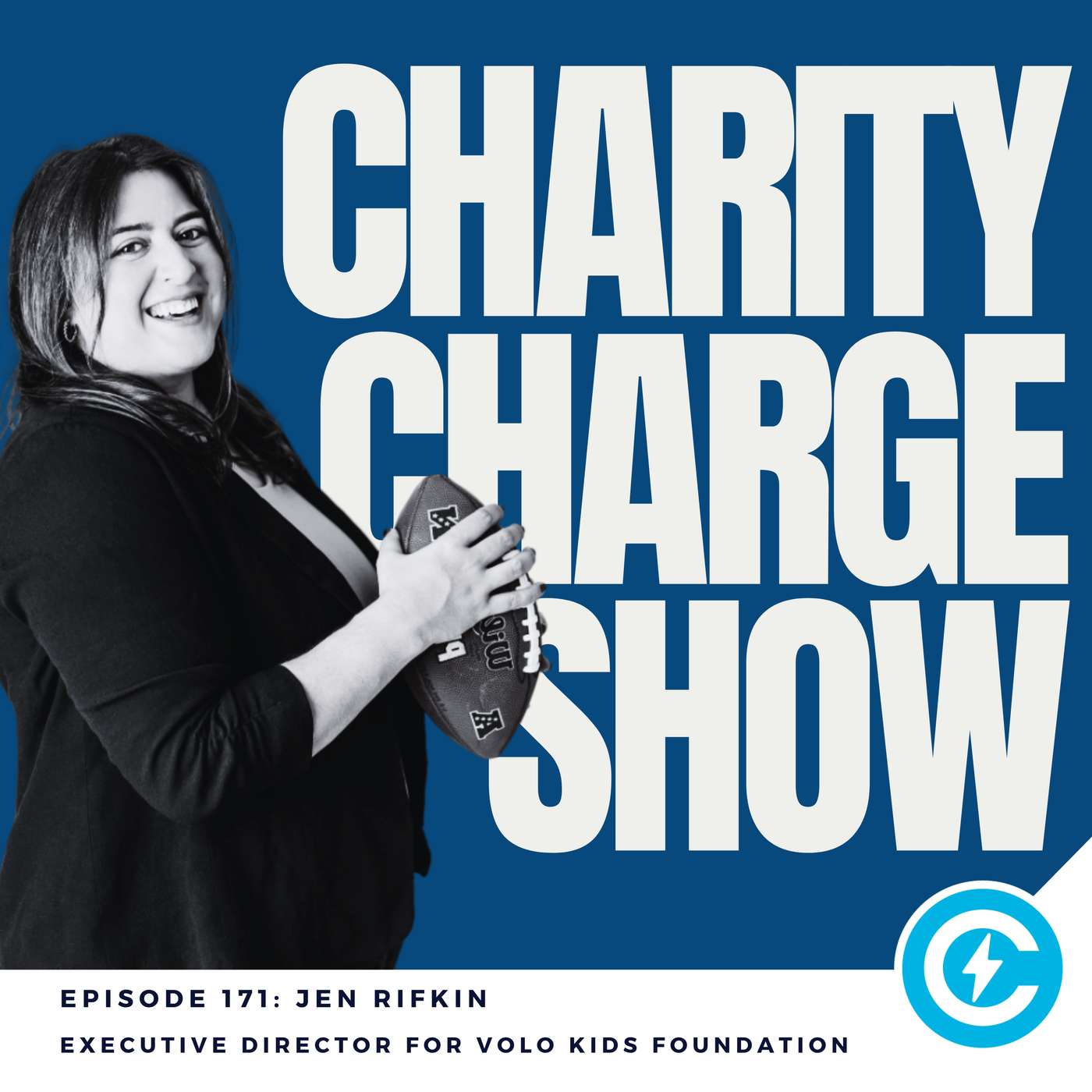 Unlocking Play: How Volo Kids is Bringing Youth Sports to Thousands of Kids w/Jen Rifkin46 / 100
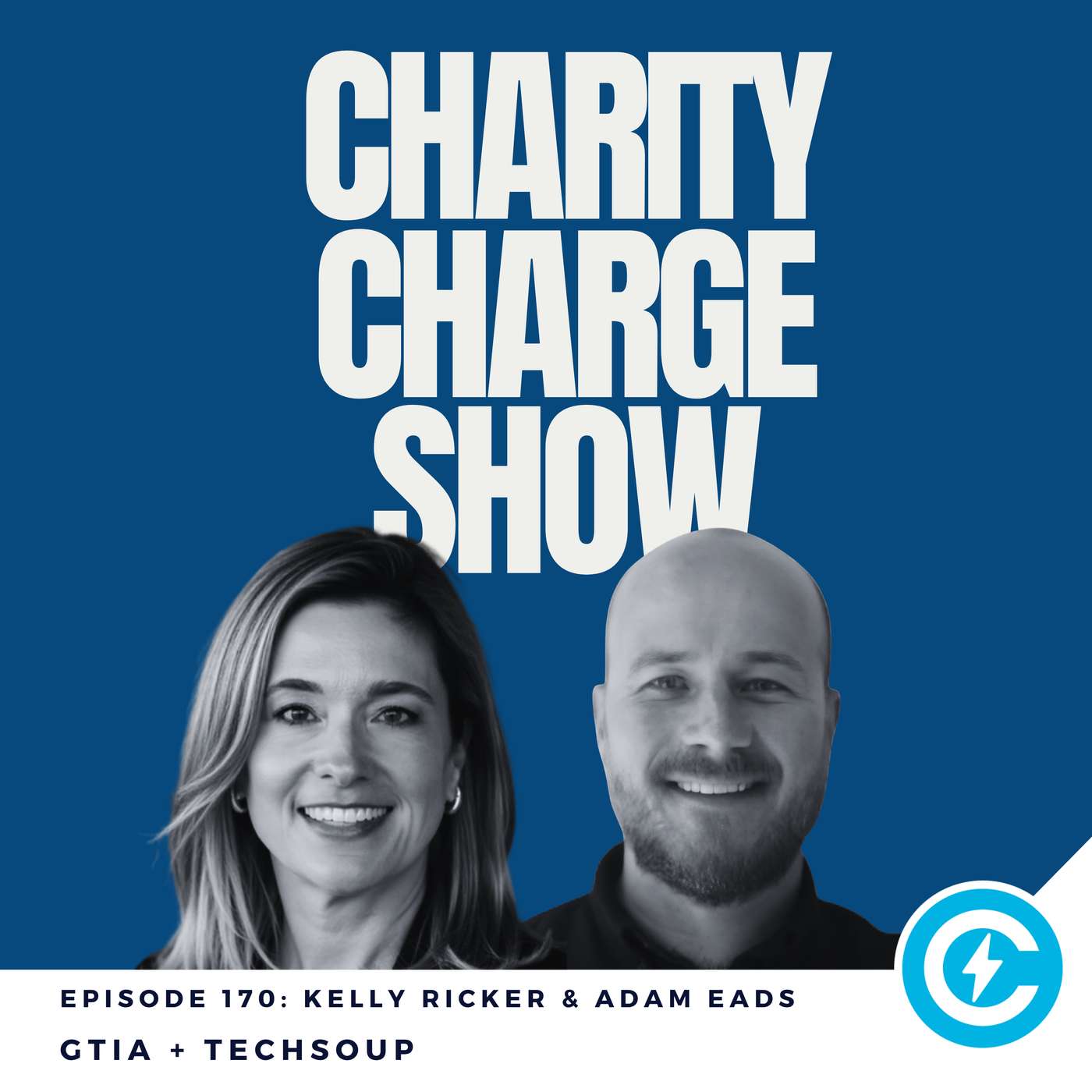 From Acquisition to Adoption: How TechSoup and GTIA Are Empowering Nonprofits Through AI65 / 100
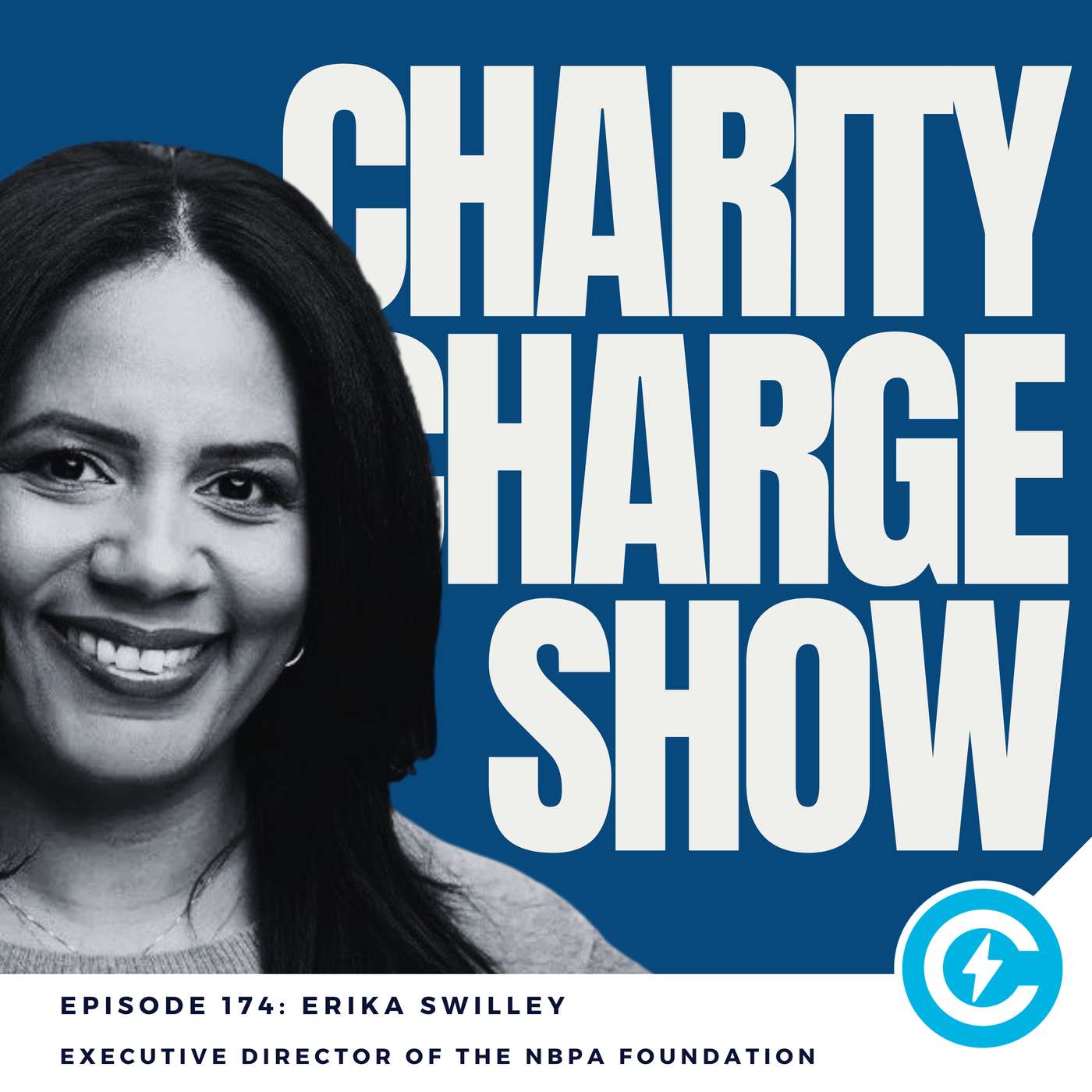 How the National Basketball Players Association Foundation Rethinks Player Giving - Erika Swilley Executive Director - NBPA Foundation
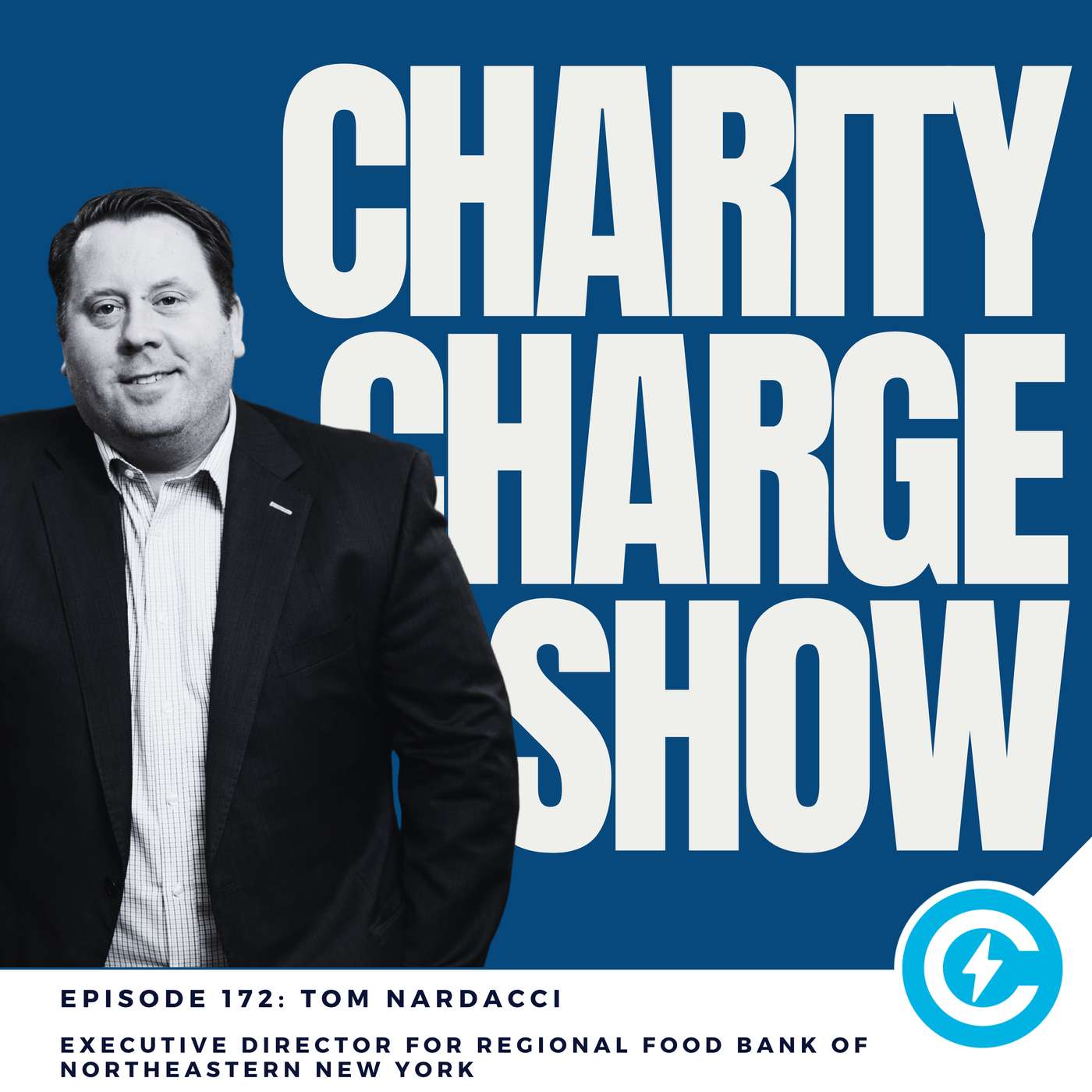 Innovating Food Security: Inside the Regional Food Bank of NE NY with Tom Nardacci