
The BK Show Podcast · 2022-02-09 · 1h 2m
Key moments - from our scoring
Substance score
46 / 100
Five dimensions, 20 points each
Kurt Elster recounts how his father's job loss instilled entrepreneurial ambitions early, though his first ventures - reselling Microsoft education licenses and band t-shirts on eBay - ended in cease-and-desist letters from Microsoft and Warner Brothers. These early missteps taught him copyright law the hard way, but also gave him foundational e-commerce and HTML/CSS skills. After college, a Craigslist job at a local auto parts dropshipper during the recession became his real education in operations, customer service, and business mechanics. Seeing the success of RPMware (a no-code platform for spinning up auto parts stores) and his own experience in the bike industry, Kurt partnered with a childhood friend to build Ethercycle - an ambitious e-commerce platform combining an easy-to-use interface with pre-populated bike industry catalog data. Though they landed vendor partnerships and conference presence at Interbike, the bootstrapped venture struggled due to lack of capital and the challenge of manually building product catalogs. Elster emphasizes that curiosity, willingness to fail, and exploring interests - even seemingly tangential ones like cars - eventually converge into unexpected opportunities.
His first attempt was Ethercycle, a platform combining an easy-to-use interface with pre-populated bike industry catalog data, launched around 2009. It failed because Kurt and his co-founder couldn't bootstrap enough capital to hire help, and manually building product catalogs was too resource-intensive compared to competitors who partnered with warehouse distributors.
He started in college by reselling items on eBay (education software licenses and band t-shirts) before receiving cease-and-desist letters, then took a Craigslist job at an auto parts dropshipper during the 2008 recession where he managed their eBay sales channel and learned real business operations.
He resold Microsoft education software licenses on eBay (caught by Microsoft) and made White Stripes t-shirts to sell on eBay (shut down by Warner Brothers), neither of which he realized violated copyright at the time.
After seeing how RPMware made it easy for auto parts shops to set up stores with pre-populated catalogs, and having experience in the bike industry through a friend who owned a bike shop, Kurt pitched the idea to a childhood friend developer to build a similar no-code platform specifically for bike shops.
Our reviewer’s read on each dimension, with quotes from the episode.
There are a handful of genuinely useful practitioner insights - turning down misfit clients even when cash-strapped, the door-to-door letter tactic scaling from local to Chicago agencies, and the multiple-revenue-stream strategy - but they are heavily diluted by extended filler covering name pronunciation, recording apologies, the host's newborn, and a flossing anecdote. The insight-to-filler ratio is poor.
I walked around our suburb, our downtown area, and with a clipboard, and I wrote down every business name in the area... I hand wrote the owner's name on the envelope. Got up real early, it's like six in the morning. Slid them under everybody's door. And for a year, I would get calls because of that letter.
we have Shopify apps, we have professional services, and we have these podcast sponsorships, and they really generate revenue in near equal parts. That takes a lot of the stress out of the business
Most of the entrepreneurship philosophy is recycled ('push your comfort zone,' 'failure is learning,' 'curiosity is key'), and the Shopify/Metafields content is factual tutorial rather than fresh thinking. The 'design serves business, not the other way around' framing and the Lux sale concept are interesting but are both borrowed ideas and never developed past a sentence.
No one cares about the picture frame. They care about the picture in it. That's how you should think about web design
Can I create a Lux sale that just inherently makes more of the opportunities I want appear for me?
Kurt is a legitimate practitioner with a decade-long Shopify agency, named brand clients (Hoonigan, Jay Leno's Garage, Harney Tea), and ~400 podcast episodes - he has genuinely done the thing. However, the agency appears to be a small team and he is primarily a service provider rather than an operator who has built and scaled a product business.
we have four Shopify apps now, which is nice ads, and we sell sponsorships on the podcast
our big dream client is Hoonigan, which is this automotive apparel lifestyle brand that's got Ken block from the Kana videos. And now Travis Pastrana is a sponsored athlete
The episode earns credit for naming real clients (Bandon Dunes, Verizon NFL, Hilton, Hoonigan, Jay Leno's Garage), specific tactics (6am door drops, handwritten envelopes), and platform names (RPMware, Klaviyo, Grasshopper). However, there are zero hard metrics - no conversion rate lifts, no revenue figures, no before/after data - which significantly limits the score.
I walked around our suburb, our downtown area... printed out letters introducing myself... I hand wrote the owner's name on the envelope. Got up real early, it's like six in the morning. Slid them under everybody's door.
this auto parts store used a piece of software called RPMware... you told it what lines you carried of auto parts, and they already had the catalog. It would just populate it.
The host lands a few substantive questions ('Why have you never started your own brand?' and the Leanna Patch question on common client mistakes), but spends disproportionate time talking about himself, never pushes back on vague claims, and lets interesting threads (Lux sale, the failed bike platform, the Verizon project) die without follow-up. The overall format is a friendly biographical chat rather than a high-accountability interview.
brag a little. Name some of the companies you worked with.
why have you never started your own brand? Or have you. Is there something I don't know about?
Computed from the transcript - who did the talking, and the words that came up most.
Links Mentioned TheBKShow.com Unofficial Shopify Podcast My interview with Kurt on his show Ethercycle KurtElster.com Follow Kurt on Twitter DropshipBreakthru.com - Learn how to start an Ecommerce business from myself and Episode #36 guest, Jon Warren DropshipPodcast.com - Listen to Jon Warren and I talk all things high ticket dropshipping and get looks behind the curtain of some of my businesses LearnWithChase.com - Learn Ecommerce Email Marketing with Episode #28 guest, Chase Dimond BenKnegendorf.com Want to pick Ben's brain? Book a 15-minute call! Join The BK Show's newsletter Follow Ben on Twitter Follow The BK Show on Facebook
Transcribed and scored by The B2B Podcast Index.
Speaker A: Foreign. Hey, welcome to the BK show podcast. This is episode number 52, and today I'm joined by Kurt Elster. But real quick, it's been a while, guys. Uh, if you're still listening to this feed, thank you so, so much. Back in June of last year, I had my first child, my son Carson. And I have enjoyed taking some time off from podcasting to really spend more time with my son. Uh, being a dad is amazing. It's everything everybody tried to tell you but couldn't really explain to you. It's amazing. I'm really glad I took some time off, but I'm also happy to be back. I'm happy to be interviewing people again. So when Kurt and I connected and I was going to go on the unofficial Shopify podcast, I said, you know, come on the BK show. We'll do a little episode swap here. So if you want to hear my story on Kurt's show, check out the unofficial Shopify podcast. I'll put a link in the description. I was on there, uh, three weeks ago or so on his show, and. And today I had him on my show. And wouldn't you know it, after taking seven months off, I had a little bit of a recording faux pas here. I'm not really sure what happened. I don't know if it was Zoom's fault or if it was my microphone's fault, but I'm a little fuzzy when I talk. Kurt sounds great. Uh, so hopefully you guys can listen to this and enjoy it. Uh, with a little bit of fuzz. I don't think it's that big a deal, but certainly, as someone who's really anal about sound, uh, it frustrated me as I was going back editing this, so I want to make you aware of it. I hope you enjoyed today's show. It was really great hearing Kurt's backstory, actually hearing things that he did to get where he is. Like, right now, he seems like he's up on top, and, you know, obviously he's. He's a big name in the E. Commerce space, and so I wanted to hear how he got there. And. And that's what the show's about, right? I want to hear his beginnings. And so I hope you enjoy this episode with my good friend Kurt Elster. Kurt Elster, welcome to Show Buddy.
Speaker B: Thank you for having me. But you mispronounced it. Let me correct you. It is correctly pronounced tech nasty. I promise I'll only do that once.
Speaker A: I thought you were really going in a direction. Like, it's not pronounced Elster or I did something wrong there.
Speaker B: Well, so people will call, you know, in the phone, and they're like, us, it's, uh, is Kurt Ulster there? I'll be like, and. Or I'll say all is the folk Kurt speaking? And they'll go, hi, Chris, is Kurt Ulster there? Like, all right, uh, I don't know where to begin with you. So I just go, let me go get him.
Speaker A: Believe me, as someone who's named Ben Kanega Dorf, I, uh, I've heard them all myself. So, um, yeah, it's a doozy. Uh, I've actually considered changing money. I don't know if you ever have, but I, uh, I wanted to keep bk. Obviously this is the BK show, and I thought about changing it to like, I don't know, King or something. Something super easy. I just. My whole life I've had to spell that out and correct people. It's annoying. And so I thought about changing it. Like there's not like, I'm not like Ben connecting to our first of his name from house. You know what? Like there's not like this lineage there that I need to represent. I thought just change it and whatever. People know me as Ben King.
Speaker B: Oh, it's such a pain to change a name and then like, it'll. It'll follow you. You will occasionally have to explain it on official documents.
Speaker A: I think you have to post about it in your local newspaper.
Speaker B: Yeah, it's created.
Speaker A: People can have objections to it and you can't change it if someone in your town thinks it's, ah, absurd or something like that.
Speaker B: Well, I think that's more also to create like, public record of it so that you can't just change your name and disappear. Like you had to create a public record in a newspaper. Therefore, ah, uh, now it's. Everyone knows now.
Speaker A: I kind of want to try just to see the process. Anyway, you had me on your show. Um, uh, my, uh, my. My other podcast, Drop Ship Podcast. Whole bunch of listens, whole bunch of traffic came over. A bunch of people joined our Facebook group. So thanks for coming on my show and I wanted to have you back on here. I've taken some time off. I've got a newborn in the house, but I'm, uh, ready to get back at it. I'm glad you're the first one to come on the show after the long break.
Speaker B: Oh, my honor and pleasure. Yeah, I was thrilled to have you on the show because in the past I think I've been unfairly dismissive of dropshipping and having you Explain your approach and method. I was like, oh, this is entirely legitimate and not, uh, just the opposite of the terrible stereotype that dropshipping has, um, achieved thanks to get rich quick schemes.
Speaker A: I had a few people reach out and say that. They're like, thank you for explaining it the right way. Like the sprinkler guy you had on, he reached out. Um, you know, obviously I know John Murphy as well. And so a couple other people reached out and just said, you know, thank you for explaining it in, like, a non sleazy way. And, like, here's what the advantages are. And, um, you got quite a reach there. Like, uh, like I said, a lot of people reached out and joined our Facebook group, and we got a lot of listens. And so, you know, big thanks to you.
Speaker B: That's cool.
Speaker A: For having me on. Yeah. Also, happy birthday. According to LinkedIn, as I was, uh, prepping for the show. Happy belated birthday. Is that yesterday?
Speaker B: Yeah, I am. I am, uh, I'm 39. It's my actual age. I'm not, you know, like, my wife is per. Is just turns 29 every year. I am 39.
Speaker A: All right, I have to ask the question then. So as I'm prepping for this show, Kurt sends me a page, uh, where I can go look at his press, uh, and his resources page. It's one of those two. And at the bottom of it, it says, you are 39. It literally said that today. So did you take the time to go update your press page, uh, on your birthday, or do you have a, like, a script in there? That's just saying.
Speaker B: I wrote. I wrote one line of PHP code that updates it automatically. It calc. Every time you load that page, we burn, uh, we create a little bit of carbon. Calculating what my birthday is or what my current age is.
Speaker A: I mean, I should have assumed that, but, uh, I had to ask. I was just curious now because I remember seeing 39 today. I was like, oh, is he 40? You know, congratulations. And no, it's not. Uh, well, look, I've heard you on a bunch of podcasts. You, you know, obviously, you run Ethercycle. You run the unofficial Shopify podcast. I don't think I've ever heard your origin story. Like, how. How did you get where you are? You have a huge podcast. You've done almost 400 episodes. Uh, EtherCycle. You've worked on some really big brands that I'd love to talk about a little later in the show. But, like, how did you. How did you get there? Like, there has to be A beginning to your journey. And like, you know, were you always an entrepreneur? Did you sell donuts and mow lawns and shovel driveways as a kid or where did it all begin for you?
Speaker B: I was always an entrepreneur because my father lost his job, uh, when I was a young child and really like, it was a defining moment for him. And so he, though he never sought to start his own business, strongly encouraged me to do so as a reaction to that experience and really instill the idea. It's like, well, if your own boss, if you're your own boss, you can't get fired from your job. And so I just, you know, your father tells you something as a little kid. I just internalized it and accepted it. That like, that was my career path. Now I would tell by the time I was a teenager, what do you want to be when you grow up? An entrepreneur. Oh, cool. What kind of business do you want to start? I have no idea. None. And then like, if you pressed me on it, I would narrow it down to like, probably something with computers, maybe cars, probably computers. Just because like, I knew that's where my skillset and my interests were and that was it. That was like as far as I had thought into the process.
Speaker A: So you weren't the kid that took action on. I know. Like, I've had people on the show who, uh, one of my favorites is importing fireworks into Vancouver as a little kid, elementary kid, and selling the fireworks to his other kid friends. Like, it seems like most entrepreneurs have little signs along the way. You didn't have any of those or you just, you just knew you were going to be an entrepreneur. You just didn't know how?
Speaker B: Yeah, well, I tried, you know, I did try, um, just to start a few things. Like, you know, When I was 14, my parents thought it would be perfectly fine if I offered to repair people's computers in their homes. Then no one thought twice about that. And I like put up flyers. I didn't get any calls, um, but I tried like stuff like that. Just non starters that didn't go anywhere. Lots of those. And by college, my first year in college, I started selling. I decided, um, I'd been selling on ebay. Like if I could just get my hands on stuff, I just flip it on ebay. And so sort of like the, the, the thing that Gary Vee recommends now. Um, and I had the brilliant idea of like, well, you know, I'm limited by like, I could find stuff and sell it. And so I started buying, um, education license software from the school Library or the school bookstore and then selling that on ebay. So I was like, you get. Because they had prepaid the license so you'd pay like 20 bucks or whatever for Microsoft Office, but then you can sell Office for several hundred on ebay. And that didn't last long before I got a cease and desist letter from Microsoft. Oh, gray market software license. I just literally never occurred to me that this was an issue in any way. I just thought I'd discover some like path to infinity money if I could just get enough software licenses. And there was nothing in place to stop me from doing this. Um, the. But it really like it wasn't out of malice. I just straight up didn't know any better. And so then the, the other thing I attempted was um, m. I started. I'm like I'm gonna make my own band T shirts and sell those on ebay. And so this is like, you know, being in a college you'd figure out like, well these are kind of some of the early indie rock stuff. And so I do those just because that's what was cool and around me. But it also was the stuff that like no one was taking notice of. So it was several months before Warner Brothers music was like, hey, you can't sell your own White Stripes T shirts. So that was the end of that one. So like, yeah, my early initial successful businesses were entirely dependent on copyright infringement, uh, which I didn't realize or understand at the time.
Speaker A: Did you stop there? That's the question. Did you, were you there?
Speaker B: Like, hey, knock it off. Um, I would the, I would the, the software one I tried pursuing by like explaining the license and it worked for a little while and they're like, all right, just, this just is a, uh, no, no go. Cause other people were figuring out the same, you could do the same thing on ebay. Um, and from there in college we had a, a few people realized, oh, I can make websites. I was like, I got a few hundred bucks here and there in college making, throwing together like really painfully bad websites. And so. But that gave me that skill which turned, you know, eventually led to my full time career today. But early on it was just like, well that's just a thing I kind of like as a novice know how to do. Like who knew that's where it would go with those two things like selling on ebay. That was really common early E commerce and it was very accessible. Um, and then being able to create a website like all right there. I now early on have like the two basic important Skills put together for running e commerce websites later. I didn't know it at the time.
Speaker A: And anyone who hasn't started that still exists today. Right. There's arbitrage everywhere from platform to platform. You can go find something that uh, you know, is $10 on X website and sells on eBay consistently for $20. And it's a way to make some extra money. Maybe don't be a criminal like Kurt.
Speaker B: Uh, yeah, don't do that.
Speaker A: But. So how did you get started? Started building websites. Right. So we're roughly the same age and in, in high school I took like Internet, um, 101 or how to build websites one and how to build websites too. And it was straight HTML code. Uh, you know, I was in a metal band, so it was, you know, black background with flames everywhere and just terrible websites. And so like where did you get started? Actually coding,
Speaker B: I, uh, think making, you know, like pre social media. If you wanted to share photos with friends, how could you do it? We didn't have smartphones and the Internet was a thing, but m, it was mostly dial up and maybe you had DSL and it wasn't particularly good. Um, so I, and I figured out through trial and error, just because I wanted to share photos with friends, how to generate like a table of photos and upload that via FTP and then like host that on like a dynamic DNS subdomain. Like I could not actually buy a domain name at this time yet. And so that's, that's where I figured it out. Um, and those, those skills evolved where I started making like a personal website, um, to kind of expand on that idea and document like some, some projects. Like I made a subwoofer box and I thought it was cool. So I'm like, here's instructions on how to do that. And so I started and I would just write it in straight HTML. I did not, for whatever reason, it did not occur to me to use like a blogging platform, whatever. Um, and knowing that having that, that skill, uh, turned to be tremendously valuable later. Like HTML, CSS seems basic if you're a developer, but it's not. And if you know just a little bit of it, it suddenly becomes a superpower when you're working on the web.
Speaker A: Yeah, I'm thankful, uh, for making those terrible websites back in high school. It helped me, you know, when I started my Shopify journey in 2015, it really helped me be able to dive into that code and understand it. Right. Like, you know, I maybe only had a basic understanding of you know, H1 slash H1, things like that. And you know, B, B for bold and slash B. Um, but it really helped me like get my feet underneath me and um, you're making me feel really old when you're talking about the, you know, again, we're roughly the same age and back then, you know, the dial up computers, I never had a computer in my house growing up. It was too expensive and you had to have those AOL cards just to get online. And like, man, you're bringing me back to a time. It actually makes me like reference web3. Like where we are in web3 currently, where you need to understand how to use a metamask and, and go to swap to exchange for things. And like that's, that's where we're in the same exact place uh, in that Web3 environment. And so anybody who's actually knows how to do those things I think is going to be in good shape. As you see, you know, Kurt figuring that stuff out at a young age and now, you know, you're one of the best in the game now.
Speaker B: That's what I love about really. When you're young and you're just playing with stuff for the first time, you don't realize, you may not realize at the time, but like just having that, you don't have to master the thing, you just have to have the curiosity about it. That's the important part. It's just having the curiosity about it because five, 10 years later that could be the thing that makes it seem accessible to you, where you could then go down that rabbit hole and figure it out and learn it. Or maybe you learn it at this time. Um, but I would never shy away from an interest because you don't know where it's going to take you.
Speaker A: So is it still there today as you build out Jay Leno's garage and some of these other bigger sites that you work on? Is it. Do you still wake up every single day and have that like curiosity factor in your life of like, what new thing can I learn about this platform or new conversion rate optimization tactic that's out there? Like, is it. Are you still like a little kid in a candy store?
Speaker B: A hundred percent? Yeah. I think part of it, part of it's my personality, but part of it is that a conscious effort to cultivate that idea. And then I think also you combine that with like, you want that curiosity about new things. You want to be like, that's a core necessary trait. But these, like, it's my personality, but uh, these are also things you can personally just choose to foster when you recognize them. So not telling yourself no. Being willing to spend some time, um, googling and exploring stuff. And like, number one, so that curiosity, number two, being unashamed about trying and failing, especially the first time. Cause I think that stops so many people. I see it in, in my kids, and it drives me crazy. It's like, hey, you want to, like, pick this thing up? You want to learn it? And, you know, when they're younger, they'll be like, uh, you know, I tried it and I suck at it. Well, yeah. Cause you don't. You know, you did it one time, of course you were bad at it. There was a 0% chance you were going to be amazing at anything. The first time you do it, it's not going to happen. And so just accepting that and knowing that, like, failure is learning, oh, that takes so much fear out of it. And that enables you to try. Um, and then third man, just like, leaning into your interests, I think is the trick. Like, I've always been into cars. You know, I remember going to the Chicago Auto show for the first time, seeing the Dodge Viper unveiled for the first year, and knowing nothing about cars at the time, but being like that. I like that one and I still remember it. And so that, um, later,
Speaker A: I, um,
Speaker B: was able to get involved in the auto industry. I was able to. I had this ebay experience post college. We were in a recession and I needed to get a job. And so I was able to get a consulting gig with a local auto parts dropshipper who said, hey, we need help listing our catalog on ebay and someone to manage it. So suddenly find. I'm an online sales channel manager for an aftermarket auto parts dropshipper. Whoa. All that time I wasted in my garage messing around with. With cars and friends cars, uh, combined with all that time on ebay and that HTML CSS knowledge. Oh, whoa. Suddenly, in my 20s, it all came together into. I was able to get, at the time I thought was a really cool job, didn't pay terribly well. This is also my first gig. I was thrilled.
Speaker A: How did you stumble into that? I got to know, like, you're in your 20s, obviously curious about this stuff, but how did that. How did that land in front of you? Like, how did. How did you discover it? How did the door open for you?
Speaker B: So I really, like, I. At that time, I wanted to start a bit. I really was feeling the need to start a business, but I didn't know what to do. And I knew I had, like, advisors in college who were like, just work somewhere for a year, for God's sake. Just work somewhere because you're going to pick up a whole bunch of stuff that'll save you from hassle later when you actually start your proper business. And so it seemed like a good idea. I was struggling to get a job, um, because of, uh, the recession at that time. And so I jumped into. I looked on Craigslist and I emailed them, um, and they said, yeah, come in. They were in, like, a neighboring suburb. And I talked to the guys that are my age. We got along and they're like, yeah, you're by far the best person who showed up, so please, if you come work with us. And I was thrilled to do it. And it was great because this guy was m. Uh, I think he's younger than me, uh, by a couple years. And he had started a website out of, uh, his college dorm room and turned it into this bigger auto parts thing. And watching him was inspiring because I knew he was a little younger than me and had similar skills and started in a similar way. Um, um, and then I was able, like, there was just a whole bunch of, like, tiny pieces of starting a business that you don't know that you let stop you that I was able to pick up. I was like, well, what do you do about phone service and customer service and that stuff? I was able just see it happen. It was like a guy with Grasshopper and, you know, whoever was available would answer the phone. It didn't have to be complicated. And so seeing that, like, well, if they can do it, oh, I could do it. Right? And so, um, that in that job from there was when I had the brilliant, if not misguided idea, overconfidence to say, I'm going to build my own e commerce platform. Ooh.
Speaker A: So what was around back then that obviously didn't fit any of your needs? It was OpenCart around, or what was around back then, uh, where you were like, I need to build something that actually works well.
Speaker B: So it was 2009, and this auto parts store used a piece of software 2008, uh, called RPMware. And what was so clever about RPMware? It was easy, it was, uh, accessible, and that you didn't need technical skills. It would just let you spin up and start a website, attach your domain name to it. Um, everything was done. And this is the craziest part. You told it what lines you carried of auto parts, and they already had the catalog. It would just populate it. So just Straight up any garage tuner shop, whoever could just spin up an auto parts dropshipping store. They made it unbelievably easy. And I also had experience in the bike industry and had a friend who owned a bike shop. And I thought, why don't I just do that same thing for bike shops? And I did. Uh, but I don't have the skills to do that. Well, at the same time, I had a close childhood friend who got fired from his development job at an agency. And so he was on fun employment and I pitched him this idea. He's like, I could build that again. Like neither of us could. But we didn't know that. Um, and so we just started attempting this. We sat down, we're like, we're going to build this not just E commerce platform, this big easy to use E commerce platform that also has all of the bike industries catalog data in it and will populate it for you. And that's why the agency name is Ethercycle. We just stuck Ethernet and bicycle together. It's true.
Speaker A: I like that actually.
Speaker B: Support band too.
Speaker A: But how did that. Now did you just not end up building it? Because that actually seems like a great idea in 2009.
Speaker B: And so, uh, there's a couple platforms that did succeed that did it. And I was able to get into the industry conference Interbike and we did manage to get on board some vendors who were willing in some like large brand, like portfolio brands that were like, here's the entire catalog data in CSV go. And so I was like, it's possible and doable. The problem is we didn't have any money so we couldn't hire anybody. So we had to bootstrap everything. That was problem one. Like any money we had just went toward living expenses. We didn't really have anything to put into the business. Um, and so it's just the two of us. That was our, our problem. I didn't really have the technical skills to build this, but I had softer skills. Um, but at the time I think it was too early. It was really tough to get the industry on board with it. The other one that succeeded, I know that they initially, um, partnered with a warehouse distributor, which I tried unsuccessfully to do, and they were taking their own phone. They essentially made the product catalog themselves and I didn't have the time or resources to do it. I tried, uh, but eventually we needed to keep the lights on. And so, uh, misunderstanding what we had done or what we did, uh, some local businesses would knock on our door a couple times and go, hey, can you help us with our websites? And we're like, no, we don't do that. Meanwhile, I have nothing to show, just losing more and more money. And I'm like, build a website for you. Um, and so I wanted to keep the lights on. And I said. I finally said to one of them, sure, we'll do it. And I got, like, 700 bucks. You know, something ridiculous. Um, built a website, was successful. Everybody was happy. And so I thought, I got an idea. And this is where this is. Like, I think this is the most bootstrapped thing I ever did. I walked around our suburb, our downtown area, and with, uh, a clipboard, and I wrote down every business name in the area. Then I went, looked up online, found the first name of the owner for every one of these businesses. And then I printed out letters introducing myself. I said, hey, we just moved in to an office upstairs in the Pickwick. And, uh, we offer website design and development services. We'd love to help you. I've attached my business card as a magnet, and if you ever need anything, just let me know. I'm your neighbor. And then what I did put them in envelopes, and I hand wrote the owner's name on the envelope. Got up real early, it's like six in the morning. Slid them under everybody's door. And for a year, I would get calls because of that letter. And that's how I started the agency business and was able to get the portfolio and the cash. And I thought that worked.
Speaker A: Well.
Speaker B: I, uh, wonder if I could do the same thing with creative agencies in downtown Chicago. Does the identical idea work if I just go up market and those big creative agencies have big brands that I could not get to? And sure enough, much lower hit rate, the exact same thing worked. It did. And so suddenly, I'm doing a project for Verizon, this Verizon NFL project. And then we did this giant project for Hilton Hotels. And so now, oh, my gosh, if I could do this, and people are taking me seriously. Wow.
Speaker A: So how much were you doubting yourself? Like, that's a big move, right? From some local guy down the street or in your building to Verizon NFL to, uh, you know, Hilton hotels. Like, how much imposter syndrome is showing up for you there? Or is this the moment you really started to believe anything's possible?
Speaker B: Uh, you know what? Both. Simultaneously. Both things are true. Bit of cognitive dissonance there. I will tell you, when we went downtown to go to this, the first time we had a meeting with one of these agencies, I walked in and they're like, all right, uh, we're going to get the conference room ready. You guys wait here. There's the bathroom. If you need water, just go get it. I went in the bathroom and just like, I went in the bathroom and just immediately threw up. And they started the meeting like they had everybody waiting for me this time as I'm like trying to clean up in a sub agency office bathroom for just throwing up my McDonald's. Like that's how nervous and terrified I was. And then we got in. I'm pretty sure I showed up. I just started rambling. Um, but we got, they said yes, we got the deal. It worked. I couldn't believe it. And that's when I thought, ah, all right, maybe there's something here and people believe in us.
Speaker A: This was all WordPress back then. Uh, obviously. I don't think Shopify was around until 2012 or 2013, I believe. Um, you were doing everything on WordPress.
Speaker B: Like, yeah, we went to.
Speaker A: Selfishly, I want to know which one you like better because I can't, I cannot stand WordPress. But like, you know, how did, how did, how did that transition? Like you go from building WordPress websites for these big brands to, to e commerce websites and you know, falling in love with Shopify.
Speaker B: Yeah, initially it was just like, let's build. Initially they were static sites, just like HTML, CSS, JavaScript will work. And then all right, at some point, you know, you got to plug a CMS into it. And so we jumped. Um, I don't even know if we tried anything else but we very quickly were like, obviously WordPress has the support and so that's what we should use. And so we were doing WordPress and what we found, the issue, our issue with WordPress was is number one, uh, because it's open source and because you host it yourself. Uh, and this was, you know, 10 years ago, uh, at this time you really could try, you could if you wanted to try and force it to do anything. And that's quite the double edged sword where people would be like, we want it to do this. And we're like, uh, we could probably figure out a way to make that happen by really hacking this thing up. And so we do stuff like that, like wildly underbid for it, um, though really the. And then eventually you're like, hey, don't put this on a shared server, don't put this on a shared server. And they put on a shared server and it gets hacked. So now you got to solve that problem too. Um, the really, the thing that killed it for us, I don't know that it had anything to do with WordPress. It was really, it was the clients. It was in that creative agency format. Those agencies are just meat grinders. They're brutal. And our experiences working with them were not positive. It's like, yeah, you got these big brands, but in that relationship we're also the lowest person on the totem pole, despite the fact that we're the ones doing the work and that that's hard. And you'd get a lot of, you know, like, all right, this project's been going for three months, we're about to launch it. Oh well, they finally actually showed it to the real client and now here's the new feedback and it's like you're starting from scratch again. What are you going to do? Really get it abused by these agencies, um, to the point where like we wanted nothing to do with it. So I'm um, struggling with having creative agencies as clients and doing these big open ended projects and we're like considering ourselves a pure web development shop at this point. And it's just three of us all doing this full time. And I was losing sleep, I was developing an ulcer. It was a lot of stress. I was like, it's not sustainable. And how do you scale something this horrific? I mean it really was quite, quite unpleasant. And so I had a, um, at the same time I, the, I'd had a friend who owned a local bike shop, um, which is Chicago's largest recumbent bike dealer in the Midwest. I don't know, they were a big recumbent bike shop before that was more popular. And we, they said, you know, we hate our like, you know, websites, you know, us, our website's a giant pain. Um, um, they were on one of the platforms that was able to pull all your catalog data for you. And they said, we just want to, we want something easy that we control. Just tell us what to do. And I said, you know, I heard about this thing called Shopify. This is when like Shopify's first starting to appear. And I said, I heard about this thing called Shopify. And again like not knowing what I know, you know what I don't know. I thought, well, I've built Word, I've designed to develop custom WordPress themes. Let's just do that for Shopify. We'll figure it out. And sure enough, we were, we were able to. And it was easy, it worked. I thought, well that's pretty good. Okay. And uh, that's when they're starting to build the Shopify experts program. And so Dan, uh, Evolet, who led that program, re emails me one day and says, hey, so you built a custom theme on Shopify. It's really good. Would you, you should join our experts program. Are you used to that? I said, sure. Boom. Just did it. Signed up for the experts program, put a little bit info, copied and pasted a little bit info in a profile and forgot about it. And then I get, uh, a lead through it and it's Bandon Dunes Golf course, which is in Oregon, if you're into golf. This is a Scottish style golf course. It's a big deal. It's very pleasant. And they had built, um, they'd hired another Chicago local agency to build them, um, a website. And they said we got to bolt on um, a Shopify store to it. They just like a souvenir shop, an accessory store. You just some kind of E commerce presence. And their shop at the time, because E commerce was fairly new, was like, we don't really do that. Get somebody else. So they said, just make it look like this new website go. And so we said we could figure that out. And we did it and it worked. Oh my gosh. Now I got two of these Shopify stores and we're wrapping that project up at the same time that we're wrapping up, um, this large, the biggest brand website we'd ever done, international brand. And we hate like, everything that can go wrong has go wrong. Like the project manager got fired, the director creative, uh, director gets replaced. Like, just horrible things keep occurring with this project. And meanwhile we've finished this Band in Dunes golf course site and it's ours. You know, we, we built it, we love it, and it just worked and everything was less painful. And I said, wait, why am I doing anything else? Like why don't we just do Shopify and exclusively Shopify? And that's when I said, well, if I'm going to do that, I don't also want to be sending letters with people's names handwritten on them to store owners. That's not going to work. So we need inbound marketing. What should we do? Oh, start, uh, a podcast. I'd never been on a podcast, never hosted a podcast. And this is the best part. I never listened to a podcast, but
Speaker A: it sounds like you're in the right place at the right time, right? Like as shop 100%.
Speaker B: Yeah. A lot of times it's just like
Speaker A: you just landed in there and built on Shopify and then you Know, podcasts weren't really a thing back then either. Right. And so, and the fact that you didn't listen to any is even more hilarious. But you started that at the right place. Like, it just seems like this was very fortuitous for you.
Speaker B: It's being in the right place at the right time for sure, 100%. That is like a lot, a lot of my success. And then you have to be able to recognize those opportunities. And then later I would become self aware enough to know, all right, these are the kind of opportunities I want. And can I create a Lux sale? And there's a TED talk about this, a Lux sale. It was very good. Um, can I create a Lux sale that just inherently makes more of the opportunities I want appear for me? And so being top of mind for people with content marketing with a podcast, that's a very personal thing. That is a great way to do it. And making yourself available online and through social media, building a network. Ah, uh, also great ways to build Lux sales and just flat out making it clear in the world, these are my interests and these are the opportunities I'm interested in. And that worked for me as well with being like, hey, I'm into cars and E commerce. Can we put those two things together? If we can, we're going to be friends. And that got me my dream client, Hoonigan, eventually. Um, but yeah, it's really certainly luck is in there for sure. Um, with a podcast like a. I wanted an excuse to buy a microphone. You know, years prior I had interned, uh, as a studio engineer and you know, just like, go get this microphone cable or yeah, go get this mic, go run this cable, that kind of thing. But you learn stuff. And I really, I thought it was interesting. I liked it. But I didn't want to edit a podcast. Like I already knew that that was going to be a nightmare. And so my business partner Paul Rita goes, oh, I used to edit the Onion's first podcast for the AV club. So what he's like, yeah, he's like a podcast, no problem. So again, it was like I didn't know and it was luck. And so I bought at the time like 20 something dollar USB microphone. Uh, and I just tried it just started. And I started with, um, interviewing friends with people I knew because that's what I was comfortable with. And you know, now you had pointed out, oh, we're at 400 episodes, Larry at 400 episodes. Eventually you figured out every six months I go, oh, I think I finally figured this thing out.
Speaker A: You touched on so many things there. It's all my question list. Right. So, uh, I'll just start with Paul, since you just mentioned him. Uh, is Paul the guy from the beginning of this story? Like, how did Paul, Rita, come into play and become your business partner and, uh, you know, be the grump on the, on the podcast you have.
Speaker B: We had started, um, initially it's just two of us and I. Once I was able to start selling the local business websites, I thought, uh, we're going to have to expand on this a little bit. Our ability to fulfill. Is there anyone we know? Is there anyone you trust at this time? All these agencies were downsizing and firing people. Uh, he had worked at a web dev shop and was looking for work and was happy to come work with, uh, someone he knew, um, and join us right away. I knew it was a good fit. Like, it felt good, it worked. And, uh, after. I don't know after how long, but I knew, like, you know what this guy should be, has taken a chance on us, so we should take a chance on him. He's committed, reliable, and talented. And so they offered, hey, make you my business partner. And that worked.
Speaker A: It's very much like you're the play by play guy and he's the color guy on the show too, right? Like, you guys definitely work very well together on the show and control contrast each other in the right way.
Speaker B: I wish we had figured that out sooner because once that really added it, such a great dynamic.
Speaker A: No, I, I like it. Look, you went to the podcast, so I'm just gonna ask some questions there, right? Um, behind you is an Illinois license plate that says Shopify. I know you love Shopify. We all know you love Shopify, but
Speaker B: that's a real license plate.
Speaker A: By the way, how did you get away with using their trademark in your name? Like, uh, you know, that was a thing back in the day in SEO, right? Like, you would go build like, or buy shopifyreviews.com or something like that and then put your affiliate link in there. Um, I'm sure they quickly shut down most of those things, but not you. They didn't shut you down. You have the unofficial Shopify podcast. How did you get away with that?
Speaker B: God, I've never asked. I don't want to know. My fingers are crossed that I could keep going for as long as I can. I, I try to be extremely respectful of the usage. Like, it is always framed with the disclaimer of like, hey, this is, uh, it. This is. I'm not them. This is an Independent thing. And uh, I think the critical part there is, it's the first word there is unofficial. It's like writing the Idiot's guide to Shopify and then making it very clear like this is in no way affiliated, authorized, endorsed, produced, created, remixed by them. And that is. But you know, uh, I can't. If I were to attempt to use that trademark in anything else, they would immediately shut it down. Like if I go rep, if I go register any domain name with Shopify in the title, it will immediately get a firm but polite email telling me to not do that anymore.
Speaker A: But with the rise of like, you know, Spotify basically bought Joe Rogan and HubSpot Podcast network is buying up everybody apparently. Um, like has there ever been an approach there from Shopify in a positive direction of like, hey, we'd love to like own your feed or work together on this somehow? Are they just happy? I mean you're basically spreading the message for them for free. Like this, you're doing, you're doing God's work.
Speaker B: I'd like to think that they're like, oh, uh, he's our guy Kawasaki, he's our brand evangelist. And I think there's an authenticity to it that goes away the moment it is official. I think that's the magic.
Speaker A: It couldn't be the unofficial official Shopify.
Speaker B: Yeah. Because then it no longer has that, that authenticity. Um, where we have said like, hey, here's stuff that, that didn't live up to our expectations or like, you know, really we're just speaking to our, you know, now decade long careers as Shopify partners. But you know, good or bad, and this is, this is the truth of it. Um, and I think in turn that has had a lot of net positive value and recruited a lot of people and enabled a lot of people to do more work. I view it as I want to be a, ah, cheerleader for entrepreneurship. And this was the path I took was through Shopify. That really let that take off and enabled me. And so I want to highlight those stories and then inspire other people to be able to do the same.
Speaker A: I'm sure it helps both sides. Right? Like you're getting traction by having that in your name. Whether it's official or unofficial, they're getting traction by you promoting them. Look, Toby's an avid listener. I'm sure he's listening, so I'm sure he appreciates you promoting their brand. Um, but I was, I was just curious like how that, how that came, uh, to be. Obviously I've seen other people get shut down, uh, over the years. And so I was just curious how you've hung on this entire time to. To writing their trademark.
Speaker B: Uh, being respectful with it, I think, is the answer.
Speaker A: I like it. Um, it ties kind of back into your Microsoft Office story a little bit. Like, uh, that's how you got this podcast off the ground.
Speaker B: Nobody better. Well, you know, originally it was a working title. I titled that, and I'm like, then we'll come up with a better name. And I just never did it.
Speaker A: I like it, though. I have a couple more questions on that. So, like, you've done almost 400 episodes. I think the one that came out, uh, today as we're recording this was 389. Curious, um, what have you learned or what has changed for you now that you're coming up on 400 episodes? I noticed just, uh, to preface this, you fucking winged our episode completely. I've never met you before. You don't know me from Bill. Like, obviously, you got a good recommendation that I'm a good guy and I know what I'm talking about. But we hopped on the call, and within five minutes, you had an outline for the show. And then the whole time, you just. You're great. Like, you're really great. You wing the whole thing and made it sound amazing. So, like, uh, you know, kudos to you. I'm clapping over here for that. But, like, what. What have you learned over 400 episodes? Did you learn that you didn't need to do as much prep, or that prep was easier on the spot? Or, like, what are some lessons you've learned along the way?
Speaker B: Well, I think at this point, it's that I've. I've streamlined the process and the format, so I just. In my head are lots of go to questions, but ultimately you start with, why is. You know, why does. Why is someone listening to this? So you need to have a takeaway in mind. And then, uh, what I want people to hear is I'm learning along with them. Like, that's also part of going in. Somewhat Cold is the podcast is a large part of my continuing education, and so you are learning with me. And then those learnings become natural and apparent. And then the trick really is to show that you understand it. And so you go. You start with, like, I've got three to five bullet points that we want to hit, and that's. It's going to be a journey. And so if you're going to teach me a topic on how to do something, it's like, in sequential order or it's your story, in which case that's also in chronologically sequential order. So it's just not a tough format to follow with like three to five points. And then between each point there's going to be follow up questions. And then you paired it back to indicate like, okay, did I get. Do I understand this? Do I have this right? And that's the, that's the whole thing. That's it. And then, you know, after the fact, you edit it. And really the quality, your sound quality is like the least important thing by far. It helps. You know, it doesn't hurt to have good sound quality, but the content really is the thing that matters by far.
Speaker A: I'm definitely a snob in that. Like, get, uh, it. Gary V. Talks about this too. His audio is horrendous on most of his podcasts.
Speaker B: Um, but I just like, runs around with AirPods. He doesn't care.
Speaker A: Yeah, from the very beginning, I was taught by someone who had like an AIR pilot podcast, get a good mic, get real close to it, record it. Well, I edit the shit out of these podcasts and like, I care a lot about it. But you're right, like, if it's not good content, nobody's listening in the first place.
Speaker B: Yes. Yeah, I think, yeah, the, the good, good quality doesn't hurt, bad quality doesn't help. But without, without that core content, it's not, not going to work. And you gotta, you start with why and then work, work from there.
Speaker A: Is there anything like you would have done differently looking back?
Speaker B: I don't know that I could have done anything differently looking back because I didn't know what I was doing. Like, I had to. Just interviewing is such a weird skill and it's atypical, I mean, how many people have that skill. And it, you know, like any skill, it, you could read about it. You know, you could. I would start with, I just had like a list of boilerplate questions I would use. Um, but eventually you figure, you figure it out.
Speaker A: I think it lends well to curious people. People told me to do a podcast before I did one. They were just like, we would sit down, I would meet them, we'd have dinner, and I'd ask 400 questions at dinner. And they're like, you're really good at this. I'm like, good at what? I'm just, I want to understand what you're talking about.
Speaker B: So I'm just, that's that natural curiosity. It's such a core part of a lot of entrepreneurs. Um, and you're right. I Had my introduction to podcasting was. I was guesting on them. I managed to. Someone's like, hey, do you want to do this podcast? I was terrified. I said, yeah, I was terrified. I did a shot of whiskey beforehand. I was covered in sweat. I thought about it for a week, and it was, of course, no big deal whatsoever. And at the end, they said, yeah, that was good. Um, and then, you know, in my insanity, I said, oh, can you introduce me to any other podcast host? Because, you know, because I want to go through this again. And they did. Oh, my gosh. And that person said, you're natural. You should start a podcast. I said, oh, thank you. You think so? Can you introduce me to anybody else? You do, like, four or five of those. And several of the people said, you're natural. You should start a podcast. That's interesting. I mean, being in Nashville is like, well, this is just me terrified. It's really what you're hearing. Um, but they liked it. It worked. And so that. I forgot about that part that really, um. That gave me the confidence to think, like, well, maybe I could be on the other side of the microphone because that person gets to talk less.
Speaker A: Anyway, I just love that you brought up. You were scared shitless. Like, I was on your show a week ago. I was scared. I was in my head about this for, like, a week and a half. Uh, and then I get on there. It was no big deal. We cruise through it. Uh, of course it's no big deal. Right? And now, you know, I'm trying to reach out and find other podcasts to be on, but even then, I'm still having, like, that. That imposter syndrome come up. And I've been. I've been podcasting for years, so, like, uh, I'm glad you brought that up. I'm glad you referenced that. It. You know, you were scared out of your mind. And. And I also really glad you brought up that you have no idea what you're doing. I think that's not talked about enough, that people just need to go and figure it out along the way. And, you know, you hear that phrase of, you know, jump out of the plane and build your plane on the way down or build your parachute on the way down or whatever. Um, that is how entrepreneurship works. And we're all struggling. I think there's not enough people talking about how hard it actually is and the hurdles you had to jump over. So I appreciate you saying both of those things.
Speaker B: Well, furthermore, if you aren't pushing yourself out of your comfort zone, you're probably not growing, whether that's personal or business, uh, wise. But you have to be on the gas a little bit and make yourself intentionally uncomfortable and, like, sit with it. And sometimes if you think about go, well, why am I uncomfortable with this? Oftentimes it's just like, well, it's because it's out of my norm. Your brain wants to maintain the status quo, but it doesn't care what the status quo is. If the status quo sucks, you still want to maintain it. And whether that's your routine, Like, I get up and I take a shower, then I eat breakfast. And then one day you go, you know what? I'm going to eat breakfast, then take a shower. And that gives you anxiety. It's just because it's a little different. And if you could, uh, interrogate yourself as to why you've got that anxiety, sometimes that's enough to make it go away. Once you realize, like, oh, this is actually nothing, it's just a thing I'm not used to. And that's all this is, that could be helpful. Um, or my other favorite trick is if I'm stuck in a situation, I go, what would someone smarter than me do? And then it turns out oftentimes you already know the answer, but you just needed to reframe it as to, like, not you.
Speaker A: Yeah, resistance is wild. Uh, you know, I'm a big fan of the book do the Work. It's a very short read. If you haven't, uh, go buy that audible, uh, you know, an hour, maybe two hours. But he talks just all about resistance there. Steven Pressfield does. And, uh, it shows up in so many ways. Like, uh, so my family and I were in, uh, Florida. Maybe you notice my background is different from the last time we talked. We, uh, rented an Airbnb here for a month and a half. And, uh, I was like, what are some things I can do while I'm here? And just one of them was like, I'm going to floss every single night. It's something I've struggled with my whole life. Um, and every single night I'm hop in bed and I get comfortable and I'm like, ah, oh, it's bedtime. Then I'm like, oh, I gotta go in the bathroom and floss. And there's just so much resistance there to, like, not do it. Uh, and it's wild that that shows up everywhere in your life and just to be able to take that two seconds and pause and go, why am I feeling like this? My, um, friend Zion talks about how there's like 10 of you inside of you, and only one of those people doesn't actually want to do it. The other nine really want to do it, but that one guy's really loud. And can you sit there for a minute and just let him be loud, but listen to the other nine voices who are like, this is a great decision. It's not going to take that long. It only takes about 30 seconds. You know what I mean?
Speaker B: Uh, I like that. I like that a lot.
Speaker A: It's something I'm working on very much. Uh, it's not easy, but, uh, it shows up everywhere.
Speaker B: And, hey, we should all take dental hygiene more seriously.
Speaker A: Uh, let's talk either cycle. I have a few questions there. Right, so first, brag a little. Name some of the companies you worked with.
Speaker B: Uh, so probably our big dream client is Hoonigan, which is this, um, automotive apparel lifestyle brand that's got Ken, uh, block from the Kana videos. And now Travis Pastrana is a sponsored athlete. Um, um, that one's. That one's been a ton of fun, and I'm really, I'm grateful for that one. But we've also worked, uh, with, um, uh, Leno's Garage. That helped a lot. You know, adding Jay Leno's name to our site for a while that. That's when people went like, oh, uh, these guys are serious. At least in the Shopify space. Um, uh, there was a lot of respect that came with that. And it's like the work we did for them is no different than the work we do for anybody else. But, uh, so that you add a list, celebrity's name to it and things change. And then I got lucky, and I was able to tour, um, the garage and meet Jay and get a photo with him. Oh, my gosh. And suddenly now he must be a big deal. He knows Jay Leno now. I met him two times, and he was very kind to me, but people don't think that way.
Speaker A: Um, using the picture everywhere, that helps, you know?
Speaker B: Absolutely. Should be my profile picture selling NFTs of it.
Speaker A: There you go.
Speaker B: Now we're talking, uh, and, uh, Harney, which is like a household tea brand. That's very good. Um, now off the top of my head, those are the big ones.
Speaker A: So is it a lot of you just building the site and move on from there, or are you working, uh, on an ongoing basis of improving things on their site? How does Ethercycle work with those type of clients?
Speaker B: My favorite. My favorite kind of project is someone whose business is successful in spite of their website, where it's like everything else about that brand is firing on all cylinders. That website is rough. And so we. Then we know we could come in and it's like, that's the thing that's holding you back. Wow. All right. That we can fix. And you fix that and then suddenly, oh, uh, the business really sings and takes off. And so we do a lot of, um, uh, theme setup work. Whether they're. If they're on Shopify, store migration work. If they're coming to Shopify, which we do it, we're good at it. That one's less fun just because there's. Store migrations are hard. Um, and then, uh, a lot of existing conversion rate work. But it's still like that core web development, uh, skillset and ideology that we had in 2009 has carried through to today. Um, but now you combine it with some business consulting, um, in there as well. And, uh, we have four Shopify apps now, which is nice ads, and we sell sponsorships on the podcast. So it's like I've got. As a child, the fear was, well, you could get fired if you have a job. Well, if you have your own business, but it only has one income source, you could also lose that income source. So dividing things up into, we have Shopify apps, we have professional services, and we have, um, these podcast sponsorships, and they really generate revenue in near equal parts. That takes a lot of the stress out of the business, especially in professional services. You want to be able to add predictable recurring revenue to it.
Speaker A: I concur with you on the first part of what you said there. Uh, I do a lot of SEO consulting and brands who have no idea how to do SEO, but they have a wonderful product and they're selling a lot and they don't really know why they're selling a lot of. I can step in there and target just, you know, five, ten keywords that are painfully obvious to me, um, and just set up a few pages on their site and all of a sudden that just takes off immediately. And so, yeah, I love brands like that too. There's. There's not a lot out there, but if you know anyone listening, that's your first step. Nail that product. If you can just get a great product and have great product market fit, uh, that solves a lot of your marketing problems.
Speaker B: Yes, and we see that. Like, I, uh, someone reached out to me, uh, this morning and wanted to work with us and they said, well, our website, you know, we're not even going to spend money in Ads because our website doesn't convert well. And that's because our website doesn't tell our story. And so we need a new website. They had just already diagnosed the problem as like, the website's the problem. But I looked at the site, I, um, was like, you know, everything about the product and the brand and the messaging was entirely unremarkable. It's like this is just the same stuff everybody else sells. And the messaging is weird. You know, it used the word, um, it was like athleisure apparel. But it used. And it was created by a woman who said she set up the website, but then like throughout it just kept referring to females. It's like females by females for. I'm like, that's such a weird way to phrase it. Like, why would you do that? And so I turned the project down because I knew they could spend 30 grand rebuilding this website. And it's just, it's still going to have the same problem, only now it's got a negative return on investment for them. And that's the thing that really drives me crazy. Like I have to get, I don't know if I'm, uh, a people pleaser or it's that, that anxiety talking. But like, I want everyone who works with us to have a positive roi. And if I don't think I could do it, no matter how desperately I need that money, I'm like, no. I gotta say no because otherwise I'll lose sleep over it and it won't,
Speaker A: it won't look good for your image, for your brand, for your referrals. Like it's the right thing to do.
Speaker B: Yeah, it's hard. That's another. That's like a consulting, that's a skill you learn is like, just because they're throwing money at you doesn't mean you should say yes.
Speaker A: Uh, I have one of my own questions and then, uh, my business partner, who you also know, Leanna Patch, threw in a question here.
Speaker B: Oh, she is fabulous.
Speaker A: All right, so what, in your opinion is the one thing Ethercycle does better than any other agency?
Speaker B: Oh, God, that's a really good question. I think. So we have a, uh, full time designer now, so we could produce really extraordinary designs. And in the past we couldn't necessarily do that, but my focus was on, similar to Leanna, uh, was on conversion. What is going to move the needle? What is going to generate revenue for this business? I'm sure there are other agencies that do this, but I think our real competency and our competitive advantage is that we're Functioning as a design serves business and not the other way around.
Speaker A: I love it. Uh, so Leanna's question is, what are the biggest mistakes you see in your line of work? What keeps showing up? Every business you work with, people
Speaker B: overemphasize the importance of design. And so they put it ahead of everything else. When you said, hey, you gotta have a great product. Hey, you have to have a great product market fit. And I think you need that positioning and you need that story. I think the things that matter are product, uh, market fit, of course, community and content. The really successful brands are as much like their own little TV studios as they are product development shops. And those are the brands that really take off. And, uh, then, all right, if you have all that content, the design is a frame for the content, right? No one cares about the picture frame. They care about the picture in it. That's how you should think about web design and especially like, Shopify theming. And sure, like, you need it to make the website easy to use and to make it work. Um, and to a degree for SEO, but everything else is more important. You know, I would much rather have the free starter Shopify theme and amazing content, product and community. Then I would want $100,000 custom theme and not have the rest of it.
Speaker A: I am totally typing this already. That's a great. No one cares about the picture frame. They care about the picture inside of it. Like, that's a. That's a fantastic analogy.
Speaker B: Thank you. Check Nasty.
Speaker A: All right, one more question on Ethercycle. Uh, why have you never started your own brand? Or have you. Is there, like, uh, I asked this of a lot of agencies. My good friend, Taylor Holiday, his answer is always the same cash flow. Uh, he's like, why would I want to start a brand and have no money when I can run the agency and do the same sort of thing and pull a lot of levers in businesses and change a lot of lives and also have a ton of cash flow? So what is your answer? Why have you never started a brand? Or have you. Is there something I don't know about?
Speaker B: Certainly I've considered it. Uh, I even got close once and then it fell apart. Um, and I don't know that I would do it now simply because I am so close to it and I see so many businesses and demands are like, well, I know how hard it is and I have something that works and I'm good at.
Speaker A: Uh,
Speaker B: and I don't want to distract from that. So in my head, start your own E commerce business. To me, is just Shiny Toy Syndrome
Speaker A: makes a lot of sense. And uh, from our audience, uh, one of our students, Joey Cat, he wants to know, do you have a resource for learning about metafields? How can I start using metafields right now? First maybe explain what metafields are and then uh, yeah, I'd love your answer on that question. And I think you had a podcast come out literally today about that.
Speaker B: Yeah, we did uh, an Ask me anything episode that came out today, um, in which we talked about metafields. But no, the advantage to metafields is it adds custom fields into the store, right? Like in WordPress you can add custom fields into your post page. So uh, now in Shopify we can add just uh, custom text fields to store various data pieces throughout in the product, in the collection pages, so category pages for the non Shopify folk, um, in orders and in customers. And I'm sure they're going to expand on it as ah, they've been steadily expanding on it. The advantage there is in the past if I said, someone said hey, we want to do X crazy thing on our store and we would then have to figure out where is all that content gonna live? How are we gonna do that? And now with Metafields I could just define where and how that's gonna get stored and that makes life significantly easier. So like normally I'd have to use my email service if I wanna store data about my customers. Like Klaviyo is the really common CRM if you're on Shopify. And so, oh, I could collect their birthday. I gotta store it in Klaviyo. Uh, I got loyalty points. Those have to live in the loyalty points app. Maybe I store them in Klaviyo. Uh, okay, but meta fields on now I could store those as custom fields using metafields in the orders list on Shopify. So I see. Like I. The premise, we're excited about it because it appeals to our work and we talk about it and other, other agencies and, and Shopify experts talk about it. And so I think store owners get excited and they're like yeah, I want that feature, I want to use it. How do I use it? Well the moment you have to be like, well how should I use it? What should I use it for? You probably just don't need it right now and that's totally fine. Like don't force it if you don't need it. When you do, when the need arises, you'll know and you'll have that tool to be able to implement it.
Speaker A: Is that. Anyway, this is me being dumb. Is that Anyway, related to Shopify 2.0 and sections everywhere, I know my business partner Leighton built on my business using custom fields. And I think men of Fields, uh, a way to like build this store inside of those custom fields. What I think Section Everywhere is trying to do, uh, which made my team super easy to build out these amazing three column, you know, beautiful pages, um, without having to hand code it, which is what I did in the past. So, uh, is that the same. Same thing? Am I going insane here or is that.
Speaker B: No, no, you're right. And this is where there's a lot of, um, a lot of confusion. So there's Sections anywhere is the. This feature set. And the. Normally you'd have like the sections that you could stick it to a page and rearrange and adjust are limited to that page in the previous version. In Online Store 1.0. In Online Store 2.0, which is primarily, it's just a feature set, um, those sections from the homepage can now be ported into other pages and now the content for them, instead of it living in the theme editor, when done correctly, it should live in metafields. So metafields are a way to separate out content and style. So I don't want, I want to get as much content out of the theme editor and into metafields. So yes, it's all that metafield push, in addition, is part of Online Store 2.0. But here's another thing that people get confused about. You do not need to get an online store 2.0 theme to use Metafields. Metafields works the same in all themes through all time.
Speaker A: So I was under the impression when you get to 2.0, and I think this is what Leighton and I have been discussing as well, uh, is that there won't be a need for the custom fields he built. That 2.0 will have this Sections everywhere, like built into the theme. You won't need to do the custom fields and things like that. Is that, is that inaccurate?
Speaker B: Yeah, it's inaccurate. It needs. It's reliant on metafields. And a big advantage to that is what happens when you change themes. All the content in the past lived in the theme. That's a problem because now I need to repopulate everything versus if the content lives in metafields. Aha. Uh-huh. Now I could just populate. I could customize one template and then the template knows to pull from all those various Metafield sources.
Speaker A: All right, well, how can Joey get started using them right away? Is there any resource you would point them to?
Speaker B: Well, I would Start with the Shopify docs on MetaFields. The interesting thing about Metafields, Metafields themselves have been available for years. You had to use an app to get access to, read and write them. Now it's native in your Shopify admin. You don't have to use an app to mess with it anymore. That's the big. The big change here. Um, so I would start with trying to figure out how to use a metafield, uh, to store some piece of content on your product page. Maybe that's like a headline that appears under the product title. That would be a good project, a good effort to try and figure out a metafield or a tagline on a collection grid. Um, and I would just start with Shopify's, uh, help doc on Metafields. They've got blog posts and help docs. That was one of the things that attracted me to Shopify years ago was, hey, these guys have great documentation. And that has continued to this day.
Speaker A: Well, I love it. If you want to promote anything, here's your chance. Uh, you know, talk about anything you want to. I was going to get into your wife's stuff, but we're running up against it. So, uh, feel free to promote anything you'd like here.
Speaker B: Uh, you know, the only thing I would encourage people to do is if you're interested in E commerce or Shopify, check out my podcast, the unofficial Shopify podcast.
Speaker A: Yeah, I would definitely recommend joining your Facebook group too. Like, there's a lot of good questions happening in there. You're always in there actually answering questions like, it's a super valuable Facebook group. Is that just called unofficial Shopify podcast Facebook group as well?
Speaker B: It's. Yeah, Unofficial Shopify podcast insiders club on Facebook. And I am ruthless about preventing spam, so I'm, like, really hardcore about content quality. So you never spam and, like, nasty comments in other Facebook groups really annoy me. And so our group is not tolerant of spam.
Speaker A: Well, I find it super valuable. Obviously, if you're listening to this, you're a podcast fan. I know there's quite a few people listening that are already listening to your show, but, uh, if you haven't already, check out the unofficial Shopify podcast. Kurt, thanks for coming on, buddy.
Speaker B: Thank you for having me. I appreciate it.
Speaker A: Well, boom. Glad to be back. You know, seven months off was a long time. Hopefully that fuzz wasn't too much to deal with on my end. But Kurt's story is amazing. I hope you learned something from his hustle. And again, thanks so much for being back here listening to the BK show. I hope to put out some more interviews in the near future and talk to some amazing people and really get back to, you know, providing value to this, this audience. So thanks so much for listening, and I'll see you on the next episode.
Other episodes covering the same guests and topics, from across The B2B Podcast Index.
 How To Travel The World While Building An Empire w/ Neel ParekhThe Authority Project · on Craigslist hiring70 / 100
 The Vertical SaaS Bug + A Career Switch (w/ Nick Tippmann of TipTop Ventures)The Startup Executive · on eBay arbitrage64 / 100
 The Circular Economy’s operating system w/ Hammoq's co-founders Sid Lunawat & Ty BluntOrigin Ventures Podcast · on eBay arbitrage59 / 100
 Taylor Holiday - Common Thread Co (Greatest Hits)
 Taylor Holiday - From Baseball to Business (Greatest Hits)
 Dropship Breakthru - Jon Warren & Ben Knegendorf (Greatest Hits)
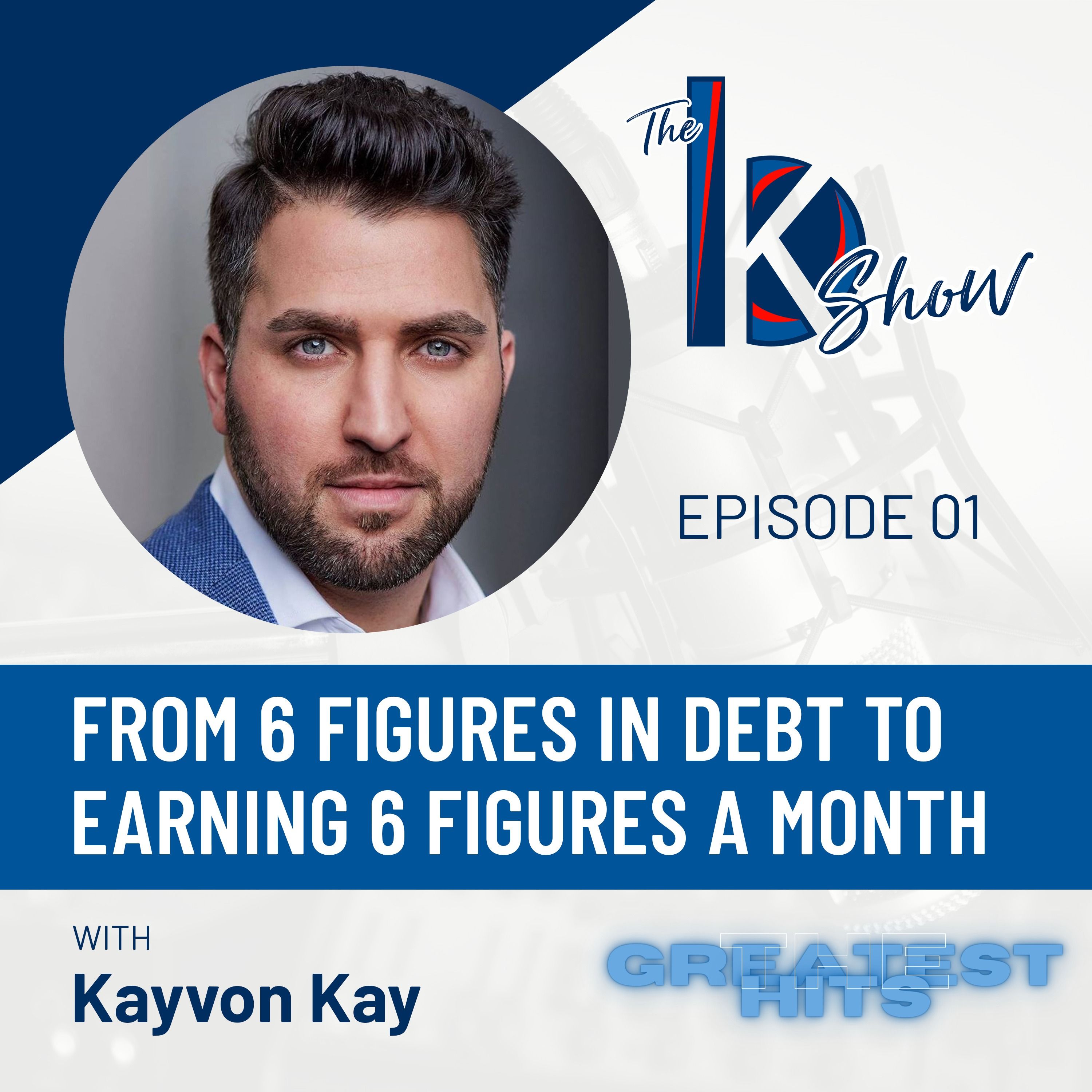 Kayvon Kay - From 6 Figures in Debt to Earning 6 Figures a Month (replay)
 Ecommerce Email Marketing with Chase Dimond (replay)