
TechTalk Healthcare · 2026-06-19 · 45 min
Key moments - from our scoring
Substance score
47 / 100
Five dimensions, 20 points each
Dr. Rick Schmidt shares his journey from accidentally discovering chiropractic at a Queens flea market to building a multi-office network across Maryland, DC, and Virginia. The episode covers his evolution from traditional chiropractic practice into personal injury (PI) work - where he leveraged objective diagnostic technologies like thermography and surface EMG to win court cases and secure attorney referrals - and his current pivot toward DMX (Digital Motion X-Ray) and Dynarom technology for measuring disability and maximum medical improvement in PI patients. Schmidt discusses his online education venture that brought chiropractic continuing education programs online, his role in the Maryland Chiropractic Association, and his remarkable recovery from a catastrophic fall that left him paralyzed, followed by a recent battle with throat cancer. For chiropractors, practice owners, and healthcare entrepreneurs, this episode offers lessons in practice scaling through strategic marketing (he pioneered advertising in the Penny Saver when competitors avoided it), leveraging objective diagnostic evidence in litigation, adopting emerging technologies, and building resilience through personal adversity. Schmidt's story illustrates how embracing innovation - from online education to advanced imaging - can differentiate a practice and create lasting professional impact.
Schmidt is rebuilding his PI network using DMX (Digital Motion X-Ray) and Dynarom, which he describes as ten times better than the thermography and surface EMG technologies he previously used for objective evidence in court cases.
Schmidt used front-page advertising in the Penny Saver (a free local ad publication) with a distinctive ad featuring a silhouette of a woman with an arched back and bullseye, at a time when other Maryland chiropractors were avoiding advertising.
Schmidt created an online CE Pro platform offering continuing education in all PACE states after initially developing an online program for the Maryland Chiropractic Association (MCA) to replace their live CA (Chiropractic Assistant) training program.
Ten years ago, Schmidt fell through a rotted barn roof, shattering his spine and dislocating both ankles, leaving him paralyzed from the waist down; his son, a chiropractor, secretly adjusted his fibula, ankles, and metatarsals while hospitalized, helping reduce swelling while doctors focused on spinal repair.
Schmidt identified what attorneys wanted in PI cases, developed expertise with objective diagnostic evidence (thermography and surface EMG), and built a referral network by going directly to attorneys; he eventually owned 16 offices and maintained partnerships in 53 total locations throughout the region.
Our reviewer’s read on each dimension, with quotes from the episode.
Roughly the first half of the episode is biographical throat-clearing and personal hardship narrative with no operational payoff; the second half contains pockets of genuine substance around PI documentation strategy and DMX technology, but these are separated by filler and sponsor breaks.
I was the only one. I, I told the Penny Saver people, I'll take the front page every, every time it's available
a simple strain sprain injury should heal within six to eight weeks. So if you diagnose strain sprain injury, you're telling the insurance company that this guy has an injury that should last six to eight weeks. But what the patient really has is instability
The insight that chiropractors should code instability on day one to correctly trigger Colossus reserve calculations is genuinely non-obvious and practitioner-specific; however, most of the episode is standard 'how I built my practice' narrative and personal resilience storytelling that circulates widely in professional podcasts.
we only receive 5% of the referrals for car accident cases from the medical profession, from the, uh, attorneys, 5% nationwide
Those patients have instability on day One, and you need to diagnose it. So there's two codes that if you were to just add right there on the first visit
Dr. Schmidt is a genuine operator who built a 53-location chiropractic PI network generating 250 attorney referrals per month, self-funded a $300K online education platform, and has 20 years of hands-on DMX experience - real scale, real credibility - but he is a regional niche practitioner and the episode does not fully exploit his depth of operational knowledge.
I owned 16, but I had partnerships and enough that we had 53 total throughout Maryland, D.C. and Virginia. And we were getting about 250 referrals a month from attorneys
I used my own money to build the online platform that cost me 300 grand to build just to deliver the CA program
The episode delivers a meaningful cluster of concrete numbers - 2mm translation threshold, 3.5mm for 25-28% impairment rating, $50K Colossus reserve uplift, 53 locations, 250 monthly referrals, 2mA dose equivalent to four days of background radiation - which is well above average for a conversational podcast, though all figures are self-reported and unverified.
when it moves forward or back, a total of 2 millimeters or more, that's considered abnormal. At 3.5 millimeters, it's considered serious enough that you can give it an impairment rating of 25 to 28%
it shoots 30 frames per second at very, very low dose. Only 2mA. Uh, so it's equivalent. The whole study I do is equivalent to four days of radiation on the earth
The hosts contribute almost no substantive follow-up; responses are dominated by 'that's awesome,' 'great stuff,' and 'I love it,' and multiple biographical tangents - including the hosts' own chiropractic school rejection stories - displace time that could probe the business model, the legal/compliance risks, or the scalability of the DMX network strategy.
That's awesome.
You are a rock star, a warrior, and as I said at the beginning, just a, uh, person with an amazing heart and amazing soul
Computed from the transcript - who did the talking, and the words that came up most.
What does it take to build a legacy that transforms an entire profession? In this inspiring episode of TechTalk, hosts Dr. Jay Greenstein and Brad Cost sit down with Dr. Rick Schmitt, a respected chiropractor, entrepreneur, educator, and industry leader whose impact on chiropractic spans decades. From a chance encounter at a flea market that changed the course of his life to building one of the largest chiropractic personal injury networks in the Mid-Atlantic, Dr. Schmitt shares the experiences, lessons, and innovations that have defined his remarkable career. The conversation explores his entrepreneurial journey, the importance of lifelong learning, and how technology is reshaping chiropractic care through innovations like Digital Motion X-Ray (DMX), objective injury assessment, and improved clinical documentation. Dr. Schmitt also discusses his work developing continuing education programs, advancing best practices within the profession, and helping chiropractors improve patient outcomes through evidence-based care. Perhaps most powerful is Dr. Schmitt's personal story of resilience.
Transcribed and scored by The B2B Podcast Index.
Speaker A: Live from the TechTalk studios in the nation's capital and the heartland of America, it's Tech Talk. Well, it's Friday. Welcome to TechTalk 2. Tech entrepreneurs coming together. Dr. Jay Greenstein. I'm Brad Kost, executive, uh, and CEO of Infinity. Dr. Jay Greenstein, executive of Embody. An amazing technology platform. Jay, buddy, how are you doing today?
Speaker B: I am doing great. I've had a lot of meetings today, Brad. A lot of meetings. But they've all been super productive and very positive. So I've had an amazing day. Thank you. How about you? How are you doing, my friend?
Speaker A: Dude, I am surviving. I, um. I, uh, get to get back at it. I got to shut this down, get back to some icing therapy and some cpm. Uh, therapy. I'm running behind about an hour and a half, uh, today, so I got to play catch up. I was in that chair till, like, 10:30 last night. Wow. Well, we had podcasts, and I had some business stuff yesterday, and it just, um, end of the day and, you know, you sit down in that thing, you got to be there for two hours, and, you know, my entrepreneur head kicks in and says, why can't we put this in a recliner? Why can't we prop your feet up? Why is there not stereo headphones? You know?
Speaker B: Right.
Speaker A: If you got to sit somewhere for two hours, let's make it productive or entertaining. One of the two.
Speaker B: Yeah, ideally both.
Speaker C: Right.
Speaker B: Productive and entertaining. That'd be perfect.
Speaker A: Yeah, absolutely. Well, but we have a guest today, a friend of yours. I've been to a state. I know the people around him, uh, but I'm just meeting him for the first time. Why don't you take hold of the reins? Let's introduce Dr. Schmidt, get started with the podcast.
Speaker B: It is my pleasure. So it's so great to have a friend, a mentor, someone who I've looked up to my entire career. Dr. Rick Schmidt. Rick has been a leader in the state of Maryland and nationally as a chiropractor, as an innovator, um, as someone who has brought, uh, online education to the chiropractic profession, and just someone who always thinks about what's best for the profession, what is best for chiropractic, what is best for the provider, what is best for the patient. And, uh, as you all will listen to this podcast, you will just see how big his heart and his soul is. So, Rick, it is so great to have you here today. How you doing, buddy?
Speaker D: Thank you, Jay. I appreciate it.
Speaker A: I'm doing good.
Speaker D: Um, I'm a little Beat from working today. Uh, my son bailed on me. So I was treating patients since 8 o' clock this morning and I had one DMX in dinner room. So it's more than I'm used to. As you know. I'm limited in what I can and can't do.
Speaker B: Yeah, I mean, you have like 26,000 jobs, man. You are like the busiest man on the planet. But let's, let's talk about first before we kind of get into the things that you're doing right now, which is incredible. Just talk about how you got into chiropractic. Breck.
Speaker D: Oh God. Um, I was going to school to be a teacher and I, uh, met a chiropractic student at a flea market. And we had nothing but time, so I said I thought it was a medical student. I had never heard about chiropractic.
Speaker B: And where was this, by the way? Like, where was it?
Speaker D: In Queens, New York, at the, uh, Queens, okay. At the um, Aqueduct Racetrack flea market. This was back in, in the 70s and I was in college, already going to be a teacher. And I met this kid and he was selling, uh, neckties his, his uncle made and gave them to him at cost. So I saw his medical books and he had a Guyton textbook and I saw the cellophane pages where you can remove the uh, the body and look at it. And I always loved those as a kid. So I asked him, are you going to be a medical doctor? And he goes, no, a chiropractor. And that started the conversation. That took the whole day. I went home and talked to my dad because this is pre Internet. There was no Internet then. So my dad and I went to the library to find out about chiropractic. And I knew that by that weekend that I was dropping out of school to be a teacher and I wanted to go to be a, uh, chiropractor. So I switched from taking easy classes to taking math and science and physics and all the things you need just to get into chiropractic school.
Speaker B: And, and how'd you. Just out of curiosity, how did you do in those courses?
Speaker D: Grade wise, I did fantastic. I, it turns out. And I was terrible in high school. Uh, I went, it's funny, I went to the same high school as Don Hirsch. We found out.
Speaker B: Oh wow. I didn't realize that.
Speaker A: Rocky.
Speaker D: High school. We found out when we were at a coxa, uh, convention. We started to introduce ourselves to each other and he couldn't believe we were in the same high school. But anyway, I was a terrible high School student. I was interested in, in the girls.
Speaker B: Yeah.
Speaker D: I wasn't paying attention. I went into college, I couldn't believe how great it is to learn from a teacher who knows how to teach.
Speaker A: Yeah.
Speaker D: So I just sucked it in. And I loved learning. I figured out a way to study so that I knew everything I needed to know before it took time for the test. So I had a system. I, I brought it right into chiropractic school. And I hate to say it, I found it to be a breeze all the way through. I mean, if you just do the things I did, it worked so well that, uh, I learned as I went and I was always prepared before the class. So in the class I was really just confirming what I had learned from the books and from my study. And I was the one who put my hand up whenever, uh, the teachers had something that didn't jive with the book. I was like, I was a real pain in the ass. But because of that, I did well.
Speaker A: Did you ever go back and find the guy that was selling the ties to see if he made it?
Speaker D: I wish I would have known his name because he changed my life.
Speaker A: I mean, he changed your life in a huge way.
Speaker D: And my kids and my grandchildren, uh, and the reason I got involved with the MCA when I met you, Jay, uh, is because I felt so strongly of that. The profession did so well for my life and my children that I wanted to give back. So I just started contributing. I got involved with the ICA in a big way. I got involved the mca, became the president and I created my online education company because I, I did it for the MCA to get the CA program going. Yeah, they used to have to do it live. So I, I decided I was going to bring it online.
Speaker B: I've had so many CAs, Brad, that I basically paid for Rick's house.
Speaker D: Well, I didn't, I didn't make a penny on that. I donated the mca.
Speaker B: I know, it's great, it's awesome.
Speaker D: But it got me into my one, uh, of the business. It had a spin off. I created a online CE Pro which brings online, uh, continuing education in all the pace states.
Speaker B: That's amazing. So can I, can I, can I ask a question though? I want to kind of get back to like, what was your system? What did you do? Like, high level. It doesn't have to be like, it's pretty simple.
Speaker D: Um, I, you know, in college they give you the books. You have to buy all the books. Uh, they give you the syllabus. You know, look what you're going to learn this year and what chapters you're going to be reading, all that stuff. So. And if they didn't, I asked the teacher. So I would study what we were going to learn in the next class before the class, and I would take notes. So from that I had already learned. I was just taking the notes of the key things. And from that I knew enough that when the course was taught, I was going, yeah, yep, yep. I was just kind of listening, but it confirming everything I did. I was looking at my notes and I was adding to my notes. If the teacher added anything and anytime she said or he said anything that didn't jive with what I had learned or what I understood, I'd put my hand up and say, well. And they quickly knew, like, I was always ahead of them. So it gave me a good reputation with the teachers. Um, you know, they would always, you know, they'd ask questions and, and they wouldn't call on me because they always knew I knew. So finally they go, richard, what's the answer? So, uh, but that was it. And then when it came time to, uh, for the test, I would just look over my notes a couple times and it just seemed to be a breeze. I never really had a struggle at all.
Speaker B: That's amazing. Rick, what chiropractic school did you go to?
Speaker D: New York Chiropractic. When it was in Long Island, New York. So I made it because I would have never been able to go if it was out of state because I grew up fairly poor. Um, and luckily I lived right near the school, so I was able to drive about an hour every day to get to and from school. But if I had to go away and live somewhere, my family couldn't have afforded it and we would have never made it.
Speaker B: It's great when that.
Speaker A: The chiropractic school that said you weren't smart enough to go.
Speaker B: Yes, Brad, that's the one.
Speaker A: Yeah.
Speaker D: That is right up to, you know,
Speaker B: I don't want to, I don't want to take too much of Rick's time, but just in case anybody's listening, um, basically when I went to admissions, uh, at NYCC when I was applying, I went up there and I sat in front of the woman and she looked at my grades and she looked at me and she looked at my grades, she looked at me and she said, I don't think you're chiropractic material. I was like, what? And yeah, I thought anybod heartbeat got into chiropractic school. Except for Jay Greenstein so it's a story that I tell often. There's a sequela to that story, but I won't.
Speaker D: Jay, uh, I gotta back. Back you up. I went for my interview at New York Chiropractic College. I had never interviewed for college or anything before. It just wasn't in my wheelhouse. So I decided I was gonna get dressed up for it. I thought I should dress. So I went out, uh, and bought a brand new corduroy jacket, corduroy pants, new Hush Puppy shoes. And I went to the interview. Everyone else was in nice suits and everything else. So I went in and I was having my interview and I thought I was doing well because they were interviewing me, asking me questions, and I, um, was answering, I thought very well. And I had a really good reason to be there. I had personal experience with chiropractic. I loved it. It's helped me a lot. Um, and the interviewer called the dean in and he reamed me out. He told me I was embarrassing the school. How dare I show up dressed like this. And I swear I had, I had tears in my eyes. I was so humiliated. And I actually said, I never did this before. I thought you were. This interview was to interview me who I am as a person. I didn't know it had anything to do with my clothing. Had I known that, I would have spent more money and bought different clothes. I'm sorry. And I left there thinking, I'll never get in. I really thought it was like, it went terrible because you really re me out. Um, and I left there. I don't cry. I don't cry often, but you can see it's actually, I'm filling up now because it was a terrible moment in my life. And, um, I got a letter. I'm in. I was amazed. I was really thinking about, what am I going to do with my life now? Because I couldn't get into school and I knew I couldn't go to another college because I couldn't afford to go anywhere else.
Speaker B: Yeah, that's really hard and heartfelt and, um. And man, I'm so sorry that happened to you, but at the end of the day, it sounded like you responded perfectly. And, um, that's what, that's what helped you get on your way and create the impact that you're creating today, buddy.
Speaker D: Thank you. I feel like I did too.
Speaker A: You know, I think both of you need to find those people and go back and say, I, ah, made it. And Jay, you need to go back and tout all of your compliment to that lady, they going, see, you just didn't see the right thing.
Speaker B: It's all good. It's all good. Everything works out the way that it's supposed to. So it's all good. I know we gotta take a break, but when we get back, I'm really excited to dive into all the great things that you're doing right now, Rick. So, Brad, I know we gotta take a break, but excited to come back.
Speaker A: We do. That's right. Let's take a quick break. We're gonna come back and listen to the next, uh, segment of conversation with Dr. Rick Schmidt. I'm Brad Kost. My co host, Dr. Jay Greenstein. We'll be right back. Listen to the future of healthcare with the data jocks of Talk. It's Tech Talk.
Speaker C: Welcome to Infinity. We have worked hard to create an electronic claims website that is simple and user friendly. This is the public side. You can log into your personal web portal here. This is your dashboard. You can personalize it to your liking here. Our main focus has been to allow you to submit and edit claims as easy as possible. You will find our claims editor and claims processing simple to use and straightforward. Our quick action bar is where you can find your most important information. Most of these icons will take you directly to the claims the number represents. You can easily view if you have any messages in your inbox of any unread alerts by looking for these blue numbers. To view the rest of our training video videos to get the most of your Infinity experience, click this icon. We hope you find this web portal simple and easy to use. Thanks for letting us serve you. Spreading the love. Uh, you're listening to the tech slot. It's Tech Talk. Struggling with patient adherence and efficiency. Embody is here to help meet Embody the all in one software solution revolutionizing healthcare provider practices. Our platform opens new revenue channels via remote therapeutic monitoring and boosts patient adherence with gamification. It saves time with artificial intelligence driven home exercise programs. This innovation is a game changer for patients, employees and practices. Schedule a strategy session today and see how embody can transform your practice. Starting your weekend outright with the data jocks of Talk. It's tear talk.
Speaker B: M.
Speaker C: Spreading the love. You're listening to the Tech slot. It's Tech Talk.
Speaker A: Welcome back, it's TechTalk. We're here talking with Dr. Rick Schmidt, of course, my co host, Dr. Jay Greenstein. Dr. Schmidt, you know you sort of alluded in the beginning that you, you got into chiropractic college, did extremely well, but. And you've come out and started multiple businesses. You're involved in things today. You seem like you're a really busy chiropractor. Can you just sort of dig in and let us know the things that you've been involved since. Since you left chiropractic school?
Speaker D: Okay. I've done quite a bit of things. Um, when I came to Maryland, I moved to Maryland because my wife had just had my son Christopher, and we had decided we didn't want to bring up a child in Queens, New York. Uh, a lot of my friends were doing things that I didn't want my children doing. Uh, and I didn't want to take a chance. So we drove all over the country looking for a place to live. And my clinic director asked me if I knew about Crofton, Maryland. And I drove that weekend. I drove to Crofton. Loved it, loved Maryland. And when I spent the night in Annapolis and I woke up at the Hilton and opened up the curtain, I had never seen Annapolis. Annapolis harbor was there, and I'm a boater. I opened up, it was like this choir went off. I was like, this is where I want to live. I'm coming to Maryland. So we moved to Maryland, and I opened a practice in Bowie. And one of my professors that I valued, um, most, I asked him before I left chiropractic college, you know, what. What did you, like? What was your goal, and what did you reach? And it was 125 patients a week. Uh, was what he said, if you can hit that. And I opened my practice, and there was nobody coming in. My wife and I, you know, we didn't have much money. We were. We had a home office, uh, that I bought for $79,000. My dad floated the loan to me, and, um, I converted it into office combination. And we went out with Christopher in a knapsack, you know, a little baby sack. And we put flyers that I made on my copy machine in people's mailboxes. Patients started coming in, and it was still very slow. I started seeing patients, and I. I was getting this thing in the mail called Penny Saver. I don't know if you know what that is, but it's a little free thing they send you. And I saw advertisement, but no advertisement for doctors. So I. I called the board and I said, are we allowed to advertise? And they said, well, it's frowned upon. You can put your business card in. I said, but are we allowed to advertise? And he said, well, it's frowned upon. And he really didn't want to Tell me yes. And finally I said, but if I do it, am I going to get into trouble? He goes, well. And he said, no, you won't get into trouble. So I called the Penny Saver up and I took a front page ad and I made an ad out of all these clippings I had kept. And, uh, it had a silhouette of a woman with a arched back with a bullseye around it and said, uh, if you've got pain, you need a chiropractor. I hit my 125 a week in about, uh, six months. And by my third year, I had my second office open with an associate. And a year later I had two more offices. And with at about six or seven years in, I had 16 locations.
Speaker A: Wow.
Speaker D: Yeah. So I was. And it was because no one in Maryland was advertising. I was the only one. I, I told the Penny Saver people, I'll take the front page every, every time it's available. Uh, but then I decided I was, uh, HMOs. HM came into, into view. Uh, Bill Clinton was president. He gave Hillary the job of healthcare. I don't know if you remember that. Um, and HMOs were on their way out at the time, but Hillary was looking at all the different ways to do healthcare in America. She was looking towards HMOs, and they started to take grip. So everyone was joining HMOs. All of a sudden I did too. And my staff, after the first few patients told me, if you're going to do this, we're quitting. We're not doing it. It's too much paperwork. So I looked into PI and I started doing more and more PI work, and I started going out and seeing attorneys. And it took a lot of work. I mean, it was a lot of time to figure out what needed to be done. Um, uh, but I realized that I could open offices if I got steady referrals. So I found out what the attorneys wanted, and within a very short time, I had a network of locations. I owned 16, but I had partnerships and enough that we had 53 total throughout Maryland, D.C. and Virginia. And we were getting about 250 referrals a month from attorneys. And I didn't care about the insurance part of my business any longer because the PI side was so big. It was just, it just made the other side just seem silly. Uh, so I did that until I retired. And when I retired, it kind of all dwindled down. I had two offices. I had three offices of my own still. Um, and my son took over one And I had associates in the other. And then I had some personal things happen, and some time went by. And, uh, more recently, my son bailed on me. But, uh, before that happened, I wanted to build a network. My son wanted to build a network up. He wanted to do what his dad did and have a big network, have doctors all throughout Maryland. He's got his own things he's doing as well. He wanted to incorporate that. So he asked me if I'd rebuild the network. So I was doing that using new technology, the way I was able to attract attorney referrals and doctors into the network and is. Back then, I used thermography, uh, which is no longer available for use, and surface, uh, emg, which is also no longer useful in the PI business. Uh, but because I had those two objective forms of evidence, if I went to court, and I went to court many, many times. Because back then, you went to court a lot. Uh, I would walk in front of the jury and show them these images, and the jury were all like, yeah, I see it, I see it. The awards were ridiculous. The attorneys loved it. The patients, uh, loved, um, just was a home run. You couldn't have anyone say, this guy was not injured, and this guy is not still injured because there's evidence of it. It was terrible when they started, but look at where it is right now. So, uh, when my son said rebuild the network, I started using DMX Digital Motion X Ray and Dynarom, two devices that are 10 times better than what I was using before. And I'm rebuilding the network now. And that's. I, uh, think why Jayu said, maybe you should come on the network and talk about it. Come on the podcast and talk about it.
Speaker B: It's really cool. The technology is great. And, um, we've been sending patients over to get evaluated and really understand, like, what is their level of disability once they've completed their care and their maximum medical improvement. And so it's been a really great partnership. And I love the work that you do, and I love the passion that you have for it. But, you know, there's other things that you're doing as well, right? You've got your online course, you've got your practice, you've got your, um, you've got your dmx, uh, practice, if you will. Um, but you had some. You mentioned some challenges, and maybe you could just share, like, with the audience, like, what. What happened? What were those challenges that you faced a while back?
Speaker D: Yeah, well, 10 years ago, I. I was not really working at all. I was doing These other things, uh, the online stuff. And my son, uh, found a barn that he wanted the wood to side his house with. He was going to use the barn siding to sight his house. So I went to help him take it down. And I was two stories in the air without a harness, taking the roof off, and I fell through the roof. The roof was so rotted it just collapsed. I fell through the roof, did a tumble source. And, uh, when I hit, I bent in half and I shattered my spine. I dislocated both my fibula, both my ankles were dislocated. Um, I somehow I caught a nail on the way down and ripped my calf open. Uh, I was shown I was blown to shock trauma and had multiple surgeries. Um, took three months to be able to get into a wheelchair and walk. Not walk, but wheel myself. And it really took me three years of physical therapy to walk normally again. So I can walk now. I can function. But I was paralyzed, uh, from the waist down. I was, I had no control over my bowel or my bladder. I needed a catheter. Um, and, uh, luckily my body healed. And, uh, thank God for my son, who was a chiropractor. He came to the hospital. He was in. I was in, um, intensive care. And the doctors were so concerned with my spine. They really weren't looking at my knees or my, my, my feet. So my, they were swollen, uh, because they were so dislocated. My son came in and when the, uh, I had a dedicated nurse, when the nurse's back was to us, he would adjust me, adjust my fibula, adjust my ankles, put them back in place. My metatarsals were all a mess. He would adjust them. And my son became the best extremity adjuster ever from the experience because he adjusted everything. And the nurse would turn around and go, how did you get the swelling to go down? And he would go, chiropractic massage, because he's not allowed to treat, uh, at University of Maryland. So we didn't tell him, but he was adjusting me. And so while they were fixing my back, my son was fixing my other joints. Um, so anyway, that happened then. Two years ago, I had throat cancer. I went through, uh, chemo and radiation treatment up in Baltimore. And, uh, luckily I just had my two year checkup and I'm, um, cancer. And they say I look great. Yeah, so. So I've been through hell, but I have a new, uh, view of life that, uh, I wouldn't trade for the world. I appreciate everything more. I appreciate my friends more, my family. Tearing up my grandchildren.
Speaker B: I love it. No, it's all good, my friend. I love it.
Speaker D: My wife and I are tighter than we've ever been because she thought she lost me twice. And. And now I appreciate life more. So we've never been better. I mean, it's like. I don't think I. In the entire time I've known my wife, I don't think we've ever been more in love than we are now. So it's pretty amazing. And I don't think I. If I. If I. You were to say, rick, if I could snap my fingers, it would be gone. I don't know if I'd say, take it away. You know, I mean, I. I glad I went through what I went through to get to where I am.
Speaker B: That's the best story ever. I love it. Yeah.
Speaker A: You know, are you going to, at some point in time, go to your son and say, son, it's yours. I'm retiring and hanging out with.
Speaker D: Everything I'm doing is for him now. Yeah, I'm. This is for him. I'm, um. I can't wait to be able to say, take it over. You know, I'm putting. We've already talked about putting it into a, uh. He wants to put everything in a trust. He wants. He wants to make sure I'm out of the picture. It's all in the trust name. And, uh, yeah, we're. And. But I. But my goal now, because I've been doing this now for a little while with the DMX and Dynam. Uh, you know, I, uh. You know, Brad was saying how much he's done for the profession. Uh, one of the stories you talk about, all the work you did for them. When I was in the middle of everything with the network, I used my own money to build the online platform that cost me 300 grand to build just to deliver the CA program. But I also hired, uh, doctors in Iowa to go through, uh, the chiropractic college archives to do all the research that needed to be copied for the ica, uh, best Practices program. So I was instrumental with a number of other people. Uh, but I really backed that whole thing, and I got doctors together to go through all the research. And so I. I feel like I want to do whatever I can for the profession. That was my first, um, avenue to do that, and I want to do more of that. So with the DMX and Dynam thing, I'm building this network in Maryland. And what I realized is that chiropractors are great at treating PI cases, you know, they, they know how to get them well. But every doctor I talk to is not, is like not doing the documentation the way they, they could, which would benefit them and the patient and the case for the doctor. And I'm realizing that I can do this at no cost to doctors. You know, they can, I can help them do a better job, which will make as a profession, us a better choice for the attorney. Right now we only receive 5% of the referrals for car accident cases from the medical profession, from the, uh, attorneys, 5% nationwide. And I think with what I'm doing, if I get a net, my network in Maryland will have doctors who are all using this technology and all doing the diagnosing correctly from the first visit on. Uh, doctors are missing diagnosis codes that make a huge difference in a number of ways. Um, by changing that, the attorneys in Maryland will all learn that sending people to these doctors who do this is much better than sending to any medical doctor. It just, there's no reason to send to a medical doctor if chiropractors do it this way. And once I do it here, I want to do it nationwide. I'm going to open up either franchises or partnerships or I'll just do it myself. But I want to go in and every state make sure this takes place so that we can really, if we can just double the number of referrals we get, we won't be able to handle it. So I really think I can make a difference.
Speaker B: What's fascinating is I was literally on a zoom with Christine Gertz. And you know, she's one of the most well known researchers, uh, in chiropractic and in spine care, generally speaking. And she just wrote a book and it's launching in October. And you know, she, she mentioned a really important statistic, uh, in the research community that the most important decision that's made for a patient who's got m an MSK disorder is the first provider seen. So if the patient goes to the orthopedic surgeon, those downstream costs, the downstream morbidity and mortality is significantly greater than if they see a chiropractor. So like the work that you're doing to help, and you did a great in service for my team, the, uh, work that you're doing to help carriers, you know, not just document, but also make sure that there's an appropriate assessment of the patient at the beginning and end of care. Um, so that um, we have a clear picture of where this patient is, uh, due to the accident, I think is just Tremendous work and I'm m so glad that you're doing it.
Speaker D: Um, thank you. Thank you. If I can tell you just one aspect of it, I mean there's a lot of things I could tell you about it. But, um, I'm working with uh, Don Hirsch, uh, chairman of the MCA right now. He's on the board, or he was on the board of the ica. He's everywhere, you know Don. And uh, he and I are building the ICA certificate, uh, car, uh, accident or CAD, uh, injury certification course. It's 150 hour course, uh, working with the national board. So there'll be a national board exam. You'll be, you'll be, you'll have a national board, uh, certification through the ica. And we're building that now. And in doing the research, it's really taking what I already knew about car, uh, accident, car accident cases and what I'm doing with DMX and Dynam and I think putting it on steroids. I'm really getting into the details of what you need to know. And one of the things I wrote for the doctors and your doctors will be getting this soon. Uh, I realize is that you know the way when you have a new, a car accident case, it comes in, you instinctively know, I'm not going to adjust this guy today because their injury is bad enough that if you were to adjust them, they wouldn't come back. Or you just know that, uh, from the mechanism of injury, they had a rear end collision, they have limited range of motion. If you try to turn it beyond that, you know, it's terrible pain. Um, you know when not to adjust someone but you don't do anything in the record about that. Well, it turns out that the, the, a simple strain sprain injury should heal within six to eight weeks. So if you diagnose strain sprain injury, you're telling the insurance company that this guy has an injury that should last six to eight weeks. But what the patient really has is instability. They've. The strain sprain is not simple if they're going to need treatment beyond, uh, four to six weeks. And you know that the guy you don't treat the first visit or you treat with an activator, or you give them such a light adjusted adjustment that you're holding your breath thinking, could they tolerate that? You know, those patients, you, you adjust them anyway and you're thinking, this is a little dangerous. So I'm going to do it real light. But I hope it doesn't hurt. Those patients have instability on day One, and you need to diagnose it. So there's two codes that if you were to just add right there on the first visit, uh, one, the colossus. Colossus and all the insurance company, uh, software that rates the case would instantly know this is not a four to six week injury. And they're going to make the reserve for that case $50,000 higher because this is a serious case, it's going to take many more treatments and they're going to have sequela that are much worse than someone who has a four to six week treatment program. So that all makes sense. Right? And I knew that too. Um, but I didn't never knew that I should diagnose it on the first visit. I found that out doing the work on this ICA course. So I'm teaching all the doctors in my network, you need to use this right away. If you suspect you're going to treat this guy beyond six weeks, put it in and then confirm it when you get the Dynarom and DMX at the end.
Speaker B: Great stuff.
Speaker A: Guys, we need to stop and take another break here. We're going to come back and Dr. Schmidt, we're going to, uh, dig into that DMX and these last few things in the next segment. You're tuned in to TechTalk. I'm Brad Koss, my co host, Dr. Jay Greenstan. Our guest today is Dr. Rick Schmidt. Coming back, you're going to want to hear the conclusion of this story, your weekly dose of talk. Get ready with the data jocks of talk.
Speaker E: You didn't go into chiropractic. To struggle financially and affordable care shouldn't mean undervaluing yourself. Yet many chiropractors are still undercharging, accepting insurance rates without realizing what's actually allowed, or struggling to serve patients who have no coverage or limited benefits. ChiroHealth USA helps chiropractors change that. We help doctors charge appropriately, get paid well when insurance is available and still serve cash and limited benefit patients using a compliant discount medical plan. The result, Doctors stop undercharging rates, raise fees and increase income by about 20% without sacrificing care or patient relationships. You've invested time, energy and resources into building your practice. Now it's time to protect it. ChiroHealth USA helps you be profitable and compliant so your practice can last for decades. Learn more@chirohealthusa.com don't go anywhere.
Speaker C: We'll be right back.
Speaker B: Hey Everybody, this is Dr. Jay Greenstein.
Speaker D: This is Jay Greenstein.
Speaker B: Joining me today is Dr. Jay Greenstein Dr. Jay Greenstein. The world around us, and healthcare specifically is changing at an exponential pace. Cardfighting is perfectly positioned like we have never been right now, today to be more successful and to be more impactful for the communities and patients that we serve. There are all sorts of evidence based guidelines that support the use of non pharmacological approaches. But what I want America to know is that health doesn't come from a pill. It's our responsibility as healthcare providers to educate the community about the evidence that exists. We really need to have a private practice app, something that will help us, uh, engage with our patients in ways that they've never experienced before. The intersection of technology and quality care is where the future of healthcare is at. And I'm really excited to bring that forward in the future.
Speaker A: Listen to the future of healthcare with the data jocks of talk. It's Tech Talk.
Speaker D: Uh,
Speaker C: Sa,
Speaker A: Uh,
Speaker D: Save m.
Speaker A: Button and spread the love with Tech Talk. Welcome back. This is Tech Talk. We got a great conversation going on for you today. Chiropractors with Dr. Rick Schmidt. Great, uh, history, uh, an amazing guy that he, and what he is doing for the chiropractic profession. We all knew to give him kudos there. There are a lot of men like this around America that have really dedicated their life to changing chiropractic. And this is absolutely one of those chiropractic warriors, no question about it. Dr. Schmidt, you alluded to DMX a little bit in segment number two. Why don't you dig in and talk to us a little bit, Explain and talk to us about DMX and what you're doing in that.
Speaker D: Sure, uh, sure. Um, I've been using DMX probably for about 20 years. Uh, it's a, it's basically a video X ray machine. It shoots 30 frames per second at very, very low dose. Only 2mA. Uh, so it's equivalent. The whole study I do is equivalent to four days of radiation on the earth. You know, four days walking around here. Um, so it's not much radiation at all. The pictures are pretty clear. Ah, but they're not the kind of images that you'd want to look for a fracture or something like that. They are used to determine whether someone has instability. So, uh, DMX Works is the company that sells the machine that I bought. I think they're the only ones that manufacture it. They're out of Florida. Um, but basically it does something similar to what a lot of doctors do. They take a flexion extension study or a Davis series and what they're looking for they measure the uh, amount of translation or angle changes between flexion and extension. Um, and if it exceeds a certain threshold, you can call it instability. So there's a certain normal amount of movement there. Um, in fact, there's a certain amount of movement that we can't call abnormal. But when you look at as many as I have, you realize that it's not supposed to slide when you tilt your neck back and forth. It's not supposed, the vertebra not supposed to do this. They're supposed to bend like that on the disc. So when it moves forward or back, a total of 2 millimeters or more, that's considered abnormal. At 3.5 millimeters, it's considered serious enough that you can give it an impairment rating of 25 to 28%. So I use it not for impairment ratings but for instability. So anything that goes beyond 2 millimeters is clinically unstable. And I do it at MMI because once it happens, it's permanent. It's not like if I did it in the beginning or the middle, it would change. It's just that, uh, in the beginning a patient can't flex or extend without pain, so you don't want to eliminate that first. So I do it at the end because they have full range of motion after treatment. Uh, and I can see the maximum amount of slippage. The difference between a flexion extension view that a doctor takes and DMX is in dmx, we also do lateral APOM views. Also a flexion extension view just gets an image at the, at the end of motion. So at full flexion and full extension. But very often when I'm looking at the dmx, I look at the, the translation throughout the range. And very often the most severe translation occurs before maximum flexion or extension. So I measure the most severe translation. I, uh, did one today and sure enough, it wasn't at full flexion. At full flexion, it actually pulled back some because you get muscles pulling on it. So, uh, DMX is definitely superior at finding translations. And um, you can't really do an APOM plain, ah, film view lateral flexion because it's so hard to get during an open mouth to actually visualize what you need to look at to see overhang when you, uh, laterally flex. C1 should not slip off the side of the lateral mass of C2. If it overhangs 2 millimeters, that's considered clinically unstable. Uh, and you also look at the uh, uh, the space between the uh, the dens and the lateral mass, and that should become asymmetrical during lateral flexion, if there's, if there's a, uh, overhang. So I, I evaluate that with a DMX study, and then I use a computer to measure it and create a report that basically explains what the test is, what is going on with the spine, what it should and shouldn't do, and I consider it. I tell, I tell the doctor exactly where it's unstable and how severely. And they can use that, uh, as part of their documentation. Because once you have instability, uh, the highest, the three highest drivers of the injury award that the patient, uh, gets at the end of care through litigation. Uh, one is the diagnosis. How bad were they? Having instability as part of that diagnosis is a big factor, like I said before, but also, uh, the prognosis based on permanent instability. So when someone has instability, that's not proven. That's one thing. That's the diagnosis. But when you have objective evidence of a permanent injury, which the DMX provides and then a prognosis based on that, that prognosis, uh, is well established. That when you have instability, uh, no different than having a tire that's about to come off, it's going to wear out the joints all over the place. The tire is going to wear out. They're going to get premature, degenerative arthritis, wherever it is. They're going to have recurrent need for, for, for treatment. So, uh, it's this research that shows twice a month is recommended for anyone with instability. So you can add that on to the fact that this is what the patient actually needs. And it explains why when almost every patient that. The, uh, doctors in our network now, they all say the patients love their care, they get. Well, all the things they were tracking through care have all dissipated. But when you ask them in detail, what things do you do that you used to be able to do, but now it causes you pain, they'll say, oh, yeah, I can't let my kids hang on my neck anymore because if they do, it'll bother my neck afterwards and I'll have pain for a few hours or if I drive too long, I have neck pain and I can't. So I don't do that anymore. You know, they have things, uh, and every patient I do this with will tell me, I do this, this, this, and it causes me neck pain. Those are the things that are permanent. So when you take those things and explain them by this permanent instability, the prognosis adds great value to the documentation. And if you don't do that, you're basically saying the care is guarded yeah, we're done. You know, that's. You can't say much. I give with my dmx, I actually give the doctor the prognosis that they can use in their documentation so that they actually are giving good documentation based on objective evidence. And I get the history from the patient as well, so I include the fact that they're still having these symptoms long after they're done with care.
Speaker B: That's awesome.
Speaker D: So that's. That's kind of what. What I'm doing.
Speaker B: Very cool. So, Rick, if somebody wants to learn
Speaker D: more, how do they get a hold of you? Uh, they can just email me. I get my emails every day. I, um, spent an hour and a half with emails today just before I could start work. Um, but@Dr.schmidtleardmx.com and Schmidt is S C H M I T T t t@cleardmx.com and that's also the website, of course, cleardmx.com there's tons of information on that. Um, so if somebody is interested in this, they can call me, ask me questions. I'm an open book. I love to help doctors if you're in a situation. I've testified so many times. I've done so many PI Cases in my life. All those network doctors that worked for me, uh, years ago, I helped every one of them prepare for court. If you, you know, if you. If you need a hand getting ready, if you want to have a question, I'd be glad to help.
Speaker B: Thanks, Rick. I'll tell you what, man. You've done such an amazing job in everything that you do, everything you do for your business, everything you do for chiropractic. Thank you so much for how you contribute to individuals and to the profession alike. You are a rock star, a warrior, and as I said at the beginning, just a, uh, person with an amazing heart and amazing soul. So thanks so much for joining us today.
Speaker D: Ah, you're welcome, Jan. Thank you so much for those very, very nice words. I appreciate it.
Speaker B: It's all true, my friend.
Speaker A: We call that being a good human. Many times we refer to that on the stage as just being a great human. And you'd be shocked how many great humans. We do not have as many as we used to. So that's a great kudos to you, Dr. Uh, Smith, thank you for spending the last 40 minutes with us, uh, reviewing your life and your history. And the guy on the corner in Queens, if you're still there selling ties. Dr. Schmidt took your advice and successful. He opens his house for you at any moment in time.
Speaker D: I would love to meet him again.
Speaker A: I bet you would. That's just an amazing coincidence of somebody trying to do that and changed your life in the process. Anyway, from My co host, Dr. Jay Greenstein, I'm Brad Kost. Have a great day today.
Speaker B: See y'.
Speaker D: All.
The Foot-Brain Connection: Why Proprioceptive Orthotics Are Transforming Chiropractic Care61 / 100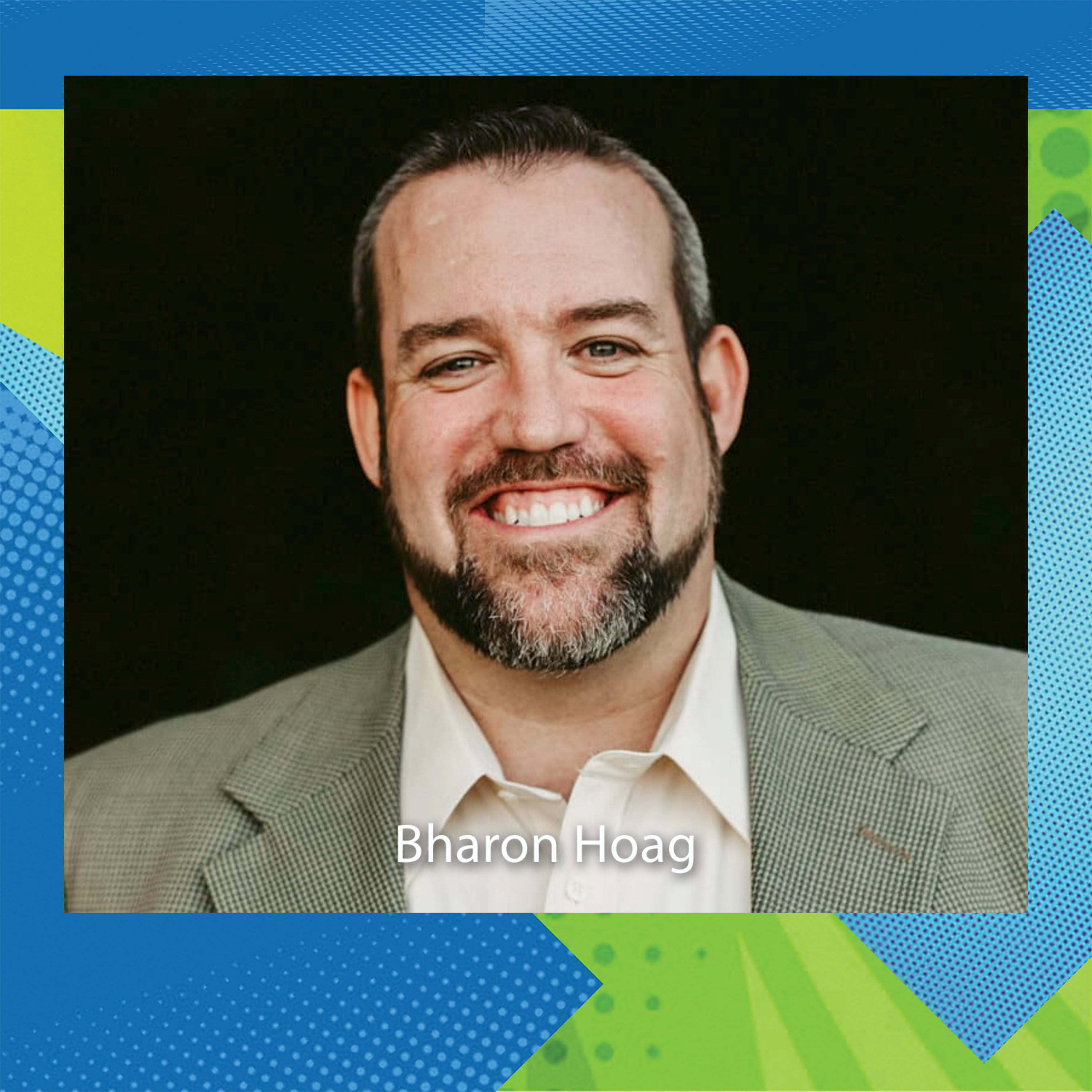 Saving Chiropractic: Bharon Hoag on Healthcare Policy, MAHA & Protecting the Profession
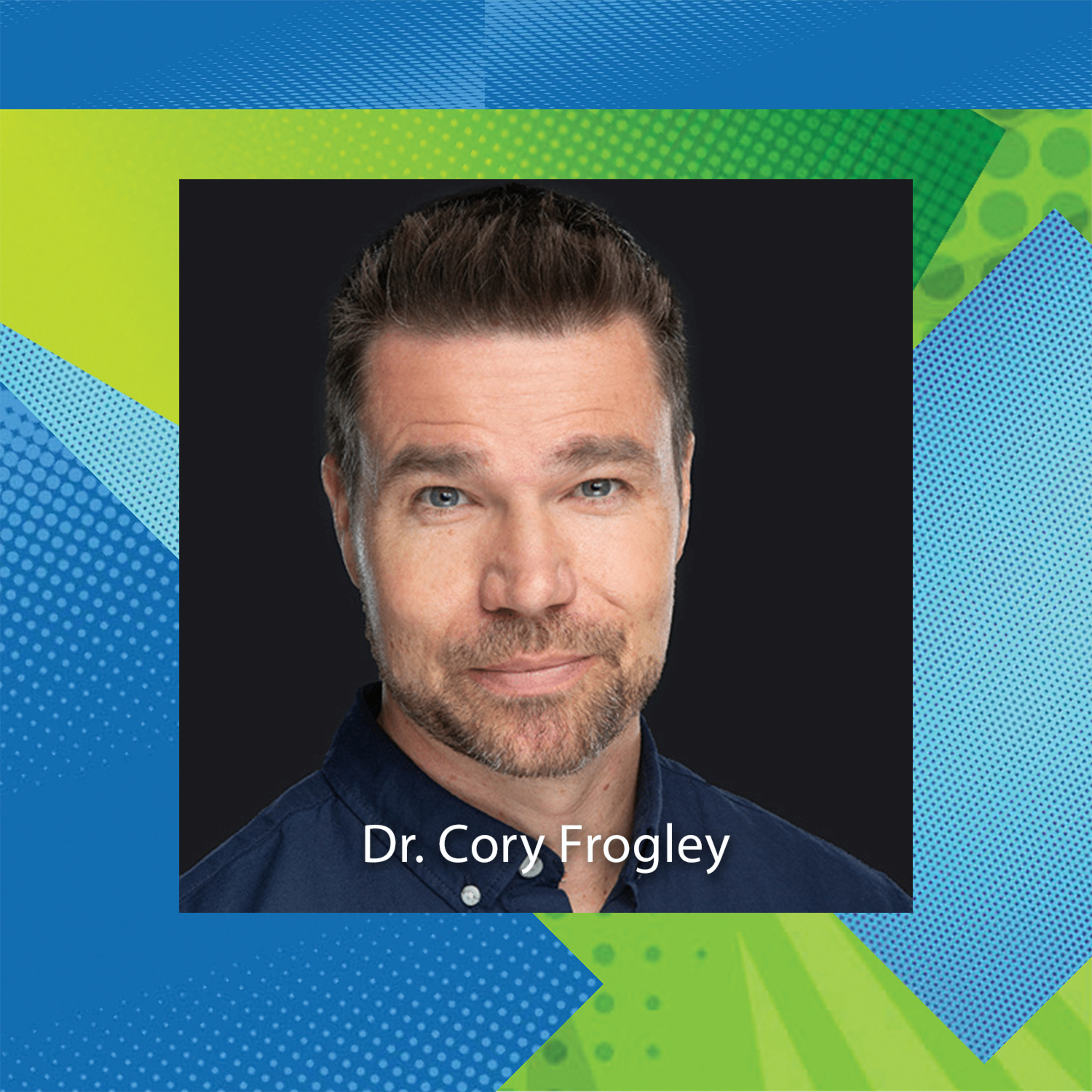 How AI Is Transforming Chiropractic Practices with Dr. Cory Frogley | Leadership, Practice Growth & Healthcare Innovation
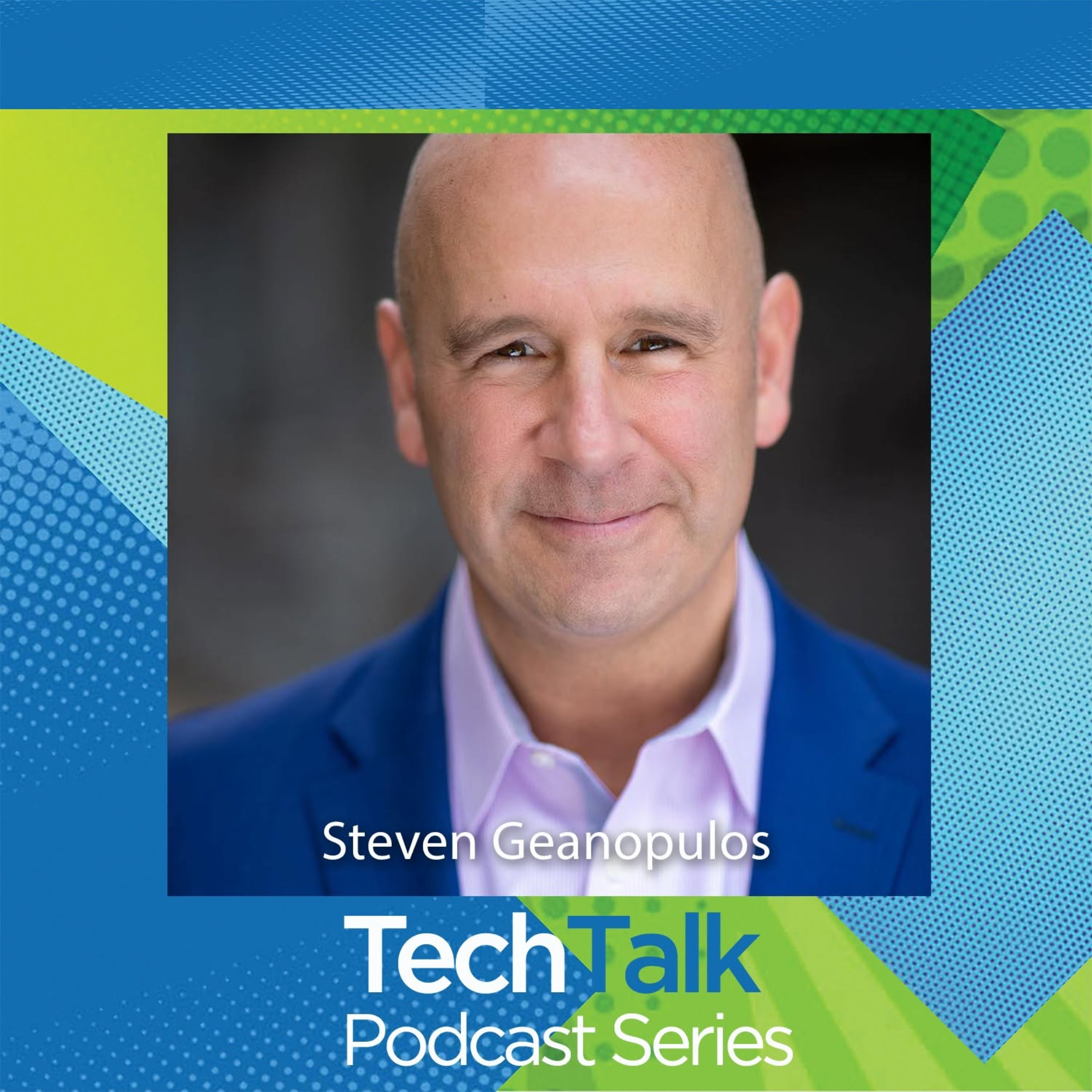 How Chiropractors Can Add Metabolic Health to Their Practice | Dr. Steven Geanopulos on Blood Chemistry, AI & Practice GrowthHow AI Could Fix Healthcare Insurance: Real-Time Claims, Faster Payments & the Future of Provider Reimbursement