Strategic Alternatives · 2026-07-01 · 16 min
Key moments - from our scoring
Substance score
32 / 100
Five dimensions, 20 points each
The Iran conflict and broader geopolitical tensions have fundamentally shifted energy policy from a zero-carbon focus toward an "all of the above" strategy that prioritizes energy security alongside decarbonization. Robert Quan and Maurice Choi, drawing from RBC's Imagine research program, argue that rising electricity demand from hyperscalers and big tech platforms - what they term "platform nations" - will become dominant energy consumers, reshaping utility investment priorities. This creates a complex energy trilemma for infrastructure companies: balancing energy security, affordability, and clean energy transition simultaneously. Maurice highlights Canada's position as a potential global energy exporter through crude oil, natural gas, LPG, and electricity, while both analysts emphasize the need for significant capital deployment in grid modernization, microgrids, distributed generation, and behind-the-meter solutions to manage climate risks, cyber threats, and grid instability. Emerging technologies like perovskite solar cells and synthetic materials offer efficiency gains, though water contamination from forever chemicals presents both risks and opportunities for water infrastructure investment. This episode is essential for investors evaluating power, utilities, and energy infrastructure positions in a rapidly shifting geopolitical and technological landscape.
The conflict shifted focus from a zero-carbon-only approach to an "all of the above" energy strategy that balances energy security, affordability, and clean energy transition on a global scale, demonstrating that energy supply constraints affect inflation and everyday consumer costs.
These companies could become the largest electricity consumers on the planet, rivaling countries in power and influence, while also potentially providing demand-side management services and driving investment in energy infrastructure and technology integration.
Perovskite solar cells offer greater efficiency while reducing supply chain risks compared to silicon-based solar, and synthetic self-healing coatings prevent pipeline corrosion, while synthetic materials also create water quality risks requiring new investment in monitoring equipment.
Affordability has historically been top of the regulatory and stakeholder agenda, and sacrificing it during the energy transition would undermine public support and regulatory approval for necessary infrastructure investments.
North American utilities are allocating significant capital toward decentralized energy systems such as microgrids, modular grids, distributed generation, and behind-the-meter solutions to create redundancies and operational resilience.
Our reviewer’s read on each dimension, with quotes from the episode.
The episode spans 16 minutes and skims across many macro themes (energy trilemma, hyperscalers, crisis capitalism, shifting superpowers) without dwelling long enough on any to generate real analytical depth. A few specific technology callouts (perovskite cells, self-healing pipeline coatings) provide brief moments of substance, but most of the content is high-altitude commentary that repeats widely circulated energy-sector narratives.
perovskite solar cells that have greater efficiency while avoiding some of the supply chain issues that we've seen for silicon based solar technology
the rising price of energy is having a very broad impact on inflation and affordability from the price of groceries due to the soaring price of diesel to a petroleum product like Naptha, which never makes the mainstream news headlines
The 'energy trilemma' and 'all of the above' framings are industry clichés, and most observations (AI drives power demand, Canada has natural resources, renewables still matter) are consensus views. The '8th continent' framing for hyperscalers is the one genuinely fresh conceptual angle, but it is barely developed before moving on.
digital platforms are already starting to rival countries in terms of the power they wield. In energy terms, big tech platforms and hyperscalers could become the largest consumers of electricity on the planet
the long term winners are, uh, likely to be nations such as Canada with significant conventional energy resources, high standards of living and democratic societies
Both guests hold senior research roles at a bulge-bracket bank (Head of Global Power Utilities & Infrastructure Research and a dedicated Canadian energy infrastructure analyst), giving them genuine sector expertise. However, they are capital-markets researchers promoting their firm's proprietary report rather than operators who have built or run infrastructure at scale, which caps the caliber ceiling.
Robert Quan, head of Global Power Utilities and Infrastructure Research, and Maurice Choi, Canadian energy infrastructure Analyst, both here at RBC Capital Markets
the Imagine themes are intended to provide a framework for how people should think about opportunities and risks, covering a wide range of potential events and outcomes
The episode name-checks a few real technologies (perovskite solar cells, NETL's self-healing coating, naphtha as petrochemical feedstock) and geopolitical constructs (WCSB, LNG/LPG terminals), but there are virtually no quantitative data points, no company names, no dollar figures, no capacity or timeline specifics. Evidence remains largely illustrative rather than probative.
the National Energy Technology Laboratory has developed a self healing coating to prevent pipeline corrosion that could further improve the safety of new and existing pipelines
supporting the WCSB energy production, be that from the gathering and processing facilities to export facilities like crude oil pipelines as well as LNG and LPG terminals
The host asks leading, pre-scripted setup questions that give guests room to deliver prepared talking points; there is no follow-up drilling, no pushback on vague claims, and no productive disagreement anywhere in the episode. The closing 'one or two takeaways' request is a textbook soft landing rather than an attempt to sharpen or challenge the discussion.
So, building on that a little bit, one of the other things RBC, uh, Imagine research focuses in on is the affordability aspect in this sector and the need to contain energy prices for the customer
Robert, what role do you see a lot of these developing technologies that are being talked about today? How will it play out in the sector's evolution in the next couple of years?
Computed from the transcript - who did the talking, and the words that came up most.
Global power demand is rising sharply, and geopolitical instability is accelerating the need for secure, affordable, and diversified energy systems. In this episode, host Joe Colletti speaks with Robert Kwan, Head of Global Power, Utilities & Infrastructure Research, and Maurice Choy, Canadian Energy Infrastructure Analyst, to explore how RBC Imagine themes - energy security, affordability, crisis capitalism, synthetic technologies, and shifting superpowers - are reshaping the sector. The conversation highlights how utilities, midstream operators, and infrastructure investors are navigating a world where energy transition, digital demand, and geopolitical conflict collide. As Robert notes, “this current environment is hammering home to a broad population how important energy is to everybody’s daily lives” . Key Points Geopolitical conflict is reinforcing a global “all of the above” approach to energy supply. Rising energy prices are intensifying affordability pressures across households and industries. Hyperscalers and digital platforms are rapidly becoming dominant global electricity consumers.
Transcribed and scored by The B2B Podcast Index.
Speaker A: Hello and welcome back to Strategic Alternatives, the RBC Capital Markets podcast. I'm, um, your host for this discussion today, Joe Colletti. This episode is part of our special series built around RBC Imagine, a flagship program from our global research franchise that identifies the transformational forces reshaping industries and what they mean for companies and investors over the next three to five years and beyond. Today we're focused on power utilities and infrastructure. The outlook for these sectors is broadly positive. Rising power demand is driving an all of the above approach to energy development, creating tailwinds across every form of generation and delivery. So the question isn't whether growth is coming, it's how companies and investors can position to capture it. Here to help us think through that are, uh, Robert Quan, head of Global Power Utilities and Infrastructure Research, and Maurice Choi, Canadian energy infrastructure Analyst, both here at RBC Capital Markets. Robert. Maurice, great to have you on the podcast.
Speaker B: Thanks Joe. It's great to be here.
Speaker C: Thanks Joe.
Speaker B: Likewise.
Speaker A: Let's kick off with that all of the above theme. First, Robert, how has the Iran conflict accelerated the need for power and energy security?
Speaker B: Uh, the Imagine themes are intended to provide a framework for how people should think about opportunities and risks, covering a wide range of potential events and outcomes. So really just a broad look at things. Specifically though, the war in Iran hammers home that all of the above approach to energy supply. Several years ago we were diving headfirst into a zero carbon resources world away from conventional energy. But the war in Ukraine resulted in a shift towards policy balance. Although this seemed more regional as it related to Europe, the war in Iran has further shone a spotlight on energy security and that all of the above approach, this time on a global scale.
Speaker A: So, building on that a little bit, one of the other things RBC, uh, Imagine research focuses in on is the affordability aspect in this sector and the need to contain energy prices for the customer. So given especially the conflict in Iran, how are you thinking about that now through this RBC Imagine lens? And how do you see that continuing to evolve?
Speaker B: Absolutely. Look, it's easy for policymakers and people in general to see visible price markers like the price of gas at the pump. What the war in Iran has done is it's brought the broader and indirect impact of energy supply constraints and elevated prices front and center. I think this has demonstrated that energy is such an integral part of what we do on a day to day basis. And the rising price of energy is having a very broad impact on inflation and affordability from the price of groceries due to the soaring price of diesel to a petroleum product like Naptha, which never makes the mainstream news headlines. But Naptha is used as a feedstock for a number of petrochemicals and what we as consumers see in our everyday activities and the the form of plastics, rubber, solvents, etc. These topics are permeating almost every facet of our daily lives.
Speaker A: Maurice, I want to shift to you and have you talk a little bit about some of the other big themes and underlying trends covered in our RBC Imagine research and how they're likely to affect players in the power utilities and infrastructure space, particularly over the next few years.
Speaker C: Thanks Joe. When you think about infrastructure, what the companies are trying to solve for are effectively, uh, trying to find a balance between energy security, energy affordability, as well as energy transition or clean energy and what we oftentimes term as the energy trilemma. These infrastructure companies plan for decades and they tend to have to think beyond what the government's latest agendas are and try to anticipate the changing customer demand landscape. Now what is clear is that this set of customer demand that we are facing right now, not just in Canada, but just globally, is changing. And one very relevant theme from the RBC Imagine report is the rise of the 8th continent. Specifically how digital platforms are already starting to rival countries in terms of the power they wield. In energy terms, big tech platforms and hyperscalers could become the largest consumers of
Speaker B: electricity on the planet.
Speaker C: And some of these could go beyond country borders that would give these companies the power to drive future demand growth. How energy transition does go about that in terms of what technologies types are chosen and how good investment is made. They could also use that reach to deliver demand side management services for utilities as well. Now all this obviously raises the questions for regulators, for governments who are already trying to balance affordability and energy resilience priorities. Um, these regulators and governments now need to ensure that their regulation, their policies, do accommodate these platform nations. And failure here will not only risk losing investments to other nations, but, uh, perhaps also risk losing global AI rates.
Speaker A: Let's touch on another RBC imagined theme, Crisis capitalism. This idea that persistent volatility is pushing companies to adapt faster while managing risks like climate events, cyber attacks and grid instability. How is that shaping investment decisions across the sectors that you cover?
Speaker C: I think for the energy infrastructure sector, the companies that we look at own really critical assets that are essential to the daily lives of many North Americans. And as these companies aim to generate and deliver vast amounts of energy to households and institutions, preparation for instability has long become A uh, norm and the name of the game will be to position oneself to quickly adapt and benefit from uncertainty or volatility while also to mitigate risk. Because we know the instability will happen and it's unlikely that the base plan will proceed as we all envisioned for our sector. We believe that more investments are centered towards energy security and we were finding ways to be more innovative in a way to keep bills affordable and also deliver energy that is clean. We're already seeing how many of the North American utilities are allocating a lot of capital towards protecting against a growing list of risks and many uh, of the ones that you just mentioned, climate events, cyber attacks and great instability. But we're also seeing an outsized set of investments in decentralized energy systems such as modular grids, microgrids, distributed generation and behind the meter solutions, all aimed at creating more redundancies in case these instabilities and volatility do indeed happen. And lastly for Canada, just m more holistically from a ah, government policy perspective, I think we're seeing the federal government begin to recognize that their are in a special and opportune position to support more global energy exports not just through the traditional conventional energy like crude oil, natural gas and lpg, but uh, perhaps also through electricity. And uh, we've seen the government take actions and introduce policies to perhaps export some of the technologies that we have as a country, including in nuclear energy.
Speaker A: Robert, what role do you see a lot of these developing technologies that are being talked about today? How will it play out in the sector's evolution in the next couple of years?
Speaker B: Yeah, synthetic technology could have wide ranging benefits for energy infrastructure, particularly as we think about improving efficiency as well as securing supply chains given the reliance on rare earth minerals in geographically challenging locations. So uh, as we think about the Imagine report, in an example here, a highlight is perovskite solar cells that have greater efficiency while avoiding some of the supply chain issues that we've seen for silicon based solar technology. Uh, another thing that we could bring up here, you know, as a use case would be the National Energy Technology Laboratory has developed a self healing coating to prevent pipeline corrosion that could further improve the safety of new and existing pipelines. I uh, maybe finish with an idea that our European utilities team originated and passed along to me as I was helping author the Imagine report. And that's the potential impact that the greater use of synthetic materials could have on water supplies. Just thinking about what we're seeing out there around forever chemicals, this would obviously be a risk, but it also could be an opportunity for water infrastructure utilities that we cover as it relates to investment in monitoring equipment.
Speaker A: The water issue is really a fascinating one and definitely one that we probably haven't talked about enough yet, certainly on our podcast, but I think also out in the world. And I think it's definitely an issue that we want to follow up on and possibly dig a little bit deeper to in future episodes. But. But another imagined theme that I want to make sure we cover, and I'll maybe toss this to you Maurice, is that theme of shifting superpowers you guys talk about a lot. How energy demand and resource security are sort of reshaping global influence. Uh, I think we hear about it every single day now. How do you see that changing the competitive position of different countries and sectors as we start to look to the future in that three to five year and beyond windows?
Speaker C: That really is a very timely question, particularly given what's happened this year in the Middle East. Big picture. We believe that Canada is now in an opportune time to better supply the global energy market with its products from crude oil and natural gas to LPGs and electricity. The long term winners are, uh, likely to be nations such as Canada with significant conventional energy resources, high standards of living and democratic societies. Within our coverage. For the midstream space, this means supporting the WCSB energy production, be that from the gathering and processing facilities to export facilities like crude oil pipelines as well as LNG and LPG terminals, we're already seeing a global race to ensure that energy infrastructure is secure, durable and reliable. And for our space we're already seeing balance sheets being supported to see more growth projects sanctioned moving forward. We expect this trend to continue not just through the end of this decade, but also beyond. For the utilities, it is about supporting the changing customer demands and in particular I do want to highlight the AI race versus other countries Globally. We should expect the utilities to continue investing in their jurisdictions, not just in a traditional sense, but also begin to create partnerships with some of the high electricity consumers such as tech companies to ensure that the demand requirements are met on a timely basis. You should expect that gas fired power generation facilities will be built, but also renewable net zero solutions be brought up as well. And lastly, from a renewable energy perspective, look to some of these firms perhaps partnering or integrating with more domestic mining companies to ensure that the raw materials essential to their day to day operations and development are better secure closer to home.
Speaker A: So I want to close by giving our listeners a couple of key takeaways when they think about not just the sector but you know, some of the forces that we've been talking about. Maybe I start with you, Robert. There's like one or two things that you guys are really watching closely or that you think people listening to this really need to take away as they think about whether it's their portfolio, whether they're thinking about their strategic plans moving forward.
Speaker B: I think that really this current environment is hammering home to the broad population how important energy is to everybody's daily lives and what that's manifesting itself as you think about the infrastructure side of things is we've been in an infrastructure deficit as we think about delivering energy. So as we take the all of the above approach, we look at things like energy transition, it's going to take a significant amount of investment in infrastructure to help deliver that energy to the broader population around the world.
Speaker C: I think Robert made a very good point about the significant amount of capital investments required. And starting with the utilities Affordability is sacrosanct. We are not to sacrifice affordability. And if you look at the history of utilities, affordability has always been top of the agenda for many stakeholders, including regulators as well as customers. So I would say that investors and listeners to this podcast should always keep an eye on how affordability is managed. Renewables is also another one may not seem like it is in favor today given the US Tax credits have been removed or will be removed in the future. But we do believe that the net zero direction of travel has not changed and accordingly, we do believe that investors should keep an eye on the sector and have some level of exposure to renewable energy stocks because it's all of the above strategy for the global energy market is likely to be taken in the decades to come.
Speaker A: So what comes through clearly to me in this conversation is that the forces reshaping power, utilities and infrastructure aren't just sector specific, they're part of a much bigger story about where the global economy, where all industries are really headed. So Robert, Maurice, thank you both for being here and we look forward to having you back again in the future.
Speaker B: Thanks Joe for having us.
Speaker C: Thank you very much.
Speaker A: You've been listening to Strategic Alternatives, the RBC Capital Markets podcast. This episode was recorded on June 23, 2026. Listen and subscribe to Strategic Alternatives on, uh, Apple, Spotify or wherever you get your podcasts. If you'd like to learn more about RBC Imagine, get a copy of our flagship report or continue the conversation. Please contact your RBC representative or visit rbccm.com Imagine. See you all next time.
Speaker D: This content is based on information available at the time it was recorded and is for informational purposes only. It is not an offer to buy or sell or a solicitation, and no recommendations are implied. It is outside the scope of this communication to consider whether it is suitable for you and your financial objectives.
Other episodes covering the same guests and topics, from across The B2B Podcast Index.
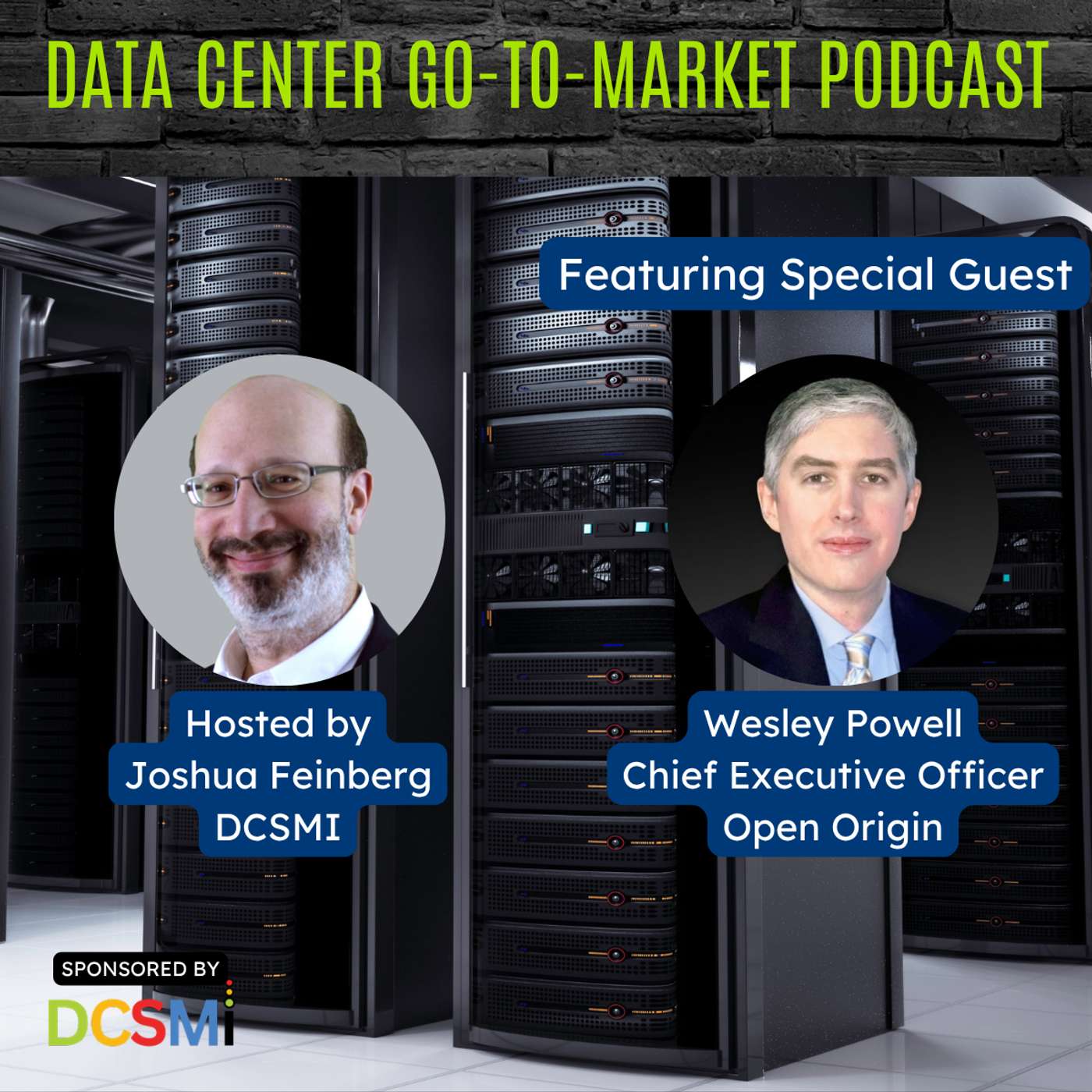 Ep. 184 Wesley Powell, Chief Executive Officer at Open Origin | Data Center Go-to-Market PodcastData Center Go-to-Market Podcast · on microgrids84 / 100
 SpaceX Starfall And Apple Price Hikes | The Brainstorm 138FYI - For Your Innovation · on Hyperscalers80 / 100
 Steroid Era With Spencer Jakab, the F***’s Going on With Strategy?, Margin DebtThe Compound and Friends · on Hyperscalers80 / 100
 They Put Solar on the White House. Here's What Solar Design Associates Learned #354Clean Power Hour · on microgrids80 / 100
 Smart Buildings Are Getting Smarter with James Dice from Nexus LabsRenewable Energy SmartPod · on microgrids80 / 100
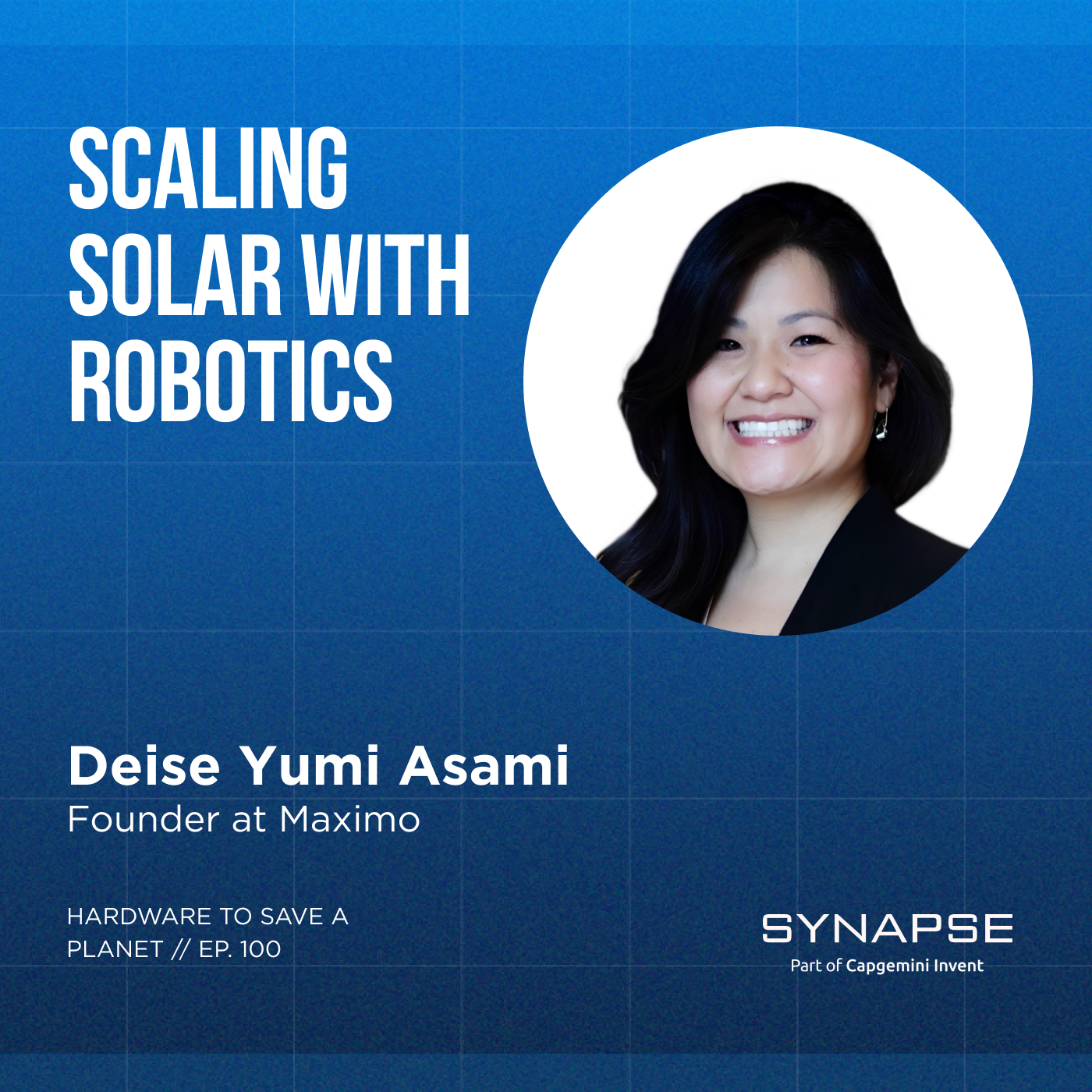 Why Solar Deployment Speed Is the Real Climate Bottleneck with Deise Yumi AsamiHardware to Save a Planet · on Hyperscalers77 / 100Which software companies can avoid the AI ‘SaaSpocalypse’?Why TC Energy sees renewed opportunity in CanadaCanada’s national ambitions give hope to industrialsComplexity multiplies for infrastructure to power the transitionBig-value deals set the pace in healthcare M&A