So You Want to Run a Restaurant? · 2026-05-05 · 33 min
Key moments - from our scoring
Substance score
46 / 100
Five dimensions, 20 points each
Michael Salmon's path from cooking for Jackie O and celebrities at iconic New York establishments like the 21 Club and Arcadia to opening a single-location, hyper-focused chicken restaurant in Florida reveals a deliberate rejection of industry excess in favor of what he calls "human-centered" operations. Flybird's success stems from three interconnected principles: obsessive consistency (the same chicken, portion size, and preparation method for seven years), direct customer relationships (a 14-seat counter format with no waiters), and a people-first management philosophy that treats staff as family rather than labor costs. Salmon addresses the modern restaurant math problem - delivery platform fees, credit card processing, and lease costs - by refusing to inflate menu prices and instead building loyalty through craveable food and operational transparency. His background in fine dining taught him that consistency matters more than complexity, while his experience working under both abusive and supportive kitchens shaped his conviction that "you can't make something taste good if you have a bad taste in your mouth." This episode speaks directly to operators considering their exit strategy, struggling with delivery economics, or questioning whether growth should mean more locations or deeper execution at one location.
Salmon refuses to use delivery platforms and instead directs customers to his website and proprietary Flybird app, keeping his $15 chicken dinner at a sustainable price without markup inflation that would penalize direct customers.
Focus on one thing done exceptionally well with total consistency - Salmon's single chargrilled chicken preparation, unchanged for seven years, generates customer cravings better than complex menus that sacrifice quality.
Pay above-market wages year-round, provide paid time off even during slow months, and treat staff as family; Salmon's core team has stayed since opening because they're treated with respect and flexibility during summer slowdowns.
Salmon deliberately operates one location after 45 years in the industry, prioritizing consistency, direct customer relationships, and sustainable profit ($15K+/month seasonally) over growth and the stress that accompanies expansion.
Lead by example and set tone through behavior, offer open-door access for staff concerns, and make clear that volume of voice doesn't strengthen a point - treat staff as collaborators rather than subordinates.
Our reviewer’s read on each dimension, with quotes from the episode.
The episode contains a handful of genuinely useful operational observations - delivery platform fee economics, the seasonal revenue cliff (50% summer drop, 7-good/2-breakeven/3-loss month structure), and the menu expansion logic of using existing inventory to attract a second customer occasion - but these are buried under extended personal storytelling about Jackie O, grandfather barbecues, and Mickey Mantle. The insight-to-filler ratio tilts toward filler for most of the runtime.
I make money like seven months of the year I make really good money. Two months I break even and four months I lose money. That's, that's the nature of my business down here. Because my business will drop 50% in the summer.
What a lot of operators do, if you want one of these delivery services, they're going to say, well, Mike, we want 20 or 25 or 30% from your end. I go, well, I don't have a margin of 20, 25 or 30% to share.
There are a few genuinely coined framings - 'tongue memory,' 'overpriced mediocrity,' and the self-made aphorism about bad taste - but the underlying philosophy (focus, treat staff well, small is beautiful, greet customers warmly) is entirely conventional restaurant wisdom with no contrarian or first-principles argument to speak of.
you can't make something taste good if you have a bad taste in your mouth
I call things tongue memory or nose memory
Michael Salmon is a genuine practitioner with real culinary pedigree - CIA trained, 21 Club, Arcadia, a Food Network finalist - and seven years of owner-operator experience; however, his current operation is a 14-seat single-location counter-service spot, which limits the scalability and transferability of his operational lessons for most B2B readers.
I went to the culinary institute in 8082
I worked as a Saucier, the 21 Club
The episode surfaces some concrete figures - delivery platform fees of 20-30%, a $400/day revenue gap calculation during slow season, the 7/2/3 month breakdown, $15 price point vs. $12 McDonald's - but many numbers are rough estimates and the bulk of the episode is anecdote-driven with no referenced data, benchmarks, or third-party evidence.
it came out to like $400 a day
they're going to say, well, Mike, we want 20 or 25 or 30% from your end
The hosts are warm facilitators but consistently validate rather than probe; they miss obvious follow-up opportunities (e.g., when the $400/day shortfall surfaces, no one asks about the actual math or mitigation tactics in depth), and there is zero productive disagreement or challenge to any claim made throughout the conversation.
What a real answer. What a really honest answer too.
Is that the advice you'd give? So for anybody that's thinking about launching their own concept, is that one of the things that is a, uh, non negotiable for you
Computed from the transcript - who did the talking, and the words that came up most.
Chef Michael Salmon shares his journey from classic New York fine dining and celebrity private chef work to building a focused, community-driven chicken concept in Florida: Flybird. The conversation explores food philosophy, simplicity in menus, restaurant economics, and the importance of culture and consistency in hospitality. At its core, this episode is about how great food businesses are built not on complexity, but on clarity, care for people, and staying connected to community. Chapters 00:00 - Introduction to Chef Michael Salmon Spencer and Claudia introduce Michael’s background: CIA training, iconic NYC restaurants like the 21 Club and Arcadia, private chef work for high-profile clients, and his current role as founder of Flybird. 02:00 - Early Food Memories & Family Influence Michael traces his origin story to childhood cooking with his grandfather, Eastern European backyard grilling, and his grandmother’s “no-recipe” barley soup that becomes a signature dish later in life. 04:00 - From Passion to Profession He reflects on turning cooking into a career, the transition into professional kitchens, and how early positive associations with food shaped his identity as a chef.
Transcribed and scored by The B2B Podcast Index.
Speaker A: The demand for group and private events is at an all time high. Is your business ready to capitalize on all these opportunities? With restaurant as your booking partner, you can ensure event success this year and
Speaker B: beyond with no booking fees or commissions. Restaurant has helped over 2000 restaurants, bars and breweries reach local event planners who are looking for a space for their next gathering. Whether it's a birthday, anniversary, graduation, or corporate event, Restaurant will get your space booked.
Speaker A: Try it today and receive three months completely risk free by signing up at Restaurant Rent.com forward slash podcast. That's R e S T A U r e n t.com forward/podcast hi, everyone.
Speaker B: I'm Claudia Sarek.
Speaker A: And I'm Spencer. Michael.
Speaker B: And this is so youo Want to Run a Restaurant Created by the team at Backuphouse IO, the most trusted resource for restaurant tech.
Speaker A: All right, today's guest is someone who's done a little bit of everything in the food world and done it at a very, very high level.
Speaker B: Yeah. Michael Salmon is our guest today. His journey as a chef is rooted in this de respect for simple, seasonal food and community. He trained at the Culinary Institute of America and then went on to work at some really iconic New York spots like the 21 Club and Arcadia.
Speaker A: And not just restaurants. He's cooked for some pretty legendary names. Very legendary New York names. Jackie O, Uma Thurman, he's cooked for, which is wild. And also he was a finalist on the next Food Network star.
Speaker B: So cool. And now he's the founder of Flybird in Florida, which is this super focused, really disciplined concept built around doing one thing really exceptionally well, which is chicken.
Speaker A: Yeah. And I think that's what's really interesting. And what we're excited to get into is how he's taken all of that experience and turned it into a brand that's not just about food, but about simplicity and consistency and above all, a really, really strong culture, especially with his team that he hires.
Speaker B: Yeah.
Speaker A: Chef Michael, thank you for joining us today. We very much appreciate you being here.
Speaker C: It is a joy and a pleasure.
Speaker A: Wonderful.
Speaker C: Wonderful. So far.
Speaker A: So far, we've.
Speaker B: We'll try to keep it that way.
Speaker A: Only scratch the surface. Let's see where this goes. All right, well, let's. Let's start from, uh, we love a good origin story. So take us back. What first pulled you into food cooking? What point did you shift from something you enjoyed doing to. I'm going to build a career around this?
Speaker C: Well, it shifted from something I enjoy doing to something I enjoy doing and making money.
Speaker A: Nice way to put it.
Speaker B: Yeah, that's a nice shift.
Speaker C: Well, you know, in my restaurant, which is named Flybird Char grilled Chicken. It's a very mom and pop. Real, very well connected to my past and the current days that we all live in. And on the wall I have a photo, uh, that was taken when I was about five or six that has me standing in front of my grandfather's outdoor barbecue grill. And they stuck a chef hat on me. It says chef. And they gave me a pair of tongs and they went, oh, he's going to be a chef one day. You know, like everyone has a vision. I'm going to be an astronaut or whatever. This is what that was. My grandfather, the beginning of, uh, my food journey, if you will, has always been passionate. My grandfather was Eastern European. When they came to this country in late 1800s, to be able to cook in your backyard was such a novelty because you were probably cooking in your house or in some pit or, you know, like wherever you were. And he was big into skewers.
Speaker A: Nice.
Speaker C: It could fit on a skewer. It would go on the barbecue.
Speaker B: Okay.
Speaker C: We used to visit every weekend when I was a kid, which my father said he hated doing every weekend visiting his in laws, but that my grandmother would make her chicken barley soup. My grandfather would go out back and, you know, start grilling. And so for me it became which, uh, I call now like tongue memory or nose memory, which I think we all can relate to. So I call things tongue memory or nose memory. My grandmother's soup. It's okay. So my grandmother used to make the soup every Sunday. And I loved it. It was the greatest thing in the world. At 96 years old, she stopped making it. She was on a low salt diet. She said, grandma, I said, I need the recipe because I want to make this after you pass. And she said, there is no recipe.
Speaker A: No.
Speaker C: And I went, how'd you make it? She goes, I just made it. I said, how do I do that? She goes, go get some chicken, some barley. Everything was summed. There was no measurements. So I went to the store and I bought whatever she summed. It was like, boom, I had it. I made Grandma Rose's barley soup. It's on my menu and people love it. Very nice. I sell lots of it.
Speaker B: Oh, that's so cool.
Speaker C: So having a story in a small restaurant, you can have stories, you can talk to people. It's not. The host is great reading people. And then busboys and waiters and bartenders. You become disconnected from your public and you hope that your staff will transmit the good juju and the vibe and whatnot. But in a small place, people come up to my counter. I didn't want a sit down restaurant. I have 14 seats, but I didn't want waiters. I didn't want that. I wanted people to come belly up to the counter. And my staff has all consume the kool aid in a big way.
Speaker A: Good.
Speaker C: Because it's not well, chef this, chef that. It's well what we do. So everyone's in the pot together and that makes it all taste that much better.
Speaker B: Yeah, exactly. I say it sounds like food was like a real love, like a love thing for you. It sounds like it brought a lot of love in your life and community in your life and through family, friends. And I. I can understand why you chose to do a career in this because you've had such positive experiences around food.
Speaker A: Yeah.
Speaker C: I mean, up until the time I chose it as a career, it was only positive. Uh, there was no backbreaking, burning, cutting, screaming, being screamed at. All that it was. It was cooked.
Speaker B: You've cooked in a lot of different environments from. So I want to talk about that now. I read that you cooked in New York to private clients and even celebrities like Uma Thurman, Jackie O. Which is a totally different kind of pressure than a restaurant kitchen. So what is something from that chapter of your life that really changed your approach to food and service or how. How did it and while you're on this journey?
Speaker C: Yeah, I think by the time I arrived at that place, I was who I am, or I am who I was. I don't feel like I've changed so much, but I had. I went to the culinary institute in 8082. I went to St. Thomas. I worked down there for a year and a half in a startup restaurant. Um, and all the jobs I had subsequently after that that led me into New York. Um, I worked as a Saucier, the 21 Club. So all of a sudden I went from whatever else I was doing to now I was wechef we. I had to like, become subservient. And I was generally older than mo m. I got into it about 26 professionally.
Speaker B: Okay.
Speaker C: So I had been in the entertainment business. I had been. I've done a multitude of other things. But all these outside experiences help shape where you are in the business.
Speaker B: Because 100%, it all creates the soup. It's like, creates a more interesting soup. And you can really pull from that,
Speaker A: you know, and a similar recipe to what to your Grandmother's just of some of this, some of that. Not exactly. Two cups of this and a liter of this experience.
Speaker B: Mhm.
Speaker C: And you know, all. It's a tapestry. All the things we do create this Jacob's many colored coats, you know. So I had been from the 21 Club. I went to a restaurant by the name of Arcadia. The 21 Club was classic French, real clubby, you know. You know, Ivan Boeski is over here and he wants his chicken hash just the way he wants it. There was a very catered to people. So I understood that there are celebrities and they're not celebrities, but people still want what they want the way they want it. And that's just fine with me because it makes it easier for me. Tell me what you want and I'll make it, you know, instead of. This is what I'm offering. Take it or leave it, you know. So catering is catering to everyone's passions, everyone's expectations. I went to Mickey Mantle's restaurant after Arcadia.
Speaker A: Wow. And I was, you're hitting all the, like Ivan Boeski or Mickey Mantle. Like you're just, you're rattling off these New York names.
Speaker C: It was, it was legends. Yeah. Uh, it was an onslaught. I mean it was really cool. But I came to understand everyone's just like everybody else. I mean, some people a little more pompous and like, you know, but others were very. Whatever you make is great. So, um, at Mickey Mantle's, Mickey was alive and he was. Back in the day you collected baseball cards.
Speaker B: Mhm.
Speaker C: And you had to have all the Yankee cards. And I had all the Yankee cards and like a Mickey Mantle, a Roger Maris, Bobby Richardson, all Joe Pepitone, all these names were the names of the Yankees of that time. All of a sudden I'm, um, feeding Mickey, I'm feeding Joe Pepitone, I see Whitey Ford and all. Then they come in, then all the other sports celebrities and then Jon Bon Jovi's coming in with his wife and his daughter. The greatest moment really was I did this, I did a dinner and Jackie O came into the kitchen. This is an apartment, a kitchen in an apartment in New York. We're not talking about palatial sort of layup. She came in, touched me right here. I never washed that, by the way, on my arm. And she said, michael, everything was so delicious. And she looked me in the eye and I had that Camelot moment. It was like, uh. And I've cooked for a lot of cool people, people. And I've done a lot of great Stuff that to this day was the greatest moment of my life because, I mean, I grew up with the Kennedys, at least as a kid.
Speaker A: You know, that's. That's an incredible run. That's a great story. And I think, obviously, you. You lived, uh, the new. The. The 80s New York Life. Those are some quintessential people that you were with. Ed Koch, Boeski, then Jackie O. You know, I love that story because she seems like. She seems like someone who would know what it would mean, what it would mean for somebody else to just get a little personal moment with her.
Speaker C: So genuine. Spencer. It was so. And, uh, she looked me in the eye and she meant it.
Speaker B: Success in this industry isn't one big moment. It's a thousand small ones going right. It's the split check that doesn't stall the line and the Midship menu edit that actually sinks.
Speaker A: At Toast, they're obsessed with precision. While others build for everyone, they build for the chaos of the real world. Their platform is packed with a thousand little solutions designed to catch bottlenecks before.
Speaker B: Before they happen, get tech built for the way you actually work@pos.toasttab.com so M.
Speaker C: That was pretty cool then. And then, you know, I probably had another 30 jobs in there, but ultimately, about 10 years ago, we, my wife and I moved down here and we're in Delray beach. And I said, it's time to. Time to open my own thing. But I had to run away from New York City. It was like. I said, it was like sandpaper to my soul. Every time I went down the subway and came back up, I felt a little smaller. You know, it's just. It just grinds you down.
Speaker A: I was going to say you're like, uh, part of the New York story is moving to Florida. So now you've done full circle, and now you're down to Florida. And so you've opened up Flybird.
Speaker C: It was like, let my people go and we go to Florida.
Speaker B: You know, that's right.
Speaker C: So I spent a year down here, uh, looking for a site. And then we saw the evolution of the delivery services and platform fees and credit card processing and all these layers of things that got in the way of me delivering a chicken for a reasonable price. Uh, you know, I got a review last night. You know, four out of five stars, and someone goes, oh, uh, someone told me to come here. It was delicious. But I have to say, you know, $15 for dinner was a lot of money, but let me just say, the chicken was so crispy. On the outs. And then he went in to break rave about it. You know, that's like $15.
Speaker B: So cheap to me for dinner going up, I'm like, oh my goodness, right?
Speaker C: I mean, you go to Mickey D's, it's 12 bucks if you want to eat. I mean, in the beginning people used to say, how much are you getting for a chicken? Do you know? I can get that to Costco for 4 99. And I said, you know, I can too, but I wouldn't eat m that. Why not? And I explained the difference between the bird I use now, it's still a chicken, it's supposed to be economical, blah, blah, blah. But when you have somebody who's a seasoned pro, employs people who are passionate, who know what they're doing, who they're cooking, because I trust them implicitly, they know what they're doing, that costs money.
Speaker A: It's something I explained many times about exactly that. So I can buy this at X, Y, Z for five bucks? Yeah, go ahead, buy, you know, pay a lease on a place, hire five people, pay the gas bill in the place, pay for the paper and packaging, pay for the seasoning that's on it. And then see how much that costs. You just make and then how much profit you have to make on top of that. So yeah, right, and then you're going to.
Speaker C: Right, and then you're going to use a credit card. So I got to add 3 or 4%.
Speaker A: Exactly.
Speaker C: And I got a platform fee, which you got to pay for that. And then you want it delivered well, and then they want 20, 30% on my end. What a lot of operators do, if you want one of these delivery services, they're going to say, well, Mike, we want 20 or 25 or 30% from your end. I go, well, I don't have a margin of 20, 25 or 30% to share. Well, you go to the customer.
Speaker A: Goes right to the customer, if you like.
Speaker C: What you do is you create a menu online that reflects the 20 or 30% we're going to charge you. So I go, so now my $50 chicken dinner for two is now going to be $65.
Speaker B: Mhm.
Speaker C: Plus credit card. I said it won't do it. So I backed off of all of that because I don't want people, you know, they'll take those who want to pay delivery. And I think Covid broke the mold on this because nobody wanted to go out and touch each other.
Speaker B: Yeah, totally.
Speaker C: It's like if I want my meal delivered, okay, fine, I'll pay That now? No, I have an app, a Flybird app. People go on the website, they go on the app, they just order, and they don't care how much it costs. And those who have a problem with it either come back because the food's good or they don't because they don't want to spend $15 for lunch or dinner. You know, I don't, uh, I don't. And I don't have a problem with that. I'm going to do what I got to do. And I try my best to keep it in check. You know, I constantly am looking at how much things cost in portion size. But the chicken today is the same chicken I started with seven years ago. It's the same size. Everything is exactly the same. It's. Oh, it's. As long as you get that consistency and people go, oh, I. Here's my keyword. Crave. I want people to crave. You know what you were closed on Saturday. I was craving. When I hear that, I get really excited that people are craving and they were thinking about my food. And that's what I want people to feel. Because you don't think about the dollars of it. When you want something with great passion and you have great confidence, you know.
Speaker B: Is that why you narrowed the menu? I'm so curious. So, uh, you. You don't do much, but you seem to do it really, really well, and it's clearly stands out. And I think about your background and that you were cooking all sorts of dishes for all sorts of people. Sure. And then you kind of, you know, the restaurant that you decided to open was quite focused because you can't do
Speaker C: everything well, you can do what you have total confidence in, that you can leave people. So for me to create a menu and dishes that are locked into just. It tastes the same every time. And that's what people, they. People crave consistency. You know, we go out. There's so many restaurants in this town, and because there's this migration between the snowbirds in the north who come down to Florida and have second homes here. Um, and they go. They're starting to go back now because that's just the natural migration of things. They go out and spend 2, 3, 4, $500 as if it's nothing. And I've eaten some of these restaurants and, you know, you can keep it. Yeah, it's a scene. Everyone looks pretty, but you can't put a $60 plate and pasta in front of me and go, well, this is the most amazing thing in the world because most of the times it's okay now I think it's. The term I use is overpriced mediocrity. And I think, uh, I was talking to my friend the other day, we feel as if the palette is being dumbed down these days that there's so much mediocrity, whether it's affordable or unaffordable. I don't want to be big. I want people to go, this is what I want tonight. This is what we're going to have tonight. And it's, it's, it's works and people go.
Speaker A: I would say this is a good message for anybody that's wanting to. Has huge aspirations for franchising and becoming some sort of mogul or in the restaurant business or something along those lines. Obviously. Imagine it's profitable. Imagine you're doing well. Well. But you're also seem very happy in what you're doing with one location in one spot. Doing the best, you know, the best you can and making great food and concentrating on it. Um, and it seems like it's right on. You don't seem stressed to me about what's happening next.
Speaker C: No, you know, uh, that's, it's well said because I started this place seven years ago and 45 years ago, like there was the seed somewhere. One day I'm gonna do my own thing. Yeah. I make money like seven months of the year I make really good money. Two months I break even and four months I lose money. That's, that's the nature of my business down here. Because my business will drop 50% in the summer. I'm not. So what am I stressed about now? I'm not cutting my labor costs. I may trim my hours a little bit. I'm not raising my prices. I may have my guys work five days, not five and a half or six. They, I pay them well in season and they understand they're gonna get a. The summer. But their lives are easier now. They have two days off instead of one and they get to be with their families. And I don't turn over staff because I know what it's like to be treated well and I know what it's like to be abused.
Speaker B: Mhm.
Speaker C: And I never like the abuse. Yeah. Whether I witnessed it full circle.
Speaker A: That comes up so often, Claudia, all the time with this about of just the old way of managing a restaurant in a kitchen and how that is no longer acceptable.
Speaker C: No, no, it's. And here's if you're going to take away something here. I made up a saying a long time ago. And it goes like this. You can't make something taste good if you have a bad taste in your mouth. And it's true, because if I was being screamed at, whether it was supportive screaming, constructive screaming, I didn't like being screamed at. It's like the volume of your voice doesn't make more or less of a point. It's just kind of annoying. So I want to, you know, and I was older than a lot of guys in the kitchen and I work with a lot of minorities in the kitchen. And I learned that the people who really loved what they do weren't the big guys, they were the guys who were humping around for, you know, $15, $18 an hour. And they loved each other. We'd go out and have beers and that was the living part of it to me. So, you know, I, uh, this is the philosophy I've embraced. It's the way I conduct my business and I handle my people. I mean, my right hand guy has been with me since day one. Jerry, who works at the front counter, um, she is your classic old diner waitress. She'll remember your name, she'll remember what you had last time. She's amazing.
Speaker A: Shout out to Kelly. Hey Shelley.
Speaker B: Hey Shelley. Thanks for listening.
Speaker C: There you go. You got someone out there. I've always paid people at or above industry standard because a, I don't want them going anywhere. I want them to feel that they're being well taken care of. How's Chef? I'm going to be late, my kid's sick and my wife's work. Go take care of it. Let me know when you'll be back. They can't believe it because in other places, after a couple of those, they're out, they're gone. And so I pay them well, I treat them with respect. I have them over for a barbecue every now and again. We're going to close for a week, they get paid. So,
Speaker B: uh, is that the advice you'd give? So for anybody that's thinking about launching their own concept, is that one of the things that is a, uh, non negotiable for you and it's the team culture that you're creating?
Speaker C: Why wouldn't it be?
Speaker B: Mhm. Well, I think it's, yeah.
Speaker C: Why, why would you have, I mean, if, look, if you're a big corporation, you come in with a book and you go, here you go. Read it if you have any questions, if not, sign the last page, it goes in your folder and you're, you're already disconnected from the emotional experience. That you want people to be engaged in. And I've been in that environment also. And there's good things about corporations. And you get, you know, 401ks and you can get all the good stuff that goes with it. But ultimately, I want people who have that good taste in their mouth. I want people who look forward to coming to work. You walk in, I tell people who are looking at the menu in the window that go, hey, have you ever been here before? I go, come on in. No, it's okay. I go, I'm not trying to sell. You just come in here. And they come in, they go, oh, it smells so good. I go, I'm done. Because when you smell the food on the grill, I do charred broccoli. You think I reinvented something or I invented something, but I char broccoli. And it's the number one side dish. I have to other restaurateurs. You. You take your staff and you make them your family. You don't have to get super, super involved with them, but you want them to believe that if they come to you, they need a cash advance. There's a reason for it. They were uncomfortable to have to ask for it because nobody wants to borrow money or for a loan. It's not a comfortable position to be in. But if you go, if you tell them up front, listen, if you ever need anything, I'm right here. You want to take me outside? You want to come into my five by two office? That's great. We'll talk about it. And they're comfortable to do that. Where if the kid is sick and they can't find Chef, I can't come until 3:00'. Clock. Well, I don't go. Well, who's going to work? It's me. I know that. Or m. I'll bring somebody else in. I have a very small team, but because we're so small and we're so tight that everyone takes care of each other, I don't have. I just set the tone, but I let them know that we're in this together. Right.
Speaker B: And you're doing it through your action and the way you're treating people. So I think, I think it's so. It's so much bigger than that. It's like, what is the tone? It's how you behave, you know, and that's how you set it.
Speaker A: I think you kind of discussed this. But. So where does that start? When. When you, you. When you. You try to do too much and you've over complicated. What was the. The general first impression of what you wanted to do in the first place. So where, where do you think that starts to lead you down this path where now the restaurant kind of takes control of you as a you, as opposed to you being control of your business?
Speaker C: You know, less was more. I knew where to go, I knew what I wanted to do. I had the space, I had the equipment. Then it was a question of bringing in the people who could help support. Support the vision.
Speaker B: Mhm.
Speaker C: So the menu was, when I first opened was much smaller than it is now. And it's not large. But here's, here's the thing. In South Florida, for some reason, there are no good Chinese restaurants. There are just no good Chinese restaurants.
Speaker B: Mhm.
Speaker C: And I'm out of New York and I'm out of Chinatown. And I know and I have friends who are chefs down there. And you go in and they know you and you got the best of the best New Yorkers. And Chicago, these unique places because there was no Chinese food. And quite honestly, it was born out of my lack of getting Chinese food.
Speaker B: Mhm.
Speaker C: I reached out to a Chinese chef friend of mine, New York, and I said, dude, give me a chicken fried rice recipe. I've got a chicken restaurant. I've got chicken, I've got rice. What? He gave me a recipe, I tweaked it up. One of the best sellers on my menu. Now I said, okay, now I need ribs. I need good Chinese barbecue ribs. Got the recipe. I sell ribs and I sell Chinese. And, uh, I got an egg drop soup recipe. And they sell. And people are so thrilled. So what I was doing with that was twofold. I wanted to give people two reasons to come to me. So it was a business plan that you can come in here and get your grilled chicken one day. You know what? I'm in the mood for Chinese. Where are we going to go? I'll fly bird. You know. And so I increased. I, uh, increased the depth of my menu utilizing things I already had in the house. So it's a. For me, it's a, it's my, you know, my wife will say it's my comfort zone. You know, when I try to get away from the business, I go to the kitchen, you know, because when you get too wrapped up in how much things cost and all these other layers of stuff, that can make you crazy, which becomes stressful. Leave me alone. Give me a pan and a pot and a knife and I'm good to go.
Speaker B: Yeah, that's your happy place.
Speaker A: It's m. My.
Speaker C: It is. And that's what she calls it. She calls it my happy place, because I am happy there. And then when I do something that works and you give it to people. People. And they go, my God, I'm done. There you go. I've arrived. Done. Um, and even at this ripe old age, I still get a total charge out of it. I mean, I'm really happy doing what I do. Whether I make a lot of money or not is immaterial. You know, it's material, but it's not the beginning, middle, end. Because I was in a business before that where I made a lot of money where I was miserable smoking cigarettes. You know what I mean? I've always been satiated on so much good juju stuff. You know, it's just like I was
Speaker B: going to say, it sounds like you're satiated not just on the food, but on the vibes as well, which is what a. What a cool end of the story. I mean. And your story continues as well. Very cool. Very cool.
Speaker C: All right, well, so for your. For your listeners, anyone who calls in and mentions the show, they can get a 50% discount today only.
Speaker B: Perfect.
Speaker A: Oh, perfect. Nice.
Speaker B: Here we are. All right, we are going to go to our little on the fly around.
Speaker A: I need two on the fly.
Speaker B: Spencer, do you want to kick us off?
Speaker A: Yeah. What one, uh, thing that restaurants waste too much money on right now.
Speaker C: One thing restaurants waste too much money on. Human resources.
Speaker A: Plenty of HR people just cringing at that. But, yes, I agree. You don't need so much. Yeah, yeah, yeah.
Speaker C: It's just layers and layers and layers when it's so easy. Now there's. There are good need to have rules and regulations to be respectful to one another. I'm not opposed to that, but sometimes it's just, in my experience, just my experience, too much.
Speaker B: Yeah, I get it. What's the first thing you look for when walking into another restaurant?
Speaker C: First, the greeting I get by the first person who sees me.
Speaker B: Oh, we talked about that on the last episode, too. How important it is.
Speaker C: It sets the tone.
Speaker B: That's exactly what we said. It sets the tone for everything.
Speaker A: Yep. Yeah, we talked about. I talked about. I think it was, uh. I was at a restaurant and there was nobody at the front because they were busy, but someone who walked by, turned around and said, hey, thanks for coming in. We're going to be right there. I'm like, done. That's it. That took less than a second. And we feel like we're taking care of and we're happy. Yep.
Speaker C: Ah, you were Seen. You were seen.
Speaker A: Exactly.
Speaker C: And everybody wants to be be seen.
Speaker A: All right, if you had to start Flybird over again tomorrow, what is one thing I can imagine you probably wouldn't. But what is one thing that you might do differently?
Speaker B: He might add Chinese food sooner, Spencer.
Speaker A: Exactly.
Speaker C: Um, you know, I made one major miscalculation here and I did not anticipate the seasonal drop here. Uh, so where I said, I make good money 7 months, I break even a couple, then I give back for three months. The giving back part has been the hardest part for me. Not because I have to go in my pocket to supplement and I've done that and I make it through and then I come back out ahead and sometime in March, I'm in the black again from the year before. Now I'm about to go into the same season and I've stepped back from my seven years of experience as I go into year eight and I go, all right, Michael, you've been here long enough. You're a seasoned pro, you're old enough, you're wise enough, you've seen enough, you've heard enough, you've. You've been beaten up, you've been kissed. How do you stop this? How do you change courses? And I tell you, I'm sitting here, I got more papers and seeing. But I have to stop and step away from my own experience of myself and reinvent how I am to myself so I can see things differently.
Speaker B: What a real answer. What a really honest answer too.
Speaker A: Very good, very good.
Speaker B: Um, that's a really hard thing for any business owner to do. That's. You gotta get into like a very vulnerable place about like self assessment.
Speaker A: It's so difficult to do that. Yeah, yeah.
Speaker C: And it's. And then on the. I've come up with a couple of things. I don't have the solution to this yet. I said, all right, how much money do I need actually over this? 3. How much more money do I need?
Speaker B: Mhm.
Speaker C: And then it came out to like $400 a day. Now when you have a lot fewer people in town, I can raise prices, but I'll do less business because people are going to get turned off on the pricing. So I can't go there. I can offer new things on the menu to get them upsell. So now I'm putting egg rolls on that are going to have shrimp and my char shoe. And then I ate seven of them this weekend with my wife because I want to see how they stayed over a few days.
Speaker A: I'm glad you qualified that. I Had seven of them. Hold on, there was somebody else with me. Somebody. I didn't have them all.
Speaker B: I love egg rolls. I might have eaten all seven. I have to tell you, you can't.
Speaker C: And by the way, they were fricking awesome. But exactly. You can't just make it and go, oh, that's good. Put it on the menu. I had to put it in the refrigerator and let it sit there for a couple of days because I'm not going to make it every single day. I'll make it every couple, two, three days. Mhm. So that gives people an opportunity to go, oh, I didn't know you had egg rolls. You want to try one? I'll give anyone. You walk in like first timers. I go, if you see something on that menu board you want to taste and I can give it to you, let me know.
Speaker B: M. Wow. And people are like, that is hospitality right there. Because we talk about this a lot.
Speaker C: I'm like the drug dealer, you know, your free, your first hits, the first taste. You know what I mean? It's on me. And then I might get you both. Right. And that's.
Speaker B: It works.
Speaker C: Yes.
Speaker B: So we used to do this when I worked in a chocolate store. We'd always sample out anything you wanted because we knew that once they tasted the chocolate, they were gonna, they were absolutely gonna walk out with a boxer of a giant bag of truffles or whatever you wanted. I mean, it absolutely works.
Speaker C: And I think that people also feel guilty. They don't. Once you give them something for free, I think there's like an obligation. Hey, I. I did my thing, now you gotta do yours and buy it.
Speaker B: Yeah, exactly, exactly. All right, last question here. What's your hot take for the restaurant industry right now?
Speaker C: Periodically, over the course of my life.
Speaker B: Mhm.
Speaker C: Businesses do really well. There's a bubble. And for whatever the reasons, I call it politics, call it war, call it whatever, there's a correction in the market. And when that correction happens, people's spending dollars start to change how they're going to do things. So they start, they start holding on. I feel now that there is, we're due for a correction, you know. So I think that restaurants. Hm. Who is putting out these 50, $60 plates of tomato sauce pasta? And I'm not trying to minimize that, but people have to charge because the rents are crazy on the main avenue here. Restaurants have to do 12, 15 million. I don't see how it's possible in the period of time that I've been here. I know how Long, the season lasts and they turnover. But I think we're due for a correction. I think Covid was the last correction we had when people stayed home. That's when the doordashes, ubereats, grubhubs, all these guys came to the forefront charging fees because people wanted, still wanted goods, but they didn't want to go out and touch and smell and breathe other people kind of thing.
Speaker A: Right, True.
Speaker C: So that, that set, and down here, at least, real estate's values just skyrocketed. Prices in restaurants went up. And I feel that. I feel now we're kind of at that moment again. And I'm, um, not a doomsayer at all. I will stay the course as best I can, even if it means the end of the business. Because once it becomes so much work and so hard and stressful, as we talked about at the top of this conversation, I'm out. Because the passion, the love of it disappears and there's no tongue, memory. It's only going to be pocket pain, you know, And I don't, I don't want that.
Speaker B: Mhm.
Speaker C: Because when you touch the community, the community responds accordingly. Mhm. That to me is worth everything. Once that's gone, not interested. So what's the hot take message?
Speaker B: That is a good message to land, to land on in the end here. Yeah. The community aspect, which is what we talk about all the time on this show, is that, uh, so many people get into this to support their community, hire their community and serve their community. I mean, when you think about hospitality and service, that's what it's all about. It's the people. All about the people. Why do you go to a restaurant? It's like even if you go by yourself and you just want to sit at the bar by yourself, you're going because you want to be out in the world and be around people and be in community. So I think I. My hope too is that there is a correction around this. I agree with you. And I hope we don't lose sight of the human aspect of it.
Speaker C: Yeah, I appreciate that. Thank you. And you know, I really enjoyed just talking with you guys. It's been nice. It's. It's good to hear me say stuff I usually don't say out loud, you know.
Speaker B: Well, we appreciate you sharing your story with us today.
Speaker A: Very much so.
Speaker B: Yeah. You have such an interesting background.
Speaker C: Thanks. It's been a joy. I appreciate it.
Speaker A: So big thank you to Chef Michael there. And, uh, which brings us to the end of season five and we've got some news. Some bittersweet news happening. Yes, Claudia, take it away.
Speaker B: Yes, it's bittersweet. But this is gonna be my last season of the podcast. I just wanna say that co hosting and producing these past five seasons has really meant so much to me. I've loved every moment. I' grateful to all of our guests and I'm super excited for stepping into some new things and what's ahead for me. So thank you to everyone.
Speaker A: You will be missed so much and we will try to carry on without you.
Speaker B: Yes, and I'm going to miss you too, Spencer. Thanks for being such a great co host for the last couple seasons.
Speaker A: It's been fantastic. And, uh, I look forward to the next chapter. And look, don't be a stranger. Come on back.
Speaker B: Thank you. Thank you.
Speaker A: So you want to run a restaurant? Is created by Back of House, produced and hosted by Claudia Sarek with Nick Florek as executive producer, marketing by Hilary Young and Ashley Dunn, creative by Manisha Kishanchand, and live production by Sarah Heemstra. And of course, me, your co host, Spencer Michael. For more information, visit BackofHouse IO podcast.
Other episodes covering the same guests and topics, from across The B2B Podcast Index.
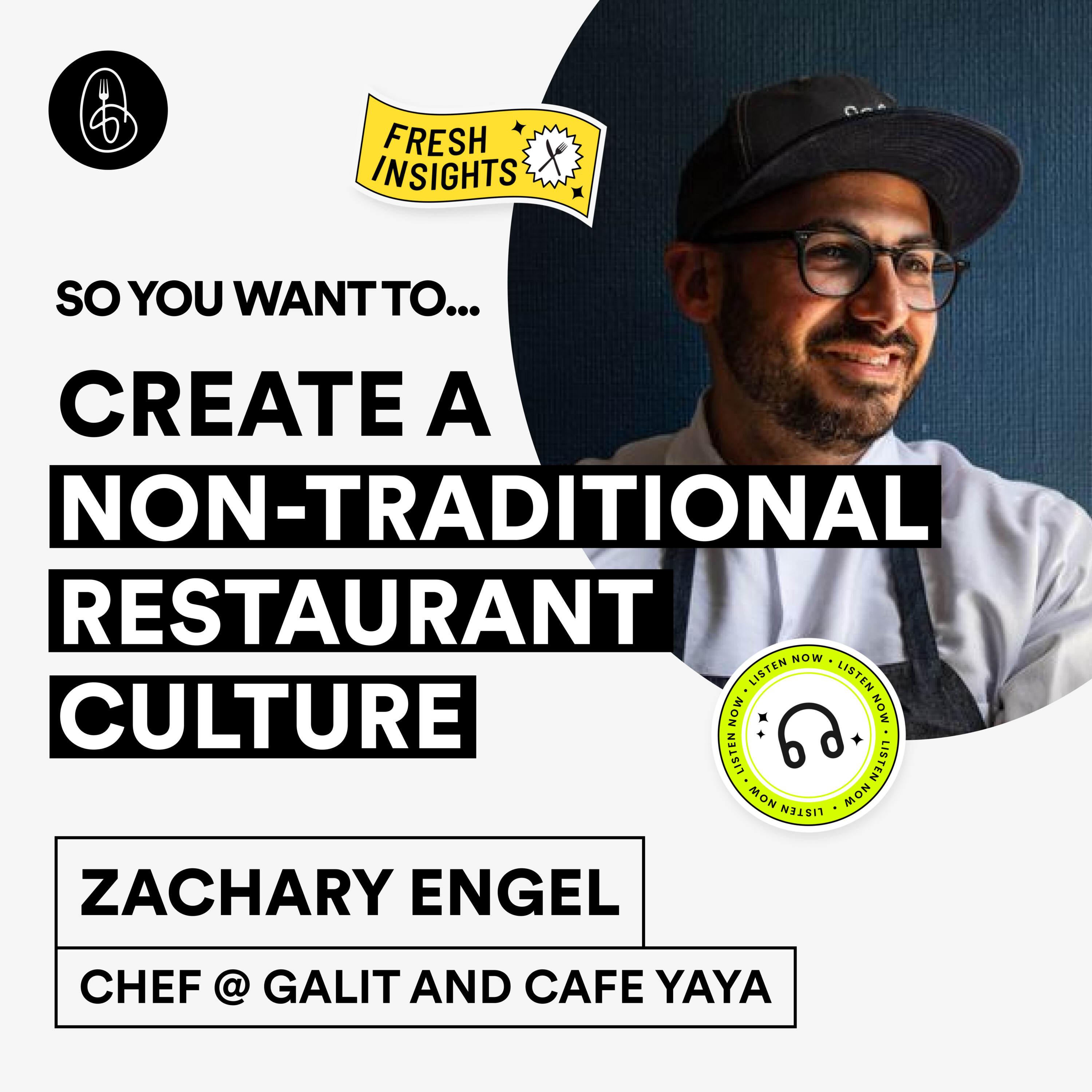 Chef Zachary Engel: So You Want To Run a Non-Traditional Restaurant Culture?80 / 100
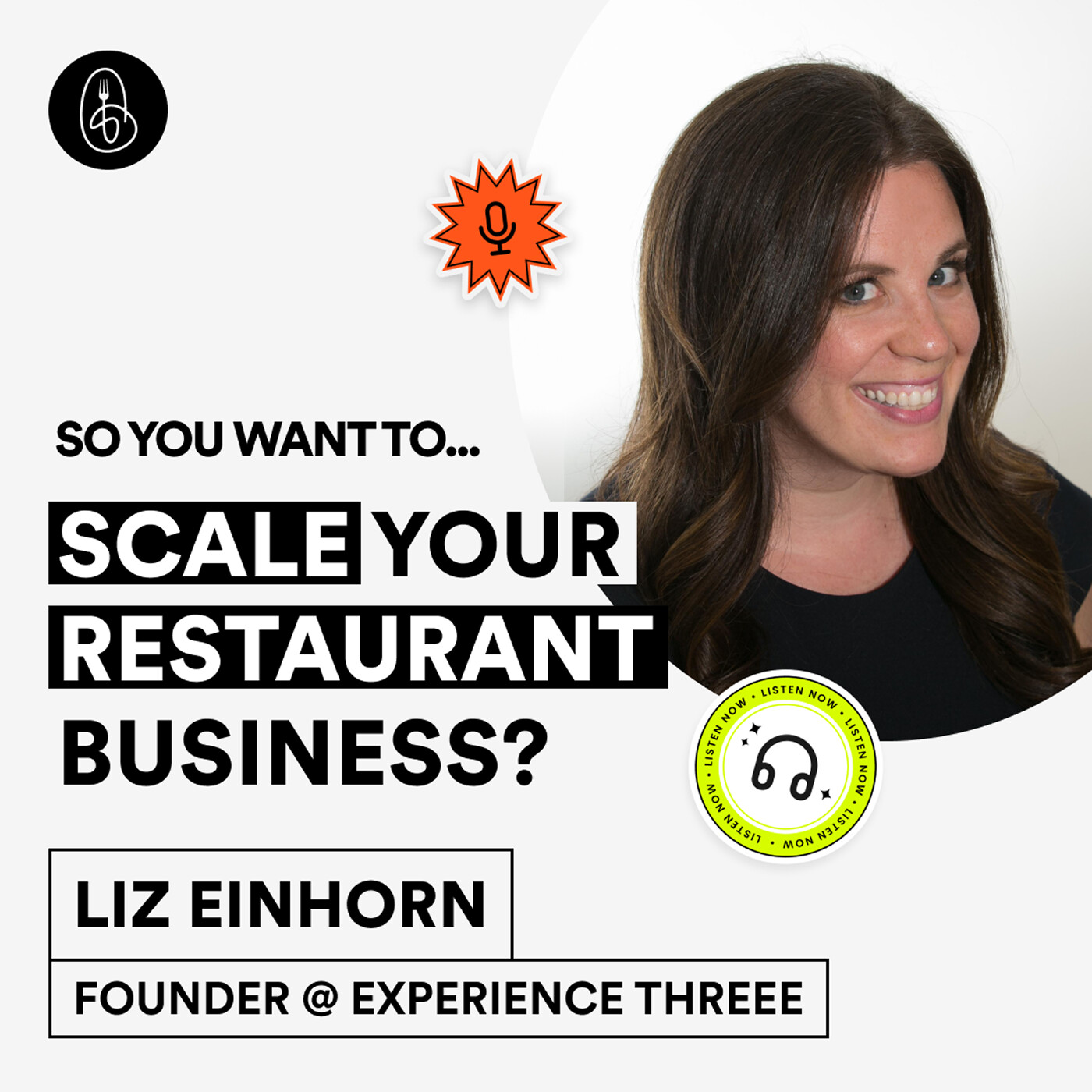 Liz Einhorn: So You Want to Scale Your Restaurant Business?
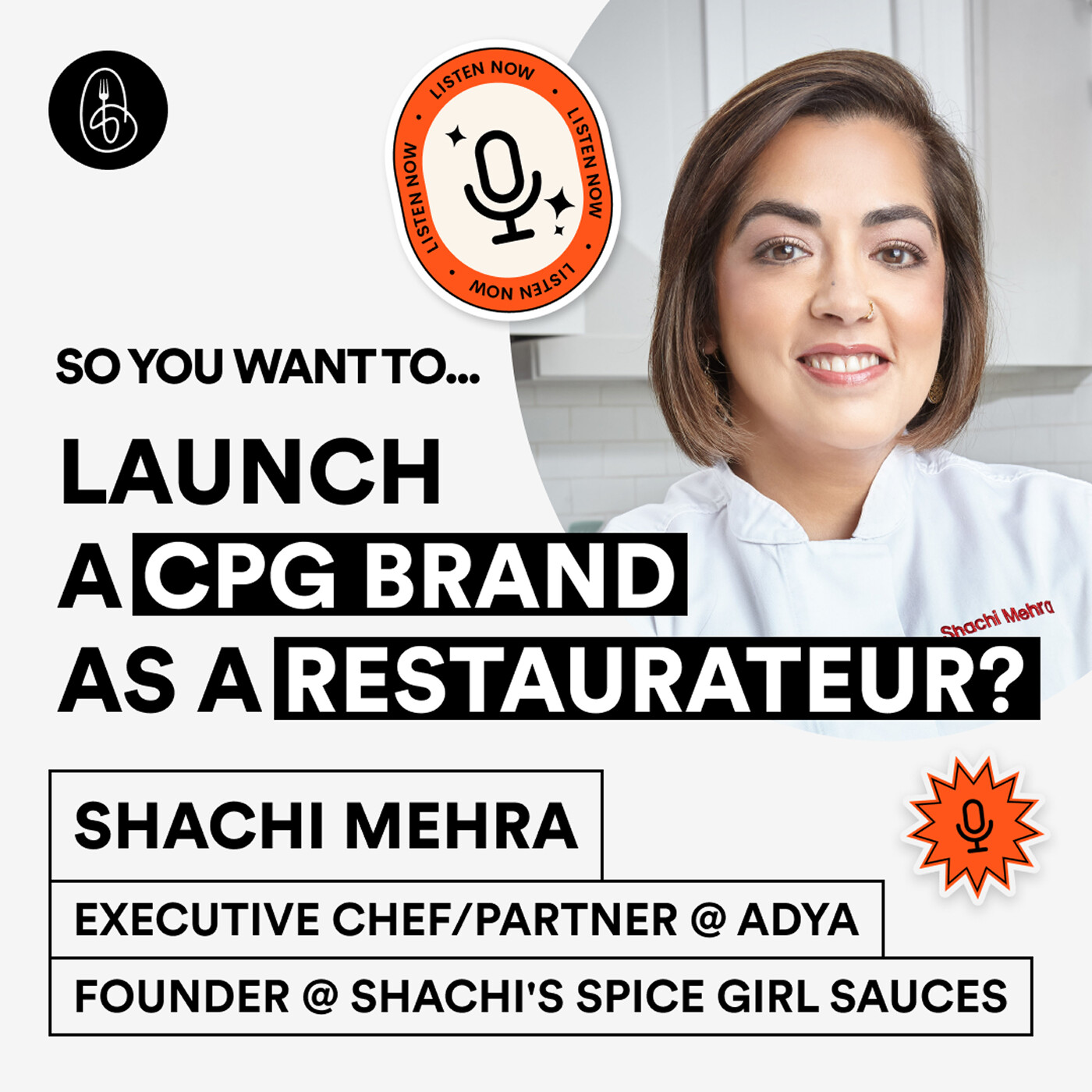 Chef Shachi Mehra: So You Want to Launch a CPG Brand as a Restaurateur?
 Dara Lyubinsky: So You Want To Launch a Private Chef Business
 Codi Bates: So You Want to Build a Better Restaurant Industry?