
Screaming in the Cloud · 2026-02-12 · 29 min
Key moments - from our scoring
Substance score
60 / 100
Five dimensions, 20 points each
Eric Anderson, a general partner at Scale VC, sits down with Corey Quinn to explore how coding agents and AI tools like Claude Code and Cursor are fundamentally reshaping software development. Anderson's background spans product leadership at AWS (EC2 and Spot instances) and Google Cloud (BigQuery, Dataflow), giving him unique insight into how infrastructure platforms evolve and attract competition. The conversation probes the defensibility of AI startups in an era dominated by OpenAI and Anthropic, examining why companies like Cursor have achieved rapid adoption despite entering a crowded market. Anderson argues that success requires laser-focused execution in underserved niches - much like how Databricks, Snowflake, and DataDog succeeded by building horizontal solutions atop AWS rather than competing with it directly. The discussion also covers coding agents moving beyond code review into refactoring, deployment, and patching, plus the broader question of what happens when AI agents handle tasks humans no longer examine. Quinn counters with his experience building internal workflow automation in isolated AWS accounts, emphasizing that not all AI applications need frontier-model capabilities or external deployment.
Success requires being laser-focused on a specific, underserved niche where you can grow faster than frontier labs and build horizontal solutions - similar to how Databricks, Snowflake, and DataDog succeeded against AWS by targeting data warehousing and monitoring rather than competing on infrastructure broadly.
Coding agents are now handling code review, refactoring, optimization, library patching, and deployment; the shift is toward full orchestration of development workflows where agents work end-to-end without human code inspection at every stage.
No; internal workflows and non-critical use cases can run effectively on isolated infrastructure with 80-90% accuracy, and the remaining 15-20% of edge cases often doesn't matter for internal tools or back-office automation.
They succeeded by building specialized horizontal solutions (data warehouses, monitoring) that worked better across multiple cloud providers rather than trying to outcompete AWS directly on infrastructure; they identified a battleground where AWS was weak and value could accrue.
Just as startups feared AWS would kill all vertical solutions in the cloud era but instead horizontal platforms like Databricks and DataDog won out, today's AI startups should expect that narrow, specialized plays with great execution will succeed more than broad attempts to compete with OpenAI and Anthropic.
Our reviewer’s read on each dimension, with quotes from the episode.
The episode contains meaningful observations about AI's market dynamics, the defensibility of AI startups, and cloud infrastructure evolution, but frequently devolves into anecdotal storytelling and tangential discussions about personal tool usage that don't advance the core argument. The density of novel insights per minute is moderate - there are useful frameworks (e.g., finding defensible niches by learning from historical cloud consolidation), but these are often buried or stated without sufficient development.
There's a way to compete against OpenAI or Anthropic. I think certainly the thing that they're weak on is just the diversity of uh, like they can go into Claude code, they can go into Claude bot, they can go into Claude cowork. They're fighting a battle on many fronts and so if you can be laser focused, if you can realize what is the front that is actually the most valuable.
A bubble is inevitable. There's no avoiding a bubble because the growth rates are so incredibly high and um, so anthropic went from 1 to 7 billion in revenue in a year. So they have to plan for another 7x increase or at least a 5x increase.
The episode rehashes familiar VC talking points - AI startups must find defensible niches, there will be consolidation like in cloud, margin compression is inevitable - without substantial original analysis. The comparison to historical AWS/cloud consolidation is the most original thread, but even this relies on well-worn precedent rather than fresh first-principles thinking. Most other claims (e.g., 'bubbles are inevitable,' 'AI won't replace everyone') are mainstream positions.
When AWS was kind of in its early heyday, everyone was afraid of aws. All the investors would go down to reinvent and they'd announce this new database and a bunch of startups would, would die because of it. And, and so we all thought the cloud was going to be vertical and Amazon was just taking all over all the things.
The thing that has proven the most defensible is like, I mean, I agree with you certainly, but I'm impressed that cursor, the way OpenAI and anthropic became so big, became so scary. It's just the sheer growth rate and like Cursor captured a little bit of that lightning, right?
Eric Anderson is a legitimate operator with concrete experience - EC2/Dataflow at AWS and BigQuery/Dataflow at GCP, plus current role as a VC partner investing in the space. He's directly relevant and has real product-building background. However, he's not a founder of a major AI company, doesn't lead a large-scale AI engineering team, and his insights are largely from an investor rather than practitioner lens, which limits the weight of his testimony on technical AI matters.
It was, uh, kind of BigQuery, but mostly this thing called dataflow. I say BigQuery just because people know it a little bit better.
I was interested in startups and I wanted to prove my mettle in Silicon Valley. And so I was, uh, I felt like the best way to do that was, uh, going to Amazon or Google and working on the most technical thing.
The episode includes some concrete data points (Anthropic's 1-to-7 billion revenue growth in a year, 700+ EC2 SKUs in US East One), but most claims about AI startups, defensibility, and market dynamics lack specificity. Named examples (Cursor, Honeycomb, Datadog, Wiz) are present but often mentioned only in passing without detailed evidence or metrics. The discussion of personal AI tooling is anecdotal rather than evidence-based.
Anthropic went from 1 to 7 billion in revenue in a year. So they have to plan for another 7x increase or at least a 5x increase.
you're checking 35 links. Maybe you could do that in parallel rather than sequentially.
Corey Quinn demonstrates strong host skills - he asks intelligent follow-ups (e.g., unpacking the EC2 spot market complexity, probing the defensibility question), occasionally challenges the guest's framing, and pushes back on AI hype with concrete skepticism. However, he doesn't press Anderson hard on vague claims (e.g., 'talent's just leaking everywhere,' the nebulous 'second order wave' of AI use), and several exchanges meander into personal anecdotes rather than drilling into the core thesis.
Everyone acts like this changes everything, and I'm not convinced that it does. There are strong indications that this is, There are ways forward on this.
How do you decide which of the various economic suitors you decide to go with? So a lot of it comes back channel references, track record history.
Computed from the transcript - who did the talking, and the words that came up most.
Eric Anderson, partner at VC firm Scale, talks about why coding agents changed software forever and why the AI bubble can't be avoided. Eric worked on Spot Instances at AWS and data products at Google before becoming a VC. He explains how companies can still compete against Anthropic and OpenAI by staying laser-focused instead of fighting on every front. Corey and Eric discuss why AWS didn’t kill all startups even when they launched competing products, why the AI bubble can't be avoided when companies go from $1 billion to $7 billion in revenue in one year, and why the best AI products don't scream “AI” everywhere in their marketing. Show Highlights: (02:30) Building Spot Instances at AWS (07:41) Why Coding Agents Changed Everything (10:35) Agents Doing Code Review Now (13:53) Competing with Frontier Labs (17:05) Why AWS Didn’t Kill All Startups (19:01) Finding the Right Front to Fight On (22:20) Why the Bubble Is Inevitable (23:36) AI Pricing Will Eventually Crash (26:33) Honeycomb’s AI Done Right (28:04) Where to Find Eric Links: Scale: Eric on LinkedIn: Sponsored by: duckbillhq.com
Transcribed and scored by The B2B Podcast Index.
Speaker A: I think you have to be as good at the AI game as these Frontier Labs, but I think that's possible. Like they clearly don't have a lockhold, uh, on talent. You know, talent's just leaking everywhere.
Speaker B: Welcome to Screaming in the Cloud. I'm Corey Quinn. My guest today is one of those rare breeds we don't see a lot of as guests on this show. Eric Anderson is a partner at Scale, which is a VC firm. Eric, thank you for joining me.
Speaker A: Thank you, Corey.
Speaker C: This episode is sponsored in part by my day job. Duck Bill. Do you have a horrifying AWS bill that can mean a lot of things? Predicting what it's going to be, determining what it should be, negotiating your next long term contract with aws, or just figuring out why it increasingly resembles a phone number, but nobody seems to question quite know why that is. To learn more, visit Duckbill HQ.com Remember, you can't duck the duck bill bill, which my CEO reliably informs me is absolutely not our slogan.
Speaker B: Usually we talk a lot more to folks who are the engineering type, the founder type, occasionally the marketing type who weasels their way through. But we've only had a handful of VCs in the years this show has been running. So for those listening in the audience who might not be entirely clear on what the role of a general partner at a VC firm is and only be able to gather it contextually and badly from the platform formerly known as Twitter, what is it you'd say it is you do here?
Speaker A: We fund and support startups. It's a lot of trying to find what's the next big thing, who's building it, uh, convince them to take your money and then make them successful to the best.
Speaker B: It always seems counterintuitive for that to be the framing because like, please, please take my money sounds like it's. It doesn't sound like it's a real problem, if that makes much sense. But I have a bunch of friends who've raised and talking to them about the process and seeing folks go through it. It's weird. It's feast or famine. It's either no one will fund you or everyone wants to fund you. And how do you decide which of the various economic suitors you decide to go with? So a lot of it comes back channel references, track record history. Similar to the same way that VCs wind up trying to pick the founders that they want to take bets on. These days it seems like it is difficult to separate out the world of VC and funding and startups from the monstrosity that has become AI. But you've been doing this longer than AI has been a thing. Historically. You ran a product team, I'm not sure which one over at aws, which I will accept apologies for in a moment. Uh, then you were at GCP doing similar things for a while and then decided, you know, building things seems hard. Let's go instead, do the corporate version of betting on the ponies on the horse track. What was the progression there, Spot?
Speaker A: Instances Was the, was the AWS thing.
Speaker B: Ah, yes, yes, yes.
Speaker A: Yeah, everyone's favorite, like intellectual product to tinker on. And then it was, uh, kind of BigQuery, but mostly this thing called dataflow. But I say BigQuery just because people know it a little bit better. And the progression was really, I don't know, it was incidental. At the time I was just, uh, I was interested in startups and I wanted to prove my mettle in Silicon Valley. And so I was, I felt like the best way to do that was, uh, going to Amazon or Google and working on the most technical thing. I didn't study cs, I studied mechanical. And that was always a bit of like an uphill battle with these, like, hiring firms. I was like, oh, just stick me on EC2 and I can show you. I can. I'll survive.
Speaker B: It kind of feels like that's almost the problem we have at Google as well, where you have the cash cow that is advertising and everything else is almost incidental to that. Oh, you want to build a moon base? Fine, go build a moon base. Good luck. We're still selling ads primarily. I've always gotten the sense that the AWS, that EC2 was kind of that 800 pound gorilla.
Speaker A: Yes, yes. That was like, like you build products and then you monetize them via EC2. You know, when I was first there, it was before they broke out revenues, you know, so it was kind of no one quite knew how interesting this thing was.
Speaker B: Everyone thought the thing was losing money hand over fist. And then one day they make an announcement and oh my God, those are damn near SaaS margins.
Speaker A: And I would get this mini announcement. I got an email every Friday that told me how many cores we had sold. Like a little team summary. And I would get out my calculator and be like, this is crazy. They're just printing cash.
Speaker C: Yeah.
Speaker B: And what I love about SPOT is that, um, I've heard this from multiple folks who were there at the time and afterwards that it really is just unused capacity. It's not like they wind up Building stuff specifically to shore up their spot. It's just stuff that would otherwise be going to waste sitting there as more or less air conditioned or ballast. Suddenly they found a way to monetize this and they managed to do it in a way that doesn't completely destroy anyone ever paying for on um, demand any thing. And I think that's kind of a neat approach because there are some use cases for which it's phenomenal, others for which it's terrifying. Uh, you were there back in the days when it was inter hour wide swings in pricing before they, they stabilized it significantly, which frankly was for the best. I didn't really want to become a high frequency trader in this one incredibly niche thing.
Speaker A: Apparently this was Bezos's idea. I mean I never spoke with him,
Speaker B: but I have no trouble believing that.
Speaker A: Yeah, the banker guy was like why aren't we doing this kind of marketplace? And yeah, the wild swings. I didn't appreciate the fact that there was this. You kind of imagine like unused capacity as this nebulous singular blob. But they carve up all the instances into all these instance types into all these regions availability. Suddenly you're like we have 400 SKUs of uh, EC2, right. And each one is a little tiny spot market. It's a mess.
Speaker B: Yeah, you're definitely dating yourself with that reference. There's over 700 now in US east one alone. I did the math on all of this where I wind up tracking a lot of. I had Claude build me some nonsense because why not where it tracks, uh, the pricing pages for everything that gets dropped out. It's multiple gigabytes for all the pricing information broken down by Service. But the EC2 specific one, I had to refactor some of the code because it kept timing out lambdas. There's no way you can grab the whole thing. I oom killed an EC2 box a couple of times because yeah, that thing's enormous and I'm also, I'm bad at programming. But that's okay. AI is going to fix that particular problem for me rather nicely. And just being able to track all of this, it is a monstrous surface area and that's just tracking the pricing, let alone actually making the thing work.
Speaker A: So keeping stock, you know, like basically a spot is like an inventory problem. Right. And keeping inventory of one product is a lot different than 400. I mean it's like.
Speaker B: Right. My customers all tend to be extraordinarily large scale which kind of puts the lie to a lot of the historical way the cloud Was positioned and sold even in 2018. I had a client when the i3s came out like, okay, we're going to spin up 1200 of those in Ohio. And the response from AWS was, could you give us about six weeks on that please? That would be great. The cloud does not scale infinitely. Uh, source tried it, didn't go so well. Doing the capacity planning comes back around at significant scale. It starts to resemble a lot of the old school data center stuff. It's oh, just turn this thing on for an experiment and turn it off. That's still there. That's incredibly powerful. I think it has been a tremendous boon to getting companies from idea to startup to success, but also from idea to, oh wait, that won't work. Never mind, turn it off and I owe 24 cents at the end of the month. Both of those are incredibly powerful things. Um, but as you continue to succeed and, and grow and grow and grow it, it starts to resemble multi year capacity and contractual planning. So these days, what are you finding that's exciting you? What is it that you are that you're looking at and saying yes, that is something worth paying attention to?
Speaker A: Certainly the coding agents. This is, I mean there's all this talk about AGI this which is a poorly. It's an unhelpful phrase. Right? I mean when we get there, does anything change? Probably not. And then the overlap between better than human or less than better. But regardless, whatever it is, I think coding agents are maybe it uh, yeah. Software has forever changed and I feel like it happened more in the last three months than I guess before that.
Speaker B: I think that even looking at something like Claude code as a software as a coding agent is a bit of a misnomer and a bit of a weird approach. It can integrate with effectively everything and the interaction model is human language where you can tell it to go out and grab a bunch of different APIs. Research the best way to do this, construct a research report. You can treat it just like you can the, the Claude chatbot expression. When you have access to the entire cli, when you have access to every API out there on the planet, suddenly it starts to look a lot less like a coding agent and a lot more like an orchestrator where you can tie together all sorts of things. We're still at a point where you need a little bit of coding knowledge to make things work. But software is no longer the bottleneck for an awful lot of stuff.
Speaker A: Yeah, I don't like, uh, I don't use slides anymore or PowerPoint. It's actually, I think, easier to just ask Claude, ah, to generate a presentation and it does it in like an HTML, you know, webpage ish thing which is like, how would you ever edit it? You don't. You ask Claude to edit it or your agent of choice.
Speaker B: Yeah, I do much the same. I use a slide dev theme. That's my company branding and the rest. But I built an entire custom plugin that has multiple, uh, different skills for how I do slides, how I think it should work and I'll give it an outline and Great. Turn this into a slide deck. Suddenly all the problems I had as a presenter. I'm a public speaker. Probably too much. I have this ongoing love affair with the sound of my own voice. He said on his own podcast where this became, uh, my biggest challenge was I would work on part of the slide deck here, then part of the slide deck here, then I'd go and give the thing. And I'm circling the same point three different times at different points throughout the presentation. It is a terrific editor for. Okay, now go back and fix the narrative flow. Make sure that it does the things in the right order. And it's almost, but not quite at a point where I can have it just build my slide deck for me. It's great for a first attempt at that, but it'll just make things up. But it turns out if you say things with a straight enough face, people will believe you.
Speaker A: Yeah. Slop through the mouth of a human. It's like all the content and all the credibility in one.
Speaker B: Exactly. Now it's. I think that it's an assistant. I think human in the loop is still going to be required for the foreseeable future when it comes to most of these things. I think that as soon as you take that judgment piece out of it and let it speak for you, there are problems. You are risking your own credibility every time you do it. Like, I have a EA style bot that I built Billy the Platypus, uh, whatever. I wind up, uh, turning it loose on various pitches that people send me. It's technically professional. Technically. But he's just basically a total jerk. That's sort of the entire Persona that's built into it. There's a reason he sends as Billy the Platypus and not as me. The first time that gets even slightly wrong, I suddenly have a serious reputation problem.
Speaker A: Things that get me excited along those lines are like, we won't look at code. I mean, I'm excited about this. Like, there was a time when I thought we used the coding agents and then you review it and someone else does the code review. And like as long as you do the code review, you're safe. Right? And now we have the agents doing the code review. And now uh, maybe the risk is like, well, what about like performance? Like the, you know, you get these like terribly, you know, no one's refactoring the code is just slop on top of. But I think we, I think we'll have agents refactoring the code and so I'm excited about the idea. Like what, what ha. What does the world look like when no one looks at the code anymore? Like what, what emerges? What are the opportunity? And so I think there's some, maybe some cool concepts around like yeah, you know, performance improvement bots or you know, someone that goes through and kind of refactors, optimizes, deploys this thing to, you know, constantly keeps it updated with latest libraries, patching, I don't know.
Speaker B: Yeah, sort of maintenance bot on some level. Uh, there's also this, this is an early optimization in some ways too. Most of the stuff that I have it build and go nuts on only lives in my internal network. It's stuff that improves quality of life for the way that I do things. It improves my own workflows. But I don't make this public, I don't expose it on the Internet. And the performance issues of, for example, when I write my newsletter every week and I've got uh, it the way I want, it goes ahead and does the rendering, the formatting, checks all the links, et cetera. And there are small performance improvements like huh, huh, you're checking 35 links. Maybe you could do that in parallel rather than sequentially. But even if not, okay, I. It doesn't. I'm not sitting here with a stopwatch waiting for this thing to finish on my stuff because it's saving me a fair bit of time checking those links manually. I can grab a cup of coffee while it does it. At some point, yes, I'll do the easy optimizations, but performance on a lot of those back of house workflow style tools does not need to be top notch. In fact, one of the things I like with my own expression of how I think about things is I'll have like all my development stuff with Claude. Code now exists in an EC2 box where it has root, where it lives in its own AWS account, where it has admin access and there's nothing of value in this AWS account. Let me be very clear on that. It's just a bill risk where it can do anything that it wants, but it doesn't have access to anything sensitive. And I'll just go and I'll tab over to it and kick it to the next step and then I'll go back to doing whatever I was doing. It's. It's sort of a drive by and now do the next step. And I'm sure that's that there's an orchestration story that's coming as, uh, an overlayer on top of that anytime now. Everyone's trying to build one and get those funded, it seems this week. But there's going to be something that emerges and is the next iteration of this and we'll see how it goes. I, uh, like the fact that if you don't like how things work, give it a month. Now that said, I think it's really hard to come up with a durable pitch in the AI space right now. That is, that is fundable just from the perspective of that's a feature release from Anthropic or OpenAI before suddenly you have to do a massive pivot. Like we saw this historically of, uh, oh, wow, suddenly ChatGPT can speak to PDF and suddenly a whole bunch of companies had a problem. But that was also relatively easy to predict that that was coming. How do you think about it?
Speaker A: The thing that has proven the most defensible is like, I mean, I agree with you certainly, but I'm impressed that cursor, the way OpenAI and anthropic became so big, became so scary. It's just the sheer growth rate and like Cursor captured a little bit of that lightning, right? And then became maybe as threatening to Anthropics. Now Anthropics kind of. But like, I feel like when I talk to my portfolio, it's like, yes, we should be afraid of them unless we can just grow faster than that. Like, is there, is there a way you can kind of find a vein and shoot to like cursor scale to the point that you kind of can own something? And some of these things are growing just incredibly fast.
Speaker B: Oh yeah, I used to use cursor a fair bit and then I pivoted to Claude code and I haven't gone back since just because Cursor was great when I was looking at the code and okay, now make this section do this other thing instead. But increasingly I don't look at the code that this stuff puts out. Uh, also, again, this is all backend stuff that I'm building for ease of use in my Stuff. I suppose now is a good time to detour into the germane story that is, you know, our sponsor break, because my own company sponsors this. At Duckbill, we have a history as a consultancy helping companies fix their horrifying AWS and other cloud bills by a contract negotiation and diving into finop's strategy. And now we're doing it with software as well. Our product is called Skyway. And yeah, ah, we're using cursor and CLAUDE code and the rest to build this thing. But it is not itself an AI play directly. It's providing foundational normalized data warehouse infrastructure for other things such as mcps to wind up talking to and getting that data out of it. But by and large, that is still a place that is relatively not where AI excels. And it's not because I have a bias in this perspective that I'm saying that I have done a number of experiments and continue to do them. It's not there yet for data sets of this scale and this sensitivity. So if you're interested in Learning more, uh, duckbillhq.com Please give us a shout and you might even have to deal with me. Should we have that conversation? Don't worry, we have people who are actually good at this stuff. But yeah, there are some areas where it seems like everyone's like, oh, you're building a B2B SaaS. Isn't this going to be disrupted by AI? Well, when you're talking about things like normalized infrastructure spend across a wide variety of providers, yeah, AI can help build the tooling and whatnot. But telling Claude to go out and hit your billing data for all of your providers and put it into a database for you sure would be terrific if that were to work. And it does in 80 to 90% of it. And then the edge and corner cases absolutely cut you to ribbons. Because that's why this is an area of enterprise concern. If it were simple, it wouldn't be worth doing.
Speaker A: Yeah, I think, uh, maybe an analogy that your listeners might appreciate. You know, we've been through this before, right? When AWS was kind of in its early heyday, everyone was afraid of aws. All the investors would go down to reinvent and they'd announce this new database and a bunch of startups would, would die because of it. And, and so we all thought the cloud was going to be vertical and Amazon was just taking all over all the things. And then yet, uh, you know, come years later, like four or five years later, kind of late to the party, we got datadog kind of horizontal monitoring across all the stack we got eventually just a couple years ago, Wiz security monitoring across all the clouds. We get the proprietary databases Snowflake and Databricks and Clickhouse. I think these are the things people prefer to use. So I'm optimistic that uh, and I guess I'm referring mostly to the infrastructure stack that it doesn't go.
Speaker B: Kubernetes was a big unlock for this as well. I mean back when I started doing this I was of the opinion this is game point and match to AWS the end and there's going to be a bunch of also rans. I do not have that opinion these days. Um, they're obviously not going away, they're not going anywhere. But it's impossible to ignore Azure, GCP and even Oracle Cloud. But all the value seems to be at which is one level up the stack. Take Vercel for example for front end. It does all the things that you can do on AWS. Clearly Vercel runs on AWS at about a 20 to 30% markup on top of it. But I have a lot of stuff running on Vercel instead of on aws.
Speaker C: Why?
Speaker B: Well, because I don't know anything about front end, but that's what the LLM picks and Okay, I don't have a strong enough opinion to override it on that space. So. Okay, I guess we're putting the front end there.
Speaker A: Yeah, so I think, I think there's a chance, you know, there's a way to compete against OpenAI or Anthropic. I think certainly the thing that they're weak on is just the diversity of uh, like they can go into Claude code, they can go into Claude bot, they can go into Claude cowork. They're fighting a battle on many fronts and so if you can be laser focused, if you can realize what is the front that is actually the most valuable. Like in the case of the cloud, it turned out to be like Data Warehouse was the front to fight on. Um, that was the area to win where both Amazon was weak and the value would accrue. So if you can figure out the right front and then just be laser focused and be good, I mean I think you have to be as good at the AI game as these frontier labs, but I think that's possible. Like they clearly don't have a lock. Hold on talent, you know, talent's just leaking everywhere. So yeah, you find great talent, you figure out where value is going to accrue in an interesting space and then you're just laser focused and if you can catch the growth I think there's a viable path.
Speaker C: Yeah.
Speaker B: There's also the question of what are the underserved niches. I've always liked finding the expression of these things that works. There is no amount of money I can raise from anyone that is going to mean that I am now the third massive frontier lab that's building this stuff out. I'm discounting the ones at Google for example like that. That's not exactly the same thing here but I'm not going to outrun these players at that. And the capabilities are growing by leaps and bounds. So where are the areas that I know well that I can bring some of these things to bear on? Uh industry specific expertise. Um, opportunity passes everywhere and I think that that is the way to think about it to no small extent. I also necessarily know that I want to be building the exact same thing that everyone else is building. I like finding a direction to take things in. It's weird because I find myself for one of the first times in my life being something of a centrist on this because I don't believe the doomsayers say that we're going to build AGI and we're going to at this point trample everything out there because computers will think for themselves. We're not summoning God through JSON here. And I also am on the other side where I don't think it's just a jumped up auto complete because it is clearly far more than that. I'm between those two extremes and it's a weird place to find myself.
Speaker A: Right? Yeah. Because usually the world's just either really wrong or it's obvious and in this case it's neither. It's. It's like this thing is for real and it's. But you know it's subject to physical laws like, like everybody else. Yeah.
Speaker C: Yeah.
Speaker B: OpenAI alone has. Has committed to do more in infrastructure spend between now and 2030 than there is deployable global VC capital. I have some questions about what that's going to look like because they're not the only lab that is doing this sort of thing. What does it look like five years from now? What is the economic story of this? We're clearly looking at something bubble shaped. What does the correction look like? It. I'll tell you what it's not. It's not. And now we're going to act as if LLMs never existed. You're not putting that genie back in the bottle. Maybe this price of inference is going to skyrocket Maybe the ability to run things that are almost as good locally is going to be the approach. Even with having coding assistants build this stuff. Maybe I don't need the top tier, frontier, bleeding edge, state of the art model to wind up doing what is effectively a fancy uh, sed string replacement in a file. Maybe that can be the local thing and the deep architecture planning is something that gets outsourced. These are all things that people way smarter than I am are focused on. I'm just curious to see where it goes because the benefit as a developer myself is accruing rapidly and massively.
Speaker A: A bubble is inevitable. There's no avoiding a bubble because the growth rates are so incredibly high and um, so anthropic went from 1 to 7 billion in revenue in a year. So they have to plan for another 7x increase or at least a 5x increase. They can't just not buy the capacity they need. And, and could it be higher, could it be lower? They have no idea. So they have to, they have to, they have to procure the capacity to satisfy at least some portion of that expected demand. And until these crazy growth rates give, we have to plan, we, we have to over buy. You know, like, until like eventually they give, we won't know when they give. And um, and that when they give we'll have realized we have overbought. But until they give, we'll feel like we have underbought. So uh, a bubble is inevitable. But I don't, and so I think in terms of like bubble prediction isn't all that helpful unless you can kind of call the point at which we saturate. Right.
Speaker B: Economists have successfully produced, uh, predicted five of the last three recessions. I mean this is always the problem you smack into. You can't timing the market, it can remain irrational longer than you can remain solvent. But there are limits on this. I spend 200 bucks a month for the Claude Pro Max plan with a smile on my face. I'm not going to spend $5,000 a month on that because at some point there is a limit. And uh, there has to be something that gives you into population limits, people willing to drop that kind of money on these things. But where is that boundary? I don't know. A lot of the funding sort of acts and the messaging has been around that your boss is going to replace you with AI and then split your salary with the AI company. I don't think that that necessarily tracks.
Speaker A: Yeah, this, this idea that all pricing holds and like whoever deploys the AI gets to keep all the money, uh, is crazy. Like, there's certainly going to be some amount of commodification where people are like, oh, I don't have to, like, I want to keep some of my money too. I'm not just going to give it all to you and you deploy the AI. I'm expecting that all of the people I buy things from are deploying AIs. They're going to bargain. Uh, you know, they're, they're going to compete in a marketplace where everyone lowers their prices because they can eventually margins get to the point where they always were. You know, there's a certain amount of money people are willing to work for. And if you have monopoly power, you get to charge a little bit extra. Like the lawyers today, there's a lot of talk that, like, lawyers used to bill by the hour. They can't do that anymore because now AI is doing the work. So they have to bill by the, by the project and then they just keep the extra money. I think, I think we're all just going to be like, no, you're not really doing any work, so I'm going to pay you less. And then we get back to billing by the hour.
Speaker B: Everyone acts like this changes everything, and I'm not convinced that it does. There are strong indications that this is, There are ways forward on this. Uh, take a couple. You're a board observer for Honeycomb. We've been working with them both at the client in other ways for a long time. I love the way that they do AI because they don't splatter AI all over their messaging and their marketing. They have built it in useful ways. Their MCP is a thing of beauty. The fact that you can ask in plain language what the hell is going on in your environment and it will tell you is glorious. But whenever someone talks about AI to the exclusion of all else, I'm sorry to break the hearts of marketers out there, but as a customer, that's off putting. I don't care if you're using AI, incredibly smart if statements, or just interns that type very quickly. I just care about the outcome that you are delivering for value. That's the important piece from where I sit. And I'm not. I'm very far from alone in that. It's similar to I don't care how the sausage is made, I care that it tastes good.
Speaker A: Yeah, yeah. There's a kind of a second order wave I think of AI use. Like, the first is the obvious, where we use it in the context of our current What's a good example? You know, the, the AI workers, like, oh, let's have an AI SDR or an AI data scientist, because that's, that's like the current framework of our society. We can plug them in, in those holes. But presumably we should discover new ways of organizing society that weren't possible until we had AI. And once we discover those new ways, then we'll have products that take shapes we can't really imagine at this point. And so I think you're right. The way Honeycomb feels like, uh, a tease towards this future where, hey, maybe not everything's a chatbot. Actually, uh, like a side panel alongside the traditional app. Maybe it's infused within applications in ways that we didn't really think possible before. Because it wasn't that.
Speaker B: I don't want to learn your dumb proprietary SQL version to get value out of your platform. Maybe I, maybe your robot can do that for me. Similar to when I have a problem, I need to reach out to a company. Don't make me talk to an AI bot, but have that AI bot provide valuable context to this human support agent that I'm talking to to power through that a lot more quickly and provide context like, oh, and the last seven tickets, this guy either knows what he's talking about or is a complete buffoon. Just accordingly. And they can provide. They can get to answers a lot more effectively that way, as opposed to making me run the AI gauntlet before finally. Huh. Looks like you can't solve this problem yourself. You're going to have to talk to a human. No kidding. Uh, all these companies have been talking about chatbots like it's somehow the pinnacle of user experience. No, people talk to chatbots or humans when the user experience has failed them. You're already starting a step behind.
Speaker A: Yes. Yes. What if the people in the call center were three times more effective because they just solved their problem three times faster rather than talk to three customers at once, which is what I feel like most of the time is they're like, yeah, let me check on that for you. Two minutes later. Like, how is it taking this long?
Speaker C: Right?
Speaker B: Or they wind up asking you questions you answered three messages ago. It's like, I thought I had a short context window. It's awful. Uh, I want to thank you for taking the time to speak with me about all this. If people want to learn more, where's the best place for them to find you?
Speaker A: You can find me on Scale's website. I'm Fairly active on LinkedIn. I need to get my Twitter. What do we call it now? Game Up? Uh, but, but yeah, LinkedIn or, uh, scale website would be a good place to start.
Speaker B: And we'll of course put links to that in the show notes. Thank you so much for taking the time to speak with me. I appreciate it.
Speaker A: Thanks, Corey.
Speaker B: Eric Anderson, partner at Scale. I'm Cloud economist Corey Quinn, and this is Screaming in the Cloud. You've enjoyed this podcast, Please leave a five star review on your podcast platform of choice. Whereas if you've hated this podcast, please leave a five star review on your podcast, please platform of Choice along with an angry comment talking about how your minor incremental feature to an AI foundation model is way different than the others and no one could ever possibly compete with you.
Other episodes covering the same guests and topics, from across The B2B Podcast Index.
 Beyond AI Theater: How a Real AI Product Team Looks Now | Eric Anderson, SVP Product (Datasite)LaunchPod · features Eric Anderson85 / 100
 AI Can Move Trillions. You Won’t Let It Send an Email.AI Proving Ground Podcast · features Eric Anderson81 / 100
 Ep 93: CEO of Redwood Research Buck Shlegeris on OpenAI/HuggingFace Revelations, Fixing AI Safety & Takeover OddsUnsupervised Learning with Jacob Effron · on OpenAI98 / 100
 How we built Grok Bot in a month | Roman Ugarte (SpaceXAI)Lenny's Podcast · on Cursor90 / 100
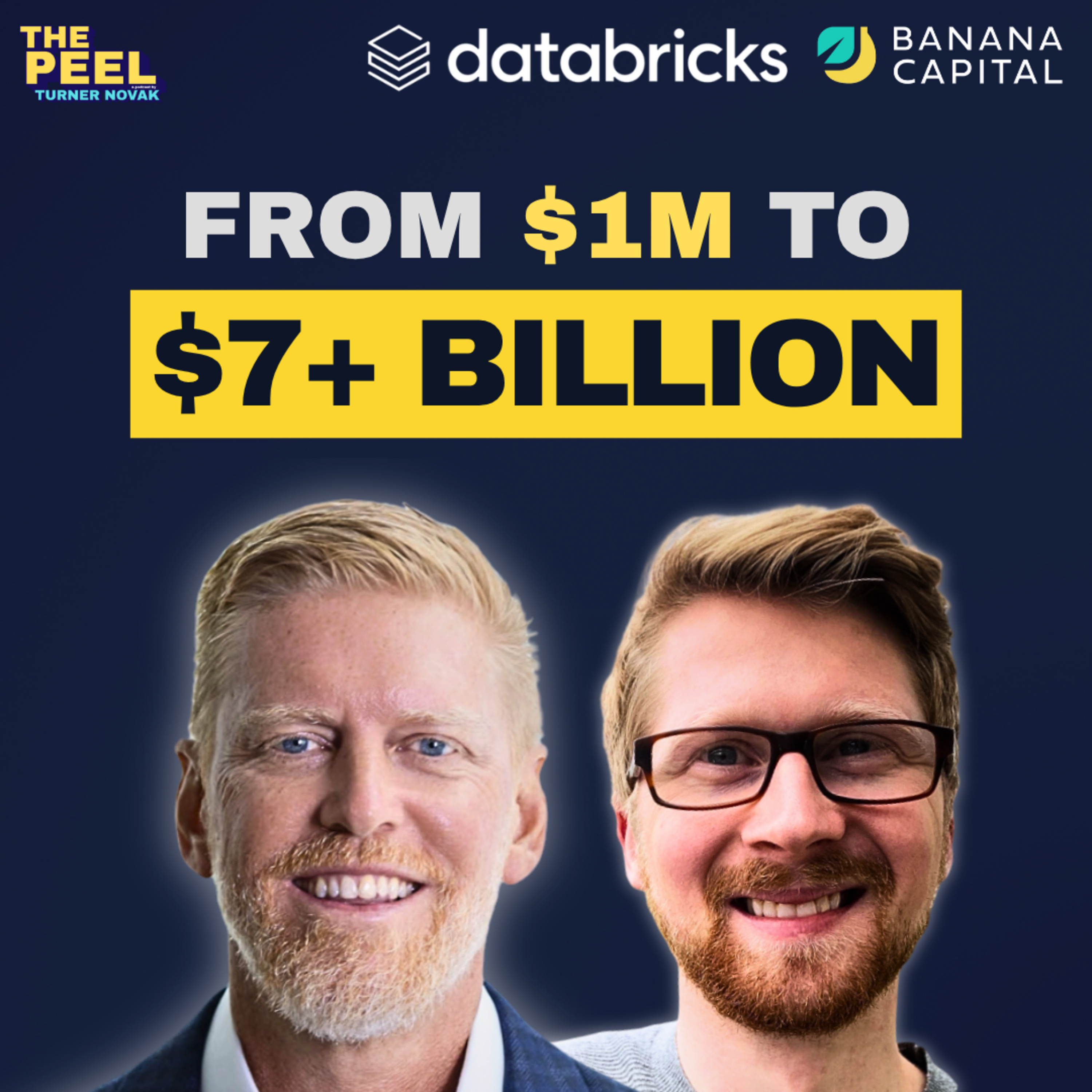 How Databricks Went $1M to $7B+ ARR in 10 Years | Ron Gabrisko, CROThe Peel with Turner Novak · on Databricks89 / 100
 Paul Graham On Startups, Ambition, and Great FoundersY Combinator Startup Podcast · on OpenAI88 / 100
 The Invisible Network Powering AWS with Matt Rehder94 / 100
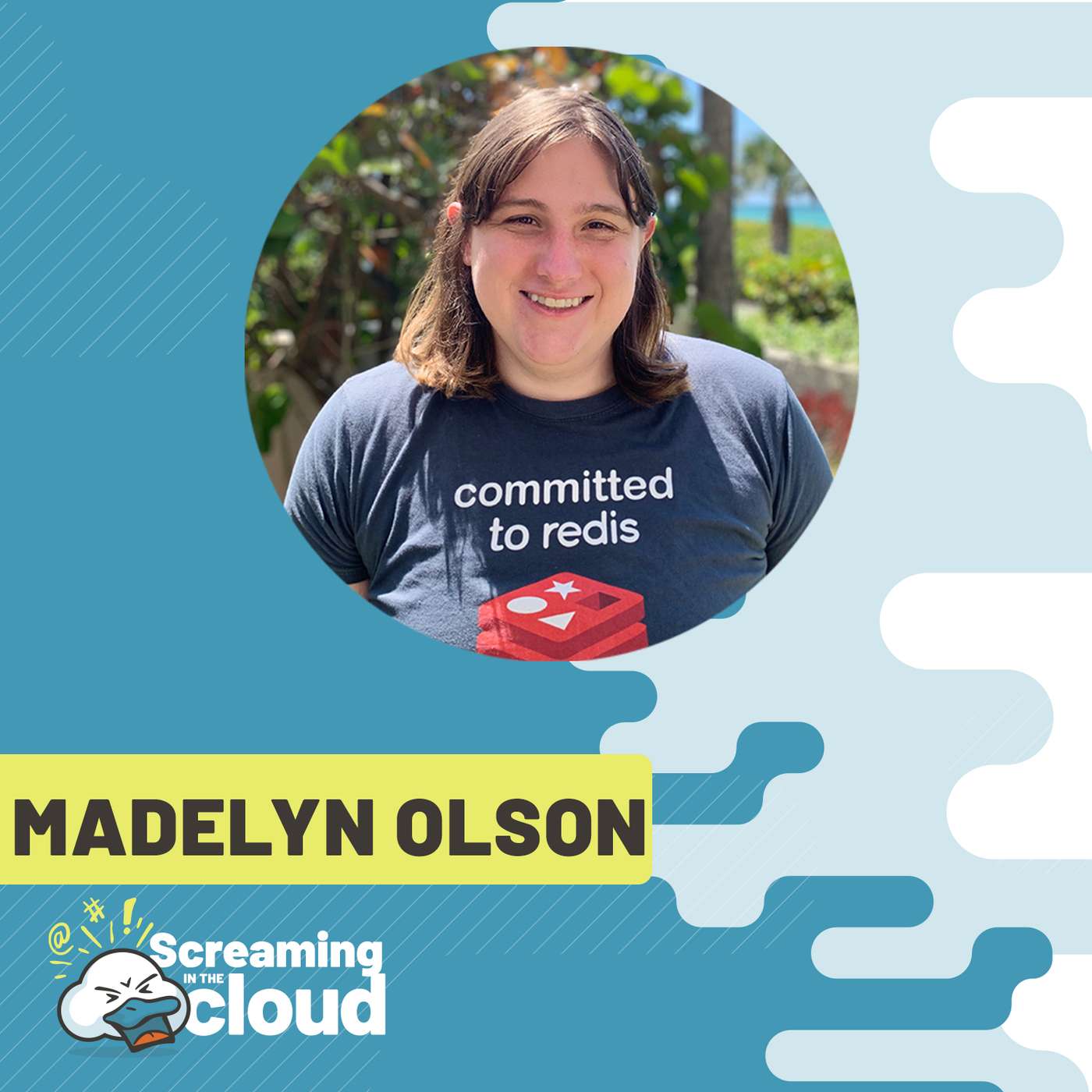 When AI Starts Writing the Pull Requests with Madelyn Olson77 / 100
 The Appalachian Cloud Trail: Hiking, Cloud Economics, and Finding Perspective62 / 100
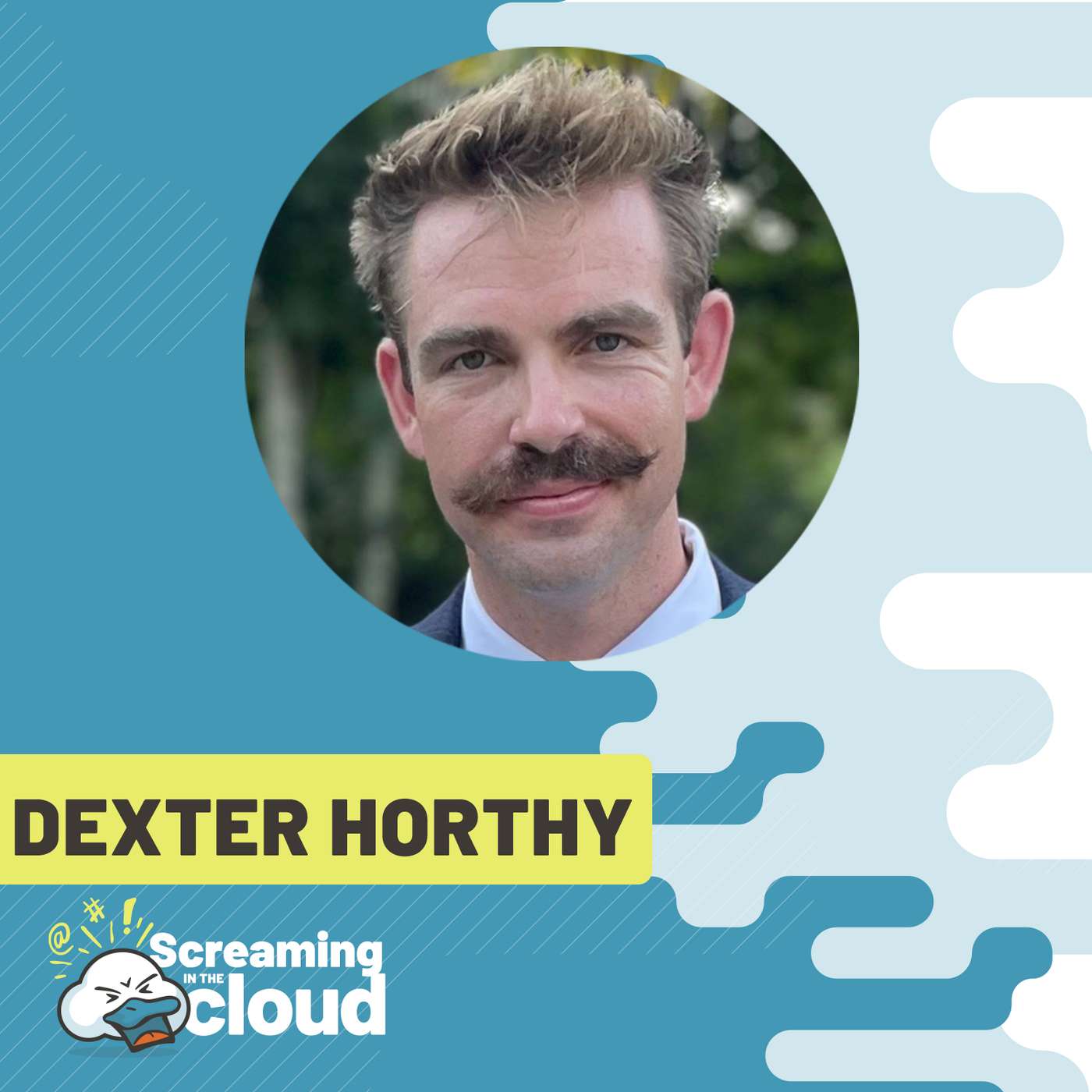 Coding Agents, Chaos, and the Future of Dev Work with Dexter Horthy73 / 100
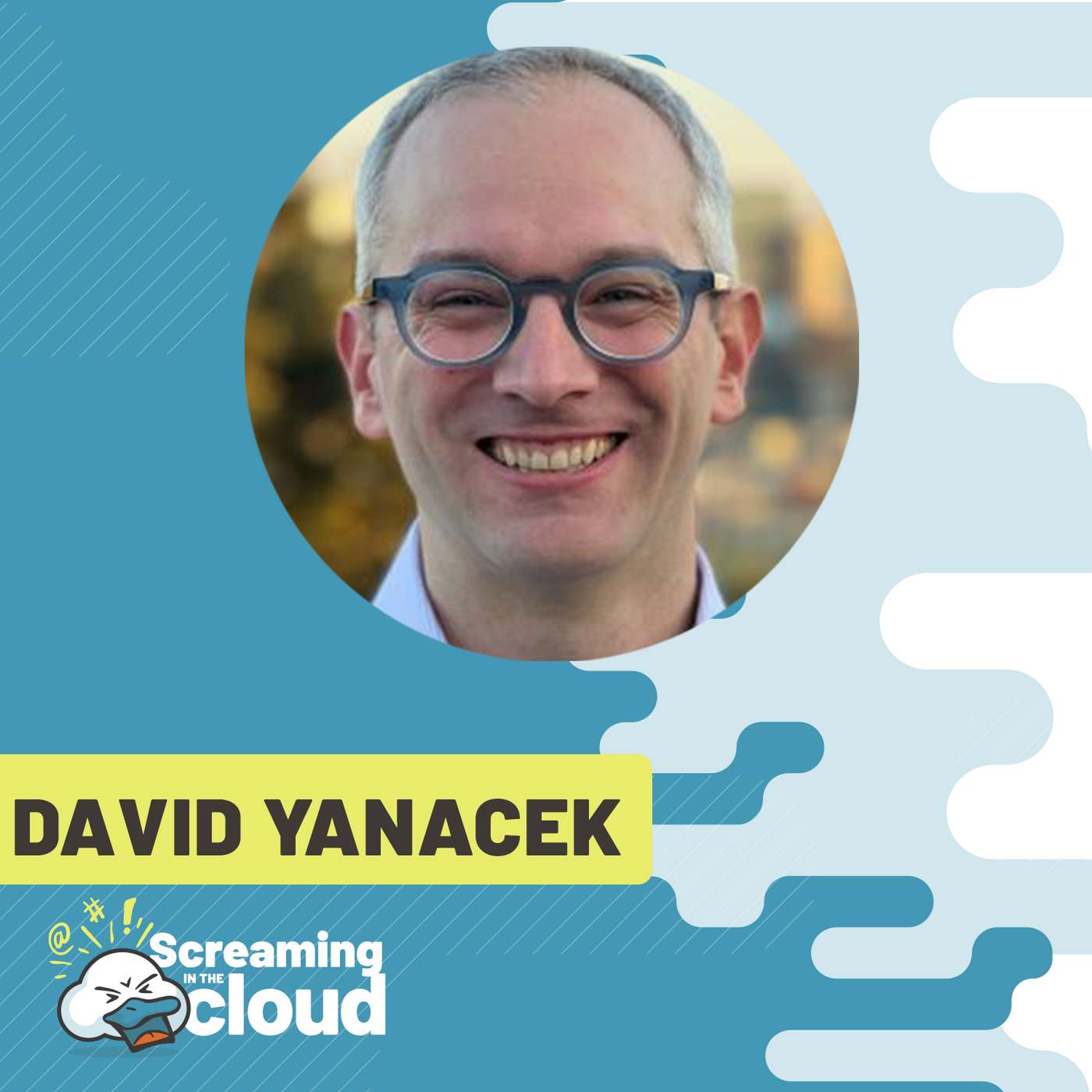 The Rise of Autonomous Ops: Inside AWS’s DevOps Agent with David Yanacek78 / 100