
Sales Today · 2026-06-11 · 6 min
Key moments - from our scoring
Substance score
17 / 100
Five dimensions, 20 points each
Senior decision makers aren't actually hard to reach - they're engaged and making decisions constantly. The real barrier is relevance. Most sales conversations in engineering businesses operate at an operational level, discussing efficiency and cost reduction, while senior stakeholders think about organizational direction, risk, and strategic outcomes. When sales teams discuss how something works rather than why it matters strategically, they stay trapped in conversations with operational staff instead of decision makers. Speaker A explains that senior initiatives typically originate at the strategic level before cascading down, so by the time sales engages, they're already one step removed from where the thinking began. The solution isn't better access tactics - it's reframing conversations to address the questions senior leaders actually ask: Is this the right thing to do? Does it align with our direction? What's the impact? When conversations align with how senior stakeholders think, access becomes a natural outcome. The episode includes a reference to the Collaborative Selling scorecard tool for assessing sales approach effectiveness.
Sales teams typically engage at an operational level discussing efficiency and cost reduction, while senior decision makers focus on strategic direction, risk, and organizational outcomes. The gap isn't access - it's that conversations don't address what senior leaders actually care about.
Senior decision makers ask: Is this the right thing to do? Does this align with where we're going? What impact will this have? They focus on organizational direction, risk, opportunities, and company outcomes rather than operational details.
Strategic initiatives begin at the senior level, triggered by strategic concerns, market shifts, or company performance issues, then get passed down the organization to be explored and defined - which is why sales teams engaging lower in the organization are one step removed from the original thinking.
When conversations connect to strategic concerns and how senior leaders think, access to them becomes much less of a barrier and they naturally engage rather than step back to protect their time.
Our reviewer’s read on each dimension, with quotes from the episode.
The episode's single central idea - that sales teams pitch at an operational level while senior buyers think strategically - is broadly valid but takes roughly five minutes to say what could be said in two sentences. There is no second, third, or fourth insight; the rest is repetition and a promotional push for the scorecard.
they are operational in nature and, um, so that determines who engages with them
access to them becomes a lot less of a barrier
The operational-vs-strategic framing is one of the most recycled ideas in B2B sales literature, appearing in Challenger Sale, SPIN Selling, and countless LinkedIn posts. There is no contrarian twist, no first-principles reasoning, and no new angle that updates or challenges the conventional wisdom.
Senior decision makers think differently. They're focused on different stuff
the need started, it's often at the more senior level, something triggered it
Speaker A is never introduced, their name is never stated, and no credentials, company background, or track record are established anywhere in the transcript. The listener has no basis to assess authority, and the content itself reads as a generalist observation rather than practitioner experience at scale.
You're listening to the Sales Today podcast and I'm your host, Fred Kobestaker
Why not take our free collaborative selling scorecard
The entire episode is abstract: no named companies, no metrics, no deal sizes, no timelines, no concrete case studies, and no data of any kind. Every claim is asserted without a single piece of supporting evidence.
A strategic concern, a market shift, uh, a company performance issue
how it improves efficiency, how it reduces cost
This is functionally a monologue; there are no interviewer questions, no follow-ups, and no pushback whatsoever. The two-speaker format appears to be a production device (read/host split) rather than a genuine dialogue, leaving no opportunity for depth or challenge.
it's worth asking, are we talking at the right level for the people we're trying to engage?
If you're hearing stuff like, oh, they're hard to reach, they don't have time, we can't get in front of them
Computed from the transcript - who did the talking, and the words that came up most.
Take the Collaborative Selling Scorecard: Connect with Fred: Watch Fred's FREE YouTube Course: Sales Mastery for Engineers: Watch the full mini series playlist here In this episode of the Sales Today Podcast , Fred Copestake tackles a challenge that many engineering and B2B sales teams face: Why is it so difficult to engage senior stakeholders? The common assumption is that senior decision-makers are simply too busy, too difficult to reach, or unwilling to engage. But what if the real issue isn't access at all? Fred explores why many sales conversations naturally sit at an operational level, while senior leaders are focused on entirely different concerns. The result is a disconnect between what sales teams are talking about and what senior stakeholders are actually thinking about.
Transcribed and scored by The B2B Podcast Index.
Guest: If your sales team finds it difficult to engage senior decision makers, it's very easy to consume. It's a confidence issue, maybe it's an access issue. If you're hearing stuff like, oh, they're hard to reach, they don't have time, we can't get in front of them. But in many cases, that's not actually the problem.
Fred Kobestaker: You're listening to the Sales Today podcast and I'm your host, Fred Kobestaker. On this podcast, we explore how sales professionals can develop a modern approach to winning business. The application of virtual selling techniques, how to create meaningful business relationships and much more.
Guest: Why not take our free collaborative selling
Fred Kobestaker: scorecard to see how your sales approach suits today's environment? You'll find a link in the show notes.
Guest: Senior stakeholders are engaged all, all the time. They're having conversations, they're making decisions, they're exploring ideas. That's what they do, it's what they're there for. People are better decision makers, that's why they're there. So the question isn't, are they available? It's are we relevant to them? That's a very different question. Most sales conversations in engineering businesses naturally sit at an operational level. They focus on how something works, how it improves efficiency, how it reduces cost. Great. All valid, all useful, but they are operational in nature and, um, so that determines who engages with them. Senior decision makers think differently. They're focused on different stuff. They're focused on direction of the organization, risk, opportunities for the company, outcomes. They're asking questions like, is this the right thing to do? Does this align with where we're going? What impact will this have? If the conversation doesn't connect in those areas, it's very easy for them to step back from it. They're busy people, they are going to protect their time. So what often happens is this. Then sales teams are, uh, having a conversation at one level while senior stakeholders are thinking at another. There is a gap. Um, and, uh, it's not because the solution isn't relevant, but because the way it's being discussed doesn't align with how they're thinking. So the conversation, it stays lower down the organisation, it stays that operation level. It's with the people who are focused on the delivery, not the people who are focused on the direction. And what's interesting is if you go back to where the need started, it's often at the more senior level, something triggered it. A strategic concern, a market shift, uh, a company performance issue. That's where the initiative begins. It gets passed down the organization to be explored and defined. And, um, of course that's where lots of sales conversations will happen. But by then, you're already one step removed from where the thinking began. So if your team is finding it difficult to reach out to more senior stakeholders, it's worth asking, are we talking at the right level for the people we're trying to engage? Because when the conversation aligns, uh, to how they think, when we're talking about the stuff that they actually care about that they're there for, access to them becomes a lot less of a barrier. Now, if this feels familiar, it's often useful to look at, uh, how your conversations are occurring and the sales process that you're using to get them. There's a simple collaborative selling scorecard in the Show Notes below. Access that. Take it about five minutes. It will give you some insights into how you are managing the way in which you're approaching your opportunities. Hope, uh, you find it useful.
Fred Kobestaker: Thank you for listening to the Sale Today podcast with me, your host, Fred Koepstake. I hope you've enjoyed what you heard today. If you did, please get in touch and hit subscribe. And remember, you can take the Collaborative Selling scorecard for free to check out how your sales approach works in today's environment. You'll find it in the Show Notes.
Other episodes covering the same guests and topics, from across The B2B Podcast Index.
 How Multi-Threaded Selling and Building the Closing Strategy From First Contact Drives Revenue GrowthThe B2B Revenue Executive Experience · on Stakeholder engagement87 / 100
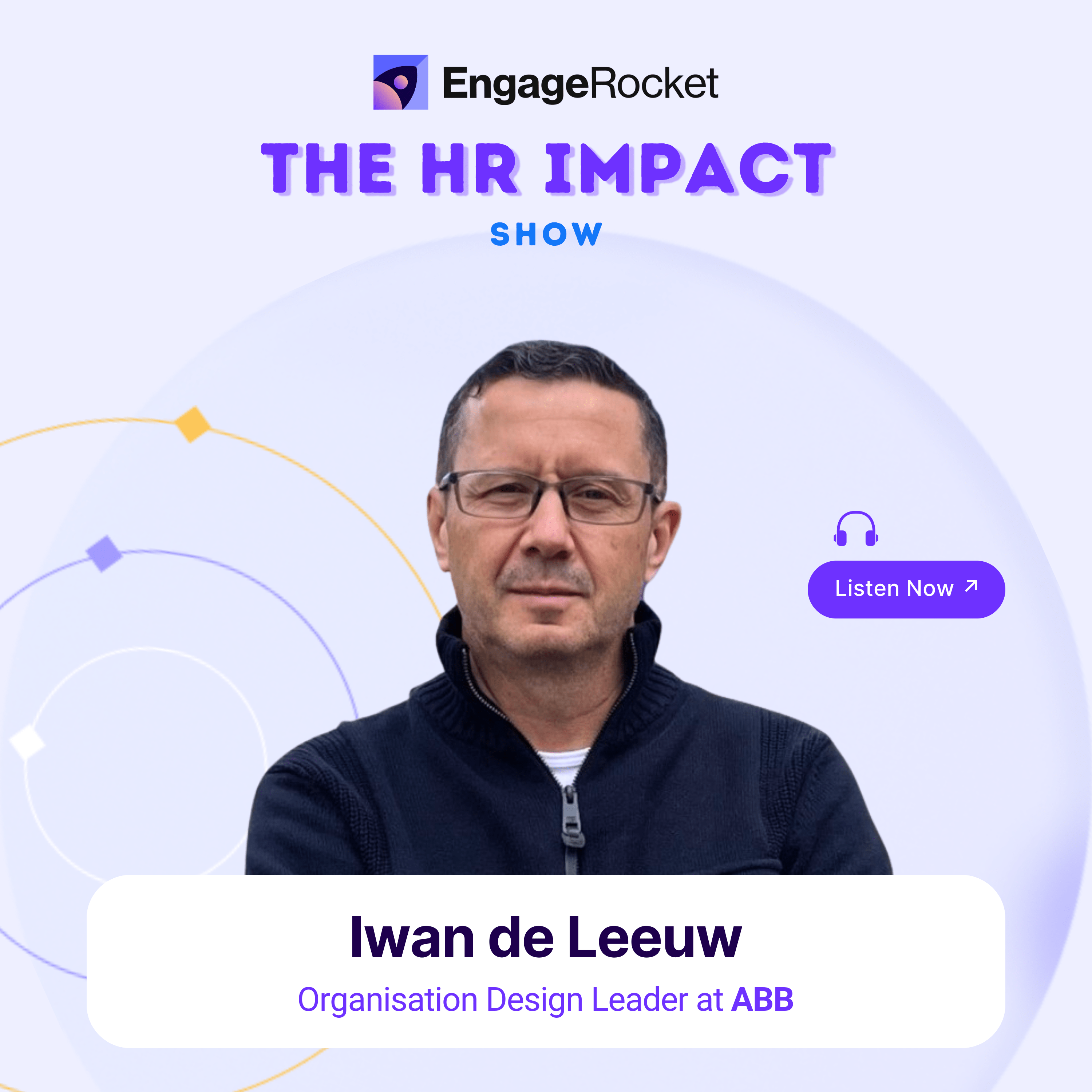 Inside Org Design: What Leaders Get Wrong and How to Fix It: Iwan de Leeuw, Global Organisation Design Leader, ABBThe HR Impact Show · on Stakeholder engagement81 / 100
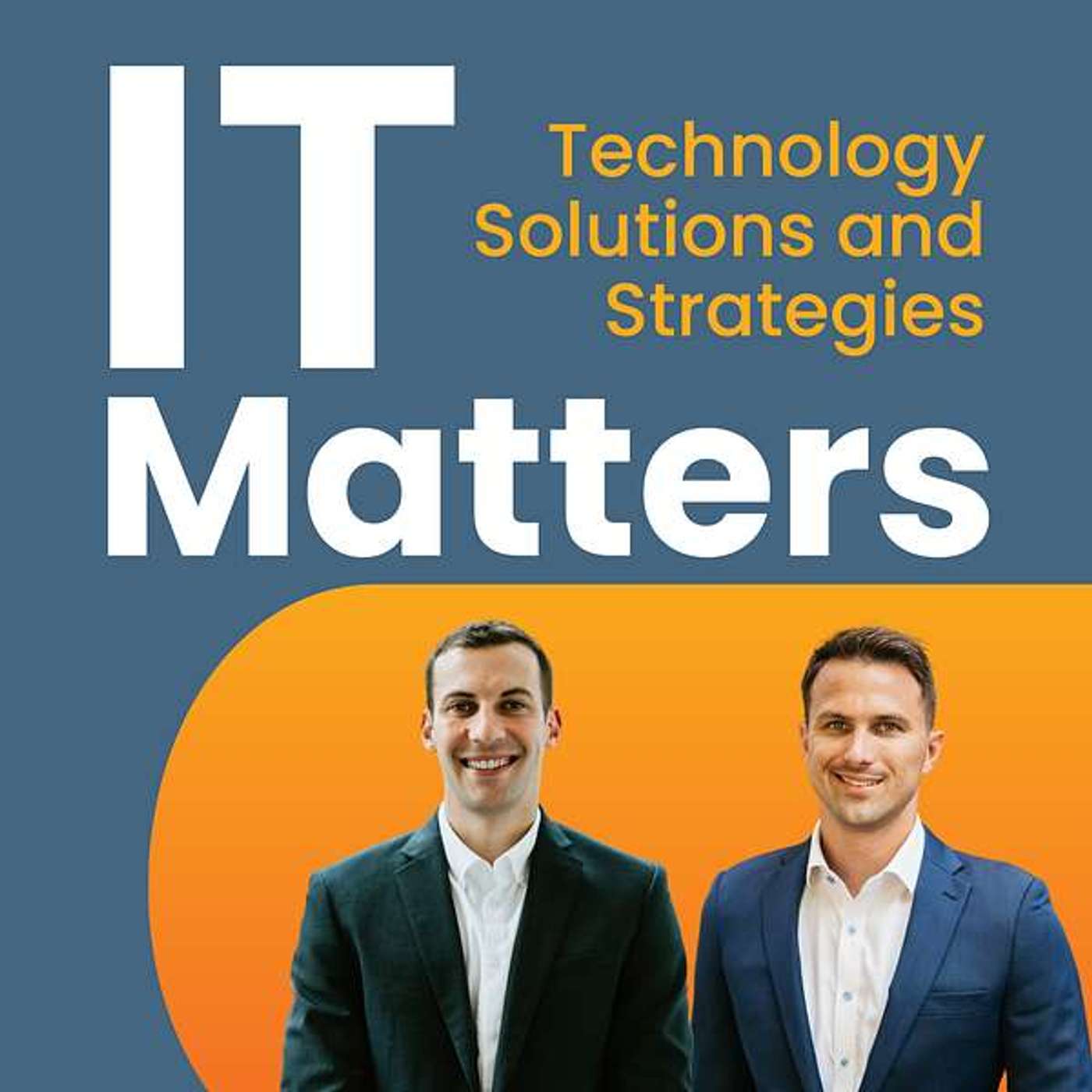 Storytelling and Technology Leadership, with Troy PennyIT Matters · on Stakeholder engagement75 / 100
 How to Get AI-Ready Before You Implement It with Jeffrey Lambert (#78)Exit Algorithms · on Stakeholder engagement71 / 100
 Transformational ChangeHR Problem Solver · on Stakeholder engagement70 / 100
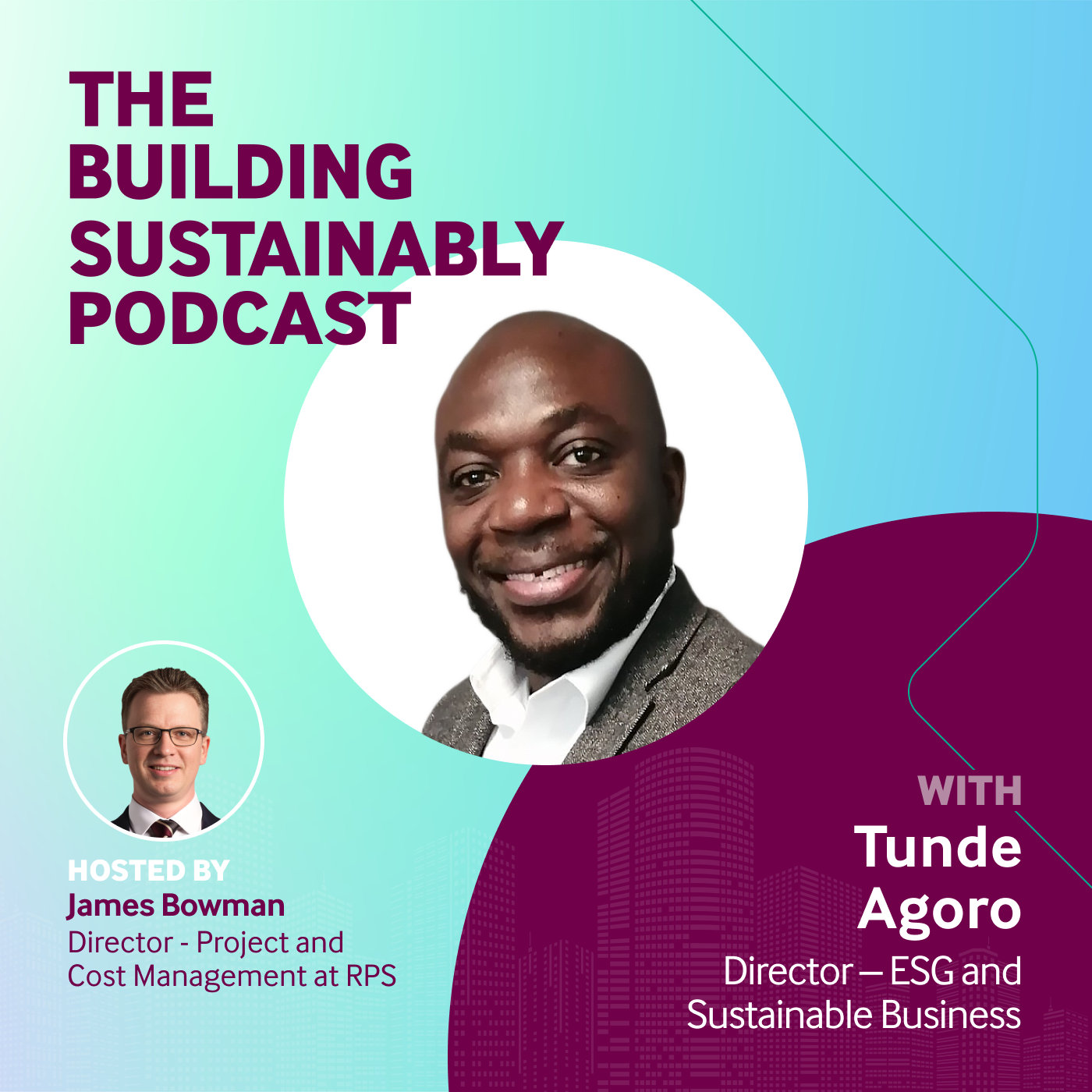 How ESG Can Transform Your Business with Tunde Agoro of RPSThe Building Sustainably Podcast · on Stakeholder engagement57 / 100
 Selling is like tracking serial killers79 / 100
 A Smarter Way to Sell in Engineering Businesses43 / 100
 The "Ah" Moment That Changes Every Sale36 / 100
 Why Being Too Technical Can Cost You Deals41 / 100
 Training vs Coaching