Production Value Matters: The Business Event Podcast · 2025-08-05 · 10 min
Key moments - from our scoring
Substance score
42 / 100
Five dimensions, 20 points each
The attention economy has fundamentally reshaped how audiences consume content, and corporate events are facing the same crisis as legacy media. Just as The Late Show with Stephen Colbert - a $100M+ annual production bleeding $40M yearly - was cancelled because the format no longer fits audience consumption patterns, traditional large-scale conferences and in-person events are struggling to justify their costs and deliver engagement. The host argues that event planners must stop forcing audiences into outdated formats and instead adopt three proven alternatives: virtual events (60-90% cheaper with 74% higher attendance rates), hybrid formats that extend content lifespan and reach global audiences, and micro-events (under 200 people) that deliver stronger ROI through personalized experiences. Microsoft's Build conference exemplifies the shift - moving from 7,000 in-person attendees to 240,000 virtual registrants with the same content. The key insight is that attention is now the currency, and planners competing against Netflix, TikTok, and workplace distractions must rethink storytelling, interactivity, and format entirely to prove their events are worth attending.
The show had a $100M+ annual production budget but was losing $40M per year, and the traditional late-night format no longer justified its costs as audience attention patterns shifted away from long-form television content.
Microsoft Build grew from 7,000 in-person attendees in Seattle to 240,000 registrants when moved to virtual format in 2020, using the same content.
Virtual events cost 60-90% less than in-person events by eliminating venue, travel, hotel, and catering costs, though some savings shift to production expenses.
Micro-events with under 200 people - such as private roundtables, local roadshows, and pop-up experiences - typically deliver much higher ROI than large-scale conferences.
A recent study found 74% of organizations experienced increased attendance when they transitioned to virtual event formats.
Our reviewer’s read on each dimension, with quotes from the episode.
The episode offers some useful frameworks (virtual vs. hybrid vs. micro events, cost comparisons, attention economy framing) but relies heavily on repetition and broad assertions without deep unpacking. The Colbert analogy is stretched thin, and many claims lack supporting detail or nuance. Useful for event planners unfamiliar with format options, but limited novelty for practitioners already thinking strategically.
Virtual events can cost 60 to 90% less than in person events
74% of organizations saw increased attendance when they shifted to virtual
The core argument - that events must adapt to shrinking attention spans and that virtual/hybrid/micro formats work - is now orthodox in event planning circles. The Colbert hook is novel framing but ultimately superficial; the underlying advice about format flexibility, content repurposing, and ROI justification is recycled industry wisdom. No contrarian or first-principles thinking present.
We found out we didn't need the ballroom to Keep the people's attention
the attention economy. And in this new economy, attention is the currency
This is a solo monologue by Speaker A (the host/operator), not a guest interview. While Speaker A appears to run an event production company, there is no actual guest, no external practitioner brought in to share independent expertise, and no credibility signals beyond self-promotion. The format undermines guest caliber assessment entirely.
Look at the company I run. We've helped companies evolve
Speaker A: Let me paint a picture for you
The episode includes some concrete metrics (Microsoft's Build going from 7,000 to 240,000 registrants; $40M loss at Colbert; 60-90% cost savings; 74% attendance increase) but lacks depth in nearly every area. No named clients beyond Microsoft, no timelines for strategic shifts, no ROI numbers or case study comparisons, no named companies using hybrid or micro formats successfully. Most claims remain at 30,000-foot abstraction.
Microsoft, for example, used to host its developer conference build for 7,000 people in Seattle. But when they went virtual in 2020, they had 240,000 registrants
On average, virtual events can cost 60 to 90% less than in person events
No conversation occurs; this is a prepared monologue with embedded ad reads and no genuine dialogue, follow-ups, or pushback. The rhetorical questions posed to listeners are not answered by another voice or perspective. There is no host-guest dynamic, no tension, no productively challenged claims. It reads as a solo pitch/thought leadership piece masquerading as a podcast.
So here's the question I want to ask every event marketer, every executive, and every planner listening right now. Are you designing events that fit your model or your audience's reality?
So how do we fix it? What's the modern playbook for event success?
Computed from the transcript - who did the talking, and the words that came up most.
Colbert couldn’t survive the attention economy. Can your next event? Stephen Colbert’s Late Show once pulled in millions of viewers. But recently, CBS canceled it after losing $40 million a year. Why? Not because the content was bad, but because the format no longer fit how people consume content today. In this solo episode of Production Value Matters , host Matthew Byrne explains why this isn’t just a broadcast TV problem, it’s a wake-up call for anyone producing business events. Matthew unpacks how the same outdated model that led to Colbert’s decline is still being used in boardrooms and ballrooms - and why that has to change. He introduces the concept of the attention economy , where audience engagement is more valuable (and more fragile) than ever. You’ll learn how to modernize your event strategy to meet today’s viewing habits and expectations, using flexible, data-driven formats like virtual, hybrid, and micro events. Whether you're producing a global summit or a private roundtable, this episode is your guide to creating events that are leaner, more engaging, and built for today’s reality.
Transcribed and scored by The B2B Podcast Index.
Speaker A: M
Speaker B: welcome to Production Value Matters, the business event podcast brought to you by Burn Production Services. Here we explore different ways business events can bring value to your organization. The latest technological advancements in the event space, as well as providing you with actionable strategies to make a business event a success. Let's create an exceptional event experience.
Speaker A: Let me paint a picture for you. Imagine you're running one of the most iconic shows on late night television. Flagship program, huge studio, famous guests, top tier production. You're pulling in millions of viewers every week, or at least you used to. Now you're losing $40 million a year. That's the real story behind the Late show with Stephen Colber, a staple of the CBS lineup. Um, with a production budget just north of 100 million per year. And yet it's been quietly bleeding money. And just earlier this year, CBS made the call. Cancel it. Cut the losses. Maybe there might be a political angle to all of it. Now, I know what you're thinking. What does Colbert have to do with corporate events? Everything. Because what's happening in light night TV is a crystal clear reflection of what's happening in our industry. The cost of production is no longer justifying the return. And the audience's attention has fundamentally shifted. And that shift, it's already knocking on the ballroom doors of your annual sales kickoff, your flagship conference, or your global leadership summit. So today I'm going to unpack what this means for all of us in the event world and. And what smart companies are doing to stay ahead. And if this feels big, it is. That's why we put together a new resource for event leaders navigating this exact moment in the show. Comments and description. You can find a downloadable PDF that unpacks the deeper story behind the Late Show's cancellation and what it signals for the future of event formats, audience engagement and roi. You can download it right now and keep listening. We're about to dive into some of the key insights from that report, starting with the problem every event is wrestling with. So let's start with that problem. The old model for events, just like late night tv, was based on predictable patterns. Book a venue, stage a spectacle. Invite your audience, deliver from a stage, Send everyone home. A big show, a big budget, big impact, hopefully. But cracks in that model have been showing for years. Then Covid came along and made it impossible to ignore. Suddenly, events went dark, ballrooms emptied. And we all had to figure out how to keep our audiences engaged from behind a webcam. And something interesting happened. We found out we didn't need the ballroom to Keep the people's attention. In fact, when done right, we could reach more people virtually than we could ever in person. Microsoft, for example, used to host its developer conference build for 7,000 people in Seattle. But when they went virtual in 2020, they had 240,000 registrants. Same content, different format, way more reach and way lower cost. And this wasn't just a fluke. Across industries, tech, healthcare, automotive, education planners saw similar patterns. Virtual worked, hybrid worked, and micro events started to work. But not all of them worked well. Because here's the truth. Just putting your event on zoom isn't enough. You can't deliver a three hour general session to a distracted remote audience and expect them to stay glued to their screens. You've got to rethink everything from format and storytelling to interactivity and attention spans. What we're living through right now is what I like to call the attention economy. And in this new economy, attention is the currency. You're not just competing with other events. You're competing with Netflix, TikTok inboxes, Slack notifications, a dog barking in someone's home office. You have minutes, not hours, to prove you're worth watching. And that's where the comparison to Colbert comes in. The show wasn't bad. It was polished. It was funny. I was a fan. But the model, the format just didn't fit how people consume content anymore. So here's the question I want to ask every event marketer, every executive, and every planner listening right now. Are you designing events that fit your model or your audience's reality? Because if we keep trying to force people into outdated formats, we're going to lose them.
Speaker C: When it's not just another meeting, when it's the event that matters. You need a production partner who delivers. Burn Production Services specializes in multi day meetings, conferences and large scale events that demand flawless execution. From cutting edge audio and video to stunning lighting and stadium staging, we're built for your largest events. Take your production to the next level. Visit burn productionservices.com and request your proposal today. Enjoying the show? Don't miss a single episode. Follow Production Value Matters wherever you get your podcasts. And for bonus content, tools and event insights, head over to productionvaluematters.com and subscribe. Stay sharp. Stay inspired. Production value matters.
Speaker A: So how do we fix it? What's the modern playbook for event success? It's not just about choosing virtual or in person. It's about strategic formatting. Let me walk you through three of the biggest shifts I'm seeing in the industry and how they're helping companies get better roi, deeper engagement and more flexibility. So virtual events, they are a cost effective giant. Virtual is not dead. In fact, for many companies, it's just getting started. On average, virtual events can cost 60 to 90% less than in person events. But remember that costs are not always a direct reduction. As I put it to a client the other day, this is a transfer of wealth. You eliminate venues, flights, hotels, catering. But that cost sometimes just shifts to production, albeit at a generally lower investment. But guess what? You often reach more attendees. A recent study found 74% of organizations saw, uh, increased attendance when they shifted to virtual. Virtual events generate mountains of data. Every click, every view, every download. It's trackable. And that means that it's better lead scoring, better insights to your audience and your attendees, and ultimately better follow up. Hybrid events end up being a flexible powerhouse and it gives you the best of both worlds. You still get the energy of the in person experience, but you also get that global reach, virtual flexibility and extended content lifespan. You can then turn that live event into a content machine for your brand. Companies are recording keynotes, breakout sessions and panel discussions and then extending that content to online audiences long after the event. And then the small but mighty micro event look. They are small, focused gatherings. Think of under 200 people. A private roundtable with your top clients. A local roadshow, a pop up experience. They're lean, they're targeted, and they're personal. And here's the kicker. They often deliver much higher ROI than any big splashy show. So what does this mean for you? Whether you're running a global event or internal summit, the this isn't about trends, it's about solving real problems. So if your CFO is asking about cost, show them how hybrid formats stretch that budget further. If your CMO wants to get reach, show them how virtual content performs. And if your leadership wants deeper engagement, show them how a micro event can create much stronger connections. Look at the company I run. We've helped companies evolve. We've turned massive in person events into flexible hybrid experiences. We've turned a single conference into a roadshow and ROI and content engines. The means of production has changed, the audience has changed, but the goal remains the same. Create something worth showing up for. Thanks for listening to this episode of Production Value Matters, the Business Events podcast. You can always find more insights and find copies of the reports that we create@ah, productionvaluematters.com where you can sign up and subscribe. If you're rethinking your event strategy and want to talk through some ideas. Reach out. We'd love to hear from you.
Speaker B: Production Value Matters, the business event podcast, is brought to you by Burn Production Services. To find out more about Burn Production Services and how putting on events can drive value for your business, visit burn productionservices.com make sure to click subscribe so you don't miss any future episodes. And on behalf of the team here at Production Value Matters, thank you so much for listening.
Other episodes covering the same guests and topics, from across The B2B Podcast Index.
 How B2B Brands Wreck Pipeline with Unsyncroned CRM DataThe Marketing Operator Podcast with Fexingo · on Lead scoring92 / 100
 The Rise and Fall of the MQL - Live Workshop Recording with Jon MillerGTM Live · on Lead scoring80 / 100
 Monetizing Expertise: Kate Strachnyi on B2B Influencer MarketingThe Business Of Marketing · on ROI measurement70 / 100
 Nurturing Leads: The Key to Business GrowthDisrupt & Innovate · on Lead scoring66 / 100
 How B2B Brands Use AI for Automated Lead EnrichmentThe Growth Operator with Fexingo · on Lead scoring66 / 100
 Big Book of AI MetricsAI to ROI · on ROI measurement58 / 100
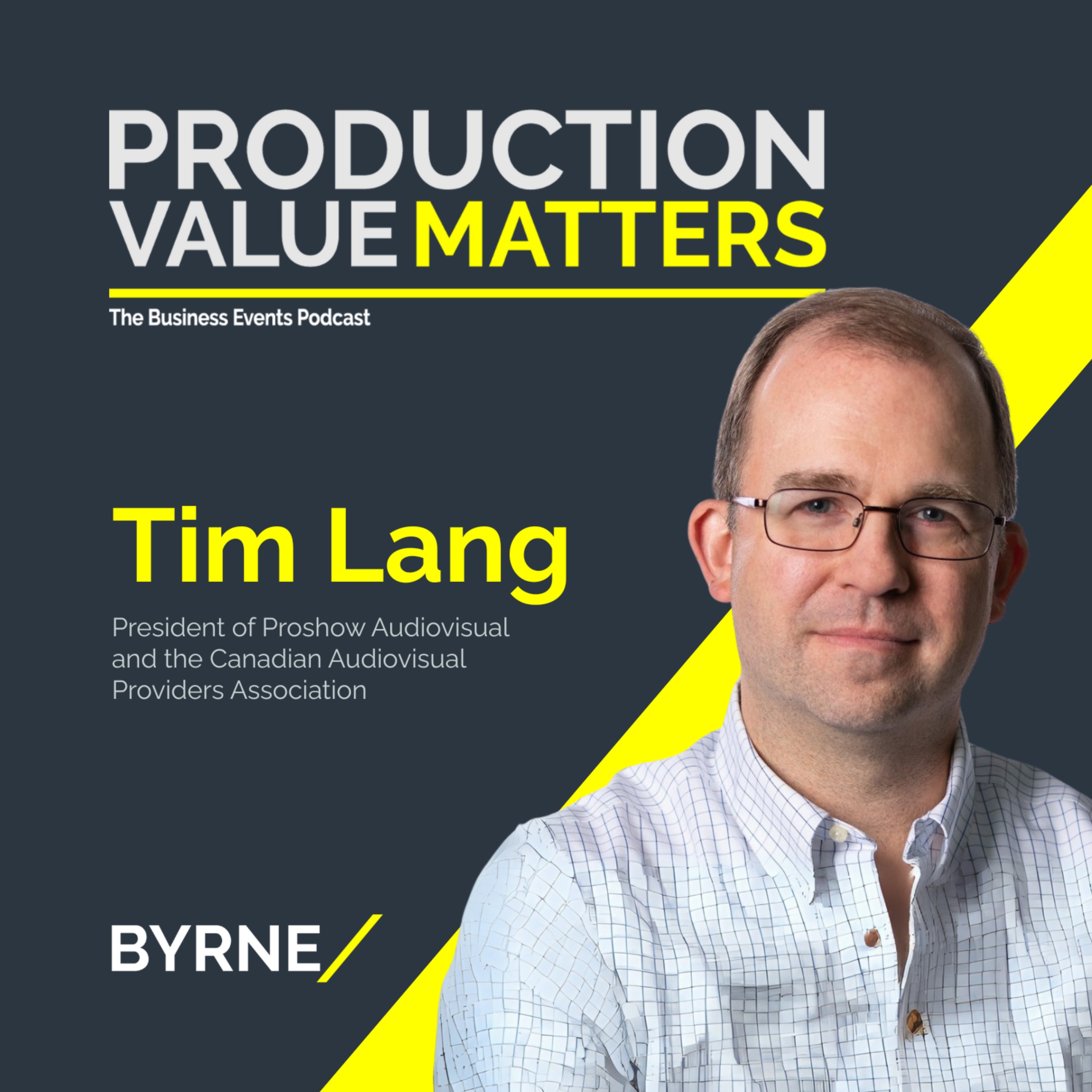 The Truth About AV Monopolies: Do Event Planners Really Have a Choice? with Tim Lang, President of Proshow AV70 / 100
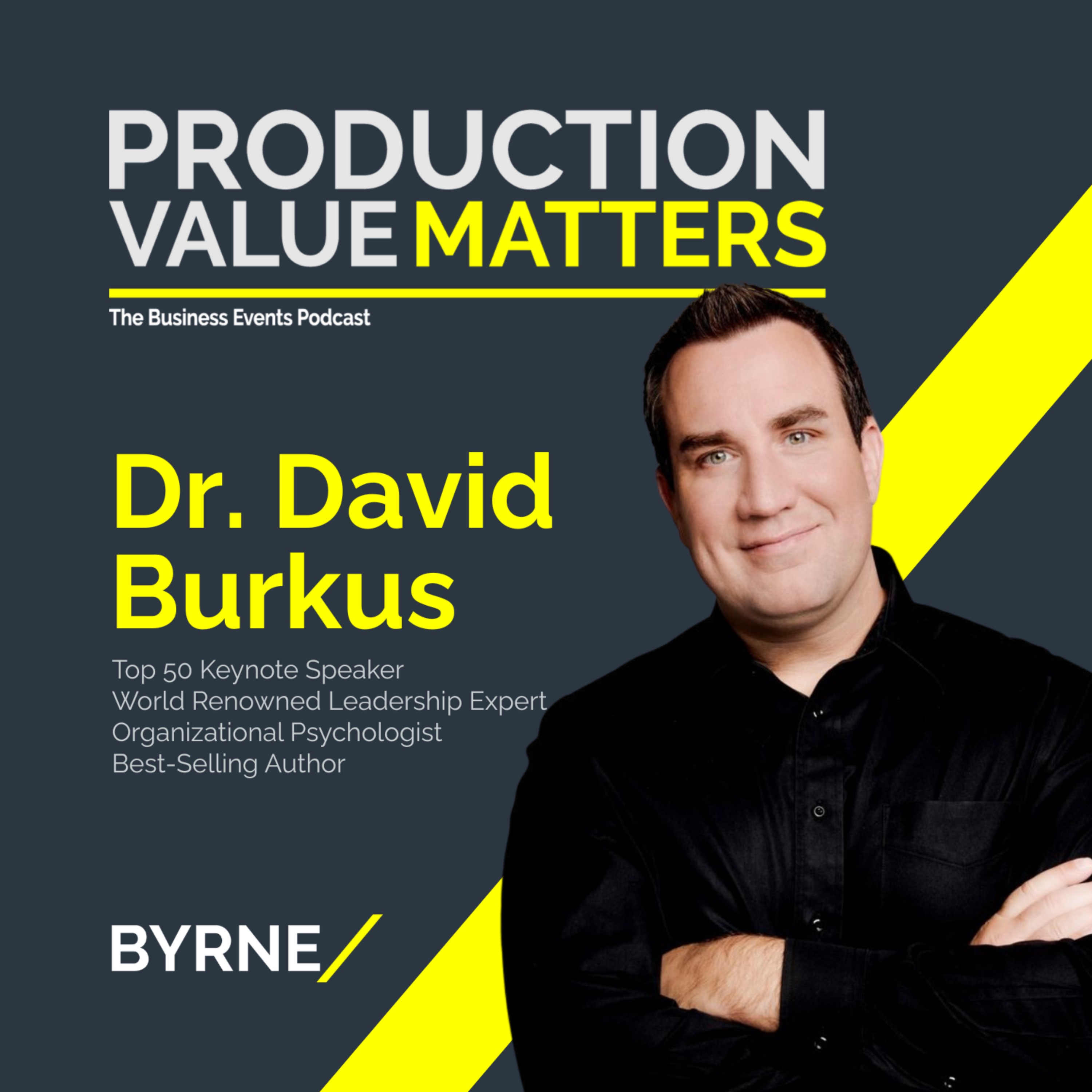 The Evolution Of The Event Team: How To Thrive On Tighter Budgets in 2025 with Dr. David Burkus65 / 100
 Fixing a $3.6 Trillion Industry: Why Event Pros Must Unite with Stacy Wyatt62 / 100
 On Show Floor at CMEE: ROI vs. Regrets in Event Production52 / 100
 How to Build Ethical and Effective RFPs That Vendors Actually Want to Answer52 / 100