Production Value Matters: The Business Event Podcast · 2025-08-12 · 18 min
Key moments - from our scoring
Substance score
32 / 100
Five dimensions, 20 points each
Most event RFPs fail because they're written as gatekeeping documents rather than partnership tools, withholding critical information like budget, objectives, and pain points while expecting vendors to quote blindly. Matthew Byrne, founder of Burn Production Services, outlines exactly what planners must include: clear event objectives, audience details, transparent budget ranges (and what's covered), complete venue specifications including floor plans and ceiling heights, detailed dates and setup schedules, specific technical requirements like IMAG and live streaming needs, and reference imagery showing the desired look and feel. Beyond structure, the episode emphasizes what not to do - don't hoard information or treat vendors as interchangeable parts, never demand unpaid creative or design work in the proposal phase (either compensate creatives or hold a paid pitch session), and absolutely don't implement ideas from losing proposals without licensing or compensating the vendor. A sample RFP structure is provided with seven sections: event introduction, event overview, detailed scope of work broken into technical production, creative services, on-site labor, streaming and recording, and content handling expectations. The message is clear: transparency drives better outcomes, creative work deserves payment, and strong events come from vendor-client partnerships, not adversarial procurement processes.
Include event objectives and what success looks like, specific audience details (size, attendee type, location), budget range with what's covered, complete venue specifications with floor plans and ceiling heights, dates and setup/strike schedules, and detailed technical requirements like IMAG or streaming needs rather than generic terms like 'full AV'.
You should absolutely disclose your budget range and specify what it covers (travel, scenic, content creation, etc.); vendors will respect realistic budgets and either confirm they can work within them, ask for flexibility, or respectfully decline rather than over-padding generic quotes.
No, you should not request unpaid creative work like custom designs or renderings in RFPs; if you want creative ideas, either compensate vendors for the discovery phase or ask for samples of past projects instead.
You must either hire that vendor, license the concept, or offer compensation for the discovery work; using their ideas without permission is theft and undermines the ethical production industry.
Use seven sections: event introduction, event overview with dates and attendance, scope of work broken into technical production, creative services, on-site labor, streaming and recording, and content delivery expectations; then include budget range, evaluation criteria, timeline with decision date, and submission requirements.
Our reviewer’s read on each dimension, with quotes from the episode.
The episode delivers a structured, practical checklist with a few genuinely useful points (compensating for creative work, flagging in-house services like power and rigging as budget traps), but the majority of the content is obvious procurement advice dressed up as insight. Filler and repetition dilute the useful sections significantly.
is that budget inclusive of exclusive in house services like power and rigging? Because those can eat away at your budget
Asking for original renderings or stage design or custom animations in an RFP unless you're paying for it is not okay.
The creative-theft argument ('A vendor submits a proposal with a bold concept...their idea shows up in the final event. That is theft.') is a genuine and underserved point. But the broader transparency-in-procurement argument is standard B2B procurement advice with no new frameworks or contrarian angles.
A vendor submits a proposal with a bold concept of a creative show flow and an amazing stunning design. And even though they didn't win the bid, their idea shows up in the final event. That is theft.
You wouldn't borrow a band's set list without hiring the band.
This is a solo monologue by the host, who is the founder of a regional event production company. While he has direct practitioner experience reading RFPs, there are no guests at all, limiting the episode to a single voice with modest industry standing.
I'm your host, Matthew Byrne, founder of Bern Production Services, and someone who's had to read more RFPs than I'd like to admit.
The episode is almost entirely abstract advice with no named clients, no dollar figures, no case studies, and no data. The only quasi-numerical reference is a vague '5 to 10%' budget flexibility comment, and anecdotes are described in generic terms throughout.
Nine times out of ten, whenever we ask a question about what's in the budget and what's not in the budget and what range it is, one of two or three things will happen
Give a range. Give a target. Give a estimation of what you think that the client's expectations should be.
This is an uninterrupted solo monologue with no guests, no follow-up questions, and no pushback. The host poses rhetorical questions but cannot challenge or probe them, and the format eliminates any possibility of productive disagreement or genuine dialogue.
So if you've ever felt like you're throwing darts at a wall and hoping Brilliant event plan comes back, this episode is for you.
Let's wrap this up with a few final thoughts.
Computed from the transcript - who did the talking, and the words that came up most.
Is your RFP helping you find the right partner - or just the best guesser? In this solo episode of Production Value Matters , host Matthew Byrne takes listeners behind the scenes of one of the most misunderstood - and misused - tools in event planning: the RFP. With decades of experience on the receiving end of these requests, Matthew unpacks why so many RFPs fall short and how to write ones that actually work. From budget transparency to submission ethics, this episode is a must-listen for anyone sending or responding to RFPs. You’ll learn why withholding information doesn’t create leverage - it creates confusion - and how sharing your objectives and constraints sets the foundation for real, impactful collaboration. Matthew also outlines a simple, seven-part RFP structure that will help event professionals get better proposals, build better relationships, and ultimately deliver better events.
Transcribed and scored by The B2B Podcast Index.
Speaker A: Planning a multi day event or conference, then you know how chaotic managing show content can get version issues, last minute changes, and the post show scramble to send out IMAG recordings. Show Sync is built to fix that. It's your central hub for managing presentations, media and video recordings across your event without the mess of cloud folders or lost file links. With Show Sync, your show content stays organized, your crew stays in sync, and your post show video files are delivered faster and cheaper so you can move on to the next big thing without chasing down drives. Learn more @showsync ca because your content should work as hard as you do,
Speaker B: Don't hoard information. You're not creating leverage, you're creating confusion. We're not here to trick you into overspending. We're here to solve a problem. But we can't do that if we don't know what they are.
Speaker A: Welcome to Production Value Matters, the business event podcast brought to you by Burn Production Services. Here we explore different ways business events can bring value to your organization, the latest technological advancements in the event space, as well as providing you with actionable strategies to make a business event a success. Let's create an exceptional event experience.
Speaker B: Every event starts with a question. Who can help bring this, this to life? And more often than not, that question takes the form of a request for a proposal or an RFP. But here's the uncomfortable truth. Most RFPs don't set us up for success. Not for the planner, not for the vendor, and not for the show. Because they're missing something. The problem with most RFPs isn't the process, it's the mindset. They're written like a procurement document. They're treated like a gatekeeping tool. They hold back critical information like the budget, the real objectives, the actual pain points, and expect vendors to respond with brilliance while being blindfolded. It's like asking someone to build a house, but refusing to tell them how many people will live in it, what materials you like, or how much money you've got. Transparency isn't a threat. It's the beginning of a partnership. So here's what your RFP should include welcome back to Production Value Matters, the business events podcast. I'm your host, Matthew Byrne, founder of Bern Production Services, and someone who's had to read more RFPs than I'd like to admit. Today's episode is for every planner agency lead marketing executive who's ever sent out a request for a proposal and wondered why the responses didn't quite hit the mark. Because too many RFPs skip the good Stuff the real world detail that allow production partners to plan, price, and deliver an experience that works. So if you've ever felt like you're throwing darts at a wall and hoping Brilliant event plan comes back, this episode is for you. Let's get into it. Let's start with the big truth. Most RFPs aren't built for collaboration. They're built for control. They hold back budget info. They obscure creative goals. They treat vendors like interchangeable parts. And I get it. RFPs are designed to compare bids. But here's the thing. When you ask a vendor to quote blindly, you end up with two things. One, generic pricing, padded for risk, and two, proposals that miss your vision entirely. So instead of finding the best partner, you find the best guesser. And that's a terrible way to produce a complex event. You can't outsource strategy if you never shared it in the first place. So if you're putting together an rfp, here's what absolutely needs to be included. Especially if you want a thoughtful strategic response. Let's go one by one. So first, event objectives. Why is this event happening? Are you launching a product? Motivating a team? Engaging the public? Don't assume that those vendors know. Tell them what success looks like in your own words. Second audience details how many people? Are they in person? Are they hybrid? Are they online? Is it C suite executives? Is it your buying customer base? Is it the public in general? Are they new hires? Are they part of your sales team? Are they coming from the same region or across different time zones? This affects everything from camera counts to network bandwidth to seating arrangements to sight lines in your design. Number three and honestly, there should have been number one. Budget. Yes, the budget. Stop treating it like a poker hand. Good vendors don't want to max out your budget. They want to meet it. Give a range. Give a target. Give a estimation of what you think that the client's expectations should be. Let us know what's got to be included. Say if that range includes the travel, the content, scenic, or is it just audio, visual and lighting? It saves everyone's time. Number four Venue details. First of all, what is the venue? Do you have the floor plan? Do you have the cad? Do you have the parameters of the room? Share all that information with your potential partner. Do you know the ceiling height? Can we load in through a dock? Or are we pushing gear through a lobby or a long hallway? If you don't have the venue yet or you don't have those answers, that's okay. Just say so and maybe ask if the Vendor, whoever is offering site scouting as a service, and that should be included in your professional budget. Number five, the dates and the schedule. A. When do you want the proposal back? When will the decision be made? Now. The event date. When is the room available for setup, uh, and rehearsal and strike? A lot of our fees come to us in particular saying, hey, we have an event on Tuesday and Wednesday, but it doesn't necessarily detail when we can do setup. I think some of those things are assumed. But detail that stuff out in your rfp. The more we know, the better we can plan and give you accurate and transparent costs. Number six, technical requirements. Please, please don't just say full av. That really doesn't mean anything. You have to go into certain details, not about necessarily the equipment that you want us to use. I don't certainly expect anybody who is not in the world of production to know the difference between different lighting instruments and different sound equipment. But tell us if you need IMAG or image magnification. Uh, do you need live stream or recording sessions? Do you need audio for the breakout rooms? Lighting, Scenic look at your objectives and what you want it to look and feel. The most successful thing that I have seen from people who are not technically minded is they've sent us pictures of things that they have seen in the wild and said, we would like something like this. And then leave it to your partner to be able to say, here's how we can achieve that. For your budget, again, going back to one of the most important things here. Share your budget list. What matters to your audiences, not just what you saw at last year's show or what you did at last year's show. Uh, and again, that's a really good technique to say, hey, we saw somebody else do something similar to this. We'd like to see if we can achieve something like that for our budget. Here's where I'm going to get a little bit direct, because this matters. Let's talk about what not to do in your rfp. First of all, don't hoard information. You're not creating leverage, you're creating confusion. We're not here to trick you into overspending. We're here to solve a problem. But we can't do that if we don't know what they are. Don't ask for creative unless you plan to compensate. Asking for original renderings or stage design or custom animations in an RFP unless you're paying for it is not okay. Creative work is real work and real work deserves real pay. Instead, ask for samples of past projects or open a, uh, paid pitch phase where creative ideas are valued and paid for. Third and very important, do not steal. And yes, this happens more often than anyone would like to admit. A vendor submits a proposal with a bold concept of a creative show flow and an amazing stunning design. And even though they didn't win the bid, their idea shows up in the final event. That is theft. You wouldn't borrow a band's set list without hiring the band. Same goes here. If you love an idea, reward it, hire them, license the concept, or offer compensation for the discovery work. That's how you build an ethical, thriving industry.
Speaker C: When it's not just another meeting. When it's the event that matters, you need a production partner who delivers Burn Production Services specializes in multi day meetings, conferences and large scale events that demand flawless execution. From cutting edge audio and video to stunning lighting and staging, we're built for your largest events. Take your production to the next level, visit burn productionservices.com and request your proposal today. Enjoying the show? Don't miss a single episode. Follow Production Value Matters wherever you get your podcasts and for bonus content, tools and event insights, head over to production value matters.com and subscribe. Stay sharp. Stay inspired. Production Value Matters correct?
Speaker B: Let's get a little bit practical. Here's a sample structure of a well written rfp, especially for production and AV services. First of all, in section one, introduce the event and give some context. Give a brief summary of your company, the event's purpose and what success looks like. In section 2, do an event overview the date, the location, estimated attendance, high level agenda and session types. In section three, go through a scope of work but break it out. Break it into technical production which is your audio, lighting, video, staging, all of the materials needed to execute it. Creative services that can be anything from the design aspect to the digital content, whether that be video or presentation materials. Lump all of that into a creative services scope of work on site labor. Now look, that involves a little bit of the technical, production and creative services. They will blend but say hey look, this is when we want people, this is where we need people and break that down in that scope of work. Streaming and recording, whether or not that's applicable to your event. Even just saying no we don't need this is better than just leaving that out completely and then content handling. How do you want to handle that content? Be very specific of uh, our expectations at the end of this event is that our content is delivered in this fashion. That goes a long way for helping to inform the solution that we would propose. Be clear about what's in, what's optional and what's not included. One of the first questions we always ask after we ask the budget question is is that budget inclusive of exclusive in house services like power and rigging? Because those can eat away at your budget and we want to make sure that we're not overspending in one area or over allocating in one area only to be have that uh, pre allocated to something else. Be super transparent about that. Section four, talk about your budget range. Provide a range to let us know what it needs to cover and what the expectations are of the event. Nine times out of ten, whenever we ask a question about what's in the budget and what's not in the budget and what range it is, one of two or three things will happen. Either we'll say, oh that's amazing, great. We will work within that parameter and be able to present you with something meaningful and impactful. The second thing that will happen is ooh, I'm not sure we can achieve what you would like to achieve. For that, do you have some flexibility on it? Just to see if we can move 5 to 10% and or the third possibility is, and this happens a lot, we just go, we, we will be honest, we cannot achieve what you are asking for with this budget and so we will respectfully decline the opportunity which doesn't waste our clients time. We certainly don't want to take them on a journey that they are not willing to be on. In section five, talk about your evaluation criteria. Let vendors know how you will assess those proposals. It can be on cost, experience, uh, design and creativity, innovation and or timelines. This helps vendors focus on what matters to you and moreover helps build that relationship between vendors and their clients to understand how they best align their goals to be successful together. In section 6, include a timeline when the RFP is going to be due, when you would like to hear questions and when we can expect answers. Certainly talk about a decision date. A lot of our fees come across our desk where they are very vague about when they're going to finally make a decision and that kind of makes things languish for a while. We hold vendors accountable for replying to us. Whenever we engage a vendor to get us numbers, scope of work, all of those things in a timely manner, and we reciprocally go back to them and make sure that we are held accountable to answering their questions and responding in a timely manner as well. It's really important to build that relationship and then include a time where you are targeting a contract sign. Now I say targeting and contract signing because there are times when you intend to sign a contract and get this up and running within two weeks as an arbitrary number. But we all know that legal, financial, uh, uh, oversight and review can sometimes take a while. And so giving a target to say, hey, we want to have gotten to a point where we signed a contract by X date, uh, gives your vendors and all of the integrated stakeholders a, uh, goal to reach. Now the reason I say target a contract signing, uh, and not just say, hey, this is going to be an absolute decision and signing date is that we need to be realistic about those things. Uh, and so if you are communicating with your potential vendor to say we're targeting, you know, three weeks from now to be when we sign this contract, then that helps, uh, to build that relationship. And then Section 7, of course, some submission requirements, like what are you asking for that you actually need in the proposal that you receive? Do you need a project plan? Do you need company credentials? Do you need a couple of relevant examples? Going back to the don't take creative for granted. You can put in the proposal that, look, we are looking for a cool visual or some kind of way of communicating what your vision is for this event, that's fine. But again, I go back to either compensate them at the time of creation or if you love their idea but not their price, because this happens, do you have the ability to say, look, we may steal your idea and if we steal your idea, we're going to compensate you for it. Don't demand a 50 slide pitch deck, just uh, uh, full of unpaid creative. Let's wrap this up with a few final thoughts. First of all, transparency is not a weakness. It's how strong events are built. The more you share, the better the partnership. Creative is professional labor. If you want it, plan to pay for it, either in the proposal phase or throughout the discovery agreement. Third point, events are not a commodity, they're a collaboration. And great collaboration starts with clear communication. If you're an event planner or decision maker and want to look at your RFP and ask yourself, does this give vendors what they need to succeed? And if you're a vendor, speak up. Ask for clarity, ask for fairness, ask for compensation when strategy or creative is being requested. We'll all deliver better events when we start acting like partners, not adversaries. So that's it for today's episode of Production Value matters. If you like the content that we create, don't forget to like and or subscribe on whatever platform you're listening to, you can go to productionvaluematters.com and you can subscribe there for further deep dives into the content that we create and look at past and future episodes. If you found this helpful again, share it with a planner or teammate who writes RFPs. I'm sure they would find it valuable. Uh, until next time, keep raising that bar.
Speaker A: Production Value Matters, the Business Event Podcast is brought to you by Burn Production Services. To find out more about Burn Production Services and how putting on events can drive value for your business, visit burnproductionservices.com make sure to click subscribe so you don't miss any future episodes. And on behalf of the team here at uh, Production Value Matters, thank you so much for listening.
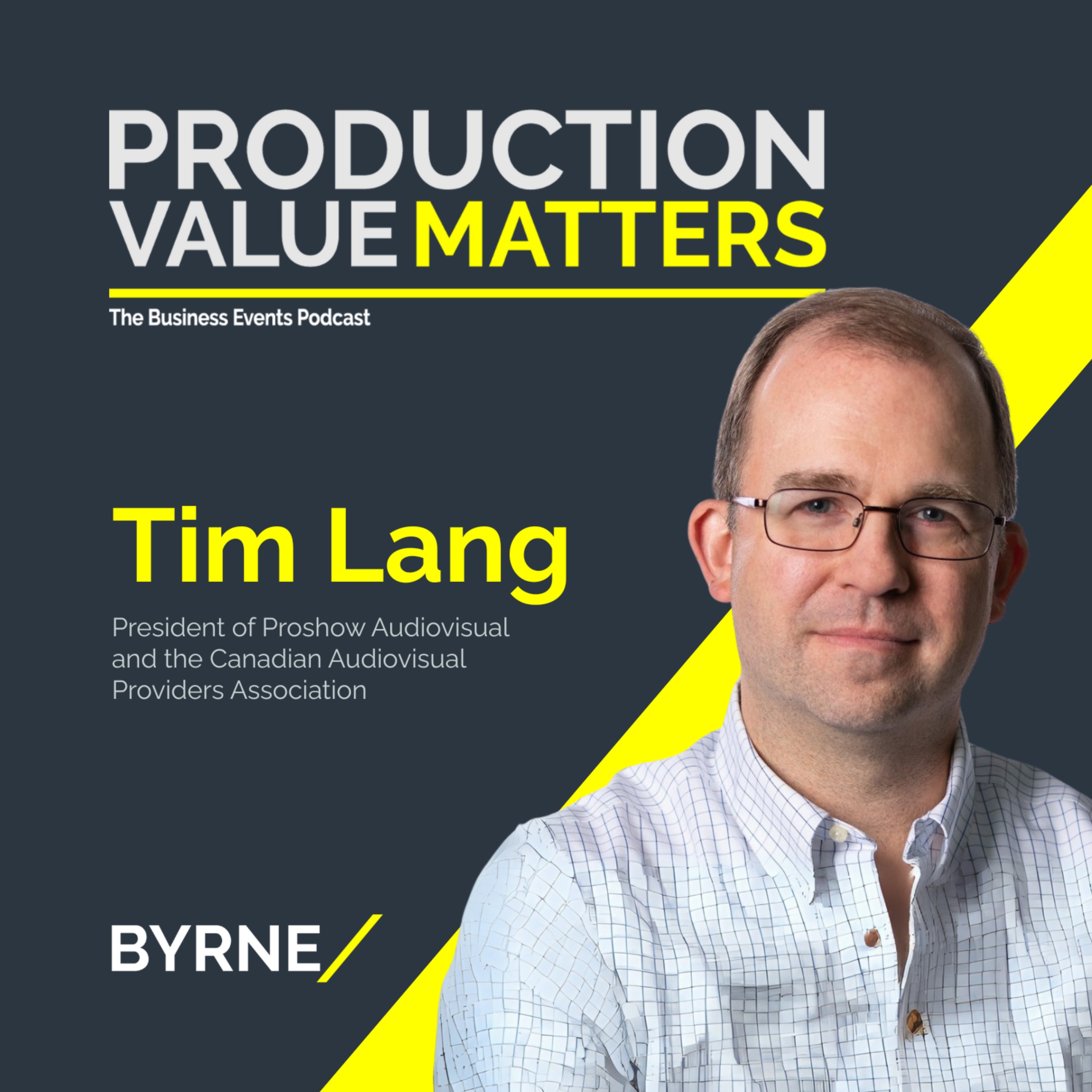 The Truth About AV Monopolies: Do Event Planners Really Have a Choice? with Tim Lang, President of Proshow AV70 / 100
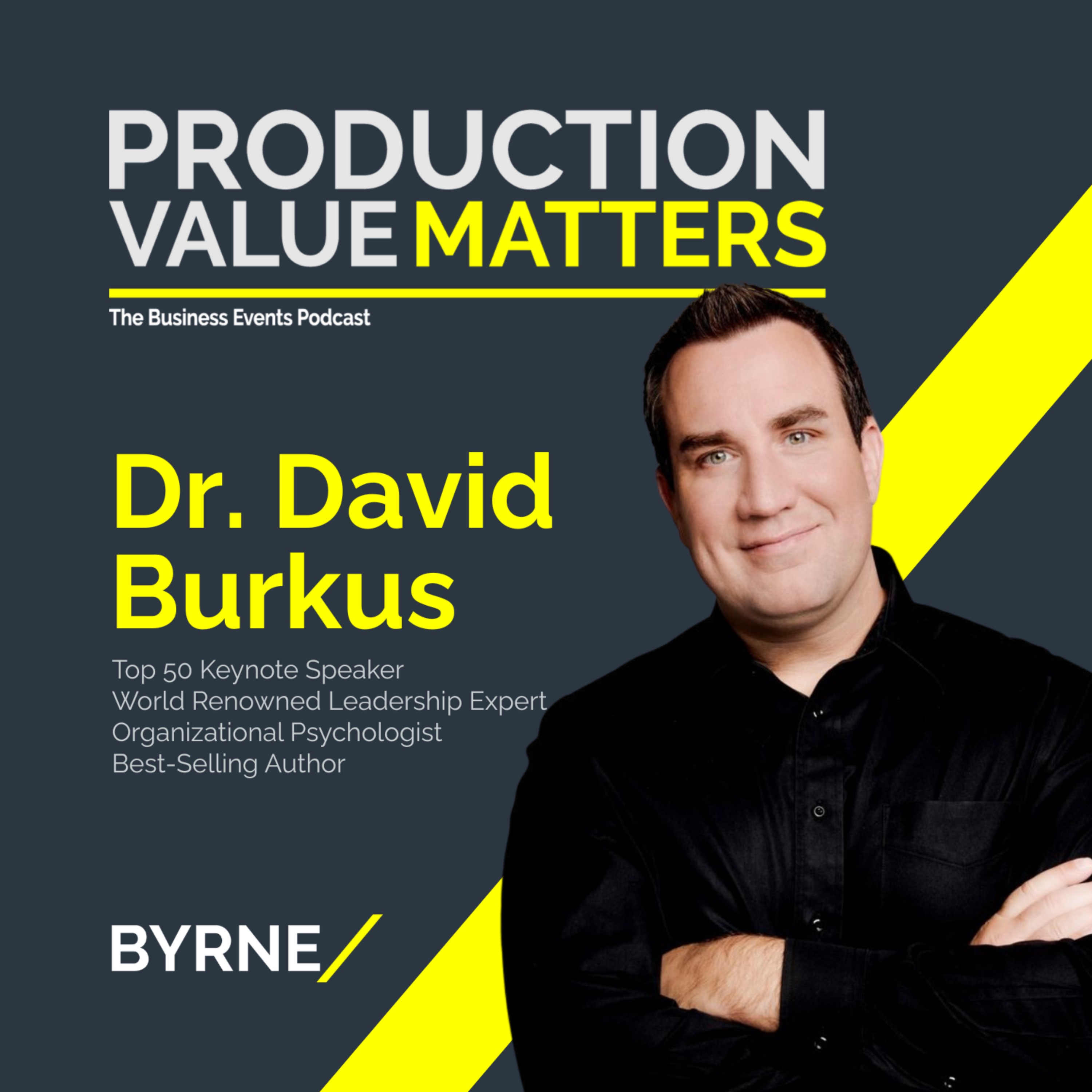 The Evolution Of The Event Team: How To Thrive On Tighter Budgets in 2025 with Dr. David Burkus65 / 100
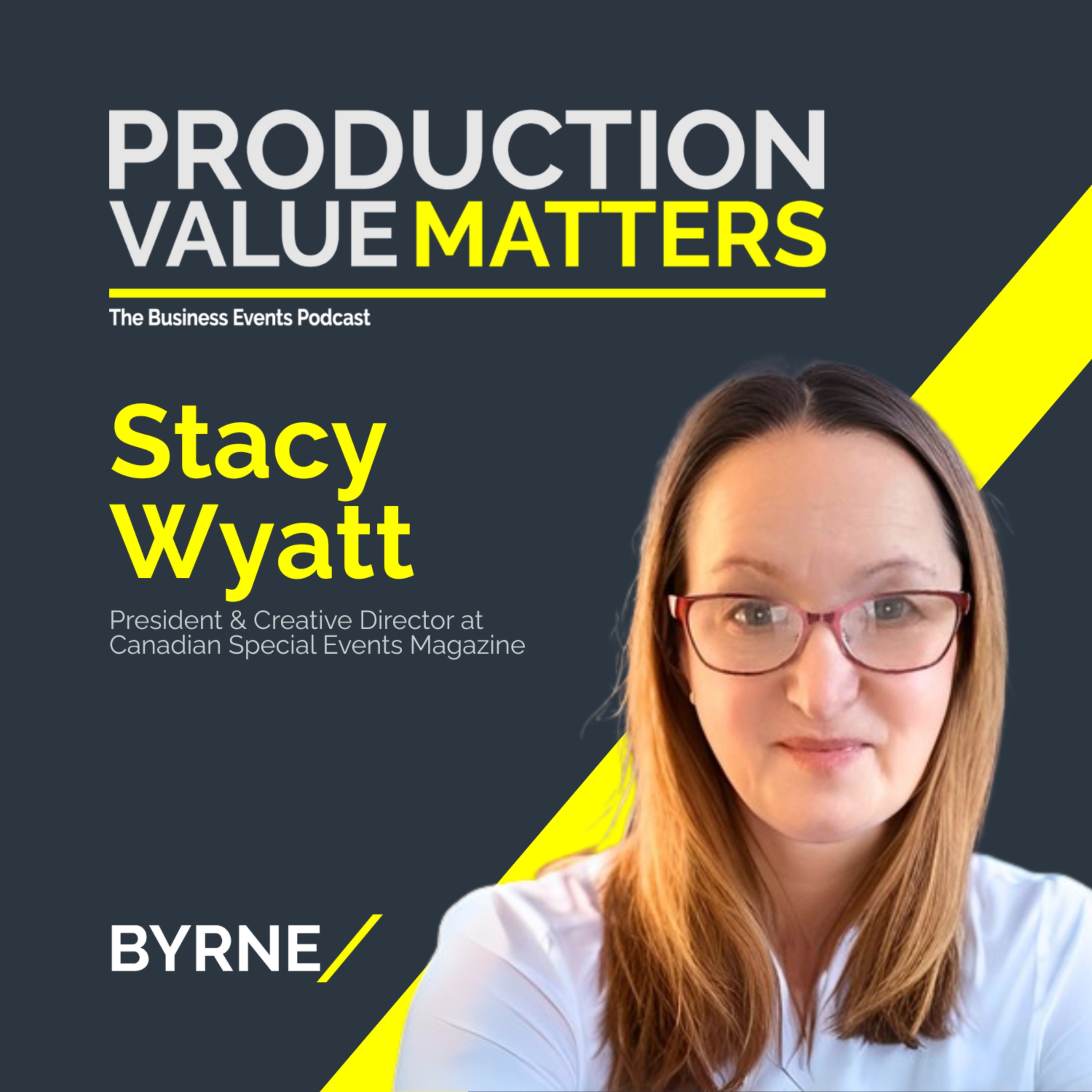 Fixing a $3.6 Trillion Industry: Why Event Pros Must Unite with Stacy Wyatt62 / 100
 On Show Floor at CMEE: ROI vs. Regrets in Event Production52 / 100
 The Collapse of Colbert: Can Your Event Survive the Attention Economy?62 / 100