Next Level Careers Powered by San Manuel · 2026-04-08 · 45 min
Key moments - from our scoring
Substance score
35 / 100
Five dimensions, 20 points each
Allison Salotti has spent over a decade at what is now Yuhaaviatam of San Manuel Nation, rising from a marketing specialist to director of marketing services overseeing a creative department that serves as an internal agency for multiple tribal assets including Yamaba, the Palms, and the San Manuel Nation itself. Her department manages graphic designers, interactive designers, photographers, videographers, and a production team that handles all creative traffic and vendor management. Salotti emphasizes transparency and the importance of explaining the "why" behind creative decisions to empower her team, while maintaining a solution-oriented mindset rather than defaulting to "no." On AI adoption, she advocates for using it as a support tool rather than a replacement for human creativity, warning against over-reliance in the creative industry. Her leadership philosophy, shaped by early team sports experiences and mentorship from challenging leaders, centers on building trust, actively listening across the organization, and delegating without micromanaging. She credits relationship-building and connecting with people across the enterprise as crucial to staying innovative in the fast-moving marketing landscape.
It functions as an internal creative agency serving multiple tribal assets, with teams of graphic designers, interactive designers, photographers, videographers, and production staff that handle all creative work, traffic coordination with vendors, and project management through account executives.
AI should be used as a support tool to work faster, not as a crutch that replaces human creativity and decision-making; it still requires human judgment and refinement to hit the mark correctly.
Being solution-oriented rather than saying no: instead of rejecting an idea outright, she presents viable alternatives that accomplish the ultimate goal, which builds trust and encourages teams to bring ideas forward.
She actively listens to people across the organization and industry to understand their perspectives and what's important to them, then researches topics that emerge from those conversations rather than just reading marketing publications.
Her background in team sports taught her that leaders should support their team and trust people to do their jobs without micromanaging, rather than viewing themselves as sole decision-makers.
Our reviewer’s read on each dimension, with quotes from the episode.
The episode consists primarily of generic leadership platitudes (build relationships, communicate, listen, be adaptable, be solution-oriented) that are widely circulated in business culture. While Salotti shares some personal career anecdotes, there are few novel or non-obvious insights about marketing strategy, organizational dynamics, or B2B operations that would meaningfully educate a marketing operator or founder.
not being a no person and being a solution based person
making sure people know the why behind why we're doing things
The thinking is entirely conventional: leadership through trust, transparency, and listening; mentorship matters; adaptability is valuable; marketing is broad. No contrarian views, first-principles arguments, or counterintuitive frameworks emerge. The AI commentary amounts to 'use it as a tool, not a replacement' - a widely held middle-ground position without fresh perspective.
I try to be as transparent as possible
building that trust and building relationships really empowers them
Salotti is a legitimate operator with 12 years at a tribal casino enterprise, progressing from specialist to director of a creative services department. She has meaningful P&L responsibility and oversees multiple teams (designers, videographers, producers, project managers). However, she is an internal employee being interviewed by a colleague at the same organization, not an external guest, and her scale of impact is limited to a single casino's marketing services, not a company or industry transformation.
I was in marketing as a specialist. Worked my way into database marketing for a long time
director of marketing services
The episode contains almost no concrete examples, metrics, timelines, or measurable outcomes. Salotti references her own career milestones (started at the casino 12 years ago, was in database marketing for 9 years) but provides no data on campaign performance, budget, headcount decisions, or business impact. She mentions AI but gives no specific tools, use cases, or results. The anecdotes are personal but lack the specificity needed for a B2B operator to extract actionable lessons.
I was in database marketing for almost nine years
this was about, it'll be 12 years ago in July
The host asks reasonable open-ended questions and allows Salotti space to answer, but rarely probes deeper, challenges claims, or pushes for specifics. Most exchanges are soft affirmations rather than genuine follow-ups. For example, when Salotti mentions AI, the host doesn't ask what specific tools she's tested, what failed, or what metrics guided adoption. When she mentions the rejected promotion, the host sympathizes rather than interrogating what she missed or how she objectively validated her readiness afterward.
And I think sometimes as a leader, it's the asking the questions
Well, I think that's so important because even being on the receiving side
Computed from the transcript - who did the talking, and the words that came up most.
Allison Salotti, Director of Marketing Services at Yuhaaviatam of San Manuel Nation, joins the Next Level Careers podcast to share insights on leadership, creativity, and career growth. Allison walks through her journey from athletics into marketing, her progression within the enterprise, and the lessons learned from career pivots, mentorship, and moments of professional challenge. She discusses how transparency empowers creative teams, why relationship building matters at every stage of a career, and how being solution-oriented drives long‑term success. Listeners will walk away with practical advice on leading with trust, staying adaptable, and continuing to learn while navigating growth opportunities.
Transcribed and scored by The B2B Podcast Index.
Speaker A: Welcome to the Next Level podcast, powered by San Manuel, a series connecting you with the best minds in casino hospitality, tribal government and beyond. Enjoy the show.
Speaker B: Hello. Today we have Allison Saladi, our director of marketing services joining us for Next Level. Welcome Allison.
Speaker C: Thank you for having me. Of course.
Speaker B: Been a long time in the making. So, as you know, we always start this podcast with three minute origin story. Where you grew up, your interests, career path, and what got you to where you're at today. Sure.
Speaker C: So I grew up in Orcutt, California, which is about an hour north of Santa Barbara, just outside of Santa Maria. I played sports growing up, so I was heavily into soccer. I was a gymnast even though I was 5 10. So that career didn't last very long. Um, and then I eventually made my way into playing volleyball. Um, that led me to go to the University of La Verne. And I played volleyball for the University of La Verne. Um, so I made my way down to the, to Southern California. Um, from there I worked right out of college for a minor league baseball team. It was my internship out of college. And then I got hired on full time. So I, I was there for three seasons. I was with the Rancho Cucamonga Quakes. Um, and then, um, the company got bought out and we all got let go. So I decided to go back to school. I went back to the University of La Verne, um, and I got my, uh, my MBA with an emphasis in marketing. And then I worked on campus for a grant. And um, it was a five year grant. So I knew that there was an end to that. So I started to look for other jobs. And while I was coaching club volleyball, I ran into somebody that was in HR for um, what was Samuel Casino at the time is now Yamava. Um, and she said, we're hiring for marketing. So I looked into it and I made my way to the casino. So I got hired on. This was about, it'll be 12 years ago in July. So it's about, um, 11 and a half years ago. And I was in marketing as a specialist. Worked my way into database marketing for a long time. Took a little pivot to casino, uh, communications, executive communications, where we got to work together. Where we got to work together. And then, um, I'm now on the brand marketing team as the director of marketing services.
Speaker B: Nice. They have a diverse, um, background. And from sports to marketing, what actually made you pursue the degree in marketing? Was there a pivotal moment that made you think like, this is a trajectory I want to take.
Speaker C: So I was really into creative, um, during my undergrad I was a communications multimedia major. I was really into graphic design and um, I was also into photography. I'd still dabble here and there, but, um, I think I realized that I was too curious about the why. And so as I was utilizing those skills in, you know, early on in my career, I realized I really wanted to understand the strategy behind why we were creating what we were creating. Um, so I wouldn't say there was like one defining moment. I think my curiosity kind of just dropped. Drove me it naturally into that more of the marketing on the business side of everything. And so, um, with, with that I, I definitely went a little bit further away from creative than I thought I would. I was in database marketing for almost nine years, so I was on the data side. Um, and then, you know, everything happens for a reason. And now I'm back overseeing a creative team. So it was very, very much full circle. But I think there was just a natural progression based off of my curiosity and wanting to learn the why behind why we do things.
Speaker B: So I have two questions. I'm going to start with the first one being, um, can you tell us a little bit about what marketing services looks like the departments are, sorry, the areas that your department oversees, um, and how that plays into the big picture for both Yamabad and the Salmon Old Nation. Sure.
Speaker C: So my department is brand marketing. And um, mine for marketing services specifically has all of our graphic designers, our Interact Active designers, um, uh, our photographers, our videographers. And then we also have a production team. So they take everything that's created and works with our vendors, traffics all of our creative, um, and then we have a whole team of our account executives which are project managers for all the accounts. And so we service. We are considered a shared values department. So we do creative for Yamaha, for the Palms, um, for ah, Yahavya Tom of uh, Samuel Nation, for all of their tribal, um, assets that they need. And then, um, we also are starting to work with Monarch and uh, uh, Waldorf. So um, we basically are that internal agency that um, services all of the different tribal assets.
Speaker B: And I know earlier you said like creativity was huge for you and your paths, right? How do you, within your work environment, create that creative environment, um, and make people feel empowered to do their best work and also think from a strategic lens at the same time.
Speaker C: So what I've learned is making sure people know the why behind why we're doing things right. And so I try to be as transparent as possible, um, when it's available to do that. Um, so that even as a creative, if they know the why behind it, the creativity tends to fall naturally because they're understanding the reason why they're creating what they're doing. And so with that, I think also staying open to, um, new ideas from them and building that trust really empowers them to, to do well, but also, you know, talk to their leadership and bring ideas for things because they're understanding why we're doing it. So I do think that by, by building that trust and building, you know, keeping that transparency, it helps the team be really successful.
Speaker B: I definitely agree. I think it's the, uh, explaining the why and the trust that really helps people think outside the box and feel comfortable doing so and not, um, being judged and understanding. Some of their ideas may stick and others may not, but it's just getting those creative juices going in that curiosity. So.
Speaker C: Definitely. And I want people to think outside the box. I want them to bring our crazy, like, craziest ideas because you just never know what actually will stick, because sometimes it's those ideas that are what, what we end up running with.
Speaker B: And speaking of, um, just crazy ideas, there's so many different trends and things going on, um, in the world, especially in the marketing world. What has captured your attention recently and why?
Speaker C: So I'm gonna use the buzzword words if you will, but, um, AI is huge. Right. And I think that there are a lot of benefits to, to AI and everyone dabbles with it in their own way. Um, but I do believe that it's more of a support, not something that gives you your final outcome. It helps you get there, maybe quicker. But I do see this trend of utilizing it in a way that replaces instead of supports, and it's not the best way to go about it. I've learned, especially in the creative world, you still have to have, you know, somebody element. That human element. Yeah. And I think that, you know, there are some great tools out there that are considered AI tools that I want people to use, but I also don't want AI to be used as such a crutch that it's replacing the things that we're doing because it doesn't quite hit the mark every time. Right. You have to have that human touch. So it's definitely a shift that we all have to adapt to, but also educate people on with, like, how to utilize it correctly so that, you know, we don't get ourselves into a bind with something that doesn't really make sense.
Speaker B: No, that, that's understandable. Um, how do you also Personally and with your team, stay innovative in an industry that continually evolves so fast.
Speaker C: Yeah. So I think for me, I'm not one that goes out and reads all of these things about what's going on in the world. Uh, as far as like, what's next in marketing, I just am like a big listener. I like listening to everybody's experiences because you never know. Everybody has a different perspective on what's going on. And if you're listening to them, you're understanding what's important to them. Right. And so if you're constantly just actively listening and paying attention, sometimes being a fly on the wall on conversations and in a way that you're like, oh, I would have never thought about that way, or I didn't know people were interested in that. And then I'll go down that rabbit hole of researching what they're talking about. Um, but really interacting with people, building those relationships and talking and understanding what people find important, I think is what's really helped me stay on top of what's new and exciting right now.
Speaker B: Well, I think it goes all back to like even speaking on AI, like we still need that human element, those experiences, those moments that people are going to remember and that is really going to move the mark in whatever we're doing. So definitely, um, shifting gears a little bit, what's a lesson from early in your career that still guides your decision making today?
Speaker C: So I think the one that really sticks with me is not being a no person, being a solution based person. Um, I don't want, you know, to come into something and, and go, oh, we can't do that but not give anything else behind it. Right. And so, um, I think I, you know, I had leadership that taught me that early on and I felt like it was such a key to my success within my career because instead of coming in with a problem or, uh, we can't do this, I'd say, okay, so this isn't possible, but we can accomplish X, Y and Z. And I've really tried to also hone that in with my own team just to understand, like, let's come up with solutions. It might not be exactly what everybody thought it would be, but we can come up with a happy medium that gets us to the ultimate goal. So I would say don't be a no. Like not being a no person and being a solution based person, I think that's something that stuck with me.
Speaker B: No. And I think that's so important because even being on the receiving side sometimes of that, I think when you come in automatically with a no and not the solution. People shut down, they're not listening and, and they don't want to come to you next time. Right. So it's creating that relationship, um, and like problem solving and brainstorming together sometimes that really helps. Um, everyone kind of go back to thinking outside the box and coming up with new ideas. We challenge one another by being able to do so. Right.
Speaker C: Which also builds trust. Right. And so if they trust that they can bring you an idea and you can execute it in some way because you're like, okay, maybe, maybe the pie in the sky wasn't, wasn't able to be done. But like, she brought this, like, there's a trust that gets built and those relationships really get built in a good way.
Speaker B: And speaking of relationships, um, who were the people that made the biggest impact on your professional journey? And what exactly did they teach you? What are those little nuggets you learned along the way?
Speaker C: So someone, I had a director who then became my VP early on and, and she was, she was tough, but like, in a good way. I felt like she challenged me quite a bit and it really helped me expand my knowledge and not be so narrow minded about what I was doing because she was constantly challenging me. But I, I go back to that. Not being a no person. She was also the one that really, I vividly remember walking into, walking into her office and I was like, oh no, this happened. And she goes, so what are you going to do about it? And I'm like, that's a great question. And so the next time I went in, I was like, hey, this happened, but we're doing this, this and this. And she's like, see? And so I felt like her constantly challenging me to think outside the box and be more strategic with how I was approaching a situation was really key early on in my career. I definitely like it. It's something I look back on and every time somebody asks me about it, like, I think about her and how that challenge really helped me rise above it and like, become more strategic in how I approach things.
Speaker B: And I think sometimes as a leader, um, it's the asking the questions and you help, um, help others find the answer by just asking the questions that they start thinking and then the answer is right in front of them. But they just need to be guided.
Speaker C: Yeah, I just had that conversation the other day. I was like, I'm asking questions because I know you can get there. Like, I don't want to always give you the answer because I don't always have the Answer. Sometimes me asking the questions helps prompt both of them. Both of us.
Speaker B: Right. So. Yeah. Yeah, definitely. Um, how has mentorship, either formal or informal, played a role in your development? And what are your thoughts on being a mentor to other people?
Speaker C: M. So I've never really had somebody I've said is like my formal mentor. I definitely think that building relationships with different people, um, is. Has been key in my career. I do think that different people throughout my career have been able to help guide me in different ways. And I've leaned on them in different situations based. Sometimes it's within my vertical, sometimes it's a completely different outside perspective. And so I still consider those mentorships, if you will, because I think that having those outside perspectives or having the perspective within your own. Your own vertical is key in certain. In those situations. And so, um, having people that you trust to be open and honest with and really brainstorm with or, you know, come with, you know, wanting advice. I do think it's really important to have those people in your life. And then in the opposite end, I really enjoy when, you know, people come to me and are really looking for that. Um, I. I feel like their wins are my wins in those moments because, um, you know, I get to see them grow. So it's been really awesome to get to this point in my career. And even people that I, you know, maybe I was a leader for, I was their leader, like, years ago, they'll still pop in and come and talk to me. And I feel like those moments. I'm so grateful for that, that we've been able to build that, and I've been able to help get them to their, you know, help help them grow, if you will.
Speaker B: Yeah, and you touched on relationship building. And I think that whether it's, um, in your current department or any departments here, I think just the relationship building on any level is so crucial because, um, a large part of our, um, organization and our success is from collaborating really, with other people and building those relationships either, um, with our internal stakeholders or, even, um, with our partners and vendors. Right. The relationship building is huge.
Speaker C: Oh, yeah. I think, um, one of the things I'm really grateful for, and not to completely take this in another direction, but, you know, when I went into, um, casino executive comms, you know, it was a completely different lane for me, but it actually really opened up this, um, the door for me to interact with more people across the enterprise. And I'm so grateful for that experience because I now have relationships with people and other departments that I would have never had before. And it's even helped me now coming back, you know, into this brand marketing role with um, having those connections and being able to like call food and beverage for these and, and they know me and I know them and, and it's just, it, it's really, those relationships really matter and I, I'm so grateful for that for sure.
Speaker B: And you just mentioned that, you know, you went into new roles. Right? Um, and like the executive comms was outside your trajectory and pattern. You probably were thinking about. But no matter where you've been and what roles you've had, what principles have helped guide you along your journey, I
Speaker C: would say, um, really just being adaptable to different personalities, different environments, being open to new things, um, that's really helped me. I, I go back to, you know, really soaking in and listening to the people around you, understanding the goals of your role or for your department. I, I, I think that, you know, and I learned that a lot in that transition because I had been in the same department for almost nine years that you know, it was, you know, it was, I was, it was uncomfortable. Right? You're, you're so used to your usual day in and day out that being uncomfortable was probably the best thing. But really listening to people and soaking in what they're saying and understanding how you can support them, um, is really like something that I feel like you have to do when you go into that new role. I do think, um, making those transitions is hard and also knowing where the people that you're working with need the support right away. So that's something. As I transition back, I really wanted to me or back into marketing, but into brand. I, I met with everybody, I talked to everybody. I wanted to understand, you know, what their goals were and how they felt they needed leadership and support. So actively listening is a really big thing and then communicating really well. But I think that uh, adapting to your environment and being able to listen and actively listen is huge.
Speaker B: And I think like no matter what you're doing, just the, um, with our organization at moving so fast, you have to really take the time and connect with your people because the power of connection, um, is so huge. Especially um, when we're having to be flexible and pivot and you know, really come up with these new ideas to stay ahead. Um, listening and meeting with folks is so crucial.
Speaker C: Agreed. I completely agree.
Speaker B: Is there any habits that you have outside of listening that have helped you transition, um, in your different phases?
Speaker C: Um, yeah, I always joke. I'm really chatty.
Speaker B: A couple times,
Speaker C: honestly. Um, I, I do have to remember sometimes our situations where like, I don't need to be the one talking. And so I've, I've gotten so much better at that. But honestly, I, um, I like making people feel comfortable. I've always been like that since I was a kid. I want, I don't want people to feel awkward. I don't want. So I, I naturally just talk to people and find common ground that, um, I've, I've just kind of naturally progressed into making people feel comfortable and, and I, I pride myself in that. I, I never really meant to be that person, but I realized over time I'm like, wow, people do like to just come and talk to me and, and they're comfortable. And I think like, when you build that, it goes back to building trust and. Right. And they're, they know I'm listening to them. And so, um, I would say being chatty has really helped me, but really finding that common ground has been helpful.
Speaker B: And I think it's. It even beyond like being chatty, I say it that way, but I just
Speaker C: like talking and interacting and really developing like, relationships with people.
Speaker B: And that's what I was going to say. I think it all comes back to people feeling comfortable coming to talk to you. It is building that trust because that's, uh, sometimes how you identify issues that you didn't even know existed. And then you can help kind of help other people's voices be heard and be on the resolving side so that we can move past whatever may be going on and go in the right direction and work together and form bonds. It's so, it's so important, especially when you're in a creative environment because you want people to have that trust, that comfortability, to kind of stretch their thinking and, you know, just whiteboard and come up with different, different things.
Speaker C: Oh, yeah, definitely.
Speaker B: Um, what belief about leadership have you evolved the most over the past 10 years and has. And what has influenced that shift? Um,
Speaker C: so I think like, early on in my career I just had this idea like my leaders were the decision makers. I was support. But I think really it comes down to that we're all a team. And so I, I've been in team environments my entire life, from sports to now. And yeah, I think, um, where I've really evolved is, you know, uh, trusting that, you know, you have people in positions that are good at their jobs, they can do their jobs. I want to support them without micromanaging them. And so I think it's kind of evolved from feeling like, oh, they're just the decision makers to know. They're the support. Right. Like, I'm, I'm supporting you. I don't have to tell you how to do your job every day. I think, you know, people are, are great at what they do, and it's really trusting them to come to me when there's a problem or being able to notice when there's a problem and jump in and help but, but not micromanage in that moment. And so, um, it's definitely evolved. My thought, you know, before, when I was in, you know, early was, you know, oh, I got to run everything by them, and they have to, they make the decisions and all this stuff. And it's really more of a team environment. We're all working together for that ultimate
Speaker B: goal, and I think it's being able to delegate and then just kind of sit back and people coming to you with the questions and you helping to figure out the answers, or if they do make a mistake along the way, it's helping them learn from that, learn from that and just continually improve. Right?
Speaker C: Yeah. I never want people to feel like they can't make mistakes. That's been something. I, I, I used to worry about it even, even as a young kid. I'm like, I have to have good grades. I don't want to make a mistake. Yes. Uh, and that was just the pressure I put on myself. But really, like, that's how we learn. Right. And so I definitely want people to feel comfortable, uh, that it's, it's okay when it happens and we learn from it and, and grow.
Speaker B: We'll get through it together.
Speaker C: We'll get through it together. Yeah.
Speaker B: It goes all back to that team, team dynamic. Right.
Speaker C: Definitely.
Speaker B: Um, looking back across your career, what experiences most shaped your personal philosophy as a leader and marketer?
Speaker C: Um, experiences. I mean, I definitely, I've kind of answered this a little bit, but it's really, I go back to being in a team environment that, um, being part of a team really early on in my life, I mean, I was in soccer at 5 years old, you know, and so it's like, I've always had this idea that you, you can lean on your team and, and, and, you know, your coaches are your leaders. Right. But they're trusting you to do your thing. And so, and I've coached before, you know, and so I think just those influences, moving into my career and, and keeping that as, like, the top of mind that, you know, not one person should be doing everything. It's, it's, you know, to Your point? Delegating and making sure everyone feels empowered to make decisions where they can and. And do their job well and praise them when they do it. I think that's all just kind of naturally gotten me to where. How I lead today.
Speaker B: Was there a defining moment in your career that gave you confidence in your ability to lead at a higher level?
Speaker C: Yeah, I think it's when people started to come to me as more of a mentor. I definitely think that, um, when that transition started to happen, and, I mean, people just naturally started to ask me for advice or want to talk about career growth, it started to form in my mind. I'm like, I. I'm ready for that, right? I'm ready to lead at a higher level and help other people grow. Um, I think there was some defining moments that were harder than others, right? Like, not getting a leadership role when I thought I was ready. That definitely feeds into it. And so I think in that moment where it was one of the harder things to go through, I learned so much from it and realized where I still needed to grow. And so I do think that that was a little bit of a defining moment. It felt negative at the time. I think it was one of the best things that happened to me in my career to get me on the right path of where I really was supposed to be. But I. I would say those two moments, right, that when people came to m. Me, started asking me for help with career growth and then going through a little bit of a. A harder transition when I thought I was ready for something and I didn't get the position. And so then where do you. Where do you go from there?
Speaker B: Right. Well, I think, like, in that example that you gave, I think that the. What makes you different and really helped you is in our. In moments like that, um, instead of dwelling and going on a negative path, is seeking the opportunity from that and then going outside out and challenging yourself, right? So that when that opportunity, when the role comes up next time, you're ready for it, right? Uh, yeah. So I think that's the huge thing. I think sometimes people dwell instead of thinking, like, what can I do? And empowering themselves.
Speaker C: So I think in that moment, I definitely. I looked at it and I said, okay, there was something I was missing. So what. What is it that I can do to get myself ready the next time? And then, you know, being with Yama at the time, it was. We were growing with a lot of different things that were happening, so I was just inserting myself into projects and really, like, expanding my knowledge I'm like, you know what? I want to learn everything I possibly can. And that way, the next time I've expanded, I've worked on things, and I just took it as, like a challenge. I'm like, all right, next time I'm going to learn whatever I can. I'm going to be ready. I'm going to, you know, have every check all the boxes that they feel like I need. And, and I wanted to. I. And I, I was so happy to do it. So, yeah, not dwelling was definitely key. Key to moving through it.
Speaker B: And speaking of just roles and opportunities and interviews and things like that, when you're looking, um, for someone to fill a role in your department, what are the key things that you're looking for? Um, the characteristics in, in that person.
Speaker C: Um, I definitely want somebody that, um, knows how they learn. So I know that sounds, um, a little bit odd, but if you know how you learn, then you can be taught almost anything in my mind. So I think that, you know, if I come to you and I say, you know, if I'm giving you a new program, you know what, how do you prefer to learn that program? And they have, like, a good, you know, detailed answer. I think that's key, especially at some of these, you know, in some of these positions where you, you're not expected to know everything coming in. Right. I want, but I. And we're okay with teaching and so, um, knowing how they learn. Somebody who wants to collaborate, I think collaboration is key, um, to honestly being successful across the board. We have so many things going on at all times, and collaborating and communicating are definitely at the top of what I'm looking for. Um, communicating is huge. I think we should over communicate more than under communicate.
Speaker B: Right.
Speaker C: And I think sometimes you feel like you're communicating well and you're like, why isn't this happening? It's like you really didn't communicate everything. Right. And I think in those moments when I'm looking for it, I want somebody that, you know, knows how they learn, knows how to communicate, is, you know, excited to collaborate with others and really be a team player.
Speaker B: Nice. Okay, shifting gears a little bit. What has been your most meaningful professional challenge and what did you learn about yourself through it?
Speaker C: Yeah, that, that definitely goes back to not getting a director position when I thought I was ready for it. Um, and, and to be completely honest, um, I, I definitely thought I was ready. I understood why I didn't get it. And now I look back and I wasn't supposed to. Like, I look back at my career from then on. And it really allowed me to open my mind into, like, where I really wanted to be in marketing, which, full circle, put me back into more of the creative role. Um, and I think that in the moment, it was a hard thing to go through, but when I look back on my career, I made a pivot to the communications side that I didn't think was something I would do. And that really helped hone in some, some skills and some strategy that I was missing and then really allowed me to make my way back onto the creative side and in brand marketing, bring that strategy that, um, I feel like I could bring to the table. And so it was not great that, you know, in the beginning when I was like, ah, I don't understand and, and you know, to what I said earlier, I just wanted to learn more and, you know, expand my knowledge so that it wasn't ever going to be, um, you know, something I was worried about. I wanted to be ready. And so it was. And when it came out, like, when this position opened up that I'm in now, I was like, this is where I'm supposed to be. I was so excited. And it all happens for a reason.
Speaker B: So, speaking of excitement and happiness, what. What has been your biggest accomplishment personally, and then also your most memorable moment in your journey here at enterprise level?
Speaker C: Oh, happiest moment personally, I think. Um, on a personal level, you know, when, um, before my husband and I got married, we were able to, you know, buy a house and really be in a better place, I, uh, felt like I was like, adulting and it felt very good to make some of these big milestones that, you know. You know, when you buy your first car.
Speaker B: Right.
Speaker C: It's like those kinds of milestones, but, like, really having my house and, And a home for my husband and I and our dogs, like, it felt so. I don't know, it was like such a happy moment, you know, and I felt like, wow, like we're, we're solid and, and we're able to provide. And knowing that I was able to help provide for our family was. And have that as like a big milestone was huge. Um, professionally, uh, I definitely think getting my current role was like, felt so good. I, I've always felt good getting a new role, but this one, I definitely felt like this is where I'm supposed to be. And you know, I. When we. I first started with the company, I. I was. Marketing was so broad. It was like one big department. And so I was working with a lot of people that I'm now working with again in that full circle moment and really being on the creative side, I just, it, it felt like coming home in like a weird way. But, um, that was, this has probably been one of the best, the best moments.
Speaker B: I love it. When you look ahead, what type of impact do you hope your leadership has on people, on brands or on the industry?
Speaker C: Um, so of course I want to make an impact on the enterprise and, and you know, the decisions I make and along the way. But I think that people are the most important in my mind and I want, you know, I want to look back on my career and I want people to, you know, look at me as a leader in a positive way and that they were able to learn and, and grow for me and feel like I was supporting them. Um, I do think, you know, we're, we're molding the, the next generation of leaders and I, I find where I find joy is when people that I'm leading are growing and, and learning. I, I, I definitely lean in on, on the people side of that. I want to make an impact, a positive impact on the people.
Speaker B: Love it. Um, what's personality trait you've had since childhood that still shows up in your leadership today?
Speaker C: My ability to talk to pretty much anybody.
Speaker B: I know you're like ability to work in a team because you've been playing sports since you were five, right? Yeah, you just got a little bit
Speaker C: earlier and it's something I've always adapted well. I've always been somebody who adapts to an environment pretty well. Even if it's outside of my comfort zone. I'm gonna find something that I can adapt to. And so, um, it goes back to that team environment. You know, early on you deal with a lot of different personalities. You're on a team, everybody's a little bit different. And yeah, yeah, you gotta work together to like win a game. Right. And so. Right. Um, I think that that translates into
Speaker B: now and, and the competition side of it too, because I feel like, you know, someone's gunning for your position or you're playing this other team. And so that all comes back to here in the environment that we're in. You know, there's competition, there's threats, and you gotta always stay one step ahead.
Speaker C: I'm, um, I'm definitely competitive. I think I'm like a hidden person. Like more people know now that I try to hide how competitive I can be because I like, I'm that person that if I go to the gym, I'm probably competing with the person next to Me and they have no idea. But in general, that's what keeps me moving. Right. It's like, motivates me to be better. So I, I take it as a positive. But definitely that competitive spirit lives in me forever.
Speaker B: Uh, if you weren't in marketing, what completely different career do you think you would have chosen other than being a professional, you know, volleyball player?
Speaker C: Um, I would own a farm with a lot of different animals.
Speaker B: What would some of those animals be?
Speaker C: I definitely want some mini cows, some mini highland cows. I'm gonna say a fluffy cow, mini big size, all of the cows in between. Um, I want a variety of animals. I think I would, um, I'd probably end up making a business out of it. So marketing would probably all come back. But, um, I definitely would have every animal you could think of. Farm animal probably. And, um, a lot of dogs on a lot of land. And I turn it into some kind of like event place so that I could profit off of the love of being on a farm.
Speaker B: Nice. Okay, I'm gonna ask you some personal rapid fire questions. What everyday activity brings you a sense of calm or resets your energy?
Speaker C: Um, so I do like to read. I, um, don't know if I do it daily, but that definitely kind of takes me out of my day to day and puts me into a world that's different and kind of calms me to a different place. Also, um, we don't get to do this every day. We try to, but, um, my husband and I kind of get home before dinner, so we both try to take at least 30 minutes to have dinner together. I try not to be looking at my phone, just kind of be in the moment. Um, I mean, we're all on our phones all the time and we're looking at screens and so, um, definitely finding that. That calm and that disconnect for. Even if it's just for a little bit to, you know, connect with, with your people. Right. And so I try to do that daily for sure.
Speaker B: I think that's been, uh, I've talked to a couple people that been top of mind is just being intentional with our time. Sometimes putting our phones down, not having the TV on, really having those. We talk about how the power of communication and building relationships is important on work and leadership environment. But I think it also goes into our personal life. Right. We need to take a moment to connect with people, whether it's people that we love or, you know, forming new relationships and telling them about Yamava, whatever it may be.
Speaker C: I agree.
Speaker B: Where would your ideal vacation Be.
Speaker C: So I've never been to Europe. Um, I do think I have a lot of family that lives in Germany. Um, and I have kind of an obsession with castles. So I feel like, um, I want to go to Germany. I also want to go to Italy. But, um, I think going over to Europe, kind of making a big trip out of it, hitting up the castles. I want to see, um, tapping into my hobby of photography, um, and just explore. I love the idea of exploring a new place and then connecting with family that I haven't really either met or seen in a long time.
Speaker B: And then, you know, you can go off the Amalfi coast. I know you like being in the water and on the boat, so you can check that off too.
Speaker C: I can't. Yes. I was actually looking at, like, the boat. The cruises that go through the rivers. Oh, yeah. I was like, I could get behind that as well.
Speaker B: Um, favorite music?
Speaker C: Country. I am a country girl. I do love some good country music, but I love a little bit of everything. I, um. That's my favorite. I think those are my favorite kind of concerts to go to. It's just a really fun environment. But, you know, at any given time, I can have, you know, 2000s hip hop on. I could have, like, 90s rock. Like, I. I do like music in general. Um, but if I had to pick one, it would be. It would be country for sure.
Speaker B: And then what's something that's on your bucket list?
Speaker A: Ooh,
Speaker C: my bucket list? Um, probably the trip to Italy. I do wanna. I wanna make sure. Yeah. I mean, I say Germany is like, the ideal trip, but there's something about Italy that I'm very fascinated with. And I think, like, that's. That's. That's on the bucket list for sure.
Speaker B: And then I'm gonna. I'm trying to figure out how to phrase this. When you're not at work and you have your marketing lens on still, what things do you look for and what captures your eyes when you're out in the real world? If that makes sense.
Speaker C: Yeah. Um, it's. I never turn it off. I think that everything I look at, I look at from, like, a marketing point of view. So if we're driving, I'm looking at all of the billboards, right? Yeah, yeah. I'm looking at the fonts they use. Why did they use that? I can't see it. Right. I'm looking at, you know, if we're at a baseball game and you get like, the. The, uh, the book. Right. Like, what's going on? That Day I'm looking at their ads, like, how did, how did they set up? Oh, that's a good ad, right? Like, oh, they did good photography for that. So I think it's constantly, you know, top of mind as I'm, as I'm going through daily life, sometimes I send pictures to people that I work with. I'm like, oh, this was a good one. Like, this is a great idea. But, um, I think you just never turn it off. Really? Yeah.
Speaker B: No, I would agree. Even, like, from a communication perspective, when I'm like, just looking at presentations or copy, I'm like picking like the things at the things that other people wouldn't even notice. Um, for some, for someone who's considering a career in marketing and they're kind of unsure if that's the direction that they want to go, Anything that you would tell them to think about or consider.
Speaker C: So marketing is so incredibly broad. Um, and it's not something I thought about, you know, when I was coming out of college, I'm like, I'm gonna do marketing, right? To some extent. Right. And so I liked creative, so I went into the creative world. But there's so many different parts of marketing. I would say expose yourself to that. And, and by different parts, I mean it's anything from being a creative to the data side to. There's something for everyone. Yeah, there is something for everybody. It's almost like a bunch of industries in one. In one industry that I, I think that really understanding what channels you're looking at and what you would enjoy and exposing yourself to that would be key to kind of knowing where to enter into the marketing world.
Speaker B: Um, and it's funny you say that, because I never imagined working in a casino. And then you come to a casino and there's so many different job opportunities that are at your fingertips that you would never even think of until you come to the industry. And then once you're here, if you're like kind of second guessing the direction you want to go, there's so many people you can talk to, so many departments you can go check out. So it's just really a amazing place to be a part of. Right.
Speaker C: Oh, my gosh. I've had, you know, people come to me that, you know, uh, because I've been here so long, they're like, you know, I think I'm interested in something else. I'm like, I will connect you with so and so in this department. Why don't you go shadow for an hour and understand if that's something you want to do. And it is. The beautiful thing about working for a casino is to your point, it's so many different industries in one that really there's a job for everybody if you think about it. And there's something that, like if, if you're not super happy with what you're doing, there's probably another department that would interest you. So it's a very unique kind of situation, for sure.
Speaker B: No, most definitely. Um, before I asked you our famous last question, was there anything that we didn't cover that you really want to let people know about?
Speaker C: I don't think so. You know, I know my career has really mostly been in marketing, although I feel like I've touched so many different things while in marketing. Um, I definitely want people to understand that it's okay to pivot. And sometimes those pivots are the, where you learn the most. Um, even if you make your way back into the industry that you were originally in, I think being open to new things and open to. Sometimes it's, it's a lateral move. Right. And I do think that, um, keeping yourself open to learning more in those kinds of, you know, in that way, um, is really helpful. So don't be, don't be too narrow minded when it comes to your career because you never know what's going to trigger something else. And so, uh, that's one thing I really want to make sure people take away as well.
Speaker B: And I 100% agree because I went from um, government to healthcare to now casino and kind of early in my career put it in the back burner for whatever life was throwing at me. And I also think the other thing is it's never too late, never too late to change careers, never too late to go back to school. You know, and even when you feel like you're settled and in where you should be, you should always be challenging yourself and learning more. Right. Because there's so much out there that you don't know about evolving.
Speaker C: So I don't think anybody's like, um, like even when I felt like I was ready for the next step, I was still learning in my job. Right. And so I think like being open to that knowledge and consistently learning while you're doing it is, it's totally key.
Speaker B: Yeah, 100%. Okay. So three tips you would provide to anyone who wants to take their career to the next level.
Speaker C: So number one, I would say is invest in building relationships. I think that's going to be, that's key really. Building on relationships. That helps with mentorship. It helps with career growth. It just helps with collaboration. I think building those relationships is super important. Um, number two would be communicate more than you think you need to. Um, that's where the gaps end up. Being is in communication. And so over communicate, make sure people know what's going on. That also helps collaboration and it also helps build trust. Um, and then number three would be to keep learning and actively listening. I think, uh, you know, those two kind of go hand in hand for me personally. And if you're open to that continuous learning and listening to people and learning from other people, you're going to be successful.
Speaker B: Awesome. Well, thank you so much. It's been a pleasure talking to you today. Thank you everyone for tuning in and have a blessed rest of the day.
Speaker C: Thank you.
Speaker A: Check out more episodes at the next level, careers.com.
Other episodes covering the same guests and topics, from across The B2B Podcast Index.
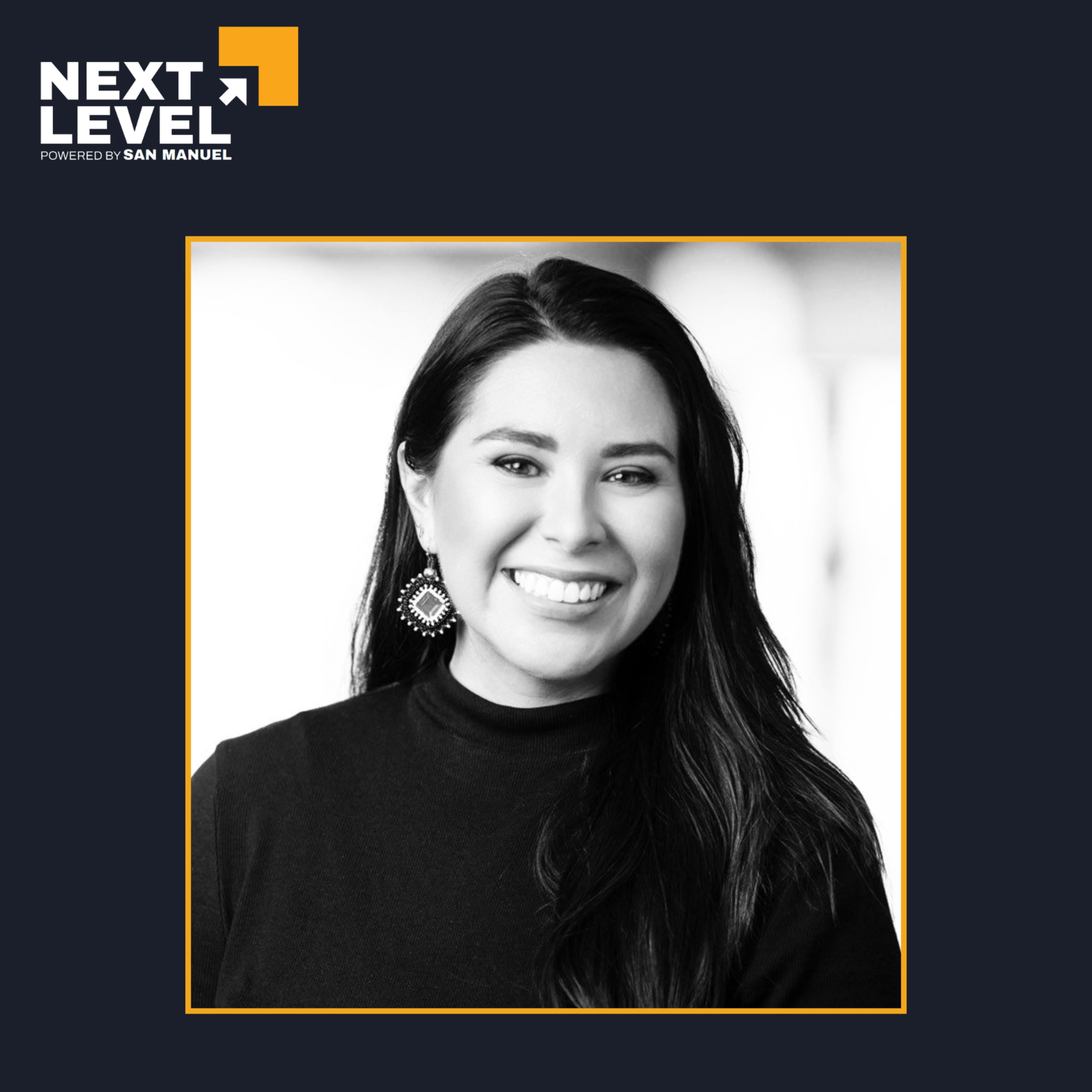 Next Level Careers - Danielle Finn, Director of the Indian Nations Gaming and Governance Program and Associate Professor-in-Residence at UNLV’s William S. Boyd School of Law71 / 100
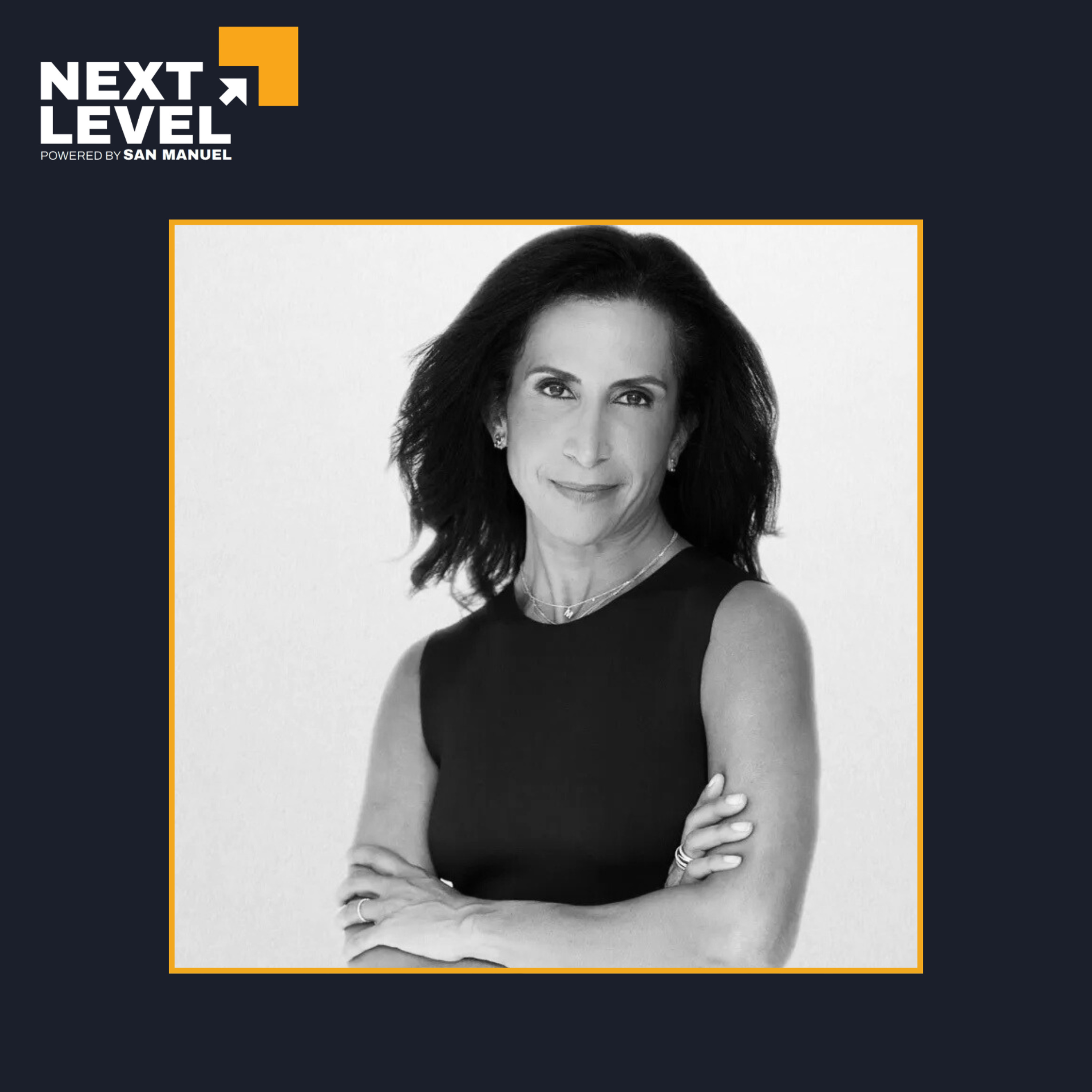 Next Level Careers - Mori Taheripour, Negotiation Expert, Award-Winning Wharton School Faculty Member, and Author of Bring Yourself
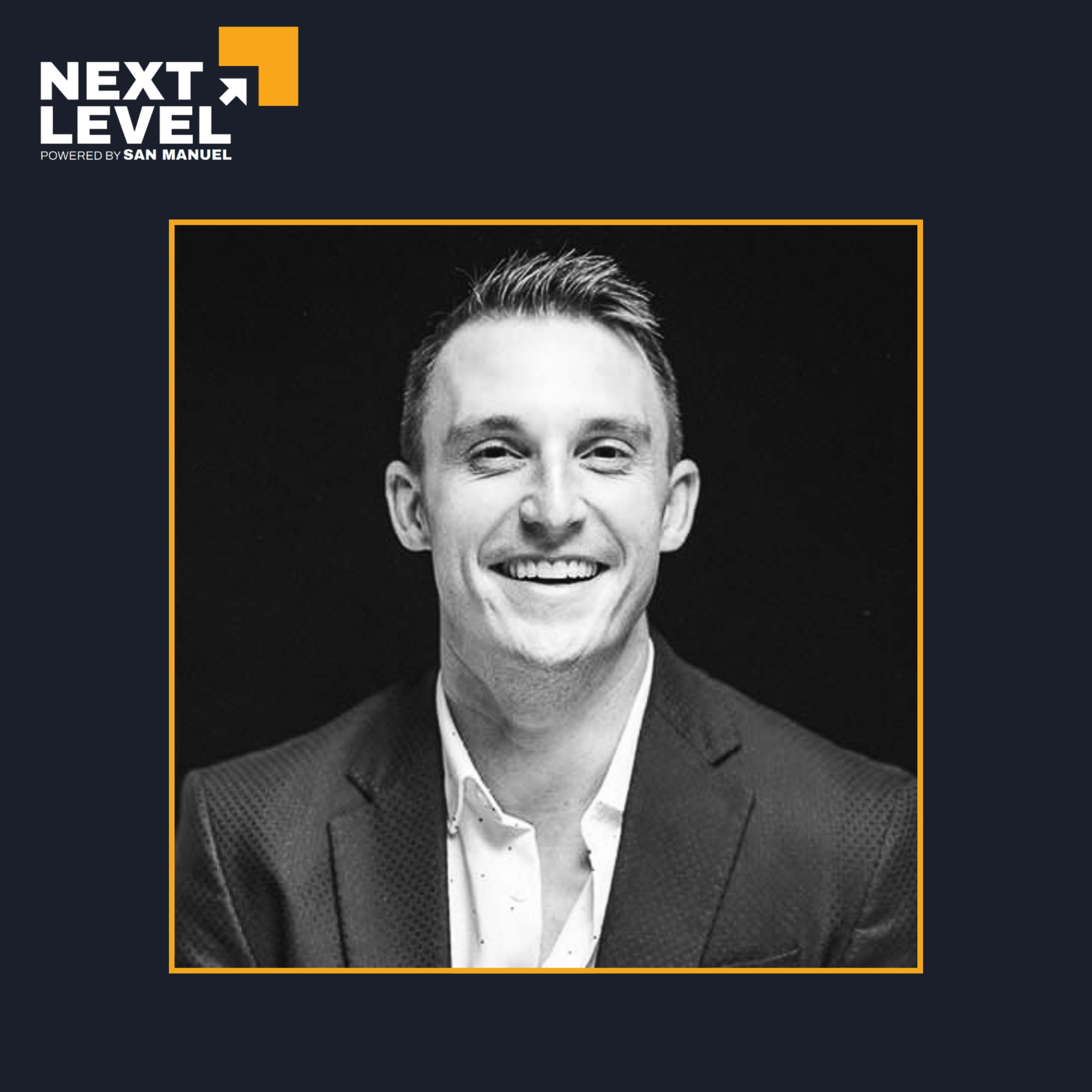 Next Level Careers - Alex Weber, Speaker, Author, Host & Competitor on American Ninja Warrior
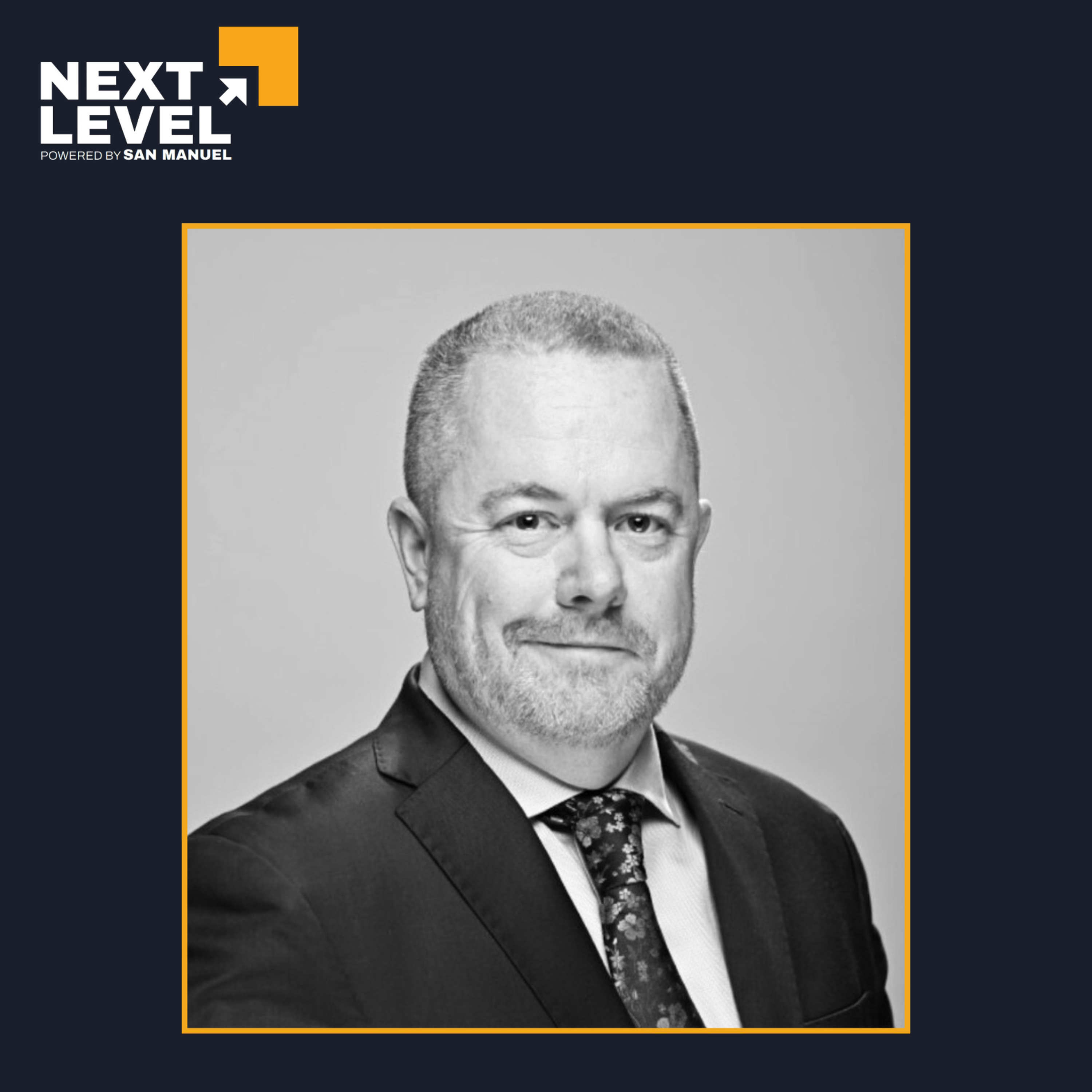 Next Level Careers - Kevin Glass, General Manager of Palms Casino Resort
 Next Level Careers - Brian White, COO of Brixton