
New to Venture · 2025-09-02 · 47 min
Nate Leung brings a unique multi-faceted perspective to fund management after moving through consulting (BCG), operating roles (Rent the Runway, New Order), venture investing (Bain Capital Ventures), and LP allocation (Industry Ventures). At Sapphire Partners, he invests in emerging fund managers while co-founding Open LP to demystify the opaque world of LP-GP relationships. The conversation explores critical distinctions often missed by emerging VCs: great investors don't necessarily make great fund managers. The difference lies in consistent returns delivered in a disciplined, transparent way that serves LPs' objectives - which extend beyond pure IRR. Nate highlights broken incentive structures plaguing institutional investing: CIO tenures shorter than PE fund lives, compensation tied to shorter performance windows than underlying investments require, and variable incentive alignment across different capital pools. He discusses how signaling and social proof influence LP decision-making, similar to startup fundraising dynamics, and explores emerging opportunities in secondaries markets - an area ripe for specialist funds but also prone to conflicts between sellers and buyers. Open LP's collaboration with CalSTRS on emerging manager programs exemplifies how values alignment (supporting teachers' pensions) can reinforce GP-LP relationships. He addresses policy-level constraints like investment restrictions that prevent conflicts, using defense tech as a contemporary example.
Great investors can spot incredible companies and generate high returns, but great fund managers consistently deliver returns over time in a disciplined, transparent way that aligns with LPs' specific objectives - which include both financial returns and non-financial goals like narrative alignment and career advancement for decision-makers.
CIO tenures average shorter than PE fund lifespans, and compensation is typically tied to shorter performance windows than actual fund performance requires, creating career risk management behavior that may diverge from GP and portfolio interests.
Open LP is an initiative co-founded by Nate Leung to demystify LP-GP relationships and make information about allocator strategies more transparent, addressing the historical opacity driven by organizational dynamics and competitive edge protection in LP land.
Sapphire relies on investment policies that define certain lines that cannot be crossed (like prohibited investment categories), and requires deep contextual analysis when potential conflicts arise, with escalation to policy-level review when necessary.
Absolutely - LPs have objectives beyond pure returns, including career narratives, organizational causes, and stakeholder interests; great fund managers align with these multi-faceted LP goals, not just financial performance.
Computed from the transcript - who did the talking, and the words that came up most.
Where do VCs get money from? Welcome to LP land. The mysterious world where people who fund VCs live. Nate Leung, Partner at Sapphire Partners and Co-Founder of OpenLP, gives us a peek into the backbone of the venture ecosystem, and it’s wilder than you think… Episode 049 is live. Here’s what I learned: 1️⃣ Great investors ≠ Great fund managers. You can pick winners all day. But if you can’t deliver trust, consistency, and a narrative LPs can sell internally, you won’t survive as a fund manager. 2️⃣ GP-LP fit matters. LPs represent causes, initiatives, and interests. These relationships last decades. Partner with the organizations you’re aligned with. 3️⃣ Every LP has different incentives. Some allocators want access to innovation. Some want brand and prestige. Some would rather be safely wrong than boldly right. Work with people who are structurally incentivized to want your success. Ask yourself, how are folks on the LP side compensated? 4️⃣ Investment decisions are often team sports. You may write the best memo in the world, but without trust and credibility, you won’t get far. Circulate opportunities and gauge appetite before decision time.
Transcribed and scored by The B2B Podcast Index.
Speaker A: In order for a firm to survive and to do well as a specialist, they have to have some kind of compelling value proposition and distinct edge. There's certainly an element of social proof to varying degrees around different organizations. The average CIO tenure is shorter than the life of a private equity fund. It's also not just that the incentives are broken per se, but they're highly variable. That's an area where we see, uh, the potential for a lot of conflict.
Speaker B: Hi everyone, I'm Tyche and you're listening to New to Venture. It's the show that uncovers the secret world of venture capital. From the multi billion dollar exits to the biggest company blowups. If you don't know that much about vc, you've come to the right place. It's time to get hyped because the one and only Nate Long has joined us on the show today. Nate is a do it all human adventurer. From operating at Rent the Runway and New Order to investing in startups at Bain Capital Ventures, to investing in funds as an LP at, uh, industry Ventures, Nate has paid his dues in all facets of the venture ecosystem. And now Nate is a partner at Sapphire Partners, investing in the best and brightest fund managers and demystifying LPLand with open LP. So as an aspiring emerging manager, I am so excited to get his perspective on what it takes to raise and execute on a killer fund. 1. Nate, welcome to the show.
Speaker A: Thanks so much for having me.
Speaker B: Before we dive into all things startup and venture, I want to talk about some fun stuff. So I read somewhere that you're a huge sci fi fan and I think that's really funny. I think sci fi and venture are inextricably linked because we just bet on what the future will look like. So when you look back at all the fun stories and novels that you've read, do you have a favorite one that stands out to you?
Speaker A: Oh, Dune is one of the ones that absolutely stands out. It's a multifaceted relationship, frankly that I have with Dune. Meaning, um, the, uh, really find the complexity, um, uh, and completeness of these alternative universes so fascinating thinking, um, about what futures could look like. Um, and at the same time it, you know, bringing it to today, right. Like helps me kind of bond with entrepreneurs, fund managers, other LPs, like this kind of, um, it's just, you know, such an amazing genre, uh, for doing that.
Speaker B: Yeah, I totally agree. I remember, um, I took a sci fi class in high school and that was by far my favorite class I took. Um, I'm someone With a strong imagination. So I find myself thinking about what the future will look like all the time. Not in the venture context, but just in general. Um, and what I was also thinking about recently is being a parent must also force you to do that too. Um, you're a dad. I've always been curious. Does having a kid, where you're investing in what the next 10 years will look like? Does it feel like there's higher stakes now that you have a little you out in the world?
Speaker A: Absolutely. And you know, even to add to that, it's, it's beyond 10 years. Right. Like you're thinking about what 20, 30, 40, 50 years, you know, may look like in the future. And um, this younger, smaller, you know, version of yourself, um, really forces you to, to kind of live that reality into time travel. Um, which is, it's so fun and to see the world kind of through their eyes and to remind yourself, um, of that curiosity and um, optimism and you know, positive kind of orientation. Um, you know, in, in a job where you know, you can't say yes to every investment opportunity and in fact most of your um, you know, most of the work tends to be, you know, turning folks down and, or um, being skeptical. Right. And asking harder questions, um, you know, keeping that close connection to like my kids perspective how they think about things and then how you know, they may experience things in the future and the optimism for you know, the, the trajectory that tech, um, and you know, capital and the. The two can really kind of um, bring for a great future.
Speaker B: Uh, yeah. Hopefully when they become like, you know, teenage time period of their lives, you can stay on top of the trends. One thing that I've realized is Even now I'm 25, I don't understand Gen Z lingo the way that I used to all these terms that I am confused about. And hopefully having a kid will help you stay on top of all those things. Um, I thought it was great that you mentioned something around time travel. I have this dream in my mind at some point I want to create a company that gets us as close to time travel as possible. I was thinking about what it really means to what is the closest we can get to time travel right now? And the way I thought about it was through sense or sounds or feelings that bring us back to a certain point in time. And so what I do now when I listen to music is I chronologically listen to music, right? So let's say I went onto this big Asia trip last year, um, and I have a few set of songs that I listen to on repeat throughout that Asia trip. And so whenever I listen to that song it takes me back to that moment in time. And my theory is, or rather my dream is to create a company that can harness that sort of nostalgia. Um, it's just more of like a personal thing that I want to do for myself because um, I'm a total reminiscer. Um, anyway, that's a side tangent. I'm sure we'll talk about that later.
Speaker A: I love that. Can I bring that also back to um, books and literature and actually my most recent experience in Japan. Um, so went to Japan for my honeymoon. Um, and so this is pre kids, you know, um, my wife and I. The book that I read um, right before and then during the trip is Musashi. I don't know if you've read it, um, highly recommend it. Um, I picked it up because Tim Ferriss talked about it on his
Speaker B: um. But.
Speaker A: But uh. As we were kind of going through like Osaka and like um. Kyoto and like you know just. And like Tokyo and um. Being able to. That was the time travel for me.
Speaker B: Right.
Speaker A: Was like experiencing this book like um, reading it, you know, on a train and like seeing and just like experiencing like you know this, this place that hadn't been in decades, you know which is. This is incredible.
Speaker B: Speaking of time travel, I want to take a moment to take a walk down memory lane. You've worked at some of the greatest establishments in the. In technology and beyond. You right? Bcg, Bain Capital Ventures. You did operations Industry Ventures is an OG in the space. Sapphire Partners has such a great reputation in our land here. When you look back at your career so far, what were the key turning points? What were the big forks in the road that got you to where you are today?
Speaker A: Yeah, the thread that I think about it ah is kind of on two vectors um, that kind of connect um, all those experiences. And it kind of started with um, you know as you had mentioned, like being a consultant and advising businesses, advising executives kind of outside in to becoming an investor, you know again partnering with companies, founders, decision makers, um, and providing capital, um, and then into companies as an owner.
Speaker B: Right.
Speaker A: As an employee, um, and somebody who's really you know owning day to day decisions and impacting the trajectory of a company and an organization um, and customers. Right. So um, that's sort of the thread of kind of coming into the um, you know, where the real action happens which is like you know within, within these companies, within these startups that are you know growing and changing their industries. Um and then you know, kind of zooming back out um, to realizing that those relationships and, and the capital and the relationship between um, the technology, the organization and the capital is what really kind of led me down the path of um, becoming an LP and um, really where I see kind of the rest of my career, you know, being
Speaker B: as an lp, we're seeing in venture right now a very interesting time where there's this large exodus of top partners at top tier firms wanting to start their own thing. What's the distinction between great investors versus great fund managers? Are those different skill sets or are they actually pretty similar?
Speaker A: This is an excellent question and I'm glad you brought it up. Um, there's certainly overlap and um, I think it's very difficult if not impossible to be a great fund manager without being a great investor, if that makes sense. Um, uh, and maybe there's an analogy in sports around like you know, uh, being being a player on, on a field versus you know, management within an organization and, or a coach. I think the goal of being a great fund manager is, I'll define it in sapphire terms and in what we think about in terms of great fund managers and that is um, generating consistently great returns over time. Uh for your limited partners, you know, and, and for yourself of course. Um, but the key to that is really managing um capital in a um, in a trusted, disciplined and consistent kind of way. Um, there are great investors who just don't do that, right, who just like they, they generate great returns but may not necessarily serve um, their investors um uh, in terms of you know, providing an audit or providing a narrative for your investors to kind of go back to their organizations right and talk about like they, they may, like there may be great dollar on dollar returns um, or great you know, IRR numbers. Um but at the end of the day the great fund managers um, are ones who produce it uh consistently um over time in a way that suits uh, your, the investors, the LP's objectives. Right. And, and I'm, I'm coming at this from primarily an institutional LP perspective. Um, recognizing that the, the, the kind of difference the distinction is really you know, you have people who are fantastic investors who can spot companies and get into incredible companies at the right prices and generate returns that sort of suit, you know, maybe their own needs but uh, not necessarily the needs of outside capital if that makes sense.
Speaker B: See that's so interesting to me. I, as a young person in VC I never made that distinction. I thought all LPs cared about were just returns purely. But people often Talk about founder VC Fit. And you co founded OpenLP, which is this huge initiative to sort of demystify GPLP relationships. Um, and what goes on behind the scenes there. Is there such a thing as GPLP fit? That's where I'd like to start.
Speaker A: Absolutely. And I think the answer is sort of unequivocally yes. And it kind of goes back to, um, some of the things we touched on a little earlier around great fund managers, um, meaning the uh, the LPs, the investors have objectives. Generally speaking, you know, there are return objectives.
Speaker B: Right.
Speaker A: Um, but they're also more than that.
Speaker B: Right.
Speaker A: Like most of these. And again, I'm taking the institutional perspective, but most institutional investors represent organizations. Um, they represent causes, they represent interests.
Speaker B: Right.
Speaker A: And they're individuals. These are people who are decision makers and recommenders. And uh, in that context, um, we'll have goals beyond pure numbers, right? Meaning, um, you know, the, the, the person on the other side of a, a pitch or a diligence process or a conversation. Um, you know, they, they may be, um, they may be optimizing both, uh, financial return as well as, you know, a, a narrative that um, that they can, um, then tell to either help grow their own career or help grow their business. Um, maybe multiple kind of different facets, um, at the same time. But uh, but there, there, there are definitely interests beyond pure, you know, dollar for dollar returns.
Speaker B: Something I had been quite interested in a lot of LPs, from what I've heard. Uh, they don't want to get fired, right? They're, they're hired by someone else to manage, uh, you know, money. So what makes sense is that you put into Andreessen, you put it into Sequoia, if you can get access, put it into all the big funds you're expecting, maybe 1.5x return. Um, but you're safe and you don't look crazy. Any thoughts on that?
Speaker A: I definitely agree with that. And I, and it's, it's also not just that the incentives, um, are broken per se, but they're highly variable across different pools of capital and different types of organizations. Um, and also if you take it back certain levels, right, like you go to. So I'll, I'll give you an example. Um, I don't want to misquote this, but the average cio, you know, tenure is shorter than the life of a private equity fund, right? Or like the average CIO contract is shorter than the life of a private equity. We'll put it that way.
Speaker B: Right.
Speaker A: Like CIOs aren't don't necessarily sign 10 year contracts but the private equity, but their private equity partners like they're partnered for 10 years.
Speaker B: That makes no sense.
Speaker A: Yeah, um, the ah. And then by the way you're, you're absolutely right like in terms of the incentives and that's, that's at the CIO level kind of cascading down to the team. Like how are folks compensated? It's typically on you know there's some sort of um, you know incentive compensation based on um, you know returns um potentially most likely in a shorter period.
Speaker B: Right.
Speaker A: Than than actual performance would indicate. And that leads to particular behavior because the incentives um you know may not. May not line up with the uh the duration and or you have folks kind of managing um, managing career risk managing um you know, situations um or um you know things. Things that are. That are um, you know misaligned potentially um from you know from the GP and or from the underlying portfolio.
Speaker B: Signaling plays quite a big role in our industry. Does it play the same type of role for LPs? Are there a few LPs that sort of set. Set a certain precedent that the other LPs follow? What is the role of signaling in LP land?
Speaker A: Yeah, there's certainly an element of social um proof to varying degrees around different organizations. Again like you know some. Yes some um organizations tend to be fast um followers of others and or may have um, you know may have uh accounts with um other investment managers.
Speaker B: Right.
Speaker A: Like our you know like we uh. We or our peers who are other fund to funds or maybe uh advising um you know allocators and pools of capital um where you know they follow our lead and a recommendation. Right. Because we are venture specialists. We are um entirely focused on um allocating to venture funds. And um, you know it may be useful frankly for um a you know multi asset allocator to. To kind of follow the quote unquote smart money.
Speaker B: Right.
Speaker A: In a certain um asset class are
Speaker B: there people or offices or other fund of funds that you don't want to partner with. Right. When you. When you invest in an emerging manager because there's weird dynamics because of these misaligned incentives. I can't help but feel like there's some clash there.
Speaker A: That is a great question. Um, and one that I'm sure it happens and I'm sure it comes up especially because you have you know personalities that um, you know may not. May not get along. Um but I do think at the end of the day it is the um most gps, uh the vast majority of them will have fairly diversified LP bases.
Speaker B: Right.
Speaker A: And um, and we typically, you know, wouldn't be more than 20 or 30% right. Of a fund anyway. And so there are certainly lots of other um, personalities um, and interests um, around the table. I would say the vast majority of what we see is like everyone really wanted to be supportive, um, and you know, support the interests of the uh, GP and the founders.
Speaker B: Right.
Speaker A: So there's really like not many cases of um, you know, some of this of sort of tension, um, and negative behavior. But it happens, it definitely happens. Um, especially when you have sort of misaligned incentives. One thing we actually didn't super touch on is liquidity.
Speaker B: Right.
Speaker A: And on the rise of secondaries. Um, but that's an area where you have, where we see the potential for a lot of conflict. And you've seen it, right, because you have um, you know, a, a new buyer potentially coming into a fund and a selling a seller, you know, selling out of a fund. Right. And by the way, that happens at the GP level too. Like the gp, you know, now, now the GPS are more active, you know, in the secondary market. They're obviously like the sellers are price maximizing. Right. And the buyers obviously want to come in at the lowest price. So there's, there's these inherent conflicts in these transactions, um, which I think by the way are just becoming a much bigger part of the ecosystem given the lack of.
Speaker B: Right.
Speaker A: And given the capital that's kind of flowed in to secondaries. So super dynamic, really interesting time. Um, but I think like there's a huge opportunity set there in terms of um, the ability to make money but B, also a need for liquidity options.
Speaker B: Yeah.
Speaker A: Right. So it's creating value.
Speaker B: You think they'll be funds that will focus on secondaries?
Speaker A: For sure, yeah. What I would suggest in the secondary space too is, is, is actually somewhat akin to what we've seen and what we talked about in terms of the Barbell venture.
Speaker B: Right.
Speaker A: And which, which is, which is by the way also what um happened in private equity.
Speaker B: Right.
Speaker A: Um, which is you have large platforms that are scaled that continue to um, where, where capital continues to flow and they continue to grow and become you know, multi asset, multistrategy, multiproduct E, um, as well as specialists. And you're seeing that I think in, in the secondary space with the rise of certain firms that have become you know, multibillion dollar funds and are you know, have um, you know, primary, have a fund of funds, have direct funds, have secondary funds, you know, um, all under the same roof in a large platform as well as specialists. Right. And by the way, you have some firms like Industry Ventures, which is, which kind of specializes mostly in venture and then you sort of have sub, like some of the newer firms, um, that, that we've heard of, like maybe specializing in um, a certain type of deal, like a GP LED deal, um, or specializing in direct secondaries in um, you know, top 20 private companies.
Speaker B: Right.
Speaker A: Like, it's like there, there are different, different flavors of specialization that are kind of happening in the industry, um, which kind of mirror what's happened in, in venture.
Speaker B: That's very exciting. Yeah, well, it's like, well venture as an asset class just is shifting.
Speaker A: It is for sure.
Speaker B: It's just like the maturity of it. Why is lpland so mysterious?
Speaker A: Yeah, so I think um, you know, historically it's been um, pretty mysterious, pretty hard to um, get information, um, or come by, you know, a lot of information on different LPs. And there's, and I think there are a number of like driving factors and I think actually one of the bigger ones are these like sort of organizational dynamics, um, at play in terms of allocators. Right? So um, I'll give you an example. Like uh, uh, the pension funds, they serve their constituents so anything they put out there they get judged on.
Speaker B: Right.
Speaker A: And so you can't like it doesn't serve you um, as an, as an allocator to share more information.
Speaker B: Right.
Speaker A: Like there's no upside, I guess to being more transparent. Then there are other policy level things, right? Which is like, you know, certain groups may not, like they may have a policy against talking to the press or talking to like because their, their strategy, right? Like, and their portfolio is like their edge is in like their access.
Speaker B: Right.
Speaker A: And the names are able to be in or see kind of early on, um, in terms of driving their returns.
Speaker B: Right.
Speaker A: So like there's, there's some of that of like, hey, you know, like. And this is not just at the LP level, right. It happens at GP level too. There's certainly tons of GPS that prefer to stay a little more under the radar, um, and not really broadcast, you know, their investment strategy too much.
Speaker B: I, I was really happy to see that Sapphire Partners did a, you know, collaboration with CalSTRS. Were you involved at all in the origins of that collaboration?
Speaker A: Yeah, absolutely. Um, and, and you know, they, to, to their credit they've been a fantastic partner. Um, they have been uh, partnered with um, some of the most storied, you know, venture capital, private equity, um, firms and in, in the Past and from early days, right from when they, these firms were emerging managers themselves. Right. Or were in their first, you know, few funds. Um, and we are fortunate to kind of partner with them on their um, venture emerging manager program, um, as well as to serve, you know, that organization and their constituents. Right, like that. Um, there, there is a um, frankly a beautiful flywheel, um, about the cause that we can support and serve, about how bought in their team is, um, in terms of you know, serving their constituents as well. Um, and uh, and. And in, you know, in making money to support California's public school teachers. Yeah, it's a really awesome mission. Um, that also helps kind of align um, you know, some of the, the gps, the investors that we back. Right. Like they want to see their efforts go towards you know, greater things bigger than themselves as well and causes. So there's a, a positive kind of reinforcing, you know, mechanism, um um in the relationship which is, which is really awesome.
Speaker B: Is there ever any conflict of interest where let's say uh, you guys back a emerging manager that is excited about ed tech and they invest in a company that may put teachers out of business. Maybe it's a tool that helps teachers, but they may look at it as a way that it hurts their job security. What happens there?
Speaker A: That's a great question. Um, you know, it's. So far it's not one that we've had um, to address directly. What is a little. What where we have kind of seen at the periphery is actually um. I'll give you an example with uh, the recent trend in defense tech, right. And um, VCs investing in companies that produce weapons. Right there, um, uh, it becomes controversial, right, because of potential headline risk and or some of the ethics around you know, funding things that could be. Or technology that could be used to kill humans for example. Right. And so um, it. It like that um, issue has become very topical um, and become you know, something that we've had conversations, um, uh you know, with our investors with um. And they you know they're also having those conversations with their constituents, um, with other partners. Um and it's, it's certainly a uh. An uh, increasing topic um importance these days.
Speaker B: Well so then how do you balance it?
Speaker A: Sorry for the cop out answer, but it's a little situational, situationally dependent. It kind of depends on sort of the nuance. Um, but it requires going deep too. And, and at a certain point there are policy level, um, things that you know, issues that cannot be crossed.
Speaker B: Right.
Speaker A: It's like, like they have their Own they have a very specific um investment policy that would for example I think prohibit certain types of investments. Right. And if a fund manager were to cross that line like that is essentially you can't do that. You've agreed to not do that. Um, you know, in the previous stipulations, either in your LPA or you know, through an agreement, uh, side letter agreement. Gotcha.
Speaker B: Okay.
Speaker A: So there are certain rules that can't be broken. But there are other considerations like this. It is a gray area.
Speaker B: Right.
Speaker A: And it requires um, deeper um, deeper kind of analysis and discussion. But it's a partnership. Right. So it's like like we you know you do want to balance the return potential um and relationships with you know, the fund managers um as well with some of their other considerations like we touched on earlier. Right. Like they may. They have like organizational dynamics or headline risk or you know um, other perceptual sort of questions to, to wrestle with. Um, and, and it is a like balancing all of those competing um objectives. Um is. Is certainly um.
Speaker B: Yeah, it sounds very difficult. Um, I wanted to go back to talking about how each fund is a product for LPs. Um, I have been really obsessed with the separation between New Venture and Classic Venture. New Venture is more of like an AUM game. It's about money deployment. They can um, afford these insanely high seed series eight rounds. Whereas Classic Venture is more about like Artisanal Venture which we're seeing more about. Uh, with the exodus of tier one partners leaving. Um. I was curious as an lp, when you're seeing this sort of split, right. How are you thinking about your portfolio? Right. Like what is the percentage of you know, new funds that you want to back versus the franchise funds that you will continue to stay with the fund over fund. Um, I just want to hear your thought process around that.
Speaker A: Yeah, absolutely. And I'll caveat this. Um with our. Our approach being focused on early stage venture and therefore um. We. We. We tend to not um have ah. Once a firm really shifts into um growth stage or later stage investing, it tends to um, not be a go forward fit, you know for our, our investment um criteria at this time. Um. And uh. And. And I would say uh. We typically um.
Speaker B: But.
Speaker A: But there are certain, you know there are certain firms um and relationships that we've had for a very long period that continue to you know dominate their area of. Of. Of uh early stage, you know, venture capital practice and have become franchise fund. You know one of the, the threads and through lines is that um, we leverage our trusted Relationships with these um, gps to you know, identify and um, diligence and reference kind of that the next generation of. Of great managers, you know, kind of leaving other firms potentially, um, or even you know, coming through through their networks.
Speaker B: Right.
Speaker A: Like and through. Or through their, you know, their portfolios.
Speaker B: Right. Well, okay, that gets me thinking. When a manager that you've already invested in wants to change or add a strategy, what is that? That puts you in a really tight spot. Right? Let's say they want to go multi stage. What if they want to have an LP arm like Sapphire does? Or what if they want to start investing globally? How are you guys thinking about that?
Speaker A: Yeah, And I'll say we kind of come at this from again a position of a trusted relationship and we know that our managers and our GPs do not take these decisions lightly. Right. So usually when a um, you know, a expansion, um, you know, new product, new strategy, growth kind of comes about. Uh, it's a, it's been a long considered decision. It's very thoughtful. Um, and our general approach is to be supportive.
Speaker B: Right.
Speaker A: Like we want to be long term partners, um, with folks and continue, you know, supporting them. Um, but we also recognize that it's you know, we should be asking questions, right? We should be asking tough questions, um, to really help them pressure test you know, their theses and to. And I think they find it valuable to like um, you know, coming at it from an outside in perspective.
Speaker B: Right.
Speaker A: And helping. Helping them as a thought partner. Um, with our perspective, seeing lots of other firms, um, and having seen firms um, you know, expand and grow successfully as well as pitfalls, um, to avoid um. Mistakes to avoid.
Speaker B: Yeah. When you're evaluating new funds, do you have an opinion on the big VC platform versus just the thought partner? Um. As a fund manager I actually think
Speaker A: this is a um. I mean I'll say I've heard, I've heard uh a you know, very famous VC kind of discuss their outlook on the future of um vc which um was eloquently put as a barbell. Right. Meaning um. In going forward anticipating that there, that what we've seen in terms of concentration of both capital and talent and um. Resources in a few number of very large platform firms. Um, combined with the emergence and growth of um, the specialist groups, um. Within venture and specialists. There are certain other many types of areas where a firm may specialize. It could be a particular vertical or sector, it could be a particular stage, it could be a particular founder archetype.
Speaker B: Right.
Speaker A: But that the um. The specialist firm will have A unique and compelling value proposition, um, which you know, in order for them to be successful and you know, be in the best companies um, and generate you know, a compelling um, long term returns should likely. Will likely fit nicely you know, with um. In a paradigm where there are other um. Where there are lots of uh. Where there are a few concentrated pools of big platforms. It's almost a Darwinian argument like in order for a firm to survive and to do well as a specialist, right. Like they have to have a um, some kind of compelling value proposition, real value proposition, um and distinct edge versus a you know, versus the few platforms that can provide lots of capital um at you know, potentially uh, higher prices, who have a lower cost of capital.
Speaker B: Right.
Speaker A: Who have more resources.
Speaker B: Something that I, I was always curious about. They have to obviously show that they have a unique wedge into the market. Um which is what we were alluding to. But at a certain point like if their angel track record is just so good and you like them as a, as a person, is there a point where you just say we're in like the, the wedge is that we know that you're amazing and that's it. Like a, Like a generalist emerging manager fun one.
Speaker A: Yeah, it happens. It happens. And there's a um.
Speaker B: The.
Speaker A: But the uh. The. The narrative um also be. Becomes specific.
Speaker B: I'm going to move into a few fun questions. I had Winter Mead on the show not too long ago. Uh, he used to work at Sapphire. I believe he was there at the inception of OpenLP.
Speaker A: Um, I just saw him two days ago.
Speaker B: Oh, I love it. That's awesome. That's awesome. Um, I asked him what a fun question to ask you would be and he said to ask you who are the pools of capital still investing in funds with less than 50 million in AUM?
Speaker A: Shout out to him as for being one of um, one of the few um, that. That are. That are sort of top of mind for that with Coolwater. Um but in addition to that I definitely want to give a shout out to Screen Door, um who we're also partnered with um, who you know will definitely back folks um at. At that scale m with Catalytic Capital. Um right. So like you know certainly uh recommend that folks talk to them early you know in their journey. Um and also my alma mater, um industry ventures. You know they, they're. They're fairly active in um you know, partnering with very small fund managers. Um and you know not, not afraid to be uh, to. To even like help folks get off the ground with their very first funds. Or do SPVs or you know, whatnot.
Speaker B: Mhm. Well, so I was interested in, in how emerging managers come up with their fund size. So they need to find the right fund size to execute their strategy. They also have to think about reserves. They have to pay themselves too. Um, uh, I've been reading a lot about how your fund size is your strategy almost. Mike Maple says that all the time the team at floodgates a big believer in that. What goes in the mind of an emerging manager. Ah. And on your side, where you guys come to alignment on a fund size, is that something that they come to you and say, hey, we want to raise this, this size fun or is that something where you're like well actually we're going to set the like m. The, the fun size. Like how VCs kind of set the cap if they're leading the round.
Speaker A: Yeah, no, it's a great question and I think um, at the end of the day you want I. What we hope is that the GP will execute an authentic strategy where they have an edge and a competitive advantage and it's very hard for an LP to tell them one way or the other, right, that your fund should be much smaller, fund should be much bigger. Um, and we want that to be driven by what they truly believe they can execute on and generate outsized returns. Just like a VC would want to back a founder who has a very strong vision and is going to execute against that vision, right. Where the investor can't really tell you what to do, um, but can perhaps shape some of the contours around it. Right. So I think, and especially with newer fund managers, you know, sometimes it is a question of, you know, well, what is the right reserve ratio, um, or what is the right portfolio construction in terms of numbers of companies and um, or, or maybe you know, ownership to target or um, or any parameters around, you know, valuation. Um, and, and I think we come at this with, um, you know, we've, we've seen that there are many ways to make money, right? So we were in um, SV angel funds that have, you know, over 100 companies in them. Right. And it's not an ownership sort of question. Um, it is a back the best founders and have many of them in the portfolio kind of question. Those funds, um, have been phenomenally productive, um, funds. Um, but we've also backed folks that are much more concentrated, you know, more like Even fewer than 20 companies in a portfolio, you know, 15 companies in a portfolio, higher ownership. Um, and you know, and, and so if it works, it really Drives, returns when you get you know, a power law type outcome. And we are believers in um, in, in the power law, you know, of venture outcomes.
Speaker B: Yeah, well that gets me. We talked a little bit about platforms and teams. I, I kind of want to go back and talk about platform as an lp. VC firms have these like platform teams that help their companies succeed. Is there such thing as LP fund support platform teams?
Speaker A: Yeah, you know I like, I can't put my finger on specific like platforms that are top of mind. Um, but there are certainly value added services that um, LPs will you know, provide. Um and this also goes outside of venture. There are, there are certainly other groups um, where especially targeting newer fund managers and helping them institutionalize. They'll provide um, advice, back office support, even direct resources sometimes in exchange for um, you know, an interest in the management company or the GP or some kind of financial arrangement. Um. But uh, but, but yeah, I think that that concept certainly exists in LP land. Um, but it's also not one that's um, you know, heavily discussed or you know, as is. Uh, uh if you were to canonically call the Andreessen Horowitz type of platform, there's a, there's not a clear analogy, you know, in LP land. Okay, that's top of mind.
Speaker B: What is the biggest compliment an LP can receive?
Speaker A: Yeah, I love this question and I think it goes back to um, you know, at least how I think about uh, the value of building trusted relationships and why a lot of LPs are in this business is you can partner with fund managers and with you know, these great investors over many, over a long period of times. Uh and it, it can be financially super productive as well as very rewarding, you know from a professional relationship kind of standpoint. Um and so I do think the highest compliment is indicators of, of like building true, a true trusted long term relationship. Um and some of the like, you know, um, very specific ways that this can play out would be you know, um, a founder introduction, right where you, you know, you trust the LP so much that you're going to introduce them to one of your founders. You know, potentially for a co investment, right to actually partner directly um with this founder and with this company. Um, that, that's, that's an incredible compliment. Um you know the uh also um, you know, trust in their judgment and their ability to generate returns as well to you know, invest in you know, in their funds and in their products. Um, we've definitely seen that um, both in this sapphire kind of network. Um, you know, previously at Industry ventures, as well as at Bain Capital. You know, um, it's a super high form of, of uh, praise in that trust.
Speaker B: Yeah, I love it. Last rapid fire one. Um, what's something that you learned the
Speaker A: hard way, I guess, in um, in making an investment decision, um, as a team? Um, I've learned, you know, I've made the mistake of being too academic about an investment decision. Right. And um, and, and I'll describe it, you know, very bluntly, like putting out a, what I thought was a very well thought out, you know, investment memo and um, and investment recommendation that had not been appropriately socialized. Right. Oh, interesting. So not getting enough alignment, um, before jumping into a decision, you know, and probably overestimating analysis, overestimating analysis and your own kind of work without, you know, incorporating as much of the team, you know, and broader investment committee's input. Um, that, that is, that is certainly a mistake, um, I've made, but you know, recently, not too frequently.
Speaker B: Okay, that's good. That's good. Was there a fund that you missed out on because of that, that you, you keep kicking yourself?
Speaker A: Oh man, there, there have been many funds we've missed out on. Um, you know, we were very close in, um, in uh, in terms of partnering in a prior fund. Um, and it ultimately didn't, didn't work out because of legal, you know, negotiations, which I believe could have been addressed earlier in the process. I reflect on this one a lot actually. And so one of that learning, one of those learnings is to raise some of these issues in terms of legal negotiation, you know, probably earlier. Um, so that's, that's certainly a learning.
Speaker B: Yeah, well, it's very helpful for. Also like aspiring emerging managers, like have those legal conversations earlier too, if you really want. Yeah.
Speaker A: Ask about it or maybe raise it in, in a discussion. I think, um, the way that most investment processes kind of work out, at least on the like, um, you know, on our side of things as a lp, you know, investing in an institutional venture fund, you have your like, early conversations, right. You have your data room work, your analytical work, more meetings with the GP and kind of getting to know them and references and all this stuff. And legal is kind of the last step, right, where you sign up to the LPA and whatnot. Um, and, and um, and I think like, you know, you want to know that you're, you have conviction and you're like, you're in this relationship, um, before you kind of get down to the nitty gritty, like, legal pieces. But sometimes it is useful to, to Kind of have that discussion a little earlier, right?
Speaker B: Absolutely. Oh, my gosh. I'm having so much fun. Nate. Unfortunately, Nate, our time has come to an end. After this awesome conversation, it's. It's time for the final ceremonial ask, which are three final questions for you, Nate. Are you ready?
Speaker A: Fire away.
Speaker B: Okay. Uh, we touched upon a lot of these questions throughout the episode, naturally. Uh, but in the spirit of being new to Venture, if you were to write a letter to your past self, right, as you were starting in this chaotic, hectic world that is Venture and startups, what would you write about?
Speaker A: Yeah, I think we touched on one of the, um, the. The most important through lines, which is trusted relationships, you know, with people. And that, you know, all of the people in this business, you know, are people, right? They're individuals, um, with, um, incentives and, um, motivations and, you know, goals and their own sort of situations.
Speaker B: Right.
Speaker A: In context. And understanding that context is super important. Um, and how this is. This would. Would play out in terms of advice to my younger self would be, um, one we touched on potentially, um, being a little too analytical or overly sort of persuasive, you know, through an analytical lens and not accounting enough for that personal, you know, lens and building trust and credibility in advance.
Speaker B: Right.
Speaker A: Of making a recommendation of an investment recommendation, um, and a, um. A kind of tangential, you know, piece of advice that I would, you know, also give my earlier self, um, would be to find mentors outside your firm who are more experienced and more senior. Um, and. And I think, um. I guess this maybe, maybe like, relates to a reflection, um, I personally had about some of these learnings, right? Which is, you know, as a, um, you know, as a young professional, I think it's easy, I think it's common to focus on your job, focus on your firm, focus on like, nailing, you know, and really doing well, the things that are, uh, expected of you. Um, and, you know, and in terms of finding, um, opportunities, um, to. To get that mentorship, which is hard to come by in Venture, right. You have to be pretty proactive, M. To get mentorship in this business and in any business, frankly, um, that, uh, you know, that I would recommend going and. And being thoughtful about finding outside mentors, you know, trust.
Speaker B: I love it. Nate, thank you so much for joining me. I'm looking forward to seeing all the amazing progress that you'll make. And next time you're in New York, dinner's on me.
Other episodes covering the same guests and topics, from across The B2B Podcast Index.
 Episode 60: “Startups Are Hype Machines” | Carta’s Peter Walker on Angel Exits, SAFEs, and AI-Age InvestingThe Diligent Observer Podcast · on emerging managers86 / 100
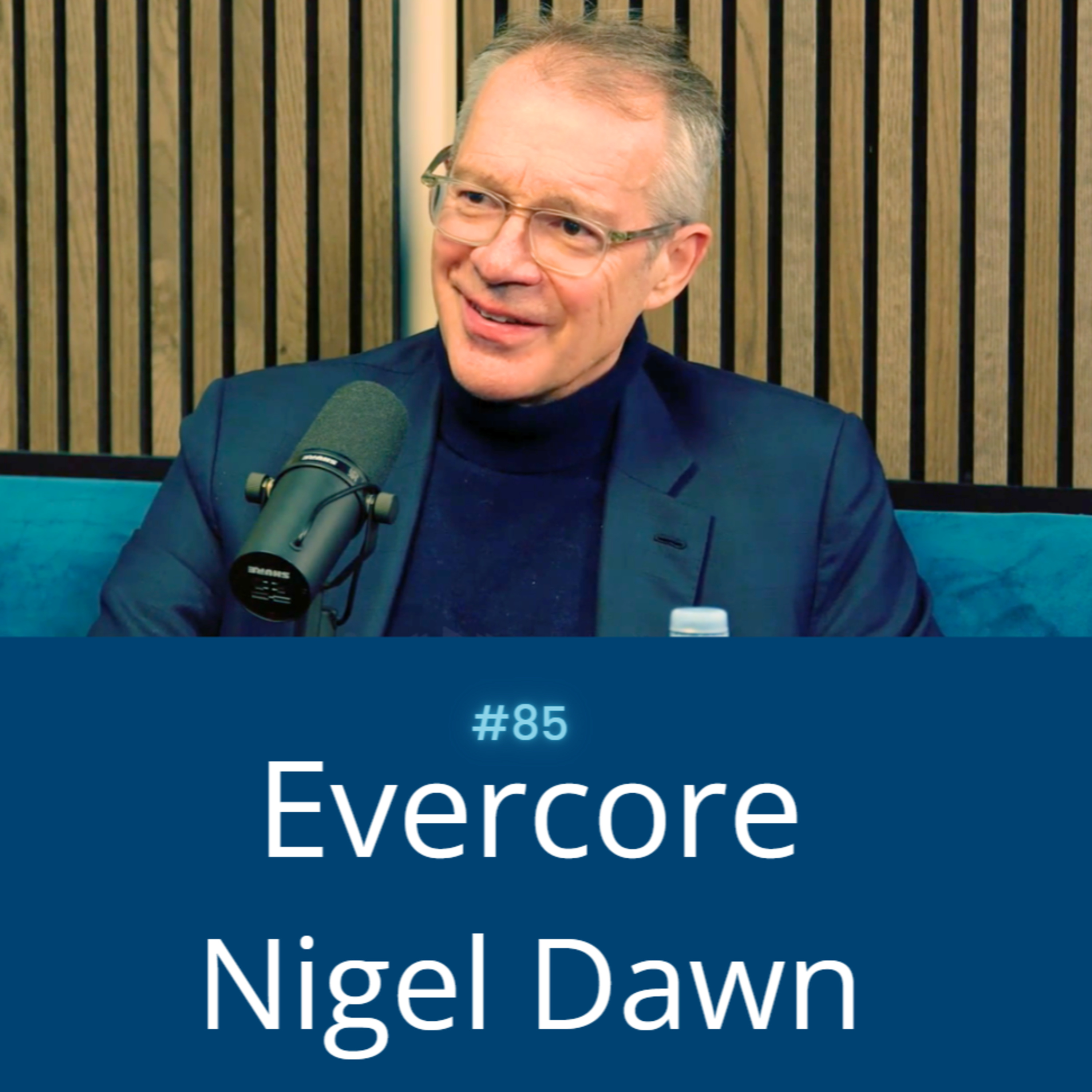 Where Private Markets Meet Reality | Secondaries Explained | Nigel Dawn | Fund Shack Ep. 85Fund Shack Private Equity Podcast · on Secondary markets86 / 100
 How Smart Founders Raise Capital in 2026 (VC Reality Check)Ventures from The Valley · on emerging managers81 / 100
 Inside the Startup Employee Tender Offer BoomThe Venture Capital Podcast with Fexingo · on Industry Ventures78 / 100
 Ep. 85 - Building a first check partnershipCrossing the Valley · on Defense tech77 / 100
 The Right Amount of Awesome - PunchAn Agency Story · on Defense tech76 / 100Ep 050 - Molly Cantillon, Founder at NOX64 / 100
 Ep 048 - Chauncey Kerr Hamilton, Partner at XYZ Venture Capital
 Ep 047 - Bryan "BK" Kim, Partner at a16z
 Ep 046 - Grace Ge, Partner at Amplify Partners
 Ep 045 - Manu Kumar, Founder of K9 Ventures & HiHello