
Masters of Automation · 2026-03-30
Key moments - from our scoring
Substance score
56 / 100
Five dimensions, 20 points each
Ben Katz, former WHOOP product manager and YC founder, discusses building Hybrid, an AI-native training platform for serious amateur athletes. The company solves a personal problem: aggregating data from multiple wearables (WHOOP, Strava, Apple Watch, strength tracking apps) and converting scattered metrics into actionable coaching. Hybrid quantifies workouts across three physiological dimensions - cardiovascular, muscular-skeletal, and neurological impact - using science-backed algorithms developed with sports scientists like Anna Cruz (University of Utah) and Alex Viada (Complete Human Performance). Unlike beginner-focused fitness apps, Hybrid targets "washed up college athletes" who train seriously without personal coaches and want data-driven insights, not prescriptive commands. The founding team of four (three ex-WHOOP, one ex-AWS senior engineer) exemplifies how coding agents like Cursor and Claude have democratized development: non-technical co-founders now ship website redesigns and feature updates solo, freeing elite engineers to focus on complex AI agent systems. Katz shares how YC forced user validation through a Sunday workout club, why the worst AI will ever be is today (creating founder urgency), and the critical balance between physiological optimization and user adherence in dynamic training plan adaptation.
Hybrid aggregates data from multiple wearables and training apps (WHOOP, Strava, Apple Watch, strength tracking) into one platform and uses AI to quantify the cardiovascular, muscular-skeletal, and neurological impact of each workout, then translates that into personalized, science-backed training recommendations for serious amateur athletes who lack personal coaches.
AI agents like Cursor and Claude have enabled non-technical co-founders (Katz and Motz) to ship small-to-medium features independently - website redesigns, amplitude event updates, frontend changes - without interrupting elite engineers, who can now focus entirely on complex backend and AI agent systems.
Hybrid targets "washed up college athletes" - serious amateurs who train six to seven days a week across multiple disciplines (strength, cardio, swimming, CrossFit) but lack professional coaching; existing apps are too beginner-focused and don't offer the nuanced, data-driven guidance these athletes demand instead of prescriptive workout commands.
Hybrid works with Anna Cruz (director of sports science at University of Utah) and Alex Viada's Complete Human Performance company, which wrote the definitive book on hybrid athletic training; these partnerships ensure training plans are grounded in peer-reviewed sports science for concurrent training adaptations.
The company is building dynamic adaptation to respect user constraints (schedules, other commitments like hockey games) while maintaining physiological advantage; the best training plan is one the athlete will actually follow, so Hybrid is developing features to personalize recommendations without sacrificing science-backed principles.
Our reviewer’s read on each dimension, with quotes from the episode.
The episode contains a solid cluster of non-obvious operational insights - the vibe-coding review burden revelation, the sports-science gap in muscular-skeletal load quantification, and the invite-only filtering strategy - but roughly half the runtime is biographical storytelling and friendly banter that dilutes the signal meaningfully.
it ended up being more time consuming for routers to review our AI slop agent code than it was actually, like, use the. Use the agents himself and do things.
The muscular side does not have a standardized golden data science algorithm that everybody uses because nobody has the data and it's really hard to track and capture the data.
A few genuinely fresh framings appear - the 'aspirational pull' elite-to-mass-market strategy, the reinterpretation of user feedback ('don't tell me what to do' = tools are too beginner-focused), and the AI ticket metaphor - but these are interspersed with recycled founder-wisdom about passion and Boston being underrated.
if you are able to win in that market, you have this advantage of what I call the aspirational pull
what they were really saying is existing tools on the market are way too beginner focused
Ben Katz is a genuine practitioner - ex-WHOOP growth PM, YC W24 founder, and active builder in a niche domain - who speaks from direct operational experience rather than theory; however, he is an early-stage founder with limited proven scale, and the conversation occasionally drifts into personal narrative rather than distilled expertise.
Three out of four of us used to work at whoop. I was specific to the growth product management team.
we made people apply to become a user... if you don't work out for six days a week and are a four or five or a six, like you're not getting access.
The episode is well-populated with named people (Anna Cruz, Alex Viada), specific companies (Terra, Complete Human Performance, Perch/Catapult Sports), and concrete product mechanics (bib-number race analysis tool, 1989 cardiovascular load model, 34% wearable penetration stat), making claims verifiable rather than hand-wavy.
Cardiovascular has essentially been solved... It's actually all operating off of a similar data science model that was published in, like, 1989.
we actually connected with this woman, Anna Cruz, who is the director of sports science at the University of Utah.
The host is engaged and occasionally steers toward interesting territory (AI task delegation, multimodal fitness), but questions are largely open-ended and restating ('walk me through,' 'what do you see'), with no real pushback or challenging of claims; the conversation functions more as a friendly promotional chat than a rigorous interview.
And it makes sense. Like, like I got my, my whoop and I am definitely at the end of that.
walk me through right now because your co founders are also like, like similar mindset athletes. Like love the space but again like you guys are very business focused
Computed from the transcript - who did the talking, and the words that came up most.
The following is a conversation between Alp Uguray and Ben Katz. Summary In this episode of Masters of Automation, Alp Uguray sits down with Ben Katz, co-founder of Hybrd and former growth product manager at Whoop, to explore what happens when a lifelong athlete turns a personal frustration into a Y Combinator-backed AI fitness platform - and why the rules of building a startup have fundamentally changed. Ben's path is anything but linear. He started in sales, moved into analytics at Wayfair, spent years trying to break into product management, and eventually landed at Whoop - where he found the rare intersection of passion, craft, and career. After a stint at Apex, a mobile app portfolio company, he realized the founders he was evaluating weren't smarter than he was - they just had the agency to start. That was the push. Together with three co-founders - including a U.S. national rowing team member, a former Whoop analytics lead, and a senior AWS engineer who also happens to be a former U.S. national rugby player - Ben launched HYBRD on a plane to San Francisco, writing the first line of code en route to Y Combinator.
Transcribed and scored by The B2B Podcast Index.
0 out of 10 do not recommend training for an Ironman. In the first year of building a startup that was pretty stupid. You've been part of this community and then went to yc, came back, went through whoop, which is amazing story with all the variables and biomarkers and you're building your own company now. First line of code for hybrid on the plane to San Francisco for yc.
And so we're like, all right, well we really gotta step up the gas here. We got 10 weeks and I have every gadget and gizmo under the sun because like a it's part of my job and B, I just love it it and it was impossible to actually take all that data and pull it together in a way that was actually useful to me in my training. We very fondly call our target market the washed up college athlete. That's because I am somebody who had structured my whole training life a combination of strength and cardio and now I'm still working out six, seven days a week.
I kind of have a bunch of different goals but I'm not trying to compete at a really high level. But I still want to get the most out of my training. Like I want to be the best I can be. I just don't have a coach that's not telling me what to do anymore.
Not will be the like most difficult thing. Like that didn't come natural. One of our initial hypotheses when we first started the company was that if you are serious about fitness, you don't want an app to tell you what to do. And what they were really saying is existing tools on the market are way too beginner focused.
And so we launched the first version of our training plans functionality and got a huge, huge appetite. The worst that AI will ever be again is how good it is today. You are a founder and you are embracing the AI tools. You have a ticket to play the game.
It may not be a winning ticket, but 99% of people don't have a ticket at all. Most companies actually don't fail because they run out of money. Most people, most companies fail because it gets really hard and then they give up before their bank account hits zero. And you're a lot less likely to give up if you are doing something you love, B doing it with people that you love working with and see like my goal is that if you are an athlete you never have to question again what you should be doing today.
Here's what we recommend. Well, thanks for joining. Thanks for having me man. I'm Excited for this conversation.
What do you guys are? I think your personal story, right? Like three times Iron Man? Oh, God, no.
Once. Once. Once. Well, I've done a half, if you count that.
Half. Yeah. You don't count. So one, I've done a half, and then I did my first full this past November.
So not. Not three, not three yet. Yeah. Let's like imagine go back, right?
You are. You're like the beginning of your career and you are just getting started. Just walk me through how that life look like and that shaped the next thing. Yeah.
So I've known for a long time that I've wanted to start my own company, but I didn't necessarily have the confidence to go and do it. I never felt like I was really ready. And so in college, I studied entrepreneurship and finance, and I'd always been one of those kids that was doing a landscaping job and hiring underclassmen and like, doing social media marketing for local small businesses and did a bunch of that through high school and college. Didn't want to do any of those things full time as a real job.
I was like, I want to do something that's, like, bigger than that. And. And so I kind of was figuring out what do I actually want to do from a. Learning how to operate a business perspective.
Spent a lot of time evaluating investment banking and consulting. At the end of the day, ultimately didn't feel like either of those were actually going to help me become an effective operator for the type of business that I wanted to build. And so I took a approach to my career that I called getting an MBA by doing, which worked out pretty well. But on paper, you're like, ah, what's this guy do?
Like, does he know what. That didn't make any sense. But I started my career in sales, which I am very thankful for, for a lot of different reasons. I think one of my favorite, like, career anecdotes is I think people get the job for their technical skills, but get promoted for their soft skills.
And especially when you're a founder, your job is literally always sales. It is my job to sell the company to customers, to investors, to employees, to get my other co founders who are making good chunks of money to quit their jobs to come do this little fitness app with me. Like, it's. And so that skill set was a really strong foundation.
Went from that into analytics because I was looking to get a better understanding of how do I actually use data to inform business decisions in the real world. And three months into my time at Wayfair, which is Where I was an analyst, I discovered what product management actually was. I'd never heard of it before, which, my own fault, sorry. Yeah, yeah, I wish I had heard of it sooner, but.
So I then spent the next like two and a half years or so trying to get into product. So I was like, that's the thing that will actually help me understand how to build a product and a company. Talked to like half of the product managers in Boston trying to network and ultimately ended up finding my way into whoop, which was this very serendipitous opportunity because I both college athlete, love training, fitness, et cetera, part of my life forever, never really thought I'd be lucky enough to be able to build a career in that space.
And it happened to be a perfect combination of the exact type of role I was looking for at one of the best tech companies in Boston in an industry that I am genuinely passionate about and never really look back from there. And it's a big inflection point too because like you learn how to sell the distribution channel works and then you learned in the like. The Wayfair especially is like a E commerce business, like large amounts of data, like the transactions, non stop. But then when you join the whoop, it's more like your passion and your actual work.
Meeting together. Whoop was a lot of fun. It was a really great experience. So walk me through because after whoop, you got into YC and Walk me through before yc.
Yeah, so there was actually. So after whoop, we actually went to one other company in Boston called AppX and they were a mobile app portfolio company. And their thesis is essentially, you know, there are a bunch of mobile applications doing a couple million dollars a year in revenue that are one to three people that are not actually like business experts, they're more specialized on the development side. They just built something that they thought would be cool or that they really liked or solved a problem for them and it blew up.
And so their thesis was if you buy some of these businesses and then implement standard paywalls, pricing, paid advertisements, et cetera, onboarding funnels that you could then like cash flow them at 20, 40% more per year and pay back the debt and grow, went there for about a year and it was a great experience for a lot of reasons. But I think that the thing that was the best for me was I got to talk to a lot of founders because one part of my job was evaluating which companies should we consider buying.
And one of my biggest takeaways was that when I'm Talking to these founders, I was like, you know, that guy's making a lot of money and I actually don't think he's that much smarter than I am. Whereas, whoop. In particular, you're surrounded by some of the world's smartest people that are like, best in class at the one thing that they do. And so it's like, okay, I'm never as good at marketing as that person, or I'm not even close to as good as strategic finance as this person.
And it's like really hard to compare yourself to those people in these disciplines that they have spent their whole lives and are some of the best in the world. Specialists. Yeah, exact. Scientists.
And so, so app actually gave me the like, push to kind of like go out and like really be like, all right, it's time. Like, I have enough experience under my belt. So incredibly thankful for it. And was it like, like a search fund accelerator style, like buying businesses and then like, yeah, so it was more like.
It was, it was very much like they just went, they had a lot of credit and they would go out, find businesses that fit their buy box, they would acquire them and then they would bring them into the fold and we would implement all those standard levers and grow them, which was a great, which is like a pretty good business model in a lot of ways. It just like wasn't, it wasn't like super exciting to me from like a product development, really going after like specific user problems type of thing.
And so for that reason ultimately ended up being like, okay, you know, like, this is a good experience. I feel very motivated. I love the people I work with, but it's not the long term thing for me. And so started thinking about what would that long term thing be?
And nice like intersection point from a career perspective along with kind of realizing that I had this personal problem that I actually might be pretty well accustomed to, well positioned to go and solve. So we, I basically spent nine months talking to people and researching and being like, am I crazy or is this actually something that other people are experiencing too? And it turned out that it was. And so the, the core observation that we kind of initially made was I was a triathlete.
I use very loosely, very loosely that likes to lift. And I was doing runs, rides, swims, lifts, CrossFit, all these different things. And I have every gadget and gizmo under the sun because like, a, it's part of my job and B, I just love. And it was impossible to actually take all that data and pull it together in A way that was actually useful to me in my training and helping me figure out should I actually be doing something differently.
Was this leg day and this ride the next day good or was it bad? Like should I have switched out specific exercises? It was really impossible to take that data and make sense of it. And so it's such a personal thing too, right?
Like for every person, it's different, it's custom, like it's unique 100%. And so we essentially set out to solve that problem and we applied to yc not thinking that we would stand a chance of getting in and got in. And it's been a lot of fun. I like earlier when you said if it is on Excel, it can be an app.
Yeah. If it's a spreadsheet, it could probably be a business. It can probably be a business. So that approach is so true because it's so modular.
It's complicated. It's hard to, to deal with it. So like walk me through right now because your co founders are also like, like similar mindset athletes. Like love the space but again like you guys are very business focused, founder group and of course the AI wave coming up, like the coding agents wipe coding cloud codes.
Like especially once you enter the YC, that must be, that's, that's the story of like 100%. And it's amazing actually even just to look back and think about where it was then versus now. And it's only been like a year and four months and I'm like whoa, like that's crazy. But so for, for context, we are a founding team of four.
Three out of four of us used to work at whoop. I was specific to the growth product management team. My co founder, Mots, who was on the US national rowing team and is a freak cardio athlete, was a core product manager at WHOOP and then shu, who smoked me in the Ironman we did together in November was one of the first analytics hires at whoop. And then our fourth team member, Reuters, who he was at a senior technical lead at aws.
He is like, I say this with love. It is really hard to find an engineer in the center of the Venn diagram of really good athlete and really good engineer because the middle is like not that big and he happens to be like the gold mine. And so the four of us were both complimentary skill sets, lifelong athletes. Reuters was on the US national rugby team under 18 and like has gone on to do half Ironmans and many other things as well.
Crazy. I mean you guys like you do you do your like, all hands and like Iron Man. Yeah. It's a passion problem.
Right. You know, I think it's hard to. I think part of the motivation was like, we actually wanted to fix this for ourselves. Yes, it's a personal problem.
100%. 100%. But when we first. I mean, when we first got into yc, I'll never forget Reuters.
In the kitchen, we're all sitting there at like 9pm we had just baked a batch of cookies and he's trying to explain git work trees to us and using cookies as like the, like, he's like sitting there with a spatula and he's like giving us a thing. We have this great photo from that night. It's really good. But we went from that where, like, I had worked with engineers in a product capacity for a lot, for a long time, and understood at a high level how systems work, but could not read a lick of code.
And when we first started using tools like Cursor nyc, it was very specific to, like, you had to know what file the logic was in and you could go to that file. And then I would be asking Cursor, explain to me what this file does. And then it explain what the file did. And then I would be like, okay, this is how I want to change this logic.
And then I would do the thing and then I would like, submit the print and routers would be like. So it was like, you know, a lot of feedback loops on that side. But fast forward now, you can whip up anything in a second. You put Claude in plan mode or whip up Codex.
Oh, yeah. I mean, it's night and day. It's insane. Yeah.
95% accuracy, right? Right there. Maybe small tweaks, but sometimes not even reading the code. It's actually, it's interesting for us because we went from a point of.
In the very beginning of the company, we were all Vibe coding all day and all night because we just needed like, code velocity. We wrote the first line of COD for hybrid on the plane to San Francisco for YC. And so we're like, all right, well, we got 10 weeks. So it was like all the time.
And then it actually, after yc in like, probably like early spring of last year, we realized that it ended up being more time consuming for routers to review our AI slop agent code than it was actually, like, use the. Use the agents himself and do things. And so we actually stopped vibe coding as much. And like, there was some, like, every once in a while did he take the, like, ownership of that and then just like went all in or how did you manage the.
Yeah, so he and Shu would write a lot of code. Shu had some backend experience and is now basically like a full fledged developer that actually can read the code, unlike yours truly. But basically, like, myself and Motz took a step back on the coding side because we couldn't read the code at all. And we're kind of just like wild westing it.
We're now back at a point where the agents are so good that we can. You can't touch the code again. Touch the code again. And granted it's not.
Oh, we're not like. I mean, at this point you've got like Gastown and Ralph Wiggum and like all these other things that are just like feature bazookas in reality and Moz and I don't touch those. But for little things of like, I can go in and put in a PR to update amplitude events, no problem. Or like, oh, I want to go and like change this small thing on the front end.
No problem. Or like small screens, no problem. Like little stuff that isn't tied into deep logic. Really easy.
Like, I just redesigned our entire website myself, which is great. And you understand the sales, you understand the distribution. So like you understand the user behavior along with your co founder. So like just having that ability to translate that into just code that exactly how you want it to be, it eliminates the middleman there, doing so without distracting routers.
Like I think about routers. And we also have one other engineer, Michael, who was a very competitive cyclist for a long time. And also you guys only hire, like, he also worked with us and rode with MOTs in college. So kind of like keeping the circle small for now.
But like their, their time is gold. Like it's the most valuable asset that the company has. And so it's like, let them stay on their island with all of their AI agent colonies and armies and be like, all right, you guys stay over there, do your thing. I don't know what's going on over there, but like, it's working.
And then like now I'm like, okay, well I can go and do this website. That's no problem. I don't have to be like, hey, Rooter, stop what you're doing and implement this design. And then actually I want this button to be a little bit over here.
Move this color. No longer a problem, which is huge. And so you're in the airplane and then you guys are wipe coding. Then you're about to land and then the next Thing is getting users.
So what was that maybe the first problem that you guys solved? So the very first problem was just a data aggregation problem. It was, I use five different wearables and I track my lifts on a heavy or a strong. How do I pull this into one place?
And so we built out a bunch of those integrations. We partnered with a YC company called Terra to help us do a lot of those. And then we built the first AI capture workout logging experience where you could just freehand text, like 2x10 bench press, 225, 3x10 squat, like, whatever, or you can take a picture of the whiteboard if you're at a CrossFit gym, or like, you can voice to text, et cetera. Make it really easy to take unstructured data and actually categorize it, structure it.
And then the next piece was trying to understand what is the impact to your body. Because every workout has three technically impacts. There's the cardiovascular impact, there's the muscular skeletal impact, and then there's the neurological impact. Neurological is much smaller technically than the other two.
Cardiovascular has essentially been solved. I mean, you've got strain, you've got training load for Strava and training peaks, et cetera. All of these are basically just a function of what was your heart rate for how long and how does that compare to your maximum heart rate. It's very, very simple.
It's actually all operating off of a similar data science model that was published in, like, 1989. The muscular side does not have a standardized golden data science algorithm that everybody uses because nobody has the data and it's really hard to track and capture the data. And so we had to actually partner with, you know, sports scientists to develop that because, I mean, we're obviously pretty adept at. We know a lot about sports.
Yes. But we're not. We're not like, I am not a PhD sports scientist. And so we partner with folks that help us actually go and kind of like tweak these algorithms a little bit.
But we built out the equivalent of that for muscular. And now we quantify every single workout into the cardio component, the strength component, and can tell you what does that actually do to your body, and then use that as part of the feedback loop for other things like recommendations in the product. And then you were like, while you were in yc, you were mentioned to me earlier like you guys were getting all the other founders onto the app and then like getting athletes onto the app on clubs and then collecting the data and then trying to see their Experiences.
Yeah, we forced everybody to participate in a YC workout club every Sunday morning. It was fun, but it was also, it was a great way to get user feedback and also a great way for us to feel embarrassed every Sunday morning when we're like, all right guys, now you get in our app. And they'd be like, well this doesn't really work right. Well, we'll go fix that.
But from working, obviously you guys probably smoked everyone on the runs and stuff. We had a little bit more experience on that. So from this design side is very interesting because I think a lot of the data collection perspective, understanding cardio versus strength is very valuable for athletes, professional athletes, but for also enthusiasts learning about its structure their day to day. So how did you guys find the scientist part, for example, to look into it?
Yeah, so we're very lucky. Moss, through his US National Rowing experience has connection to some very high level coaches and connections in that front. And we actually connected with this woman, Anna Cruz, who is the director of sports science at the University of Utah. And she agreed very early on to be an advisor and she was like very, very, very instrumental.
I could not have done it without her. To help shape out some of how we do that and that science then. So it's fully science backed training plan based on the biomarkers that are collected. Yeah, exactly.
And then the training plans themselves and even the sports science. Now we've actually partnered really closely with Complete Human Performance, which is Alex Viada's company. And if you're not familiar with Alex, he is the guy that literally wrote the book on hybrid athletic training in 2014 that then kind of kick started the movement. And there's nobody in the world that is as good at coaching and knows as much about all the different physiological adaptations that happen while concurrent training than Alex and his team.
And so we work very closely with them, like weekly calls to make sure that we're kind of taking, we're shaping things in a way that is actually grounded in sports science. And like with, with that. Right. There's the training part and then there's the understanding of the body and then change and then translating that to a workout plan.
But there's also the part of it being super custom. Right. Like, and also coaching part too. Right.
Like everyone has like, I don't know, like I went for a run on Sunday and then my ankle hurts for the next three days. It messes up everything right now totally. But again like understanding all that plus giving the coaching feedback, like how do you see maybe like today on Hybrid that change and work with users and then I'll tie it up later. So we don't do enough of it dynamically yet.
This is something that we're thinking about. The first step that we need to do is we're working right now and we should have this launched in the next two weeks. So I don't actually don't know when this is coming out, but, like, it might hopefully be around the same time. Great.
Um, the, the best training plan is actually one that the athlete will follow, and that doesn't always jive with the best physiological training plan. And so what I mean by that is, and I'm making this up so, like, if you're a coach watching this, like, bear with me. But like, if you were to say, okay, I have five hours to do cardio this week, like, the best way to do that possible might be I'm going to do 30 minutes on a couple of days and then a couple hours on Saturday. And like, I know that's not right.
So it's, it's an example, but it's doable. But like, you as a user might be like, well, that's dumb. I would rather run for 45 minutes a day, six days of the week. And if you're going to, if you're not going to do what the, like, long run of the other training plan is, and it's like, totally makes that way of that.
That recommendation not valid. And so we're working on how do we adapt training plans to very niche requirements like schedules and things like that, but still hold truth the ground of we want this to be as like, as physiological advantageous as possible, while still respecting that this user's gonna play hockey on Tuesday and Wednesday nights. And we literally can't stop him from doing that. And therefore, like, we should move things around that.
But still, like, we need to respect that that is happening at the same time. So step one is like, make the plans respect that together we'll have that in a week or two, hopefully next week. And then step two is on a dynamic, regular basis, we should be able to adapt as well. And so that's everything from you telling us you hurt your ankle while running and you want like, you know, you need to like, mix things up and us giving a recommendation on how to adapt your plan to do that, but even based on having, you know, a whoop integration, like, we should know you actually slept badly three nights in a row.
And, you know, for that reason, we, we think that we should move this or you missed a workout and therefore like we. That was actually a pretty important workout for your plan. Let's move that to Friday and move today to be this thing or like we're get 18 inches of snow on Saturday and that's when your long run is supposed to be. Probably should move your long run to sooner.
Like things along those lines. We want the goal of hybrid. If you're following a training plan on Hybrid, you should just open the app and it works every day. We understand all these different variables and you can just go out and do whatever the workout is and be confident that is the best possible thing for you to be doing that day based on whatever your goal is.
And it's very like adaptive. Like it adapts to the situation and then. And then your day. For example, last week I fly down Viador sales kickoff as a company.
Nice. But I was sitting all day, so I actually didn't stretch once. Fly back to Boston next day, took a like 7 mile run. Next day, ankle hurts.
So it's like, it's a mixture of sitting all day. But like if, if I had that like coach with me that guides me through that, then that'd be stop this run right now. Do something else. Like, like to blend it up so that, that is really, really powerful and valuable.
And that ties to a little bit of. Right. Like knowing the user's habits. Right.
Like understanding them as they grow. Like, what are some of the key things that like stood out to you? Especially like while you were at vooop? Like the things that.
Right. Like understanding the user and then like things of that sort. Yeah. I think when you were first looking for product market fit, you can't get granular enough on who your customer profile is.
One of the, like we, we went after a very specific athlete. We very fondly call our target market the washed up college athlete. As a washed up college athlete, that's because I am somebody who had structure my whole training life, a combination of strength and cardio. And now I'm still working out six, seven days a week.
I kind of have a bunch of different goals, but I'm not trying to compete at a really high level. But I still want to get the most out of my training. Like, I want to be the best I can be. I just don't have a coach that's telling me what to do anymore.
And so we were going after that specific Persona. We went very, very granularly and like how to describe them and how we think about them, et cetera. But there are a lot of people who, when you're like kind of figuring out when you're looking at the data and thinking about who to target and trying to like learn about your users, et cetera. In the very beginning, one of the hardest parts is like kind of figuring out who actually is a user and who is not.
Right? Like who is your target user. And so one of the things that we did that was a little bit different than a lot of folks is we were invite only for the first six months of the product and we made people apply to become a user. And we asked questions like what?
How much do you care about strength versus cardio on a scale from 0 to 10 where 0 is I only care about cardio and 10 is I only care about strength. And like, guess what? If you don't work out for six days a week and are a four or five or a six, like you're not getting access. Yes, that like holds back money in the beginning, like, because obviously our users were paid and like that does hold back user growth, etc.
But it means that every single data point we have from people interacting with the product and every single person that we talk to that is a user of the product is our exact target market and intentional feedback as well. They're genuine what they say because they care. Exactly. So that is really interesting because everyone then, because not everyone works six times a week and cares about that and then understanding the user and then that there are a lot of maybe potentially college athletes that like, then you guys work with.
Right? Like, and who maybe one day also grow and dream to be an Olympic medalist. And like many of them will be and maybe even be. So what do you see as the like hybrids?
The future, right, like because it can be partnered with the national teams, it can be like coaches used to help understand the athletes better. Yeah, yeah, that's a good question. People ask me all the time whether we're going to have some B2B offering and work with teams and things along those lines. And the answer is probably at some point.
But the problem is that the second you introduce a B2B offering, you are splitting your focus. There's now a second customer that has a totally different need set and problem set than the first customer. And I don't think that we've done a good enough job of solving for that first customer's pain points for us to even be thinking about what that second customer is worried about. And so to answer your question, like all of the above, I think that there's opportunity for, but we are just hyper focused on.
We want to solve problems for people like our audience. Like, we know exactly who we're building for, and we're going to keep building that until we feel like we've done a pretty darn good job of it and we have high standards. So we're not there yet. I mean, it's exciting.
The. Walk me through for the. When. When you got interested in the, like in the triathlete.
The triathlon. Oh, my God. Well, unfortunately, all of my co founders are big cardio athletes. I was the strength.
Strength of the group. And I always thought I was really fit because from a pound for pound strength side, I'm like, pretty good. And I was always stronger pound for pound than my friends and teammates in lacrosse side. Then I started hanging out with the runners and I realized I'm really slow.
And so I realized I wasn't that fit. And kind of. They. They pulled and dragged me into various endurance challenges and went from.
I lost a. I lost a bet to enter the Chicago Marathon. I then got the lottery. I won the lottery or won the lottery.
Did the Chicago Marathon. How long is the Chicago marathon? How long? 26.
2. Yeah. Yeah, they're all. They're all 26.
2. But I hadn't run more than five miles in like five years when I got in. And then I was like, all right, well, here we go. And so I did that.
And then my co founder, Shu was training for triathlon and was like, hey, you should do a half ironman. And I was like, yeah, all right, why not? And so I did that a couple months later. And then from there, I did a couple other marathons.
I did a 50k, which technically qualifies, is an ultramarathon. Okay. Where it's this. It was just around my hometown.
We just. My sister and I did a fundraiser and we were like, we'll. For every. Every certain dollar amount raised, we will run a mile.
And ended up being well past our goal. Ended up getting a lot pastor goal. And so originally we had a cap on it where we said we would run. We would run a marathon if it got to that point.
And then we like tripled what we had that cap at. We're like, okay, well, we'll. We'll do a little bit extra for you. But it was.
It was a really good experience. And then the full. The full Ironman was a. It was.
It's a goal I've had since I was a kid. Was I like, I never aspired to be a triathlon, but I've always aspired to do Hard things. I really like challenging myself and kind of putting myself in that discomfort and learning from it. And so, you know, it seemed like the natural next step on the endurance journey.
But I consider this my Pokemon stage of fitness where I'm collecting all the badges. And then after I've collected the badges that I want, I'm gonna go back and be like, okay, well, what am I having the most fun doing? And I'm going to just double down on those things. And I feel like there is a lot of the founders who take not.
Not be afraid of the difficult. Right. Like mentally difficult things. Like, there's a correlation between, like a triathlon being so difficult to.
Yeah. They're both like, come together. Yeah. For.
For. For those of you that are listening, 0 out of 10 do not recommend training for an ironman. In the first year of building a startup up, that was pretty stupid. How did you do the daily.
Like, I bought a trainer desk and I would take user calls, etc while on my bike. On the bike. And I literally, I would work from the bike and I would take all. I would try to, like, stack my calls together and I'd be sitting on the bike for, you know, a handful of hours and I would just be like, pounding through calls.
It was funny. The users loved it. They'd be like, oh, you're like, in it. And I'm like, kind of out of breath and sweaty and like, really want to take my shirt off.
And I'm like, well, I probably shouldn't. But they're also athletes. Athletes as well. They get it as well.
And I think that's also part of what makes the product good. Right. Is that like, we find the bugs before anybody else does because we're using the product harder and as hard as all of our users do. Yeah.
In a way, you guys are building it for yourself because you are the user. What will be the most difficult thing? Like, that didn't come natural. So one of our initial hypotheses when we first started the company was that if you are serious about fitness, you don't want an app to tell you what to do.
You want to just do your thing and you want the app to give you data insights that you can then use to make your own decisions. We listen to users a little bit too literally and what they were really saying is existing tools on the market are way too beginner focused for somebody that trains the way that I do and therefore they're useless. I want to go and do my own thing and have better data because I can't use anything else. And so that was like a good.
We eventually learned that. And you know, we spent the first year kind of building this tool set for people to make their own informed decisions. And then we were like, you know, people keep telling us that they want, they want to follow a training plan from a coach, but they don't want an app to tell them what to do. I was like, there might just be like, we might just be like overthinking this.
And so we launched the first version of our training plans functionality and got a huge, huge appetite from, from our user base and our audience. And ultimately the demand for that and the usage of it has justified it being one of the biggest core offerings that we have now. And it's kind of where we're really doubling down and where I think we can differentiate. And it's just that like the key insight there was that it's tailored for them, it's advanced instead of just being a beginner plan and then coming back like high level metrics to them.
Exactly. Like, I mean this is in zero way negative because it's a great product. But if you ever use like a Zing coach or something like that, like if you're new to the gym and getting into fitness, it's a, it's awesome, it's great. But if you are an experienced person that has been lifting for 15 years and you know, competed at a D1 level, it's not like you know everything.
It's going to tell you how much of it is like do you think driven by habits? Because as an athlete you already have the habit of like being disciplined on diet, disciplined on making sure workouts are hit. Yeah, yeah, a lot of it. I mean I always, when I, when I think about the fitness product landscape, I think about this distribution curve and on the left side you have the entry level be more novice athletes and on the right side you have the very serious experienced athletes.
And there's obviously way more people on the left. Right. It's where the vast majority of the populace is. But the problem is that you have to get those users to both adopt a new consumer app, which is hard, and adopt working out, which is harder.
And so there's a lot of companies that make their bread as like a paid user acquisition arbitrage business in that cohort where they're like, I can just make 40 to 150% on every users that we acquire. They'll stay for three months. Great, like that's fine, you can do that. But that wasn't where A it's not the problem we were passionate about solving, but you come over to the other side of this and you have these people that have really high willingness to pay.
You have really high retention because they have very high intent and the working out is already solved for them. Like they're gonna do it every day no matter what. They just have a really high bar for value. And so if you're able to meet that bar, you can win in an audience that is willing to pay a good chunk of change for something that is genuinely delivering value.
And they'll stick around too. I also think that there, if you are able to win in that market, you have this advantage of what I call the aspirational pull. And I think about this, actually, I think whoop is a great product example here where they won first in a very elite athlete setting. And because of that, as they have traveled down this distribution curve to the more average consumer, the people that are like just before where they're really targeting, want to wear and use the product because it makes them feel like they're making progress.
It makes them like, it's like this like self doubt, if that guy is using it, I should use it. And so that is like this pull where like these people like want to use the product because it's for people that are just where they want to be. Whereas the opposite is true. If you start really, really niche and like, or like really, really early on.
If this product is a beginner product and you start trying to go to the advanced people, they're like, I don't want to use that. That is like not meant for people like me. And so it's a push. And so as we grow and scale, I think ultimately we will travel down that distribution curve and just a matter of how, when.
And I think that we're positioned well to benefit from that same aspirational pull. Yeah. And it makes sense. Like, like I got my, my whoop and I am definitely at the end of that.
You're doing a half iron, man. Don't give yourself. You're not giving yourself enough credit. That stuff's hard.
Yeah, I'm already in pain. Yeah, it doesn't go away anytime soon. I'm sorry. And I used hybrid to do some of the analysis on how to I should balance out my.
Because I don't know. Right. Like, like as a user, like. And then in a way there's that loop of like learning from the best and then train where I'm not as knowledged and then that creates a good product.
Feedback loop as that. Also like when you look at the broader market, there is also like big shifts right now, I think is preventive care. Right. Like, like, like preventive health.
Preventative health. Like identifying something before you go to the doctor. Sure. That like everyone's healthy.
Huge. I'm a huge fan of. I think that's really important. What do you think about it?
Tell me more about some of your. What, what do you see? Because you were at whoop, you were in like you saw the early days of that coming up as well. It's a market for sure.
I mean, I think that we have at this point something like 34% of Americans have a wearable, some form of wearable. Almost every form of wearable is able to at least measure your heart rate. There's a lot of data you can get out of just heart rate data and a lot of that data. I mean you've seen it with things like pregnancies, you've seen it with things like Covid, you've seen it with things like heart, like arrhythmias, like all sorts of different health concerns that you can catch early because of just wearing a device.
And that's amazing. And it can get even granular, even more granular than that at an accessible price point. Now with companies like WHOOP and Superpower, et cetera, doing blood work and analysis and helping you understand like you are more likely to have this problem long term because of xyz. Here are the things that you can do to change it.
It's really powerful stuff. I'm personally a huge data nerd and so you give me more inputs and I'm going to try and like micro optimize everything. And not everybody is like that. And that is totally okay and maybe better.
But it feels like one of those things where if you have, if you have the. Why are you just slamming the keyboard with random letters? Yes. Yeah.
And in a way it's just like interpreting that hint as well. Like I think like if you don't have the knowledge of interpreting it, it may mean nothing. And then they're just like trying to find their way. So there's.
That education is missing in the market. I think we're starting to cross that chasm as companies like, I think like companies like Whoop and Superpower are particularly good at like we have all this data, you do your blood work, we give you all the actual readings. But the most important thing is the takeaways. I don't actually know what this obscure protein is and why it impacts this Thing it gives me this diagnosis that I read and I'm like, I have to drop that in ChatGPT in order to understand what it means.
That's no good. The user experience needs to be. I can have all these measurements that I can give to my doctor if I want to. I can see whether I'm in optimal range or not.
And if I'm not, it gives me some recommendation on what to change or whether I need to be concerned because otherwise I have no clue. Yeah. And then context is a big thing and I feel like AI is going to address that very well. Right.
Like, because especially when we look into like my ankle hurts, like you alluded to that earlier because I sat all day and should have known better. But again like that understanding of context of the user, the healthcare data that like biomarkers, like we had in the, in the podcast from Duke University, AI researcher and then she's a professor and she was wearing aura and it was able to detect that she was pregnant like about like two, three weeks before. Which is insane. Right?
Like it's so like the technology tells that like that preventative care is actually here today. It's just a matter of how do we act on it. Like what type of things that like it matters. Totally.
My wearables know I'm sick before I know I'm sick half the time. Hahaha. I'll do that. I'm not sick right now that I know of.
You know, that part is awesome. Like when you think about it. So what is like what you're building is like, right. Passion, you're passionate about it.
And of course like AI, it's built on top of AI, it is bringing it up. Right. Like it's helping you guys to wipe code, the trade over product. Totally.
You have the users. So for any other entrepreneur, for example, watching, like what would be your advice? Like as someone who went through YC and you guys were pre product and pre revenue as well. First of all, it helps to not be those things to get into yc.
We got very lucky. Biggest piece of advice, find a way to get free credits. No, I'm just kidding. But in all seriousness, I think that now is a really unique time to build a company for a lot of different reasons.
But one of the questions, I mean if you think about five years ago, what a company like ours would have done after yc, we raised a little bit of money and like that's great, but we would have had to go and hire a handful of engineers in order to build out the product. So that we could actually grow the company and we would be on a really, really high burn rate and it would be tough. One of the things we talk about internally is that the worst that AI will ever be again is how good it is today.
And so we're already so much more efficient because of AI and AI coding tools and even things like market research. Being able to send your open claw to go scrape, like, look at Reddit and be like, hey, like, I'm like, thinking about this other like, company. Can you go and like, do a research, like do research on their subreddit and tell me like, what people are talking about? There's.
And it can just give you a report of bullets in like seconds. Insane. Used to be an intern's whole job. It's, it's really amazing.
And it impacts, it impacts how much you're going to hire. It impacts how you think about what you need to hire for. You are doing yourself a disservice if you're a small company and you're not leaning into the cutting edge of all of these tools because you are one of the few companies that is, are able to move fast enough in actually bringing these tools into their systems and into their folds to benefit from them at all. And it's, I mean, we call some of the new frameworks for like AI agent coding, like feature bazookas.
Like, it's actually crazy that you can have these tools working overnight for you while you sleep. And obviously not everything is perfect. And it's not just like magic. Snap your fingers, the product is done, you can make.
So I mean, we're doing in what we're doing days what would take months. Yeah, it's, it's really, truly an incredible time to be a founder in this environment. I think one of the things my co founder and I joke about is right now, if you are a founder and you are embracing the AI tools, you have a ticket to play the game. It may not be a winning ticket, but 99% of people don't have a ticket at all.
Yeah. And so we're playing. We'll see how it goes. But we're playing and we're playing hard.
You're in the game. Yeah, we're in the game and we're playing hard. We're definitely not, we're not losing, which is. Yeah, yeah.
Yes. We haven't won yet. And I feel like the rules of the game changed because now understanding the user and then distribution, the sales is actually more important than how to design a button. And I mean, truthfully, I think that's always been true but I think that when the cost of building technology goes to zero the things that are going to matter are going to be distribution, price, brand and trust, user experience.
And so how do you build a business around those things? And thankfully we've kind of taken that, we've had that thought process since day one and I like for example like whoop early on had very good athletes to come in and try it and then be part of the product and got them to start and I feel like right now because somewhere someone is wipe coding an app and then like they're oh this will be cool and then they start it and then it's something And I think Cloud Bot was essentially that like now he joined OpenAI he was very smart, he already did this many years, he knew what he was doing but again it gave him an opportunity to not to increase the team size for sure like be more lean and then be target on users main problem he wants to solve.
I think we are the very first time in human history where genuinely in my mind like the only thing that really is going to make a difference is whether you have agency or not. Anybody can build the things that I'm building. I still don't know how to code. It's just a matter of I am staying up on nights and weekends.
I'm going to go home after this. I'm going to play with my claudebot and try and get him to figure out how do I create more automations that will help drive value to hybrid because the more things that he can do automatically without me having to think about it that are genuine value additions like that's great and let's talk about that because that is, I think it's a very important point in the industry itself like the agency because every time we give the agency to the agent and it does makes a decision out there and then executes tasks for us and then brings back of course 99% accurate we hope and then there are sometimes hallucinations happening as well.
Like from a company building standpoint like if you were to rank the task of agency that you would want to give to AI, what would live on that as like oh, there's no way I'm going to let AI do it too. It can definitely do it. That's a really good question. I think it kind of depends on a lot of different things I guess which is a cop out answer.
And so I would say that back to the point of the things that are going to help us win are going to be things like distribution, user experience, brand trust, et cetera. Brand trust and user experience are not vive codable. And so I would say that those are the types of things that we want to actually have real human connection and real human thought behind. Especially on the brain trust side.
Like you open if you have a problem with hybrid and you open the app and you go to contact, like to go to the. Like, write a support ticket or like make a support email. There is no support email in the app. It's literally a contact the founder button and it texts my iPhone.
It's not even a Google Voice number. It's literally my personal cell phone number. And like it probably should be a Google Voice number, but that's okay. But like that's.
We would never want that to be an AI agent that gotta be close to the user and like be accessible. Exactly. And then on the user experience side, if you think about, okay, it's really easy to make a million features. Do you enjoy working in Photoshop?
Like, no. It has a million features, but it's like hard to use in a lot of ways. The user experience becomes more and more important part more and more important. Taste becomes more and more important.
Deeply understanding your user and their workflow and how they intend to use something and how they think about things is like more and more important. And so it becomes much more about craft than it is about labor. Yes. And then there are a lot of tools coming out too on that cycle.
Like the view about the distribution as a graph. Right. Like there's the like startups coming out addressing sales side as well. Like, like AI SDRs that schedule meetings.
One more AI SDR in my DMs being like, do you want to book more B2B sales with your perfect Persona? I'm like, dog, I'm B2C. Like, your AI clearly doesn't work. Like, I am not your perfect Persona.
They already messed up in the book. Yeah, like, please. And I, I feel like in, in the beginning there, I swear to God, I get like five of these a day. It's ridiculous.
It is frustrating. And they sent like these emails. Like, also, like, sounds fishy too. Like it was like it, like, it's like, it's like there's a phishing attempt.
Or is that like a real like, so, so in a way, like it gives a maybe. Does it two years ago, right? Like GPT. What were we at GPT 3.
5? I have no idea. I mean ChatGPT, like the first public basic version came out in November of 22. So that's three years ago.
Three years ago. Two and a half years ago. Two and a half Years ago. So.
So at that time the AI wasn't great, right? Like, like to your point, it's only gonna get better. And again, crazy to imagine. How much of it do you think would also like translate into physical world?
Right? Like, like I'm not talking more of the robotic side, but like if you think about more of the workout part, right, like especially the, like in the past, like we were texting LLM and giving just like a bunch of emojis and paragraphs. That's so not personable. But there's also the part in workouts that rather you can collect all my biomarkers and data.
But there's also the form, the way maybe like I am swimming, the way I'm lifting or like the way every everyday life, like I may have scoliosis related things going on. How do you see that maybe multimodal AI also influence like the space in general? I mean I, it's, it's 100% going to happen. I think there's a couple hurdles that they'll have to overcome or we collectively will have to overcome.
There's obviously like the technology capability of like, can we actually do this thing and can we measure it? Yes or no? That's, that's one problem. The next problem is can we measure it in a way that is not going to be like outrageously expensive?
Which is like the next. And then the third is can we measure it in a way that is not outrageously expensive and is also socially acceptable? Like people still don't like to have a phone on a tripod in the gym. There are vision models now, they can monitor your form with no problem, but they're not going to be consumer mass adapted until the stigma around being the dude with a tripod in the gym goes away.
And so that's, you know, that's a problem because the initial thinking is like, oh, this is going on TikTok or yeah, and it's like kind of like nobody wants to be in the background of it. And like, I don't know, it's, it's very. As somebody that has to film in the gym for their marketing job, I can tell you that I hate it. It is very uncomfortable.
And so like, like this is literally my livelihood. So I'm like, all right, I'm sorry, everybody around me, please bear with me. But I can totally understand why your average consumer would not want to do that because I would not want to do that. Yes.
There are companies like Perch, which is actually based here in Cambridge. They actually, they recently sold to Catapult Sports but they built something for serious teams. They sold B2B for a long time that would, it was a camera that would monitor athletes and their form and their like, you know what weights, sets, reps, exercises, et cetera were they doing, et cetera. The technology exists.
It's just going to be a matter of form factor trackability, being able to actually build the models out and then having mass consumer adoption for it. So like for example, thinking about I'm not a dystopia person. Well already has me questioning whether you're a dystopian person or not. And that will follow.
A follow up will be a dystopian question. Yeah, inevitable. All right, hit me. I'm ready.
So, so I was listening to like Michael Phelps and he like he was a big. Collecting the data, making sure his form is correct. Like he's perfect again. He trained for like I think two, three years nonstop every day until he goes to the Olympics.
Like obsessed about it. Also data driven, also fixing the form and everything. So let's say I have five to six athletes and then they go through exact same thing, right? Like data is collected.
Like everyone has like this fine tuned, well trained model to guide them through. Like what would be one differentiator like for to actually win? Genetics. That alone mentality or maybe like the mental, the mental difference is huge.
Like mentality genetics are going to be huge. There's going to be all sorts of variables that you may be able to try and control for, but you can't really control for. Sleep recovery, muscle tightness, things along those lines. You can put everybody in the same exact environment.
You could lock both of us in this room for a month. Every single day. Our data will be different, all sorts of different things. So there's like the winning recipe is actually very like changing.
Like it's, it's not, it's not even equal. Right. Like from person to person or even if it's applied custom in certain ways. Right?
Yeah. I mean it's an interesting question. There's, there is absolutely a mathematical optimal form for certain sports, but every human can only be so good based on their. Like there's a, there's a genetic potential and then there's like how much of the other things are you doing that will help you reach that mentality?
Are you mentally tough enough? Are you doing the training that you need to do? Are you doing the training that you need to do at the level and degree that you need to do it, all those things are going to matter. I am 5 foot 8.
I will never be an NBA player. It's just like, not in my genetic potential. And that's okay. Even if I had perfect form.
And so, you know, there's always going to be some nuance. Yes. It varies in a way then, like, based on, like, What? There's variability 100%.
And then even on game day, even more so than the mental toughness to kind of like grind through pain and like do the hard training and do the hard work, etc. Even on game day, one thing that rattles you mentally or like you doubt yourself for a split second can change everything. So I want to ask about this is a lot of the founders who, when they go to Y Combinator, they typically stay in San Francisco or move to New York, but you guys move back to Boston. So how was that decision, like, to come back to Boston, still be part of the community?
And you guys are active on the Massachusetts AI Coalition? Yeah, as well. I mean, Boston's home. Like, I grew up here.
I went to school here. I love Boston. I also think that frankly, its tech scene is underrated. I think that it's hard.
San Francisco, like, there's obvious, there are obvious reasons to be in San Francisco. Like, there's access to capital. And if you are a B2B sales company, you have like, your customers are there and it's best to be where customers are. We're a consumer company.
We could be anywhere in the world. Our athletes and users are going to be all over the place. And so the question becomes, like, where are we best positioned to win and where do we want to be? And we want to be in Boston.
And candidly, I think Boston is one of the best places to be for our business too. It's like the number one sports city in the world. Although my co founder, who is originally from Philadelphia, will, will find. Yeah, she'll fight me on that one.
You know, Boston, Boston is, is, is up and coming for sure. And I'm really happy that we're able to be part of the, you know, the cohort of voices that are trying to help drive that change a little bit. Yeah. And then the talent too.
Like, there's a lot of talent from the top schools. We have some of the smartest people in the world in this city, and we do a pretty bad job of keeping them here. And so I'm optimistic that a lot of that is going to be changing over the next couple years. Yeah, I think so too.
I think now especially like even I think y Combinators founders are were in Boston before it was founded in Cambridge in 2005. Counted in there. Yeah, Cambridge. And then it left in 2010, never came back.
Yeah. And do you guys like go to. Do you have users in Europe or other parts of the world too? Like all over the place so you can actually go see them, see like what's going on, their training routines in different landscape, different diets.
Right. Like it's wow, you can't be a world traveler. We gotta make a little more money before we can justify the international flight for a user interview. But it is fun to kind of talk to different users and learn a little bit about difference in training styles and things like that.
Are there any things that stood out to you in terms of how people work out differently in different cultures? No, but we got a lot more early traction in Europe than we expected. I think part of that is because Hyrox is originally, you know, a European company and grew really, really fast over there and is now doing the same in the United States. But we originally were like, all right, we're only going to focus on the US market for a while and found our way into having a lot more European users than we expected to.
Good problem to have. It's a good problem to have. So in the beginning it was an invitation only product. Of course, now it's open.
How do users find find you guys right now? With word of mouth and like it's a lot of word of mouth. We do mostly organic. We do, we run a little bit of paid advertisement spend but like very, very minimal.
A lot of organic social and a lot of like lead magnets will build little things with vibe coding that we can give away for free and capture an email as part of. So for example, one of the ones that has been particularly successful for us is we created a Hirox race analysis tool that tells you, you drop in your bib number after a race and it'll tell you what percentile were you in for the burpee, broad jumps for the sled pushes, for the sled pulls, etc, help you understand where you're where you were strong and where you were weak and you to get your analysis, it's free, but you have to give us your email.
And then after you get your analysis we're like, hey, we can help you get better at that. And we try and sign, upsell you with training plan, et cetera. And so, you know, we go to These races all the time. And we put up flyers in all of the convention centers with a QR code.
It's like, get your free race analysis and kind of go through that. That's awesome. And yeah, I mean it is, it is a space that is changing a lot. And if you were to automate the parts of the training plan and everything and let's say like the end product, right?
The last product, like the ultimate vision. And I know it's organic, like it changes based on user feedback and things of that sort. But like what will be on your mind right now if. If what?
If you could tell cloud to code it right now and it just does it 100 accursed. I mean, my goal is that if you are an athlete, you never have to question again what you should be doing today. We should be able to fully understand every single piece of context around all of your training history, all of the things that would potentially impact your ability to train, like weather, like your calendar, et cetera. And we should know what your goal is.
We should be able to take all of that and then every single day be like, here's what we recommend. And if you're like, I don't really want to do that today, we should be able to give you the next best thing too. And so, you know, I want to, I want to really lean into the. Don't make the user think, but help them hit their.
Actually hit their goals and then, and then helps define those goals too, like in a. Based on how they are. I'm thinking about, I'm thinking about your journey a little bit, right? Like born and raised in Mass, you've seen the distribution, you've understand the tech now and then and the true whoop and then and then the, the search fund accelerator company.
And out of the many problems that stood out to you, you chose something that were passionate, you were passionate about. If you were to tell other entrepreneurs, right, that are looking for problem statements that they care about, when did you know that this was the problem? Yeah, so that's a good question. I spent a really long time debating between do I go and try to build something that is a B2B SaaS where my statistical likelihood of having a hit is higher, but I may not enjoy working 14 hours a day or do I go and work on something that I literally love to work on but that has a statistically lower likelihood of hitting?
And I think I'm ultimately glad that I did what I did because for, I mean, for a lot of reasons, obviously. I mean a, it's working, which is great. And then B, like, I'm having more fun than I've ever had in any job ever. And like I had a lot of fun at Woo.
And so it's like saying something you can't. Like you. You can have a fantastic life with either of those choices. I am building a life that I am very excited to wake up to every single day.
And I don't know that I would feel that way as much if I was working on AI B2B tax software. Yeah. Like AISD. And there are people out there that love that problem.
And like, that is awesome. And there are people out there that don't care and are gonna make a bunch of money solving it. And like, that's also awesome. It just wasn't really what excited me.
And that's okay. And I think in a way that's. That ties to giving up and not giving up too totally. I think that people don't give enough, people don't respect enough.
That most companies actually don't fail because they run out of money. Most people, most companies fail because it gets really hard and then they give up before their bank account hits zero. And you're a lot less likely to give up if you A, are doing something you love, B, doing it with people that you love working with and C, you know, having fun every single day and giving yourself the space to do that. Yeah.
And then honestly, like you, your co founders are athletes. Very much so. You guys been in this? I'm the bottom of the barrel here.
There's a reason I'm the talking head. Because they're actually training right now. Yeah. I mean, running 50k, it was a slow 50k.
That, that is still awesome. Well, thank. Thank you very much for joining me today. Thank you for having me.
Man, this is a lot of fun. It's been, it was awesome. Thank you.
Other episodes covering the same guests and topics, from across The B2B Podcast Index.
 How we built Grok Bot in a month | Roman Ugarte (SpaceXAI)Lenny's Podcast · on Cursor90 / 100
 Episode 029 AI and the Rise of the Superpowered SoloAI Tools for Practicing Lawyers · on Claude88 / 100
 Paul Graham On Startups, Ambition, and Great FoundersY Combinator Startup Podcast · on Y Combinator88 / 100
 The AI-Native Law Firm, with Ryan Walker of General LegalMeeting of the Minds · on Claude88 / 100
 How SSW turned AI into ½ their pipeline - Ulysses Maclaren, COO of SSWSaaS Stories · on Claude86 / 100
 Adamma Ihemeson on Building Autonomous AI Systems You Can TrustBack on T-R-A-C-K · on Claude84 / 100
 Snowflake VP of AI Baris Gultekin: No AI Strategy Without a Data Strategy & Why Skills Are the New Apps67 / 100
 MIT Prof. Ramesh Raskar: The Internet of AI Agents: Why AGI Won’t Be One “God Model”?82 / 100
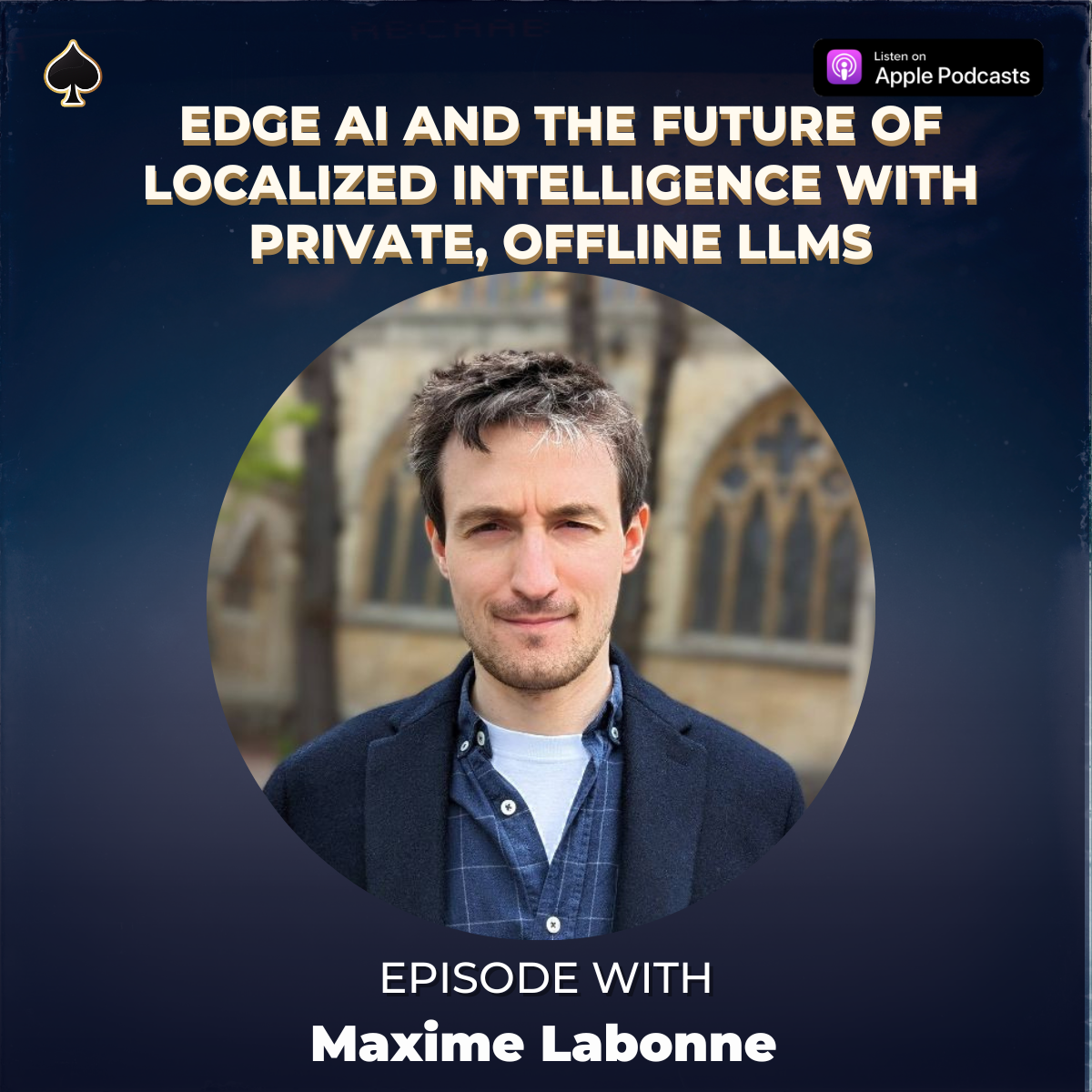 Liquid AI Head of Post Training Maxime Labonne, PhD: Edge AI and the Future of Localized Intelligence with Private, offline LLMs86 / 100
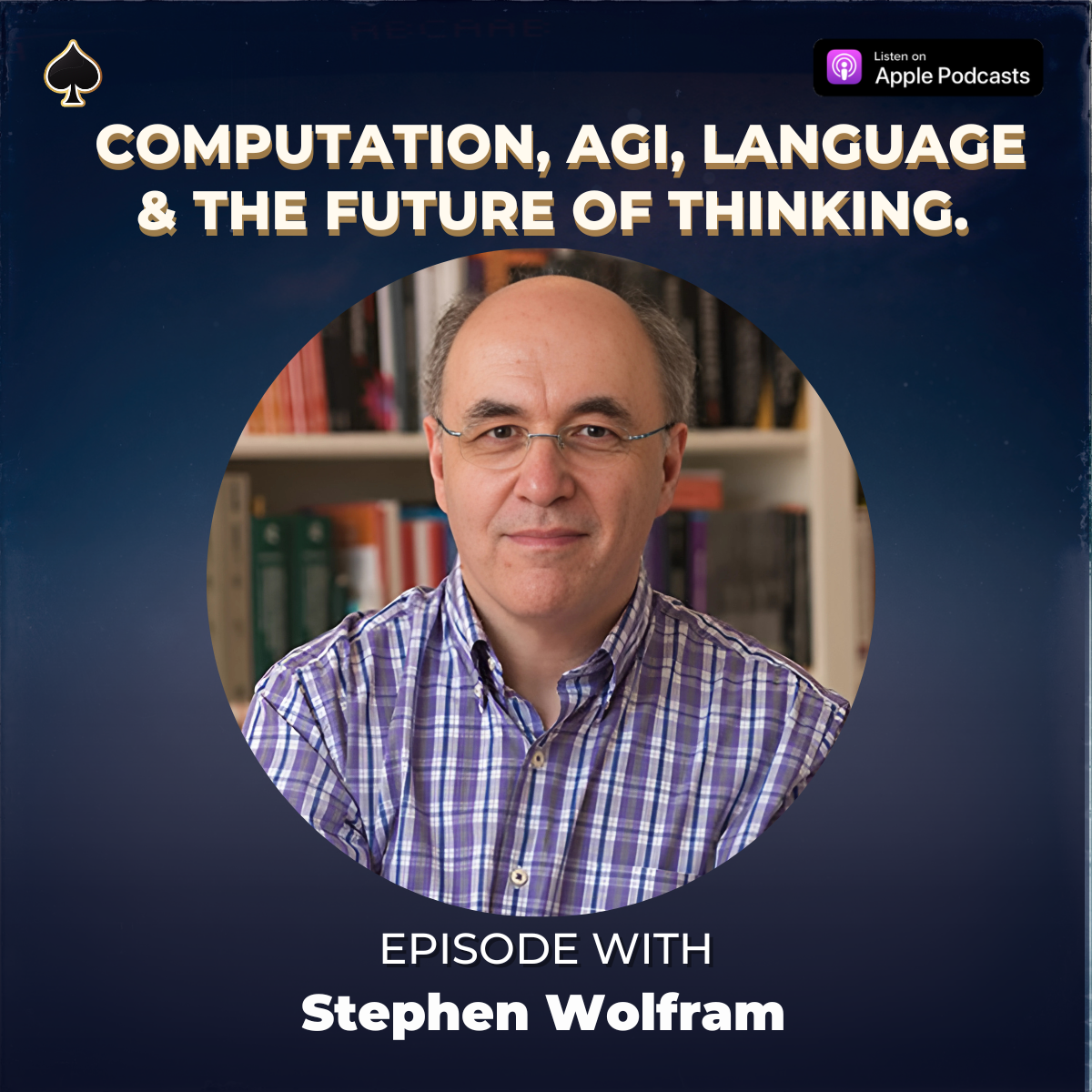 MIT Prof. Stephen Wolfram: Computation, AGI, Language & the Future of Reasoning.97 / 100
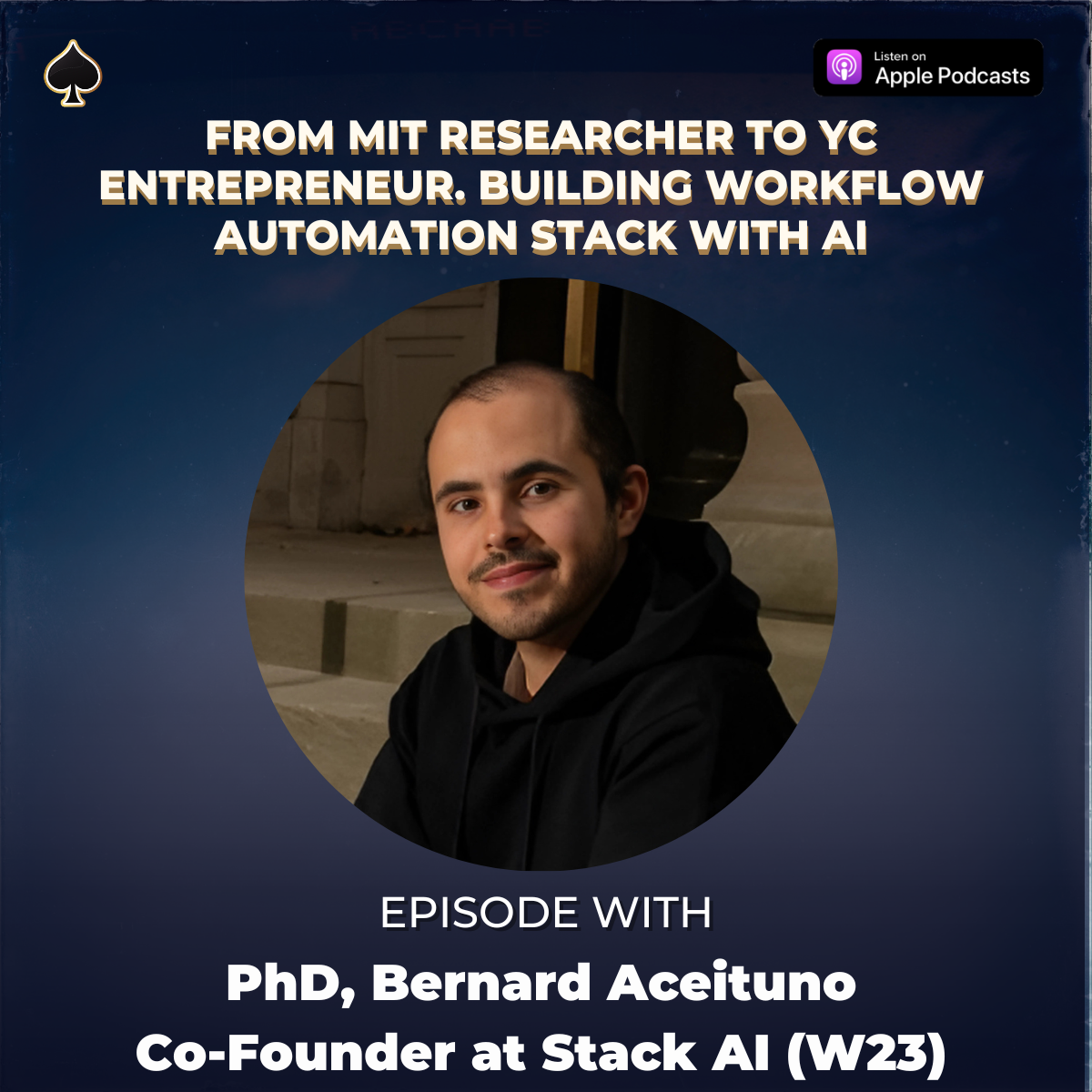 Part I: From MIT Researcher to YC Entrepreneur. Building Workflow Stack with AI w/ Bernard Aceituno63 / 100