The B2B Podcast Index
Index
All categories
MarketingSalesSaaSFinanceHROpsLeadershipCustomer SuccessAI & DataProductStartups & FoundersRevOpsEngineering & DevTools
MethodologySubmit
Best of:MarketingSalesSaaSFinanceHROpsLeadershipCustomer SuccessAI & DataProductStartups & FoundersRevOpsEngineering & DevTools
An independent project byFame
SearchBest episodesGuestsInsightsMethodologySubmit a podcast
Index/Finance/Ignite
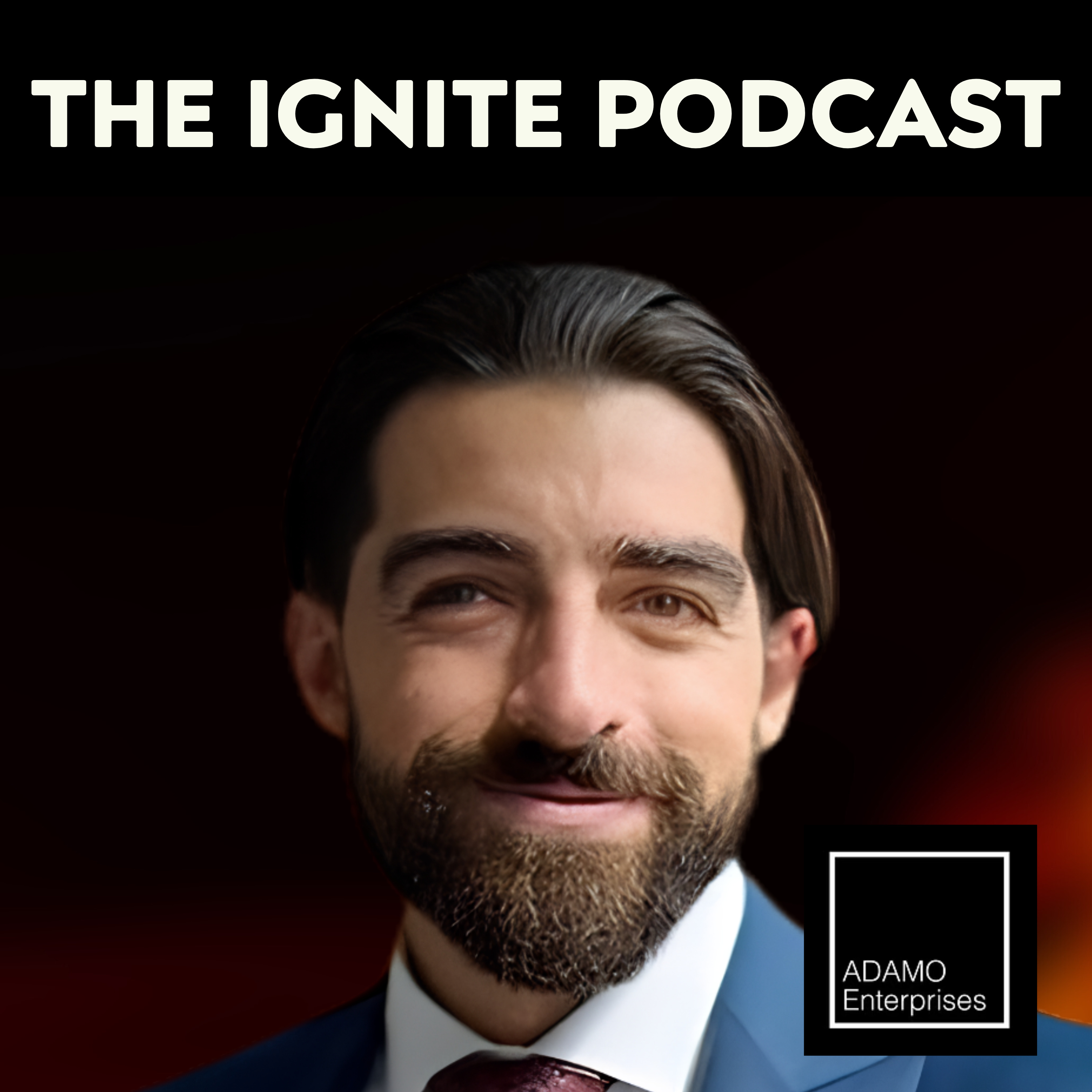
Ignite artwork

Ignite VC: How Jeffrey Becker Bets on Founders Before Product, Revenue, or Traction | Ep280

Ignite · 2026-06-18 · 54 min

0:00--:--

Key moments - from our scoring

Substance score

51 / 100

Five dimensions, 20 points each

Insight Density10 / 20
Originality9 / 20
Guest Caliber12 / 20
Specificity & Evidence12 / 20
Conversational Craft8 / 20

Jeffrey Becker, General Partner at Antler, operates the world's largest inception fund by backing founders at day zero - before product, revenue, or traction exist. Antler runs a 27-city global network with 200 staff, accepting roughly 3% of 150,000 annual applicants into 2-4 week in-person residencies where founders meet co-founders, test ideas, and receive $600k in the US (up from $200k previously). Becker emphasizes that the best founders don't lead with billion-dollar ambitions or money talk; instead, he screens for "maniacs" - obsessive problem-solvers with deep conviction, resilience, and clarity who stand out by being genuinely different rather than following pitch-deck templates. His LinkedIn experience (2012-2020, from 1,500 to 20,000 employees) taught him that teaching people frameworks - not dictating what to do - creates leverage; he applies this by underwriting founder psychology and execution slope over 3-5 meetings before deciding to invest. Antler's portfolio includes unicorn Rallo and FDA-approved companies like Loyal; 75% of cohort companies raise seed rounds within 3-6 months.

Key takeaways

  • →Antler's $600k checks (up from $200k) at inception prevent founders from getting stuck between insufficient traction to raise and insufficient capital to gain traction, allowing them to focus on building rather than fundraising.
  • →Founders must be intentionally different and stand out rather than following standard patterns; generic pitches and conventional approaches are insufficient to attract capital and talent.
  • →Investing at day zero with founders before any product or revenue reveals critical information about psychology, resilience, obsession level, and decision-making speed that is less noisy than evaluating companies six months later with products and customers.
  • →Aspiring VCs should build their own track record by actually deploying personal capital into early-stage founders rather than waiting for a VC job offer, which demonstrates both capability and genuine interest in the space.
  • →Founders who lead with billion-dollar exit targets and discuss specific price tags demonstrate misaligned incentives and ego-driven motivation rather than the obsession-focused mentality that correlates with breakthrough success.

In this episode

  1. 1Being Different and Standing Out as a Founder
  2. 2Jeffrey Becker's Background: Competitiveness and Sales
  3. 3LinkedIn Years and Leadership Lessons
  4. 4Transitioning to Venture Capital
  5. 5Antler's Day Zero Inception Model and Strategy
  6. 6The Application Funnel and Selection Process
  7. 7Identifying Maniacs: What Becker Looks for in Founders

Mentioned

AntlerLinkedInLoyalHeadspaceMisfits MarketPublic GoodsAlto PharmacyRalloY CombinatorTechstarsJeffrey BeckerJeff Weiner

Guests

Jeffrey Becker

Topics in this episode

Antlerday-zero inception fund modelfounder psychologypre-seed investingLinkedIn culture and leadership1900+ portfolio companies including Rallo and LoyalMoney Morning Meeting SubstackFurther Faster podcastEar Hooksco-founder matching

Questions this episode answers

How does Antler's inception fund model differ from accelerators like Y Combinator or Techstars?

Antler operates earlier in the founder journey - at the "should I start this?" stage before founders have a pitch deck, team, or clear product direction. Unlike YC/Techstars, which require clarity upfront and immediate funding, Antler spends 2-4 weeks in residencies helping founders find co-founders and validate ideas before deploying capital, then follows with a seed fundraising sprint.

What is Jeffrey Becker's screening process for identifying founder "maniacs" to invest in?

Becker meets promising founders over 3-5 meetings to assess psychology, obsession with the problem, execution speed (slope), and resilient optimism. He plots data points on founder clarity, urgency, and resilience, looking for extraordinary spikes in conviction or capability. He avoids founders who lead with billion-dollar ambitions on day one, viewing them as ego-driven rather than truly obsessed.

Why did Antler increase check sizes from $200k to $600k in the US?

Becker says founders are demonstrably better at deploying capital with modern tools, and $600k (typically split into $350-400k upfront plus a follow-on check) gives them 12-18 months of runway to hire, build, and acquire customers without getting stuck between insufficient traction to raise and insufficient capital to gain traction.

What percentage of Antler portfolio companies raise seed funding after the inception program?

Approximately 75% of companies that receive a first check from Antler raise seed rounds within 3-6 months. Antler typically provides each founder with connections to ~40 investors to facilitate this.

What did Jeffrey Becker learn from his nine years at LinkedIn that informs his VC approach?

Becker credits LinkedIn leaders like Jeff Weiner and Dan Shapiro for teaching him that the most powerful lever is teaching people *how to think* rather than *what to do* - providing frameworks and decision-making models rather than directives, which scales organizational leverage. He applies this philosophy to founder development at Antler.

What our scoring noted

Our reviewer’s read on each dimension, with quotes from the episode.

Insight Density

10 / 20

There are a handful of genuinely useful ideas - the paradox of companies stuck without enough traction to raise but without enough money to get traction, and the counterintuitive argument that inception-stage investing is less noisy than seed because customer signals are absent - but they are buried under extended personal biography, repeated platitudes ('to be better than average you have to be different' appears verbatim twice), and the host's own portfolio commentary.

companies were stuck between not enough traction to raise and not enough money to get traction. It's kind of a paradox.
traction is such a noisy thing. Like you're a vc, uh, and you want to be like one stage later than me... you have five customers, what do you do? You got to call the customer... One of them loves it, One of them is not so sure. One of them hates it. Now I'm confused

Originality

9 / 20

The 'inception stage as less-noisy signal' argument is a genuine reframe worth hearing, and the observation that early valuation anchoring reveals ego problems in founders is modestly contrarian; however, the bulk of the episode recycles standard VC diversification doctrine, the 'back the founder not the idea' mantra, and generic hustle mythology that circulates everywhere.

that is actually, in my opinion, a much less noisy stage to invest at, uh, compared to six months later or seed, where there's a product, a customer, a team
founders who lead with I want to build a billion dollar company make you nervous, and the ones that barely talk about money are the ones you trust more

Guest Caliber

12 / 20

Becker is a genuine practitioner - nine years of sales leadership through LinkedIn's IPO-era scale, angel checks into real companies (Loyal, Headspace, Misfits Market), and four years as a working GP deploying capital at inception - but he is a mid-tier VC name managing a pre-seed fund rather than a founder who built something at scale or a senior decision-maker at a top-tier firm.

led our key accounts program for sales solutions before I left
wrote checks into, you know, Loyal, which just got, you know, their first two FDA clearances

Specificity & Evidence

12 / 20

The episode supplies real funnel numbers (150k applicants, 4k serious looks, 400 investments), check-size mechanics (350-400k upfront plus a catalyzing tranche), close rates (75% raising within three to six months), and named portfolio companies with outcomes; however, several claims - SpaceX valuation, LP capital decline percentages - are stated with false precision and no sourced citation, and founder name-drops serve as social proof rather than evidence.

150,000 people apply every year globally. From that, about 4,000 people get, you know, a really serious look. And then from that, about 400 investments.
75% of them are raising money within three to six months of our first check

Conversational Craft

8 / 20

The host lands one sharp question (the '50 million lie essay' angle on founder ambition) and keeps a reasonable structure, but he repeatedly pivots to his own portfolio situation and personal anecdotes, validates almost every answer without follow-up pressure, and closes with soft wrap-up questions that let the guest deliver rehearsed content rather than novel thinking.

In your 50 million lie essay, you said founders who lead with I want to build a billion dollar company make you nervous
My boys are two years apart. And so I see this even more viscerally.

Conversation analysis

Computed from the transcript - who did the talking, and the words that came up most.

Share of words spoken

  • Jeff Beckerguest80%
  • Bradhost20%

Most-used words

founders34money29different26founder22better21build21love20world18building18change17sure17antler15linkedin15stage15enough14back14

Episode notes

Most investors say they want to back outlier founders. Jeffrey Becker is trying to find them before the company even exists. As General Partner at Antler, Jeff co-leads the firm’s US Fund from New York, investing at what he calls the “inception” stage: before a polished pitch deck, before obvious traction, before the market has voted. Antler’s model is built around a simple but difficult premise: spend time with founders in person, understand how they think, watch how they operate, and back the ones who seem capable of building something massive from zero. Jeff calls it “backing maniacs.” Not reckless founders. Not loud founders. Not people performing ambition for investors. The kind of maniac Jeff is looking for is someone with deep obsession, extreme urgency, resilient optimism, and a personal relationship with the problem they are solving. Someone who does not just want to start a company, but almost cannot imagine doing anything else. That distinction sits at the heart of this conversation. From LinkedIn Hypergrowth to Day-Zero Venture Before joining Antler, Jeff spent nine years at LinkedIn during one of the company’s defining growth periods.

Full transcript

54 min

Transcribed and scored by The B2B Podcast Index.

Jeff Becker: To be better than average, you have to be different. Like, there is just no other way around that. I truly believe that if you obsess enough about things, you need to pick the things that you believe should be different and you need to exploit them. And I don't think enough people, like, look at the whole picture and try to find the exploitations. I don't think they try to be different. I don't have a lot of founders who change their pitch intentionally to stand out. Uh, I don't have a lot of people that like, change the motion and the way they do things in an effort to stand out. I think that most people believe a good story, showing up and doing things with other people. People do. It is enough and it's just not. It's just, it's like, it's A, it's boring and B, it's like uninspiring. But it's also just not enough. If you want to be better than average, you got to be different. And I think, you know, you got to be different in order to stand out. And you got to stand out to raise capital to attract people. So that's the thing I'm always challenging people to really think about and do just lean into.

Brad: Hey everyone. Welcome back to the Ignite podcast. Today we are delighted to have Jeff Becker on the mic. He is the general partner at Antler Co, leading the firm's US fund out of New York. Antler is the day zero residency based pre seed model now operating in 27 cities with roughly 1900 portfolio companies, including some that you've probably heard of like lovable Aralo, Micro One, Pixverse and many others. Before Antler, Jeff spent nine years at LinkedIn and sales leadership through its run to almost a billion members. And uh, I think like uh, 20 over over 10 billion in revenue. And so we're delighted to have him M. He writes the Money morning meeting substack and hosts Antler's Further Faster podcast. So I'm looking forward to uh, learning how to do my podcast better. And so, uh, thanks for coming on, Jeff.

Jeff Becker: Yeah, Brad, thanks for having me. Excited to, to dig into all things free Seed. Yeah.

Brad: So I'd love to get your origin story. What's your background?

Jeff Becker: Yeah, well, okay, so I grew up a little brother. I say that because I always talk to my founders about like, you know, what was it like growing up? Who were you? And I say that in part joking, but really because it made me very competitive. I was always competing with my older brother in sports and baseball and school we went to the same college.

Brad: How, how many years apart are you guys?

Jeff Becker: We're about three and a half years. So I just missed each other.

Brad: My boys are two years apart. And so I see this even more viscerally.

Jeff Becker: Yeah.

Brad: Now that they're teenagers, they don't even talk to each other. They don't like barely acknowledge each other.

Jeff Becker: Yeah. My mom always said we were like, you're destined to be best friends and you get older. And we always said, no, we beat the crap out of each other. But, you know, now we're good friends. So. Yeah, I mean, that's sort of like core to my DNA and I think, you know, being a baseball player, you know, being in sales early my career was always competing and trying to find ways to get an edge in something. And I always felt like, you know, to be better than others, you had to be different in some way and try to like, find and really kind of elevate yourself against others. You had to pick things that you could be different that specifically, especially in sales. But then, you know, as I became angel investors, I started a, uh, another company on the side as I worked at LinkedIn. Those are things that I felt gave me a bit of edge against others. And so it's always really kind of just about winning, like drop me into any arena and I just want to compete on that thing. But yeah, LinkedIn, as you mentioned, is a great experience. Rocket ship from, you know, 2012 to 2020. I did nine different jobs there over nine years, basically all in sales, but across three departments and led our key accounts program for sales solutions before I left. And then, you know, more recently, angel investor, uh, founder of a company called Ear Hooks. We kept earbuds in your ears for 10 years and sold those to a quarter million people around the world. And then the center of all three of those things being at LinkedIn, you know, hypergrowth and tech, you know, being a, uh, founder nights and weekends and scaling that thing globally. And angel investing really to me was being a venture capitalist. But, you know, I was never in finance and I hadn't built my own SaaS business. And so, you know, for me I really just had to go do the job and I started writing checks. I wrote checks into, you know, Loyal, which just got, you know, their first two FDA clearances and are on the path to their third, which will be the first company in history to, you know, sell anything. Uh, FDA cleared for extending life of any kind, but they focus on dogs, which is super exciting. 1 Headspace Misfits M market public Goods, Alto Pharmacy, just some really cool stuff that I got to angel into in the early days and then now full time at Antler for four years. We're, you know, really trying to do the same thing which is back people and do that by getting to know them, spend time with them and underwrite the Maniac and you know, buy the, basically the future. And so yeah, that's, that's kind of me in a nutshell from, you know, personal life through to what I've been doing the last 10, 15 years.

Brad: That's amazing. So you guys internally actually refer to it as picking maniacs.

Jeff Becker: That's what I refer to it as. You know, I think there's sometimes these words, right, when you say them other people resonate differently with. And maniac is one of those, like, it's just one of those things that I say that people seem to pick up on. So yeah, I call it, uh, backing maniacs at inception. My posts that you see on Substack are like screaming for maniacs, you know, maniac mentality. It's kind of like a little bit of a brand play. But I think it causes this like visceral reaction and some resonance with people on what, you know, it really takes to persevere, to, you know, hire great people to compete at a world class level, to have a deep relationship with a problem. And so it just sounds like is all encompassing for something that is kind of esoteric.

Brad: What, um, I mean you, you spent nine years at LinkedIn and probably had a, uh, a lot of ups and downs there. What do you, what do you think you kind of take away from that as a, as a VC now?

Jeff Becker: It's interesting. I mean, I can say that LinkedIn, there's a few superpowers of that organization, not the least of which is the leadership. I mean, I think you learn from people you're around and having a front row seat to people like Jeff Weiner, Dan Shapiro, Mike Gamson or Shannon Stuba.

Brad: You were there kind of during the late golden age is what I might call it, of LinkedIn.

Jeff Becker: Yeah, right. Like um, post IPO. But we were there, you know, from 1500 people to 20,000.

Brad: Right.

Jeff Becker: And seeing those people operate, it really taught me a lot. I mean, taught me a lot about culture and values and the importance of it. Taught me a lot about focus, fewer things done better. Taught me a lot about communication. I think one of the real superpowers that those individuals I mentioned have is the ability to teach other people how to think as opposed to telling people what to do, which is kind of like a moment in time, kind of visceral, emotional thing in business often, um, teaching people frameworks and the ways to go about decisions and the ways to operate in the confines of the culture and values, I think creates an enormous, enormous amount of leverage. And I think that's really overlooked. And I think people kind of gloss over, glaze past it. But when you've been inside of an organization that was that focused and operating that kind of way, I, um, think it's really clear that it's the only way to do things.

Brad: Yeah. So you probably get a lot of young people in their 20s reaching out and being like, how. How do I become a VC? Right? And I remember, like, 10 or 15 years ago, I was like, how do I become a product manager?

Jeff Becker: Yeah.

Brad: What do you advise them now, given, you know, you can kind of look back at your career and kind of connect the dots.

Jeff Becker: I mean, first, don't do it. They absolutely, definitely don't do it. I just wrote a post, why you should never go into vc. It was, like, by far my best performing venture post. It's kind of broke down the economics of it. It broke down the time horizons, the, you know, the math of, uh, potentially winning and actually making any money doing it. And the bottom line there was like, don't do it unless I can't talk you out of it, because you really just like anything. You really have to be completely obsessed. You have to be really giving it 150% if you want to compete on, you know, a real stage or a real level. So I think first is, don't do it. And you kind of see, like, does someone jump over that wall or not? I think the second thing is, if you do want to do it, you should. You should just go do the job. Right. I think a lot of people try to figure out, like, almost like double Dutch, like, when do I get in? You know, like, waiting for the job, interviewing and. Yeah, yeah, like, talking to people. When do I do this? How do I go to that? And the real answer is, like, go find deals. Write your own personal checks. If you can't write personal checks. Syndicate SPVs, talk to the, uh, investors, talk to the founders, get out there and do the grind and, like, you know, find out, A, if you like it, B, if you're good at it. You know, see if the founders like you and appreciate you, you know, so on and so forth. Actually, it's advice that I got from Mike Gamson, the chief revenue officer at LinkedIn, you know, back when I was there. I, uh, had an offer to leave LinkedIn at the time. And he was like, what do you want to do? I always wanted to be a venture capitalist, which is another story, which we can get into.

Brad: Yeah, I love that.

Jeff Becker: Yeah. He was like, well, if that's what you want to do, don't take this job. You know, stay at LinkedIn. You're. You clearly, you know, have control over it. You're doing well. Get yourself promoted, do whatever you need to do, and take the free cash flow and go do the job and find out if you like it. And that's what I did. It gave me a track record and a resume, um, that I just. It just was an Excel, you know, of like the deals I had done and the things I'd gotten. And I used that to kind of get into vc rather than just trying to sell someone on my potential. It was like, here's what I've done, you know, well, well done is better than well said.

Brad: Yeah, I love that. So let's talk about Antler. You know, walk us through, like, how, how you guys operate. What's actually changed in the last couple years. You know, now you guys are up to, I think, 500k at day zero, which is crazy. You know, before companies has any revenue or really a product, why the job, uh, what's new there, and how, how, you know, how has the strategy changed?

Jeff Becker: Yeah. For those that don't know, Antler is the world's largest inception fund. We have 27 offices around the world. The thing that ties us all together in the way that we operate is working with founders in person before any equity or money changes hands, so that those founders have a chance to meet co founders, work on their ideas, not over commit to the cap table and to the endeavor before they even know if it's something they want to do. It's such a, such a hard, hard, hard life, you know, to go do and go live that way. And so to spend a little bit of time around other people that are just as crazy as you, just as smart as you, and really find out if, you know, it's the way you want to spend your time, if that's the arena you want to compete in, is really important. Finding co founders is super important. Picking the right, you know, game to play, making sure that you are around people that are supportive and helpful as opposed to, like, just like in your apartment, trying to code something into existence. I think that is something that brings all the Antler locations together under a common thread. And by working with those People in person, you get to know them super well. What are their motivations, how do they operate, how do they sell, how do they think about the future, what do they know better than anybody else, how do they attract people, customers, investors, all these sort of things. And that is actually, in my opinion, a much less noisy stage to invest at, uh, compared to six months later or seed, where there's a product, a customer, a team. And, you know, there's just a lot of things that can go right or go wrong. And it's an emotional thing when you're in that stage of investing. Whereas when you're in the inception stage and you're just talking to the people and understanding them, there are things that are just like, absolutely have to be true now and in the future. And when you can identify those things and identify if they're extremely spiky at them, I think it's actually a really interesting place to write cap. Right, um, right. Early stage checks and deploy capital. Typically we'll write a check in like two to four weeks. So you'd be in the office for a couple weeks. In some places around the world, you might stay as long as like two or three months. So, you know, people do it differently in different regions. In some regions you might get 100 or 200k, as you mentioned, here in the US we're actually writing 600k now. And the reason for that change, uh, is honestly, like, the founders are amazing and it's very obvious to us that the quality just keeps getting better and better and they know what to do with the money. They can create more leverage than ever before with the tools at their disposal. And, you know, my personal belief is like, if you have this much conviction in people, um, writing them 200k vs 600k is the difference in them spending their time building the company and then spending the time fundraising. Because the previous kind of earlier version of this, what we found is that companies were stuck between not enough traction to raise and not enough money to get traction. It's kind of a paradox. Whereas this 600k, we usually break it up into two checks. Usually it's like 350 or 400k upfront, and then we give them on cap check to the next round to help catalyze it. And so it's both enough money for like a year, year and a half, some team building, some technology, go get customers, prove there's a real need for this, and it's a catalyzing check to get the next round. Um, and, you know, for all those founders we're basically setting them up with something like 40 investors on average each for their seed round. So 75% of them are raising money within three to six months of our first check. So that's kind of the headlines. We do have a, uh, Series A fund that follows into these thousands of companies around the world, which allows us to go all the way to ipo. We've deployed money all the way through to Series B and C or Rallo, our first unicorn. We backed them seven years ago. I think they just had a unbelievable record month that Bahadir just posted on LinkedIn, some crazy number, tens of millions of users and EBITDA, and it's just incredible. So we've been able to back them through every round, which I think most firms operated inception don't typically do. So. Yeah.

Brad: So a lot of founders listening would be probably asking themselves, okay, how does this differ from like a YC techstars kind of model where it's a residency, uh, you know, 12, 16 week kind of program accelerator? It sounds, it's, it's almost like similar in a way, but different.

Jeff Becker: Yeah, I like to think that we're at a bit of an earlier stage. The way I think about it is like, should I, shouldn't I, you know, like, should I start this? Should I not? Who should my co founder be? You know, what is the right way to start positioning this? Or who are the right customers? And that's a really interesting time because everyone goes through it, right? Whether you're like the best founder in the world or not, everyone goes through that moment. And if you are there in those moments, it's very revealing about how the founder will think about making decisions, how optimistic they might be, how creative they are, how resilient they are, how much clarity they can lock in on something and on an idea, the slope and the speed at which they can move. There's a lot of information in that stage. But if I look across at my peers and they're, I mean, they're phenomenal and I never have anything bad to say about folks. I think there should be more and more firms doing this. They really require a pitch deck, a team, you know, clarity over what you're building because they're giving you the money right away. And what we're saying is like, look, maybe you should, maybe you shouldn't. That's okay. It's important that you're around other maniacs. You want to be around a ton of people and find a great team and co founders and figure out what that sixth year is and if we can do that in two weeks or four weeks, you're going to be better off for it. And then we'll give you that money and then we'll go do the exact same. Like, let's go get to a seed round as fast as makes sense for your business. So we will also help people fundraise and run that kind of second phase, which is akin to what like a 15 week sprint to a demo day would look like. But we're doing this first part that's a bit unique and I think very additive to founders and culture as a product is a thing that I think goes back to those LinkedIn days we were talking about. It's a culture is just, it's everything. The team you build is the company you build and you know, that's what we're trying to create around the founders. The very beginning.

Brad: Yeah, it's really interesting because you guys are capturing, you know, the startup, uh, interest, like, and uh, helping right from inception, you know, from like, hey, like, I think I might want to do this right. And uh, you guys are only accepting something like 3% of those applicants, which is interesting. So you have this huge funnel. Uh, what, what does each stage of that funnel look like? What are some of the milestones you're looking at? Obviously when you're going, you're picking zero, you're picking from zero. That's, that's a whole different kind of thing. Yeah, it sounds like, you know, 3%, you know, go from hey, I want to work with Antler to I'm working with Antler. And um, I'm, you know, coming into the office and figuring all those things out and then there's another step which is, I think it's something like 10% actually get the, the, the first kind of money in and then, and then you, you obviously have the, the natural transition from there, raising a, a full precede or seed and then a, and, and everything. But maybe you could walk us through a little bit for founders listening, considering applying to Antler at the highest level, foot forward. How do they kind of tell you that they're maniacs so that they, they're one of the 3% that gets selected for the, for the residency.

Jeff Becker: Yeah, honestly, the, the, my tools on defining mania have to change because the presentation layers change. Like everyone's pumping out a Claude deck, you know, and like, honestly, all the fonts are the same. You can tell everything is a generated. So I'm updating my own system.

Brad: At least tell Claude to change the font.

Jeff Becker: Yeah, change at least change the font. Yeah, I love that.

Brad: At least change the font.

Jeff Becker: Yeah. Ah, you gotta do something to stand out. Right? I said that earlier. But, like, as founders, for sure, you want to be different, you got to stand out. I'll give you the numbers, and I kind of get through some of the questions you asked. I mean, I think at the highest level, 150,000 people apply every year globally. From that, about 4,000 people get, you know, a really serious look. And then from that, about 400 investments. So that's how you get from that number, you know, down to about, you know, 3%, which is then about half a percent of an investment. And that made us the most active investor in the world last year. The way we're able to do that is we're running these 27 cities, so we actually have 200 people globally. You can think about, like, a platform with lots of venture firms sitting on it. Here in the US Those numbers are a bit different. We have three cities. We just launched San Francisco last year. We have New York, and we have Austin, Texas. We get about 15,000 applications a year, and we'll make about 60 to 70 investments. So that's kind of our purview inside this global.

Brad: Because they kind of started, uh, I think in Canada. Right.

Jeff Becker: We actually started in Singapore. Yeah, in Singapore.

Brad: And then it kind of spread out from there.

Jeff Becker: Yeah, yeah, that's right. That's kind of how the funnel works in terms of the numbers. But I think to your question, on standing out as a maniac, each of the partners has their own things that they're looking for. Right. Part of the value in this is that we've hired extremely smart people who've done incredible things, starting their own companies, building their own firms. And what they're looking for is different. So I am one person and one brand of investor. I really like to understand people's psychology, the hard things they've done. I like to know their relationship to the problem they're working on and the reason for being and why they're doing that. I also just want to see the sense of urgency and the slope. I want to understand how resiliently optimistic they are about the work that needs to get done. You gotta be front loading that time. And so I typically try to meet people over three to five meetings. I will kind of plot those data points in my head of like, who are you, psychology wise? You know, tell me about your obsession, tell me about your execution, and let's evolve that, like, week to week, really, really quickly and find out if you spike, you know, on anything that is, you know, extraordinary. And if that's the case, then, um, you know, I'm probably going to take it to an ic, do some research, build a business case around that founder and around that business, and try to write that check as quickly as possible.

Brad: So in your 50 million lie essay, you said founders who lead with I want to build a billion dollar company make you nervous, and the ones that barely talk about money are the ones you trust more. So this kind of contradicts the standard VC kind of pattern matching, Right? So tell us more about that.

Jeff Becker: Yeah, I mean, I think if you think about those two, you are talking about building a billion dollar company. Your intentions are clear to make money. So in my view, like, given the opportunity to sell that company, like you already have a price on day one in your head, you better be talking about a trillion, not a billion. Because if you have a price in your head at a billion and you get offered 400 million, my LPs and I, you know, we're not going to be, uh, going to be building a 10x100x fund out of that. And so the ambition's not high enough for someone that's just talking about a billion dollars, especially if they have a price tag on day one. Their ego is already going to be a problem. Here, uh, there is an entire into

Brad: a casual conversation sometimes with the founder. I'll be like, what's your number? If Google wanted to buy you guys for 100, would you sell? And I kind of do it in a very coy, casual way. And I can sometimes fish it out of a founder like, yeah, we'd sell for 100. Yeah, definitely. Great. Yeah, thanks for letting me know.

Jeff Becker: Yeah. And that's okay. Venture capital is not for everyone. There are tons of ways to finance your business and build your business. And that's not to say that I don't appreciate earnestness and honesty and intellectual kind of, you know, appreciation for reality. But the way you answer that question to me is important. There are other tells other than like, yeah, I'd sell for 100 million. Someone could say to me, hey, yeah, if someone offered me 100 million today, it'd be kind of silly not to take it. But my relationship with this problem is deepening. I think there's a trillion dollar opportunity here. Let me tell you why. Let me walk you through that. I don't know if it's true right now, but there are some risks that I need to reduce or things that I need to figure out. And if I can figure those things out. It's going to be harder and harder for me to sell in the future because of what I think we can do here. And I think that that's a really honest way to go about that question. And it tells me something about the founder. It tells me something about, like, how realistic they are, how well they understand the complexities of things. And then there's this other side of the spectrum, Right. Like, you have the, I'll take the money now. You have the people. Like, I would take the money because I built nothing yet, and that would be insane. But the problem is hard, and here's what I'm doing. But then you also have these people that are just, like, doing their life's work. Like, I don't care how much money you give me, like, I'm just going to keep going and building because this is the thing that I was put on this planet to do. And there's just, like, so few of those people. Yeah. But when you find them, it's so fun to talk to them, you know, that's magic.

Brad: Yeah.

Jeff Becker: Yeah.

Brad: Because a little bit it's all about the mission. When it's all about the mission for them, it's not about the money. That's that.

Jeff Becker: And it's like jealousy, right. Because you're like, I would love to feel that way and be like, you know, so sure that I get about

Brad: VCs is, like, how jealous we are when we found great founders. It's not like. Like, uh, like, I, oh, I want to be you, but it's, uh, like, I wish I felt like that about something. And maybe we feel about, like. Like that about being a vc. But, yeah, that's. That those are the best founders. Right?

Jeff Becker: For sure. For sure. I think when you see something so clearly, sometimes you have to go do it. And being a vc, you see how hard it is and you see how, like, low the odds are. And actually, it's funny, our managing partner here in the US on, uh, that happened recently, he saw an opportunity that he was just like, I cannot believe we're not building this. And he spun out last year. Um, and he's just doing amazing building an unbelievable generational company. And, you know, we're excited to be his first backer. So obviously that's, you know, there's not too much that's public yet, but it does happen to some of us. We get the itch and the bug. And, uh, yeah, I'm really excited to see what he builds.

Brad: That's really cool. Yeah. And I think I think this is like a secret. I love that story because I think it's like a secret wish that all VCs have is to have something grab us so by the horns, by the antlers to like. And we just have to like go do that and shut down our venture firm, stop making investments and just go be a founder and work on something that drives us like that.

Jeff Becker: Yeah, for sure.

Brad: So there's, there's this thing in VC where you pass on things that uh, you should have invested and uh, you invested in things that you should not have. How do you guys kind of adjust your process, you know, personally and at the organizational level? And how do you avoid becoming too risk on or too risk off in that process?

Jeff Becker: It's interesting. I don't know if there's something that's too risk on. I think you got to be taking risks. Like we're trying to build trillion dollar enterprises, right? Like we're not here to make a little bit of money. You're not here to take part. We're here to take over. Right. As Conor McGregor would say. And I think to do that you got to be extremely ambitious and you got to be thinking about how to create something generational. Um, because if you're just trying to return 2 or 3x, which is better than most VC firms, you're better off being in the S&P 500. Right. This is a part of an asset class, in my view, at least at this stage, can be an insurance policy and a lottery ticket at the same time. Makes the math very attractive. If you do enough investments at this stage, you're going to get that 2, 3, 4, 5x pretty systematically. least that's what we've seen in the data. But you're also going to have this lottery ticket of being so risk on that you expose yourself to the anthropics, the cow, she's the cursors, the Airbnbs of the world that had early stage financings like this. And so we want to keep that risk on as much as possible. But the way we take the risk out is not by the investment itself, it's by the diversification, it's the number of investments we make and that's how we can kind of balance those two.

Brad: And I love that. So you fought completely into diversification, it sounds like. And this is something that I get into disagreements about with other VCs, LPs, especially as I'm raising my fund. And because we're a very diversified pre seed fund, right. We do 100 investments a year and I'm like, just look at the math. This is how like the math works this way. I literally have a tool on my website, it's a Monte Carlo tool which, with the probability distribution and you can actually assign all the different probabilities on the distribution and you know, pretty much any assumptions you, you grab from any data set cartas, you know, whoever it just the math says do more investments. So it sounds like you fully bought into that.

Jeff Becker: It's uh, it's. Yes. And to that question, so a few things. One, I mean, look at SV Angel. Look at yc. Like just look at the people that have done diversification. Well, it's story levels of multiples on their funds. I think that when you do good diversification at this stage, you get high multiples and I think that's important. However, you also need to be able to concentrate the portfolio as you go and you need to find a way to deploy more capital to increase gross returns. Right? And so, you know, you see that in YC continuity, you see that in a few other places and we have a strategy for that here as well. And I don't think that it's one at the exclusion of the other. You have to build a world class sourcing engine, a world class way of making decisions, a world class way of getting ownership and diversification. But then you can't just leave it there. You also have to figure out what is a world class way to follow on and actually create, you know, systematic value and major, major growth returns for.

Brad: Yeah, and it is the follow on. I've noticed this in my portfolio because I haven't reserved capital yet. You got to increase ownership. I mean, you guys do a really good job of this, right, because you're grabbing 10% of the company very early and then you're following on to maintain that ownership. Uh, something I struggle with as a small check writer. But what I've noticed is my SPV strategy, my follow on actually performs even better than the fund because I'm sort of picking the winners kind of coming out of the fund and doubling down and increasing ownership through SPVs. So it's something that I need to lean on probably more in my fund as I, as I go along.

Jeff Becker: I think you've got, uh, you have, you know, you have asymmetric access to those deals and you've got asymmetric information. And if people want to be in those SPVs, they should be required to invest in your underlying inception fund. And it's the same thing you see at Sequoia, right? Like everybody wants in the seed vehicle, you know, that's where you got Instacart. That's where a lot of real returns went. And so you got to participate in the rest of it too. And if you deploy a billion dollars and get 3x, you make amazing gross returns. That's very hard to do at inception. To deploy a billion dollars at inception, you'd have to write hundreds and hundreds and hundreds of uh, checks. Right? We do. We've done 2,000 checks across 27 cities to do that. And so the infrastructure you need to be across that much deal flow is, you know, it's antlerless, enormous. However, I do think that like, relative to your fund size, you can get enough diversification, you build up good systems to monitor that portfolio and stay close to those companies. Yeah, you have a right to win and you've got a source of deal flow. And so those SGVS is a way to basically plow money into the best companies and that's where you can get gross returns. So you get your multiple here and you get your gross here. And I think collectively, um, it's a really powerful strategy, especially when you're close to the founder because like, you know, you're not only helping them, but they're helping you and in some way, like you're building it together. I think that's really part of the magic too. Like if we do this for a few decades, we'll look back and we'll have a network of people that, not only that, like, we love and love us as like humans because we did this thing together, but like, it'll just, it'll be more fun. Right. And if you just give them that first check and never do anything else with them, it gets quite complicated later. And, and I think it's important to be there for the long.

Brad: Yeah. So you recently cited Dan Gray's LP survey, uh, showing. Yeah. Showing 57% of LPs want back emerging managers this year. Which I am. Which sucks up from 33% the year prior. So you guys are now institutional. What does that LP retreat mean for, for you guys and for the industry at ah, at large?

Jeff Becker: Well, you know, look, I wrote that looking a little bit backwards. I'm not trying to project onto the market or like, you know, tell people how things are going to go. What do I know? But the last few years LPs have retreated. Right. Like there is a big decline after, you know, 22, 23 timeframe. I think we lost 74% of the LP capital into funds. We lost something like 7, 60, 70% of the emerging managers evaporated. However, at that very same time, there is a huge swath of people that are, have just worked in a bunch of amazing hypergrowth companies over the last two or three years that are now going to spin out. They've become, you know, millionaires themselves where they worked at anthropic or lovable or whatever it might be. And they have an amazing network of engineers and other leaders that were exposed to that culture and that leadership and that hyper growth. And I think those people will be, uh, well suited and primed to bring in emerging manager money again and tell a really good story about asymmetric access, the, you know, the AI narrative and the platform shift we're seeing. And so I don't know if what has happened will continue to happen, but certainly there's a moment right now and every manager that I've spoken to is closing a fund raising the next one. They're all in that moment of can we capture this lightning in a bottle? And uh, that's another topic in itself, right? Are we capturing the token value? Is it a bubble or not? So lots of variables, but it's just fun. It's like the energy is back and that's a fun time to be in venture for that reason.

Brad: Yeah, yeah, totally. Speaking of tokens, AI is collapsing the cost of building a company. So there's a real argument that early stage funds are being disintermediated. Right. Solo founders or duos do not need a ton of money to get going and get traction. I see this all the time, but we haven't raised any money and we have a million of error right now. We're starting to raise and that's like, that creates a little bit of gap. How are you guys seeing that in the, in the market? And um, how is, you know, this time saying, you know, the same but different?

Jeff Becker: Yeah, I mean there's like that chart, I don't know if you've seen it, it's like number of employees per million dollars of revenue or something. And it's just like going to zero. It's just like, it's very clearly on a trajectory towards like more and more and more efficiency and higher and higher leverage.

Brad: Right?

Jeff Becker: Yeah, it's, it's. I mean you can do more. You and I could go to lovable right now, go to Antler portfolio company and type in I want to build a fund, you know, or a deck, you know, analyzer for founders. It costs $10. Sync up your stripe payment gateway, you know, load in an investor database load. You know, build a little algorithm with natural language and founders could be paying you 10 bucks. You've got distribution for that. You know, you've got like the know how on how to build that thing. You can do it with, with basically a uh, keyboard on the screen and you can have a business. Is that a trillion dollar company? I don't, I don't think so. I don't know. But you can start a business and I think that is really interesting because you can do a lot more with a lot less. You can execute in places where you may not have been able to, you know, last year, the year before. And those models and those businesses are the worst they're ever going to be. So you know, will we have agentic situations where you can just like one line code a business into existence? Probably, it seems like it. But that's also a very online go

Brad: like, oh, that, that's a trillion dollar company and just spin up like a swarm of 10,000 agents to build it.

Jeff Becker: Yeah, well there is a company that's doing that. There's actually two. I saw one, I just joined YC and I saw one that got funded uh, this week. Yeah, I saw that one. Right. It's got like AI slop backwards, like Polsha or something. So those things are coming and they're cool. And I think it's interesting. Will the companies that they build be trillion dollar companies? No, I think that's a lot more like Shopify, right. Where 95% of those people that start stores like don't actually spend millions on advertising, driving, traffic and revenue, but 5% of them create a ton of value for Shopify. So I think you will have company builders, magenta company builders like that, that build lots of long tail businesses. I think if you want to build a real business that is, you know, hundreds of millions in revenue, that's still going to require people and complexity and structure and systems and teams and, and capital. I also think it's a really small, kind of, not small, but like uh, a uh, myopic view on the market. Right. Because in the same breath we also have companies building data centers in space and launching satellites and fixing, you know, longevity and working on quantum computing. Things that are still, you know, atoms instead of bits. And I just think that the news media would have you believe that like everything's going to be AI. And I think that yes, AI will create a lot of leverage, but we also still have like this massive physical world and a ton of value to be created there as well. And so as generalists, as people that get to work with, you know, 150,000 people applying every year, get this massive data set on, um, like, what are all these smart people thinking about? Like, what do they think the world's going to look like? And that's just like a cool, you know, matrix to be inside of sometimes.

Brad: Yeah, that's awesome. Let's talk about the content engine. You know, you're. You're writing a blog, you're doing a podcast, you know, asking for a friend, like, what are, what are some learnings from that? If you could start over again and

Jeff Becker: yeah, if I could start over again, I probably wouldn't do it. It's the same answers, you see. No, I mean, I think that it's. I'm the kind of person, like, when I commit to something, I commit. Like, I just. Failure is not an option. I, um, don't. It's not like a thing that I understand or maybe my ego can't deal with it, but it just. Right. And so I committed to writing this blog every Monday. I've now done it for, you know, five or six years straight. Every single day. Every single Monday. Rather recently, I built a content engine around it. So it's basically a set, uh, of mcps that plug into things like granola, slack, email, et cetera. I try to record the calls and doing them, and then I have a, like a master prompt, one for coming up with topics. So try to figure out, like, what should I talk about, where are their angles and things, where is their data that supports unique point of view? And then another agent that I just kind of drop that context into where I edit and I work, and I try to, like, revise my thinking and sort of do the mental tennis with the machine. And then a third agent that does all the branding. So I elevated the brand of the substack. I elevated, like, the content generation, which, you know, you and I are doing all day, every day, talking to founders. Like, why do I have to sit there and redo that on a Sunday or Monday morning when I can have the machine sort of ride shotgun with me? And then, and then the distribution of it is like, how do you write LinkedIn posts, or how do you write tweets, or how do you do things that amplify and magnify the, uh, work that you're doing? So I've been getting a little bit better at it. You know, it's sort of a compounding effort. The graph kind of chunks its way up, right, slowly but surely, um, on the Podcast. Uh, actually I found a studio here in New York. You just literally book it. You show up, they do all the editing, they do all the stuff. And so it's actually quite of a simple lift. But again, what we really want to do is bring great people into the studio and really just talk about inception. Like, talk about the stuff that no one talks about. You know, you can see the headlines of so and so does a $500 million round so and so is worth a gazillion dollars. But like, there's actually an inverse relationship with the amount of money people raise and the level of success. That's like a. That's a Dan G. You know, favorite, right? And what people are. Tell me more about that.

Brad: What is the inverse relationship?

Jeff Becker: It's like the overfunded companies spend money in ways they shouldn't. They lose focus and they d. They get overfunded and the valuation is too high to catch up with, or the liquidation preferences are too much and they can't outrun it. And it's really just like a tale as old as time.

Brad: Sometimes you look at a company that gets, you know, they raise a bunch of money and what they don't tell you is the reason they raised a bunch of money at such a sky high valuation is there's like a 2x lickpress on the stack there, right? Which is just going to just cut them off of the knees, like.

Jeff Becker: Yeah. And then you, you know, you bring these founders into the studio, ones that build unicorns. Like we had founders of Superhuman and Rent the Runway and, you know, Cameo and others. And you know, they, they all tell you the same thing, right? Like, the job of building a company is to find a customer and keep it. It's not to have a high valuation. Right. David Politis, the founder of Better Cloud, he runs a podcast called not another CEO. Uh, and he's interviewed like hundreds of CEOs. Uh, and he's in there telling me the exact same stories. Like, you need a valuation that. That gives you options, right? You don't want evaluation that leaves you no option other than to build a, you know, a trillion dollar company. Because it's unlikely the market might change, the customer set might change. There's Covid might happen. There's so much that's out of your control. And so as a founder, you know, how do you remain in control and how do you kind of remove the ego of the valuation and focus on finding and keeping a customer and doing that at a rate and a speed that allows you to gain market share? Um, and just do that for extremely long amount of time and, you know, be lucky to find a second or third act. Right. Like, Chesky talks about how, like, Airbnb is trying to find their second act, you know, and, like, just the greatest companies of all time, like, uh, some of them still are on their first act, you know, and Amazon obviously found a second act and AWS and, you know, a third act. But I think people underestimate that. Just like, doing one thing extraordinarily well and, you know, ignoring some of the. Some of the hype and valuation kind of ego gain.

Brad: Are you on any boards? Do you kind of aspire to sit on boards? Does Antler sit on boards? Like, how do you guys approach that?

Jeff Becker: I technically am on a couple, but I don't aspire to be on boards. There's reasons for the ones I am, but the reality is, like, I just want the founders to be successful, and I don't want to be at odds with them. I want to make sure that we have, you know, major investor rights for our peers and make sure that we have information rights and then the things that we need to manage the portfolio as opposed to just like, you know, yoloing uncapped notes into, you know, you know, AI companies and crypto companies. When things are hot, I want to make sure we have the right management in place and the right sort of governance, but on the board thing, you know, I'm happy to do it if founders want me there, but really what I'm. Because I'm coming in so early, what's good for me is good for the founders and vice versa, right? Like, if they get to a place where this is, like, no longer their life's work, and they want to sell it at, you know, 100, $200 million or whatever the number is, you know, sure, take the check. Like, we have the same economics here. We're both starting from basically zero together. And if you don't want to sell it, then don't. And I feel like being on the board, it just creates a bunch of other paradigms. I'm also not an expert in any specific industry. You know, I sold for a long time, and there are things that I know well, but I think the founders are better off having people that are, like, just absolutely legendary and have done that thing for decades, and they can really make sure that those companies succeed. So I think that relative to our position on the cap stack, we share very similar incentives. And also, um, there are people that are better suited, most likely or most often, uh, to sit in that seat and guide the founder. So I'm happy to just kind of be there as a friend and, you know, give them the real talk and, you know, be the person that they can call when, you know, they're missing payroll or can't raise around or, you know, do the founder therapy thing. Because that's the moments when the relationships really built, you know.

Brad: Yeah, I love that. Uh, wrap up with some rapid, uh, fire questions. Which Antler founder has changed your mind about what a maniac looks like and how.

Jeff Becker: There's so many. There's so many founders that have just taught me so much. Like, I, uh, don't know, just to rattle off a few. Like Casper Barnes from Amino Chain has showed me what, like, life's purpose is about and really swinging big. I mean, it's an unbelievable company. You should look into it. It's just one of my favorites. I have a founder who's building in Africa right now who I swore I wasn't going to invest in, Taylor Rowan from honeyguide. And he showed me how a quant mind can really manufacture economics inside of a business that are just like, undisputed. And it's unbelievable what he's been able to do on a business that maybe seems less, uh, than interesting from the outside, but then once you start to get in there and see the spreadsheets and the numbers, the idea of manufacturing just like incredible amounts of value, it's really made me appreciate the quant kind of mine and cast with life's work. If you meet Shash from Doorstep, this is someone who just is magical. I really believe that everybody is going to know this guy in our futures. He's just someone who, if you spend 15 minutes with this guy, the level of magic, the level of optimism, the way that he speaks, the way that he emotes, um, the way that he, uh, appreciates the things that you're supposed to appreciate and ignore the things that you're supposed to ignore. I just have never seen it in someone his age. He's so young, he's so full of raw talent. If you talk to Arthur from Magentio, he is just absolutely obsessed with the quality of his team and the culture and the types of people they hire and how important recruiting is. And so, like, as I'm exposed to these different people, you sort of like, manufacture this ideal person in your head of like, who is the. Can I take this person, this person and this person and put them together? But there's no right way to build a company, right like that. If There were a playbook, people would be coding that into an agent and building unicorns. And what makes these people interesting is that they're all so different and they're all outliers in different ways. And that superpower is what they're leaning into the most to build their companies, you know, or like Dakota from Harper, you know, he's like a darling adventure right now in the valley, emergence just led. You know, Series A was really storied round. I mean, that guy is up at 5am M in the office and I don't know if he ever sleeps. He's always like an instant responder and he just is so switched on and the sense of urgency is so, so high. And I think it's just, it's really incredible when you're exposed to these people and what you learn about world class really looks like.

Brad: Yeah, I love that. And I love that response because it just reminds me why I like being a vc. It's, it's, it's meeting really amazing founders and I've, I've written some articles and tweets on it. It's just like, you know, some sometimes you don't want to come to the office. You're just like, uh, I just want to like stay in bed and like, you know, not go to work. And then you go to work and you just meet this amazing founder. You're like, uh, oh, this is why I do this. You know.

Jeff Becker: Yeah. You know, you sit down like I was just sitting with Zach from hi Fi and we're just talking about this like quadrillion dollar token problem. You know, ramp just raised at 44 billion. And they talked about this idea that like the ROI and the measurement of AI and the tokens that are being consumed is going to be like the crux of the next 10 years. And how do you measure that? If you could tokenize your spend and understand on uh, almost like a stablecoin infrastructure or tokenized infrastructure. If you could really understand the roi, the way we understand the ROI of uh, advertising dollars. For example, like the reason Google is Google. I mean it's going to be a mega trillion dollar industry. And hi Fi is building these APIs for stablecoin. And it's unbelievable what their customers are doing, just sitting at him, sitting with him and talking to him about some of the use cases. It's like, even if it ended today, we have moved so much money around the world in a way that was never possible. And you're just like, wow, by some extension or Redditist, which just Raised their Series A. They went to YC after us and they're going to take this satellite into space and do research in microgravity. And it's just like the level of ambition of these people and the things that they're going to accomplish and the things they're going to develop. I always feel lucky to be a VC and to be a small part of that because I'm not qualified to do any of those things. But by virtue of doing what we do, we get to be the people that invest in them and believe in them and give them that shot to realize their potential. And I tell my team that all the time. It's such a blessing to be Robinhood to uh, help the rich get richer by helping the poor change the world. Right.

Brad: I love that. So you've uh, written a little bit about some writers you admire. What's a, you know, sharpest piece of writing, uh, in Venture in the last, I don't know, year or three, six months.

Jeff Becker: Yeah, I mean we talked about Dan G. A lot. I mean I think that he's just kind of come onto the scene for me in the last like year, year and a half. I, you know, everyone's following, you know, Peter Walker. He's doing amazing work with the data Carta. I wrote a post recently about the people really doing the work. So if people want to check out Monday morning meeting, uh, on Substack, you can kind of see who I'm, who I'm reading and staying up with. I think Constantine from Sequoia has really sharp takes. It's really, I think a unique point of view. Um, his Agent Swarms thesis was pretty interesting to me. I think. Uh, you know, obviously Beezer on the, on the LP side, I think she's really unearthed what, what it means to be an emerging manager raising and what LPs are looking for David G. Or sorry David Clark. But also, I mean back to Dan G. I think his writing is some of the most like, thoughtful and well researched for this inception stage. I don't think that a lot of people just appreciated how deep he's gone and how, you know, objective he's being about the whole system. So yeah, I would highly recommend people check that out.

Brad: What's the uh, best piece of advice you ever received?

Jeff Becker: Oh, you mentioned this is rapid fire and I've just been giving you long answers.

Brad: No, you can give me longer. It's rapid ish fire is what I normally call it. Yeah, like wrap up questions.

Jeff Becker: Honestly, like I don't know if this is advice from someone or something. I just like, have been evolving to believe. But we said in the beginning, like, to be better than average, you have to be different. Like, there is just no other way around that. And, and I just, I truly believe that if you obsess enough about things, you need to pick the things that you believe should be different and you need to exploit them. And I don't think enough people, like, look at the whole picture and try to find the exploitations. I, uh, don't think they try to be different. Like, I don't have a lot of founders who change their pitch intentionally to stand out. I don't have a lot of people that like, change the motion and the way they do things in an effort to stand out. I think that most people believe a good story, you know, showing up and doing things the way other people do. It is enough. And it's just not. It's just, it's like, it's A, it's boring and B, it's like uninspiring. But it's also just not enough. And I think you got to be better than. If you want to be better than average, you got to be different. And I think, you know, you got to be different in order to stand out. And you got to stand out to raise capital and to attract people. So that's the thing I'm always challenging people to really think about and do and, and just lean into.

Brad: Can you think of a founder that. And you've talked about some really great ones, but, you know, maybe came in pretty cold. Cold dm, cold email that just really stood out.

Jeff Becker: Cold dm, cold dm, cold email. Gotta think about this one. Um, I'm sure there are, I'm sure there's plenty. I'm just trying to think of like that moment. The Shosh, the one I mentioned is like a. Just a magical human being. We did a, we did a further class where you can go listen to him. He talks about like, you know, doing his Investor calls at 3, 4 in the morning and like, you know, trying to shoot arrows blindfolded. And Arjun is like a famous mythology, uh, character. Uh, but anyways, the origin story of that one is I had this intern who worked for me. We both went to Emory and he asked me for a job and I was like, I don't have a role, but if you want to, you know, do an internship or come spend a few weeks here and do some stuff, no problem. And this guy showed up once and never saw him again. Never really heard from him again. I figured it was just like, you know, maybe he had a paid off or somewhere. And then a few months later he calls me and he's like, hey, I've got this kid Josh. He also went to Emory. You got to meet him. And I was like, I don't know man, I don't even, you know, like we didn't even really interact. I'm not sure how good this would be. And uh, so I took the phone call with Shash, just kind of cold and easily in 15 minutes. I was just like, man, I don't know what you're doing and what you think you're going to build, but if you want to come to New York, you are, uh, more than welcome to be part of this. We just started two weeks ago, so you're a little late, but you're more than welcome. And Josh quit his job that day. He was sleeping on a friend's air mattress, like basically mapping out apartments, getting close to the problem. And he quit his job and he flew to New York the next day. He was in the office within 48 hours. And the first day we get in the meeting, we just had a session and we sort of like jammed on what we were going to be able to do together. And I come in the next day like 7, 8am and he's still there, just hadn't left, just still working. And it just went from like kind of cold, like I don't know what this is going to be to. You're not really part of the cohort because you're showing up late to like, wow, this kid is just going to run circles. And uh, yeah, he also just raised his seed from Kanon Partners. He let Instacart see it as well. He's got a great board and great gap table. He's just building something incredible, the Doorstep AI. And uh, yeah, I just felt lucky to be kind of like in the ethos of that intern. He thought of me to make that introduction. So sometimes the best ones are just come from places you don't expect.

Brad: Yeah, I love that. Speaking of evaluating founders, what's the most overrated metric in pre seed venture right now?

Jeff Becker: I mean customers revenue. It's like the business changes. Like Harper is a great example. This company I just mentioned that raised, you know, 37 million Series A. We invested. It was a different name, wasn't called Harper. It was a different business. It was not in insurance at all. But if you had spent 12 seconds with Dakota, you just know that the guy is a maniac. And Tushar too. And they had built something previously. They kind of knew what needed to be done to be good builders. And so we wrote the check on the belief in them. Even though candidly, like, I didn't love the idea, I thought he was going up against really, really hard competitors on the previous company idea. But he, to his credit, learned that very quickly and pivot made a right hand turn and pivoted into insurance. And it's been a rocket ever since. And so I think, like, if I was only basing it on the traction at Pre Seed or only on the idea, I would have just totally missed it, you know, and now it's, you know, one of the best companies in our portfolio.

Brad: Yeah, sometimes you're. Yeah, I mean, traction and momentum, um, are important, but so is everything else. Right. And so noisy things. Unique crystalline structure. Every startup's a beautiful snowflake and you have to like evaluate that beautiful snowflake.

Jeff Becker: For traction is such a noisy thing. Like you're a vc, uh, and you want to be like one stage later than me. You want to be like at Preceder Seed instead of Inception and you have five customers, what do you do? You got to call the customer. As a vc, your job is to get information. So you call the customer. One of them loves it, One of them is not so sure. One of them hates it. Now I'm confused, right? I'm like, oh, I loved it. But now I'm kind of thinking not so sure. Then you call some people that are not customers. Do you need this? Do you like it? Well, now you're selling a Pre Seed product. It's like, what are the odds that that's true? Then you kind of go a little deeper. There probably is a problem there. Maybe the product needs to change a bit. You know, it's just, it just the further you dig, the more conflicting signals you get.

Brad: Right?

Jeff Becker: And humans are emotional decision makers if, you know, we use the limbic part of our brains to like figure out if we like this thing or not. Uh, and so you gotta like, you gotta remove the noise. And that's why I like being early. Like, if you can remove the customers and remove that stuff, uh, no one's in your head, no one's like telling you that there's no traction or there is traction. You're just trying to find out can this person sell or does this person know good looks like, or can this person build product or can this person move fast? And so those are pretty like obvious and legible when you're working with someone. But as soon as there's like, numbers and customers. You know, you start to wonder is because the price goes up, you're starting to wonder, is it really worth 10, 15, $20 million? And that's a really low probability game when you look at the math of venture capital. And so I try to just stay away from it. I try to get the belief in the founder. And that I think is less noisy and, you know, in some ways opens you up to these opportunities, like Harper, uh, where the founder is the thing that matters more than.

Brad: I love that. What's a belief that you held strongly that you change your mind on?

Jeff Becker: Yeah, this like, low price, high diversification thing is like a mountain that I've been on talking about for a long time. And I think there are creative ways to do deals that allow maybe a higher entry valuation with similar and sound economics for a venture fund. Just got to be willing to get creative and work with founders and you're trying to come up with ways to be a bit more flexible so we're not missing out. You don't want, like, the error of omission. Right? Like, you don't want to miss the

Brad: one you want to say we passed on Google because we couldn't get 500k into a 5 million cap or whatever. It couldn't get our 10% into Google. And dude, you missed Google.

Jeff Becker: Like, I mean, SpaceX was certainly overvalued at 20. Yeah, but like, SpaceX is valued at 27 million after the third rocket blew up. Right? Like, that's pretty much like, certainly overvalued for a company that, like, couldn't get off the launch pad. And, and nobody wanted to write that check. But the people that did are looking like geniuses right now, like David Sachs, dbl. Like, these are storied people that actually saw it and knew Elon and believed in the founder as opposed to what had happened on that launchpad. And so, yeah, I think that I was on this high horse about low prices and high diversification, but I'm evolving a bit on, uh, that and just coming up with new creative structures for deals that are good for our LPs that can return a lot of money, but don't cause, uh, us to miss out on great people.

Brad: Yeah, yeah. Rules are meant to be broken. You have to be flexible, you know?

Jeff Becker: Yeah, yeah.

Brad: Last question. What do you want your legacy to be?

Jeff Becker: You know, I want to tell you a story. I don't know what my legacy will be, but, uh, my managing partner here, who won the rest of the company, he's got this idea of the cave walls, which I just love, it's this idea that, you know, you're born in a cave, and you leave that cave and you collect firewood and you come back and light it up, and then you leave the cave again and, you know, you make memories and stories and you bring those things back and you adorn the walls with those, you know, uh, carvings of those paintings of those memories, those thoughts. And then at some point, you know, you get married, you have kids, you know, do all these things in life, but at the end of the day, it's still a single player game. Like, you're on your deathbed, uh, by yourself, and you're back in that cave and the eyes are closing. It's like, what do you want on your cave walls? What do you want to be there? And I think about that way more often than I'm sure he thinks I do since he told me that story. But I think about it a lot. I don't know what I want the legacy to be, but I, I, I think through that lens a lot when I make decisions about do I want to invest in this company, you know, will I be proud of this thing in 15 or 20 years? Uh, where do I want to spend my time? What things do I want to do? You know? So I think the question that people should ask themselves are like, does this go on the cave walls or not?

Brad: I love that. And I think you touched on something that I think I see in a lot of. I've interviewed, I don't know, Probably a hundred VCs on this podcast at this point and met, you know, probably hundreds more. One of the things I notice about really good ones is the metacognition that you just described, which is thinking about how to think. How do I think about things, right? And how, like, what's my purpose? And, like, yeah, would I be proud of this? It's, it's a lot of, like, existential questions almost, you know, like, who do I want to be in five to 10 years?

Jeff Becker: Right?

Brad: Like, you're just constantly thinking about that stuff. And I, I don't know if, like, maybe that's a tr. Like, maybe VC attracts people like that. Like, the good, like, the good ones, right? I've just noticed that a lot. And I've been, I've been that kind of thinker for, uh, my whole life. I'm just like, I just think about that stuff. When I worked On Wall Street 20 years ago, I was like, if I had 10 or 20 million in the bank, would I Want to keep doing this, you know? Yeah, no, I don't think I would. Okay. Like, what. Who am I? You know, like, there's a lot of like medic, like existential.

Jeff Becker: I think a lot of us are thinking that way, right? Like if we. Is, is money the goal here? Right? Because it's going to take us 15, 20 years. Is this.

Brad: I don't think it is the goal. Right. You look at like, like all the great VCs I meet, they're just like passionate and living their best lives, you know, and they're not worried about like, like, can I fly private or not? Who cares?

Jeff Becker: Like, yeah. So you, you've interviewed quite a lot of people. I'm curious to put you back on the hot seat. What's some of the best advice you've gotten on the show?

Brad: I can't think of anything off the top of my head. You know, it's, it's a lot of those kind of lessons though, right? Like, if I think about it a lot, one of the books that I read was uh, 7 Habits of Highly Effective People. You know, begin with the end in mind. You know, sharpen, sharpen the saw. Uh, you know, all the, all those like little lessons, those little life lessons. So I spent a lot of my 20s, like doing a lot of that, you know, Tony Robbins kind of self help stuff and trying to figure out like who I am and like, what do I believe in and who do I want to be. And so I'm always curious, uh, to ask people similar questions. Right. And I just pick up. It's, it's nothing profound. It's just always like little like things like that that you sort of accumulate along the way that add up to more than the sum of their parts kind of thing.

Jeff Becker: Yeah, I love that.

Brad: Yeah. Well, I had a really fun time talking with you, Jeff. Thanks so much for coming on. Where can folks find you online?

Jeff Becker: Thanks, Brian. I appreciate you having me m here and asking questions and taking an interest in what we're doing and also helping amplify what we're doing. I think there should be more people backing great people. That's like, you know, I think why we're here and I uh, think it's uh, a worthy endeavor to create real economic opportunity and change and all those things that we did at LinkedIn and that we're doing all the way. Antler. You can find me on LinkedIn, obviously, and on Monday morning. Substack.com is the blog you mentioned. Um, but yeah, honestly, reach out if you're building a great company or know someone who is and would love to chat with the best, craziest, most maniacal.

Brad: Chat with the maniacs. All right. Thanks, Jeff.

Jeff Becker: Thanks, Brian.

Related episodes across the Index

Other episodes covering the same guests and topics, from across The B2B Podcast Index.

  • Blake Modersitzki: Pelion VC, Venture Returns, AI, War Stories, Top Deals & ScaleStartup Ignition Podcast · on founder psychology88 / 100
  • Andy Chen: The Convenient Cofounder PenaltySand Hill Road · on co-founder matching82 / 100
  • carmen alfonso rico / cocoa venturesslice podcast · on pre-seed investing78 / 100
  • E06: Jingjing Zhong - AI in Home Services & Founder TherapyTrue Founder Stories · on Antler74 / 100
  • Is Your Business Acting Its Age? Tina Dao on Escaping the Dependency TrapYour Next · on founder psychology64 / 100
  • The One Question That Won a Deal with the CEO's FatherClosing the Deal with Fexingo · on founder psychology55 / 100

More from Ignite

All episodes →
  • Ignite Startups: Passive Sensors, Drone Swarms, and the Future of Air Defense with Deo Arlo | Ep28569 / 100

  • Ignite Startups: How Adam Nash Built Daffy Into a $1B Donor-Advised Fund Platform | Ep28187 / 100

  • Ignite VC: The Capital Markets Hack Founders Are Missing with Jonathan David Nelson | Ep27986 / 100

  • Ignite AI: Dennis Mortensen on Startup Failure, AI Agents, and Why Boring SaaS Problems Win | Ep27880 / 100

  • Ignite AI: The Future of Voice AI Testing and Self-Improving Agents with Tarush Agarwal | Ep284
Explore the best B2B Finance podcasts →
All Ignite episodes →