Forktales · 2026-06-25 · 8 min
Key moments - from our scoring
Substance score
31 / 100
Five dimensions, 20 points each
This ForkTales Season 10 highlights episode features candid conversations with hospitality leaders about brand strategy, creative operations, and scaling restaurant concepts. The discussion covers how to approach launches with Super Bowl-level intensity, the challenges of owning multiple restaurants (compared to managing eight children), and the critical importance of personality and attitude in hiring - with one leader sharing that a former juice bar employee outperformed traditional restaurant hires. A major focus is Golden Malted's rebrand to Golden Waffles, where leadership repositioned the company around what customers already called them (the waffle people) rather than just describing an ingredient. The episode also dives into Super Bowl commercial production timelines, the tension between investor control and operational agility in the restaurant industry, and how acknowledging small creative moments from team members fuels innovation. This episode serves restaurant operators, hospitality marketers, and brand leaders navigating growth, rebranding decisions, and team culture challenges.
Personality and attitude matter more than direct industry experience - the ability to interact well with people and willingness to pitch in on any task (from washing dishes to fixing plumbing) is critical, and some of the best hires come from unexpected backgrounds like juice bars rather than traditional restaurants.
The company held a strategy session where leadership realized customers already referred to them as the waffle people, so they rebranded to Golden Waffles to be clearer, warmer, and instantly understandable as product lines and innovation expanded beyond just describing an ingredient.
Each restaurant has its own personality, customer base nuances, and manager preferences, so leaders must adapt communication and problem-solving by geography and individual circumstances rather than applying one-size-fits-all solutions.
Concepts are presented in August with shooting typically occurring by December, creating a four-month window with significantly more organizational people involved than standard projects, which increases complexity and requires strong idea protection.
Staying independent and avoiding institutional investor money helps maintain agility and day-to-day decision-making control, which is especially important since the industry remains relatively unorthodox and fast-changing compared to other sectors.
Our reviewer’s read on each dimension, with quotes from the episode.
This is an 8-minute highlights reel composed almost entirely of generic platitudes about branding, leadership, and hospitality. The rare concrete moment - the Golden Malted-to-Golden Waffles rebrand rationale - is surrounded by filler and motivational clichés that offer nothing actionable to a B2B operator.
Every brand should approach any launch, any project like the Super Bowl
you got to not be afraid to fail and you got to be afraid to try because you don't know until you try
Nearly every claim is a recycled business truism - investors mean losing control, hire for personality not skills, protect your ideas. There is no contrarian argument, no first-principles reasoning, and no framework a smart operator wouldn't already know.
You know anytime you take on money from investor or institutional I mean you lose control right
I find that the most important thing in the hospitality industry is personality. Do you like people? You have to like people to be in this business.
Guests appear to be genuine practitioners - a multi-unit restaurant operator, a CPG brand executive navigating a rebrand, and someone with Super Bowl commercial experience - but none are named in the transcript and their seniority and scale cannot be verified from the content alone.
Having eight restaurants is like having eight children
You've done four Super Bowl commercials
There are scattered concrete details - a named strategy session date, specific manager names by location, a Will Ferrell reference, and an August-to-December production timeline - but there are zero metrics, revenue figures, or measurable outcomes to ground the anecdotes.
we sat down, we had a strategy session back in October of 2023
I may talk to, you know, James in Woodland Hills differently than I'm going to talk to Martine in Pasadena
Being a highlight-clip compilation, the host is almost entirely absent from the transcript, and the two visible questions are generic softballs with no evidence of follow-up, challenge, or drilling into specifics.
How do you encourage creativity amongst your team and other team members?
You've done four Super Bowl commercials. So what's it like behind the scenes of a project of that level, you know, with that pressure and that visibility behind it?
Computed from the transcript - who did the talking, and the words that came up most.
Transcribed and scored by The B2B Podcast Index.
ForkTales, a podcast that feeds the food and beverage world. ForkTales is brought to you by Favone Group and Vigor, a branding and marketing agency for restaurant, beverage, and hospitality brands. Learn more at vigorbranding.com.
If you love what we're serving up, please give ForkTales a five-star review on your podcast service of choice. Think of it as a tip for good service. I've always said this. Every brand should approach any launch, any project like the Super Bowl.
Mm-hmm. Great. Great. You're trying to do the most absolute engaging work that is impossible to ignore.
Mm-hmm. And people actually want to watch. You know, to me, the same tenets apply. Sure.
Whether your audience is 100 million or one, you know, I believe in reading. I believe like I'm a pain in the behind to go to the supermarket with because I want to walk every aisle, not because I think I'm going to buy something, but because I'm very intrigued by what it's there. At the heart of it, I look at what I do as problem solving and getting to know people. And so whether you're buying detergent or chocolate or cheese, there is some commonality in terms of what your motivations are.
And so I think just looking and seeing the world, right, not letting it pass you by too much is a huge part of it. And then you bring in experts who kind of keep you up to speed. You know anytime you take on money from investor or institutional I mean you lose control right And in this industry you know what it was very you know when I started in it it still is it still kind of the Wild West Like there a lot of things changing a lot of unorthodox ways to go about doing business And if you're always having to check with the board or check with this guy who's not involved in a day to day, I mean, you're at a supreme disadvantage.
Having eight restaurants is like having eight children. Everyone, every restaurant has their own personality. They have their own, the customer bases is mostly the same, but slightly different. Managers are different.
They all have their own personality. So for me, it's leading by example, but also knowing how they react. So I may talk to, you know, James in Woodland Hills differently than I'm going to talk to Martine in Pasadena. What's filling your seats?
You know, what's slowing you down, right? Oftentimes that varies by geography and there is no one answer for all asks. So our internal R&D team, culinary team spend a ton of time in the test kitchen focusing in on the trends that matter. And so all trends matter.
You can never be dismissive of a preference or what someone wants, but what we try to focus on are the trends that solve real problems. How do you encourage creativity amongst your team and other team members? it's it's it's really interesting because I think sometimes you have to encourage it and sometimes it's natural and what I do think is it happens all the time in little moments and so trying to acknowledge the little moments right so when the person left me the magazine like just a quick note like I love that I didn't ask for anything this thing appeared with 18 different ways to be creative and to be able to say like thank you so much that was really smart like which one do you like the most and why that facilitates that conversation It was time to really unlock the future for us Golden Malted incredible brand To us it describes an ingredient and not necessarily the experience It's funny, this is really important when you're going through a rebrand, you need to sit down, put everybody in a room, pull down the shades and really talk about this is what we think makes sense.
Let's poke as many holes in it as we can. And so we sat down, we had a strategy session back in October of 2023. And what came out when we were discussing the name of the company, the spirit of the organization is that whenever our people walk into the customer, what we get back is, here comes the waffle guy. Oh, there's the waffle gal, right?
We were already referred to as the waffle people. And so as our product line expanded, as we came out with new mixes, as we continued developing the iron, you work with innovation, you work with R&D, we felt we had earned the right to modernize the brand. And so Golden Waffles for us is just clearer, warmer. It's instantly understandable.
Who are we? We're the waffle people. I find that the most important thing in the hospitality industry is personality. Do you like people?
You have to like people to be in this business. And skill set, we could teach you how to work a POS. We can teach you how to look at a P&L. Do I want someone that's worked in the restaurant industry?
Yeah, we hired someone that's worked at a juice bar and they were phenomenal. You know, like a juice bar. There's not a lot of, but it's the interaction. I think it's really all about personality and attitude.
Everyone has to have a threat and they have to be okay with, hey, you know what? The dishwasher didn't show up. We need to wash dishes or the toilet backed up You got to get that auger I mean it ownership You have to feel like I want what best for everyone around me And I always say our first customers are the people we work with You've done four Super Bowl commercials. So what's it like behind the scenes of a project of that level, you know, with that pressure and that visibility behind it?
It's well, it's a marathon, not a sprint. I mean, Will Ferrell was actually a sprint, oddly enough. But, you know, because it's so visible, you have probably four times the people in the organization involved. so that makes it really hard because everyone's obviously you know everyone has opinions so it's you know you get that idea people are liking then you got to protect the hell out of it you know and and just get through that gauntlet because like I said you're presenting your first concept in August you got till probably December before you even shoot the thing Right.
That's a lot of time. Yeah. You got to not be afraid to fail and you got to be afraid to try because you don't know until you try. And if you don't do it, you're always going to have that.
What if like, well, what if I would have done that? Or, you know, how bad would that be if all of a sudden you had this great idea? And then five years later, someone else that, you know, you know where you hear about did it. And you're like, that was my idea.
You know, it's like, don't let that happen. You know. Oh yeah.
Other episodes covering the same guests and topics, from across The B2B Podcast Index.
 The Future of Restaurants in an AI World: Hudson Smith with Olo Founder Noah GlassThoma Bravo's Behind the Deal · on POS systems78 / 100
 Big BiscuitThe Restaurant Technology Guys Podcast brought to you by Custom Business Solutions · on POS systems76 / 100
 The AI Shift Every Marketer Needs to Understand with Lubna El BannanBelow The Fold · on POS systems65 / 100
 Is Your Tech Stack Actually Costing You Money?The Shift Change · on POS systems61 / 100
 AI for SMB Marketing, Scaling Advertising with Tanuj JoshiBuilt to Scale: B2B Growth with Rym Benchaar · on POS systems58 / 100
 The Real Reason Your Business Won’t ScaleJake & Gino: Real Estate Investing & Multifamily · on POS systems56 / 100
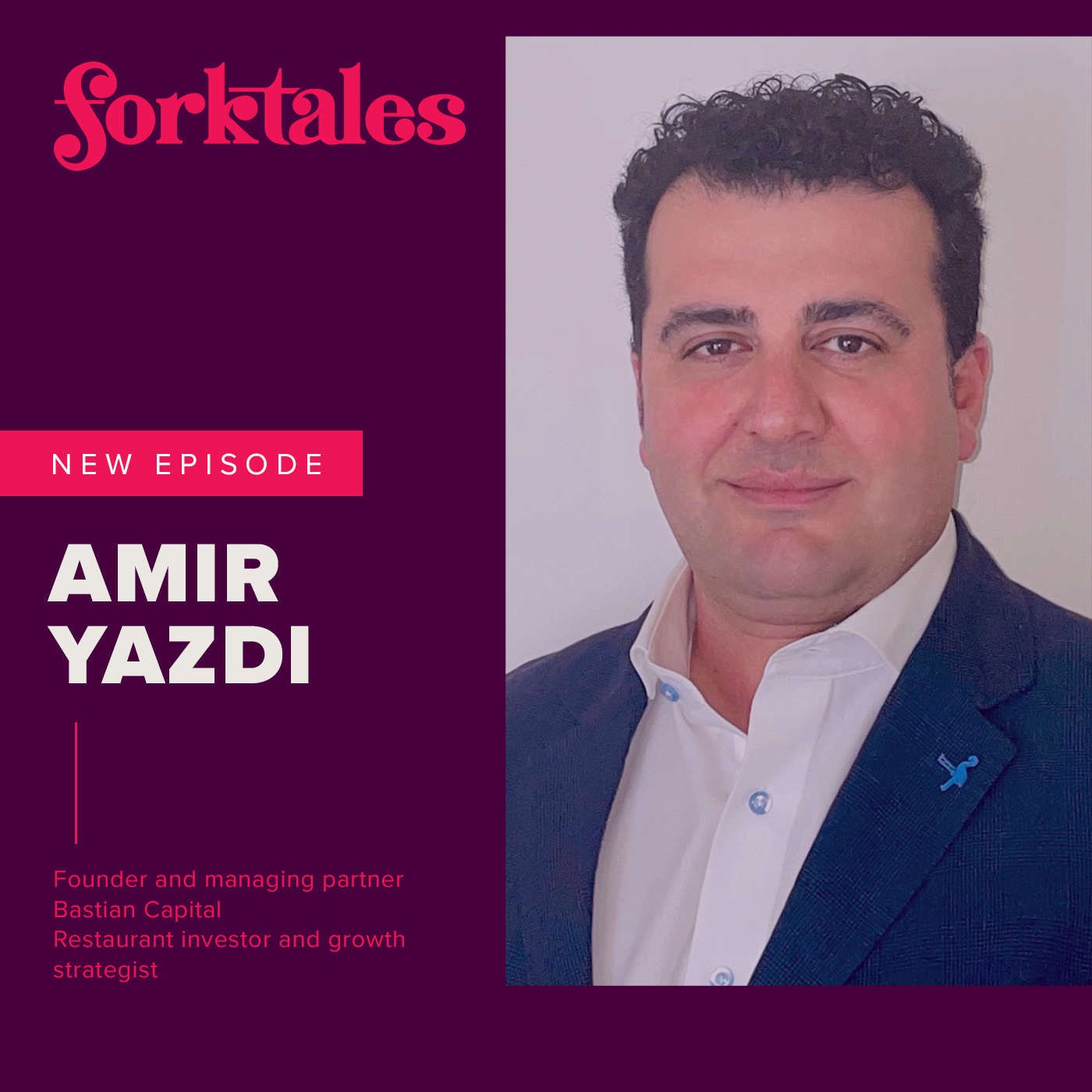 Amir Yazdi - Restaurant investor, operator and growth strategist74 / 100
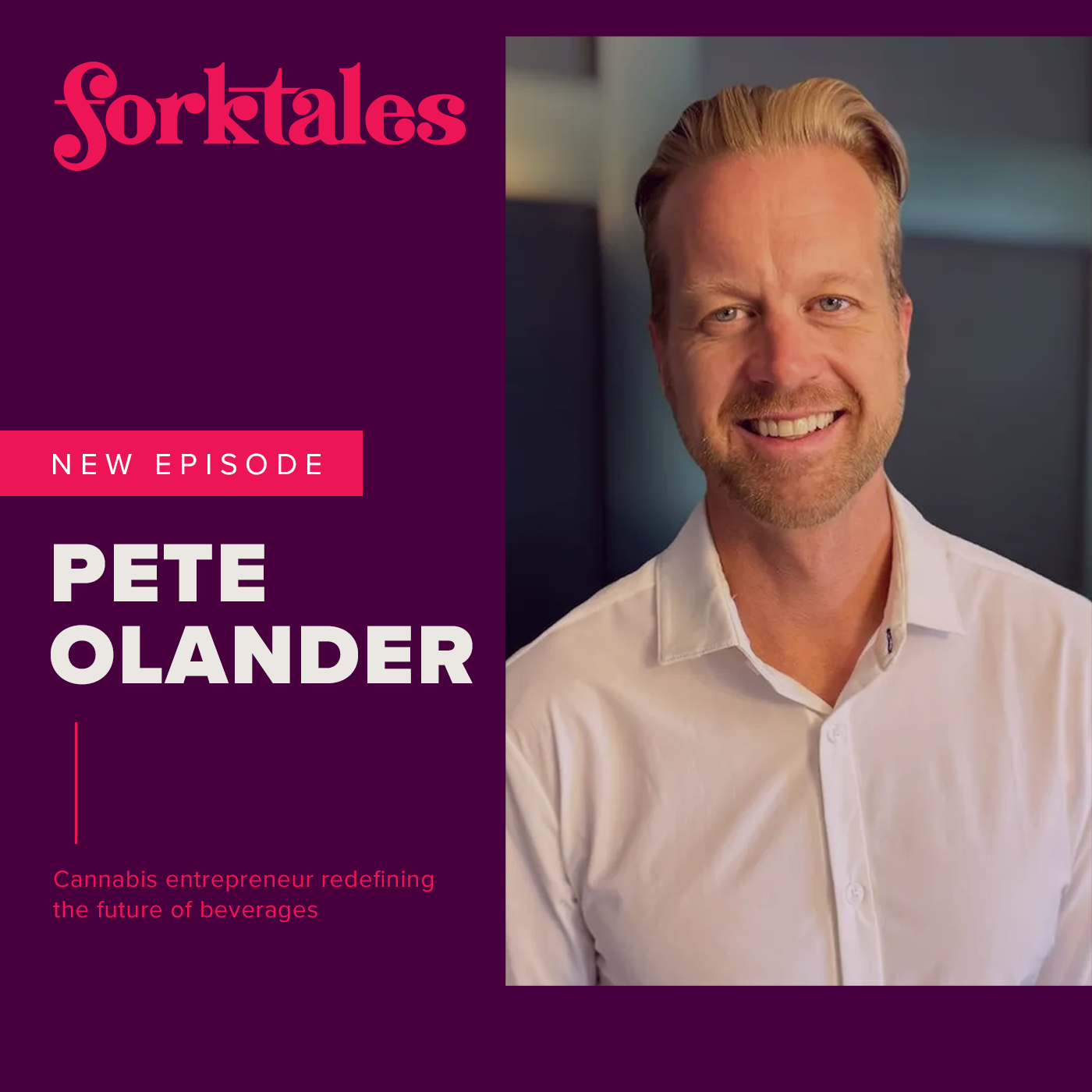 Pete Olander - Founder of Happie and innovator in cannabis and functional wellness beverages
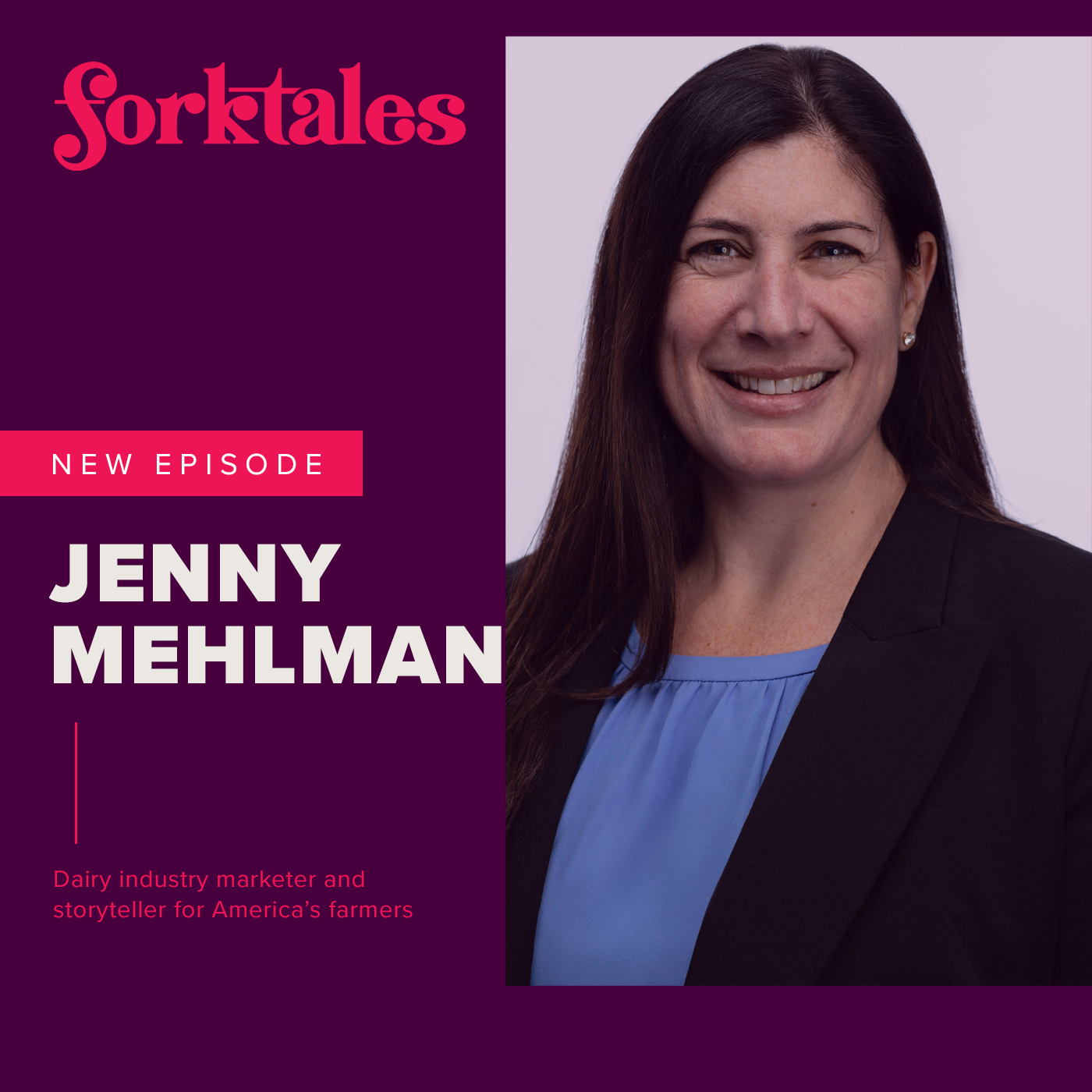 Jenny Mehlman - Dairy marketing leader and champion of all things cheese and butter
 Mike DiBeneditto - CEO of Golden Waffles and Champion of Bold Brand Reinvention
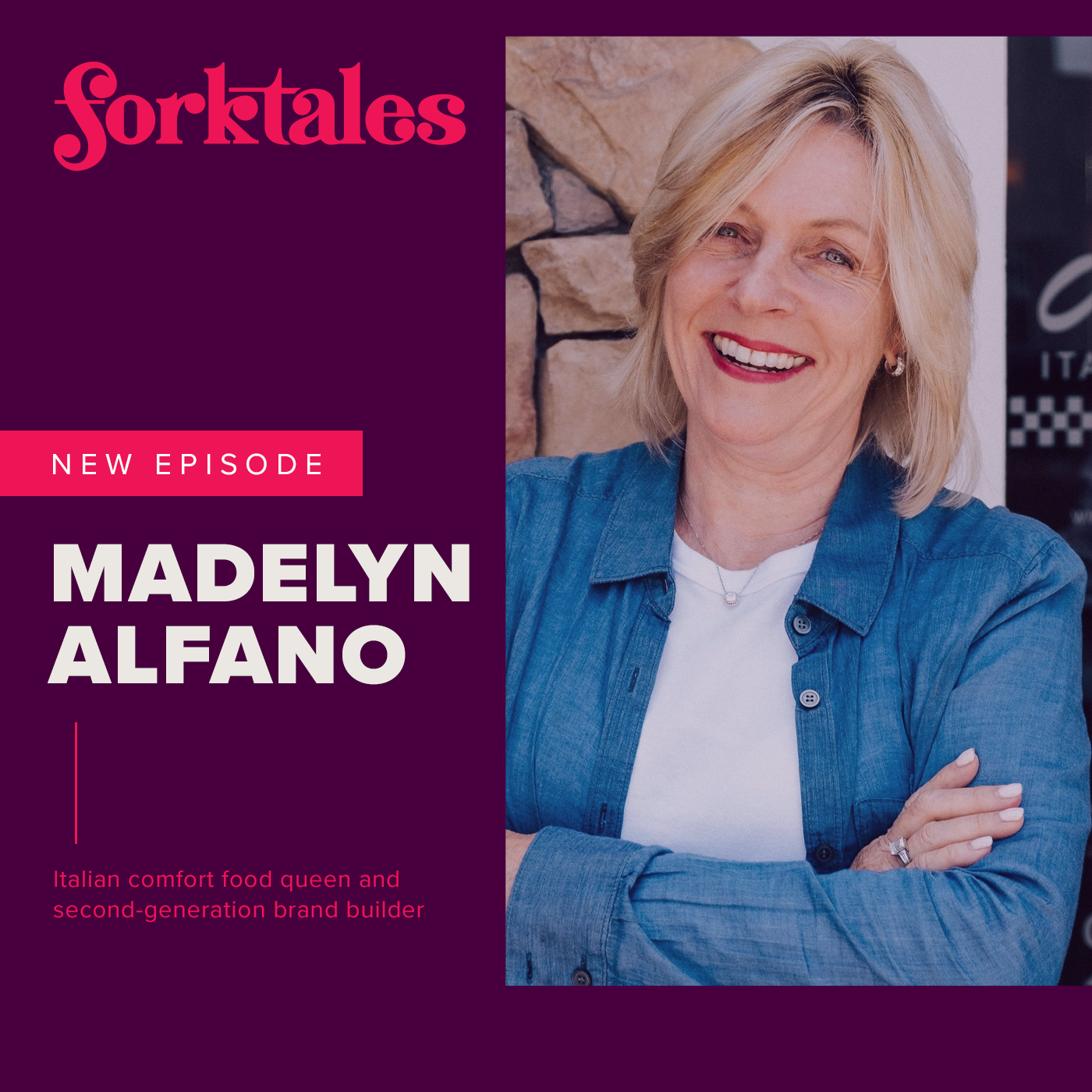 Madelyn Alfano - Restaurateur, hospitality leader and steward of Italian comfort food