Forktales · 2026-07-16 · 42 min
Key moments - from our scoring
Substance score
54 / 100
Five dimensions, 20 points each
Amir Yazdi brings a unique perspective to restaurant investment and growth, having transitioned from film production to franchise operations. Through Bastion Capital, he invests in and operates restaurant and hospitality businesses across multiple concepts including Subway, The Coffee Bean & Tea Leaf, and Pizzeria Uno. The conversation covers critical investment criteria: scalability (can a system be taught to someone off the street in three days?), brand durability, geography, and understanding why existing owners want to exit. Yazdi emphasizes that replicability - standardizing operations to remove guesswork - is essential for scaling from single locations to chains. He identifies major growth pitfalls: insufficient capitalization, over-dependence on founder identity, and lack of back-office infrastructure (HR, accounting, operations teams). On market trends, he's bullish on chicken concepts and buffet-style restaurants, neutral on sports bars (geography-dependent), and bearish on plant-based concepts due to limited addressable market. He stresses that successful expansion requires the right people aligned with vision, consistent brand promise across all touchpoints, and willingness to disrupt legacy habits in acquired locations.
Amir looks for margin and scalability, legacy versus emerging brand status, concept replicability, geography, and critically, why the current owner is selling - he's more interested in brands with growth potential remaining rather than mature maintenance situations.
Without standardized operations, each location runs differently based on individual manager preferences (Jimmy's way vs. Susie's way), making consistency impossible and preventing the brand from scaling beyond the founder's direct involvement.
Insufficient capitalization and lack of back-office infrastructure (HR, accounting, operations teams) are critical gaps; many founders also grow too attached to the original concept, preventing necessary adaptation and disruption of legacy habits.
He's bearish on plant-based concepts because they target a very specific market niche with limited addressable market size relative to other restaurant categories, and the trend (beyond burger, impossible burger) has proven short-lived.
Building the right team whose capabilities and vision align with the owner's goals is paramount - no single operator can scale alone, and historical luck cannot replace intentional team building.
Our reviewer’s read on each dimension, with quotes from the episode.
The episode contains practical operational wisdom about scalability, people management, and margin dynamics that a restaurant operator would find valuable. However, the conversation frequently drifts into anecdotal storytelling, personal history, and general observations that lack depth or novelty. The core insights - replicability matters, margins are shrinking, people are critical - are sound but not densely packed or particularly surprising to experienced operators.
the hardest step for us was going from four restaurants to five restaurants, because that's the point at which you start to lose the ability to sort of touch everyone all the time
how many people do I need in this building to turn the lights on? Right. You know, and if that answer is nine, that's probably not the right
Amir rehashes conventional wisdom about franchising, scaling, and operator challenges without offering counterintuitive or first-principles perspectives. His observations on margin compression and labor costs are accurate but widely documented. The comparison to frozen yogurt cycles and Taco Bell longevity are illustrative rather than original. Few moments challenge received wisdom or reveal non-obvious patterns.
one of the things that we learned the hard way was, you know, just because you're an excellent single unit manager doesn't make you an excellent multi unit manager
this is the way we've always done it is the worst possible answer to the question
Amir is a legitimate operator with 20+ years of multi-unit experience and real skin in the game across Subway, Uno's, and Coffee Bean & Tea Leaf franchises. He has invested capital, managed growth challenges, and faced real constraints. However, he is primarily a franchisee/investor rather than a founder or category innovator, which limits the scope of his perspective to operational execution rather than market creation.
we started as operators
we, we grew up with that. We have Uno's in the Mid Atlantic
The episode lacks concrete data, named examples, and specific metrics. Amir mentions Raising Cane's build-outs and Swig doing $1.2M annually, but provides little supporting detail. He references personal experiences with his restaurants and California minimum wage increases, but avoids naming specific units, financials, or quantified outcomes. Most claims remain anecdotal rather than backed by hard numbers.
there is a raising canes the size of the damn stadium sitting outside
they do 1.2 million out of these units every year
Michael asks competent foundational questions but rarely pushes back, challenges assumptions, or drill into surprising claims. The conversation meanders through topics without sharp follow-ups. When Amir makes debatable statements (e.g., on robot servers, plant-based concepts, GLP-1 impact), Michael largely agrees or shifts topics rather than probing. The lightning round format is efficient but shallow, and personal anecdotes (son at airport, Knicks fans) consume time without advancing the core narrative.
So, all right, we're going to start out with buildings, Bastion Capital. Um, for listeners who may not be familiar with Bastion Capital, tell us a little bit
Yeah, that's quite a compliment. I mean, obviously a huge, uh, operation Subway and lots of franchisees. Uh, and just. That's awesome.
Computed from the transcript - who did the talking, and the words that came up most.
Amir Yazdi is the founder and managing partner of Bastian Capital, an investment firm focused on identifying, acquiring and growing restaurant and hospitality businesses. A former film producer, Amir transitioned into the restaurant industry more than two decades ago and has built a career scaling multi-unit operations, investing in emerging concepts and helping restaurant brands grow sustainably. Bastian Capital invests in restaurant and hospitality businesses with an emphasis on operational excellence, scalability and long-term value creation. The firm owns and operates multiple restaurant concepts, including Subway, UNO Pizzeria & Grill and Coffee Bean & Tea Leaf locations, while also evaluating acquisition opportunities throughout the industry. Before founding Bastian Capital, Amir attended the USC School of Cinematic Arts and worked as a film producer. He credits his experience as a bartender with teaching him valuable customer service and leadership skills that continue to influence his approach to business. Bastian Capital has grown from operating restaurants to acquiring and investing in brands across multiple states.
Transcribed and scored by The B2B Podcast Index.
Speaker A: Forktails, a podcast that feeds ideas to the food and beverage world. Forktails is brought to you by Vigor, a branding and advertising agency focused on the restaurant and hospitality industry, and by Quench, a ah, food and beverage advertising agency that specializes in evolving iconic food and beverage brands. Learn more visit vigorbranding.com um and quenchagency.com if you love what we're serving up, please give Forktails a five star review in your podcast service of choice. Think of it as a tip for good service.
Speaker B: Hi, my name is Michael Provone and uh, welcome to Forktales. So today on Four Tales, we're joined by Amir Yazdi, founder, managing partner of Bastion Capital, an investment firm focused on identifying, growing and creating value in restaurant and hospitality businesses. Uh, we're going to talk to Amir today about what makes a restaurant concept investable, the trend shaping the industry, common growth, mistake operators make, and where he sees the biggest opportunities in years ahead. Amir, welcome to Fork Tails and really thank you so much for joining us. Uh, I'm really, really excited to uh, have this conversation with you.
Speaker C: Thanks Michael. It's great to be here.
Speaker B: You know, uh, in Fork Tails, um, we talk to on one side, CPG brands, you know, uh, major brand companies that food and beverage products. And on the side of Forktails, we talk about restaurants. So typically, uh, not all the time, but typically I have restaurant entrepreneurs talking about their concept or talking about their, their, uh, their, their, their, uh, uh, their chain or their, their, their overall, um, subscription, uh, models, whatever, and, and you're going to talk just a little bit about what you look for in those, those brands. So I'm excited to kind of get into it. So, all right, we're going to start out with buildings, Bastion Capital. Um, for listeners who may not be familiar with Bastion Capital, tell us a little bit, uh, your role in the kinds of restaurants you're, you're focused on.
Speaker C: Sure. So we, we started as operators. You know, it's actually. Let me back up. So I, I haven't always been in hospitality. I'm actually a, uh, movie producer by education. I went to usc. I went to the Stark program at SC Film.
Speaker B: Oh, wow.
Speaker C: Yeah. A thousand lives ago. And uh, it was 2005, I want to say it was, I was in Panama, it was 2003 and I was in Panama City, Panama, uh, producing the show that we'd sold to Spike tv because that's how long ago this was. There was so Spike tv, I remember. Yeah. And there was, you know, there was no email, there was no, there was no Skype. There was no FaceTime. It was, you know, there was a lot of email from the business center of the hotel lobby. And uh, and I got an email from my then wife who was, you know, your kids started crawling today and I missed it. And I, you know, it's not sort of the life I wanted for my kid. Um, and you know, she had a couple of subways at the time. I'm like, you know what? This girl like, kind of never goes to work and money still comes in. What if I did this? And so I pivoted around 2005 and uh, that was the beginning of it. And now we, uh, have Subways, we have coffee beans, we have pizzeria UNOs. We're in three concepts across three states. And that's the story.
Speaker B: Oh, uh, very cool, Very cool. So what sparked your interest? I mean, did you work in a restaurant as a kid? I mean, I wash dishes, so I mean like almost everyone started their illustrious career somewhere in a restaurant.
Speaker C: Uh, I attended bar in college. That's the coolest side of the restaurant. Everybody needs to work a service job at some point. You know, you just, you learn how to deal with people, you learn how to take it. You know, you learn how to be humble. And sometimes we still see it today. You know, people come in and like, did you just walk in the door to be mean to us? And uh, and you, you know, learning how to roll with that is a vital life skill. Highly recommend for everyone.
Speaker B: The bar side is definitely the cooler end of the restaurant. So. So you were on the cool end. It's funny you brought that up, though I will say. I just spoke to, uh, about 150 international students. These are all like, uh, children of YPRS from around the world. And uh, uh, long story short, they were talking. I said, you know, two pieces of advice I'd give to parents was simply this. I'd have your child work in a restaurant in some way, shape or form to your point. Service industry, you learn to deal with people and you learn to think on your feet and all that good stuff. And the other thing I said was sales. Like some kind of sales, like, like I don't care if you're selling, I don't know, cookies for the girl Scouts or, you know, sandwiches, uh, for soccer team or, you know, whatever it is. I think all kids should learn to sell something, ask for a sale. I think it's huge. But anyway, I digress. So every growing business has those milestone moments, you know, you know, in my company, uh, I remember when we got our first, I'll say, million dollar brand, you know, a national brand. And these were like, pivotal, pivotal, uh, uh, moments for me. Like what, what was the early win for Bastion? Like, what was the thing that really stands out to you that, that really launched you?
Speaker C: Well, you know, it's, there's stages and evolutions in these things, right? So, you know, there's like the regular growing pains. Like, I, I, you know, I always say the hardest step for us was going from four restaurants to five restaurants, because that's the point at which you start to lose the ability to sort of touch everyone all the time. And then you have to realize that you can't do this by yourself. So you invest in people and infrastructure and what have you. But for us, I think the biggest one that actually happened, ah, about six, seven years in, um, it was at Subway. And then in 2011 and then again in 2013, we were recognized by the brand for multi unit franchisees of the year. Uh, and to get that twice in a three year stretch really sort of solidified that. Hey, you know what? We're pretty good at this. Um, and, uh, let's roll.
Speaker B: Yeah, that's quite a compliment. I mean, obviously a huge, uh, operation Subway and lots of franchisees. Uh, and just. That's awesome. So, um, when a restaurant concept first lands, uh, on your radar, you know, what, what grabs your attention? You know, how do you evaluate it? You know, what do you, what do you look for that you might want to invest in?
Speaker C: Uh, how much time you got? Um, no, it's, there's, I mean, there's still, obviously there's, you know, the standard stuff just in terms of, you know, margin and um, you know, scalability. Uh, but I also, you know, we look at a lot of other factors too, you know, like, is it a legacy brand or is it an emerging brand? You know, what sort of legs does this thing have? How old are these boxes? You know, um, what category it is in, what geography is it in which these days is playing as big a part as any factor?
Speaker B: Sure, sure. Are there red flags? Like, you know, when you think anything that makes you think twice before you know that you, before jumping in.
Speaker C: Well, question number one is sort of always like, why are you selling?
Speaker B: Right?
Speaker C: No one sells the good ones right. You know, so like, like why? Why? Yeah, so like, why? Why are you trying to get out of this? And sometimes the answer is I see, you know, what's coming on the horizon, and other times is, you know, this thing is on the way up and I just want to take some chips off the table, you know, so we're more inclined to look at that second one. This thing has, there's, there's still growth potential here as opposed to, we're going to maintain this thing, uh, that, you know, five, six, seven, eight, ten years from now, God knows where it's going to be.
Speaker B: So. Okay, like, there's a lot of great single locations out there. You know, in fact, I'll say my, you know, I'm married to a woman who's Greek. A lot of Greeks own restaurants. My brother in law has a fantastic restaurant in New, uh, Cumberland, Pennsylvania. You know, my uncle, my uncle had a restaurant in Hershey, Pennsylvania, a one off. So what, what, what makes great restaurants? Like, what takes a great restaurant from being a single business to a real growth potential? You know, something that can become 20, 50 or 100 locations.
Speaker C: Well, I think what you're talking about, Michael, is replicability. Right? It's, you know, one of the, I mean, one of the early things that we went with or we struggled with very early on it was, you know, you walk into location A and they're doing things Jimmy's way here and you know, you walk into location B and they're doing things Susie's way there, you know, and so it's, you know, I'm sure your, you know, your family's restaurants are sort of specifically tied to, uh, you know, your cousin and your sister and what have you. So when I look at scalability, it's, you know, how do we simplify the operation to a point where if I grab you off the street within three days, I could teach you how to run this place? Right?
Speaker B: Yeah. Really laid out, uh, uh, operating plan and just process procedures, all that kind of thing.
Speaker C: Well, my first couple years, I mean, all I did was make charts, you know, coming from the movie business, where everything is, you know, structured and like, and I'm, you know, organized, which helps. Um, but it was, I just, I would, I would be flabbergasted. You know, this multinational brand that is basically, you know, at the time was the world's biggest mom and pop and uh, like, you know, like, what are we doing? Like, uh, so I just have to guess, you know. And so we took all the guesswork out of the equation very early on, and that was a real catalyst for our ability to scale and sort of grow.
Speaker B: M. Are there certain, uh, qualities that you see in successful founders and operators?
Speaker C: Um, I mean, yeah, there's a lot of commonalities, right. And you do this, you talk to a lot of people. Um, I mean, obviously you have to, you know, not be dumb. Um, I didn't say smart, I said not be dumb. Because they are different things. Um, but, and there's just, you have to stick with it and have a vision and have a drive and know how to surround yourself with people that share that vision and, you know, lift up the common goals.
Speaker B: Very cool. So what's like when it comes to, what's something restaurant owners, you know, maybe misunderstand, you know, when it comes to, uh, about growth or attracting investment?
Speaker C: Um, well, there's two paths on this one, Right. So there's growth through acquisition and then there's sort of de novo growth. And those are very different paths, um, each with their own pluses and minuses. You know, uh, we had a lot of de novo growth early on in the journey, um, because, you know, we make money and reinvest it back in the company. And so that is sort of the ability to bring your people with you and sort of promote from within. And uh, that's, there's a lot of value to that. But the cautionary tale there is, it's the Peter Principle.
Speaker B: Right.
Speaker C: Like, hey, just because this guy was good at that doesn't mean he's going to be good at this. Right. And so that's a real pitfall where, you know, like one of the things that we learned the hard way was, you know, just because you're an excellent single unit manager doesn't make you an excellent multi unit manager. Mhm. You know, some people just aren't cut out from multiple locations. Um, on the acquisition side, you know, people take over or they buy this thing. It's a functioning asset, you know, um, but there's sometimes a lot of sort of hesitance to be disruptive with that asset. And because it's uncomfortable and because you don't want to ruffle feathers and because it's new, sometimes you just got to go in there and shake stuff up.
Speaker B: Yeah.
Speaker C: You know, if you keep. There's a, there's a very specific peril to maintaining legacy habits in organizations that you acquire.
Speaker B: Yeah. I mean, it's got to be your playbook ultimately. Right? I mean, that's. Yeah, I mean I, I totally agree with that. Uh, I mean, candidly I've, I've made mistakes in that I've done acquisitions and you know, you kind of want to let things go. You don't want to, like you said, you don't want to ruffle feathers. You want to kind of everyone be happy the way it was. And it just doesn't work. I mean, because there's a way that we do it the way they did it. And, you know, um, we're always open to learning. I mean, if you have a better way of doing something, I mean, that's awesome. I mean, when you do an acquisition, I'm acquiring your experience. Right, Right. So we want to hear it, we want to hear other things. And if it's better, we'll apply it across the board. But we can't have 12 different playbooks for 12 different places.
Speaker C: You know, it just doesn't work. And this is the way we've always done it is the worst possible answer to the question.
Speaker B: Yeah, and, yeah, that's. That's a, That's a very, very well said. All right, so we're gonna mix this up a little bit here. It's gonna be a little bit of a lightning round thing. We'll play a little game.
Speaker A: Okay.
Speaker B: Right. And, uh, feel free to tell us, uh, why and all that stuff, you know, what's in and what's out. Okay, so we're gonna do a quick lightning round. I'll throw out a restaurant category or concept. You tell us whether you think it's hot and something you might invest in or whether it's on its way out. All right. And a lot of these are very standard, big, you know, concept ideas. Right. So. All right. Burgers. Burger chains.
Speaker C: Depends on which one to, uh, hot.
Speaker B: Very cool. Chicken. We know, we know the chicken wars are out there.
Speaker C: Are there chicken companies out there these days? Chicken is on fire. Yes.
Speaker B: Yeah, it's crazy how, uh, how many iterations, you know, and how many iterations keep popping up. So it's, it's insane.
Speaker C: It's bananas, man. I, uh, you know, one of my friends, she's a CMO over at Raising Cane's, and I'm looking at like these build offs that they're doing. You know, I went to a. I went to the World cup match, uh, on Monday, and, uh, outside of Sofi, and there is a raising canes the size of the damn stadium sitting outside. You know, Jesus. You know, it's unbelievable what they're doing.
Speaker B: I would love to get him on the podcast, the founder. I know he's no longer there, uh, as far as the was bought, but I, uh, got to meet him several years ago and heard his story about, you know, he named it after his dog. And, you know, he showed the first location. It was a really, really, really compelling story. Great. Um, all Right. Wings and sports bars.
Speaker C: Ooh, neutral. Depends on. That's good. That's geography. Like, I would be more inclined to open a sports bar in, let's say Pittsburgh than I would in like Central California.
Speaker B: Yeah, yeah. Uh, that tracks. Buffet style restaurants.
Speaker C: I think that's going to be on the way up.
Speaker B: Yeah, yeah. Fast casual, Mexican hot, uh, plant based concepts.
Speaker C: You know, uh, we flirted with one of those a few years back and ultimately we decided not to because it's, I mean there's very specifically a market niche for it. But how big is that pie gonna grow relative to other pies? Uh, I'm not, I'm bearish.
Speaker B: Yeah. Yeah. I mean, and too that, that feels very geographically, uh, relevant as well. Right. I think it's where you are. There's more of that, does that more of that need in certain areas of the country.
Speaker C: 100. And there was also, there was very much a moment. I mean, I'm sure you remember, what was it, two, three, four years ago? The whole impossible versus beyond and that whole thing, you know, so everyone put, you know, beyond burgers on their menu and it was all five minutes. That's how long that lasted.
Speaker B: Yeah, we, I mean, like, uh, at our company or one of our agencies, Quench, we do an annual food and beverage trends report. And we've done it for now 17 years in a row. I believe we got written up in a lot of national press and all that stuff, which is awesome. We do presentations around the country. Long story short, that was a thing. I mean that was a, you know, that, that was definitely a focal point for, you know, it's probably going back almost eight years now or seven years when they first started out.
Speaker C: Sounds about right.
Speaker B: But, uh, it was definitely, it dominated a lot of conversation. It was uh, it was really, really kind of, kind of neat. All right, the last one we have is celebrity chef concepts for five minutes, maybe 10.
Speaker C: So I, you know, I grew up in Southern California and uh, I live in Maryland, but I do spend, still spend some time out here because we have a company out here, my family's out here. Um, and so there was a very much a moment where you'd walk down the street and there, you know, be some, a frame sign outside with, you know, Top Chef finalist, blah, blah, blah, burger bar. And some, some have legs, some don't, you know, but you know, invariably that space would turn over every three, four years. Uh, so I guess how famous is your chef? Would be my answer to that.
Speaker B: Yeah, yeah, yeah, yeah, yeah. A lot of household name Recognition, maybe it's got some legs. I mean, it's almost like an influencer at that point. Ye. Okay, so let's talk about growth here a little bit. So, you know, building a restaurant M. Building one restaurant location, one great restaurant isn't easy. Building a chain of great restaurants is even tougher. What are some of the biggest, uh, I guess hurdles to restaurant brands that run into when they're, when they're trying to grow and scale?
Speaker C: Well, going back to the conversation of, uh, you know, scalability of concept is number one. Does this concept merit a second, fifth, tenth, twentieth location? You know, um, and sometimes that might not be in your existing geography. Maybe, you know, this town has enough of this. What about the next town? And then it's that concept. Right, for that next town. So these are the, these are the hard questions you have to ask, especially as a founder, if, like, if it's my brand and I scaled it by myself and I have this thing just, you know, and we see it with people we talk to. Like so much of your identity is wrapped into that concept. You know, this is my thing, I created it. You know, so if it doesn't work, then you blame yourself or you blame other people because they just don't get you. That makes sense.
Speaker B: Yeah, sure.
Speaker C: And that's one of the things that we see with the brands that we look at. It's like, is this thing too tight to one guy? Um, you could make the same conversation about SpaceX now, man, this is a real big bet on one guy.
Speaker B: That's an interesting point, I think too, with these concepts. And again, some do a great job, some not as much, but I think anymore. And maybe this, this falls into our world as far as, you know, advertising and marketing and branding. You can have a great product, you can have a great operating system, you can have, uh, consistency in your product whether it's a burger, whether it's pizza, whether it's chicken. I think you really need to have a concept around it. You need to have a brand, you need to have a, ah, personality that drives forth so that kind of people are drawn to it. Right? I mean we go to the restaurant to eat, but there's got to be, there's got to be more to it. And I think that brand and that promise has to transcend every aspect of every consumer touch point, you know, everywhere you interface from the ordering online to the, the, the menu board, maybe in the restaurant, or the menus in the restaurant, depending what type of restaurant it is. The vibe, the consistency of the vibe. And all that.
Speaker C: I just.
Speaker B: I feel like that has to. I feel like it should play just as an important role as the actual quality of the recipe or the quality of the food.
Speaker C: Ah.
Speaker B: Do you agree with that?
Speaker C: 100%. I mean, when you look at the overall sort of equation of going out to eat. Right. Um, and, like, there's a fundamentally sort of inherently kind of stressful thing about going out. You know, where am I going to go?
Speaker A: Who.
Speaker C: You know, I'm going to sit there, I got to talk to this guy, I got to look at this menu. What am I going to pick? Is it going to be good? Should I. You know what I mean? So there's a lot, like, it's. There's a lot of decisions that go into it.
Speaker B: Sure.
Speaker C: I m. Remember somebody told me one time, uh, the average sandwich artist at subway will ask 3 million questions in one year. You know, so it's all that goes into it. Right. And then what am I paying for it? You know, what's the value I'm getting for what I'm paying for it? So a unifying vibe to your point, where I kind of. I know what to expect if I'm going to this place, because I got it the last time I went to the other place that was the same place and take some of the edge off of it, you know, so, yeah, we're totally aligned on that.
Speaker B: Yeah. Very cool. So what's the mistake that you see, uh, you know, restaurant operators make when they try to expand too quickly?
Speaker C: Um, well, aside from the obvious ones, like, you know, are you. Are you. Are you sufficiently capitalized? Is a big one that we see, you know, a lot of times the deals that we'll look at. It's because the guy grew too fast and now he needs the money, so he has to offer. He just want to take out more debt. Um, the other one is about. It's really more about sort of above restaurant infrastructure. Do you have the people in place to push the business forward at the level of scale that you're looking at? You know, and I'm talking about not just ops people, but office people, HR people. Do you have, you know, accounting functionalities, all that, all the back office stuff? It's not sexy, but none of this works without that stuff.
Speaker B: Yeah, yeah. And you might be. You may have just answered, uh, my next question with that answer, but I want to. Maybe you'd elaborate on it. If you're advising an emergency emerging restaurant brand, what's one thing you tell them to focus on?
Speaker C: My first piece of Advice is always, don't do it. No, it's.
Speaker B: It's.
Speaker C: Who are your people? Right? Because you, as an owner, operator, investor, whatever, can only take it so far. Who are your people? Who are you bringing on this journey with you? And are their capabilities aligned with your visions and goals? Um, and if the answer is not 99.9 yes, that's probably not the right person. And here's the other thing I've learned in, you know, however many years of doing this, Michael. Um, historically, anytime you bite off more than you can chew, people do tend to come out of the woodwork to help you. Um, you know, and that's just. And it happens m. A lot, but you can't count on that, you know, the people your team has to be part of. Like, you know what? Like, I don't know if you're a basketball fan. I was, you know, watching the Knicks. These guys came out of nowhere. Right. But they were all on the same page, you know, all oars pulling in the same direction, like, and following one guy's vision, you know, in this case.
Speaker B: And the Nova Knicks, well, they were playing together in college, so.
Speaker C: Yeah,
Speaker B: yeah, yeah. Um, that's great. Um, so passion capital. What are you mostly invested in? Talk about some of your brands and stuff like that.
Speaker C: So we have Subway still. Uh, that's. You know, we grew up with that. We have Uno's in the Mid Atlantic. And the story of how we came to that is sort of an interesting one. And we have a coffee concept, uh, Coffee Bean and Tea Leaf that they're based out of. Well, they were based out of Southern California. They were bought by Jollibee a few years back. Okay. Um, and. And we were actually very gung ho on growth with that brand. Uh, but there's very specific sort of California challenges that have made it. I mean, I don't want to use the word impossible, but less than possible.
Speaker B: Yeah, you're in a tough place there.
Speaker C: So, man, I got hit with a Poga lawsuit yesterday. Literally.
Speaker B: Yeah, it's, uh, it's terrible. So what's the biggest trend you're paying attention to right now in the restaurant industry?
Speaker C: Um, I am looking at. And I don't. Not necessarily concept driven, but I'm looking at, uh, sort of what the cost pressures are doing to various businesses. Um, you know, because as I'm watching. Yeah, I mean, listen, in this business, there's only really two things you spend your money on, right? It's food and it's people. And, uh, so as I'm watching that Sort of that curve split where we used to spend, you know, one and a half X on food than we did people, and now what's being spent on people is just asymptotically increasing across the board. Um, that's, that's where the biggest margin shrink is coming from. So the things that I'm looking at is how many people, you know, I mean, at the risk of being glib, how many people do I need in this building to turn the lights on? Right. You know, and if that answer is nine, that's probably not the Right.
Speaker B: Right. Wow. And look, I mean, people, that was, uh, one of the biggest issues in this industry for several years. I mean, are you still feeling that the whole people, finding people, getting good people, is that still an I.
Speaker C: It's definitely not what it was coming out of the pandemic. Right. The finding people piece, we, we find people. Um, finding good people I sort of think has always been a problem.
Speaker B: Okay.
Speaker C: And uh, what, what. Just anecdotally what I've noticed in 20 something years of doing this, there's like, there's like the top core third that have been with you forever.
Speaker B: Mhm.
Speaker C: Right. And then there's sort of that middle third that they last a year or two and then there's that bottom third that just constantly turns over.
Speaker B: Yeah, yeah. Revolving door.
Speaker C: Yeah. You know, and it's, and what we are seeing these days is, you know, it used to be if you had an employee that wasn't happy, you know, they'd come to tell you, you know, you have a week to figure it out. Mhm. These days it's like there's, especially with the younger kids, man, one bad shift and they are out of it.
Speaker B: Yeah, that's right. You know, I'm older so you know, to just quit and walk out, I mean, that would be unheard of. You know, you know, you stick it out, you grind it out or you lose. You have to give a notice. And well, I would have hated to come home and tell my parents I quit for some reason because that, well, that just never happened. I mean, you know, to me it was just a different, we just a different mentality. You know, you're just.
Speaker C: And now it's like, hey, where did this guy go? It's like, oh, he never came back from break.
Speaker B: Oh, okay. Yeah, yeah. It's crazy. Yeah, it's crazy. So are there segments, uh, of the restaurant industry that you think are better positioned for growth now than others?
Speaker C: Um, yes and no. I think it's sort of. I mean, listen, you have like, like let's just chicken as an example. Right, right. Or actually let's, let's go way, way back because you're old enough to remember this. Do you remember frozen yogurt?
Speaker A: Sure.
Speaker C: Kids, right? Ah, tcby and what have you.
Speaker B: Yeah, yeah.
Speaker C: And then it went away and then about 15 years ago it came back in the form of. Remember Pinkberry when that was.
Speaker B: Oh, sure.
Speaker C: So. So there is a cyclicality to these things. Like right now it's a moment for chicken man.
Speaker B: Right.
Speaker C: It'll go away in a few years, you know, or like, even when I look at like in the sandwich category. Right. Like I look at something like a Jersey Mike's, which is doing really well. But give them 20 years and give them 15,000 locations and I'm willing to bet you a dollar that will be a different story.
Speaker B: Yeah.
Speaker C: You know, so we just sort of keep track of like. And there's no formula for it, you know, unless you have Taco Bell, in which case you're always going to be fine. M. You know, uh, so we, you know, we try to look at it sort of holistically, where they're at in their individual life cycles and their growth cycles. I don't know if that answered your question, but.
Speaker B: Yeah, no, absolutely, absolutely. In fact, another question I have for you is, ah, uh, I was just interviewed by a television station in Chicago a, uh, week before last and they were doing a whole segment on, on GLP1s and how it's affecting the products at the restaurants. Like whether you're, you know, whether it's a sit down dining restaurant where people are sharing meals or just eating appetizers instead of a meal, uh, or you know, people um, at like fast food food or QSRs, you know, reducing the size, eating off the kids menu, things like that. How are you seeing or what are you feeling from this whole GLP one thing?
Speaker C: That's a, uh, great question. Uh, personally I feel like we're just at the beginning of it.
Speaker B: Okay.
Speaker C: Um, and a lot of it comes down to access to GLP ones.
Speaker B: Right.
Speaker C: So you know what I mean? Like right now, because most insurance companies don't cover it. A lot of people, if they're on it, they have to pay for it. They're expensive, you know what I mean? So I think we're just at the beginning of it. And when I look at sort of the looming icebergs on this journey, that is one of the bigger ones, 100% one of the bigger ones. Because I agree. Because it's going to trickle down. Right. Especially when you look at QSR and who the typical QSR consumer is. That consumer may not have as ready access to HMLP1 as a more polished diner. But once that happens. Yeah, that's, that's going to be really interesting.
Speaker B: Mhm. Um, I mean, do you. I'm, it seems like. And I, I understand why there's, there's, there's margin in beverage. But boy, everyone's focused on beverages now, whether it's a McDonald's or anybody. I mean they're all, they're all pushing beverage and I didn't know if it had anything to do with the GLP1s. Like hey, wait, there's another reason for you to come in the door. You're thirsty. You know what I mean? Something like that. Or if it was just because the margins are better. I don't know. I, I don't know if you have a point of view on that.
Speaker C: Well, I think there's, there's a labor component to it. Like. Are you familiar with uh, swig?
Speaker B: No.
Speaker C: It's this concept they do dirty sodas and the sort of came out of Atlanta. Yep. And there it's, it's, it's a shack the size of like a one hour photo booth and they do 1.2 million out of these units every year. It's, it's an ungodly number. Yeah. And I'm looking at them like Jesus had like it's lightning in a bottle, right? Yeah, um, it's exactly what it is. So either you catch lightning in a bottle, like a swig or another dirty soda thing. Um, but if I, when I look at like McDonald's. Right. It's for me it feels like sort of day part expansion is what the ultimate goal with the beverage pushes there. And like easy is not the right word but like the paths of resistance in beverage innovation are probably a little easier than in food innovation because there's only, you know, how many versions of a cheeseburger can you spit out? But you know, I can spin my beverage wheel and come up with, you know, hey, slushy this, blue that, you know.
Speaker B: Right, yeah, yeah, good point. Are you doing anything? Are you trying to influence any of your uh, restaurants, um, with the whole GLP one thing and all that. Is there anything you're looking at there?
Speaker C: Um, well, you know, we are involved in franchise concepts so in terms of our ability to sort of, we have a little bit of leeway depending on the brand. Um, our focus especially uh, on the beverage side is uh, is in the bars. Um, because what we're also seeing is people are drinking less.
Speaker B: Oh, yeah, no doubt. Yeah.
Speaker C: People are just drinking less. And. And. And I don't. I mean, it's. It's. It's a variety of things.
Speaker B: It's.
Speaker C: It's the kids, mostly.
Speaker A: Right.
Speaker C: But, like. And I don't know if it's that, like, you know, cannabis is not part of the party equation, so.
Speaker B: Part of it.
Speaker C: I'm sure that's part of it. You know, but when I look at. Because we do make money at our bars. Um, and when I'm looking at just what the overall bed mix has become, um, it just. We're like. We sell less beer, you know?
Speaker B: Yeah.
Speaker C: And just. The kids just don't want to drink it.
Speaker B: Yep.
Speaker C: So that's 100. One of the things that we're looking at and sort of how to pivot, you know, and what that pivot is, I haven't figured it out yet. I mean, hey, have a beer, right? Sounds like a good idea in theory.
Speaker B: That's a great idea. Yeah. But that's a different generation, I guess, you know? Totally. You're absolutely right on what you're saying. And I don't know if it's the cannabis thing. It probably is to a degree, but.
Speaker C: But.
Speaker B: Or they're just drinking less. Maybe it's a health thing. It's just a. Just a, uh, cultural thing, generational thing. It's just. It's different, though. It's different for sure. So, you know what?
Speaker C: I actually, now that I was listening to you talk, you know, my operating theory is that it just came up with on the spot, bunch of kids who sat home and watched their parents day drink during COVID and they're rebelling against that.
Speaker B: I don't want to be them. All right, so as you look ahead, what are you most optimistic about in the restaurant industry? We talked about a lot of issues, a lot of maybe headwinds or hurdles or issues, whatever you call it. But now. So what are you. What are you excited about? I.
Speaker C: Listen, I. It's a fundamentally sound industry for the most part. Right. And people will always want to go out. It's. There's. There's so much that goes into the breaking of bread, and I phrase it as such, not just eating, because obviously you need to eat to live. But, like, uh, you know, you mentioned ypo, like my YPO forum. We have a meal at every form, you know, because there's something that goes into that, you know, like. Like, if. If you want to go out and celebrate, you know, with your spouse or your family or your kids. You're gonna go to a restaurant, you know, and so, or a bar or what have you, you know, no one's gonna go sit in a park. So there's, there's a. And then they bring communities together, you know, and sometimes you catch magic, you know. We were, um, going back to basketball. My son who also lives in this town, we went to the same bar for every game for the finals. And by the time we got there, you know, we sat roughly the same table. So like, we knew the servers, they knew us, uh, we knew the guys around. So there was a real sort of community that came together for five days and you can't replicate that in another room. So that is what gives me the most hope for it, you know, aside from the fact that people need to eat to, you know, survive. Right. But like the restaurant piece of it, there's just, there's, there's some, there's a magic to it, man. There really is, which is why we keep doing this.
Speaker B: It's funny, you know, I'd mentioned the two one offs in my family and it's two different sort of concepts. Uh, I mean, both really, you know, they're bars, restaurants, one offs. But uh, my uncle's in Hershey, because it was such a tourist destination, would be hammered, uh, in the summer with tourists. It had its regulars for sure. Uh, but then it had like a hockey crowd because there's, there's a hockey arena, the Hershey Bears play there. Right. So those were his sort of like, uh, day parts. Now my brother in law, he, he basically turned his restaurant into the community center. I mean, it's where everyone goes after church. It's where everyone goes to see each other. And it's really, I mean, really smart on his part. I mean, you know, he knows every kid in town's name, he gives them all a lollipop. So it's very, uh, you know, it's almost like a cheers thing. Everybody knows each other and it's just, it's the meeting place, the town meeting place that they just happen to eat at. And it's pretty, uh, remarkable in both cases and very successful. Again, not something I think you can replicate as a chain, but, um, that's all good. Not something you can replicate as a chain, but you know, it's uh, it's one of those things. So, um, I ask most guests who work with restaurants this question, and I think I know where you're going to stand or come down on this. And that's when it comes to robot servers. Uh, you think it's a gimmick or you think there's something more to it and part of the future.
Speaker C: Um, that's going to be. I think it's a gimmick and let me tell you why. Um, and it's not. There's more to actually, let me back up because there's actually a place that we go to here that has the robot servers. It's like a dim sum place your order and then little robot comes out, the little thing opens up and it's cool. Right? So for like that concept, it works. Um, but there's something about, you know, interacting with another human being that is part of the experience of going out to eat. Right? You know, and our struggle. Listen, man, we struggle, as does every restaurateur in this country that employs servers. You know, like, the robots will ask every question. They will say, do you want, you know, they're not going to come. Our running joke is, uh, if you come up to a table and you say, can I get you anything to drink? The answer is water. And there goes your tip. Right? So the robot surfer will never ask you, can I get you anything to drink? It'll be like, hey, would you like to try one of these margaritas? But people like interacting with people. Um, and it states with tip credits and what have you. The server piece is not the labor problem. It's. Are you going to see robot chefs and clicks? That's the more interesting part.
Speaker B: Sure. Yeah. And look, depending on the. If it's a QSR or something and they can, if they can automate, they're gonna, you know, I had a client, he's actually a ypo too. He's created a vending machine called Robo Burger.
Speaker C: Okay.
Speaker B: Literally walk up to a vending machine and it makes you a custom made cooked hamburger. Pretty crazy.
Speaker C: That's incredible.
Speaker B: Yeah, it's pretty wild. It's pretty wild. Pretty impressive. So he was on, uh, Shark Tank and okay, his concept. So, yeah, really, really cool. Really cool concept.
Speaker C: So it has to be right, because like, so I look at like the states that we do business in, Maryland, Virginia, California and California for very specific California reasons. Um, you know, the minimum wage went from $6 to $20 in about 10 years. Oh, yeah, right. And so, I mean, there's only so much price you can take on your product, you know, so for, you know, a state like here where any guy you hire off the street, I mean, has to get paid 20 bucks an hour if you can automate to sort of. I don't say replace that guy, because that's not the answer. But to lessen more of those guys.
Speaker B: Sure.
Speaker C: Um, you know, like, you have to.
Speaker B: Property expense. Absolutely.
Speaker C: Exactly.
Speaker B: Yeah. Yeah. I mean, it's business. I mean, that's. I hate to say it, but it's a fact. I mean, you know, businesses have to make money to survive, and, you know, it's just a part of it. Right. You have to figure out how you. How you keep more, um, just to keep the lights on.
Speaker C: Um, and it goes back to, again, that whole value equation of what am I paying? It's not just about the food that I'm eating, but the experience that I'm getting at the same time. Right. But on the flip side, for. For an operator, it's. What is it costing me to provide this experience to you? And so there's only so much price you can take at a restaurant. All two is the new one is what I always say. Right. Like, we used to cost a dollar, now cost $2. Yep. But if four is the new one, then that's a real problem for everyone.
Speaker B: Yeah.
Speaker C: Yeah.
Speaker B: Hey, look, I mean, you know, again, been doing this a long time. I remember when going out to dinner, if you spent $100 at dinner, that was like the. A big special occasion. Dinner and wine for 100. Yeah, yeah, yeah. Now. Now, like, a lunch can cost 100 bucks, depending on where you are. And, you know, what you have. If you get like a. Whatever, maybe an appetizer or there's a salad, if there's a dessert, you know, that. That gets the. The. The numbers get crazy fast. So, uh, it's. To your point, a lot of the public, you know, the. The economy, you know, it's tough for some people to be able to afford, you know, to go out. Uh, so, you know, it's. It's a. It's a tough. A tough little, um. Uh, situation.
Speaker C: Well, it's. You know, my. I have a son. He's 23 now, but a few years ago, he was. Okay college. He was being an idiot. He was being an idiot about money, as kids do. M. And so I was driving him back to the airport so he could, you know, catch a flight to go back to school. And, uh. And I was just super frustrated with him. So I pulled into the gas station and I handed him a dollar bill, and I'm like, go into the gas station and buy something with a dollar that's not sitting on the counter. And he was in there for, like, five Minutes and he came out empty handed. And I'm like, what'd you get? He's like, nothing. I couldn't find anything. I'm like, do you now do you understand the value of a dollar? You know, and it was, it was an extreme sort of way to teach the lesson.
Speaker B: Yeah, sure.
Speaker C: At that time he got it, you know, so people are judicious and, you know, listen, there's only so many dollars in every neighborhood, you know, and so we talk about share, you know, who do I take my share from? But, you know, there's, you know, there's only so many mouths.
Speaker B: Yeah.
Speaker C: So as a restaurant operator, it's sort of behooves and is incumbent on you to create the best possible value for your guest at that price point so that you become the restaurant of choice. Like your place in Hershey or your place in Pennsylvania.
Speaker B: Yeah, absolutely. So, one, well, two last two questions yet.
Speaker C: But.
Speaker B: So what do you think investors are looking for in a restaurant today that maybe they weren't looking for a decade ago? Like, what, Is there something that's newer now that. Or something that is maybe more important now than it was maybe 10 years ago?
Speaker C: Um, I think the trend of operating margin has become paramount these days, um, because they are shrinking, concept dependent. Right. Um, so, you know, when we evaluate deals, we sort of look at, you know, what's the profit percentage? What was it five years ago? Where do we think it's going to be, in fact, five years? Um, and, and, and that because he. 10 years ago, when everything was just sort of fine and dandy, you're like, all right, you know, it went down a couple points, but it came a point here, you know, but like, we'll ride this through. We'll figure it out. We'll figure out some operational thing. We'll, you know, we'll increase the sales by this. Um, but, you know, I, I'll just. Anecdotally, I'll tell you a story. I, I, uh, I know this person. I don't want to be too specific, but, uh, she knows she has this fund and uh, and, and it's a substantial fund and she was looking to make an acquisition and uh, her criteria was just, it didn't exist, you know, like X amount of units. X amount of, you know, EBITDA margin. Um, you know, I'm like this, oh, okay, so you want to buy two Taco Bells. I understand what you want. Right. Um, and so the other thing that I think people need to sort of, when they do their diligence is to Just be realistic. It's what the cost pressures have done, at least. What we're seeing in the last, you know, handful of years is it requires a level of scale that wasn't required before. Um, so you. Basically more units to make the same amount of profit.
Speaker A: Sure.
Speaker C: Um, and with that comes peril. Right. With that comes, you know, more capital, more risk, more leases, you know, more exposure. Um, so that's one of the things that I think people are looking at and sort of that's factoring into the diligence in a way that it didn't used to before, is what I'm trying to say. Got it.
Speaker B: Got it.
Speaker C: It.
Speaker B: All right, well, look, I always close with one final question. I ask this of everybody, and you can't say any of your restaurants. That's. That's part of the rules.
Speaker C: Fair.
Speaker B: Good. One final meal. What would you eat and why?
Speaker C: Ooh. Okay. Um, there are a handful of restaurants that I really do enjoy. Um, but I'm also. I grew up in Southern California, so. And I also really like a Mission Burrito. The size of my head really does do it for me. There's a place down the street, it's called Holy Guacamole. I will give them a shout out because they do a great job. But that's not my answer, because also, at the end of the day, uh, I was born in Iran, and I am very Iranian at heart. And so, uh, are you familiar with a dish called cheddar kebab?
Speaker B: I am not.
Speaker C: It is a skewer of filet mignon kebab, and m, There is a skewer of ground beef kebab, although I get ground chicken instead of beef. Beef on a bed of basmati saffron rice. Hm. With a grilled tomato and that. It just. I. I could eat it every day.
Speaker B: That's awesome. That sounds delicious.
Speaker C: Cheddar Kevob is 100% my go to. And if you're ever out in Southern California, I will take you to the best cheddar Kellogg.
Speaker B: That's, uh, fantastic. I'll take you up on that. Well, hey, look, this was terrific. I really, truly enjoyed this conversation. Um, so thanks a lot for being here. And, uh, really, I, uh, hope to get to talk to you again soon.
Speaker C: Likewise, Michael. It was great. Thanks for your time.
Speaker B: Thank you.
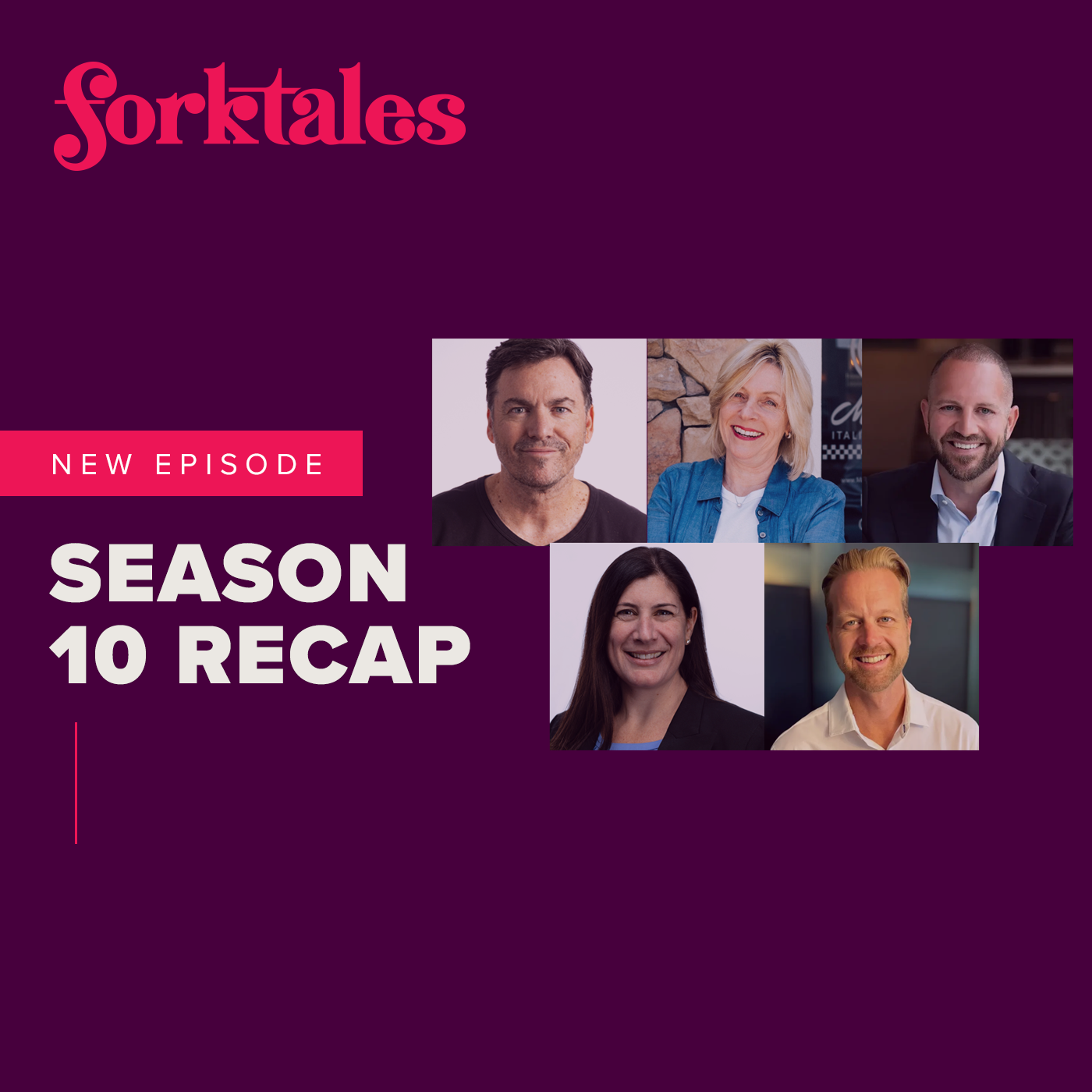 Season 10 highlights51 / 100
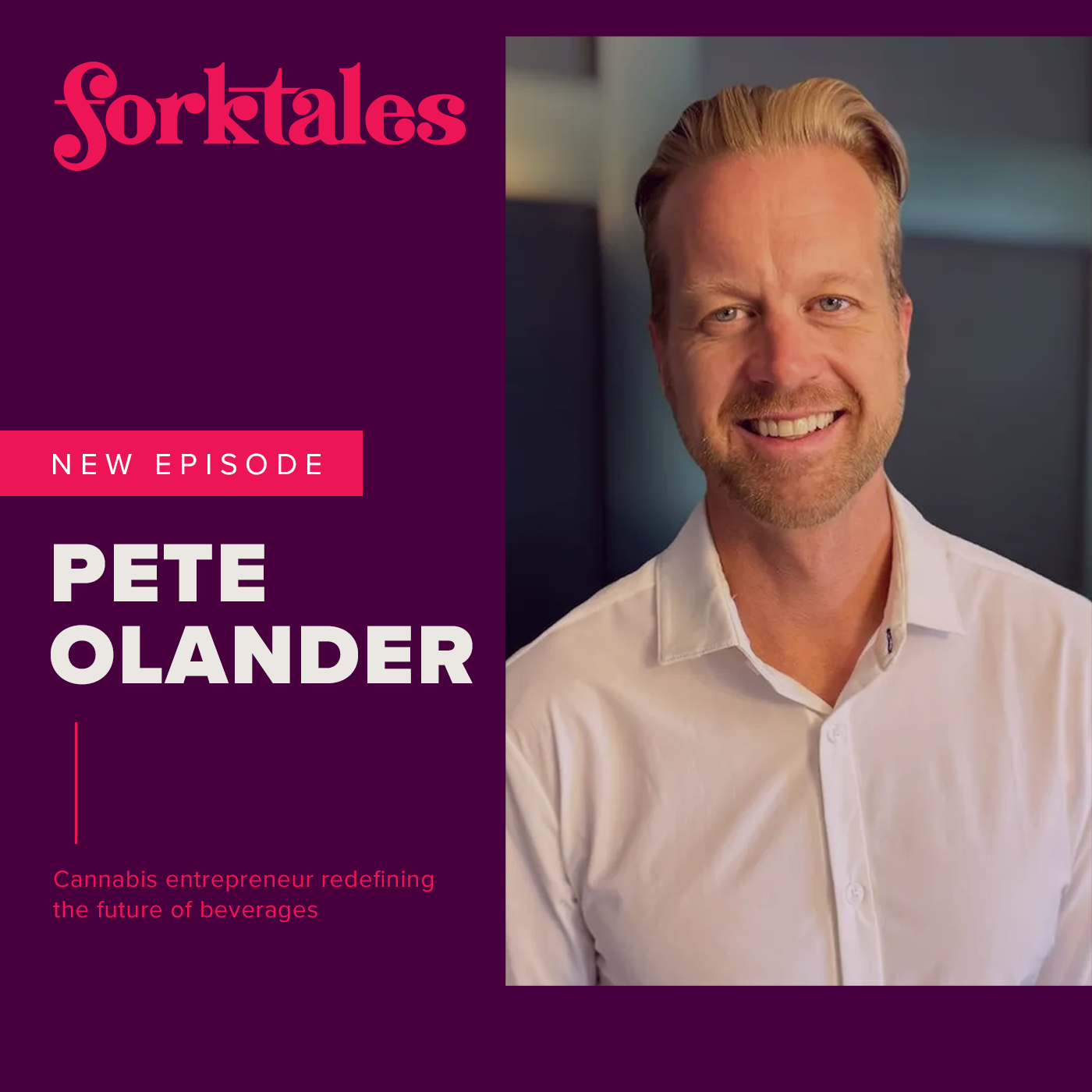 Pete Olander - Founder of Happie and innovator in cannabis and functional wellness beverages
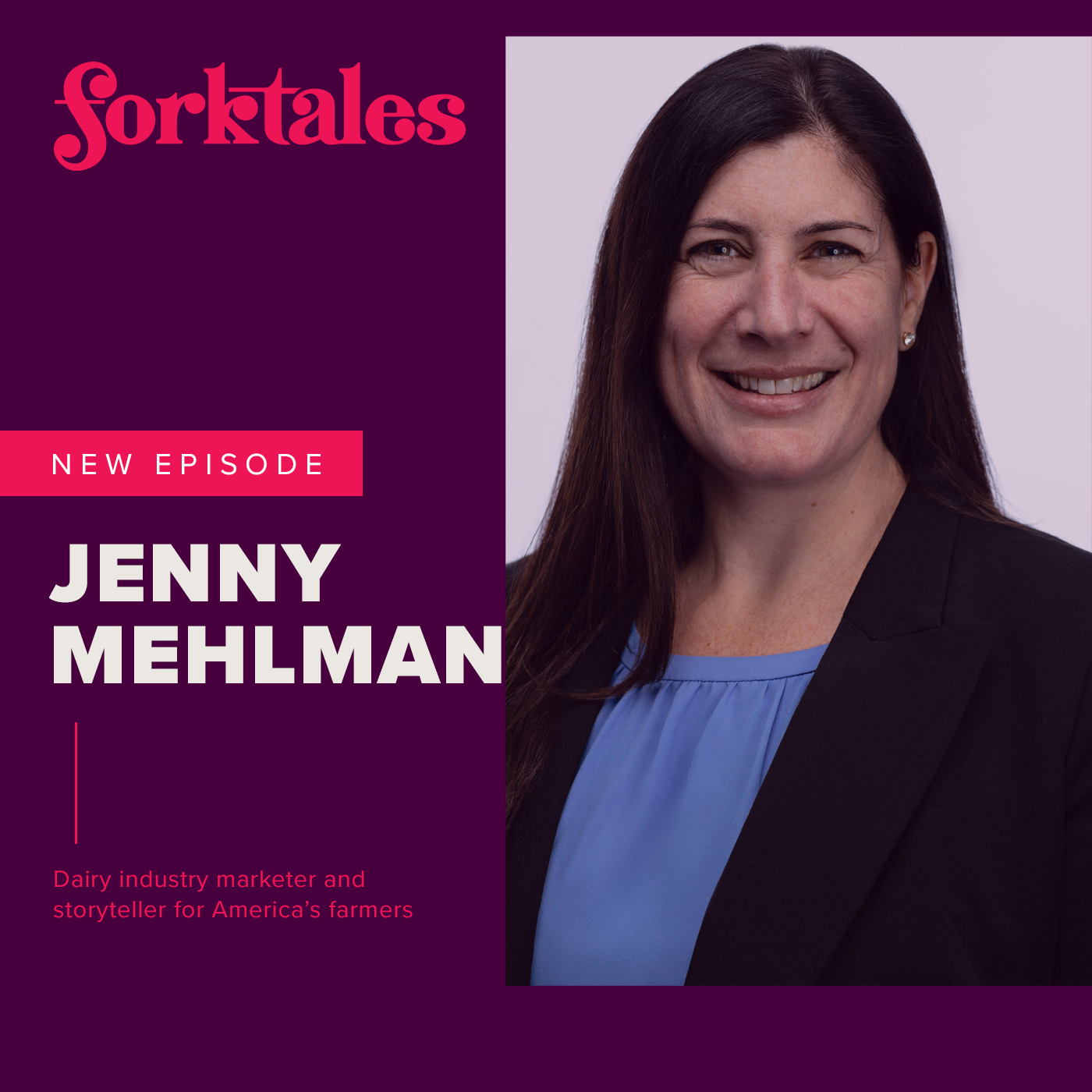 Jenny Mehlman - Dairy marketing leader and champion of all things cheese and butter
 Mike DiBeneditto - CEO of Golden Waffles and Champion of Bold Brand Reinvention
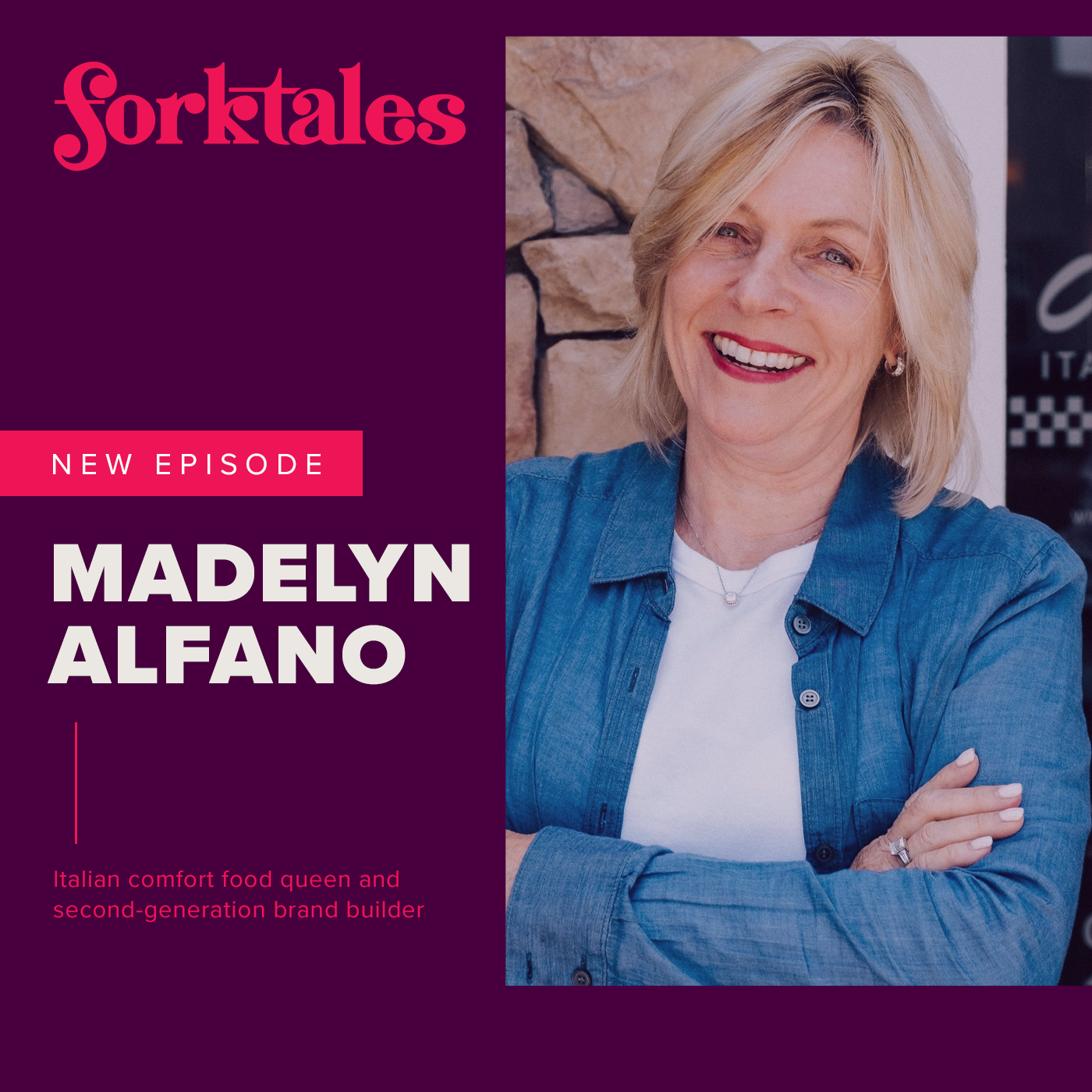 Madelyn Alfano - Restaurateur, hospitality leader and steward of Italian comfort food