Fireside with Founders & Leaders · 2026-04-29 · 58 min
Aurelius's technology leadership operates across the full deal lifecycle, conducting tech due diligence on potential acquisitions and managing post-deal transformation for portfolio companies. Goyal emphasizes that successful value creation hinges on three critical factors: the quality of leadership, clarity on business outcomes and why transformations matter, and alignment between technology initiatives and shareholder timelines. He reveals common misconceptions in tech due diligence - that legacy systems on paper are worse than suspected when examined closely, that vendors seldom reduce modernization spend pre-sale (creating deferred risk), and that months-long vendor selection exercises often represent lost opportunity cost. The PE playbook involves ruthless first-100-days portfolio reviews (eliminating non-core projects, renegotiating contracts), delivering quick-win tactical dashboards using Power BI to unlock daily visibility, while simultaneously building 12-24 month transformation roadmaps aligned to exit thesis. Goyal argues cloud migrations and ERP upgrades are value-destroyers if framed as lift-and-shift rather than process standardization, and that continuous post-implementation improvement (not binary go-live success) mirrors the compound-effect thinking of systems like Atomic Habits.
Out-of-support legacy ERPs (security and availability risk), lack of real-time reporting visibility, shadow IT and Excel-based workarounds, fragmented applications across geographies with no standardized processes, and leadership that can run business-as-usual but cannot transform - are all critical red flags indicating deferred modernization spend by sellers pre-divestiture.
PE firms conduct portfolio reviews in the first 3 months to identify spend and eliminate non-core projects, develop 12-24 month transformation roadmaps, and deploy quick-win tactical dashboards (Power BI, real-time reporting) within weeks; a formal technology transformation timeline is typically 12-24 months aligned to the exit thesis.
Most cloud migrations and ERP upgrades are structured as lift-and-shift, moving legacy processes to new infrastructure with no operational redesign; they reduce certain costs but don't standardize processes, reduce shadow IT, or reshape the target operating model, so they fail to deliver the margin expansion or resilience PE investors expect.
Sellers typically reduce modernization investment 12-18 months before divestiture on non-core assets, so legacy systems that appear managed on paper are often out of support, fragmented, or running on extended life-cycle with high security and availability risk - reality emerges only after acquisition when deeper technical assessment occurs.
Align technology roadmaps to shareholder value creation (not just technical modernization), quantify business cases in EBITDA or revenue terms, document core process workflows and standardization opportunities across geographies, ensure leadership can operate the business independently, and reduce reliance on shadow IT and manual workarounds.
Computed from the transcript - who did the talking, and the words that came up most.
In this insightful episode of "Fireside with Founders and Leaders," host Rupert McSheehy welcomes Punit Goyal, the Technology Director at a prominent private equity firm. Punit shares his impressive journey from starting as a software engineer to holding a pivotal role in technology due diligence and transformation within the private equity landscape. With over two decades of experience in technology, Punit sheds light on the critical factors that technology leaders must consider when preparing for potential acquisitions by private equity firms. The conversation delves into the nuances of technology due diligence, emphasizing the importance of understanding the intricacies of a portfolio company’s technology landscape. Punit highlights common pitfalls in due diligence processes and offers actionable insights for tech leaders aiming to enhance their company’s appeal to potential buyers. He discusses the delicate balance between speedy decision-making and thorough analysis, as well as the importance of aligning technology initiatives with business outcomes.
Transcribed and scored by The B2B Podcast Index.
you're listening to the Far Side with founders and Leaders Podcast the podcast that gives you a behind the scenes look of some of the world's most amazing founders and leaders looking at their journeys and how they got to where they are today hello everyone and welcome to this latest edition of the fireside with founders and leaders podcast today I'm delighted to be joined by the brilliant Punit Goyal who is technology director over at PE firm Aurelius so we talk all about how he's got to that position today of course but also we go into some really interesting insights around what it's like to work in that position what he's looking for when he's doing due diligence um when they're looking to acquire new portfolio companies as that private equity firm we look at sometimes how due diligence can fall short in the tech space what to look out for if you're looking to be acquired by a private equity firm if you're a technology leader in that space the things you can do to really carve out value and the things that they're generally looking for we also delve into what really happens after that P deal is complete and what it's really like to be on the inside some super interesting insights in this one so stay tuned and enjoy so Punit welcome to the podcast thank you for having me oh no thank you for coming coming in so look I think we've got some really really interesting and exciting topics to talk about through your career working with P E firms um perhaps unlocking and demystifying some some myths that that we know of things that we've talked about um before so before we get into all of that uh I wanna talk a bit about you your history and your career so you're currently um you're it and technology director for Aurelius yes uh you haven't always worked there you've had a had a career history before that so talk to us a bit more about how you got into the technology sector and then also how you got into you know working with with PE firms um as your your first venture sure I'm Punit I started working in the field of technology about 22 years back yeah before that I did my majors and bachelors of engineering in information systems I've always been intrigued by technology how it it can help uh businesses and corporates in automating things making life easier for everyone I started my career as a software engineer uh and a lot of work I did early in my career was in the space of ERP delivery uh and I was always intrigued by uh why certain projects happen what's the business rational for that how are we creating solving a business problem and that intrigue and curiosity always drove me to understand what's the business problem why are we doing something and throughout my career I've evolved roles from a software engineer to integration architect solution architect project management then delivering and managing large transformation programs yup uh enabled by technology large enterprise applications uh ERP Oracle specifically I work with big uh vendors like Oracle Consulting P W C and EY and a lot of the works you do in ERP space is a result of a deal or a transaction mergers and acquisitions either it's carving out a business and making it stand alone operationally from a big corporate or an organization has acquired another business and integrating that within their own business yeah so leading those programs from a technology angle it's been I've been doing that for many years now and most of those transactions were a result of a P E buying something from a corporate or a P E integrating into a portfolio as a buy and build strategy nice so that's what uh brought me to Aurelius as well and within Aurelius we have an Ops advisory team which enables and helps all the portfolio companies on the technology landscape so we support uh our deal teams throughout the deal life cycle before even a transaction happens in technology due diligence where we look at how easy or difficult it would be yeah to carve out that business from a corporate or to make it run independently what would it cost yeah what time it might take uh what are the risks yeah uh how we can use technology as a value creation tool either reducing operational cost mm hmm improving the processes or using it as a value creation tool of making a business omni channel digital uh opening up new revenue work streams yeah and that's what I'm currently doing for the various portfolio companies being leading some of the major transformation programs as well as uh stabilizing them carving them out uh or making them ready for an exit uh so that's where I am now nice okay very good so the and it's it's quite a pivotal role right in an organization as you say there's lots of things that you need to determine um with your team I'm assuming uh to to make sure that you're weighing UPS of the risk versus reward as you say and the cost and the opportunity and the benefit and how easy is it to implement these things into the portfolio companies can they turn it around quickly how do you how did you get into that going from someone who's starting as a a software engineer and then as you say sort of working with other companies always in the ERP system so you're obviously a bit of a domain expert with ERP systems that that's quite clear how do you go and transition into that role that you're in now from from where you were before so I think the few things some of our some of these were deliberate and some of them life happened and I've been uh open curious and adapting to situations so and as opportunities present them I see I think it's a good area for me to learn more it's interesting exciting for me and this is where I can make an impact this is where I can add value so that curiosity of making an impact creating value and understanding why we are doing certain things yeah before jumping into the what's and how that always and that why always keeps the focus as well mm hmm of what are we trying to achieve and sometimes you get uh distractions noise but once you have the clarity of why we are doing something it helps to uh remove that uh ambiguity or noise and focus on what should we prioritize where should where can we get the best value yeah nice and it is as you say for you about solving problems right that's how you started and that's how most people start in sort of engineering of any sort whether that's software or physical engineering I think even drawing comparisons from that so it's problem solving at its at its core right yes problems solving and solving for who yeah is it making life a few clicks easier for somebody in the business yup or is it really creating value by automating reducing risk uh making the platform attractive for potential buyers making uh true efficiencies are not just saving one or two hours a week for somebody that in my terms is not actual value because if you are not taking the cost out from an organization yeah that's not efficiency it's just making somebody's life a bit easier yeah OK and and you spend a lot of time like with portfolio companies right working working with them to to either go and buy their buy their business buy the product buy into it from the P firm um like what are the the things that when you walk into a portfolio company that you're looking at that go tell you this is either gonna be a great you know product or great uh great business to implement or if this is gonna be messy like what are the first three things that you're generally looking at in that scenario so I think I look at three things all in combination so you can have a great product but if you don't have a great team mm hmm uh that may wither down because we cannot enhance improve the product uh for the evolving market needs or where the competition is heading or where uh it might be disrupted by others uh huh we also need a good team good leadership who can provide direction and management to deliver those outcomes and sometimes we just need to marry up those leadership with the shareholder values or shareholder goals of where we see the best value sometimes modernization or moving to cloud yeah seen by a lot of technology leaders as a Panacea yeah but that may or may not always create value so if you're moving something from on prem to a cloud or moving from uh physical hardware to Amazon or Azure you're doing a lift and shift yeah it may reduce certain cost but you are just doing the same thing what you're doing in the old system in a newer brand new application or brand new infrastructure so in my head the main thing is why are we doing it where do we see the best value hmm in context of NRP yup implementation or transformation it's how are the processes going to be different okay how are they going to be more resilient yup how do we reduce shadow it and people working in Excel around as workarounds yeah uh and how do we standardize across if our corporation or companies spread across countries or divisions or departments do they have the common understanding of what revenue is what margin is what costs are and if they are following a similar or standardized processes across the country because everybody says we are unique we are different we do things differently here but most businesses 80 to 90% is the same yup they buy something from their suppliers yup add some value and then sell it to their customers yup and there that's where they create value yeah yeah so a lot of it is could be standardized could be fit fitted within a solution from a software vendor be it SAP SAP Oracle Workday or Microsoft or any uh it just that aligning those people to what the vision would be what the processes would be and with that processes what's a target operating model from a people perspective yeah I can and taking those people on that journey that how it's beneficial for them how it will help them deliver the values yeah nice so it's a lot about the people then that are in in that organization yes so I never find technology as a challenge yeah I think the biggest challenge is uh having clarity on that the outcomes how it would look yeah okay and then how it would be a win win it's not a zero sum game that somebody wins or somebody loses it could be a win win for the colleagues employees that they have experience of working on delivering large ERP programs which they can add to their CV mm hmm it could mean uh the organization is more resilient adaptable flexible yup and even the vendors who are helping implement it's not a one time job uh once you implement an enterprise application once you go live the job is not done yeah that's just the first stage that's the uh starting point of how uh where you can further incrementally uh make minor improvements on a ongoing continuous improvement basis yeah okay and that's where I think uh some organizations think we have done a large transformation program we have handed life that's where the journey ends yeah I think that's a myth and also sometimes that's what a wrong notion to have yeah okay and especially I think that's the reason like a lot of vendors have moved on to a SAS cloud version where they continuously provide new functionality every quarter every six months and it's for those organization to pick and choose what works for them and how uh they can derive the benefits of the investment they have made yeah and technology is changing of course all the time right so as you say to think you're doing this big transformation and then that's it done we're out uh it's not really the case for the for the business because technology is gonna change so they're gonna have to keep keep changing and evolving as technology transforms itself ultimately yeah I think I just take uh analogy from personal health goals and stuff like you can go on a crash diet lose some weight or go to a fitness class for six months and be slightly fitter but it's about the habits and the things you do on a daily basis around discipline consistency around uh making that one person incremental improvement uh every month every week yeah you'll be better than what you were six months back 12 months back and you can apply that in any corporate scenario or organisation as well that uh it's the journey doesn't end it's continuous improvement and you need to be consistent persistent there'll be challenges mm hmm uh you might have to pivot you might have to pivot because of geopolitical or competition or changing strategy because the organization decided to sell off a part of the business or yup have a another acquisition uh but I think having that consistency and deliberate focus on how we can improve making uh small incremental improvements yep so I'm really influenced by the book Atomic Habits yeah yeah I was gonna say this sounds a lot like stuff that I've seen from Atomic Habits those small incremental changes that really helps and yeah also like sometimes making uh short term call versus uh medium to long term sustainable things so sometimes you can make short term cost efficiencies or things but that may harm the organization and being a sustainable resilient organization or creating unnecessary risks or yep making the business less scalable and and you see obviously a lot of uh sort of your deals go through and you know companies that the firm will be looking at any one time like what's the the reality between like what's being offered as as a sale as a business versus the reality of what what you might be buying yeah do they differ quite wildly sometimes uh majority of the time yeah so and it happens uh because once you're buying the seller is in a sales mode yeah so they're polishing up a old car yeah so what's looking a spanking well polished car may have a failing engine yeah secondly like when you're doing a due diligence uh it's a short period of time 4 weeks 6 weeks so you can go to the surface and the people who are available for you to question or examine that's asset may not have the details yeah you might look at the application landscape and see you have a a modern system but you can't know exactly what functionality of that system is being used and what's being done outside the system in Excel and manual workarounds also uh when you're buying a bigger complex target they may have operations different in different countries or different applications in different countries and you cannot get all the details uh up front yeah and third is there's a gap between when you the seller has prepared a due diligence report or the architecture and the roadmap when you do a due diligence and when the deal is signed and the deal is closed yeah so sometimes that can be period of three months or up to a year or 12 18 months and during that time things evolve mm hmm uh either due to external factors like tariffs yeah gas prices tax uh or market cycles let certain products which were selling amazingly well yeah when we did the due diligence may not be doing that well once we have the ownership of that asset does that happen yeah reasonable amount of times usually it happens yes yeah is that just purely down to the length of time it takes to go through the so it's not just that it's also like uh also because sometimes some of the numbers some of the things metrics are presented in a way which may not be a true reflection as well okay it's a mix of combination so and the third thing I would say is like when you're doing a due diligence there might be people you think are capable and running the business mm hmm but when you do acquire a business some of them may or may not be part of the transaction transfer of the company yup especially the leadership uh huh or they might leave because they are not aligned with the new ownership or the new goals of the new organization yup and when they leave they leave a gap knowledge gap experience gap or sometimes they have been running that business for far too long say 15 years 10 years so they can't think outside the box of how to do things differently yeah yeah or they can run the business in Bau yeah but they don't know how to transform yeah yeah which is and that's the biggest biggest thing for anyone who's been leading and running a business for that length of time ultimately as well they're giving up their their baby yeah potentially it alters my one of their children for some people giving up that business and you're relinquishing a lot of control and then it's a different way of thinking like a P E mindset is quite different in the sense that it's very commercially minded commercial acumen is quite key yeah and a lot of technology people are not that commercially able to explain or create the narrative of how a certain initiative could be creating value in the terms of a bit up yeah or growth revenue growth and things like that so they might see uh migrating from a 20 year old system it needs to be happen yeah and they might create a five year road map to move all their applications from older version of SAP or Oracle to yeah the latest version of SAP Hana or Oracle Fusion Cloud and things like that that needs to be looked at what's the business benefit and sometimes if you have a investment cycle of from a PE perspective a exit horizon of three to five years or seven years uh huh uh from a PE shareholder perspective you're looking at could we deliver value sooner mm hmm and we have to deprioritize things which we may or may not feel confident around will it give the value in the over holding period yeah so it's a balance between the shareholder uh priorities versus for the organization needs in a medium to long run sustainable business yeah and what would you say are the most overlooked factors in due diligence that are done on deals so sometimes in a due diligence uh technology is not considered as a key driver okay so just the commercial value or the market or the sector uh but sometimes technology can be a deal breaker or a red flag in the sense that it could be overtly complex to separate the business or run it as a stand alone because either they do not have the capacity capability uh or the right tools and applications mm hmm and the transition of ownership creates a bit of uncertainty insecurity for the initial three to six months yup and that is a challenge yeah and and have you ever seen sort of deals where the technology looked OK on paper but when you sort of lift the lift the hood up so to speak it's crumbling yes a lot of the times because uh usually it's a combination of factors so when a seller a corporate seller is usually trying to divest a non core asset either that's either a non growth area slow growth area or it's not profitable area yeah so and they start that thinking process 12 months 18 months 24 months down the line so in that process what they usually do is reduce the investment and modernization expense okay uh so they do not start a big ERP transformation just before they're about to sell yup so a lot of times when we acquire assets or companies they would be having a 20 year old ERP which is out of support is a security risk or has a low availability goes down yeah during peak seasons or peak periods which reduces the ability to sell more or invoice the customers on time yeah or get the uh best discounts from the vendors and stuff so that happens all the time I was gonna say it probably sounds like it's it's quite a common theme if you're if you're going in cause your whole purpose and plan will be to go and transform and upgrade everything so I'd imagine it's probably sort of cracking at the seams quite often yes it is yeah and and do you find that is it is it a challenge or does that make things easier to go in and say well look it is what it is we know we can get more value out of it because I can see instantly where I can make some some change I was gonna say quick changes it's not necessarily quick changes but some you can easily spot those changes and then you know how you're gonna get that value add look at the increasing the EBIT Dar as you say all those sort of things that you're trying to do to to drive more revenue into the business to get you know maximum out of it when you when you eventually sort of look to to move it on so yes there are two aspects to it so when we are looking at a due diligence we form of a investment thesis of how we could scale the business grow the business what would the potential exit look like yeah that may change over the period of time but we have those investment theses to see this is how we'll create value either by reducing cost adding new digital channels things like that and so once we have after day one once we have owned the company we go into the details look at where are we spending every penny mm hmm what are essential what are non essentials what major programs and projects are aligned to the strategy we have yup and sometimes we are very ruthless to reduce the portfolio projects to bare minimum so that we reduce any unnecessary spend any contracts long term contracts we don't get into them and then first three months we have a good understanding of the capability yup within the organizations create come up with a transformation road map for next 12 months 24 months look at what capabilities we need to build it uh either through leadership interim rules uh partners either system implementation partner consultancies boutique consultancies in those areas yup and create a road map 12 month 24 months and sometimes we take some make some early quick wins of uh making tactical things so one things which is quite critical in most of our portfolio is data and dashboards and reporting yeah around how are we doing on a daily basis so in some corporates when we acquire them it takes them weeks to understand how did the business did two weeks back three weeks back yeah uh having that real time or near real time visibility helps on how the business is heading on a daily basis weekly basis then we can make informed decision in our buying for the next season next year yup how to procure or what to target to our customers so having some tactical dashboards using simple tools like Power BI with data from their legacy ERPs or excels yeah and then in the meantime working on a roadmap how to make that a production ready standardize automated a BI platform similarly like a in corporates it takes a lot of time to decide what product to go with or what vendor to go with in ERP yup and that exercise of vendor selection can take 6 months 9 months mm hmm but having worked long enough in P environments I understand that you have your thesis you have your gut feel and you never like get 100% all the data you need to make a decision yeah okay so don't sacrifice uh good for perfection yeah start with something yeah even if you have 60% 70% and then we can course correct yeah okay so things which are reversible make easy quick decisions yep move ahead things which are irreversible have it think through take your time but not too much yeah is that saying of sometimes done is better than not right yeah so you get paralyzed by wanting everything to be perfect and then you don't start and that that could be worse than making a few mistakes and then going as you say you make some quick decisions on those mistakes and go back and reverse them pretty quickly yeah and also it's also around uh having that agility of Mark evolving market situations things like that sometimes you have to look at conserving cash uh to have the business operational in current 3 months 6 months rather than looking at 3 years 5 years window uh huh and sometimes it's looking at that long term horizon of uh and mixing that up yep okay nice and in terms of those those um sort of deals and so it sounds like sometimes it can be like 12 months before you even start making any changes to to the organization does that generally sort of shock leadership people when when they when you're going in or they think things are gonna happen instantly like what's the feeling normally from the inside so it's a mix some people are energized yeah because they are sometimes frustrated with the sloppiness or the inability to take decisions and move ahead so they are energized and they are uh aligned to what the new owners would do mm hmm it's also a fact that uh within a PE environment when a business is acquired majority of the leadership and the exec or the C suite changes within the first 12 months yeah I think I was reading somewhere at the figure is between somewhere to 70 to 90% okay fairly fairly sizable yeah so that's a big change yeah the whole leadership change and uncertainty around that and when they move the second layer they usually take them with them as well so managing that transition mm hmm uh with communication managing with providing them the comfort that it's for the better of the organization and also creating that balance between creating a win win situation for both sides mm hmm yep and and that's what it's gotta be right it's gotta be everyone's getting something out of it it can't just be this uh like one person smash and grab otherwise it all falls down because people are not then on board you've got one person going against the other and it's a loggerheads have you ever seen that that sort of scenario play out uh not in that sense but in the sense that sometimes when uh pre deal or just before a deal somebody will come up with an investment thesis and a roadmap for value creation yeah they are usually external customer consultants or advisors who have not never worked in a business before right so sometimes that strategy may or may not work in real life scenarios okay so that's one of the challenge uh and secondly uh sometimes you have a different kind of incentives for vendors and partners so they want to maximize their own revenue yup uh but I work with them in a collaborative fashion to say it's a long term relationship it's not just you do one piece of job and you're away yeah it's a long term relationship not just within that portfolio but other portfolio companies if they do a good job in one portfolio company we use them massively in other portfolio companies and so we create the right incentives for each vendor either through is it a fixed price or is it yeah diamond material with milestones and where they have a skin in the game as well yeah in the outcomes rather than just a time and material yeah it makes sense because then everyone's driven to work towards that outcome right rather than just everybody working on their own silos or towards their own goals yeah exactly which which can be uh detrimental to the whole thing I think it's the as I mentioned like previously like it's a main thing of uh working in leadership role is alignment and alignment of the stakeholders the shareholders uh huh they're executing the portfolio companies and from that driving the vendors and their junior teams to work towards that outcome yeah nice and it talked earlier about um like data and getting data out and looking at the data seeing what it's telling you using platforms like Power BI obviously the data is what the data is you can't control the data that's been there historically um but I'd imagine things have become slightly easier over the last couple of years especially with with AI modernizing how we can read data get access to it quickly analyze it has that has that helped so speed up transactions yes also it's massively helped mm hmm and a lot of the leaders operating partners are the exes are now quite fluent in some of the generators yeah and they try a cloud or a co pilot to analyze large amount of data themselves and the uh and sometimes it's very good because that provides them the visibility either good or bad yeah and also sometimes it uh opens up all the challenges the business had because if you have poor data in you'll get poor insights correct yeah so a sales team may have a different view of revenue versus a finance team or accounting team yeah or the margins yeah or our organization may have the same customer names at three different ways in three different systems uh huh uh somewhere it may be an IBM somewhere it may be an IBM Limited or somewhere it may be IBM UK I've seen that before and they can't get a clear view of how much are they spending with a single vendor yeah or how much is a single customer buying from them yeah it's really that's a really common uh sort of issue I think a lot of across a lot of businesses no matter what they're doing is that sort of especially across multiple customer large scale organizations different countries they're really trying to get on different systems yeah all on different systems it's uh it's I think it's more of a governance and operational topic rather than a pure technology topic hmm so it's around who is owning that data yeah who is owning that process yeah once there's an ownership and accountability within the business uh technology falls into place yeah the technology works right ultimately as you say it's not the technology you're normally looking at it's the it's the people and how they how they're utilizing the technology and the systems that are in place to get the most out of it and also like a lot of these tools are helping in the sense like especially the AI tools are helping uh in making that analysis quicker mm hmm uh the initial drafts easier to make previously something which used to take 4 weeks 6 weeks can be done in a matter of hours yeah so if I look at software delivery or ERP delivery like I remember programs which were 3 years 5 years and there are team of five or six colleagues working on preparing test scripts and test documentation for 3 months five months yeah that can be done in hours because AI can generate you first draft which is 80% 90% there then you just need to tailor it for your specific organization for your specific use case that can accelerate a lot of it things but you still need that human judgement human lenses on top of it does it cover everything are we missing some gaps or are we overlooking some blind spots or what have we Learned from our experience or what may or may not work in within this specific context or within this organization and do you think it can become an issue whereby people you say AI is great at getting you to sort of 80 maybe 90% of the way there but there's sometimes an over reliance on uh not not checking the work that AI is doing people that I've seen have have sort of looked at it and go well I'll just use AI and it's fine and then pump it out not really looking through using your human human eye to to really sort of your fact check and make sure that it's it's giving you the right information that you're looking for yeah I think uh tools are maturing it's a new landscape and AI tools are probabilistic they are not deterministic so if you ask the same question two different times you might get a two different answers and you're never sure what's the calculation being used or what's the logic being used yeah or what was the logic you used two weeks back you have a new version of a model every few weeks and uh what they calculated two months back versus what it calculates or shows you the data may be totally different yeah and it's also like how you prompt or how you ask a specific question yeah so I'll give you an example like if you ask any GNI tool what's the benefits of Ozempic for example yeah yeah yeah it will give you that it's a Panacea for diabetes it's a Panacea for weight loss and it has so many positives mm hmm but if you ask the same genie I told what are the side effects it will show you all doom and gloom yeah yeah here we go sunny says you're right a lot it tends AI tends to agree with us to make us feel positive about how we're how we sort of interacting with it so it's also like what questions you ask how you ask yeah and it is probabilistic it is a best guess or based on that experience it may or may not have the full set of data yup it may not be nuanced enough uh based on the context you are in do you think we'll see some some issues coming out of this though as we go down the line I say deals being done by people using AI to to do some of their due diligence and not doing their own due diligence on on the AI so let's not say it will be because of AI it's again back to the human diligence around uh have you cross checked everything yup also around and it can happen without AI tools as well like yup there's a lot of things to consider when you're doing making a decision mm hmm and I think AI will help reduce some of those things because uh as a human you can do as much as possible like when you're doing a diligence and looking at hundred contracts each contract is 50 page or hundred page you can't go through a single every single line and find that out yeah but if you turn that through an AI engine which can process hundred contracts line by line and look at what things to look at uh the red flags or things which might impact the long term journey yup so I think it will help more on the positive side rather than the negative side yup there's always some potential bad actors especially in the space of cyber or hackers and stuff which would try to uh misuse it but I think every technology has more good than the negatives just making sure that people are prepared to to use it in a correct way where they're not just relying on it 100% blindly exactly that and they and they need to question it uh and just say how are these numbers right what was the calculation used where did you find this fact yup or did you just made it up yeah OK yeah that yeah sometimes it does have a habit of making things up and also you talked about going through contracts you need to make sure you're telling it what to look for you need to know what you're looking for you can't just say to an AI well you can just say to an AI platform look through this contract and show me some red flags but you need to want it to tell it what the red flags are that you're potentially on the lookout for yeah um rather than just expecting it to know and that comes from experience that comes from having you burned your hands few times yeah yeah yeah I think that's that's the key right you only get you only learn from experience by actually going through getting your hands burnt through some of these things and going I didn't see that in there so you need to make sure you're going back and double checking and sometimes it's not humanly possible to like some people are extremely diligent detail oriented and they can go through every line and make it out lawyers and legal teams have been doing that paralegals have been doing that for long yup but humanly it's impossible to look at every possible detail every TS and CS and the caveats or assumptions and things like that so you'll never be hundred percent there but I think it will help uh reduce the risk yup and you've worked with tech leaders in in various of PE backed um firms that that you've you've had as a portfolio companies what do you think makes the difference between a tech leader in a PE backed organisation that thrives versus one that struggles in a PE backed environment tech leaders needs to be commercially minded okay as a lot of tech leaders are great tech leaders who can deliver could take outcomes but they may or may not be commercial in the sense of how is it adding value how is it reducing risk and being able to communicate to stakeholders uh in terms of the language they understand yeah so if a tech leader circumstances will modernize from on prem hardware to cloud uh P s holder may ask what does that mean why yeah what does that mean yeah or how is adding value or reducing risk or uh adding to your exit multiples or how is it attractive to a buyer yeah so I think being able to communicate to the stakeholders in the terms they understand to the CEOs to the Chief operating Officers that this is how this is why we're doing this initiative this is how it will create cost reduction value creation growth or reducing a cyber risk which can impact either operations and things like that yup if you look at recent examples last year of marks and Spencer's or co op and others the business was uh impacted massively for a quarter because they were not able to sell online and things like that yup so not to create panic but also to put that a number to say okay if we do this we're reducing the risk by this this will create a resiliency or we are able to operate during peaks they won't understand okay if we increase the capacity of a server by xgb RAM or what our processing power by this what does it mean so yeah they need to be translated into a language uh financial leaders or yup people's for number crunching understand so it's being that having business business savvy so next commercial acumen commercial acumen and being like operationally the second thing I would say is being on top of their operational numbers yup having their KPIs understood that uh where are they spending are there still room and being constantly monitoring their spend on various initiatives mm hmm and third is having a focused portfolio so sometimes they start too many initiatives all in parallel yeah which are vying for the same human resources or decisions so I always work with them and to say have a shorter list of focused programs uh which deliver value so it's better always to do deliver three programs well done rather than 10 programs which are faltering yeah yeah and and do you see that often when you go into to portfolio companies yes yup especially if uh they're acquiring a business from a big corporate where they have higher standards of governance or red tape and bureaucracy mm hmm and they want to be extra cautious on everything decision making everything has to go through multiple change boards enterprise architecture security architects uh that decision takes time so need to create a balance between speed and safety and and how do you do that because there sometimes there's pressure right to get things done quickly especially in the modern world and when you've got timelines of uh you wanna get through a transformation program in so however however long that it's gonna do or implementing new ERP whatever it is that you're you're going through alright how do you balance that that speed versus uh so due diligence of making sure you're doing the right thing so there are two things I usually do one is like things which can be reversed easily or without much impact mm hmm make quick decisions things which require thought through like if you're signing a three year contract with a vendor mm hmm think through properly yeah so things which are irreversible think through properly yeah but more time things which are easily reversible or without major impact make quick decisions and the second would be around don't wait for a perfect answer yup you will have a good picture and good gut feel judgement when you have 50 to 60 70% data yeah and with your experience uh uh having worked in this field most leaders understand they can make a decision it's just that aligning those stakeholders to say okay this is a risk we are carrying yup are we ready to accept that risk or if not how do we mitigate yeah okay no so it's about sort of either you gotta go okay there's some risk here and we have to we have to take it on board and try and ultimately reduce the the risk as much as possible but just by doing the thing that we need to do yeah I think action speaks louder than the long plans yeah strategy because a good plan or a strategy is as good as uh preparing as much for a boxing match until the first punch hits your face yeah yeah yeah yeah so true and then suddenly your face hits the canvas and that's it the strategy's out the window and then how you pick up and how you stay resilient and pivot or yeah uh course correct as you go along so start working on it make actions uh go for some quick quick wins early wins show value mm hmm gain confidence in your stakeholders yup and then once you show them that value once you have that confidence you get a bit more uh room mm hmm uh and in parallel you work on the medium to long term strategy of have production ready resilient solution nice and and we've talked a bit about um like the balance between so technology and the people and we've talked about creating value EBIT Dar like where does technology do you think actually move the needle on EBITDA how can how can it create more value because we talked a lot about the people in the organization the strategy the systems but where does the technology actually move the needle do you think some things are quite simple yeah uh so some places where uh moving from a older technology stack to a new technology landscape say moving from an on prem to Saas ERP you can get value by reducing uh single person dependencies in the business who know how to operate a specific function within that uh ERP DBA or BL interpret uh integration person who knows how these integrations work yup uh to the vendor doing it or the uh software doing that process for you and uh reducing that people cost from the business yup uh or like moving where you have on premise applications or infrastructure which takes a expensive real estate maintenance and specialist skills which you may or may not have because people retire move on so we are removing that risk as well as the cost okay those are the easier and quick ones mm hmm but other changes especially in the space of ERP technologies or digital transformation come more from your operating model and process yeah okay how are you doing things differently if you're just lifting and shifting from an old application to a new application or old hardware to a new infrastructure yeah that will not give you the best value yeah OK it's just around how are you going to do things differently yeah how are we going to change the process how are we automating things hmm that's where the value lies so I'll give an example where uh moving from uh manual paper based field sales solution where the sales people are going from customer to customer taking orders giving them prices brochures moving them to an iPad Pro with a field sales system which again give them real time stock real time prices customized for that customer and they don't have to do paperwork and come back to their office in the later in the evening and type that order in yeah uh can reduce it similarly like moving from that to a self serve ECOM platform where customers instead of relying on salesperson to visit them once a week or once a month can place an order whenever they want to yeah they can check the availability price and if they have a question they can call somebody and say okay uh can I get a discount or whatever yeah similarly like uh a lot of things which happened uh in a lot of common back office functions can be automated uh we'd say and voice processing accounting function of automating uh month end processes of reducing the time from say 10 days to 3 days yup uh similarly a lot of things I'm seeing a positive improvement in the field of customer care con contact centers okay yeah so I don't know like how many retailers or things you have interacted in the recent past you'll be able to connect to a human yeah it's very difficult so and a lot of those customer journeys are consistent across most retailers most customers are looking at where is my order when will I get it yup I've returned it I've not received my refund yup when can I expect a refund or I ordered a replacement yup do you have that in red colour or size 10 yeah yeah that can be automated and that can take away a lot of manual work from the organisation reduce cost which impacts your profitability yeah and sometimes a majority of the time also creates a better customer experience so yeah like if you look at Amazon the return processes refund processes are so brilliant that creates a customer stickiness and long term loyalty but that's what they've done with everything isn't it is they've just created a really simple process to very simple to buy stuff simple to return it simple to solve our problems on the most part uh so it's about creating they've created systems like you say to to simplify everything and make it really easy yes and it makes customers stick because they they have a good customer experience yeah and it reduces the manual labour from day to day we still need people but they are we dealing with exceptions where you need a human judgement yeah to look at patterns are somebody misusing those systems are continuously improve those systems and solutions to reduce either fraud or leakage yeah and so you make a lot of this sound so relatively relatively simple I'm sure it's the way you're explaining I know full well that there are you know complex parts of the things that you do otherwise it wouldn't be so simple to do it and things wouldn't go wrong um but I see so still like tech investments failing to um create financial outcomes for firms so why do you think that still happens like when it's if you can create the systems it should be fairly simple like why why do issues still happen where it doesn't create the financial outcomes that people want so I think one of the main thing is people who start those initiatives may not live towards the end of the initiatives okay uh so they they go with a vision mm hmm or a strategy or the outcomes in mind yep so but either they're not involved throughout the life cycle of that transformation journey to follow through and say are we delivering uh working towards the same outcomes yup because somebody in the leadership may decide that we are doing this transformation for these outcomes but the people actually delivering that program are junior teams within the business or Sai partners or vendors mm hmm and having that constant feedback loop to say are we going on the right track why are we doing it uh sometimes create the gap and sometimes people who are creating that vision are bit away from reality of how things actually happen yeah and there are challenges on the way or things evolve during the life cycle of programs which are like 2 years 3 years program uh decisions made at the beginning may not hold true two years three years down the line because the business has evolved markets have evolved and the third thing I would say is not tracking the benefits yup from day one to say okay these are the benefits we are trying to gather or achieve yup documenting them and having that clarity to all the stakeholders these are the benefits we want to achieve yeah this is how we'll track them these are the KPIs so having that transparency mm hmm or not having that transparency yeah can be a deal breaker yeah and third is sometimes some of these initiatives are confidential or some of the outcomes are confidential because a lot of these programs may result in a reduction in workforce for example yeah OK so or could result in a yeah reduction in workforce so how do you communicate what do you communicate and when do you communicate it impact people's roles responsibilities and some people see it through yeah sometimes they be maybe become a blocker or if not a blocker but maybe uh not as cooperative and so a final couple of questions for you punit before I let you let you go um someone if they are a technology leader in a in a business at the moment they're looking at potentially going through some sort of P acquisition like what are the the top things that they should get in order to make sure that they're prepared for for any you know potential sale or or purchase so think uh for a P buyer what they're looking at is transparency in numbers mm hmm what are they spending where are they spending yep how much of that is critical how easy or difficult would it be to run that business in a stand alone and giving them that confidence that they have the people the capabilities and the maturity having that commercial acumen and being operationally astute so it's a combination of these yes you need to know your technology you need to know your core tech skills yeah but over and above that I think having that uh business acumen and stakeholder communications yeah okay and if you could fix one thing in the way that PE firms think about technology businesses what would that be good question let me think about it uh so it's that marrying up of the vision that organization has for medium to long run balancing that with short term efficiency cost out or value creation things and making informed decisions yup you may take a decision uh and as long as you're aware that these are the pitfalls or risks of taking that decisions of either letting go of some people who have the key skills expertise knowledge or domain expertise or thinking that certain feature or product is not as beneficial for customers yeah customers may start you stop using that product or service because we took away certain thing because they were expensive to deliver yeah OK so it's really really sort of making sure that you're giving giving everything to everyone they they want not everything but making informed decision that yes sometimes we want to sell things which we are are profitable yup but sometimes you need to make a judgement call if you don't give this small thing freebie yup the customers will walk out yeah okay so haven't got that value without anything yeah nice fantastic well it's been an absolute pleasure having you here today thank you so much for for sharing your insights and your wisdom uh I think we've we've you know busted a couple of myths along the way um and unlocked some some things that people won't know so again really appreciate you taking the time to talk to me thank you Rupert you've been listening to the Far Side with founders and leaders podcast we really hope you've enjoyed this episode if you have make sure that you hit the subscribe button now so that you can get alerted every time that we launch a new episode meaning you'll never miss your favourite session we really hope you can join us next time and thanks again for listening to the fireside with founders and leaders podcast
Other episodes covering the same guests and topics, from across The B2B Podcast Index.
 How SSW turned AI into ½ their pipeline - Ulysses Maclaren, COO of SSWSaaS Stories · on Power BI86 / 100
 Microsoft Fabric: The Platform That Turns Data into Competitive AdvantageLeading IT - APAC Insights · on Power BI85 / 100
 From Farm to FP&A: How California Dairies delivers 17 billion pounds of milk each yearFP&A Today · on Power BI85 / 100
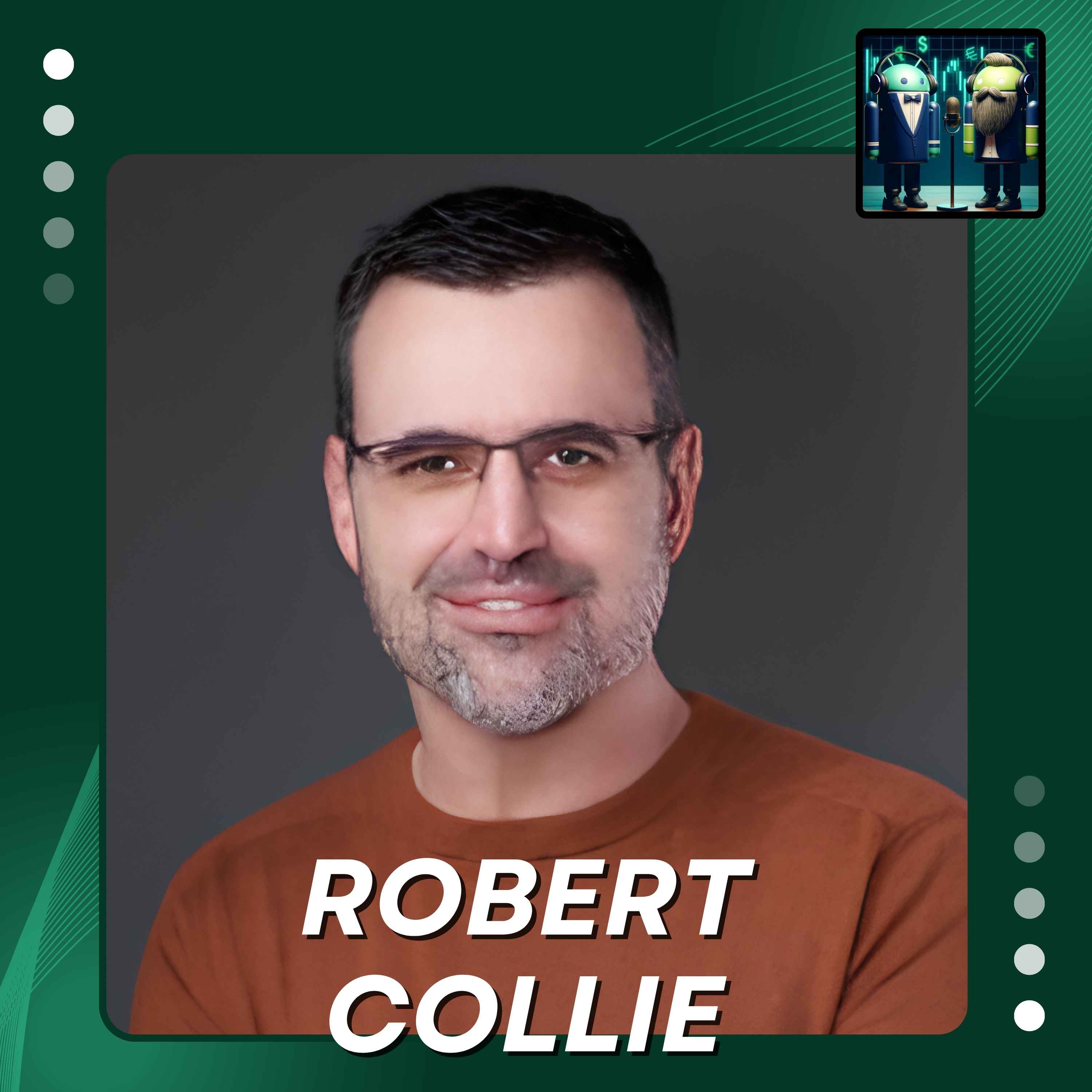 AI Is Already Changing Data Jobs: Why You Must Create More Value Now with Rob CollieThe FP&A Guy Network · on Power BI83 / 100
 Why AI Strategies Fail Before They ScaleThe Digital Transformation Playbook · on Legacy system modernization83 / 100
 Ep. 132 - The Consulting Advantage AI Can’t Copy: Relationships Backed by Real Expertise - with Dr. Karsten BallüderLEADERS IN CONSULTING · on Legacy system modernization82 / 100
 From Gaming to Global Tech: David Burns Journey at TLC Worldwide59 / 100
 The Reality of AI in Business: Insights from Chris Storey of Travelopia
 The Future of Design: Skills and Strategies for Tomorrow's Leaders
 From Operator to Advisor: Carlos Granda on Navigating Private Equity
 Design Leadership Unplugged ft. Buzz Pearce