
Digital Customer Experience Podcast · 2025-02-13 · 32 min
Key moments - from our scoring
Substance score
32 / 100
Five dimensions, 20 points each
Hannah Kohlberg brings a unique perspective to digital customer experience at Telia, combining data strategy with creative innovation. The conversation explores how telecom, traditionally a commodity business, can differentiate through superior customer experience rather than competing on price alone. Kohlberg walks through the creation of Optimus, Telia's proprietary AI tool built in-house to generate personalized content at scale while maintaining brand tonality and voice. She argues that AI's real value isn't in replacing human work but in eliminating tedious tasks - what she calls 'monkey jobs' - freeing teams to focus on genuinely creative and strategic work. Her approach to leadership emphasizes combining individual strengths with business objectives, honest dialogue about prioritization, and fostering diversity in team composition (balancing high performers with strong collaborators). For B2B operators in telecom or high-volume content environments, her insights on structured data foundations, incremental AI adoption, and embedding innovation within core business functions rather than siloing it in separate teams offer practical frameworks for digital transformation.
Optimus is Telia's in-house AI tool built specifically to generate personalized copy for content creation at scale. It was developed by a cross-functional team because the desired capabilities didn't exist in off-the-shelf solutions, and it includes guidelines to maintain Telia's brand tonality - ensuring customers feel the company's voice, not just translated words.
AI should drive efficiency by automating tedious, low-value tasks so humans focus on complex interactions and creativity where AI can't compete. The key is embedding AI development within the core business rather than isolating it, rolling out capabilities incrementally, and leading with the message that it's not a question of 'if' but 'how' to implement it thoughtfully.
Telecom is a commoditized market where everyone offers similar services and follows competitors on pricing, making it difficult to stand out. Telia's opportunity lies in leveraging unique data assets and superior digital customer experience to create differentiation, rather than competing on price alone.
Be honest and transparent upfront about which ideas align with strategy and data - don't pretend all ideas will be executed. Encourage idea generation through workshops where inspiration matters even if ideas don't become products, but maintain clear dialogue about business realities and focus on execution of selected priorities.
Combine individual empowerment with business discipline: understand each person's strengths and growth areas, set clear minimum standards for team collaboration even for high performers, emphasize being in constant movement and change, and lead through honest dialogue rather than political softness.
Our reviewer’s read on each dimension, with quotes from the episode.
The episode has a very low ratio of actionable B2B insight to filler. Beyond the Optimus AI tool build and one useful point about AI governance via a steering group, the bulk of the runtime is generic leadership platitudes about honesty, change, and team dynamics that any business book would cover in a paragraph.
we had a fantastic core team with like cross functional people from the company putting together like four or five people and like okay, what do we want from this business perspective?
we have a steering group and we look at all the initiatives that have going on to prioritize them next to each other
The AI-as-efficiency-not-differentiator argument is a widely recycled take, and almost all leadership advice (be honest, know your values, find a mentor) is textbook. The Optimus build-vs-buy framing is the one mildly fresh operational point, but it is not developed with enough depth to be genuinely contrarian.
AI will not replace you, but AI plus human will. So be that human who embraces AI
the world consists of energies and energies in constant movement. So if we are not in movement, if we are not in change, we are moving backwards
Hannah is a genuine practitioner who has shipped a real in-house AI product at a major Scandinavian telco, which is more credible than a pure thought-leader, but her seniority level and exact scope remain vague throughout the episode, and the depth of insight delivered does not reflect deep operator experience at scale.
we built uh, Optimus that's now in use, uh, to produce our content
I'm provided with much freedom to develop as long as I show results
Named examples are almost entirely limited to Optimus itself, with zero metrics on efficiency gains, content volumes, cost savings, or timelines provided. Claims about telecom CX rankings and personalization demands are asserted with no data or sourcing.
we have enormous need of content due to that. We are also much more working on personalization
the telecom industry is not really highly ranked as a customer experience, uh, on the customer experience list and trends that we get
The host consistently validates rather than probes, deploying 'amazing,' 'brilliant,' and 'love it' after nearly every answer and never once challenging an ambiguous claim. Questions are broad and leading, and the host explicitly agrees with the guest mid-episode and promotes his own company, eliminating any productive tension.
What a beautiful manager you might have had. Like he or she just telling the truth and paving the way for you to become a better leader
I agree 100%. Like there's one of our guests who said this AI will not replace you
Computed from the transcript - who did the talking, and the words that came up most.
(00:00) Data, Creativity, and Leadership This chapter explores the intersection of creativity, leadership, and technology, featuring insights from Hannah Kohlberg, a leader in strategy and data. We discuss how creativity extends beyond traditional forms like film to include areas such as coding and programming, emphasizing the importance of using data strategically to fuel innovation. Hannah shares how her passion for horseback riding provides a meditative balance and inspiration for her leadership approach, drawing parallels between guiding a horse and leading a team. We also examine the role of AI in enhancing business efficiency, freeing up time for human-centric interactions where creativity and personal touch are irreplaceable. Hannah's journey through diverse industries highlights the synergy between data, technology, and creativity in driving impactful change and innovation. (05:04) Balancing Creativity, Leadership, and Execution This chapter explores the intersection of creativity and strategic leadership, emphasizing the importance of balancing innovative ideas with practical execution.
Transcribed and scored by The B2B Podcast Index.
Speaker A: Creativity doesn't have to be creating a movie. Creativity can be very much coding or programming.
Speaker B: What's been like a standout moment or a lesson that influenced your leadership style,
Speaker A: the hard money and to make decision both on that team and to see them as individuals and then also have a business perspective in mind. Always. I'm obsessed, I would say almost addicted to change. I believe that, uh, I mean, the world consists of energies and energies in constant movement. So if we are not in movement, if we are not in change, we are moving backwards. The drive in creative world is that we have more time than on creativity.
Speaker B: How the human inside the company excels using AI is going to be the US we'll perform.
Speaker A: I don't believe AI is what's going to make your company stand out. It should what should drive your efficiency so you have more time in those customer interactions where AI doesn't cut it or that creative part where AI doesn't cut it. And that's how I. That's my vision on how you should utilize AI.
Speaker B: Welcome to the Digital Customer Experience Podcast. I'm your host, Daniel Paul. This podcast is brought to you by kiosk, a leading SaaS company dedicated to driving measurable growth through exceptional sales, marketing and customer success interaction. Joining us today is Hannah Kohlberg, a seasoned leader with a remarkable background in strategy, data and market research. Hannah has worked across industries ranging from entertainment to retail, and now thrives in the telecom sector. Combining her passion for data, technology, people and creativity, she's also an advocate for driving impactful change and innovation. Hannah, welcome to our podcast.
Speaker A: Thank you very much. Excited to be here.
Speaker B: I have heard that you're passionate about horseback riding. How does your hobby help you maintain like balance between work or how does it inspire your work?
Speaker A: I think it's, it's important to have something except work as a first thing, uh, that kind of balance you. For me, it's horses. I think horses and animals and nature pulls you in very strongly. And when you ride something that's 700 kilos, you have to be very much in the moment, right. You cannot think about something else or the work. So for me, horseback riding is meditation. And it also gives me inspiration, is that you have to be very clear with a horse. You cannot politely be like, maybe we can go left, maybe we can go right. That's going to end up very chaotic and that could be dangerous for you. So I think, um, leadership is what I take with me also to. If you can lead a 700 kilo horse, you can also guide people In a really amazing.
Speaker B: And I've heard from horse lovers, horse is therapeutic. Like, you know, if you're able to be with such a big animal and then that calms you, it kind of makes you feel like you're under control. Is it the same with leadership as well?
Speaker A: Yeah, yeah it is. And I think also, I mean I've been a leader for 10 plus years and in the beginning it's obviously scary and you very like, I think you kind of, you're very like in a very strict war. Like I'm a leader, I need to be this person same when you horseback ride, I need to take this horse forward. And I think over the years in my horseback riding and in my leadership, I soften in a way, in a good way, um, bringing um, spirit, spirituality almost into it and being much more in the moment.
Speaker B: Um, that's, that's something that's very interesting because over a period of time you become a better horseback rider and you also become a better leader. Now I want to know a little bit about how you, you bridge between different careers that you've done. Like for example data technology and creativity. How do you put them together?
Speaker A: I think they, first of all, I think they go really well together. Um, I think that's point out. I come from the data and strategy, uh, path in my career. I chose staff or chose me very, very early on. And it's something that you can always rely on, right? It's always there in the background. It can guide you really well. And that calls for me. But I think you can also. It's nothing if you don't put it at use. And early on I always felt very close to creativity. Uh, so if you take that insights and in all of that you can bring with the data strategy and can put it into creativity, I think you can go further and beyond no matter what it is. And creativity doesn't have to be creating a movie. Creativity can be very much coding or programming, but it's, it is to think, to take the insight and then to think what it is. And beyond that.
Speaker B: Creative people are usually full of ideas. How is Anna?
Speaker A: I'm full of ideas, but I think I'm also come once again back from the strategy and data. Uh, I have a very uh, easy way to prioritize and I love creating people so this is not towards them but I think like sometimes it's like a lot of fireworks that goes off, right. And that means we don't move forward. And in that I think we need to have leaders that can help them Prioritize and saying, Hey, 10 great ideas here. But based on the strategy and their data, I think we should go with this one. Now you need to focus and kind of help them maintaining that focus to also execute and to see the impact.
Speaker B: This is a brilliant, brilliant answer because you being a leader, there might be someone who is new to the team or to the company or like an internal who comes with a lot of ideas and you know that either the idea is very good or the idea is like uh, oh, it's not going to work. But how do you tell your team members that this will work or this will not work without. You know, when people are with ideas, when you put them down, they like they don't want to bring up the idea. How do you, how do you handle that situation?
Speaker A: Uh, I think like first of all we have to like I love what you're saying because everyone needs to bring the ideas to the table, right? That's what I'm going to make the company grow. I think where a uh, company tends sometimes to be a little bit stuck on the stock prices or dividend. I mean all of that very hard fact. But not, no growth is going to come if your employees doesn't come with their ideas. That's how we grow in a company. So you want to encourage them. But I think you also need to have a very straight and like true dialogue about what ideas we can bring forward and not kind of, yes, take out the time, have your ideas and from the start we know we cannot bring all of them to execution, but we can talk about that and we can have an honest and open discussion about that and guide them. But I think uh, not being honest and true about that upfront, that's just going to make them demotivated because then we feel like moving forward and we're not doing anything. So. And I think we also had have at my previous where uh, I'm at now, we had creative workshops. We work creatively. Nothing needs to come out of that. That can be inspiration and then maybe one out of hundred is, you can take and go with but you need to be very honest. I mean still this is a company at the end of the month we need to pay your salary to do so. We need to have an income, uh, we need to have growth and to explain that uh, uh, to all and also the creative uh, part of the company.
Speaker B: Makes sense. Makes sense. You have worked in diverse industries like entertainment, retail and now telecom. What's been like a standout moment or a lesson that influenced your leadership style?
Speaker A: I think that came very early. I was lucky to have a manager, uh, that saw me, um, my potential, if you want to skip that. So very early on in my career I, I had had very hard discussions of people that, that didn't cut it. They were not performing and that was, I remember the first time that was daunting, right? Uh, and, and because it was crying and people were sad. But after maybe one or two of those conversations, I also learned it. If you present that in a good way, you can actually turn that person around. And I would say what I learned is from that conversation, once again being very true, open, honest and clear on the objective. Those employees became the best ones I had in my team. They were absolutely bottom. But then that in that. And that's no matter what industry it is, right? It doesn't matter if you work in entertainment or as you said in telecom sector now, but having that warmth and still clear the objective, um, enabling people to drive their own change. That came very early on. And um, that was that moment for me, I think in my leadership.
Speaker B: What a beautiful manager you might have had. Like he or she just telling the truth and paving the way for you to become a better leader. This kind of brings me the question as well, right? There are really good or like, what do you say, high performers, but ah, there are very good team players who are average performers. So how would you motivate your high performer to be a good team player? How would you motivate your average performer but a good team player to become better? Because this is very, very difficult for uh, a leader. How would you do that?
Speaker A: First of all, I think the team needs consist of diversity. I think that that's one of the things, right? If you only have a team of team player, no performers, that's going to be really hard for you or the opposite. So that's number one and that's your role as leader. To secure that, you need to make sure that that's your role. If you don't have that, you might need to be very honest with yourself and change, make changes in the team. But if you have that, let's assume you have both performers and team players. I believe that for you, for Daniel to become a star, we should really emphasize your strength. However, we also need to what's not your strength. So let's say you're a performer. That's what's going to make you shine. However, we need to understand that you need to keep a minimum level of maybe the team claim, right? And then we need to have a Dialogue. Okay, what is that? What's that minimum level for you to be a team player? What do you need to contribute to? Right. And then we need to have that discussion very hands on and also follow up on that. Right. So we need to make like you should run to be that performer and you should get all the like high fives from the company. But we also need to understand what's your minimum load and then the opposite for a team player. Right. And with, with that and then once again the open dialogue around that. Um, I think that's how you balance it.
Speaker B: Amazing. Usually like for example you like a team leader, you're almost like a psychologist. You need to understand the dynamics of the team, the dynamics of the individual, what are their wants, how to motivate, how to get work done, how to you know, get the team together. I think it's such a good place to be in but also at the same time very hard place to be in. So kudos to you for doing what you're doing.
Speaker A: And also like. I agree. And the other part is this to understand the business. Right? Yeah, the hard money and to make decision both on that team and to see them as individuals and then also have a business perspective in mind. Always. If you can combine those two, I uh, would say you, you have all potential to be a billionaire.
Speaker B: Amazing, amazing. So now Hannah, you've led like very transformative initiatives such as like developing telier's in house AI tool. Optimus, can you tell us a little bit more about.
Speaker A: Yeah, I think maybe to get some background to me first around that I'm obsessed, I would say almost addicted to change. Um, I believe that ah, I mean the world consists of energies and energy is in constant movement. So if we are not in movement, if we are not in change, we are moving backwards. And that's really what I'm, that's in my head always. I'm like we need to move forward, we need to improve. And for Optimus, which is an AI tool for our copywriters, um, we saw the need, we have enormous need of content due to that. We are also much more working on personalization, not having one customer interaction, one uh, size fits all. And Daniel wants one thing and Hannah wants another thing that puts the demand on content really, really high. And we cannot produce them in a manual, manual sense that we have before. So we need tools, we need to once again we need to move beam movement and we need to utilize what's out there. And AI is one of, we utilize other tech as well. But AI is One of them to create copy and the tool didn't exist. The tool we wanted or I had in my like we as a team, we had it like in our head that didn't exist. So we had a fantastic core team with like cross functional people from the company putting together like four or five people and like okay, what do we want from this business perspective? How would that work from it and so on. And we built uh, Optimus that's now in use, uh, to produce our content. Teria.
Speaker B: Wow. Is it like you can do it
Speaker A: all languages or is it and I would say translation. At the moment we are working for Taylor Sweden. Right. So it's in Swedish. However, adding languages is definitely possible. What you need to consider, it's not just to translating the word but it's also to get the right tonality in. And that was also one of the reason why we build it ourselves both from a UI perspective. I mean we're the customers in this case and the UI that we needed didn't exist. And UI is not just for me or this core team, it's for everyone working with content and TLIAs. It has to be simple, um, easy and flexible. Um, and then also, but also I mean if we were to add Norwegian now it's just not to translate that word because you want to have that tonality. And what we've done is we have those guidelines. So we added those guidelines um, into the tool, into the backend and well, I mean from our perspective that should improve the user or customer experience in this sense. It's not just to understand what we're saying. It's also that you feel Telia that is talking. That's one very important part of this tool.
Speaker B: It's amazing that how you could have like an in house AI tool like Optimus. This tells like how you strive for efficiency. Efficiency is like becoming a recurring theme in your work. From shortening coding times to implementing tools like Optimist. What drives your focus on this? Optimization? Constant need for getting things better.
Speaker A: I think uh, especially when you look at efficiency, I mean time, time is a limited resource. We only have as much time as we have. No one can make more m time. We can make more money but we cannot make more time. So we have to guard and make the most of our time. And I think that would like that's the underlying driving of efficiency. And then I think also from a creative perspective, I mean we should not spend time on doing this. I call them monkey jobs. But you know what everyone can do just typing stuff in that's not going to make us the best. Right. If we spend too much time. So the drive in the creative world is that we have more time to spend on um, creativity. And that's also with Optimus. Right. We have many customers. Once again we need to produce a lot of the content. Just, I mean all content needs to be good, don't get me wrong. But if it's a very simple, let's say a digital touch point where we need to communicate a price point and an offer, we should do that in a very clear way. Does it need to be. Have the most creativity in it? No, I don't think that's where we should put the focus on the creativity.
Speaker B: So optimization is most important because you don't want to focus on something that takes so much of your time for so little outcome. You would rather spend on creating and innovating, creating something bigger which is like, which, which tells like how your thought process is always on a bigger vision of uh, focusing on little things that impacts on a very little. That's amazing.
Speaker A: And I think also especially if we look into AI, I mean now we're talking AI from a content perspective, we can put uh, AI in customer service no matter where we put it. Every, everyone and every company can utilize AI technology today. That's. And everyone should. And I'm mostly likely at least looking into it. Um, so I mean everyone has access more or less to the same technology. Someone is running a little bit ahead. That means that the baseline is going to improve. So everyone is going to become better at the baseline. But since data, uh, or AI is based on data basically. And I mean let's face it, telecom is very similar. We have a little bit different data but it's the same setup. It's not going to be where we stand out. Yeah. And I think that's also in my head and it's also an important part of AI, especially bringing it into the creative world. That could be scary. Are you doing my jobs? Am I not needed? I'm like you are always needed, but not for the Mackie jobs, but really matters. I don't believe AI is what's going to make your company stand out. What should drive your efficiency so you have more time in those customer interaction where AI doesn't cut it or that creative part where AI doesn't cut it.
Speaker B: Yeah.
Speaker A: And that's how I, uh, that's my vision on how you should utilize AI, telecom or anywhere.
Speaker B: It's I agree 100%. Like there's one of our guests who said this AI will not replace you, but AI plus human will. So be that human who embraces AI very much. I think it's very true. Moving forward, like, because everyone is going to use AI, AI will not be the standard, as you said, it will be an integral part of every company. How the human inside the company excels. Using AI is going to be the US very much.
Speaker A: I 100% agree on that. I mean if you, once again, it's about that change and being in the movement, if you're not in the movement, no matter where you work in the company at the moment and you are just scared of it, I mean, uh, I can tell you this, if you work in an office today, your work will not be what it is a year from now or two years from now if you're utilizing AI technology. But we have a place, yes, 100% if you follow that technique forward and just utilize it.
Speaker B: So there's a lot that we discussed today, but is there something, people in your company, your industry that might find something surprising or unexpected about you, like your overall nicker? Is there something that people don't know that's very surprising or unexpected or interesting?
Speaker A: I believe, I believe I'm um, a little bit open book to be honest. What you see, what you get, it's also my leadership style from, from that perspective. Um, but um, what I think is surprising is how addictive I am to change. I mean even if I'm open about it, it could be one of those things where I can see in the people's eyes like, okay, calm down for a second, please stop moving forward. Can we please enjoy this moment a little bit more? Uh, and that is a good thing, but that's also a challenging thing because I need to have the team with me. Right. Doing so, so I can, I think I've learned a little bit to pace myself. Uh, uh, better.
Speaker B: Amazing. And let's jump a little bit more into Telia now. So in your role at Telia, what trends do you see is shaping the future of digital customer experience specifically to telecom?
Speaker A: I think what we need, I mean at least in Sweden, I would assume, like, uh, telecom industry is a very commodity product at the moment. Internet is not just for a few, it's, it's for everyone. Um, and we have a very hard, I mean we're not the sexiest product to be honest. We're not the cool phone we are, but we are the backend that makes it work. That's a very challenging position. And what it creates, least in the Nordic, it's become a little bit of CF safeness. Everyone tend to kind of have the same offers. Uh, when someone increases price, everyone increases price and then that helps. So it's really hard to stand out in the telecom industry. Um, and I, I don't, I mean if I'm trying to be positive, I think now there's a momentum for companies such as T to utilize their strength. It's data to create a better customer experience. And that could be one of the things that actually makes us stand out uh, going forward if we do it in the right way. I mean that's everyone, our competitor has the same opportunity obviously. Um, but we know that it's challenging to be a telecom ah, customer today. Right. With also an end, I would say like digital touch points. Obviously we are a digital company and to improve them further on, uh, no matter what you need supporting, if it's to sell you something or to guide you, if we can do that well and kind of make the interaction with our companies better, that could be something uh, that really helps us going forward.
Speaker B: I agree, I agree. And Telia is like as you said, like digital first.
Speaker A: Right.
Speaker B: So how do you ensure a seamless integration between digital first strategies and there are some people that still wants traditional customer touchpoints. How do you make this integration, uh, seamless?
Speaker A: First of all, I don't think there's a conflict between these two things. I think going back to that, I mean digital first, but then we have those occasions when it's nice to talk to someone because it's so complicated or it's not heard of or something like that. It might not surprise you what I'm going to say next, but it comes down for me, it comes down to the data again. Right. We uh, need to have that. And it's also with AI, nothing's going to work. If we don't have in the back end a structured way of working with our data, then we add the layers in our context with our clients. But you are still the same, Daniel, no matter if you're going to try to chat with us or you log into our website or you have a customer, uh, service person talking to you, we should be able to offer you the same things. We should know all of your interaction with us and that comes from a solid data foundation.
Speaker B: Yeah. Just to, just to touch on the point of AI and automation. You're the queen of AI and automation playing a big role in Telia. How do you balance these technologies, new technologies with maintaining human touch? Because not so many people or even the guests that I've spoken to people are afraid of this AI. Yeah, there needs to be a balance like how do you do this, how do you introduce this to people, how do you convince them okay, this is the future.
Speaker A: It's a very good thing. I think one of the key success factors here is that the development of AI cannot stop sit on the side of this company. It could not be an AI team that comes in and should drive those type of innovation. It needs to sit at uh, the core of the business. So for me it sits with me because I work with content for customer service. It sits with customer service because only then we can develop it. And I think we should also, we should not do it bombastically. We should just take it bit by bit. So that's how we did with Optimus. We implemented bit by bit but it was also working so our employees could see what from the start, oh, I can get something out of this. This makes sense. Right? And same for customer service or wherever we utilize this technology. Um, at the same time being here it's not a matter of if we should do this, it's just a matter of how we should do this. So you need to have that leadership. Again it's not a question of if, it's how, but the how we need to develop uh, within um, within uh, the core business.
Speaker B: So moving forward like telecom industry will face some sort of adoption with AI strategies or AI driven strategies. And how is Telia staying ahead with regards to this AI driven strategies?
Speaker A: Well, it's a, to uh, be honest, it's a, I would say it's a, it's a, it's a question for our clock management. But from my perspective it once again comes down to priorities like what does makes most sense and how fast do we get it out. We don't, we shouldn't and we don't have the time to sit and develop AI in a little cube over here. We need to put the AI where it works from the start because that's going to drive efficiency, that's going to save time and money to keep investing in other parts of the company. And I think not knowing how everyone else is doing, I mean we have taken that approach from um, an overall governance perspective that we have a steering group and we look at all the initiatives that have going on to prioritize them next to each other. Um, and I would say that's very important and without limiting. I mean the ideas can still come right, but the prioritization and utilization needs to, to come from an overall perspective in the Company.
Speaker B: Yeah. And I, I, I kind of heard uh, in between certain things like energies, spirituality, I kind of feel like, you know, you are this person who's thinking about the future in a very positive way. Which brings me to the question, looking ahead, what major shifts do you think will redefine the telecom industry in the next five to ten years?
Speaker A: Years, um, if we look aside from, I mean obviously pricing strategies and so on has huge impact in, in their industry and that's um, sometimes a little bit hard to predict. It depends a little bit the ownership and so on in the telecom industry. Um, but it, I, I, I will stretch a little bit and, and remember this is my perspective but I, I truly bring back to that customer customer perspective. Can we make the customer first of all understand our product second of all to a scene? Uh, we know you Daniel. We know like don't worry, you're safe with us. We have you. And I think to be honest it's not that we don't have that ambition for instance atelier, but we need to utilize the techniques and humans to make it happen. Yeah, um, that if someone does that really, really well because at least in Sweden we, the telecom industry is not really highly ranked as a customer experience, uh, on the customer experience list and trends that we get. So if someone really makes a difference, makes something that stands out in that sentence, uh, and is not on the list or is on the high performing list of that customer experience, um, that could be a really big shift for a company or a telecom company in Sweden today.
Speaker B: I think that's very, very true, very aspirational and that because telecom is as you said, is no longer, you know, everyone needs it like everyone needs this and if that part has the best customer experience, imagine like how it's going to change your industry. I think it's one of the best answers that I've heard because it's, and it's what the industry needs and because we are also a company that helps in customer interactions, we completely know and feel and we work with Telia and we know how important this touch point is for Telia. So thank you for actually addressing the most important point and telling that's what you're good. You're going to see the change in Telia in the next five, ten years. I have one another important question. Let's say you're a leader now. You had a very good manager, uh, so you had a good pathway to become a better leader for leaders that are aspiring to drive change. Now. What's that one piece of advice that you would give navigating innovation and transformation successfully because you always look for innovation and transformation. What would your advice be?
Speaker A: 1 is very hard, but I will try to keep it to a minimum. I mean the first one is to find that person though that you will. That that's not your North Star, especially if you're in the beginning of your career. If you. I would almost like stand out and say like if you don't have that where you are and it could be someone outside of the company. Right. But if you don't have that, you need to move yourself into, into that position. Don't wait for that person to come to you. You need to have to. For you to be a good leader. You need to have a good leader. Right. That's that it really is a very important part number and the. And the other part is know your values, know what you stand for. And, and that's a little bit of almost soul searching. It comes over time. But go into that because if you know that, then that means you can lead with honesty and clarity. Yeah. So that would be my two advice.
Speaker B: Love it. Hannah, it's been an absolute pleasure. I want to ask a last thing, a very, very important thing. What excites you the most about your current role and the impact you're creating at Tevy?
Speaker A: I am provided with much freedom to develop as long as I show results. And that means I can really do what I drive it, right. I can drive the efficiency, I can lead. And in that I know not just me, but my team can have a great impact on um, customer experience, on um, sales, on brand, uh, for theater.
Speaker B: Anna, thank you so much for joining a podcast. You have given us a lot of amazing insights, experience and a wonderful way to look at things, to adopt transformation and embrace the change. It was a pleasure having you, Anna. Thank you to all our listeners. Thank you for tuning in to Digital Customer Experience Podcast. Don't forget to subscribe and check in the description for links connected to Hannah and Talia and all our work. So this is Daniel Paul signing off. Until next time, keep inspiring and stay curious.
Other episodes covering the same guests and topics, from across The B2B Podcast Index.
 Ep 48: How To Build A Recession-Proof Brand With Your Principles - Andy Fallshaw from Bellroy [ Part 2]Ecom Alphas · on Omnichannel strategy82 / 100
 Why Technically Correct Pricing Recommendation Can be Strategically Wrong with Sandeep MathewImpact Pricing · on Omnichannel strategy80 / 100
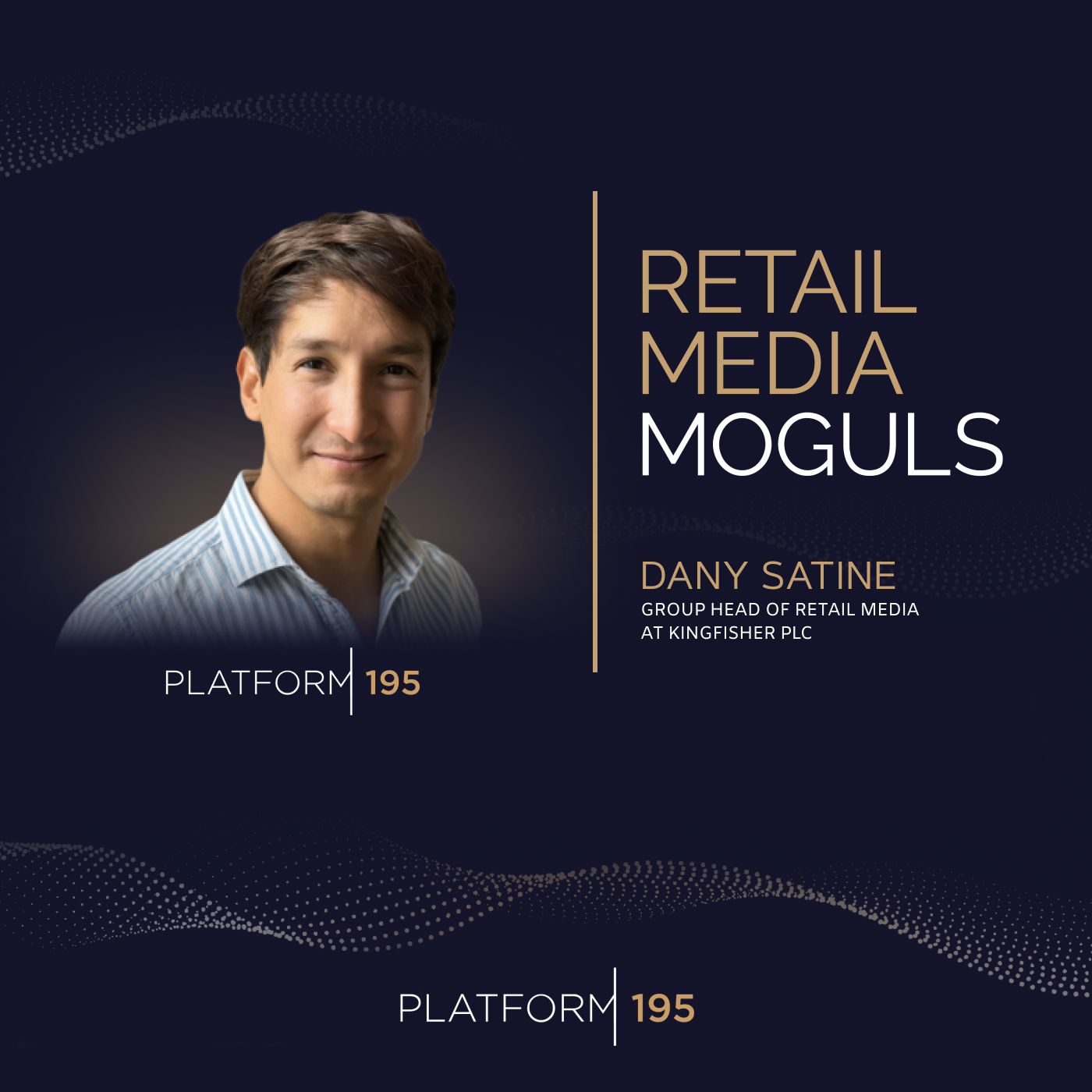 From Store to Digital: Kingfisher's Omnichannel Retail Media JourneyRetail Media Moguls · on Omnichannel strategy80 / 100
 The Art of Collaboration in Digital CS with Holly Goodliffe | Episode 096The Digital CX Podcast · on Omnichannel strategy69 / 100
 Agentic AI, AEO, and Retail Media: What Brands Need to Know in 2026 | Digital Shelf InsiderDigital Shelf Insider · on Omnichannel strategy64 / 100
 #17: Beat the Competition with Minimum Sellable Product: Dipti Desai on Founding Crstl, Execution Discipline & the Future of WorkThe Priyanka Shinde Podcast · on Omnichannel strategy61 / 100
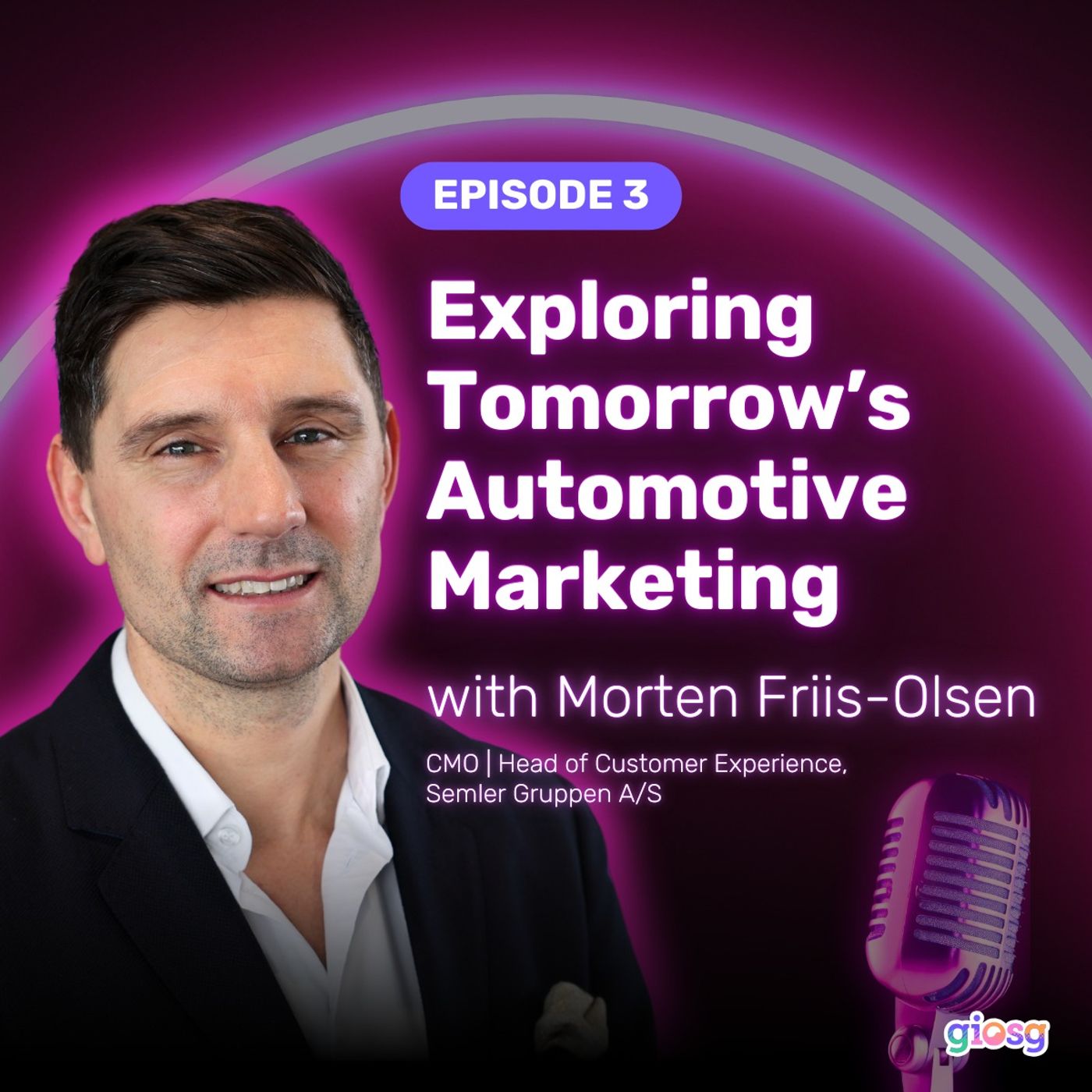 Exploring Tomorrow’s Automotive Marketing with Morten Friis-Olsen
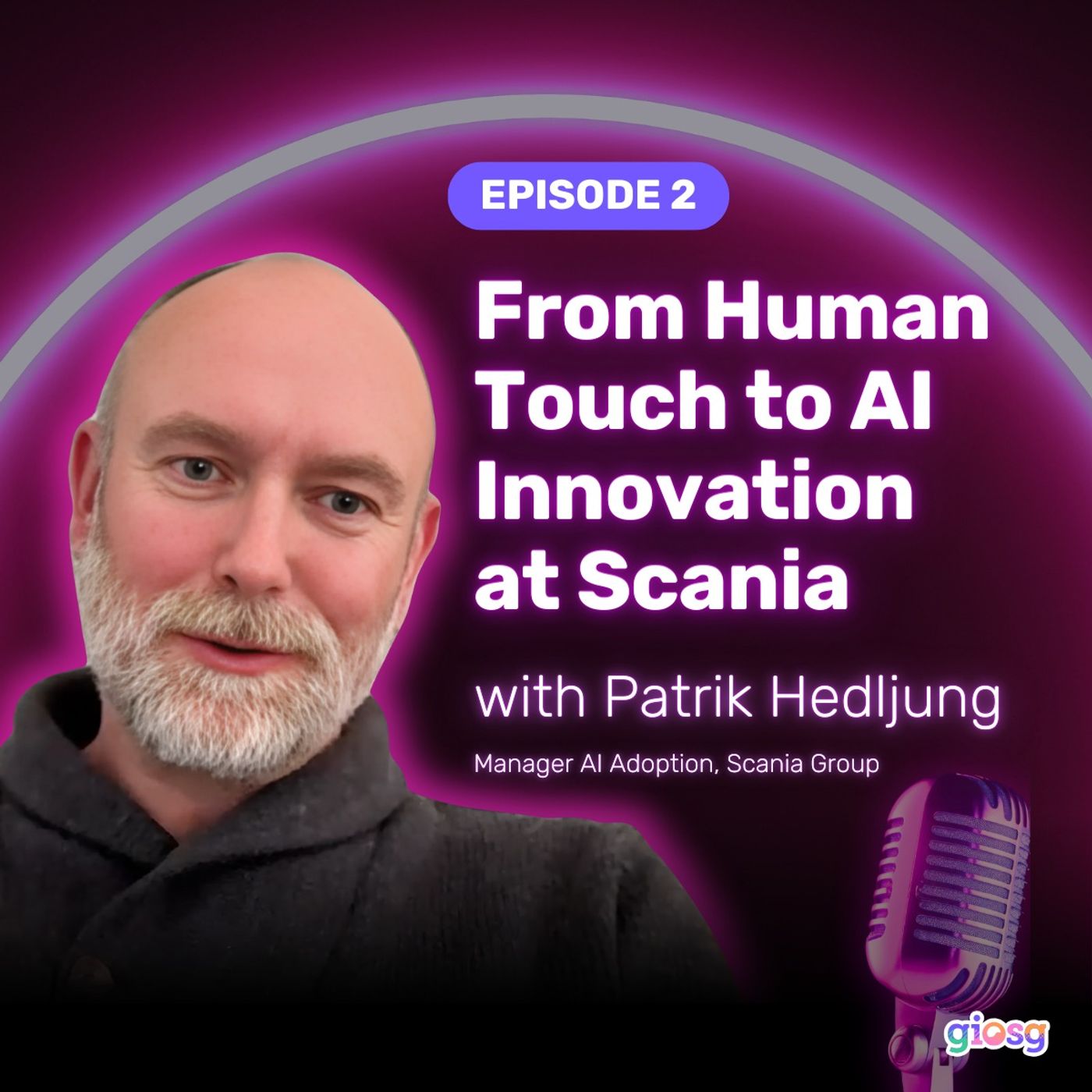 Patrik Hedjung's Journey to AI-Driven Leadership
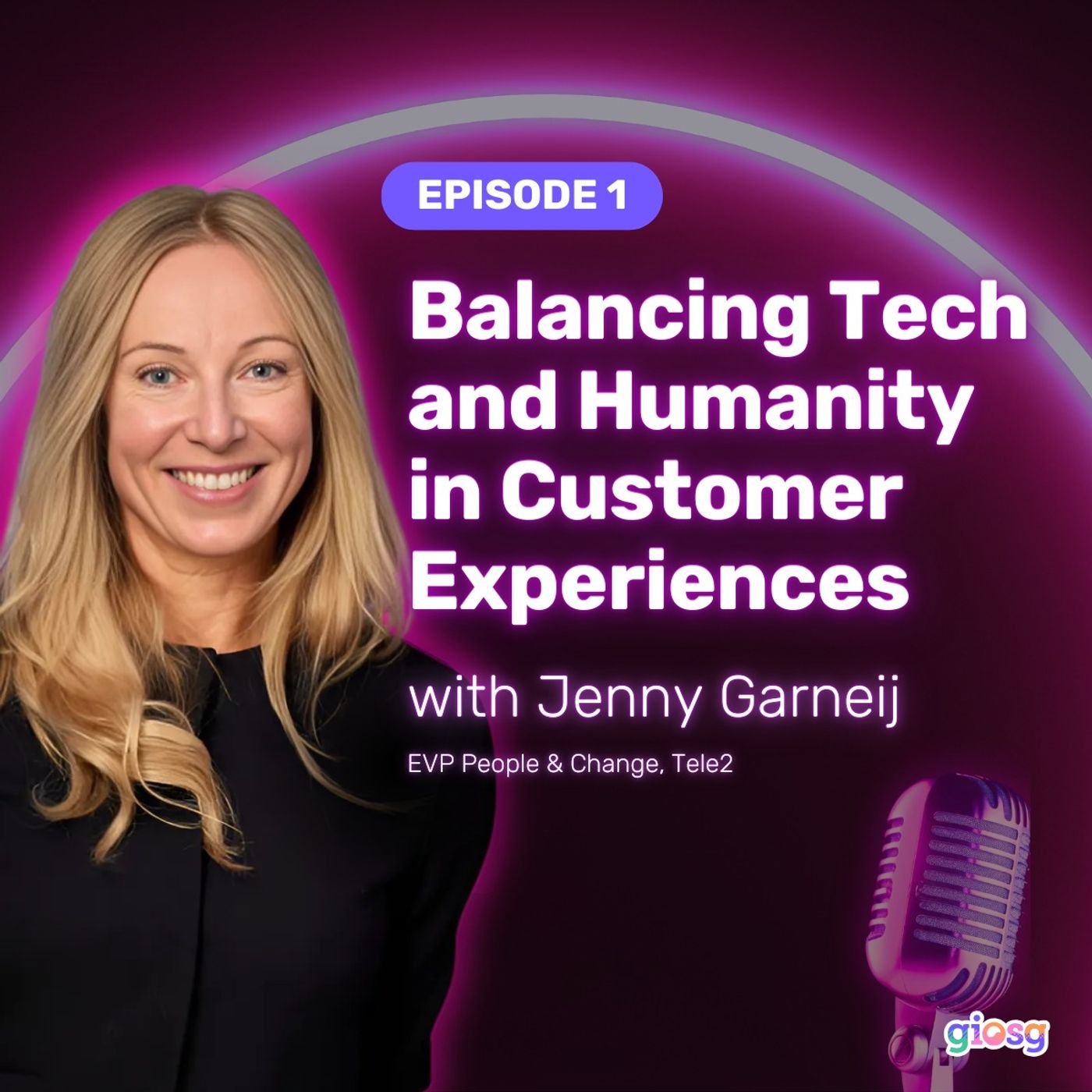 Balancing Tech and Humanity in Customer Experiences with Jenny Garneij
 Leadership and the Future of Beauty in the Digital Age with Lina Hasic
 The Future Of Healthcare With AI-Driven Strategies - Marco Andre