
Design Details · 2023-11-28 · 34 min
Key moments - from our scoring
Substance score
23 / 100
Five dimensions, 20 points each
In this episode of Design Details, hosts Marshall Bach and Brian Levin tackle the sprawling landscape of recent AI announcements - particularly OpenAI's custom GPTs marketplace and Figma's new AI features - while wrestling with deeper questions about interface philosophy. Marshall advocates for a unified "Jarvis" assistant that learns and improves over time, while Brian acknowledges the appeal of specialized tools and expertise-driven applications. The discussion spans practical workplace uses (FigJam's ability to summarize and organize brainstorm stickies), design system integration possibilities, and liability concerns around celebrity AI personas on Meta's platforms. A delightful tangent explores how sparkle icons have become the universal visual language for AI across products, inheriting decades of "automagical" user interface design patterns. The conversation surfaces the tension between declarative (goal-focused) versus imperative (step-by-step) interaction models for AI tools in design work.
OpenAI announced the ability to create specialized GPTs (modeled as apps) through a marketplace, each with its own data, prompts, and purpose. This contrasts with ChatGPT's original promise of a single unified assistant; custom GPTs represent a more fragmented, app-store-like ecosystem where users would manage multiple specialized AI applications.
FigJam's ability to automatically summarize and organize sticky notes from brainstorms - saving the roughly 70% of work that typically goes into manual grouping and synthesis - is the most immediately valuable AI application in design tools.
If an AI version of a celebrity like Tom Brady were to answer controversial questions (e.g., about geopolitical conflicts), it creates liability and brand-safety risks for the celebrity. Meta is currently creating distance between real people and their AI versions to mitigate these issues.
Declarative interaction means stating only the desired goal ('I need a banana') and letting the AI figure out execution steps, while imperative requires specifying each step. AI design tools should trend toward declarative interaction to reduce user friction.
Sparkles inherited their meaning from decades of UI design patterns signifying 'automagical' features that automatically handle complexity. As AI became ubiquitous, the sparkle icon naturally became the visual language for AI functionality across products.
Our reviewer’s read on each dimension, with quotes from the episode.
The majority of the episode is subscriber shout-outs, coffee small talk, a Lost TV show segment, and a Spider-Man 2 review. The AI discussion offers a handful of mildly interesting framing points (Jarvis vs. app-store model, declarative vs. imperative interfaces) but nothing a plugged-in designer or operator would find novel; the rest is vague speculation about features that don't exist yet.
I feel really conflicted because on the one hand, I feel like it's really cool and exciting. On the other hand, I don't know what to talk about. I don't use AI that much.
I feel like everything at work, all the AI tools for people doing stuff at work is like, summarize this, or take this thing that's been summarized and expand upon it. Right? Take my concise sentence and turn it into an email, or take this email and turn it into a concise sentence. Feels very, I don't know, silly.
The central framing - one Jarvis assistant vs. a marketplace of specialized AI apps - is a well-worn 2023 AI discourse topic. The sparkle-emoji-as-universal-AI-icon observation is mildly fresh but still superficial; no contrarian or first-principles arguments are made anywhere in the episode.
it seems like OpenAI's vision is slightly different, or maybe they have like a forked vision here. But clearly one of these visions is. Nope. Everyone is going to make their own specialized personalized GPTs.
That's declarative versus imperative.
There are no guests whatsoever - just two co-hosts who are product/UX designers chatting informally. Neither demonstrates practitioner credentials at scale, and the conversation confirms they are hobbyist-level AI users at best.
I am also one of the co hosts, Marshall Bach.
Yeah, yeah, I use it for coding. I'm in it all the time. I mean so it's baked into VS code so it autocompletes half the shit that I write these days.
A handful of product names are cited (Figma, FigJam, OpenAI, Raycast, Arc, Diagram), but there are zero metrics, zero dollar figures, zero timelines, and no concrete case studies - all substantive claims are hypothetical or anecdotal at a personal hobbyist level.
you can create a meeting template, you can create flow charts, you can create Gantt charts, you can ask it to create a calendar based on like a text document
Like I said, the arg. Or like, when it comes to the finding out, like, why are certain factions there?
The hosts engage in friendly banter with no meaningful pushback, no probing follow-ups, and no productive disagreement; one host often simply validates the other's point. Questions are open-ended and unfocused, and large portions of the episode are spent on TV-show and video-game tangents unrelated to any professional topic.
You're very forgiving. You're very forgiving to the computer.
I'm saying all this. I don't know if I believe it, but it seems interesting, right?
Computed from the transcript - who did the talking, and the words that came up most.
This week, we talk about Open AI's GPTs-as-apps strategy, FigJam's AI tools, and our dreams for a future Jarvis-like experience. The Sidebar: The Sidebar is an exclusive weekly segment for our Patreon supporters. You can subscribe starting at $1 per month for access to bonus content going forward! Sign up at patreon.com/designdetails . Latest VIP Patrons: Matt Kubota Eugene Kim Bjarki Steinn Birgisson Jin Kim Sheny Amy Shih Cory Slaught Evie Torye Cooke Hilary Hampton Toby Brown Zach Albright Carl Thompson LFC Yanal Tayyem Ryan Sims Sam Bazalo Sarrah Vesselov Wenhui Yao Main Topic: This week, we talk about Open AI's GPTs-as-apps strategy, FigJam's AI tools, and our dreams for a future Jarvis-like experience. FigJam AI OpenAI DevDay Raycast GitHub Copilot Cool Things: Brian shared Lost Explained on YouTube. Marshall shared Spider-Man 2 and Dungeon Crawler Carl . Design Details on the Web: We are @designdetailsfm Brian is @brian_lovin Marshall is @marshallbock Support us on Patreon - your support literally makes this show possible. Thank you ️ Got a question? Ask it on our Listener Questions Hub , and we'll do our best to answer it on the show :) ⭐️ Enjoying the show?
Transcribed and scored by The B2B Podcast Index.
Speaker A: Coffee's kicking in.
Speaker B: I don't get how you're drinking coffee at 8pm I drink coffee past 3 and I'm up late.
Speaker A: I am immune to caffeine.
Speaker B: So then why. Why drink it?
Speaker A: For the taste. Why else?
Speaker B: Yeah, coffee is like a nice morning drink, you know? Do you also drink it in the morning or is this just like, only a night time?
Speaker A: I drink in the morning, too. Yeah. Yeah.
Speaker B: M just 24.
Speaker A: 7. No, I do a morning. Not even do an evening coffee.
Speaker B: Yeah, yeah.
Speaker A: Well, dude, by 4:00pm 5:00pm Like, I'm brain goop. And we got to record a podcast, so I'm trying to do a little bit of pick me up here.
Speaker B: Okay. Okay, well, pick me up, buttercup. We got a long podcast ahead of us. We got a lot of notes.
Speaker A: M.
Speaker B: Welcome to episode 4644 of the Design Details podcast. I am your co host, Brian Levin,
Speaker A: and I am also one of the co hosts, Marshall Bach. I guess there's two of us. So it's. Yeah, 100 of the co hosts have checked in.
Speaker B: Roll call complete. Yeah, just the two. Just the two. Marshall, we got, uh, some new vips have entered the chat. I've climbed into the hot tub. I've clambered in.
Speaker A: Just going to jump right into it. All right, cool.
Speaker B: No time to waste. We got design to talk about, but we do have very important pixels. Welcome to the fam. Matt Kubota, Eugene Kim, Yarky Stein Bergeson, Jin Kim Shenny, Amy Sheet, Corey Slot, Eevee Tory Cook, Hillary Hampton, Toby Brown, Zach Albright, Carl Thompson, LFC Yanal, Tayam, Ryan Sims, Sam Pizzallo, Sarah Veslav, and Wenhui Yao.
Speaker A: Hey, welcome to the hot tub, everybody. I feel like I recognize some names in there.
Speaker B: There are some. Some repeats. So my. My philosophy on calling out re subs has waffled over the years. I used to not call out re subs, but there's a handful in here I let slide through because they've been longtime supporters. Sometimes people drop off and then they come back in. I get an email when they come back in. I'm like, oh, welcome back. You know, so I feel like maybe the policy should be as long as you don't abuse the system for those sweet, sweet shout outs, I feel like a resub is worthy of, you know, welcome back into the hot tub. You got out, you got cold. Now you're back in.
Speaker A: Uh, so much better in this hot tub out there. Run around in the cold. Yeah. Ah, 100%. You found a home. Welcome back.
Speaker B: If you didn't know. We're a listener supported podcast. It means that people just like you and the aforementioned very important pixels support us every month on patreon@patreon.com designdetails where for just a, uh, dollar a month, just a buck a month, get access to bonus content. We call that bonus content the sidebar sidebar sidebar. If you are listening now and get to the end of this sweet episode and you're like, boy, howdy, could I use just a few more minutes of Marshall and Brian's sweet, sultry sounds, uh, in my sound holes.
Speaker A: You're really selling it, Brian. Keep going.
Speaker B: You can get that@patreon.patreon.com design details. Get bonus content. This week in the sidebar, we're going to be answering a couple questions. The first is about skills we'd wish we'd mastered earlier in our careers. And the second is, uh, what are some of the traits of the best people we've ever worked alongside? So those questions and conversations will be in the sidebar once more. That's at patreon.com designdetails thank you everyone for supporting the show and for all of our new very important pixels who clambered on into the hot tub this week. Welcome in.
Speaker A: Welcome, welcome. All right, Marshall, good to have you here.
Speaker B: My main topic time. What's on the mind? Eyes on the mind seems to be everywhere lately.
Speaker A: Brian's kind of talk, uh, of the town, as they say.
Speaker B: I feel really conflicted because on the one hand, I feel like it's really cool and exciting. On the other hand, I don't know what to talk about. I don't use AI that much. I guess you'd call me an on the fencer. I'm still figuring out how I feel about a lot of these things. Of the times I've tried AI stuff, it's been hit or miss. I don't know. It doesn't feel quite like the. The magical thing that everybody else seems to be experiencing. I feel like everyone. It's like everybody's trying this dish at a restaurant and they're like, oh, my God, this is the best thing ever and I'll try it. I'm like, it's good. Like, is this the future of all food? I don't know, is it fine? Like, yeah. So anyways, I feel conflicted, but boy, how do you. Can't get away from it. And this week is like every other week for the past year, just chock full of AI announcements from OpenAI, from Figma. So I thought it'd be worth dipping back in and talking about some of the updated stuff we're seeing with AI and some of the use cases we're using individually or wish we could use more at work. Want to talk about the branding of AI? I think there's something interesting going on there. Then maybe we can just talk a little bit about, like, chat. Is chat the right thing here? Like, I don't know, buttons are good, right?
Speaker A: Okay, okay. Um, let's get into it.
Speaker B: All right, so OpenAI, they had their Dev Day on Monday, November 6th, and they announced a bunch of stuff. But I thought the interesting one that they announced was, uh, you can create your own GPTs throughout. They're calling them GPTs in my head. I just do a mental substitute for apps. You can build your own little apps. But of course it's a GPT in the sense that the interface is chat and thought this was interesting because I was immediately a little bit conflicted. Like I thought the promise of AI and ChatGPT was to have this one place, this one thing, right? Like, I want to have this JARVIS available to me at all times that knows me and understands me.
Speaker A: Yeah, it's a, it's a smart assistant, a digital assistant assistant. Yeah.
Speaker B: And it seems like OpenAI's vision is slightly different, or maybe they have like a forked vision here. But clearly one of these visions is. Nope. Everyone is going to make their own specialized personalized GPTs. We're going to build a marketplace for them. You're going to be able to sell them. Each GPT will have its own special purpose, backing, data, prompts, questions, all this kind of stuff. I'm curious how that strikes you because I don't know, like, clearly we live in an app world and so it seems like chat GPT is modeling that. But I wonder if that's what the future is actually going to look like. Are we just going to have another app store with 50 icons on our screen or are we going to have Jarvis?
Speaker A: Okay, yeah. So I, ah, think you've just outlined the two ways it can go. Or at least on the extreme ends of that spectrum, like, do we end up in a place where, yeah, like you said, I have 50 different apps on my phone to do 50 different things. Or what I think the promise of the alternative is, is like I just have one Jarvis and I can teach Jarvis new skills. Right. I can apply Jarvis in new ways. He's an application, right. Like each of these is an application of how to use Jarvis. Right. And. And Jarvis gets smarter and my Jarvis is different from your Jarvis because my Jarvis needs different skills than your Jarvis, as opposed to a model where it's like, I've got Jarvis to do my itinerary, and I've got a different person to do restaurant reservations and a different person to do an automatic summarization of my emails, and I've got a different person to generate images for me and a different person to make my music for me while, uh, you know, in the background of the day. Like, that seems like I don't want a fucking entourage. I just want a necessity.
Speaker B: I don't know, maybe some people do. Like, that's the question, right? Like, what's the better user experience here? Do you want to reach for Jarvis for some things? And I don't know, your Dr. Dre AI for your music stuff and your Stephen King for your writing stuff. Like, is that actually a more natural way to engage with these things? Nope. I have different people who have different expertises, and I would consult them to get advice on different things. That also feels very human, right?
Speaker A: Yes, but how useful is that? I mean, okay, we're all humans here. I have anxieties about meeting other people. I don't want to have to reintroduce myself to someone and, like, get to know Stephen King and get to know LeBron James and all these different people who are going to teach me all these things or do these things for me. Like, I already know Jarvis. I like Jarvis. Jarvis is my buddy. We spend all day together. He knows me inside and out. How about Jarvis just gets better, right? Like, let's improve Jarvis. But. And how I improve Jarvis is I send him, to extend the metaphor, stupidly. Like, I send him to different colleges. Like, I trust this college versus that college, and they're all going to teach you the same stuff for the most part. But, like, I trust this one. That being the application that we're talking about here of, like, oh, I need Jarvis to be better at setting up my meetings for me. There are 30 different applications for, you know, being better at setting up meetings. The feature set. And here, here's the other thing is like, um, unlike an app, there is no interface. My interface is me talking to my assistant and telling my assistant what I need and asking for things. Things, Right. I don't need to learn how to interact with a whole new set of things or whatever. I just ask for what I want and it's given to me. Or if it can't be given to me, then further specification is required. But, like, yeah, in the same way I don't want to learn a new app every time. I don't know, I actually kind of learned that. I kind of enjoy that. But like that's unnecessary friction in the same way that like, I don't want to have to meet a new person and get to know the, a new assistant or you know, I just want the one.
Speaker B: Yeah, it's like the Matrix model, right? Like I want to just plug in Kung Fu and Jarvis knows Kung Fu. But we need this explosion of applications in order to, for there to even be an ecosystem from which we can learn how to coalesce it back into something smart that uh, uses maybe something more akin to a plugin versus a separate application. I think the use case where it makes sense to have it be a separate thing is when you're, I mean, I guess this is the point of what they're trying to build here with like build your own GPTs is just asking for advice from other things or generating from another thing. So for example, um, I, I'm seeing people that will train GPT based on their blog posts or based on their podcast and then their audience and listeners can ask that GPT questions and get a response as though the podcaster or the writer was giving the response. I feel like that's a use case where you wouldn't want that plugged into Jarvis. Like you wouldn't want Jarvis to become confused about or even potentially misrepresent what it is. Like you're specifically saying. No, I want, I want to hear like what Brian and Marshall from Design Details would say. So I'm going to ask the design details GPT or uh, like proxy GPT. Yeah, well, I guess the other way of going about that would be like, hey Jarvis, go download all of design details and I'm going to ask you some questions about design. Respond as though you're Brian and Marshall. I don't know, I guess that's a way it could work. But that feels clunkier than just going and asking the design details GPT.
Speaker A: Yeah, I mean I think if there's going to be something like that, there's a bunch of angles of that where it becomes useful, where it's like obviously skill based things or knowledge based things or expertise or whatever, but also fame. Right? Like can you imagine I can ask questions of my favorite actors.
Speaker B: Well, this is already happening.
Speaker A: Yeah. Okay, well there you go.
Speaker B: So Meta, Meta is doing this, right? They're building this stuff into Messenger. I think they're building into messenger or
Speaker A: groups where you can uh, a thing where Zuck was walking through his house talking to Tom Brady. But it was.
Speaker B: Yeah.
Speaker A: Um, and yeah, yeah.
Speaker B: So I mean, we're already there. That's happening. The thing is, it's just super risky right now. Right. Because what if you ask Tom Brady, like what he thinks of the Israel, Palestine conflict and like that's just a can of worms. And Tom Brady doesn't want to have a computer answering that question on his behalf. Right.
Speaker A: For sure.
Speaker B: So, uh, any dicey subject, there's just a lot of liability questions. So I think that's why they, they're like creating this intermediary distancing between the AI version and the real person. But I think we're going to get there. Right. Like if you are Tom Brady or insert famous celebrity here, you probably do want a system like that. I guess. I don't know.
Speaker A: Maybe.
Speaker B: I mean, I don't know.
Speaker A: Same thing as, like, you know how presidents have a person who replies to letters to the president for them?
Speaker B: Right.
Speaker A: And they have a certain stamp that looks like their signature. If you write the president and you get a letter back, it says it is not from the president, it is from an assistant to the president with a rubber stamp. Right. But just the idea of getting something back is, is a useful. Yeah, it's like as a positive interaction.
Speaker B: Yeah. The, the answer to the question what could go wrong? Is just very, very broad and scary right now. But I suppose everything, everything could go wrong. Yeah.
Speaker A: Mhm.
Speaker B: Mm. Let's press forward. So that was OpenAI. Figma launched a bunch of AI stuff for Figjam. You can ask Figjam to generate stuff like you can create a meeting template, you can create flow charts, you can create Gantt charts, you can ask it to create a calendar based on like a text document. You can throw a bunch of stickies at it and ask it to group those stickies or summarize those stickies. You can just select a bunch of stuff and say, summarize this, dude.
Speaker A: That's the killer app. Every time I've used figjam, it's been at work and it's been in a brainstorm context. And the output of that brainstorm is a shit ton of stickies that we then have to manually figure out, okay, what are common themes here and then organize them appropriately. And that's like, I don't know, 70% of the work. Like generating the stickies is pretty easy, especially when there's a bunch of people involved figuring out like how to, how to group those all together and where to draw the Lines and everything. That's super tough. So to be able to. I mean, this is the killer app for me. Like, click a button and all that stuff gets organized. I, um. Obviously you'd have to, like, check it and see how good it is at actually doing that organization. But if it's halfway good or at least gets you, you know, 75, 80% of the way, they're like, huge, huge, huge, huge.
Speaker B: I feel like everything at work, all the AI tools for people doing stuff at work is like, summarize this, or take this thing that's been summarized and expand upon it. Right? Take my concise sentence and turn it into an email, or take this email and turn it into a concise sentence. Feels very, I don't know, silly. Maybe I'm just being stubborn and negative here. Summarization is. I haven't seen a good example of it. Like, it's all shit. It just spits out garbage.
Speaker A: Oh, well, I've. I've had pretty good.
Speaker B: In my experience, in my experience, asterisks.
Speaker A: Yeah, yeah, yeah. My. My experience with summarization of chats and expansion of prompts and stuff like that has been pretty positive. I have had very few experiences where it's turned out bad. And where it has turned out bad. I was just like, oh, that's not what I meant. But I can see how you would interpret it that way. Right?
Speaker B: Like, you're very forgiving. You're very forgiving to the computer. Yeah, well, you tried your best, little bud.
Speaker A: Yeah, give it a little pat on the head. Nice try, buddy. Um, no, I. Dude, I think this is all, like, starter stuff. It's like stage one, basic early stuff. It will get more complicated and more useful, but for now it's just like, save me some fucking time.
Speaker B: Okay, so what's interesting for me then is that it makes a lot of sense with that framing that they would start inside of figjam for whatever reason. Like, if I had to describe the difference between FigJam and Figma, I would say Figma is like a precise pixel. It's like using a pen. And FigJam is like using a big fat, like, whiteboard marker. Like, it's just thicker, chunkier. The interesting thing for me is, like, what is that what we've just described? The summarization, the synthesis is generation. But inside of figma, I suppose it's, you know, given my design system, scaffold this view for me. Given these views, I don't know, like, do your best to connect the noodles and like, give me a click through prototype to communicate this idea. What other things are you excited about? Where this tech comes into your FIGMA file and actually changes the way you work, not just the way you have a meeting?
Speaker A: Yeah, I mean, I think. What's the name of that company that Figma just acquired?
Speaker B: Diagram.
Speaker A: Diagram. Yeah, I think they, they had the right idea of a lot of this stuff. Um, and I think some of the things that ARC is doing are on the, on the same line of just like, rename things to be better. Right? Like, name my layers for me, save me that time. In the same way that, like, ARC renames your tabs to be like, human legible and your downloads the same way. Yeah, sorting stuff, like, keep my canvas clean. Recommend changes to me of, like, hey, I don't want to go clippy on me or anything, but, like, being more aware of the, uh, dusty corners in my builds. Like, oh, is there a frame that's hidden that has a bunch of large images that I'm just not aware of that's eating a ton of memory in my file? Like, things like that it can point out just to make my life easier? And where it gets really crazy, I think would be if I can ask it, like, hey, here's my, Here's a flow. But I'm missing this step in the flow. If it can, in the same way it can, like, you know, or Photoshop, uh, has a really good thing where you can generate a portion of an image. Like, you know, give it a region, it will redraw what's in that region. If it could do that same thing with a mock in a flow and use all the right components and auto layout and all that stuff and like, fill in a spot. Or if I could say, like, hey, I'm trying to achieve this short goal. Like, I need an interface that allows me to pick some things or do some things, like, and I don't know how to lay it out. Like, give me a few options. And here's one where it's in a, like a bottom sheet with like, list items. And here's one where it's in a menu and here's one where it's using a dialogue or whatever. Like that same kind of thing that we get from imagery of like, yeah, give me a dog riding a unicycle, right? Like, here's four dogs riding unicycles. Yeah, give me this step in the flow. How should I represent this pattern? These are the, the questions that I answer a lot. And I'm just talking myself out of a job here. But like designers come to me a lot and are like, uh, what's the right pattern for this? Like is this a bottom sheet? Should this be a dialogue? Like, well, I don't know, do you want it to be interruptive? Do you need it to be modal? Should I be able to interact with the rest of the screen while the thing is active? Like all those answers help me choose the right pattern for you. If I could tell Figma like, hey, I needed to do the X, Y and Z, those people would never have to ask me. It would just find the right pattern in my design system, configure a mock with everything in the right layers and all that stuff using pre made components from our libraries. Like that's the dream.
Speaker B: I think we need a Marshall bot. A Marshall GPT.
Speaker A: Ooh, yeah, yeah. BOK GPT.
Speaker B: BOK GPT. Here's an idea for you. So Figma already has plugins, right? And I think the worst thing about plugins is that you have to remember the plugins, right? Like I know I installed something for this, but I can't remember the name of it. Like I don't use it that often. Feel like, you know, we were just talking about how do you coalesce all of these things into a single Jarvis? I feel like there should be a Figma AI and it, it understands what the plugins that you've installed do. So you can basically teach figma to do things based on those plugins, which would actually be really cool for the enterprise, right? For the business use case where you have internal plugins that do things for your team specifically pull your company's data or like use your specific design system patterns. If you could install those plugins into figma's AI and then you can just select a bunch of stuff and say, do this thing. And Figma figures out the right plugin and the right operations or at least like pulls up the plugin UI if it's needed for you to make a final selection. I feel like right now having to traverse through a list of plugins and remember the names and remember the commands and like interact with a different UI every time, that feels like an opportunity to coalesce that into a Jarvisy type thing. Does that sound true?
Speaker A: Oh yeah, no, I mean this is,
Speaker B: I'm saying all this. I don't know if I believe it, but it seems interesting, right?
Speaker A: Yeah, no, no, absolutely. Like we had this conversation before, I think when we talked about AI last time and there was a word that you used that I forget now, but it was basically. Was it declarative? But basically, like, if the difference between me telling you, hey, I need a banana, right? And you being able to infer I need to go purchase a banana, here are the places that I can purchase a banana. Here's how I direct myself and get myself to the place. Here's how I buy it, here's how I bring it back. Like you being able to. And for all of those things from me, just saying I want a banana. Uh, so I'm Sam Bankman Fried over here, talking about bananas. Um, bananas. But yeah, like, I don't want to have to walk you through all that stuff.
Speaker B: That's declarative versus imperative.
Speaker A: Yeah, imperative. There you go. Yeah, yeah. And I don't need to know how you're going to achieve the goal I've set for you, just achieve the goal
Speaker B: I set for you. But here's. Here's little helpers that other people have made that you can now use to do things.
Speaker A: I'll make sure that you're equipped with the proper knowledge and training to achieve these goals. But like, as far as the actual execution of them, I do not care in what order. Just give me the output I've asked for.
Speaker B: Super cool. What do you think about AI being branded with Sparkles?
Speaker A: Yes. This is, I think one of my favorite kind of emergent patterns that we've seen come out of the whole AI push is that, I mean, uh, so in the before times, I think, I don't know if we've talked about this on the show before, but like, there was always this concept of the Sparkle as, you know, automagically doing things for you.
Speaker B: Right.
Speaker A: And now that same kind of realm is taken up by AI and it's kind of inherited the mantle of the Sparkle and everybody's using it. So you sent me that figjam thing and it was so delightful. It was like, hey, look at, look at that icon right there. It's a, uh, it's a. The sparkle. There's slight variations, right? Like it's always a four pointed spark, right? Never five, never three. And sometimes accompanied by an extra sparkle or two, little, little satellite, uh, sparkle, little buddies along with it. But boy, that. That sparkle is just always there. I don't know how we got there exactly. I don't know who did it first or if anybody really did it first. But we've all kind of emergently landed on this sparkle and I like it.
Speaker B: Yeah, it's pretty cool that it did come together. I feel like starting from an emoji is always a pretty good brand strategy. Like there's a way to own an emoji, and not that AI is owned by a thing, but now that emoji has become owned by AI, Right. Like, mhm. You can't use that in your interface anymore if it's not referencing an AI feature tool. Yeah, and I've made this mistake. I think I'm probably still making it where I'll use that emoji for like new. Like, hey, we launched a new feature. Like we polished up this interface. Here's a sparkle, like sparkly clean kind of thing, you know, I don't think you can do that anymore. I think it's going to be confusing people. The expectations are just too baked in now that you've launched. Or. Or the. The thing you're talking about is AI related. Uh, well, here. Last thing then. So the last time we talked about AI, you were using it to develop some images on midjourney for the screenplay you're writing, as well as. As a writing assistant. In the meantime, have you found new use cases for AI, either in work or in hobbies, in personal life that would be worth sharing with listeners? No, sorry, you just have the two. The two things?
Speaker A: Yeah, it's just the same two. But I've continued using them that way. Like I still use it as a writing buddy. It's the, it's the best writing buddy I've found so far. The only problem I have with it is it's like goldfish memory. Like, I'll be like, what's a good name for this character? And it'll spit out a bunch of names. I'll be like, oh, I like this name. It's a great. Yeah, great choice. Like that name too. And then later I'll be like, um, so what did we decide on that? And it'll hallucinate something that like, we did not agree on. Like no, no, didn't. Didn't we say it was this, like. Oh yeah, yeah, no, you're totally right. It was that. It was.
Speaker B: Apologies for my confusion.
Speaker A: Yeah, yeah, exactly, I apologize. But just continuing to like, it's like a drunk friend dude, keep up. And that's the. So that's the only problem is like, I mean, it is nice. ChatGPT specifically has a history feature, so you can have separate conversations, like separate threads, and jump into them after the fact and continue that conversation without having to reset up the context of that conversation, which is really nice. The problem is it hallucinates half of the history of that conversation anyway. So you can't always trust it.
Speaker B: I wonder if that. I feel like they announced some stuff about extending that, that memory window.
Speaker A: That'd be nice. Yeah, I mean that, that was, that's kind of what would make it useful.
Speaker B: Yeah.
Speaker A: What about you? Are you using it at all now?
Speaker B: Yeah, yeah, I use it for coding. I'm in it all the time. I mean so it's baked into VS code so it autocompletes half the shit that I write these days. It's pretty good. It feels like it kind of understands the code base that I'm working in, but sometimes it doesn't. Like uh, in React land it sometimes just doesn't know what props to autocomplete. So you're like, ah, I'll just type it. But you know, it's pretty good. Like you just write a little comment, hit enter, and then wait a second and it'll spit out like a starting point. So I love it for coding. Um, I signed up for Raycast Pro just because I use Raycast all the time as my app switcher instead of Spotlight. And so I thought it'd be interesting to have AI just baked into that. I just forget to use it a lot. But I have, have started using it more recently. So I mapped it to shift command space. So I have uh, command space opens spotlight, I have control command space to open the emoji picker and I have shift command space to open AI and or uh, a conversation with ChatGPT. So I'm trying to get into the habit, I'm trying to push myself to like participate to learn. But so far everything has just been coding related.
Speaker A: Well, I mean, sounds like it's, it's working for you.
Speaker B: It works. Yeah. Yeah, it's helpful. Okay. Well, Marshall, shall we get into cool things?
Speaker A: Let us get the cool things.
Speaker B: All right, I'll go first. Technically this is your cool thing. I'm stealing, stealing a cool thing that you showed me on Saturday. It is a YouTube channel called Lost Explained. And I guess there's just a ton of backlog here. But most recently they're on a six part series where there are these really deep dives into the lore and history and mechanisms of how Lost the television show works. And they're pretty long. Like some of them are a couple hours. So I'm only, I think I finished Part three and I've enjoyed it because I liked the first three seasons of Lost. I didn't like the way Lost ended. But as I'm watching these videos I'm developing a deeper appreciation for Lost. And actually, it's making me realize that I think it was more intentional than what I gave it credit for in the way it was written. There's just too many details that add up too perfectly. Where you're like, the writers had to have been thinking about this plot line in season one, right? They had to have known what was coming. It didn't feel that way when I watched it. And when I watched it, I remember by season four, I'm like, they're just fucking making stuff up now. But this sh. This YouTube series is giving me more appreciation for, like, nope. There's actually a lot of internal consistency. There's rules of the game that play through. Uh, so last night I rewatched the pilot. There's just, like, lots of little details where, like, there's no way they, like, figured out how all this stuff would add up to the conclusion they come to in season six, but there it is. So, anyways, that's my cool thing. I'm only halfway through. I think you're. You're caught up. And the six part hasn't been created yet. The. The channel's only up to part five. But, yeah, that's my cool thing. So for people listening who are into Lost or are like me, who who watched it, enjoyed it, maybe don't have the best memory of how it ended. This YouTube channel is like a nice back burner. I've been just, like, putting it on while I fold laundry or watch a few minutes before I go to bed or something like that, and it's been fun. I enjoy it. Yeah. Cool. I'm curious. So you've watched it. You also have, of course, seen Lost. Like, what did watching this Lost Explained series do for you, if anything?
Speaker A: Oh, man. Yeah, exactly what you said. It gave me a new appreciation for how everything kind of ties together. I mean, dude, I'm a huge loss nerd. I know way more than I probably should as far as, like, lore stuff goes. I knew probably 95% of the stuff.
Speaker B: Oh, wow.
Speaker A: Okay. In there. I'm a fucking nerd about that.
Speaker B: I didn't know you were that deep. Wow. Okay.
Speaker A: I mean, I watched the show live in 2000. Well, I missed the first two seasons. I bought them on DVD and binged them and started watching season three on live week to week and was listening to all the podcasts, and I followed the ARG when it came out. The alternate reality game that was in, like, season three or four, dude. Yeah, I was. I was on the train. Loved it. So. But. But there was, like, uh, about 5% of that stuff in there.
Speaker B: It's like, oh, fuck.
Speaker A: Oh, yeah. I didn't know that. Or I never put that together, or I never picked up that little thing. A lot of this, a lot of the lore is actually outside the show. Like, you. You gotta. You had to, like, watch webisodes. Or, like, I said, the arg. Or like, when it comes to the finding out, like, why are certain factions there? I don't want to, like, ruin anything. But, like, what are their motivations and why have they changed over the years? Like, a lot of that stuff is answered outside of the actual text of the show, which isn't the best thing to do. But for most people, it's just about, you know, Jack, Kate and Sawyer. Like, who's Kate gonna end up with? So it doesn't matter.
Speaker B: Yeah, yeah, that's fair. Okay, well, uh, link in the show notes lost explained on YouTube. Marshall, what's your cool thing?
Speaker A: Dude, I'm just so happy that you're into that. I mentioned it as an aside when you're over. I'm happy you are, actually.
Speaker B: I'm into it. Yeah. Yeah. I'm not as deep into Lost as you are, but I liked Lost.
Speaker A: The production value of the videos, they're very long, like you said, but it's because it is answering. Like, each of those videos is a theme and it's like dozens of questions, and each question is chaptered separately. So, like, that long video, you can skip entire parts of it if you don't care about, like, it's really well organized and put together. So, like, the production quality of the thing is good. Anyways. All right, moving on. My cool thing is Spider Man 2. I've been playing the Spider Man. It's a great game. I love the first one. I loved Miles Morales, and the second one just came out, I guess, a week or two ago. And Brian, 100% it. I feel. I feel qualified to talk about it now. Um, well, this is the first episode we've done since I started playing it. But Yeah, I literally 100 percented it it. And it's just as good as the first two, but it does some really cool things. So usually, Brian, there's this trope of when you play a video game, I think, like, Mega man is a really great example of this. Or Mega Man X, where the first level of the video game, you start off with all of the powers and you're like a God, and then your powers are taken away from you, and throughout the course of the video game, you earn them. All back. And by the end of the game, when there's nothing left to do, you're a God again. Right. This game, Spider Man 1, I don't think really started off like that. It was more of like, you know, you earned your powers or whatever, but those powers are all kind of like a basic move set that by the end of the game, felt really great for Traversal and, you know, just felt like a competent Spider man moving around the city and fighting bad guys. So what I worried for Spider Man 2 is that they would somehow take all those abilities away and I'd have to earn them back or whatever, but they don't. You start with everything that you've earned from the previous games and then some. And all of the powers, all the skill tree that you're building during this game is on top of everything. So all the muscle memory you had from the end of the last game, that is all still intact and you don't like. You can continue swing around the city and everything as you did before, and I mentioned it in person, Brian, but there's fast travel in this game. It is useless. There's no reason to fast travel for any reason in this game because getting around the city is so much fucking fun and you've lived in nyc. I'd love to see your opinion on, like, your take on what the city feels like, because obviously it's miniaturized and abbreviated. But anyways, great game, Spider Man 2.
Speaker B: I. I own Spider Man 1. Started it, didn't finish it. I think not specifically for that game. I just kind of like fell off a video game spree. Uh, but anyways, yeah, it looks cool. It looks fun. I don't know, I feel like I should finish the first one before I pick up the second one. But that mechanic of where you start with all your skills, it just reminds me of God of War. They did the same thing when Ragnarok came out. You start with the weapons, right?
Speaker A: Good.
Speaker B: Yeah, yeah. Link in the show notes.
Speaker A: Cool.
Speaker B: All right, well, this has been been, uh, episode 300, 400.
Speaker A: Wow.
Speaker B: Jeez. There's been episode 464 of the Design Details podcast. We hope you enjoyed it. Let us know what you thought. We're on Twitter. As always, Design Details fm. Um, if you did enjoy it and want to hear more talking about design conversations between Marshall and I just palling around. It's over on Patreon. Patreon.com designdetails. You can support us for just a buck a month and get access to the sidebar and a whole backlog. Big old back catalog of sidebars. So thank you to everyone who's supporting the show. Once again, that's patreon.com designdetails that's it. Catch you in the next one. Bye. Bye.
Speaker A: Mhm.
Speaker B: Bye. Bye. Ooh, a little spin, a little switcheroo. Bye.
Speaker A: Oh, uh, for safety.
Speaker B: Vanilla. Vanilla. Yeah, yeah.
Other episodes covering the same guests and topics, from across The B2B Podcast Index.
 Paul Graham On Startups, Ambition, and Great FoundersY Combinator Startup Podcast · on ChatGPT88 / 100
 The AI-Native Law Firm, with Ryan Walker of General LegalMeeting of the Minds · on ChatGPT88 / 100
 Inside the AI Hiring Pipeline: Interns, Apprentices, and Full-Time Coworkers | Vinay Gidwaney & Mike Sullivan, OneDigitalThe AI Why with Liam Lawson · on ChatGPT87 / 100
 Stop Asking What AI Can Do. Ask What Your Staff Hates to Do.Small Business Big AI · on ChatGPT84 / 100
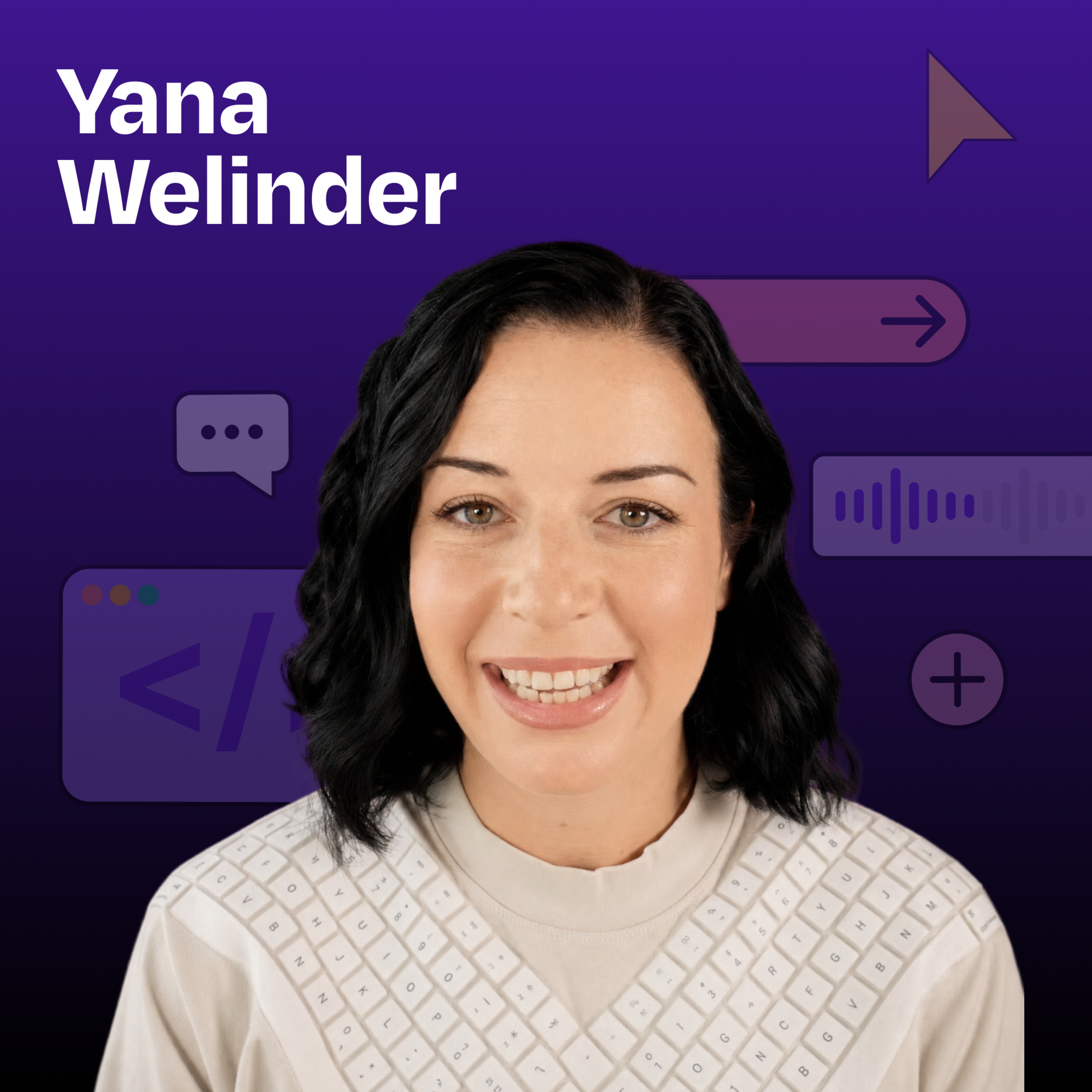 How a solo founder used Codex and ChatGPT to launch a fashion brand without engineers | Yana Welinder How I AI · on ChatGPT82 / 100
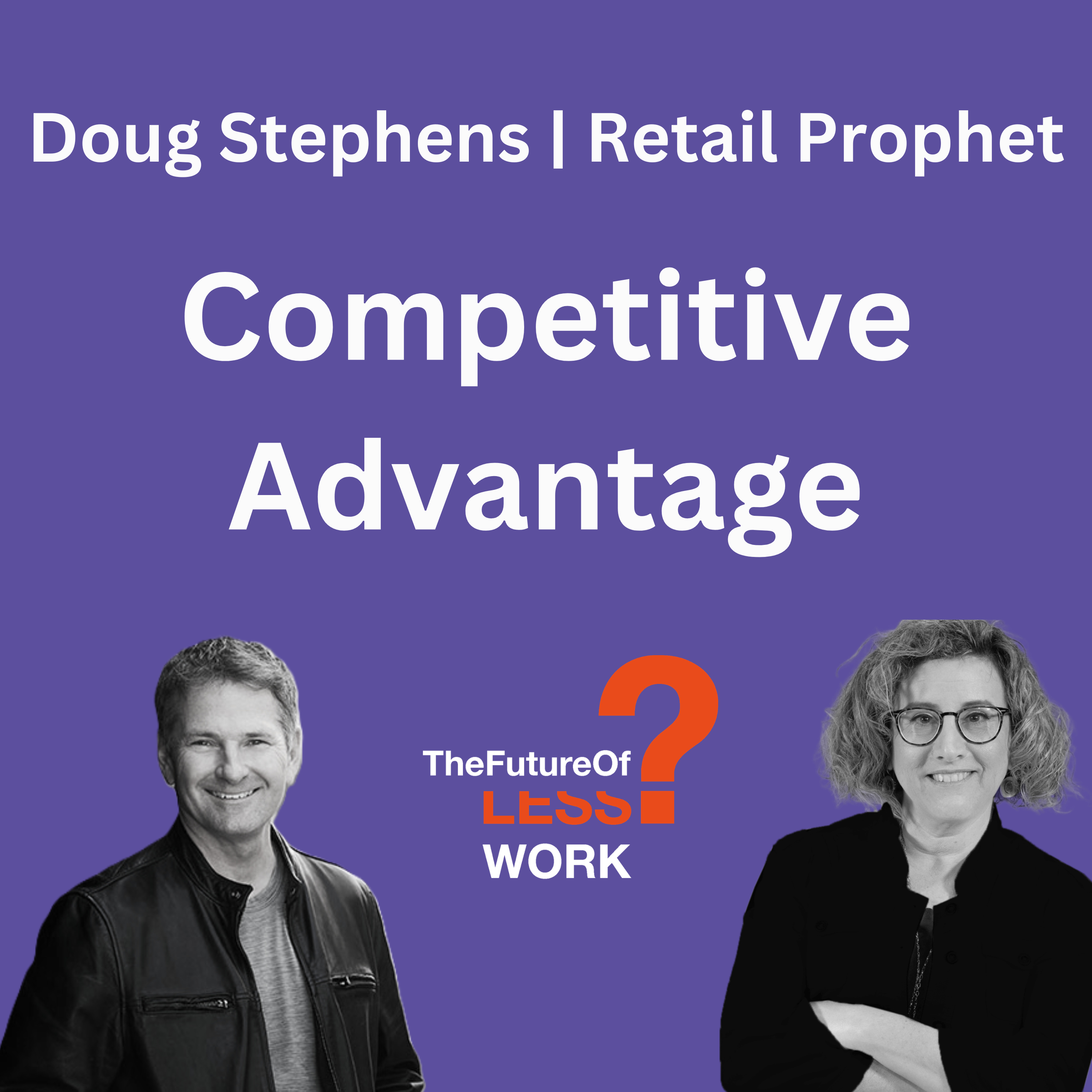 How AI Will Change Competitive Advantage with Doug StephensThe Future Of Less Work · on ChatGPT79 / 100463: Design Medley, Vol. 1462: Refactoring a Design System461: Config and WWDC 2023460: Arc Boosts ft. Gabriel Valdivia459: What Is Humane?