
Creative Capes · 2026-07-27 · 1h 16m
Key moments - from our scoring
Substance score
64 / 100
Five dimensions, 20 points each
GoodGym emerged from Ivo Gormley's personal frustration with gym culture and discovery that purposeful exercise - running to deliver newspapers to a housebound elderly neighbor - could address both individual fitness and community isolation. What began as individual matchmaking evolved into weekly group community projects (park maintenance, food bank support, tree planting) when Gormley needed to avoid safeguarding requirements, unexpectedly creating the social fabric that became essential to the model. Rather than traditional volunteer-beneficiary framing, GoodGym reframes participation as mutual contribution: members gain fitness, community, purpose and identity; older "coaches" receive regular social contact and the satisfaction of mentoring; communities get infrastructure work completed. The business model grew organically - members themselves suggested optional £8 monthly donations (now 30% participation rate) - before expanding through local authority partnerships funding on-the-ground coordinators. Gormley's background in service design at Think Public, documentary filmmaking, and his study of systems and behavioral incentives directly shaped how GoodGym was designed as an organizational structure embedding contribution and meaning rather than a project-based intervention.
Rather than implementing background checks for individual one-to-one visits, Gormley pivoted to weekly group community projects where runners work on tasks like park maintenance or food bank support with reduced safeguarding risks, which unexpectedly became fundamental to building community.
GoodGym uses a three-part model: member donations (£8/month, ~30% participation), local authority funding for on-the-ground coordinators and personal trainers, and expansion across 60 cities through partner-employed staff who organize weekly sessions.
GoodGym deliberately reframes the relationship as mutual contribution rather than volunteer-helping-beneficiary; older people are called "coaches" who mentor runners, and runners gain fitness, community, and purpose while contributing - recognizing that well-being comes from being needed.
GoodGym aligned perfectly with government priorities - improving mental health, social connection, physical activity, and cross-demographic integration - making it hard for councils to refuse when presented as good value for money.
After years of service design projects that didn't stick once funding ended, Gormley became interested in designing an organization itself around contribution and meaning; GoodGym solving his personal need for purposeful exercise (not paying for a gym) while helping an isolated neighbor convinced him it was the most important work he could do.
Our reviewer’s read on each dimension, with quotes from the episode.
The episode contains solid practitioner insights on designing volunteering systems, organizational structure, and charity vs. for-profit models, but relies heavily on narrative storytelling rather than dense, novel claims. Key insights (e.g., designing around volunteer convenience, disrupting the volunteer/beneficiary binary, embedding contribution into organizational identity) are valuable but spread thin across 76 minutes of conversational meandering. Several segments drift into philosophy or anecdote without actionable density.
designing volunteering from the point of view of the volunteer rather than from the point of view of the organization
the challenge is, and I think what we, why we have been successful is we've managed to find a way to make this incidental or micro volunteering...that actually in aggregate is reliable enough
Gormley offers fresh framing around contribution-based design and the tension between friction and connection, but the core idea of embedding purpose into business models and human-centered organizational design is fairly well-trodden in social enterprise discourse. The Stack Overflow example is sharp, but much of the thinking recycled existing frameworks (lean startup, service design, participation) without substantial new synthesis. The charity structure decision is pragmatic rather than novel.
design based on contribution as much as we think about design based on consumption
the struggle of the journey or the companionship of the journey...is where most of the joy comes from
Ivo Gormley is a rare high-caliber guest: a proven operator who built and scaled Good Gym from scratch to 25,000 members across 60 cities over 13+ years. He has genuine operating experience in service design, non-profit structuring, fundraising, and community building. He is stepping down as CEO this week (showing maturity), has worked at scale (TaskRabbit, Think Public), and can speak credibly to both the idealistic and pragmatic sides of social enterprise. Not a pure thought-leader or career podcast guest.
I was very basically around, yeah, 2008, 2009. I had stopped, uh, exercising...And so I think like, many people are starting thinking, how could you, you know, use that energy to do something good
in 2013, stopped every. Everything else I was doing and focused on it full time
While Gormley provides concrete numbers (25,000 members, 390,000 tasks, 60 cities, £8/month donation, 5,000 older people in pandemic, 60 part-time staff, 4,000 environmental tasks annually), much of the conversation lacks specific company examples, detailed metrics on unit economics, retention rates, or failure case studies. The Stack Overflow anecdote is specific, but financial details of the pivot to charity status, revenue streams, and profitability are vague. Many strategic decisions are explained at high level without numbers.
They now have 25,000 active members completing over 390,000 tasks...community projects across 60 cities
about 30% of people who join will choose to make that donation on a monthly basis
Ekaterina is a thoughtful, genuinely curious interviewer who asks good strategic questions (charity vs. for-profit, scaling with humans, internal adoption of principles). However, the conversation often meanders into philosophical territory without sharp follow-ups on key claims. When Gormley makes bold statements (e.g., Stack Overflow's decline erodes identity), Ekaterina nods rather than probing. She rarely pushes back, challenge assumptions, or dig into tensions (e.g., the tension between 'micro-volunteering convenience' and actual impact depth). Some softball moments: "Can we pause here for a second? Because I love..." deflates critical inquiry.
Was it an easy decision for you to leave a career?
Have you ever felt like you're limited by the fact that you try to...Have you ever had second thoughts?
Computed from the transcript - who did the talking, and the words that came up most.
Acts of kindness feel good, but they are rarely profitable. Ivo Gormley has spent nearly twenty years proving it's possible while creating an incredible community around helping people.We sat down with him to find out how. Since starting GoodGym in 2007 with a single newspaper run, Ivo has built it into a movement of 25,000+ volunteers across 60+ cities. He's been awarded an OBE and made GoodGym the first-ever charity to win the Sky Zero Footprint Fund Grand Prix. Ivo is also a teacher at the Executive Programme at Future London Academy. Learn from him in-person: In this video, you'll learn:▶ How an £8 suggestion made over a pint became a reliable, recurring source of income▶ Why he chose to become a charity, not a business, and doesn't regret it▶ How he built what he needed because no one else did▶ Why a genuine, acknowledged role in delivering something beats a frictionless experience of receiving it▶ Why designing for contribution creates more winners than competition 0:00 - Who is Ivo Gormley?
Transcribed and scored by The B2B Podcast Index.
Speaker A: Hello, everyone. I'm Ekaterina from Future London Academy, and welcome to our conversation today about how design can change things for the better. And my guest today is a very special human. Iva Gormley is the founder of Good Gym, a very incredible organization and the platform that connects runners, walkers and cyclists with physical tasks which benefit community. They now have 25,000 active members completing over 390,000 tasks. That's quite a number. And community projects across 60 cities. Before starting gym, Ivo directed documentaries, including Us now and the Runners, and was creative director at Think Public, a, uh, service design agency working on user participation in the NHS and local government services services. It is a personal pleasure to welcome Ivy because I do believe that there need to be more businesses who do great things, not just create profit. So I was a great example of someone who managed to build a company who does exactly that. And today we'll find out how.
Speaker B: Welcome.
Speaker A: Ivo. How are you doing?
Speaker B: I'm great, thanks very. Yeah, happy to be here with you.
Speaker A: Brilliant. Um, well, let's start with your lovely story and the journey that you've been on. You were a creative director, you had quite a fantastic career and something made you start your own company that does something very different. Can you tell us a bit of a, uh, backstory of what were you doing before Good Gym started and how did you decide to start your own company that does something incredible?
Speaker B: Well, yeah, I mean, it feels like terrifyingly a long time ago, but, yeah, I suppose since I studied anthropology and was always very interested in the kind of social structures that shape how people live their lives, I was, I started off being actually very interested in, in comedy and humor. And I went and studied the Chicago comedy scene in around, uh, 2004 for, for six months, really trying to understand what the role of, uh, humor is in human society. And I actually, my conclusion was that it was, he. It was kind of a innovation kind of engine, uh, for humanity in a way, in that basically that new ideas that potentially dangerous get into our lives through comedy. And that's why we have this reward system in, built into us which. Right. Which rewards this kind of ideas that are on the edge of what is acceptable. And so I suppose that was, that was kind of the beginnings of being interested in this, like the systems that shape our behavior and the kind of how we. And these, um, the role of these different kind of rewards in our brain that shape up. Shape our behavior. And so, yeah, from, from, from doing that, I started making, making other documentaries, having made a short documentary about comedy in Chicago and then became involved in these structures of local government and the NHS and how they could be done in a more positive way. The um, the, the company that I started uh, working for and then became a creative director was called Think Public. And really the founding idea of that was that you need to meaningfully involve the people who use and deliver those services. So we were working with people who are on uh, housing benefits, involving them in the process of designing how that system works, working with uh, cancer patients to get their meaningful long term input on how the service is designed and delivered and then also with frontline staff as well. And I think in many ways it was very rewarding and interesting work in that it opened up that sort of process of innovation to a much broader group of people and I think gave uh, many people the, the option to sort of express their creative views about how something could be, how something could be improved. So I think that, that uh, and since then, I mean we were one of the first sort of service design agencies in the UK and particularly we're focusing on uh, public sector work because that's what we were most interested in. I think I had a, I had a general belief that you'd make a massive difference when you did one of these innovation projects or you know really involving these service users. But um, but it wouldn't necessarily last. Once the people who'd been involved in that project, if it lasted for six months or a year, once they had all left that organization five or ten years later, uh, it did, didn't necessarily stick. The changes and so much of the value of that process was kind of disrupt, disrupting that organizational hierarchy. Right? That suddenly that person who had brilliant ideas about how something should work that massively affected their work, had a voice and was sort of freed up to express themselves. But then once the project has stopped, that stopped and everyone goes back to sort of business as normal. So I then became interested in I suppose organizational design and thought about how you managed to set something up that's sort of based on embedding those ideas.
Speaker A: I love that you had such a creative and artistic uh, upbringing but also you always had this idea that creativity could do something good. I think we all as creatives intrinsically think that way or intuitively think that way. But it's not an obvious idea for majority of people on the planet that um, actually those creative ideas that um, kind of service design and other things that um, our frameworks and instruments to create a positive change can be actually applied to any problems. So can you tell us a bit more I suppose when you decided that you want to be the leader of that change and actually start something of your own rather than be part of the organization. And I suppose was it like a, uh, immediate moment? Because I feel like everyone who looks back at their stories of a found. It's always good to say the shiny story of like. And then idea came to me and I decided how to change the world. In reality, I myself as a founder, uh, I cannot say that there was just one second in my life where everything came together. It's quite a gradual process. So what would you say were those in maybe ingredients or kind of signs solidified your idea? Okay. Now is the time to actually do something on my own.
Speaker B: I think like many people who, you know, start their own thing, it became, it was solving my own problem, problem to start with and then taking some action to do so. I was very basically around, yeah, 2008, 2009. I had stopped, uh, exercising. I used to play basketball as part of the team and that was like, you know, a big part of my identity growing up was basketball and, you know, going to different cities for competitions or just playing with my friends in the park. And then I had to. Yeah, I basically stopped, didn't have a team anymore and was thinking I should do something. My friends said I should go to the gym. And I just didn't like that, uh, idea of exercising for the sake of it and paying lots of money to be in a sweaty basement and lifting things that don't really need lifting and that just sort of sense of literal waste of energy, but also waste of time and human potential. Right. This is time where you should be alive and living and happy or, you know, or potentially doing something useful. And instead you're kind of just focusing on a repetitive, painful thing. I mean, I'm not like against gyms for, for people who, you know, are training, ah, for a specific thing or some people really have a fun time. But I think for me it just didn't, it didn't fit that kind of, um, it just felt like a waste of time. And so I think like, many people are starting thinking, how could you, you know, use that energy to do something good? And people, you know, and people have done things with, you know, plugging in, uh, exercise bikes to light bulbs and stuff. But the, uh, average treadmill in a gym will take something like 0.5 horsepower just to turn it on. And a person can generate way less than that. So you're probably not even going to be able to keep the lights on from the energy Generations, I think what, you know, what else can you do which will be a useful use of that time while you're exercising. And at the same time I had found out that my then, um, I'd met this guy who was my friend's parents, uh, ex builder. And he lived about, uh, a kilometer and a half away from where I lived at the time. And I had met him and knew he was on his own. He was housebound, he couldn't get out, couldn't leave the house and he didn't see any other people on Tuesdays and Thursdays because he didn't have carers visit him on those days. And so I went to him and said, would it be helpful if I was to, you know, come around and visit you for a chat? Uh, and he said it would be much more useful if you could bring the newspaper. Huh. And so that's what happened. I started, I started running to deliver the newspaper on Tuesdays and Thursdays and it gave me that reason to leave the house and some accountability, uh, for the exercise. And he also told me I need to run further and faster and do press ups and stuff as well. He used to be in the parachute regiment of the army and he'd been a singer in nightclubs and he had this amazingly rich sort of history of living in the same area. And so for me it was this fantastic connection to another, uh, completely different experience of the area and another generation. And for him it was that sort of friendly, you know, um, visit on a day where he wouldn't otherwise be in touch with anyone. And so, yeah, that was, that was sort of the genesis of it. And I did that for a couple of years and I thought, well, actually this is quite good. This has really helped me to form that exercise into a habit and also has feels like this really positive part of my week. And so I started trying to get other people to do the same thing. And then, you know, over time I never, I thought someone else should take this idea and do it. No one else did. And it just felt like it was the most important thing that I was doing. And so I, um, in 2013, stopped every. Everything else I was doing and focused on it full time.
Speaker A: And was it an easy decision for you to leave a career? Because what did you know? How to monetize it? Because this is all great and fantastic idea, how to help people, but to make sure that it can be a bit business or at least provide some sort of sustainable living for just one person, there needs to be some business model behind it. So what, did you already start making money with it by the time you quit your job or how did this transition process work?
Speaker B: And I was extremely lucky in some senses. I, in 2012 I um, got into something called the CLAW Social Leadership Program and that uh, was a development program for. They're trying to sort of support the next generation of social leaders. And at that time it was this amazingly generous and flexible sort of support process where you. I was in a cohort of 17 other brilliant people who I'm still, you know, connected with now. And we were given a lot of time and space to get the development support that we felt we needed and wanted. So I did lots of other interesting work. I went and worked for um, TaskRabbit in San Francisco, who were, you know, small startup at that time. And I was doing user experience work helping them. It's a, it's a service that's based in the US that basically connects people who want to do practical tasks for money with people who need those tasks to be done. So there's similar elements to uh, what I was trying to do with um, with, with Good Gym. And I wanted to get my head around, you know, that as a, as a business that was really interesting to sort of help help shape their strategy. And then I also went and at the same time studied uh, the German Pirate Party who are doing fascinating stuff with uh, digital uh, online decision making. And then also was um, yeah, did a course in negotiation, did a course at London Business School and then also was able to, at that point the course was funded. So I think we got um, £20,000 to live off for that year so we didn't need to do other work. So it meant that I had that year to kind of really position myself to think about how that, how this, this program could work. So I feel extremely lucky not to have had to take that. It was, you know, it mitigated the risk significantly being able to shift across and also to prepare myself for that change. And then business model wise we had probably from 2010 onwards I started employing someone else to do it first. So I was still working on other stuff and I employed someone to work on Good Gym. Uh, we had had, I mean one of the complete, still mind blowing sort of turnarounds was when, you know, so a big change that happened was that we started doing group activities. So any support for older people? I was matching, matching runners with older people and in order to do that safely you need to do background checks. Right. In the UK they're now called um, disclosure and barring service check. So the criminal record check. And it's quite a boring process. I've got to show you my passport, my driving license and so forth. So it's a really tedious process to go through. So to get around that, I thought we could do as a group projects that support, um, community projects instead of older people where there's not the safeguarding risk. And so started organizing monthly sessions where we'd run and help a community project. It might be a uh, park or a playground or planting trees, shifting, uh, wood chip, helping with uh, food banks. Anything that was unskilled labor, we would it as if it's a workout as part of a run in a group. When we started to do that weekly, you suddenly got this amazing sense of community forming. People turning up every week, come, um, rain or shine, making friends with each other and just, it felt like this exciting adventure we were having every Monday.
Speaker A: And how many people did you have in your community at that point roughly? Was it tens or hundreds?
Speaker B: That's like in the tens probably. We're talking sort of around the 20, 2010 to 2012. It was like, you know, you'd have uh, 10, 20 people coming every week, probably sort of hundreds involved over the year, but people dropping in and out
Speaker A: and it was all free. They, you can show up and just do it or there was some payment involved.
Speaker B: Show up, uh, just do it. You do. From the very beginning we had photographs of every single session and we also had a register so and every good gen had a profile so showing all the good stuff that you've done. So that was kind of forward thinking at the time. They're still actually quite forward thinking and volunteering. In most volunteering stuff it's this really hidden thing, right? You don't have a record. There's definitely not a public record. And we tried to make it quite fun and light hearted. So they have quite silly uh, puns as the titles. The pictures are quite, you know, they're more like the way that you might photograph a party rather than the way you might photograph a, you know, a very serious activity. And that was, that was I think a really important uh, thing. And it has become increasingly important as we try to help people to sort of celebrate what they've done. But back to the business model, it was um, I had a. People started asking how can we, how ah, can we contribute to this thing? And I'm like, no, you're like, you are doing the helpful stuff. It's not your responsibility to help keep. And they like no, no, this Is like, I don't need to go to the gym anymore. This is like saving me loads of money and I really want it to keep going. So how can I contribute? And then just in the pub after one of the sessions, people were strongly suggesting, I said, okay, so how much would you want to contribute? And I can't. I think it was like £8 or something was the average. And so we set that up as a donation suggestion and from then on it's been a really important revenue stream for us. The decision was that it wasn't a charge, it's a donation. So we didn't want people not to participate because they felt they couldn't afford it, but that it was uh, if, but it's a very strong suggestion. If you can contribute, please do. And here's what we suggest. And since then that's become a major part of the, part of the revenue with about 30% of people who join will choose to make that donation on a monthly basis.
Speaker A: Can we pause here for a second? Because I love um, the few things that you already mentioned quite as a side note of this journey that I feel like a great representation of what creativity and creative brain and creative thinking actually brings to a business. The fact that uh, you were trying to find a way around the legal kind of issue of doing background checks. And I would say like any traditional, maybe startup or any traditional business would get either technology involved to do background checks. Especially nowadays that definitely would be let's do an AI solution that does background checks or it would be let's employ someone or get funding to do these background checks while your brain automatically went into different direction of let's make it community thing. That will be a different solution that kind of solves the same problem. And turns out it was a better solution than if it was done all individually. And probably maybe good gym wouldn't be where it is if everyone always had to be on their own. And um, that because community is such massive part of what good gym is. So I love that this um, restriction is always opportunity for creativity.
Speaker B: I totally agree And I think many of the things that uh, many, many of the best innovations have come from really difficult times or lack of resources or you know, very interesting restrictions being, being uh, imposed that force people to make yeah better, better, better solutions. I think that was it. It really is interesting that yeah, potentially that wouldn't have happened right. If it was. If, if without that bit of bureaucracy we might not have the idea of doing it and of doing something in a group which is pretty basic um, but you're right, that's now absolutely fundamental. I think, um, one of the things I've been really keen to do and was kind of part of Good Gym from the beginning was this disruption of the idea of volunteer and beneficiary. And we try not to use the word volunteer because we think it has some baggage. But the general idea is that you've got this volunteer who sort of life is perfect and they give up their time because they've got a surplus, uh, of good to give to the world, uh, and they give it to this poor person who's got problems, uh, or this poor person who's got no money or whatever it is. And, um, I think the real world is much more complicated. But also the brilliant thing about human beings is that we really enjoy that process of supporting other people. And you know, Katrina, you probably have this from your work, right? You probably get a huge sense of positive identity because you are contributing hugely to the lives, uh, of the people that do your program. And I think that was brilliantly two ways. So that initial relationship with me and Terry, I was gaining a lot from that relationship, right? And he was, and he was gaining from, from the relationship too. But it's, it was a, it was a mutual thing. So it wasn't just a straight volunteering role. And I think, and we recognize that by calling the older people that we visit regularly, we call coaches because it's their responsibility to encourage and support and share their wisdom with the person who's.
Speaker A: I love it.
Speaker B: And I think that that's the case still with, with, with, with what we do. We try to say, hey, this is a fun and exciting part, uh, of your day. If you went and did good gym tonight, you would meet some interesting people. You'd explore a new place that you'd never been to before. You'd make a contribution to it. Hopefully the person who was there would say, that's amazing what you've done today and you're welcome back anytime. And just you would feel many of the things that are associated with high levels of well being. So I think it's, it's really interesting, I think, how we can try to, yeah, slightly change our perception of what counts as, you know, that, uh, sort of free time and of giving and say, actually this is one of the best human experience uses you can have to make a contribution in some way.
Speaker A: Love it. So let's go back to your story. So you got a few people they happy to donate £8. Was it a month? A week? What was there A month. A month. Eight pound a month. So where do you go from there?
Speaker B: So then slowly started to think about expansion. We'd had people, uh, in those early days actually people all over the world were interested and there was some runs happened in lots of different countries. We had people in uh, Berlin doing it. There was like people trying to do it in the States, some of it, so, and often getting people saying oh yeah, we're going to give this a go. And in those days I didn't have, you know, I was just sending out a, uh, PDF, uh saying oh yeah, have a go. This is, this is what I know. And then most of those fizzled out, apart from people in Liverpool and Bristol in the uk, uh, so tried to understand what was going on with those areas and what made them work well. And in Bristol they had a really great uh, personal trainer who was running the session. So there's some real fitness expertise that I didn't have. And so started doing that, started getting some money from uh, local authorities saying, hey, invest in this thing. We'll, we'll employ a personal trainer. They will run uh, these sessions really well. They'll be great for fitness, they'll be great for community building and help lots of important projects. And then long term we'll, we'll sustain it through the member donations. And so did that for many years really. Up until, up until the pandemic. Local authorities or local funding would support us to uh, employ someone local. We'd, people would sign up from all over the place on the website and then we'd bring them together as soon as we'd, yeah, got the person in place.
Speaker A: And was it easy to convince the local governments to do this? Because I, uh, I mean any budget approval is always a difficult thing. So how did you go about that?
Speaker B: You just keep going, basically. I mean, I think the uh, secret of getting many things done is, uh, keeping going. But I think that we were also lucky that I mean so much of what we do right is very well aligned with government priorities. People want to support more older people, they want people feeling better, connected. People need to do more exercise. Uh, we need to improve the mental health, uh, of the, of the, of the population. We need to bring people together across demographic boundaries. So it was, no one could really say no. Uh, if you say do you want to achieve those things? They say yes. Uh, if you say do you, you know, and do you think this is good value for money? They say yes. And then they say we haven't got any money there. And eventually you, um, you know, yeah, you, you find the right people and put together a coalition of people who are interested in the organization and make it happen. So it wasn't necessarily easy, but it also, everyone's saying yes, right. There's the, it's uh, it brings together so many positive things that it was very hard to say no.
Speaker A: Was going for governments and administration your first choice or did you think of kind of other ways to support when you identified, okay, we need to bring the personal train or someone who has expertise. I suppose there are many ways you can go around it. Again, maybe more donations, increase the membership fee. You can do kind of private sponsorships, something like. There are so many routes.
Speaker B: We did a bit of that as well. I think the um, the, if you're, if you're a for profit business, you would just take a load of investment, right? And then you'd employ the, employ the people. And then long term you're getting more and more of these direct debits coming in and you, you know, you become profitable and pay back your investment or, you know, they're taking equity. So I think we needed an equivalent of that, right, which was the cash injection at the beginning to make it, make it happen. And I think luckily, uh, well, local authorities see that, saw that as a good deal that they have, they have in some places, you know, they've paid once in 2010 and good gym still exists and there's amazing stuff happening every single week. So they've got a good deal of it in a similar way to how an investor might do in um, you know, in a for profit company. But then on the other side we were also, you know, part of what we were trying to do was to make this exciting and fresh feeling. And I've uh, always said, you know, I wanted it to feel more like Nike than it feels like age concern, if, you know. And I want this to feel like a sports brand more than it does a sort of, yeah, social enterprise or charity. And that was very exciting. I think in 2015 I bought on uh, New Balance as a partner and at the time they were uh, well, yeah, smaller than they are now, but still up and coming and running. And we were able to tell this story, I think in a really powerful way of how you can. Our joint campaign was called use your run. And it was saying your run can be so much more than just for yourself and you can, you know, you can work out in this way that's good for you and other people. And so that was, I think really exciting to be able to do this thing that was essentially a, uh, complete rebrand of volunteering. That was making it fast, exciting, cool, rather than slow, sad and sort of quiet, if, you know, I mean, and uh, I think feel very proud of being able to, you know, make that shift in a way that was, you know, recognizing. We were in, you know, runner's world and we were in all these, like, we were in all the cool running magazines and it was like. It felt like this real social movement that had incredible momentum and that people were also getting a lot out of which and that it was so. It was so straight up good if, you know, I mean, there was no downside.
Speaker A: That's a great business to be in when literally all you do is good and good for the people. So then pandemic hit. So that's where people wanted to do even more good in their life and were even more lonely.
Speaker B: Yeah, I mean, it was, it was really tough. I mean, I think the. That period also of the expansion, which now look back at and you think that looked amazing, was also very stressful. And you're still, you know, concerned about the, you know, financial security. You're still concerned about all the other stuff going on. So it wasn't a, uh. While it, looking back, it looked like huge success at the time, it felt like scrambling to, you know, to keep up with things and. Yeah. And then the pandemic. So the pandemic meant that no group activity was possible. Right. And then the group activity was how we involved new people. So it meant we basically missed out on two years worth of new people coming through. And people were also like, amazingly committed. They did extraordinary stuff, like people doing stuff, you know, every single day. And we got 10 times the referrals for older people. So all of the work that we do with older people, it comes referred into us from an organization like Age UK or the British Red Cross or Adult Social Care Services. They do a digital referral that causes an alert, uh, to go to someone who's verified in that area. The person signs up to do it. So we have 10 times the volume. And amazingly, just good Gym has stepped up all over the country and just did this just incredible amount of these drops. We were dropping off medicine, we're dropping off food, uh, still helping with like, basic stuff like access or if people's light bulbs were going out or if they're just doing these small tasks. That meant. Meant that people could safely stay in their own homes and obeying all of the COVID rules as, uh, well. And that was quite a big change. Of direction. We didn't, we didn't allow any financial transactions between the older people and Good Gym is before the pandemic so we had to set up that sort of financial processes. But it was really incredible and we supported 5,000 older people and who were housebound and isolated through that, through that whole uh, period and were able to keep many Good Gym as um, active. There's a really uh, beautiful article from the Guardian and I think also one from the Washington Post that just shows what some of those interactions look like. And uh, then we also still had lots of people who were still yeah visiting on that from the coach uh, perspective, people who just go for going to chat. So it was, it was, it was, it felt really full on that whole period and was amazing in terms of its impact for older people. But it was also really problematic for the impact on the groups because people had that really tight identity and you miss it for two years and it takes a long time to, to rebuild. And also everyone moved around all over the place like loads of people moved out of the cities they were living in. And so it did cause a long term. It's taken probably two or three years after the pandemic to get things, to get groups feeling that uh, same sense of identity again.
Speaker A: Wow, there must have been um, a few tough years especially as a founder when you don't know anything what was going to happen in the world but then you are responsible for, for other people. Did you have a team around you at that point? It was just you or was there like how, how did your internal structure work?
Speaker B: Yes, I think probably since about 2015 we've probably employed about up to about 15 people and then about 60, 60 part time people working in the different areas. So the people who uh, we call trainers who now are uh, called area activators who support people to set up sessions. And then that's been the big transition of the, of the next few years. The most recent few years has been transitioning to people stepping up to actually organize sessions in their area. So now we will have people who are uh, just Good Gym members who will say oh, I know about this, you know, playground over here that needs a bit of work. Or there's this community center that uh, I know about that needs a bit of help. And so they are now we, we now have more sessions listed a week than ever. I think last year we did something like 4, 000 different environmental tasks of tree planting, etc. It's been uh, it's. So we're now providing More sessions than we. Than we ever have before. And it's organized by, uh, the members. So it's been. Yeah, it's in a great place I think, to be able to expand. I sort of resisted the uh, uh, doing something international again just because we added complexity. But, um. Uh. I think we are now in a sort of in a stronger position to be able to expand it.
Speaker A: What was the most fun task or weird activity that was ever listed on Good Gym?
Speaker B: And there's. There is really all sorts. There's uh. Ranging from one where we were just, uh, making pom poms I'd never done before, uh, for some sort of, uh, fair. There was one. There's one I absolutely loved. We had to. There was a. These huge logs that someone in a park wanted to move from one park in London to another one. And they were about the size of, you know, huge. Like uh, lorry tires. They were massive.
Speaker A: Wow.
Speaker B: And so a group of about 20 people just rolled them through the streets. Like we went past a tube station, we went over a bridge over a sort of main road. And you just think this is crazy. This is like. It just looked so bizarre because they were just these huge chunks of wood being. Being sort of, um, moved around, uh, by people in, uh. In Lycra. Uh. And you just thought what? That this, this is just. It just. It sort of doesn't make sense, you know, I mean, it's one of those, uh. A site in the city that you'd be like, what? But, uh. Yeah, we did it and it was really hard work and can't imagine. Yeah, we've also done, you know, it's always quite fun around, uh, Around Halloween doing work in graveyards where we'll be clearing ivy from the, from the. From the gravestones. You just, you. You see behind the scenes of a lot of places that you otherwise sort of just go through. So, you know, living like housing estates that have gone past many times and suddenly you're in the middle of it, spending some time there. Ah. Uh, and actually, you know, helping make it beautiful. Uh, orchard that we've helped plant very near where I live, that I wouldn't have known it was there. And then suddenly you have, you know, you've been there, spent some time and you. You now feel connection to that place. My kids are very bored of going around London with me and saying, do you know that we planted those? Or do you know that there's this amazing community center behind there that we did. They're composting, uh, whatever it is, it's but you just feel that deeper sense of connection to the place because you have had these experiences not just of going and drinking a coffee there, but actually helping make the place what it is. And I think that's very, very valuable. And again, one of the things that means that it is so impactful on well being.
Speaker A: This is so amazing. And seriously, I so admire your business for the amount of impact it creates. As you said, in those small instances, it's not about transforming everything top down. It's about finding those challenges and problems and things to do in the local community where you can have an immediate impact. And when those things start accumulating, then you start creating such a massive impact on the whole area, on the whole community. And it's such a powerful thing of um, like just doing small, small bits.
Speaker B: I think sometimes I describe what we've done as basically designing volunteering from the point of view of the volunteer rather than from the point of view of the organization. So you know, I was working full time, didn't have loads of time, but wanted to do something that fits into, fitted into my life. Right. And I think that's, that's always a disconnect between, you know, organizations that need the help and the people that might do it is that, you know, if you're thinking for, you know, Future Academy, I would like to have someone to, you know, to help, uh, run our program as a volunteer, for example. You might think it would be great if I can have them for six weeks during the residential section so they can prepare and blah, blah, blah and they'll be, it'll be, I'll do a training program for three days. Whereas potentially the volunteer thinks, oh, I'd quite like to do 45 minutes on Tuesday. Right. So it's a very, there is a natural and disconnect between what an organization that uses volunteers might want and from what a volunteer might do. There might be someone who wants to do that six week thing, but for every one of those there's probably 100 who might do 45 minutes. So I think the challenge is, and I think what we, why we have been successful is we've managed to find a way to make this incidental or micro volunteering has been called something that actually in aggregate is reliable enough that it makes sense for the organization to, to do it right. A lot of the time people say to us, I just can't believe that anyone turned up. I was waiting there at 7:30pm it was pitch black. And I was like, there's no way anyone's coming and then out uh, of the night, you know, 20 people come, turn up and then start working straight away and they're like whoa, that's you know I can't believe that these people actually turned up. And then once they've done it once then they trust us to you know, to come back and you know for quite a lot of places we'll have the keys or have a way of being able to access it. So it's sort of opening up these situations to enable the volunteers to access it that enables you to then do it in this quite casual informal way.
Speaker A: Love it. And you're so right. I think majority of people don't do whether it is volunteering, recycling or pick any good cause it's not because they don't want it because it's not easy or it doesn't fit uh, or like and making something just a no brainer and something that is very easy to again do. I think that's what actually makes a difference. I would love to ask you a bit more about kind of the technical parts of the business because there are many creatives and designers and design leaders and founders who are listening to this and trust me they, they want to do good, they want to have businesses that create this positive impact. I haven't met a single creative or designer yet who doesn't want to leave something great behind and actually affect the world in a positive way. The problem always lies with kind of marrying it with the business side, operational side that will make a sustainable change because it's all great to have good ideas how we'll all change the world but uh, to make sure that it actually can be of self sustained uh system is very hard. So the first question I have for you is about the fact that you decided to register it as a charity versus let's say social enterprise again in the UK we have many different versions of it or making it a business and making a B corp another way to again run something that does something good. But uh, kind of has a different business model. What was your thinking behind doing it fully as a charity versus potentially a business?
Speaker B: I think my decision making is pretty much purely practical. I set up as a company limited by guarantee and from that position I could have gone either direction potentially could have moved more towards yeah being uh, being for profit or could, could register as a charity. I think that the you know the advantages of going for profit is basically that you know, equity investment right that you could secure large volume of upfront uh capital to pay for some expensive massive bit of infrastructure or employ loads of people or whatever. Uh, and I think I was, I mean you, you mentioned before we spoke about you know, uh, Eric Reese and Lean Startup and I think I was fairly influenced by that. And everyone was reading that at the time of basically you know, do it cheap and make it work at a small, small scale. And then because I had a really great uh, programmer uh, uh, called Ian Drysdale on board from early uh, on I didn't feel that you know, throwing 10 million at the marketing and the uh, and the tech would, is what we really needed to do. I felt uh, like work on the, you know, work on the efficiency and small scale and then you know, and then you. We, yeah, we didn't necessarily need that uh, cash injection in order to start getting revenue. And then when the donation started coming in and that uh, and recognizing that that's a scalable income stream, I was like well let's, let's make the most of that. And in the UK you can claim a gift date for the government, meaning a 25% uh, you know, top up on every, on every donation from the government. That felt like a sensible thing to do. So 2015 registered uh, as charity which has opened up other uh, grant funding opportunities. I think uh, I'm trying to think of it in a similar way to a for profit company in a way that, that grant funding is like investment to boost your, you know, your, your capacity short term. And then uh, the member donations are this, you know, sustainable. They're much more like you know, a membership payment. They're reliable. You're going to see is very unlikely that they all stock on the same day. So it's um, that was, that was my perspective I think. You know, I think in a different, with a different idea or a different product. I think yeah there are, there are plenty of options and I might choose a different one if I was to do something different.
Speaker A: I think it's very interesting like in general that decision between how to raise money, whether you essentially raise it from traditional investors and build it up as a company or whether again you get it from donations or government and again build it up that way. I suppose my preconception of charities which might be completely wrong, so please correct me, there are lots of limitations when you decide to become a charity. It's also great to say like yeah, we get free money, gift aid, uh, no taxes and all these great benefits that you get as a charity. But with that comes a lot of limitations obviously apart from just complying with doing good, which is hopefully not an issue with any company who is generally trying to do that. But you cannot technically make any profit. Am I right? That you cannot declare any profit or something. There are some limitations about how you operationally run your company or am m I completely wrong?
Speaker B: I mean the, the limitation is you can't spend money on anything that is not related to the charitable objectives. And uh, that's pretty much it from what I'm aware of. And there are some like, uh, you have to do some reporting, but it's not like that is not that onerous, I would say.
Speaker A: Have you ever felt like you're limited by the fact that you try to. Have you ever had second thoughts? It was like, ah, if we're not charity, we could have make got money from this, I don't know, sponsor or something that maybe they've benefited business.
Speaker B: I think. No, the only thing we can't do is equity investment. Right. And paying people for a contribution in the past or they have to. Any money that goes out needs to be spent on achieving uh, happier, healthier, better connected communities is our goal. So we need to make sure that every pound that we spend goes on that. So it's staff costs. It means I've got no equity, I've got no ownership of the organization. So that is a, you know, that's a, you know that hopefully puts it in good stead for the long term. But no, I don't think there's, there's not a. Yeah, that is a limitation on the equity investment. So we couldn't uh, we, we could take, take debt investment if we wanted to, but not actually. So that's uh, really it, I would say is the only, the only difference is, is what you can, what you can spend the money on and which has to. Which is sort of, you know, locked to the organizational goal and no equity.
Speaker A: And how does it feel being a founder of a charity that knowing no matter how well it will do and how much it will succeed, you not going to benefit from it in any financial way ever?
Speaker B: Yeah, I mean that's if that's very real for me and that this is. I'm um, uh, stepping back as CEO this week. Right. Which means that there's not a. There is uh, and it's incredibly exciting because you know, that's always been a goal, I suppose, to make something that, you know, outlasts me. And it's been amazing just having this period of handover with our new brilliant CEO Hannah Crane, who has incredible experience of community, community sport and, and young people particularly. But that is, it's interesting like that, that definitely that's a decision I made a long time ago. So I knew that this was the deal, that this was not going to be a, you know, uh, lucrative uh, exit. And so, you know, I will leave with the, you know, the story of what has been achieved and I have to be happy with that. But yeah, that's different and it's definitely not a, um, the world probably appreciates it less than the kind of, you know, a for profit exit.
Speaker A: Well, I would love to talk about what you're going to do next, uh, in a bit, but before we go to the future, would love also for you to reflect on few other things that you've done in the past, clearly successfully, uh, to get to this point in growing the company to this level again. Doing great is uh, brilliant. And coming up with ideas and companies, it's fantastic. Now to survive, um, you've been over 12, 13 years now. It has been sustainable, it keeps growing. Were there any moments in that journey where you felt like, okay, we might not survive another year, this is, this might be the end or it was quite a stable growth up.
Speaker B: It was generally, I mean actually
Speaker A: it
Speaker B: felt that we were in a similar way to be before the pandemic. We were kind of addicted to the growth. We needed these uh, payments for new areas keeping coming in. And you like that's just that we're just so focused on keeping that uh, revenue coming in and then keeping the growth going. Then the pandemic did definitely throw everything up, uh, in the air because we just couldn't do any things we're doing anymore. So that also felt, felt risky. I think the. And then after that it almost felt like you were rebuilding from scratch. And that was quite a challenging time where we'd lost that momentum. Right. And we were completely outside the kind of hype cycle like that. That first, I don't know, five to eight years, it's like, wow, this new exciting thing. And now we want the new exciting thing we were sort of solidly delivering. And then that transition to try to find that momentum and story again was challenging. But the last two years have been just incredibly exciting because we've been back on the back expanding again. We've had this amazing growth of people called Taskforce, who good gymnast who organize sessions. And then we've also had just some exciting new uh, big partnerships. We have this um, uh, big award from sky which has given us this national advertising campaign which called Workout for the Future that uh, encourages people to do environmental, volunteering which has been very exciting. And then we've also been working closely with um, other brilliant organizations like wwf, uh, Friday Night Lights. We've done some exciting collaborations with, and we're now working with Zurich, their uh, charitable arm, to uh, to push forward our work with young people. And we've been training up and we're starting to train 200 new young leaders across the country to lead sessions for their peers. So people age 18 to 25, 18 to 25 year olds, are the most lonely, uh, sadly, uh, in society now. It just changed so much from when I initially started Good Gym. But, um, it feels very exciting to be leaving a, uh, time where we're doing loads of, of future facing stuff and where a new generation is kind of reinvigorating the idea.
Speaker A: This is so interesting to hear your kind of how you were rebuilt in the business depending on again how the world is changing. And you're right, the world is changing again from many perspectives, from the new generation, from the world. We interact with each other. So it must be a very interesting and exciting time for company like yours. I personally believe that future is very much human. That's why we do what we do as Future London Academy. We do love bringing people together one way or another. And I strongly believe that any company or business organization, a charity that kind of has the same mission of bringing people together are the ones that will. I don't want to use the word thrive because I don't know what thriving means in the future, but something that will be incredibly valuable for the society because it will be less and less of them, unfortunately. So anyone who still persists with the idea that people should come together and people should enjoy each other's company, it will be incredibly valuable. And I can see definitely from, from seeing the joy when people come to programs at Future London Academy. But um, I can imagine like with Good Gym, it's the same like people crave this even more because there are not many opportunities to do something together.
Speaker B: I mean, I'm definitely on that signed, but I think there are, you know. Yeah, I agree with you. Uh, but I think there are huge structural forces against that. And I think actually design as an industry in general has been quite complicit in um, you know, creating the conditions for this more isolated, you know, way of, way of living basically. Uh, and I think that, you know, we have pushed for this, you know, frictionless way of getting from A to B. And you know, designers have really been uh, part ah, of that. I think it was this uh, guy don Norman, who tried to sort of introduce the idea of friction in uh, you know, services and digital services.
Speaker A: We had him on our podcasts as well. So. Yes.
Speaker B: So that's so interesting.
Speaker A: And he also teaches, teaches in our executive program. He's a good academy.
Speaker B: I talk about it in a kind of, you know, I think that the uh, part of designing out friction, I think is designing out opportunities for connection, sadly. And I think if basically I get from A to B immediately, uh, I lose opportunities for something interesting to happen, uh, along the way where some of the most important human experiences uh, exist. And I think we've kind of in this experience, design lost the, lost this idea that actually the best experiences you can have interactive or they're participatory. Right. It's very rarely that just the consumption of an experience is going to be the best experience in your life. While you might remember a film that you've watched that you really, really liked, you will probably more remember an experience in which you were more actively involved, such as, you know, the uh, your marriage or the birth of a child or uh, an incredible trip where you got to the top of the mountain with a friend that you were, ah, actively part of creating that, that experience. And I think the way that the experiences were optimizing for in a lot of the way that we design services is very much the, it's about consumption, getting to the outcome of that, you know, uh, that, that service, uh, without having to go through all the, you know, rigmarole, take the train to the top of the mountain instead. And it kind of misses the point. Right? It misses the point that the struggle of the journey or the companionship of the journey or the difficulty, uh, of how you're going to solve that problem is where most of the joy comes from. It's not just the fact that you existed at the top of the mountain.
Speaker A: I agree with you and I'm so on the same point about that. We as creative and design community are responsible for a lot of products and services that exist in the world. To be honest, we're responsible for everything that exists in the world. We designed every single table, chair, shelf, book, whatever is around us, and app and uh, service. So and therefore we definitely responsible for the outcomes of that. Saying that I would also. I don't know how much of it is almost like a societal shift that I don't. Obviously design plays part of it, but in general, even pandemic, that had nothing to do with design. But in general we isolated and realized. A lot of my friends realized that um, actually, other humans are quite uncomfortable. Like actually being on your own is even though it's joyful to be with other people and get together, but daily interactions with other humans can be quite uncomfortable. Not every person on the planet is a nice person. Not every person on the planet is the same as you or interacts or always agrees with everything you say. Um, so therefore, by definition having other humans around you is a lot, has a lot of friction and you have to be okay with it and almost train your own ability to tolerate other people to make sure that you can actually interact with other people. And again, it's not even talking about technology or anything else, just purely sitting on your own at home might be very calming and soothing. And again, we all need time alone by all means. And. But where is the balance between, again, going through discomfort of interacting with other human because that potentially can bring some sort of value versus having the comfort of being on your own? I don't have an answer.
Speaker B: Well, I think the, for me it's the, uh, statistics on well being that prove that spending time on your own basically doesn't make you happy. That if you are. The more isolated we are generally the less likely we are to be satisfied with the thing that the things that are most closely associated with high levels of well being are, uh, your mental, physical health. But secondly, relationships. And those things are very, very, very closely connected. So if, if you are not happy with the relationships in your life, you're not likely to be, you're not going to be happy. And those, and those relationships I think also are, uh, up and down, the positive. And there is a, um, again with this thing of building identity around that, yes, your friend might be going through something really difficult and that might make it not that fun for you when you meet up because you've got to talk through all their problems. And on that night you might be thinking, ah, uh, I've got 30 people arriving for my next cohort tomorrow and I'm not sure if I've really got time to listen to this quite problematic thing. But you will do it because you care about that person. And then afterwards you will have that feeling of I have done something meaningful and real and contributed to my friend's journey through this life.
Speaker A: I would also say it's probably very delayed gratification because probably you won't feel it afterwards. Afterwards you actually might feel very tired from the whole conversation. But probably 20 years in the future you will have a good friend who will have your back. And uh, and they will have a friend So I think the reward is very much in the future. But how do you see it in the, in the meantime? It's, that's the humanity's challenge and I
Speaker B: think it's yes, and a lot of this is to do with that short term thinking, right? How do I get to there as fast as possible? And not seeing that sort of journey is an incredibly important part of that. And I think that that is the huge opportunity for design is to think about design based on contribution as much as we think about design based on consumption. So you know, our assumption is this person just needs to get this thing as quick as possible and as efficiently as possible. We need to deliver this thing to this person. And I think that, you know, as I said, the best experiences or which you could call a user experience, you know, is going to be something where they feel that they've played a role in it and that they have been, that their contribution has been acknowledged. And I think we are, we're sort of rapidly moving away from that. I was reading about uh, the demise of Stack Overflow the other day. Do you know the website that developers use uh, basically to ask each other questions and get support of their coding? But also it had uh, 200,000 uh, questions being asked every month about 10 years ago and it's now gone down to the low thousands like three or four thousand questions being asked because no one needs to ask anymore. Right? They don't need to ah, ask those questions of other people. They just do get it sorted on AI in a way that's more bespoke and faster. But it misses the point. I think that it was also an amazing tool for creating identity for people. And those people who answered the most questions or answered the best, we established a level of recognition that kept them involved in the maintenance of a lot of the open source software that, that uh, that underpins the Internet. And I think we are, if we don't manage to redesign some of these systems that help people build an identity based on contribution. You know, actually a lot of the foundations of society start to start to become uh, eroded And I think if that's happening on Stack Overflow makes me think also that's probably happening with uh, parenting. So people asking, you know, their parents for advice with their own kids, probably happening less because you can just get the answer more quickly and that then erodes the identity of grandparent. Similarly with friendships that you might, that the friend before coming to you to say I need help with my relationship or whatever, is he likely to go to AI first? And so ah, that actually while it might be quicker for them, it also stops you from having that more interactive relationship. So I think there's a huge opportunity to be designing those systems basically that help people create identity and the people are doing it. Well, I mean, you know, it's still things like um, the enduring power of Wikipedia to manage to help people to really want to build that identity around contribution. Also things like, you know, parkrunners I think is just the most extraordinary example of an incredible sort of participation participatory system involving 350,000 people every, every weekend that is completely volunteer based. So I think um, yes there is. With that rise of AI with you know, a uh, million people unemployed, uh, who are not in education, employment or training in the uk, there is, we really need to do some of this thinking about how we manage to shape social lives and I think the design principles that go behind that are incredibly important to think about.
Speaker A: So how would you recommend someone who is a uh, design leader or a ah, creative and let's separate them into. If someone wants to start a company versus someone wants to shift it within the company. Let's start with, with someone who wants to be a founder, is a founder and wants to apply this kind of thinking of creating the better world. How would you recommend someone to start thinking about the principles they could, should have at the foundation of the company to make sure they could do it in the future?
Speaker B: Great question and tough one I think. And I think the, I think this idea of purpose is so important and it's great that the company knows what its purpose is hopefully. But how does it enable the user or the uh, employee or the customer, uh, to achieve I suppose their purpose? I think it's very interesting that so many companies sell the idea of connection and belonging. But you know, most adverts will try to give you this idea of you know, this amazing uh, friendship group that you'll be part of if you drink this particular beer or you know, this uh, fantastic family breakfast you'll have. If you uh, have this type um, of. But the, but how can you actually help people to get towards that if uh, you know, I mean probably the butter or the beer won't do it on its own, right? It's about. You're still selling this idea of connection and belonging. So I think really thinking about how you can design your product and service so people can actually get involved or an actual way that they will bump into someone so that they can make that, make that connection or do they have some small role in the delivery of it. And I think it exists in many services or in music festivals or in people having a uh, uh, party with friends where you are actively seeking opportunities to give someone some input. That is, that can be, you know, a small thing or it can be a big thing. But that, that actually is an important thing to be able to offer. And that's something that also is going to likely to make that person feel very good about who they are.
Speaker A: And how would you apply these principles now within the company? Because I feel like, okay, as a founder you have a lot of um, I suppose power to decide what your business will do and how you'll run it and what principles and purpose you have. Let's say you work within the organization. That can go again. We had many examples of great organizations that went rogue. And um, it's very easy to start doing good and then suddenly kind of turn somewhere at the wrong place. So if you are a design leader, let's say with some sort of power, but maybe you are not the CEO, how would you go about encouraging this? Because another thing that creatives and designers face is that their voice is not heard in general because the businesses care about numbers and money and this is the only metric that defines success. So not just it's difficult to get design and creative solutions across. Now you add on top of that we all about purpose and meaningful connection and then you will be thrown out of the boardroom immediately. So how would you go strategically? Especially because you work with so many again organizations and maybe companies that maybe don't put social good as a first thing. There may be more numbers driven and, or administrations that may be more policy driven but not necessarily just pure, kind of idealistic. So yeah, how would you recommend someone to pitch that or discuss that with their company?
Speaker B: Well, I think you said originally then you think that the business of the future will be successful if they are managing to successfully enable connection. So I do think, I think that is true. I think that is the internal part of it which is right that doing this well internally, which means that you basically recognize those people who are making contributions. I think it's part of it. It's just like that is good management, right? Making sure that you, that you are highlighting and recognizing the brilliant things that people are uh, bringing to the um, ah, to the organization, but then also rewarding those people who are managing to do that for other people. So the people who are highlighting great stuff that other people are doing or enabling opportunities to, for other people to, to contribute. If I was trying to persuade People that this, it does depend on what the organization is, you know, is. Is aiming to do. And if you are, you know, selling Coca Cola, then getting Coca Cola into people's hands is the, is your, is your goal. But you also do as Coca Cola as well, have an opportunity, opportunity to bring people together in different ways and make them feel that sense of ownership of Coca Cola. Uh, I'd love to encourage Coca Cola to be uh, it wasn't an example pretty prepared, but to, yeah, to think about how it could use that incredible supply chain to make more connections. But I think, yeah, I think it would be right. I want to make this brand relevant long into the future. People will care about it if they think it's theirs. How can I make it feel like. How can I make that millions of people who drink it feel like they own it?
Speaker A: I love this. And I think there are so many brands who done it successfully like Nike Run Club and like in general like other brands that leverage the power of community to actually expand the market size and find new customers and again like try to do things where yeah it might be commercializing community a little bit, but at least you, you have a product and you do something that brings people together. So there are ways where it's maybe not one or another, it could be still doing the business side and producing what you're good at, but actually trying to think how you can create something better for the future as well.
Speaker B: Yeah. And I think we are going to. The AI use is not stopping. Right. It's going to accelerate. Meaning that there just is less for people to do. So we need to start uh, thinking this question. What is the uh, most, most meaningful use of our time? What do we want to be spending our time on while we're alive? But it is uh, I don't um, I suppose I don't generally buy it that AI will create all these wonderful new jobs for people. I think AI will be generally very happy doing most of the jobs. And we will need to, we need to try to think about, you know, designing the type of human existence that I think goes back to what you said about that connection being important and that you see so people getting so much value from being together.
Speaker A: Yeah. And actually that is supported by investors. It's not just us creatives envisioning good future. When we were in Silicon Valley with our executive program, uh, one of the top investors was uh, mentioning that they investing now. Uh, basically the investor split in half those who invest in all AI companies. And there are enough of them. There is A lot of money there. And then there are like anti AI bet on um, essentially everything that is non AI. And as you said, because people will have more free time. If all AI companies are trying to optimize for efficiency, that means that there will be more free time. And even now, not even AI, but like with things like Uber and I don't know, Deliveroo and other like food delivery things, um, it's uh, it's already. So much of our time is freed based compared to let's say 20 years ago when we had to go get our groceries, when we had to, um. And so now Netflix is not enough to fill this all free time.
Speaker B: Yeah, I mean we already have more free time than ever. We feel like we have more free time than ever. And so far, uh, we haven't managed to fix it. So uh, that makes people happy. We think we should be very happy because we've got this, you know, we have this disposable, you know, this time where we can decide what we spend our time on. But as you say, it's not working. Netflix, having four hours of Netflix a day is not making us happy. So that's what I'd encourage designers to think about is really what does designing for happiness look like? And they're basically consuming more of the same stuff isn't working. So it's really about uh, you know, you've got the whole, you got the chance now, I think to design the future that we really want to live in. What are the systems and processes that are going to enable us to uh, do that? And I think that we know from the wellbeing research that the things that make us uh, happy are uh, those connections with other people and learning new things and also uh, helping those around us. Those should be, if they're not already these sort of absolutely up there as the design principles that we're, that we're working towards. And I think that's, you know, that's an incredibly exciting thing to be working on.
Speaker A: Love it. And one of them is AI. Of course, uh, we could not avoid AI, but uh, let's see what your take on this would be. If you were building good gym from scratch today with the AI tools we have now, what would you automate and what would you intentionally keep deeply human?
Speaker B: I think that's, yeah, very good question. And I think I'm not protective of the, the functionality that manages, uh, signing up something and also of, you know, the safeguarding processes, the uh, a lot of the stuff the website already does. I definitely wouldn't Allow AI attendances. So I think you'd have to be. Sessions can only be attended by humans. We don't allow. There's a, there's a like cheer function on the website right where you can, you can. I press a button on your profile and it'll say I've I cheered you. And it's just a nice way of people sort of showing some support to each other. I wouldn't allow automation of that because I think just it's a, it's a real, that is a, it's a small expression of something towards you. We could do something, an automation that would be like. It would automatically everyone who's new gets 10 chairs from some bots or whatever to make them feel good. I think it's nice that that's, that that's real. And we don't do. All the photographs of our uh, sessions are also real photographs. We at uh, the moment don't. Yeah, people don't post AI versions of them. So I think, you know, I'm very pro technology in general. I think that it is our best chance of sensibly coordinating human activity globally. We've got this extraordinary capability of this communications infrastructure that connects us all or many billions of us and that can help us to behave sensibly as a, as a species. We haven't quite got there yet. But I think technology has to be part of how we do that, you know, do that coordination effort to behave responsibly. But I think that uh, we need to also make sure that we use it to guide us towards those experiences that do that are meaningful. And I think that the ones that we are meaningful and satisfying are those with other people and supporting other people. Richard Layard, who his team at the London School of Economics did uh, our evaluation, who's one of the foremost experts on wellbeing, sort of makes this point, I think incredibly well that if you are, if you design things around you know, uh, competition and winning, it's inherently a ah, zero sum game, right? I, I win and you lose. Whereas if you design something for contribution, we are potentially uh, you know, both winning. We, we create something. Not that, not just that is good, you know, in this conversation, hopefully we've both got something out of it. Uh, and we also then create a resource for other people who might be interested in the same subject. Whereas if it's the head to head, my idea versus your idea M&1 wins, uh, it doesn't contribute in the same way. I think that yeah, technology should and AI be part of that. Be Used to help us behave sensibly globally.
Speaker A: Yes. To combination of both human and technological advancements. Uh, we have one more question around scalability. How do you scale a business that depends on human service delivery and personalization? And I would also add up probably to this question. In general, scaling anything human is difficult. And again, going back to the point, why there are so many tech businesses and not enough businesses that bring people together? Because humans are irrational. Humans are not machines. So building something where lots of humans involved is a hard job. So how you manage to scale it across so many places. So any lessons on scaling something around humans?
Speaker B: Well, I think you basically acknowledge that people are human. Right. And that strange, strange and good and bad things happen because of that. I think so much of the best things that good gym have done is nothing to do with good gym in a way. It's just that we've had put in the conditions that enable it to happen. So I remember some, uh, a good gym of visiting an older person that they both happened to be really interested in wrestling and they went to watch the like, uh, WWF wrestling. When it came to London, it was like. And actually that was against our rules, uh, in that they shouldn't go on trips together, but was also probably the best thing that could have happened if you. I mean, it's like just a lovely story. And then people also, you know, meeting partners and helping each other when they move home or that. That kind of amazing thing that people do once they've built those networks of networks of trust. So I think you need to obviously do all of the basics of you to have the rigorous sort of safety net in place with the safeguarding processes, etc. But then mainly it's the positive sides that you're enabling. Right. The brilliant things that people will do for each other. Yes. They're unreliable. Yes. That they occasionally do strange and bad things, but more often they do brilliant things for each other. So I think, though, sadly, you need to get more involved and intervene more with bad stuff overall. Uh, it's that enabling. Once you've built that network of trust, brilliant things happen. And I think that's why we need more of this type of work to try to get people into those trusted networks so that they can enable brilliant stuff to happen in the way that, you know people on your cohorts or the networks that you've created through doing the work that you're doing.
Speaker A: Love it. And Helen is already very interested in everything that good gym is doing and asking. Thank you so much for the conversation. I'm delighted to hear that you might consider international Good Gyms good advice. How to best contact you or therefore Good Gym team, whoever is in charge of expansion.
Speaker B: So if M. Yeah, I'll put the email address in the chat that yes, it's now um, not my responsibility from uh, this uh, and this week onwards and I'm stepping back. I'll still be involved and in Good Gym as a uh, founder, patron, but I won't be so involved in the day to day. So if you email, get involved@goodgym.org and say what you would like to do, hopefully someone will. Yeah, yeah, get back to you and uh, make it happen at some point.
Speaker A: Well, Ivo, I think we are coming to the close of this conversation. I have a few last questions that we ask everyone who comes to chat with us. First one is who should we have next? Who do you think? Uh, we love recommendations of um, people that you admire. Maybe someone that you would personally love to hear from. Like, who do you feel like would inspire our community?
Speaker B: I mean I think I mentioned, yeah, um, Parkrun and Wikipedia, which are two of my absolute sort of favorite things that have uh, ever existed. I think they really are the sort of wonders of the world, uh, in the, in the 21st century. Just these pieces of extraordinary infrastructure that are platforms that sort of raise and elevate the best elements of human behavior. So that's. Yeah, Paulson and Hewitt and Jimmy Wales. I would definitely, maybe both of them at the same time would be a exciting conversation.
Speaker A: Love it. Great, uh, recommendations and yes indeed, two incredible organizations that um, definitely worth exploring more about. Well, my last question I have to you is a bit philosophical, but that very much fits the conversation that we had today. If you could change one thing in the world, what would it be?
Speaker B: Suppose a bit of a cop out, but no more war.
Speaker A: I think that's difficult to disagree with.
Speaker B: Yeah, not very, not very controversial.
Speaker A: Well, Ivo, thank you so much for joining us today and sharing your story and wisdom, but also for building a gym that now keeps thriving and growing beyond you. And um, it might not be the financial payout that you're getting from building something, but definitely the social good that you've created throughout this year is uh, is something that I hope you're incredibly proud of. And you're uh, you build, you build something that generally changes people's lives and makes people happier. So, and that's so fantastic. And thank you for being so open and honest in sharing your story. It's always good to hear from the people who manage to Combine both the creative and design thinking, but also building a business that can grow and be successful and deliver good things for people. So it's neither one or another. It's um, it's, it actually can be both, which is always very inspiring to, to learn about. So thank you for sharing. Any last words, anything you want to leave people with.
Speaker B: No, I think, I mean it's been, it's always uh, very interesting when you reflect back on, you know, all those things that have happened. But I'm definitely keen to keep working in this area and taking those sort of the principles of what we've done and applying them to sort of other aspects of life. So you know, if this is a kind of pro, social connected version of what exercise could look like, what, what could other aspects of our uh, lives look like if you applied those uh, same uh, ideas. And I'm particularly, particularly interested in you know, this, this um, challenge now facing, facing uh, younger people but also really interested to be able to explore these, just these different parts of lives, our lives and how we can live in a um, more connected uh, and happier way.
Speaker A: Well, sounds like challenges worth solving. So I'm excited to follow your journey from here and see what next you'll be helping to build and changing in the world. So thank you and thanks everyone for joining and um, listening to our conversation. If you found anything interesting, provocative, inspiring, please share it. It helps us to understand what resonates with all of you. So please tag future London Academy. We are on all platforms and on X we are F London Academy and please do share anything that we should also maybe talk about next time and uh, any guests that we should invite next time. We always love recommendations but thanks again for joining and until next time, bye.
Speaker B: Uh,
Other episodes covering the same guests and topics, from across The B2B Podcast Index.
 Xero’s CFO: Why Finance Is Taking On More of the BusinessRun the Numbers · on Organizational design82 / 100
 The Pace of Innovation: Systems Thinking for Faster EngineeringHow Many CTOs · on TaskRabbit78 / 100
 Best of Build Mode: Think like a VCEquity · on TaskRabbit78 / 100
 38. Damon Kornhauser on experience mapping and building resilient work culturesDecoding Leadership · on Service design77 / 100
 AI: Magic or Miss? Potential. Cheap Labor. Productivity Mirage. Brain Fry.Your Work Friends · on Organizational design74 / 100
 Best of Build Mode: Think like a VCBuild Mode · on TaskRabbit71 / 100
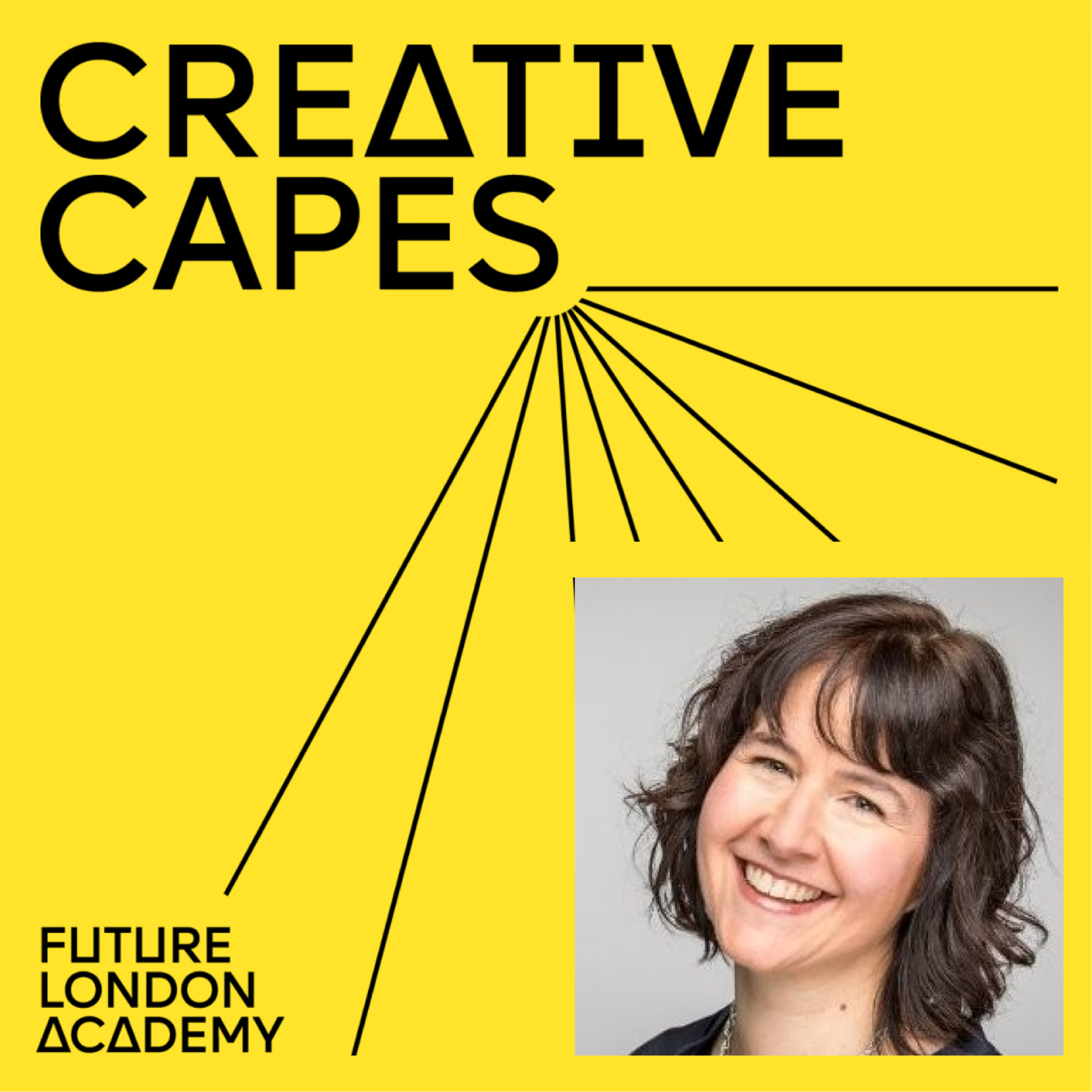 Why self-limiting beliefs about leadership are the hidden barrier for most design leaders | Julia Whitney, Executive Coach63 / 100
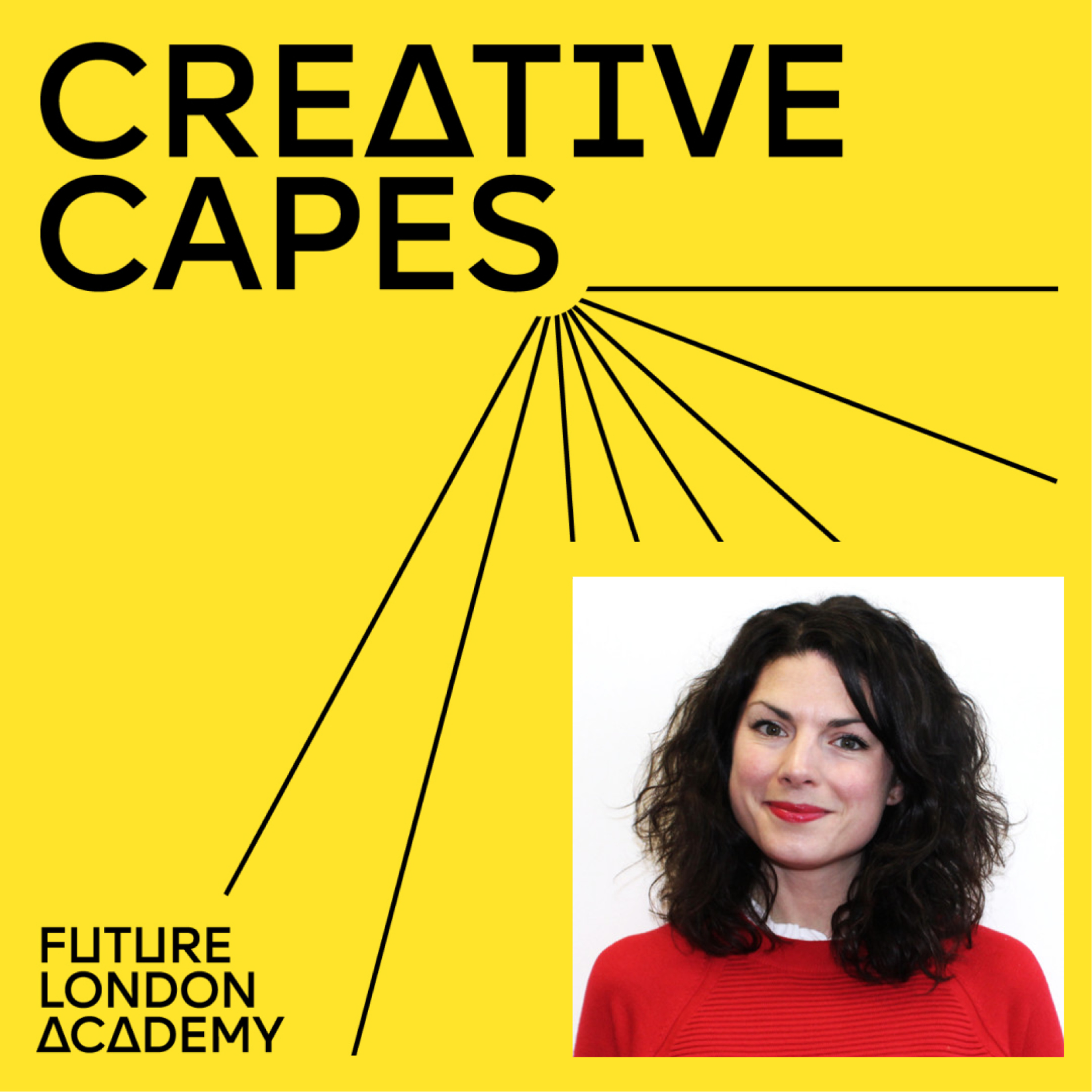 Chief Design Officer on Turning £1 into £20 Through Design | Cat Drew
 Google's Chief Design Officer on why designers are the most strategic people in the room | Ivy Ross
 What it really takes to lead a global creative team | Tim Greenhalgh, Like a Moth, ex Landor & Fitch
 How to use Play as your Business Strategy | Michelle Lee, IDEO Partner