Conflict Managed · 2026-04-28 · 1h 6m
Key moments - from our scoring
Substance score
62 / 100
Five dimensions, 20 points each
Reese Ramos brings deep expertise from his tenure as inaugural University Ombuds at Virginia Tech and founder of Ombuds Academy. In this conversation, he defines organizational ombudsman work as confidential, impartial, informal conflict coaching - distinguishing it from mediation, arbitration, and litigation. Drawing from his career journey from early job failures (fired from a bookstore and Carl's Jr. for communication breakdowns) through mediation training at Pepperdine's Strauss Institute of Dispute Resolution, Ramos explains how ombuds help individuals navigate workplace challenges without formal authority. He traces the profession's maturation over 25 years, from ad-hoc practices to standardized approaches through the International Ombuds Association (IOA). A key insight emerges across his experience at UCLA, Sandia National Labs, and other institutions: conflict themes remain constant regardless of industry - disrespect, feeling unheard, being overlooked trigger the same human responses whether in engineering or academia. Ramos emphasizes that effective conflict resolution focuses on underlying needs rather than positions, and that ombuds must function simultaneously as coaches, marketers, budget stewards, and leaders to create healthier organizations.
Both are confidential and impartial, but an ombuds is independent and works within an institution to help individuals think through conflicts informally, while mediators typically facilitate conversations between two or more parties to reach agreement. Ombuds offer one-on-one coaching; mediators bring parties together.
No. While subject matter context helps, Reese found that human conflict drivers are universal - disrespect, feeling unheard, being overlooked - regardless of whether you're in engineering, academia, or medicine. The ombuds role focuses on human needs and communication, not technical knowledge.
The field has professionalized through the International Ombuds Association (IOA), establishing standards, certification, and best practices. Early ombuds operated ad-hoc; today there are consistent professional guidelines and expectations for organizational ombuds roles.
Beyond conflict coaching, ombuds must be marketers (building awareness of services), financial stewards (managing budgets), supervisors (if leading staff), and leaders themselves who model healthy communication and set standards for their offices.
Supervisors never explicitly discussed expectations or gave him a chance to problem-solve; they let minor issues accumulate silently then terminated him abruptly. Clear, early communication about expectations and willingness to explore solutions prevents these conflicts.
Our reviewer’s read on each dimension, with quotes from the episode.
The episode contains solid practitioner insights about ombuds work, the IDEA framework, and conflict basics, but much of the content recycles familiar conflict resolution principles (listening, asking questions, avoiding reactive responses). While Ramos shares useful anecdotes, the core ideas - establishing psychological safety, asking clarifying questions, understanding needs - are well-trodden in the field. The 66-minute runtime dilutes density with extensive personal storytelling and tangential conversational asides.
Ombuds can help us get unstuck by helping us think through options, weighing different situations, outcomes, and then you decide what, if anything, to do
conflict stays the same. Meaning after UCLA, I went to a place called Sandia National Labs...the moment they would say, you know, I felt so disrespected or that it didn't matter or my feedback, right, got called out. I'm like, ooh, that I can relate to
Ramos applies established frameworks (TKI conflict styles, Socratic method, Joseph Campbell's hero's journey) without substantial originality. The IDEA framework (Issue, Discussion, Explore, Action) is presented as his contribution but is a straightforward repackaging of standard mediation stages. The perspective that 'conflict is human' and 'needs matter' is conventional wisdom in modern HR and organizational psychology. Few counterintuitive or first-principles arguments emerge.
knowledge and wisdom. Knowledge and experience is what you yourself experience...Or wisdom is when you look at someone and say, huh, look what Reese did, that bozo. And you get the lesson immediately
the tools, what we should do, I'm like, countless books...I'm like, okay, I liked it. Maybe it didn't rest. And I'm like, I frankly didn't feel like there was anything new...Stephen Covey said this 30 years ago
Ramos is a genuinely credible practitioner: 25 years as an organizational ombuds across academia, government, corporate, and nonprofit sectors; past president of the International Ombuds Association; founder of Ombuds Academy; designed and leads Virginia Tech's inaugural ombuds office. He has worked with 10,000+ individuals and offers real operational experience. However, he is not a household name or C-suite operator, and his expertise is specialized rather than broadly relevant to a general B2B audience.
Reese is a nationally recognized organizational ombuds and conflict management expert with more than 25 years of experience helping individuals and organizations navigate complex workplace challenges
He currently serves as the inaugural University Ombuds at Virginia Tech where he designed and leads a university-wide office supporting faculty, staff, and students
The episode relies heavily on anecdotal stories (fired from bookstore job, Emily asking why he doesn't listen at home, the Alice in Wonderland metaphor) rather than concrete data or named examples of workplace outcomes. Ramos cites Matthew Lieberman's 2007 neuroscience research on talking and the PFC, but provides no specifics. The IDEA framework is illustrated with hypotheticals ('Jack,' 'Diane') rather than documented case studies with metrics or measurable results. Few dollar figures, timelines, or specific organizational examples are provided.
I remember years ago working with a visitor and I'm like, you know, question...Have you told the other person how you feel? And they looked at me like I had just delivered some sort of earth-shattering gospel knowledge
Matthew Lieberman...with the Neuroscience Center or Institute. And there was some great research that came out about how just talking about things helps this brain of ours relate differently to things
Merry Brown asks decent opening questions and allows Ramos to elaborate, but rarely pushes back or demands specificity. She accepts his framings without challenge (e.g., the Alice in Wonderland metaphor, the mind-shift premise) and doesn't probe contradictions (e.g., how his advice differs from standard HR or coaching). The host asks soft follow-ups like 'tell us how you got to your first professional job' rather than sharp probes. There is genuine engagement and warm rapport, but limited evidence of the host testing claims or requesting concrete evidence.
It is so interesting. The time, I'm sure you run across this quite a bit, but timeliness, how important it is
I love that because I love it when mediators, ombuds talk about their own issues, their own continual evolution
Computed from the transcript - who did the talking, and the words that came up most.
This week on Conflict Managed we welcome Mauricio “Reese” Ramos. Together we explore: What an organizational ombuds is and does Different conflict styles at work Being present with others when they are struggling Why does this matter so much to you? What’s holding you back from acting? The Ombuds Academy Learning: knowledge or wisdom? Conflict Managed is available wherever you get your podcasts and on YouTube @ 3pconflictrestoration Mauricio “Reese” Ramos is a nationally recognized organizational ombuds and conflict management expert with more than 25 years of experience helping individuals and organizations navigate complex workplace challenges. He currently serves as the inaugural University Ombuds at Virginia Tech, where he designed and leads a university-wide office supporting faculty, staff, and students through confidential, impartial, and informal conflict resolution services. He is also the founder of Ombuds Academy, committed to training the next generation of Ombuds to confidently navigate complex workplace conflict and build healthier organizations.
Transcribed and scored by The B2B Podcast Index.
Welcome to Conflict Managed. I'm your host, Merry Brown. This week on Conflict Managed, we welcome Reese Ramos. Reese is a nationally recognized organizational ombuds and conflict management expert with more than 25 years of experience helping individuals and organizations navigate complex workplace challenges.
He currently serves as the inaugural University Ombuds at Virginia Tech where he designed and leads a university-wide office supporting faculty, staff, and students through confidential, impartial, and informal conflict resolution services. He is also the founder of Ombuds Academy, committed to training the next generation of ombuds to confidently navigate complex workplace conflict and build healthier organizations. Over the course of his ombuds career, Reese has worked across academia, government, corporate, and nonprofit sectors, supporting more than 10,000 individuals and advising leadership on systematic workplace issues.
He is a past president of the International Ombuds Association, a certified organizational ombuds practitioner, and a frequent trainer and speaker on conflict management, communication, and leadership. Good morning, Reese, and welcome to Conflict Managed. Good morning, Merry. How are you today?
I'm doing well. How about yourself? I'm good. Thank you.
And thank you for inviting me. Well, I'm very interested in our conversation today for a variety of reasons, but you have been in the ombuds world for quite some time, and we're going to talk about all things ombuds. But before we get to that, I would like to hear about the first job you ever had as a young person. Oh, my gosh.
First job I had as a young person. So we're going to go back decades. I was 16, maybe 17 back in high school. And back then, this is the 90s, for those of us that are young, we had something called newspapers.
And if someone needed a job or wanted to hire someone, you put the announcement in the newspaper. And so I saw this little blurb for, you know, someone needing someone to work at a bookstore. Back then we had mom and pop bookstores, you know, when people used to read books. And so I applied and I think I got the job immediately.
And so it was really exciting because it was a little tiny hole-in-the-wall bookstore that had mainly paperbacks, magazines, and newspapers. They would get the Wall Street Journal, New York Times. There'd be like the morning-evening edition. And so that was my first, first job.
And... The first job I got terminated, fired from. Oh, no. What was it?
Yeah, there was an issue looking back. Again, I was only 16, 17. Didn't really think it through. So I got the job, but had no transportation.
This bookstore was about probably three miles from home. So I'm like, I could walk, you know, probably an hour where I can take the bus, but the bus didn't stop close enough. So it was a combination of both. I'd take the bus, walk probably 20 minutes, and that made me late.
And so I was consistently, you know, 10, 30 minutes. One time I think it was 40 minutes and, you know, but didn't seem to be an issue until one day I walked in and supervised for manager who, you know, looking back, I'm like, oh, my gosh, it was a great job because it paid more than minimum wage, which back then for a 16, 17-year-old was quite a bit. But he's like, go get your paycheck. It's in the back.
And I'm like, what? He's like, I'm letting you go. You're laid too often. And so that was my first taste of working and being in the real world of, wait a minute, you can just let me go?
And no conversation, no dialogue, no questions. And so I took my paycheck and probably cried back home. You know, it's interesting that you just said it wasn't a problem. You're chronically late.
It wasn't a problem until it was. Right. So had they not have conversations like this is not sustainable, you're going to have to be here on time. Did any of that transpire?
No. Looking back. With the lens of an Ombuds mediator, conflict coach, I can say, you know, there were all these moments that if I'd known better, I could have said, you know, let's talk about my situation. I'm going to do my best, but, you know, can we work on my schedule, maybe get it shifted or something?
But no, there were no conversations about expectations, Reese. You know, I need you here at a certain time. And in my little mind back then, it was simply like, okay, you know, I'm in charge of opening the store and closing the store at times. And, you know, I had to be there by, I don't know, 6.
37 in the morning on Sundays because you got to bring the newspapers in. And so I thought I was doing my job. And yes, maybe I was late a few minutes, but, you know, it was reflected in a paycheck, right? I clocked in at 7.
30 versus 7.15. You know, but again, no conversations. No.
It is so interesting. The time, I'm sure you run across this quite a bit, but timeliness, how important it is. If you're 15 minutes late, are you even late? If you're not 15 minutes early, are you on time?
I mean, people just have such wildly different expectations about how important it is and what it means. And I hear you saying, right, well, you made up for it. Like, well, you just weren't paid for that time. So, and nobody said anything.
So all's good. But again, in my mind, I thought everything was going well. And so I was surprised, shocked. And yes, now as an ombuds facilitator, people do come in and sometimes time is a challenge for someone, supervisor, manager, leader, he see, they really feel strongly.
I want you in at a specific time, eight o'clock, you leave at five o'clock, you get your lunch. And, you know, they follow those labor guidelines. Other folks are i'm not kidding i i've had people in the past he she they who reach out and say reese i've got a challenge i've got an employee i've not seen them for two maybe three weeks now and i'm like wait a minute and you're the supervisor and and have you reached out to them yeah but they haven't replied and and so there's i call it goldilocks mary that.
Sustainable, right, healthy balance of not too hard, soft, not too cold, hard, soft, and, you know, what's that happy balance where. In the workplace, we can get the job done. And at the same time, we factor in the needs of the individual. It's not sustainable.
Absolutely. So you had this job and you were let go. What happened next? And tell us how you got to your first professional job.
Yeah. So I worked a bunch of little jobs in high school. I was at a yogurt shop, one of the first serve-yourself yogurt places. Which nowadays you go to a lot of stores and you can serve yourself ice cream or yogurt.
And then I think one summer I worked at another job I got fired from. That was the last job. So I've been in quarantine time. It was at a burger place, Carl's Jr..
And what's interesting, same thing happened in a way that, you know, supervisor was like, okay, you're going to come in every Thursday by, I don't know, 12 o'clock, one o'clock, back in the break room. I'm going to put the schedule for the next week. You're responsible for making note of it. Thursday, one o'clock.
And so I remember going in and looking at the calendar and thinking, oh, that's a schedule. I'm thinking, I'm not scheduled to like Wednesday. I'm like, that's like four days off. And so, of course, I did not report to work.
And then I show up on a Wednesday or whatever the day was, and the manager's like, where you been? And they used some pretty profane language I won't repeat now. And I'm like, I've been at home. It's like, I've been trying to call you and connect with you.
And so I got let go from that job. By then, I started getting a little smarter, thinking at some level, hmm, maybe communication works. And maybe double-checking and ensuring that, okay, did I hear what I think I heard? And let me double check that, you know, we're communicating.
And so what ended up happening as far as this field of conflict mediation, I've been, oh my gosh, Anomba, it's 25 years now. And what happened, Mary, was when I was an undergrad, I was at Pepperdine, which is in Malibu, Southern California, gorgeous place. And I held this, what I call hallucination belief that I was going to go to law school, which I did. But in my mind, I thought, oh, I'm going to go to Pepperdine Law.
They have a law school. Perfect. Nice segue. And so I was working at the law library and, you know, and I learned that there was this institute of conflict management, the Strauss Institute of Dispute Resolution, which back in the 90s was only one of two or three programs in the whole nation on mediation.
I think it was Harvard, the program on negotiation and some other institution. So I thought, hmm, maybe if I take some classes, and what is this meditation? I don't know what it is, but maybe I can get the credits so that I can get out of law school sooner. And in my mind, I'm like, yes, I want that because law school is like three years.
Maybe I can do this in two years, and I can make money and all the things I see on TV, LA Law, I can achieve. And so I took this class in what I thought was meditation, mediation. I'm like, I don't care. I just want the units, the credits.
And real quick, what happened was we went around the room introducing ourselves. And I was the youngest person there. I was like 20, 21. Everyone's probably twice my age, gray-haired.
And there was one gentleman who was in tears almost because he hated the work he did as a family law attorney. And he's like i don't like the clients i'm stressed out he acknowledged you know shared how he was on his second or third divorce himself and i thought huh maybe i'm going in the wrong field because what he said that stuck with me was but this mediation stuff feels like home. And i thought what does that mean. But something about the way he said it was about having hope and maybe peace.
And I'm like, I got to pay more attention. Okay, what is this mediation stuff? And hence the little journey began as the origin story. I thought, okay, this feels more comfortable for me.
I'm not adversarial. One of those folks that I want everyone to be as happy as possible. And so as I learned more about the field, I thought, okay, this saves time, money, energy. It really gets to the root, the needs.
What do people really need? And so I got a bunch of mediation training back then from any community center, place that would offer mediation in exchange. You mediated so many cases. So I did a lot of work with the Superior Court in Southern California, LA Superior Court.
You know, did a bunch of landlord-tenant mediation, roommate situations, just about everything. And then one day, not a newspaper. By then it was late 90s. So we had something called monster.
com. I think they're out there on the web. And they put little job postings. And there was a job posting for an ombuds.
And I'm like, hmm, never heard of that word. And I thought, wait a minute. I think one of my textbooks from Pepperdine, it mentioned, literally, there was like one little paragraph. And I'm like, wait a minute.
I kind of know this because an ombuds is informal. Mediator is informal. Ombuds is confidential. Mediator is confidential.
Ombuds is impartial. Mediator is impartial. Now, there's this independence piece, which is different. And so I wasn't familiar with that.
But I'm like, but I think I'm qualified. So I applied. Did not get the job. Got the job the second time around two years later.
There's a whole story with that. But that's the origin story, Mary. That's how it all began. And 25 years later, still loving it, enjoying it.
That's wonderful. So a couple of things let's unpack. I'm not sure that everyone listening knows much about mediation. So let's start there.
Tell people about, I mean, you already just did a little bit, but if somebody were to go into mediation or experience mediation, what is that really about? Yeah. The classic way of explaining this is I ask folks, you know, imagine, close your eyes, imagine a spectrum, kind of a little bridge. And on one end, you know, you've got different ways of resolving, managing conflict.
And on the other end, you've got another different way of resolving conflict. What does that mean? And on one end, if you have an issue, problem, challenge, what do we do typically? And that is, well, we kind of sit with it, right?
We kind of think about it internally. We reflect on it. Sometimes we talk to our trusted friends, colleagues, partners. We go to our spouse, our friends and say, you know, I'm kind of struggling with this.
I've got a client or this is going on. And then we venture into, as you move along that spectrum, into the professional realm of like, hmm, maybe I should talk to a professional about this. If it's more of an emotional, mental, I'm like, oh, there's therapy. You can connect with a counselor.
If it's more of a relational, then a mediator. Mediation is a great forum where you talk to basically what I call a conflict coach. And you explain, here's the situation. Help me navigate this.
And that's what mediation is. And then the mediator hopefully at some point says, you know, Jack, it sounds like you've got a challenge with Diane. And would you be open to sitting down and me facilitating that conversation with Diane? It is voluntary.
That's a critical component. It's got to be voluntary. And Diane's got to agree to it. And I don't force a solution.
I'm not a judge as a mediator. I'm not an arbitrator. Sometimes folks get them confused because there's different modalities or ways of practicing mediation. So that's what mediation is.
And then if you get a little more formal structure, then you can go to an arbitrator where someone says, you know, I want someone to decide. And it's like, well, we actually have private judges out there that if you submit your grievance and the other party agrees, it's voluntary or contractual, then the arbitrator has that power. And then there's a judge. You can go to a judge.
He, she, they, you know, form a public system. So that's how I explain mediation to folks is, you know, think of it as a trained professional helping two or more people. Sometimes it's multiple people come to a better understanding or a solution. Yeah, absolutely.
I think people typically, if they're going to have experience with a mediator, it's probably going to be like civil or family, a mediator. But workplace mediation, it's similar in many ways. And it's when there is something going on at work and people need that third party, that neutral third party. And as you mentioned, in the confidential, informal.
So typically, I mean, at a university, you're not giving notice to the university, but it's a real way for people to work out their problems with each other. That is still within their control, not giving it to somebody else, so they can find a durable solution to move forward, to find that path to be able to work with that other person. Perfect. Yeah, exactly.
Yeah. I can, I mean, when I came across mediation into my second part of my career, of my life, and the ombuds world, it was like this, this wonderful, you know, epiphany, like, this is something that people do. This is something that I want to do. But you found it almost right away, you know, thinking you wanted to be a lawyer and then going in this other route of conflict resolution.
So tell us about ombudsing. So while many people have had experience with mediators, many people don't know what an ombuds is and specifically an organizational ombuds. Yeah, exactly. And so, When I did do mediations, folks would say, what is that?
And I would have to explain. And so I would tell folks, it's a small field. It's a niche. And then when I became an unobuds, even smaller than that.
Right. Especially with the kooky word or unfamiliar word. Kooky. I like that.
It is a very unfamiliar kooky word. Is that an acronym? What is it? And actually, when I first started, I remember thinking, we got to, as a profession, come up with a better term you know coach or something that that explains what we mean but it's a swedish word ombudsman from back in the day and i'm going to the history of it you know but nowadays i tell folks you know here's my elevator pitch to people by the way i ask them you know how there's conflict, in the workplace and typically i'm like you know just think about the last situation you experienced or saw a close colleague, Jack or Diane, those are my default names.
And how do they handle that? Because either it worked out or it didn't. And so an Ombuds is a designated, impartial, confidential, informal person in an institution that can be a resource for people to navigate those challenging situations. And I'll end with the questions.
Is that something you think might be helpful in your situation or any conflicts? You know, you want to send my way. Oh, my gosh, I think I strayed from the question, Mary. What was the question?
No, that was it. What is an ombuds? What's an ombuds, yeah. Yeah.
Conflict coach. There to help you think things through. You know, one line, it's like, you know how we get stuck sometimes? We've all been there.
Right. Ombuds can help us get unstuck by helping us think through options, weighing different situations, outcomes, and then you decide what, if anything, to do. Wonderful. Yeah, that's a great explanation.
So you have been in this relatively new field for 25 years. I mean, so you've been in it for quite some time. So thinking about you as an ombuds professional 25 years ago when you started versus where you are now, what have you seen in yourself and in the profession change to serve visitors, to serve institutions to help bring about healthy health? work environments.
Yeah. So two things. So one, in the profession. I believe it's evolved.
Now we're more consistent, meaning when I started in 2001, actually. And I remember the day, because it was the day before 9-11. And so I believe it was a Monday. I want to say 9-11 was on a Tuesday.
And so it was that week. But back then, we did not have what we now call IOA, the International Ombuds Association. That's the main. You'll think of ABA, SHRM.
For Ombuds, it's IOA, or one of the big ones, IOA. And so before that, we had different standards and different way of practicing. So we didn't have best practices or standards. And I remember a mentor of mine who was one of the first original ombuds back in the 60s who didn't like standards.
They're like, no, I just do my job. And however I get my job done, that's how I do my job. And used some pretty coarse language because his focus was on how do I help this person? And maybe even in his case, advocate for them, which is different than, you know, you had asked, you know, what is his organizational ombuds?
And so there are different types, you know, classical ombuds and some that are appointed by legislatures and or the state governmental type. There are some in like, you know, caregiving situation that are more advocate patient type ombuds. But what we mean by organizational ombuds, it's those ombuds located within an institution. Organization could be higher ed, could be a corporation, a nonprofit.
So that's what I am, an organizational ombuds. But going back to the question one, the professions become more professionalized. We now have certification, more consistency. Personally, individually, there's also been that maturity.
I remember thinking, I can do this job. I've been in media. By then, I'd done mediations and done it for two, three years. And, you know, and I really thought, okay, I can do this job.
Not fully realizing, oh, there are some recurring themes, challenges that will happen, working with different leaders and different personalities and different offices. And one of the things I took for granted, Mary, was believing, oh, because the institution has an ombuds, everybody knows what that means. When i reach out to jack or diane the leader and say hey here's some feedback they're going to be open to it and they're going to sit down with me and it's going to be a pleasant conversation and so i was taken a little aback at times when the leader person manager would say like well who the heck do you think you are who appointed you you know kind of judge i'm like i'm not being a judge I'm just, these are observations.
And so learning that being an ombuds is sometimes, we need to be more than just ombuds. We need to also be, In a way, you know, people that market marketers and salespeople in a way, you know, we're communicating with folks and letting them know, like, here's what we do and here's the benefit and the service we offer. And if you manage an office as an ombuds, you have typically a budget. So you have to be a little financial guru and take care of that budget and be a good steward.
Maybe you have people you supervise and so you have to be a good supervisor leader yourself, set the standard. And so there's been that evolution. And 25 years later, real quick, Mary, I've been in like, oh my gosh, I think five or six different institutions, academic, corporation, hybrid, non-governmental, meaning non-profit, and governmental. So five different.
And what that means is different cultures. Different mission purposes. But what I soon noticed was conflict stays the same. Meaning after UCLA, I went to a place called Sandia National Labs.
It's an engineering lab. They literally make things that go boom. They do a lot of homeland security, cybersecurity, you know, things that keep the nation safe. And when I first went there, I was still young enough where I'm like, am I going to succeed here?
Because I know nothing about science. I'm curious about it. And I'm not an engineer. I remember sitting down with people and they're talking about things.
I'm like, oh my gosh, 80% of it's going over my head. But the moment they would say, you know, I felt so disrespected or that it didn't matter or my feedback, right, got called out. I'm like, ooh, that I can relate to. And so, again, no matter where we serve, where we work, at the end of the day, we all have the same basic human needs in the workplace.
Yeah. I have that experience as well. And like with mediators, especially at work, though, sometimes they'll put a call out. I work with this other organization in London and they'll put a call out.
Does anybody have an experience with this or with that? And I understand why a work environment, a workplace would want somebody who's familiar with the type of work. It's a kind of like they think that's necessary, but it largely is not. It's the human, right?
People are people, conflict, these feeling disrespected, feeling minimized, feeling looked over, feeling whatever it might be. And that's what in, you know, ombudsing or in mediation, we are trying to help people figure out what it is they want. And we're in these relationships, right? And so how do I figure out what is going on with me?
What actually is my issue? And then what are the kinds of things I can imagine that will help, right? So getting away from positions to needs, and then if I need a partner with somebody else to find what is the next, how do we move forward to have this healthy work environment? And so it really is this human, no matter where you are, it's humans have problems and humans are humans.
Now, we might come with a certain sort of set of assumptions given our culture or our age or our religion or our politics, whatever it might be. There are certain flavors right out there, but at base, and I think that is, we're a part of the human community and we are, we do have these basic kinds of needs and desires. Yeah, exactly. And, you know, for the listeners, don't get me wrong.
Subject matter is important, meaning I'm working in an academic institution or a medical institution and people are throwing things like, oh, then the PI did the IRB. You know, do we know what that means? I'll ask because I'll still to this day I'll say well, this was a little embarrassing a few years ago I was talking with someone and he said something like you know DEI and the way they said it didn't click I'm like, what's the ei mean and they're like race come on diversity i'm like oh oh my gosh i'm like it just a foggy moment the subject matter is important but what i think is even more important is exactly what you're mentioning which is you know the relational it's like we're all human we all relate to one another in the workplace whether again it's governmental medical any field any subject any any you know discipline and it comes back down to those needs we all want to feel i'm big on basic human needs we all want to feel acknowledged validated recognized respected, we want a sense of connection we want fairness we want autonomy those are the basic needs and then the higher needs are you know you want to grow contribute develop evolve personally yeah So, Rhys, when you think about yourself and how you deal with conflict.
So you were drawn to this field. Have you always been fairly comfortable dealing with conflict, or has there been a personal evolution for yourself? Love it. Personal evolution.
I came across a quote years ago, supposed to be Tibetan, but I've never Googled it. I should and verified, but it's a beautiful quote, I think, because it basically talks about how. You know, the Sherpa was helping someone climb the mountain. And so they were helping that person.
So think of the mediator, the ombudsman, we help people. And when they got to the top of the mountain, they realized, oh my gosh, I too have climbed the mountain. And even though that wasn't their main focus goal, it resonated with me because I'm like, ooh, I'm learning. And so going back decades, I've gotten much more comfortable.
But no, in my personal life, and I share this to this day, I tell people there's something called the Thomas Kilman Inventory TKI, and it's a simple little conflict styles. There are five different conflict styles, and you could avoid conflict, be kind of like a turtle. You can accommodate people. You can be like a teddy bear.
You can compromise, be like what I call the fox, be a shark, be assertive, aggressive, or be the owl, which is collaborative. My default mode is turtle and shark. I avoid conflict. Or I might say, hell no, no, this is worth fighting for, not physically, but taking that stance.
But that doesn't acknowledge the full beauty of other ways of dealing with conflict. And so in the workplace, I tell folks, you know, I'm more of the fox and the owl. I help people get to compromise. If we go a step further, we collaborate.
You know, think of that symbolic owl. They're wise, and that's what folks can be if we talk about needs. So my own evolution has been gotten more comfortable with conflict, but I'm still learning. And the moment I think, hmm, I should write a book about this.
You know, I should really, really teach full time. Life reminds me, you're not quite there yet, little grasshopper. Quick story, I have four daughters, my youngest one, Emily, last year. She hates it when I tell this story.
But we're sitting around, it's like dinner time on my laptop, and she asks a question. She's like, Daddy, I've got a question. And I'm thinking hmm something about that tone I'll bite what Emily and she's like Edward like you help people right I'm like yes she's like you listen to them and you I don't know give them ideas or something I'm like yeah that's kind of pretty much that's what I do I listen help them and and she's like and you think you're good at it I'm like well I haven't been fired yet and she's like so how come at home you don't listen.
And so I'm like, ooh, and being the smart aleck I am, I'm like, Emily, I don't get paid at home. But internally, I'm like, note to self, Reese, that is feedback. And so kudos to her for being comfortable to, you know, playfully challenge me and me playfully challenge her back and be like, you know, but she's right. Because my other daughters say, you know, you listen differently at home.
My wife will say, you know, where's the ombuds? I want the ombuds right now. Not, you know, because at home, truth be told, I go straight to action and say, okay, you know, you've told me about the problem. You've been talking about it for three months.
Just do this. Why don't you just do this? And so it's that shark that comes out. And so I have to be more mindful and practice what I preach everywhere, not just at home, but remind myself, okay, I just got triggered by the driver who cut in front of me or the person who maybe said something impolite.
And great opportunities to practice what we teach others. I love that because I love it when mediators, ombuds talk about their own issues, their own continual evolution, because sometimes I think people think you learn, you learn a skill or you learn and now you have it. But it's not real. I mean, you do learn and you get better, but it is, I think, a gradual, it's gradual.
And I think that shows how tricky and sticky conflict is. As much as you can know about it and practice it and be with others and walk with them, when it's you, right, everybody can use help. Everybody can use that neutral third to look and see what we can't see because conflict can get us all stuck. And I'm coming more and more to appreciate conflict.
Miscommunication in my personal life conflicts my personal life because i can get comfortable. Sitting listening when i'm listening to somebody else i'm listening to their story listening to their pain and in my brain i have to quiet it but in my brain i think oh just do this oh do this oh do this and and then when it's me and i'm in it it helps me it helps me have more empathy and focus for those around me, those who visit, those who I get the privilege of being able to be a part of their lives.
And it's just this constant reminders that we're all in it together, that I may not even be farther along than the people who are sitting in my office, but we're all in this struggle, this human struggle for connection, this human struggle for when we don't feel belonging We do feel minimized and we feel disrespected and that we're all struggling with that. And so I am more and more, while I don't like pain and I don't like disconnection, I now am starting to see it for the gift that it is because it can help remind me of, it just helps remind me of what I need to do and how hard it is to do the simple things to move forward.
Yeah. No, undoubtedly. Oh my gosh, Mary. There's what I call gold nuggets in that.
And one, you know, there's learning, right? And any one of us, and especially nowadays, can, you know, watch a YouTube video, read a book, attend a workshop. There's that knowledge. But it doesn't stop there.
I love stories. And a story, even if you've not watched the movies or know the story, I tell people, remember Darth Vader and Jedi's and Luke Skywalker and Yoda? And we all kind of know the story that Luke Skywalker gets taught by Yoda and at one point he becomes a Jedi or so he thinks because he gets the training, And he asked Yoda, so no, I'm a Jedi. And Yoda's like, no.
And he's like, in essence, what do you mean? He's like, now you gotta go face Darth Vader, who's the evil kind of character in the movie. And so I often think of that analogy of like, it's like that because we get tested daily. Things conflict is normal you know you teach and you know we also acknowledge teachers like it's gonna happen you can't control it the only people that don't experience conflict have passed on.
Otherwise unless you're maybe meditating in a cave you know up in the himalayans but most of us i'm like you experience it daily with your supervisors your colleagues your loved ones family, friends, even the dog, you know, there's this kind of back and forth. And so there is beauty, I think, in sometimes just being there for each other, even if we don't know what to say or do, meaning the temptation is to jump in and say, Mary, just do this. Or like when I talk to my daughter, Brianna, you've talked about this job and, you know, just quit, you know.
But maybe that's not what they need. And what they really need is someone to be there. It's the simple story of like, once upon a time, there's this little eight, 10 year old boy, he went biking. It was safe.
We're back in the 90s when kids could do this, they could go out and, you know, and he went biking with his friend, Diane. And mom started getting worried because he didn't have a cell phone. I was like, it's getting dark. Where's little Jack?
And finally, he showed up and she's like, where you been, Jack? And he's like, well, Diane's bike, the wheel came off. And so I was there helping her. And the mom's like, but Jack, you don't know anything about fixing a bike.
And he's like i know but she was sad and crying and i was just there helping her in that moment, and so i think sometimes that's the best we can do for people it's just even if we don't have answers and solutions or guidance or questions i'm like just being there and i don't like the word witnessing but in a way maybe being witnessing that space with them, and then if we can you know maybe there is an opportunity to to help them and signal, via the power of questions questions and say you know i did this today with someone what we call a visitor someone that comes in meets with an ombuds we don't call them clients we call them visitors with the visitor he she they you know i have wanted advice from the get-go and sometimes the temptation is to tell them like well just do this or that and i acknowledge now the reality is we have different values in building what might work for me i might just say i'm gonna let it go or i'm gonna fight this might not be best for you but here's what i can share and that is the kinds of questions i'd be asking myself like why does this matter so much why does it hurt so much you know hopefully not a physical hurt but uh emotional you know maybe i feel excluded alienated ostracized, frustrated, disappointed, sad, you know, there's always meaning behind emotions.
But yeah, asking questions, they can then themselves have that epiphany revelation of like, okay, this is what I need to do to face my own Darth Vader, in a way. I love that. So for somebody listening right now, as opposed to a conflict at work, what, I know we just said, and not starting with advice, but what should somebody do if they, as opposed to if there is an ombuds, go visit your ombuds. But if you don't have one, what would you recommend this person to?
Yeah. So my rule of thumb is quite often I'll get people, visitors that come in and are very apologetic. They're like, Reese, I'm so sorry to take up your time. This is kind of stupid and I feel bad.
And my response typically is, you know, if you're here, it means something. And maybe they haven't said much about the situation. So I don't know. Okay, is this some kind of harassment they're experiencing?
Are they being terminated? Or is it something more like, you know, their colleague didn't invite them to lunch? And life will go on and be okay. But I want to acknowledge it's okay to feel what you're feeling, stuck, confused, whatever the emotion is, especially if it's been ongoing for a good week or two.
Because we've all experienced conflict. it and a few days later it's like i don't remember why but yeah i got upset at jack or diane or my wife or my kids or they got mad at me and not i just don't know why maybe it wasn't that big of a deal so just via time things naturally diffuse but if it's been a week or two or not uncommon people come in i can't sleep my blood pressure's gone up, People that are literally manifesting physically, internal, this ease, conflict. Then I'm like, okay, that's a big yellow flag, orange flag saying get some help.
Again, who that is, it could be anyone, a trusted colleague, could be a friend. Back in 2007 when I was at UCLA, there was a gentleman named Matthew Lieberman. He's still around, I think, but with the Neuroscience Center or Institute. And there was some great research that came out about how just talking about things helps this brain of ours relate differently to things.
What happens is, as many people know, we've all heard about the fight, flight, freeze. I'm not a neuroscientist, but back in the day, lion, tiger, bear would jump out. We had nanoseconds to decide, am I going to fight it? Am I going to freeze or am I going to take flight?
Nowadays, lions and tigers and bears are people. We say things, do things. And so we go to that reactive state of like, oh my gosh, this is a threat. My job's in jeopardy.
I got feedback. I'm going to lose my job. They don't like me. I'm failing.
I'm not meeting my metrics. All those negative things. And the moment we start talking with somebody, we activate the PFC prefrontal cortex, part of the brain that's on the front that helps us be more from that executive mindset framework, meaning it helps us be more rational. And so Anombas can help us do that because, and I acknowledge, I tell people, not that I don't care, but I'm not vested in the outcome.
And so it doesn't really matter if this happens or that happens. And so because of that separation, I can maybe take a step back. And no lie, I remember years ago working with a visitor and I'm like, you know, question. because I don't want to make assumptions.
Have you told the other person how you feel? And they looked at me like I had just delivered some sort of earth-shattering gospel knowledge. They're like, wow, you're brilliant. And I'm like, thank you, but give that a try and let me know.
Because they had not communicated. And I forget the actual context, but basically they had an expectation it wasn't being met. And, and so they were really frustrated by it, you know? And so again, my advice to people would be one, don't wait, don't feel guilty.
Conflict happens. We're there to serve you and listen and give you ideas and suggestions as far as like, here are some options. And you decide, let's talk about what would that look like? And again, really, I have an acronym, the word idea.
And I tell folks, those are the stages we go from problem to solution. I guarantee it. Any conflict will go through those stages. And I ask, well, what's the issue?
What's the what? What happened? Well, they said something really offensive. And then I is also, well, what's the interest, the need?
Why does it matter? Help me appreciate that. Not why as in, well, why do you care? But why as in, what did that mean?
Well, reason means that someone I trusted basically, you know, is inconsiderate about my religious beliefs, for example. D is, can we have a discussion dialogue? You know, that could be internal, where we self-reflect. or it could be, you know, what do you think about inviting Jack or Diane to this conversation with your colleague?
Because if we can do that, they'll have issues and interests that maybe they need to communicate. And then E, we can explore, evaluate options, ideas, and A, take action. Maybe there's an apology, you know. And then I keep adding words.
The final A, I call it acceptance and acknowledgement. Meaning someone realizes, huh, they're not going to change or I'm not going to change. And so I just need to accept the reality. It doesn't make it fair.
It just means it's actually very empowering. Realize, you know, I get to choose. Mel Robbins wrote a book called The Let Them Theory. Right.
The book is about, it's basically saying, let them and let me. The let me is the, okay, I'm empowered to say, you know, I'm going to respond and say, okay, I'm done. I'm going to find a new opportunity, new supervisor, not associate, not talk, not share, whatever that decision might be. So again, any listener out there, I really would encourage you, if you have an ombuds, oh my gosh, use them, leverage them, make them earn their pay.
You can maybe advocate for one, but the next best thing would be a trusted colleague, friend, maybe even HR. Sometimes HR can be a good resource. I know some people hesitate because they feel, well, they work for the company, right? And the reality is yes.
And the way I explain it is I tell folks, well, look at it this way. They're there not to represent necessarily the manager or supervisor, but they're there to protect the institution. And so if a supervisor is doing something inappropriately, incorrectly, they'll intervene and help out. Having said that, they're not confidential.
And so you have to be mindful. You have to be careful. Again, it has to be trusted. But again, I would encourage people to do something and not just stay stuck.
I really appreciate everything that you've said, because as I'm listening, it just seems so reasonable and simple, and it's not complicated about first just articulating what's going on, right? And that act of articulating it to somebody else, not just being stuck in our head, like it's sort of in this darkness that happens in the forest, so we can't see what's happening. The very act of doing that to somebody else, somebody that is trusted, that is confidential, that can help so much.
And yet we don't do that stuff. And it's not complicated, but it doesn't mean it's easy, right? It's not always easy because we know there's something wrong. We may not know exactly.
And so we may not know who to or how to, but the wonderful thing about doing it is it's a process and you can start to learn to trust yourself and you gain confidence through the act of doing it and what you can do if there's not something that's going on for you right now dear listener is you could be that for somebody else right the time to i think work on conflict and networking and all this is when there isn't a problem so having those relationships wherever they may be so that when not if but when the thing comes around you have established those trusted relationships.
And you can practice the articulation of anything. The smaller, sometimes the better. You can get that confidence and see how it feels to say the thing. And also, as you were talking, it reminds me of, so I'm philosopher by trade and the Socratic method.
A lot of what we're doing is not new. It's lovely to have brain science to say, oh, this is helpful. But again, the human condition, right? And so Socrates in the The Socratic method is this belief that the other person has the knowledge inside of them and the teacher or the interlocutor is there to help pull it out of them.
Through asking questions, through helping them figure it out. And I see that's largely what this field is, right? We are not telling somebody else what to do. We are coming alongside, helping them by simply just sometimes receiving what they want to say, you know, being that person to listen.
But then asking those questions, those curious questions, so that the other person can think about something new or see it in a different kind of way so that they can explore and find. And so it's all pretty simple and very difficult at the same time. Right. Now, exactly.
Because again, the tools, what we should do, I'm like, countless books. And every now and then I'll come across a new book and someone will say, Reese, you got to read this book. It's revolutionary. And I'll look at it and I'm like, okay, I liked it.
Maybe it didn't rest. And I'm like, I frankly didn't feel like there was anything new, you know. And so Stephen Covey said this 30 years ago. Who?
Stephen Covey. And, you know, he wrote The Seven Habits of Rally Effective People. But what I love is that people repackage. And maybe in their own tone or experience, someone can say, oh, this really resonates for me.
Because it, you know, it comes from this, you know, say, you know, a medical perspective or maybe neuroscience perspective, which I agree, you know, with you, Mary. in that what works. We might not know the why. And maybe the science is only now catching up.
And a good example is Amy Cuddy. She's the one that is out there. You can Google her name and find a YouTube video from about 10 years ago or so. And she talks about power poses and how if you stand in a specific way, like a superhero, Wonder Woman, your biochemical system changes.
You know, cortisol goes down, testosterone goes up. you feel more confident and good little tip to do before an interview. And I'm like, oh my gosh, that's been around for decades. But the science, again, is only now just catching up.
And you're so right about what we need to do, I think, is it's sometimes clear. But the how we do that and what's stopping us from taking action, typically, maybe there's a fear. It might be, because i'll ask that of people which is you know help me understand why haven't you told them that you know why haven't you communicated that why haven't you done that and it might be like well i don't want to offend them i really value them and they've talked about leaving the job and so i don't want to give them the wrong message that i want them to leave and and so there's some hesitation reservation and until we get comfortable with going into that space.
You know especially with not only managers but i really appreciate it when a manager reaches out and so the scenario might be reese i've got an employee really value them, And I need to give them feedback or I gave them feedback. They did not receive it well. Or I need them to do X, Y, Z. They don't want to do X, Y, Z.
And the easy thing might be like, oh, my gosh, through an HR lens, HR might say, give them a counseling memo. Discipline them. Fire them. You know, kind of like poor little Reese back in the day at community news and books.
Off of their head. Right. And so I acknowledge, like, you know, easy thing to do is that. In this space.
And I'm not saying do that. I'm just saying acknowledging. Thank you for being in this space. You know, and maybe the more rewarding and definitely challenging is doing this, which is like, you know, that D and idea having a discussion dialogue.
Make up personal situations where you've had to talk to maybe a loved one or a family member and you knew it was not going to be easy. You knew it was going to be tough. Maybe tears will be shed. And maybe the end, maybe, maybe meant the end of a relationship.
And maybe meant, you know, I cannot continue this. But I have to do this, you told yourself. And so being in that space and being able to navigate that, not easy. And so, yes, the more we can practice, meaning either learning from others or being there, helps us be prepared for when life happens.
Because, not to be negative, but reality is we'll experience conflict where something happens and we have to make a choice. And it could be unconscious where we retreat, ignore it, avoid it, or we can cautiously choose to engage. Or even maybe we choose to engage by not engaging. But if it's conscious, If you decide, you know, I choose not to do this or have this conversation, then it's time well spent.
So I love what you're up to right now. If you would tell us about the Ombuds Academy. And I think every organization, every workplace, every worker should have access to an Ombuds. I think it's the right human thing to do.
And also it's good, just basic return on investment. So tell us what your, this venture is that you have started. Right, yeah. So my new venture, side hustle.
Homewoods Academy. And what it is, it's, I thought, okay, now that I've gotten a little gray in my hair in my 50s, 53 years old nowadays, I look back at that moment in time when I felt, gee, I don't really have any mentors, anyone that can guide me in this process. And again i mentioned i love stories and people are familiar with joseph campbell and and you know the hero's journey concept i think the book is like the hero of a thousand masks or something but the idea kind of premise is in all these wonderful little stories out there typically you have someone that feels lost right i'm not that person back then i want to be a mediator, but didn't know how, you know, needed some coaching and, you know, a wizard appears in a lot of these magical stories and, and they help you, you know, guide, navigate the process, you know?
And so now that I'm a little older, I'm like, okay, not that I'm some special magical expert wizard, but I really felt led to share my experience and stories and mistakes, right? So that people could learn from that. Because, you know, it was a Confucius that said, you know, you can learn by knowledge or wisdom. Knowledge and experience is what you yourself experience.
And it might be it takes you five years to get the lesson. Or wisdom is when you look at someone and say, huh, look what Reese did, that bozo. And you get the lesson immediately. And you don't have to suffer, right?
Go through the pain. And so I thought, well, let me do that. Why? Because I care about the field.
I care about people. that care about their profession, so let me launch this. The flagship is what I'm calling Ombuds Fundamentals. It's like a four-day workshop for aspiring or new ombuds, and you get the tools, skills, and scenarios, and you go through those.
But then there's also this smaller segment I'm calling Ombuds Society. And what that is, by default, anyone who wants to join is a part of the society. It's like the mob. It's like you're in, you can leave anytime you want.
But it's free offerings, you know, and so we just, you know, just had a session yesterday and talked about the seven mistakes Ombuds make and how to avoid those mistakes, you know, and as it gets more momentum, I'll add, you know, more sessions, you know, monthly and invite guest speakers and all that. But really, it's about, I think, ultimately community and having a community for ombuds where we can, without breaking confidentiality, share experiences and frustrations because we're people too.
It's like leaders out there. I think we forget. We think leaders got it figured out. No, they don't.
All that's changed is maybe they have a fancy title, different office. Maybe they have a unique skill set. maybe they're actually really good at it. They're still human.
Life happens. So one thing that I have been finding in this space, because a lot of times the people, of course, that we deal with are confidential or you're the trainer or you're whoever you might be, is loneliness in the profession. So I'm the only ombuds. It's a new position at the university here.
And there's a loneliness that I've experienced. I love the work that I'm doing. I absolutely love the university. I love the work that I'm doing.
but you know there isn't anybody else like me where i'm at right and with the confidentiality issues so my spouse works at the university the person who i was in the same department with for 17 years now i don't get i don't talk about work with my person i used to talk to about work with and so i love that component of it not only helping people figure out the lay of the land but then once they kind of have their feet at that community so that people can can learn together and.
Be together. Yeah, exactly. So Mary, question for you. What's your plan?
What are you going to do to build that community? Because if we're going to know, what's the antidote? Well, yes, the IOA is wonderful. I've really enjoyed it.
I've been to two conferences in person. I know this year is online and I feel like intellectually I should go. But what I have really enjoyed mostly is getting to know other ombuds are just wonderful as you know the the kind of community so, i i have a mentor from through ioa that i have been meeting with and um some other people have met along the way but it is a good question right if we find ourselves lonely first of all realizing that and then doing something about it yeah yeah because again i, I'm a broken record.
For those that don't know, what's a record? I'm like, a CD? What's a CD? I'm like, oh my gosh, what's the next best analogy?
I'm on repeat. You know, about human needs. Because I really feel it doesn't matter where you're from, what country, your background, religion, gender, identities. We all have basic human needs.
And one of those is the need to connect. And so in the workplace, sometimes people feel alienated, ostracized. There's that lack of connection. And so maybe we can talk about, okay, how do you build connection within the team or in this group?
And if the reality is, nope, there's too much of a click and I'm outside. You know, these folks have worked with each other, for example, 20 years, and I just came on board three weeks ago. Then I say, you know, what would it look like if you found that community outside the institution? Because you still have that need.
So sometimes people can say, oh, yes, you know, through my synagogue or church or whatnot, or just friends, you know, that's there. Because being a nomads, yes, it's very lonely. Being a nomads by myself as part of a team with one other person. So I've experienced the different dynamics.
And when you're by yourself, truth be told, I'm like talking to myself a lot. All. Because there is that, you know, my wife will be like, how was your date? And my response is like, well, you know, met with people.
It's like, well, that's really nice. What was that? What happened? She wants to know.
I can't share details. Just at best, I'm like, okay, there was a person. They had a problem. No, now they feel maybe a little better.
They've got a plan. And that becomes a detail. You know, it's not new. But again, I would highly suggest to people, whether you're a nobudsman, or you're in a workplace, ask yourself, 0 to 10, 8, 9, 10, things are going great.
What's my level of connection? Not just to the work I do, but maybe to the people, my supervisor, my colleagues, because I guarantee it, your level of happiness will be in direct proportion to the quality of those relationships. And so think of ways of building that connection. And commiserating, we call friends.
Well, Reese, our time has gotten away from us, but I have one last question for you. As you look into the future of work, what do you think needs to happen so that not only will all workers be treated with dignity and respect, but that they'll be encouraged to thrive and flourish? Yeah. Oh, my gosh.
I think there needs to be a collective mind shift. And what I mean by that is, So, you know, if you look at the history of, and I'm not a historian, but of work, it's like, why do we work? Eight to five. And it really has to do with the industrial age.
Basically, machines got created and it's like, okay, now you got to make widgets. Eight to five, working in the factory. More than that back in the day. And so it was all about production and quantity and you had to do things and you were told and you had a boss.
And going back to your question in the beginning, like your first initial jobs, Reese, You know, what it taught me was, as an employee, you didn't have a voice. It's like, you will be doing what I tell you. And I've actually had people, oh my gosh, someone, he, she, they, a few years ago, you know, came in and said, Reese, my supervisor said, look, I get paid to tell you what to do. You get paid to go do what I tell you to do.
And I'm like, how does that feel? Yeah. So there needs to be a mind shift of our relationship to work, meaning, yes, there's a purpose, mission that this institution has. If it's educational or this hospital or this corporation, they're creating widgets or providing a service.
And maybe that's valuable for their clients and customers. And you are there to have maybe a skill set or you have a function. But wouldn't it be great if, you know, leadership and supervisors could get curious and put on that what I call Sherlock Holmes cap and maybe at times say, Mary, what do you need to really enjoy the work or feel that your career is being propelled in the right direction or that you're contributing, that you're growing, that you find things exciting? The work is stimulating, it's engaging.
The things are stable that you don't, again, those basic human needs that, you know, you're not looking at the next opportunity, not because you want to leave, but because you have to, because financially it's like, oh my gosh, I can't make ends meet, but I love what I do. That's a dilemma. And for us employees to recognize it's not one way, but sometimes we have to acknowledge, okay, I need to meet some expectations, you know? And so I would say those two things, Mary.
One, mindset shift in all of us. And then two, be able more comfortable talking about expectations, communicating, you know, here's what I need or would like you to do in this situation as far as the goals and metrics and performance and what are they calling PKIs, key performance indicators. And, you know, so, yeah, and I think we're getting there and slow. You know, back in the 60s, there wasn't room for that.
It's either, oh, you don't like it here? There's the door. 80s, we got a little bit more, hmm, people have choices. They're leaving.
And so, you know, we got a whole slew of books of, like, how to inspire people. But it was still a they versus us kind of mentality. And I think we're moving in the direction of, you know, this is more of a, I don't want to say symbiotic, because that sounds so clinical. But it's more of a relational the other day remember emily my daughter real quick we were watching alice in wonderland on dvd we got it from the library but remember that story alex falls down alex falls down the hole and she's in this room and she opens the little door and she sees this beautiful garden.
But she can't get through because she's too big. It's a little door. And so she's got to learn the rules, the expectations, how to engage with this new reality. And then only then can she get through the door.
And so I think in the workplace, we got to realize, okay, you know, here's a big garden you get to work with, play with. But we got to cultivate people. We got to tend to it so that weeds don't grow. So, yeah, I think we'll get there, hopefully, in our lifetime.
I love that. Well, Reese, thank you so much for being on Conflict Managed. I really enjoyed our conversation. Oh, thank you, Merry.
I enjoyed it, too. Learned a lot. Thank you. Take care.
You, too. Reese, thank you so much for being on Conflict Managed. What a fun conversation. I love what you're up to.
I love this Ombuds Academy. I mean, I really do believe that every organization, every worker should have access to an ombuds. And it is in organizations' best interest for their own workers to be empowered to solve their problems, as I say, early, often swiftly and justly. And so let's get more ombuds out there so that things don't escalate and so that when things are small, we can solve them in a way that, I mean, You can solve things when they've been going on for a long time, but we want to minimize harm, right?
We want to have the best work environments that we can. And so that comes with dealing with the problems as they come up. And ombuds are wonderful resources. So if you're interested in what an ombuds is, I say check out IOA, the International Ombuds Association.
Check out Reese's Ombuds Academy. Conflict Managed is produced by Third Party Workplace Conflict Restoration Services and hosted by me, Merry Brown. You can find us online at 3pconflictrestoration.com.
come back we have new episodes every tuesday and if you would like and subscribe wherever you are listening or watching this podcast it's much appreciated. Our music is courtesy of Dove Pilot. And remember, conflict is normal and expected. Let's deal with it.
Until next time, take care.
Other episodes covering the same guests and topics, from across The B2B Podcast Index.
 Beyond the Legal Battle: Navigating the Financial, Emotional, and Power Dynamics of Divorce with Gabriella MartinelliReal Money, Real Experts · on Mediation81 / 100
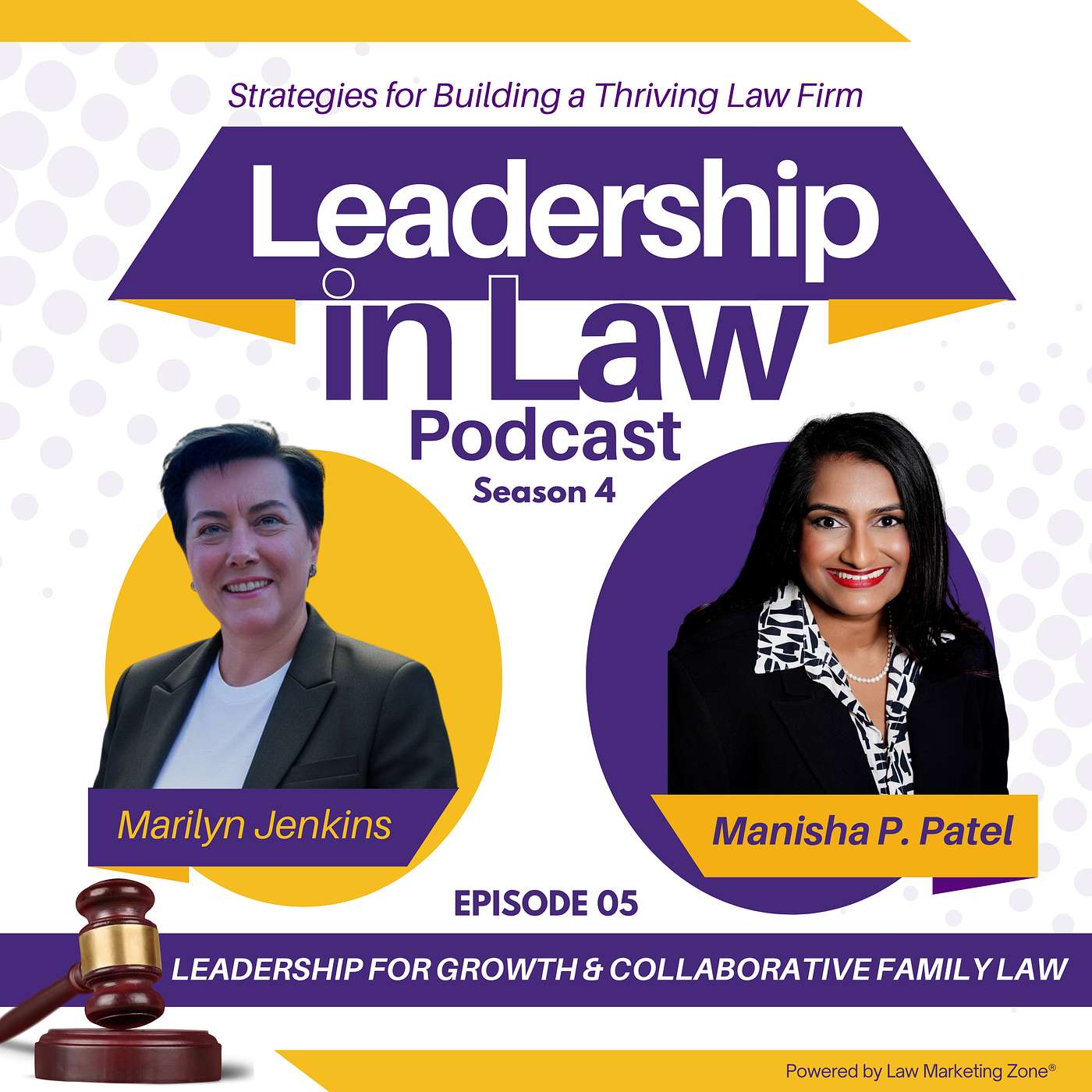 S04E155 Bar Leadership for Growth & Collaborative Family Law with Manisha P. PatelLeadership In Law Podcast · on Mediation71 / 100
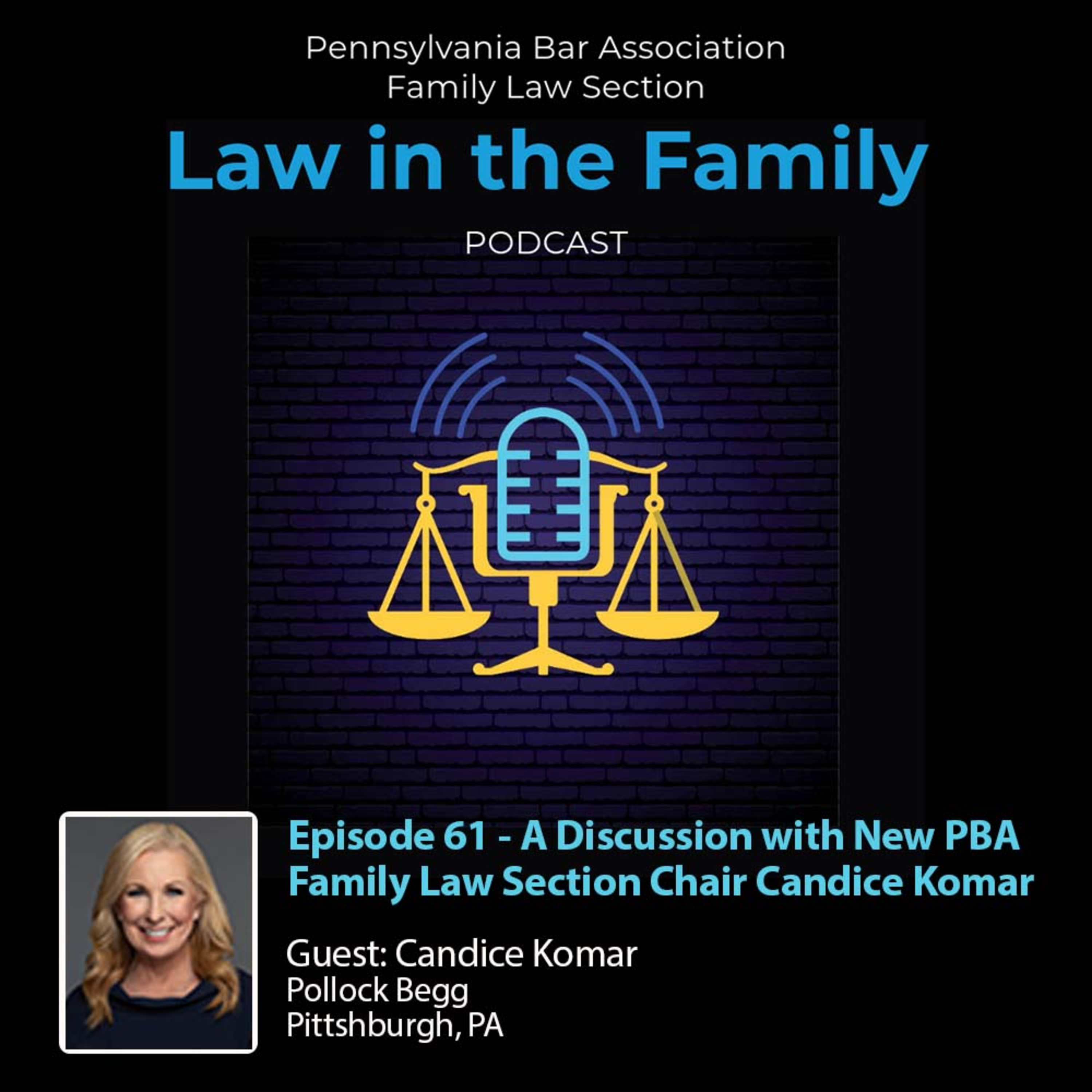 Episode 61 - A Discussion with New PBA Family Law Section Chair Candice Komar | Candice KomarLaw in the Family · on Mediation58 / 100
 Meet Jason Marsili - a Leader Who Exudes Quiet Confidence and Leads with Compassion and Genuine CaringLeading in a Lonely World · on Mediation58 / 100
 Your Culture Is Either Building Resilience, or It’s Breaking It with Dawn WestmorelandShocking Profit Podcast · on Mediation50 / 100
 Tips on Handling Business Disputes from Goosmann Law Firm Trail AttorneysLaw Talk with the Flock · on MediationEp 223, Honest, Calm, and Empathic Conversations80 / 100Ep 217, The Stories That Build Us: Creating Healthy Workplace Culture64 / 100Ep 216, Failure Is A Component Of Success69 / 100Ep 215, Responsible Interaction With AI77 / 100Ep 214, Strong Microcultures Build Thriving Organizations79 / 100