
Beyond UX Design · 2026-05-22 · 14 min
We've all been in that meeting: the one where everyone nods along and nobody says the thing they're actually thinking. That's not a personality flaw. It's a bias. This episode of the Cognition Catalog breaks down social desirability and what it's quietly costing your team. Have you ever walked out of a meeting knowing you should have said something, and then watched the project stumble over the exact problem nobody brought up? This week on the Cognition Catalog, we're talking about social desirability bias, and no, this one isn't just about user research. It shows up in every standup, every retro, every meeting where somebody asks "any concerns?" and the room goes quiet. Most teams deal with this constantly. They just don't have a name for it.Social desirability bias operates through two mechanisms: impression management, the conscious effort to present yourself favorably when you feel like you're being evaluated, and self-deceptive enhancement, a subtler, largely unconscious tendency to give positively biased responses without even realizing it. The tricky part is that it doesn't feel like a bias when you're in it, it feels like reading the room.
 Ambiguity Effect: The Hidden Reason Your Roadmap Keeps Playing It Safe54 / 100
 Build a Career That Outlasts Your Next Layoff with Frank Bach
 Illusory Correlation: The Bias That Turns Coincidence Into Conviction
 You're Not the Center of the Corporate Universe with Andy Vitale
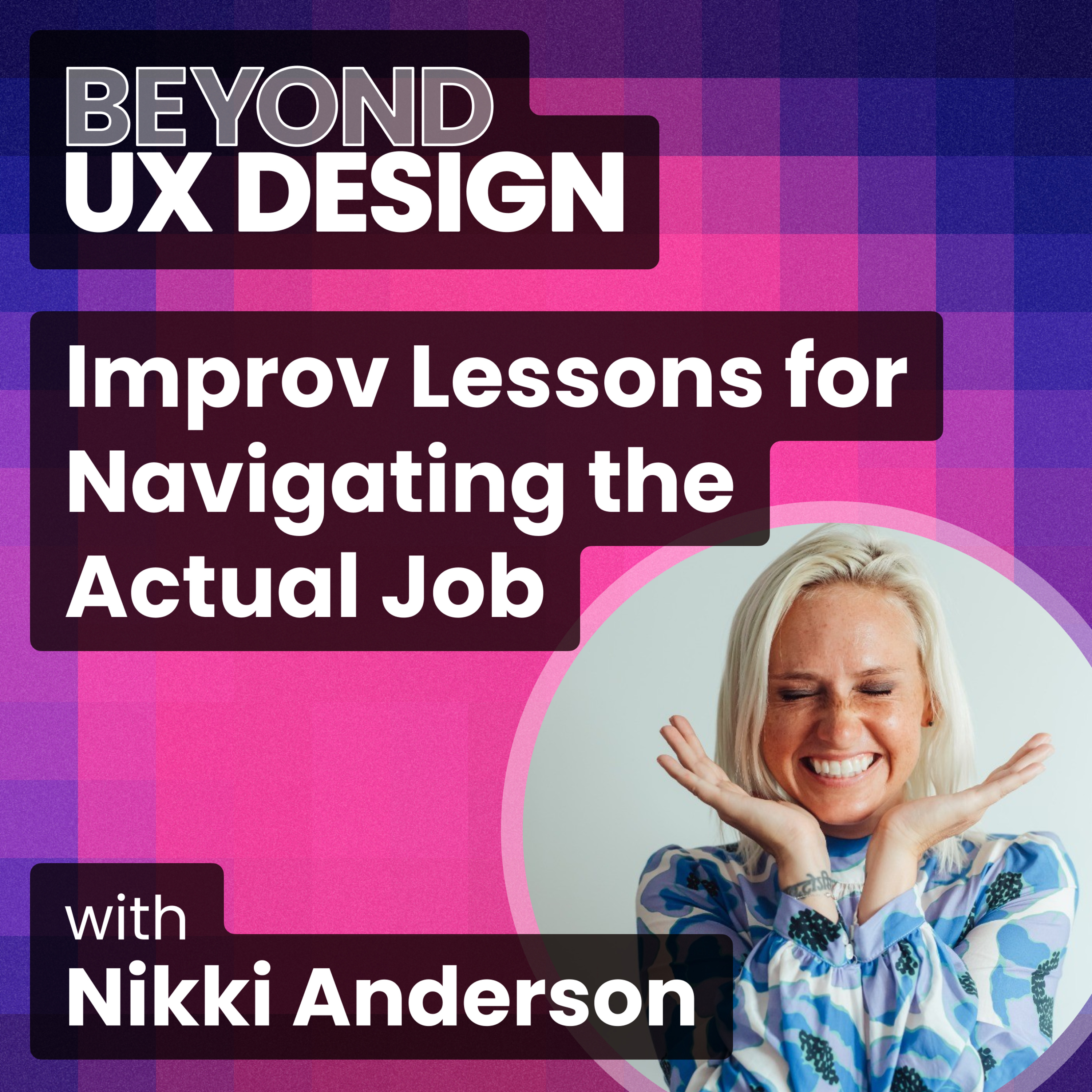 Yes, And... Now What? Improv Lessons for Navigating the Actual Job with Nikki Anderson