
Behind the Boardroom · 2025-12-11 · 1h 24m
Key moments - from our scoring
Substance score
46 / 100
Five dimensions, 20 points each
Keith Rosen, CEO of Profit Builders and coach to over 3 million managers and salespeople across 75 countries since 1989, delivers a masterclass on transforming sales leadership through coaching. The session tackles the 76%-to-17% gap: while companies changed how they buy post-COVID, most haven't changed how they sell. Rosen emphasizes shifting from selling to serving, developing compelling reasons (not just features or benefits), and leading with questions rather than pitches. He addresses the confidence paradox - arguing confidence must be unconditional and separate from results - and reframes objections as signs of interest requiring coaching questions rather than overcoming. For sales leaders at Microsoft and beyond managing large client books, Rosen offers practical frameworks: the 'so what' test for value propositions, qualification questions that explore cross-departmental impact, and springboard questions that uncover true customer definitions of success. The hour covers grit, authentic relationship-building in hybrid environments, and the core principle that assumptions kill deals.
A compelling reason is the end result of the benefit - the benefit of the benefits. While benefits describe what you do, a compelling reason answers 'what's in it for me' in 30 seconds and passes the 'so what' test, helping prospects understand the tangible outcome they'll achieve.
Objections are signs of interest, not obstacles to overcome. Rather than defending your position, ask springboard questions to help customers solve their own challenges. This shifts from an adversarial position to a coaching approach where the customer owns the solution.
Unconditional confidence is a choice independent of results - 'I am confident because I am confident' - rather than letting external wins and losses dictate your internal state. This separates confidence from performance so rejection doesn't erode your ability to serve the next customer.
First, establish how much time you have available to keep your presentation aligned with their schedule. Second, ask what's most important for them to cover in that time to ensure you address their priorities rather than assuming how they prefer to buy.
While 76% of companies changed how they buy after COVID - including procurement processes, decision-maker numbers, and purchase factors - only 17% of companies changed how they sell, creating a massive misalignment.
Our reviewer’s read on each dimension, with quotes from the episode.
The episode contains a handful of genuinely non-obvious ideas - the subject-matter-expertise-as-liability paradox, the fear/assumption sibling framework, and planning for externalities in time management - but they are heavily diluted across 84 minutes by extended personal anecdotes, motivational platitudes, and repeated 'I'll send you this' signposting. The insight-to-filler ratio is poor for the runtime.
You being the subject matter expert is actually sabotaging your sales.
fear is two dimensional, there's the feeling of fear, which is very, very real, and then there's that which we fear
A few reframes are useful - objections belong to the customer, not the salesperson; unconditional confidence decoupled from results - but the bulk of the content (grit, asking questions instead of pitching, values alignment, serving vs. selling) is standard sales coaching material that has circulated widely for years. The Hafez quote is borrowed rather than originated.
Salespeople don't overcome objections. Prospects and customers do because it's theirs.
You being the subject matter expert is actually sabotaging your sales.
Keith Rosen has legitimate long-term practitioner credentials - 30-plus years of coaching, a verifiable Microsoft engagement that produced the company's highest-rated NSAT course, and published reference-standard books - but he is fundamentally a career coach and author rather than an operator who scaled a revenue function, which limits the depth of first-hand operational evidence he can offer.
Keith has also worked with Microsoft since 2009. Um, and he launched our first global coaching initiative that Microsoft ever had, uh, which became the highest rated course ever in Microsoft
Since 1989, Keith has coached over 3 million managers and salespeople on 6 continents in over 75 countries
Statistics are cited only with vague attributions ('a statistic I actually heard recently,' 'I just read a study') and never sourced; the primary evidence throughout is personal anecdote. A small number of concrete heuristics (40-minute meetings, seven usable hours in a ten-hour day, eight routine iterations) add marginal grounding but do not substitute for verifiable data or named company examples.
while 76% of all companies change the way they buy after Covid...but only 17% of companies have changed the way they sell. And that's a massive disconnect
like, 80 80% of companies are just totally clueless about how to leverage AI
The session is a corporate training event rather than an adversarial interview, so the host is consistently deferential and leaves unsourced statistics entirely unchallenged. However, two attendees - Leisha and John - generate substantive follow-up questions that deepen the discussion meaningfully and prevent it from being a pure PR monologue.
do you think there's a value shift in the expectations of what the seller knows about the company
are they closing themselves off to future opportunities by assuming too much from the information they have?
Computed from the transcript - who did the talking, and the words that came up most.
If you want the secret to becoming a sales champion, stop changing what you do, and start changing how you think. Top salespeople upgraded their thinking from pitching to partnering, selling to serving, closing to caring, convincing to collaborating, fixing to facilitating, and pressure to creating possibilities. Check out this session with the sales champions at Microsoft.
Transcribed and scored by The B2B Podcast Index.
Charlotte: Thank you for joining. Um, we're here with Keith Rosen. Keith is the CEO of Profit Builders, which has been named one of the best leadership coaching organizations in the world. Uh, he's joining us to share his experience, um, but also to help us to be more efficient in selling, um, to manage and balance our time better, um, and for the coaches amongst us to coach more effectively as well. Since 1989, Keith has coached over 3 million managers and salespeople on 6 continents in over 75 countries. He's the author of Coaching salespeople and um, into sales Champions, the number one best selling sales management coaching book on Amazon, and Sales Leadership, which was named Amazon's 2018 Sales Leadership Book of the year. And also this little book, uh, own your day, which people in the room have got their hands on a copy and anyone who's not in the room will be sending them over to you or you can pick them up when you're next in the office. Um, a lot of what we'll be talking about today will be from this book. We will also be sharing some resources and some sneak peek of things that Keith shared with us after the session too. Um, Keith has also worked with Microsoft since 2009. Um, and he launched our first global coaching initiative that Microsoft ever had, uh, which became the highest rated course ever in Microsoft on our NSAT school. So well done, Keith. Um, Keith, it's an absolute pleasure to have you here. Um, I don't know, add, um, anything to my little intro then.
Keith Rosen: I think you did a wonderful job.
Charlotte: Great.
Keith Rosen: Um, my wife may disagree with some of the nice things that you shared, but other than that, that's what happens when you're married 30 years.
Charlotte: I'll send you what I wrote if you want. That would help. So I also just wanted to add how we became connected. Um, and I owe that to Helena, really, who read one of Keith's books, one of the other two that I mentioned. I, um, and I like this story. Um, Helena reached out to Keith on LinkedIn and they got chatting and from that, uh, Helena introduced Keith to me and we got chatting and here we are right now. So, um, the power of just reaching out to people and saying, hey, I liked your book, or could we talk about this? Did you want to add to that story then?
Helena: Um, I'd just like to say it was during COVID Um, and the book, actually there was a line in the book that I read to my kids which tells you this is transferable everywhere, folks. Um, and I reached out to Keith and said, you know, what just made my day, and I really enjoyed it. And he was kind enough to come back and say, well, thank you for that. And we've stayed in touch over the years. So we're really delighted to, uh, bring Keith to you today. Um, the power of LinkedIn only works if you're reaching out to the right people. And Keith is one of the right people to reach out to, because a, uh, really good guy in all respects. I encourage you to follow him on LinkedIn. Um, he's got great content and great shares that he does, and we're delighted to have him here. And, um, as I said, the chat, he's pretty cool, too. He's a real cool dude. So if nothing else, we're getting to spend an hour and a half with a really cool dude. So, really looking forward to today.
Keith Rosen: Appreciate that. And Helena, thank you so much. And I just want to shout out real quick to Helena and Charlotte for making this happen. Uh, it was Journey, and, uh, I really honor their commitment to your support. Uh, and that's why we're here for you guys. Um, and I'll just share one more thing. Uh, just a little deprecation on myself because, uh, as I always would share with leaders like you, if I want to honor my, my, My core, core values of making an impact, I work with you. If I want to feel like I'm beaten down to a knob, I'll just hang out with my family. And I remember when my kids. I have three kids. My oldest is Jessica. I have twins, boy and girl, Jet and Nicole. And I remember when my youngest daughter, Nicole, and she's a little pistol, we're in the kitchen and, uh, we're having a conversation, and. And I was just joking around about Austin Powers. And they're like, I'm an international man of mystery, guys. And my daughter, in her, uh, kind words, responded with, no, dad, you're a local man of nothingness. Gotta love your family to make you feel good, guys. So, with that, we're gonna kick it off. And, uh, Charlotte, I'm gonna turn it back over to you.
Charlotte: Absolutely. And it gives me great joy to say there'll be no PowerPoint today. Not one. Not even a placeholder.
Speaker D: Not one.
Charlotte: And that was something that Keith and I agreed on for the Web go. So what this is going to be is an interactive session. So we've got, um, a number of questions that Keith and I have worked on. Um, and they are there to inspire, uh, interaction, coming up with things, talking amongst ourselves. Keith's going to give us some Pointers as well and also share a lot of his wisdom. Um, so should we get cracking? Does that sound okay? Um, so people in the room, I just encourage you to just call out people on the phone. We are pretty well disciplined at using the raise your hand button. But I would also say, you know, if we're missing any of the hands, we'll try and get round to everybody. But if we're missing them, do just come off mute and call out as well. Let's make it a really energetic motivating session and we'll get cracking. So, um, the first question I wanted to start with is, and this is around selling, um, and this is around how to coach customers to succeed, which sounds good for all of us. So, Keith, what do you mean by the greatest salespeople are skilled operators of new selling opportunities?
Keith Rosen: M I, I've, uh, having worked with so many leaders for the last 30 years, when, uh, I started my coaching practice, I was initially working with great salespeople here like you guys. And, uh, as I was working with them and helping them develop their skills and helping them become more successful, the gap between was more obvious and pre Covid. Uh, it was one thing how to train and develop leaders and salespeople. Post Covid. It's a new game. And there was a statistic that I actually heard recently where, uh, while 76% of all companies change the way they buy after Covid procurement, number of decision makers, factors they make in terms of making a purchase, prioritization, they have changed the way they buy, but only 17% of companies have changed the way they sell. And that's a massive disconnect. So what I have found is, as I work with leaders on being great coaches, the secret to being a great sales leader and salesperson is really transforming into a great coach. And it's making that transformation from seeking to sell versus seeking to serve. And how this manifests in your conversations is really what I have recognized as the predominant sales and leadership strategy today, which is care. Because that's what people want more than ever. We have never been this disconnected ever in our lives. Everyone would agree we would always love to be face to face, but unfortunately, we're living in a hybrid world. Uh, today, people more than ever need that personal connection. And as a result, the conversations have evolved to become more personal. I mean, I spend an hour with a customer, a new customer, uh, where before we would probably spend five minutes warming up, now it's probably 20 minutes. And if I'm sitting here with the background, we're talking about 20 minutes about hobbies and music and kids and family and their personal challenges before we even get to the business. Because that's what people want most. So making that transformation to becoming a coach is more about seeking to understand, really putting that person first, detaching from your agenda, even with all the pressure that's on you to really serve other people selflessly.
Charlotte: Thank you. Keith, any questions around that? Any tips? Keith, you have any tips? Because that sometimes isn't everybody's comfort zone, especially when we have a vast number of clients and we don't. We have quite large books of business, and we don't just look after a handful of clients. So any tips as to how we can be really authentic? We're really busy as well. Often clients won't give us a ton of time. Any tips as how to authentically really nail that piece to help us build those relationships?
Keith Rosen: I think if we take a step back for a second, if we're looking to build our business and do business development and prospecting, uh, without getting too deep in it, the first thing that every organization needs to develop are their compelling reasons. And you'd be surprised. Regardless of the size of the company I'm working with, most companies do not have their compelling reasons. They have benefits, they have features. But that's not a compelling reason. A, uh, compelling reason is the end result of the benefit. In other words, the benefit of the benefits benefit. And this takes time, and I would implore every team here to work together on creating these. So let me give you a quick example. Uh, if you were to ask me, keith, what do you do? I'm a coach now, you know, and you can assess whether or not you've nailed your compelling reasons if it passes the so what test. So I'm a coach. So what? Well, that didn't pass the so what test. Let's clearly onion. Let's go a little deeper. Keith, what do you do? Uh, well, I work with salespeople and leaders. So what? It doesn't pass the so what test? Let's peel away one more layer. Keith, what do you do? Well, I work with salespeople and sales organizations to help increase sales by 22% within six months while improving customer, uh, retention by 25%. Does that pass the so what test? Absolutely. The end result of the benefit, when you're initially talking to a prospect, they don't care who you are. They don't care what you do, they don't care what you're selling. They don't even care how you're going to implement it. All they care in the first 30 seconds is, is what's in it for me. And if you can't deliver that compelling reason in 30 seconds, that's going to inspire them to listen to you. That's when our prospecting falls off. The other thing that I see when it comes to prospecting is, and again, having worked with Microsoft since 2009, traveled the world for you guys, and launching the first coaching program, I've noticed that, uh, you know, there's always the history of salespeople that like, uh, to show up and throw up. Hey, Mr. And Mrs. Customer or Mr. And Mrs. Partner. I have 250 slides here that I'd like to share with you in painful detail. I don't really care what's important to you, it's important to me. What's the difference? What are, what are leaders using now? What are salespeople doing now? They're leading conversations with questions, not a pitch. So that could start like Mr. And M. Mrs. Customer, thanks so much for your time. Just so I'm mindful, how much time do we have for our today's meeting? Now, you guys know as I do, you walk into an hour meeting, all of a sudden you may hear, hey, listen, I only have 30 minutes. I want to establish that right up front so I could keep, uh, maneuvering and negotiating the presentation and the information I want to deliver. The second question I'll always ask Mr. Or Mrs. Customer, within the time we have, what's the most important thing you'd like to cover? If we don't ask these questions, we are selling like we buy, which is a massive trap for salespeople. Well, I know how I like to buy. I'm assuming that this is how other people like to buy as well. And it's our responsibility to align our selling process with how buyers like to buy. So I've seen that change, and I've also seen the quality of the qualification questions change. So it's not just about, well, tell me about your current situation and tell me about your current, uh, solution. Uh, and, you know, if there's anything that, uh, you know, you would like your current solution to do better, what would it be? You know, those are your basic sales questions. Rather than, how is this impacting other departments? How is this impacting other priorities in your organization? How is this impacting the way you sell and collaborate with other departments so you can achieve the results you want? What's the impact on other metrics that maybe you're not measuring this against? Those are different Questions that we may not have asked. And by the way, guys, you're getting all of these, so I'm going to be sending them to you all. So I hope that covers a few, uh, specific things that you guys can take away.
Charlotte: Charlie, I did put an air clap over here when you said you're sending in the questions, so that's a winner. So really good points there, Keith, and I'm sure there are some burning questions, so do add them in as we keep as we're going. What other common traits and skills do you see in really successful sellers? You've met millions across the years. Uh, what would you say are those common traits and skills that put the best of the best right up there?
Keith Rosen: There's a few things, and the first word that really rises, um, to the top is grit. You know, grit is different from perseverance, tenacity. Um, grit is that next step. It's being able to push yourself way outside of your comfort zone to do the things that you may not know the outcome to, but it's still honoring your core values and commitments. That level of grit is what prevents any salesperson from being beaten down by rejection or customers. That level of grit is actually what will continue to maintain your confidence. And since we're talking about confidence and it's one of the things that. Uh, Charlotte, back to your question. What's the. One of the biggest differences that I see in salespeople and the top salespeople? Uh, well, aside from that, the top salespeople communicate more effectively. Because to me, leadership and sales is a language, and the language is coaching. So your job is complicated enough. My job is to simplify it. Whether you speak Italian, uh, German, uh, we're learning in the language, and the language is coaching. Now, if we take a. If we shift here back to confidence, I want to be very clear, and I'm looking at everyone in the eye. Now, you have all been lied to your entire life. You've been lied to your entire life about what it means to develop confidence. Now, feel free for anyone to jump in if you don't agree. But if you think about how you develop confidence, what does that look like? Well, Keith, when I nail a result or I close a sale, oh, my confidence goes up. Oh. So basically, confidence is based on results. Okay, well, let's play this out. Salespeople sells a deal, Their confidence is high. Okay. Confidence is high. They go out on another appointment. They sell another deal. Oh, uh, they're feeling really good. Confidence is high. They feel they're fearless. They're ready to serve another client. They go into the next meeting, bang, they close that client as well. So now their confidence is an all time high. Oh, they just got a notification that one of their clients isn't renewing. What does that happen to their confidence? It drops. Confidence drops. Kind of questioning yourself, is this me? Go on another appointment, not feeling assured of yourself. Miss that opportunity, what happens to your confidence? It drops again. We are surrendering our personal power to external conditions we have no control over. So this is really the inner game of sales is what if I share with you that to develop the unconditional confidence of a champion is just the choice. Now, I know that may challenge you because. No, no, no, Keith, I need to produce something to build my confidence. Okay, well, what's the antithesis of that? If you don't, your confidence goes down. So try this on. Um, I'm confident because I'm confident. That's it. Without the results to support it. Now, I'm not saying. Are, uh, you telling me, Keith, I shouldn't strive for excellence? Absolutely not. But that's distinct from confidence. Confidence and results need now to be separate. They cannot be connected to each other. That's how you develop the unconditional competence of a champion. And it's not like again, you're still going to strive to achieve, achieve your goals. And beyond those goals, it's just not a reflection of who you are. Okay, so I, I've never mastered looking at 80 people in the eye yet, or 40 or 30. But imagine I am. And I want to be very clear that you have already proven yourself. You have already proven your worth. Everything else is just continuing to achieve your goals and better your best. So one of my favorite quotes, and I'll wrap up on this is by a Persian philosopher named Hafez. And the quote is, I am happy before I have a reason. And if we make our happiness and confidence conditional, that's sad because now it's. Once I achieve this, then I'll be happy. Once I make my quota, then I'll be happy. For how long? Five minutes. And then the counter resets. No, once I achieve my goals, once I buy the new house, the new car, the new toy. Oh, uh, then I'll be so satisfied. That's sad. We're allowing external situations to dictate our internal condition. And this is a great example of not a go do of coaching, but this is a go be.
Charlotte: I love that. Go B. Thank you, Keith. We've got a few questions coming in as well now, so I into Some of those. A few comments as well, actually, which is, um, uh, I'm happy before I have a reason. So simple. Exactly. And I love this analogy of confidence. There's some really great feedback here. Raquel said the first two things she learned when she started in sales. One, people buy from people. Two, as a salesperson, what's in it for me? Um, Raquel's my vintage. Um, and then a couple of questions here. So John, do you want to ask yours?
Keith Rosen: Yeah, yeah.
Speaker E: How's it going, Keith? John? Um, yeah, kind of nature of the question. Right, so to your experience of like 3 million salespeople and have gone through a few sales trainings myself. What we do within the advertising side of things is very consultative. Right. It's not, uh, sign on the contract. It's done. Renewals piece, they come back day after day based on results. And so, you know, one of the previous sales trains, I did use the comparison between like double glazing salespeople. Right. Who chap on the door. They make the sale and they don't. And they can be pushier because they're never coming back to that house. Right. They're not really focused on renewals. That's a one and done. So as you were talking about the experience, I was just thinking about you've got the 3 million, you've got the most consultative team you've ever worked with. And then the ones that are maybe chapping on the doors, they don't care about the, you know, coming back. What are the similarities that apply to that full spectrum
Keith Rosen: related to the distinction and what it means to be a
Speaker E: consultative coach relates more to what does good look like there. Like the best door to door salesman all the way through to the best consultant. What do they have in common?
Keith Rosen: Uh, ah, uh, I could share a personal experience on that one. When I was in college, uh, my first sales job was knocking on doors. And I, uh, was out there and literally we would have a, uh, canvas leader. And, uh, the canvas leader would drop us off in an area and we would be knocking on doors, trying to generate leads. Uh, you can imagine how many doors are slammed in your face. But it was probably one of the best experiences I've had when it comes to building strong skin and really building that level of grit. Uh, from there, um, I was, uh, trained on product knowledge and a pitch. The pitch was universal. The pitch was something that every salesperson was trained on. Did it work?
Speaker E: Sure.
Keith Rosen: Otherwise we wouldn't use it. Did it work for everyone? Not at all. So this was my first Foray into sales. From there, I built another organization. I owned a design build company. And I learned very quickly that the real power of selling is not in serving and providing solutions. The real power of selling is asking questions. And it's not just about asking the right questions. It's about asking the questions. It's about asking the right questions. So I always implore any salesperson and any team to say, and this is a great exercise is, uh, for any team to say, okay, guys, what's the information that we need to know about every single prospect and customer that we speak with? And of course, you guys will make a pretty long list. The impact now is what questions can we ask to get the information we need? So now it's going to that deeper level of really understanding are we really asking the right questions? And this bleeds right into objections. And this is a perfect segue. Uh, I don't suppose anyone here runs into any objections in sales. My sarcasm translating. Okay, how do you overcome an objection? Typically, what do we hear? Well, Mr. And Mrs. Customer, I appreciate you m sharing that with me. Thank you. I know that's really important. Uh, let me share, you know, my response to that or however you do. Typically, the response is, oh, a salesperson gets an objection, I need to overcome it. No, that is another misnomer and myth about sales. Think about it. If someone gives you an objection, which by the way, in my opinion is a sign of interest, it's their objection. So who are we to try to overcome it? Salespeople don't overcome objections. Prospects and customers do because it's theirs. And once we try to take it on and try to defend our point, we're creating an adversarial position. And now we're responsible to try to overcome their concern. And in pure coaching form, it's about shifting from being the chief problem solver, whether you're a manager or a salesperson, to being that coach so people can solve their own challenges. So for example, if a customer says to you, listen, um, I need a really robust solution that I can scale easily, that's going to give us the ROI that we need. Now, typically, a salesperson might viscerally react and say, oh, well, that's great. Thank you for sharing that information. Let me walk through how we can achieve that. No, no, before you do that, we need to ask what I call a springboard question. Mr. And Mrs. Customer, thank you for sharing that. You, uh, mentioned something that's scalable, that you can roll across the organization fairly, you know, fairly systemized, uh, and you also mentioned to achieve your roi, you speak more of what that would look like. We're not doing that. And here's why. Assumptions kill. Assumptions are the root cause of every lost cell, strained relationship. Okay. Uh, departmental, uh, silos. I can keep going. Assumptions kill. So if we're making certain assumptions about what the customer needs, we're going to act on those assumptions based on what we think is important, not what they think is important. So by asking these questions, you know, Mr. M and Mrs. Customer, you mentioned you want exemplary customer service. Well, interesting. Microsoft. That's exactly what we pride ourselves on. Well, that sounds great, but do you have any idea what exemplary customer service looks like to your customers and prospects? No, you do not. You are assuming that exemplary customer service is the same definition that I. That they share. We get in trouble. That's where the assumptions destroy sales and conversations. We need to be mindful that we have to, uh, realize, uh, that we all define words differently. Challenge, pushback, stress, overwhelm, successful engagement, great service, a product that's going to give us the results we need. I have no idea what those mean to that customer. We know what it means to us. But if we respond based on our definition and not their definition, the conversation will derail. Rather than going deeper and asking that springboard question, which really helps clarify what they just said, which is, Mr. And Mrs. Customer, when you say you had a bad experience with another vendor that you don't want to have, again, would you mind sharing what that looked like versus I'm so sorry you had a bad experience. Let me share with you why you're not going to have one with us. Okay, so I'm seeing a lot of this now. And by the way of springboard questions
Charlotte: as well, uh, you froze a little bit there, but I think what you said was you've shared a bunch of springboard questions as well.
Keith Rosen: I will be sharing them with you.
Charlotte: Happy faces. Steph, that was kind of your question. Does that, uh, answer your question? Exactly my question. Thank you so much. Thank you. So, another question, uh, from me. Uh, so there's a lot of pressure on sellers, um, as well as constant change, probably no more than at the moment. We are living, breathing the evolution of AI day in, day out. So how, as sellers, can we embrace that intensity? Uh, so it doesn't paralyze us, but we make it our greatest strength.
Keith Rosen: Uh, interesting. So without doing a deep dive on AI because you guys are the experts on that, uh, it's. I again, just read a study on it that, like, 80 80% of companies are just totally clueless about how to leverage AI. All right, um, putting that aside, to me that looks like a massive opportunity. Uh, again, that's something that a lot of companies are struggling with. And of course that leads to fear. How do we do this? What are other companies doing? What are they doing to leverage AI? Where are we at compared to our competition? That's all fear. So if I ask sales leaders, what do you fear? Does fear paralyze you?
Speaker E: Sometimes?
Keith Rosen: Most of the times I'll hear yes. And then I would share with them. What if I said fear is never real? Fear is never real. What do you. What do you mean, Keith? I'm. I'm worried about hitting my quota. I'm worried about onboarding my new. My new people. I'm worried about retaining my talent. I'm worried about retaining my customers. How can you say fear is not real? Most. Well, most people, if everyone that I speak to don't realize that fear is two dimensional, there's the feeling of fear, which is very, very real, and then there's that which we fear. The feeling of fear is very real. For example, if you're doing a presentation, uh, you know, before you deliver that presentation, you might have those butterflies in your stomach or that stress in the back of your neck or your palms, um, start getting sweaty. That's normal. That's a physiological reaction. However, that which you fear, and I don't often talk in absolutes, is never real. Why? Now I'm going to get real cerebral on you guys. Think about the. Think about the three points of time. Past, present, future, now. Think about where we live most. For some of you, you might say, well, we live in. We live in the present. Some of you might say, well, no, no, Keith, we live in the past, so we live in the future. Yeah, that's pretty much where most of us live. We can all agree we physically exist in the moment, but where do we live? Most leaders and most organizations, they're not in the past, they're in the future. They're always focusing on what's next, the next quote of the next deal, rather than what's now. And the last time I checked, now is where also life happens. So this is not just an occupational hazard, because we all have a target on our back and we're all literally living in the future. And I would challenge you to save 95% of your waking hours. You're living in the future or living in the past at the cost of the present. Now, I'm sharing this with you. To give context around fear. The feeling of fear happens in the moment, that which we fear is happening in the future. It could be a second in the future, an hour, two hours, a day, a week, a month, a year. It's still future based. So the only way we can pull ourselves away from fear is by bringing ourselves back into the moment. Because their fear can't touch us. And here's something that I want to make sure I drive home. Uh, and if there's one thing to leave with, it's really challenging you and challenging your customers with the assumptions that they make. Okay, I'll give you a great example of a question I always use when I am, uh, before diving into a conversation or a presentation. Mr. M or Mrs. Customer, how much do you already know about. Fill in the blank. Mr. And Mrs. Customer, how much do you already know about Microsoft? Mr. And Mrs. Custer, Mr. And Mrs. Customer, how much do you already know about our solutions? If we don't ask those questions, we're going to make assumptions about what they know and what they don't. And the worst thing a salesperson can do is share information that the customer either knows or is not interested in. Because once that happened, their listening shuts down. So going back to fear and assumptions, they're actually siblings. Think about what fear is and think about how I define what an assumption is. It's a past experience that we then project as the future anticipated. Mostly negative outcome. For example, um, well, the last time I had that conversation with that customer, you know, it didn't go very well. Uh, now I have to call them again. So I'm sure the same thing will happen. Past negative experience projected as a future anticipated negative outcome. What's fear? Well, some of you may know a person who might have been bit by a dog when they were young. What's the story you hear? Well, when I was younger, I was bit by a dog. Past experience, projected future negative expectation. I don't want that to happen. Again, fear and assumptions are siblings. The only way we can eradicate them is by justifying, um, our assumptions through questions and again, bringing ourselves back into the moment. And I will actually challenge you guys on something to consider. If I went out on a sales call, and again, I'm not an expert in your business. You're an expert in your business. If I went out on a sales call, I'd probably be able to ask better questions than you. Now, I'm not saying that to be presumptuous, and I'm not saying that because I have 30 years of doing this. Consider this for a second. You being the subject matter expert is actually sabotaging your sales.
Charlotte: Huh?
Keith Rosen: Uh, that's a paradox. Well, let's think this through. If I go on an appointment with one of your customers, I don't know anything about them. I don't know much about your products and services. All I have are the questions. So I'm just going to ask tons of questions. Conversely, you guys are the subject matter experts. You walk into a meeting, you're already making assumptions about. Oh, Keith, I know what my customers want. I've already know what their objections are. I've heard it a million times. If we are walking in with what I call already knowing rather than I don't know, you're no longer asking the questions because you're filling them in with assumptions. So I hope that's landing on you guys.
Charlotte: Well, could I. Yep.
Speaker D: Hi Keith, Leisha here in the room. Um, just a follow up question, actually. It's in relation to something you mentioned at the start and ties into the assumptions piece. As we have more and more information available to us around people, companies, everything else. And there's shifting demand or shifting perceptions of how people buy and how people sell. Do you think going back to that example of if you were to go into call and you knew nothing about the client, do you think there's a value shift in the expectations of what the seller knows about the company? So for example, I wholeheartedly agree that we should be going in, asking questions and opening up and trying to get as much information as possible and really listening to what their needs are. But is there also shifting or a balance to keep in mind of Some pre work will better direct you to go down the right direction, but also build some trust and showing that you're truly, you've done your homework, you're interested in the client and you haven't shown up to call. I don't know. Have you seen that shift? Particularly as we have more and more information available?
Keith Rosen: Actually yes, I have. And I think that is an advantage today, especially using A.I. uh, for example, let's say you go on their website, you do some research, right? And, and uh, you have all this research. Say you have two pages of information.
Charlotte: Well,
Keith Rosen: one thing you could do is take all that information, run it through your platform and uh, say what are the best qualification questions that I can ask this customer to help uncover their needs?
Speaker D: And do you think then there's also another thing to keep in mind of avoiding the assumption trap. So let's say someone was to go through that, are they closing themselves off to future opportunities by assuming too much from the information they have? And what are some checks and balances to keep in place?
Keith Rosen: And that to me is you read it and then you need to validate it, and you validate it with the question. Uh, and to me, that's distinct from what we're focusing on now. Just doing the research upfront is, uh, distinct from the example I gave you. That's more about in the qualification process. Uh, and just for the example, however, uh, today, because we have so much information available at our fingertips, um, customers expect you to know about them before you call. They expect that now. So, you know, tell me a little about your business is not the question you really want to ask these days. It's more about, hey, here's what I understand about your business. Please correct me if I'm often. Anyway,
Speaker E: just small, um, aside and anecdote to push that example. Like, JB and, uh, I were going into a client meeting and we did the whole researcher thing. And then so we asked a very knowledgeable, pointed question and the client looked at us and was like, huh, what's that? Oh, I think that's that team over here somewhere. So it's like you can over prepare.
Keith Rosen: And they're like, oh, no, backtrack.
Speaker E: Okay, well, what does success look like for you,
Charlotte: Keith? We have an agent which is part of Copilot, uh, our AI tool. And, uh, hence the point of the chat here, uh, it can do a lot of this stuff for us. Sometimes too much. Great stuff. Thank you. Um, any further questions for Keith there? I will go back to, um, some that we prepared. I'm going to switch gear a little bit now and start talking a bit more around the concepts of in the book.
Keith Rosen: It would be pretty strange, uh, Sharla, if we didn't have time to talk about time management today.
Helena: Right.
Speaker E: For the course, really.
Charlotte: So we're going to talk time and life mastery, um, because it's all very well and good being a great salesperson, but if we don't plan our time right, none of this is going to be any good anyway. So, um, so you talk about own your day. What does it mean to you, Keith, to own, uh, your day? What does it mean?
Keith Rosen: I'll share, uh, an experience that I had to really reinforce this point. Uh, this was years back. I was doing a keynote. Um, actually it was a panel discussion, uh, one of those morning, uh, business events. A thousand senior leaders, VPs, great salespeople like you guys. And, uh, again, the panel, a Few people. And, uh, Joe Connolly, who was a radio host, was moderating it. And, uh, a question came up for me, and it was really about what I just heard. You know, Keith, you know, in sales, yeah, we have to have the skill and the acumen and the ability to go out and perform and, of course, uh, you know, be organized. But, you know, what ideas do you have in terms of, you know, trying to really better manage your day and be more productive? And instead of responding, I asked the question to the audience. And the question I asked was, how many of you, um, have heard the expression, time is money? And of course, everyone, everyone raised their hand. My next question was, how many of you treat your time like your money? And I continued by sharing. Well, if you manage your money, chances are you either manage it yourself, ah, you have a money manager, a financial planner, um, keep it in a bank, under your pillow. Some way you manage your money. And then the next question I ask is, how many of you manage your money like you manage your time? In other words, how many of you have a daily, structured routine from the time you wake up, uh, to the time you end your day that not only includes the activities you need to engage in to move towards and achieve your business goals, but also keeps your life in balance and harmony? A thousand people in the room. Not one hand went up.
Speaker D: Uh,
Keith Rosen: people. For some reason. Well, I know why people resist routines for a few reasons. Let me share some excuses, Keith. My day is different every day, Keith. I'm inundated with meetings all day. I don't know what my day would look like. Keith. I have fires to put out. How can I schedule a routine when there are. When there are fires? Well, what if I shared with you the number one reason why people don't want to develop a routine is because you're an adrenaline junkie and you love the rush when working on overdrive. I don't suppose anyone here likes that, do they? Sure. There are no adrenaline junkies here. Okay, Pretty much it's almost. Again, it's this occupational hazard. We have so much pressure on our plate. It feels good to wait to the last minute or the last quarter and close that deal. And you get that rush, but you can't sustain that. Adrenaline feels good when you're working off that. The highs are high, but then you crash. We need a consistent energy source, Momentum. The only way you can avoid being an adrenaline junkie and produce sporadic, inconsistent results is by adopting the mindset of momentum. Where you do have that routine, where you say, keith, wait, I have Three hours a day of things that in a million years I couldn't plan for that show up in my day. Well, guess what? Plan for the unplanned. So if you are working a 10 hour day and you're planning 10 hours of activities, you're lying to yourself of how much time you have. So let's look at this as a mathematical equation for a second. If you have a ten hour day, and again I'm making this number up, Three hours a day is consumed with what I call externalities. Things that fly under our radar. Then unless we had a crystal ball, we couldn't recognize them. You don't have 10 hours to plan, you have seven, but most people will plan for that 10 and at the end of the day beat themselves up and make themselves wrong for not getting everything done rather than being realistic and say, you know what? I know stuff's going to happen and I need to be proactive rather than reactive and plan for that knowing how much time I have in a day. So to own your day really comes down to being intentional about what you're putting in your day. Because if we are not intentional about crafting what our days look like, then everyone else and everything else will run our lives for us. And that's the real danger. So you know, and I was just on the phone with another uh, uh, manager. He's like, Keith, I'm back to, back to, back to back meetings. I, you know, I, that's all that's in my calendar. I said, well let me ask you a question. Do you have um, email time blocked out? Well, no, I don't. Okay. Administrative time? Not really. Ozaltine? No, actually no, I don't, um, uh, coaching time. Oh, uh, I gotta get that in my calendar too. We are doing more than just meetings and if it takes up time, it needs to be an appointment. Because if you don't have the appointment, you don't have the commitment. Especially when it comes to prospecting and even on the personal side taking care of you. If you don't build in that time for self care, it will be the first thing that gets thrown out the window. And if it's, and if we're looking at owning your day and owning your life, self care is non negotiable. And I'm not talking just about exercise or eating healthy. I'm talking about doing the things that you love. Spending time with your family, sports, hobbies. Okay. Travel, morning, uh, having a morning routine to get yourself in the right state of mind rather than wake up and just Go right into reaction mode and open up your emails. These are the things that the greatest sales leaders are doing today. And if you think about what I just shared, a lot of these things have to do more with who they are rather than what they do. Because who you are is always more important than what you do.
Charlotte: Keith, I just opened your book and it said eliminate your to do lists. I love a to do list. Why do I have to get rid of it?
Keith Rosen: Yeah, I may get a little pushback from this one. Just nobody hang up on me yet. Okay? Uh, everyone loves their to do list. Everyone loves checking the box off or crossing it off. I'll be the first to say my to do list is over there. But here's the thing. It's small. And what we often do is we confuse and collapse routine activities with a task or a to do. So for example, how would I define a task or what's on a to do list? Um, a light bulb blows in my office. Didn't see that coming. Have to change it. Don't know when it's going to happen. It's a task. Getting, uh, my car inspected. Okay, um, not sure when I'm going to get that notice in the mail or get that text. Got to schedule a time, bring it in to get inspected. It's a one off. Tasks and to dos are typically one offs. If you have on your to do list things like pick up kids after school or um, schedule coaching time or uh, build and prospecting time or follow up with clients, those are not to do's and the reason why is because they don't have an endpoint. If the to do doesn't have an endpoint, where you're always prospecting, you're always following up, you always want to develop your sales and your coaching skills, well, that never changes. You're always doing proposals, you're always having presentations, you're always planning for presentations. Those things don't stop. So rather than put it on a to do, what if you actually schedule those things in your routine? Because now it's actually showing you how much time you realistically have in a day. Because when leaders send me, salespeople send m me a, uh, snapshot of their week. Most of the time I just see meeting, meeting, meeting, meeting, meeting, uh, and a lot of other white space, if any. Um, and I would ask them, are you doing anything else during the day? And just like I shared with you, of course I am. So where is it? It's not scheduled. So just to build off that and one other thing I would, uh, want to put out there with this one manager who I was speaking with and he was really pushing back. Keith, I don't have time for this. I don't have time for this. I have back to back to back to back meetings. And I challenged the VP to say, listen, how long are you meeting? Uh, about 50 minutes. But you know, Keith, sometimes they go an hour or even over and then I'm late for the other meeting and I don't even have time to get my head clear and prepare for that next meeting. I challenge every salesperson. Make your meetings 40 minutes. Make your meetings 40 minutes, not an hour. First of all, your customers and prospects are going to appreciate it. Second of all, I guarantee with more pre call planning and efficiency, you can do that giving yourself a 20 minute break to regroup, get present and prepare for the next call. So, just a few things. When it comes to owning your day, listen, you create the life you want. If you're not creating it, uh, everything else and everyone else will. And they will continue to violate your boundaries of what and how you don't want to be treated.
Charlotte: Great segue to my next question then, Keith, which is with that in mind, what does it mean to you to honor your personal values, your priorities and your goals? There's so many things being asked of us. What does that mean? I think that's really crucial.
Keith Rosen: Yeah, that's a big one. Uh, well, let's see if I can try to laser that one in.
Charlotte: Uh,
Keith Rosen: anytime I've walked into a Microsoft office, whether it was in South America, Africa, India, um, Malaysia, uh, throughout em. Yet wherever I've gone, I always see at some point, whether it's in the lobby or in the meeting room, a plaque or framed picture of Microsoft's values. And they're really cool. Do you guys, um, um. This isn't a pop quiz. You guys know Microsoft's values. You could reflect on that question yourself. Here's my point, though. What if we can uncover each individual's values, including your own? Okay. What if you can uncover your personal priorities? Now, what would be possible if you are able to align your values and priorities with the companies? There's synergy now, okay? There's alignment. Now you can see which direction you're going to a shared goal. If your values conflict, and I'm not talking Microsoft now, but with any other company, for example, if your values conflict with an organization's values, that's a good sign that maybe that company isn't a fit for you. And the other thing, talking about Values is a, uh, value is who you are when you're fully self expressed as a human being. And I would implore everyone here on the call to write out your values and write out your personal vision. Okay? Because without a vision, you're always going to default to fear. Because we know as human beings what we don't want, we're not always clear with what we do on our values, our goals, our dreams. Well, if we're really clear with what we don't want and not very clear with what we do want, our dreams and values and goals don't stand a chance. Which is why it's imperative to get these down. So if you were to ask me, Keith, Keith, what are your core values? I shared one with you to make an impact. Um, family, uh, travel, connection, um, music collaboration, extreme self care, love. Uh, these are just part of my values. Some of them may resonate for you, some of them may not. That's why each of us have different ones. But here's the thing. When you recognize your values, you can now make value based decisions and goals based on your values rather than what I call should based decisions. And if my New York accent came out S H O U L D. Okay, a should based decision is, well, gee, I want to be successful and that sales salesperson's working seven hour seven days a week, so I guess I should do that. But wait a second. One of my core values is spending time with my family, my kids and taking care of myself. Well, then that's not the right goal for you. You have to do what's best to honor your values. And let's now move this into one final thing, which is integrity. Okay? And uh, I know we have a couple of minutes left, so I'm going to share a quick story about integrity and values. Hopefully, uh, to drive this point home, um, as you can imagine, as you can see, I'm a massive music fan. And uh, I remember this is probably eight years ago. I should have pulled out my hat here and show it to you about eight years ago. Um, I'm about 15 minutes from Jones Jones Beach Amphitheater. One of the best, best concert venues I, I've ever been to. The stage is right in the water. Great acts come. You know, my, my taste in music is from classic rock to current rock to fish to grateful that Eric Clapton, Dave Matthews, you know, all over the place. And uh, this was about eight years ago and we were going to see, uh, this was, oh, it was Van Halen concert. Got to see Eddie Jack, first row. So we walk in, and on the left side, there were booths set up, and there was a booth for recruiting for the army. And, um, I was like, check that out. So I certainly deep respect for my military and armed forces. I go, and I'm like, hey, guys, what are you doing? And they're like, you know, you know, we're just, you know, seeing recruiting, seeing if he's interested. But here's the deal. Here's why we're really here, you see? And I was like, what's going on behind you? I saw hats and T shirts and. And like, um, uh, keychains. I'm like, you know, what's that? I want that hat.
Charlotte: I'm a hat guy.
Keith Rosen: I'm like, that's a cool marine hat. I want that. He's like, well, here's the deal. If you want that hat, you got to do 10 pull ups. I'm m. Like, 10 pull ups. Okay, let's see. So I get on the bar. 1, 2, 3, 4, 5, 6, 7, 8, 9, 10. Did that final pull up. Got the hat. Wore that hat all the time. Let's fast forward another eight years. Just happened to me a couple of months ago. Uh, we were going again to see, uh, Dave Matthews this time. And, uh, at Jones Beach. And, uh, uh, I was with a different friend, my friend Steve. And we walk in and the same booth was set up to the left. And, uh, we had a very similar conversation that I had with my prior friend at the last concert we went to, which was Keith. Listen, please don't do that again. You got your hat. Can we just go into the concert? I'm like, I want the hat. He's like, no, no, no. We're.
Charlotte: We're gonna.
Keith Rosen: We're gonna miss the first show. We're gonna miss the opening song. I want to get, you know, get something to eat. You know, uh, it's gonna be crowded to get in. And all I thought of was the hat. He was worried about all these other externalities that he couldn't control. And I was just focused on that hat. I want that hat. So I went back to, uh, uh, the recruiter, and I said, I need a new hat. The one I had has been really worn out. He said, okay, you know the rules. Get up. 10 pull ups. I'm eight years older now. 1, 2, 3, 4, 5, 6, 7, 8. And I dropped. Couldn't do the last two. People were cheering me on, cheering me on. Didn't get the last two. And the, uh, officer said, hey, great job. Here's the hat. You know what I said to him? Don't give it to me. I don't want it. He said, what are you talking about? You came here. You specifically said you wanted that hat. I said, but I didn't earn it. That's integrity. That's keeping ourselves aligned. That's what we need to do to make ourselves whole and complete. When we stay in our integrity, we are honoring our core values. When you are not honoring your core values, you're not in your integrity. And you can tell that when you just feel off. So I hope that ends our time today, uh, with another.
Charlotte: We have a bit longer. We had until the top of the hour, until, I think, 11:00am Your time, if you're perfect.
Keith Rosen: Oh, I'm so excited. We have 20 more minutes. Great.
Charlotte: We've still got a bit longer now. We don't have to use the whole of the next half an hour. I've got a few more questions which I still think will be really useful for everybody. And I think if we end now, we'll miss out on some good stuff. So are you still okay? Are you still okay for another 30 minutes? Keep.
Keith Rosen: I got all day for you guys.
Charlotte: So I've got another question, and this is my third. This is my last one. Around the top time and, uh, the time mastery. And I think this is a good one. So there's often a lot of unplanned events that come at us and they distract us from priorities. They cause us stress, and frankly, they waste a lot of time. How can we get better at identify them when they're coming at us and then how can we manage them better?
Keith Rosen: Um, if you can, Cheryl, can you be more on the court, more like more specific Example?
Charlotte: Yeah. So, you know, you mentioned about in our. In a working day, there's a ton of stuff which we haven't seen. We don't have a crystal ball. We don't know it's going to come at us. Um, those. Those kind of unplanned events, things which, which are distractions, really. They happen to everybody. We can't avoid them even when we try our hardest. Um, when they pile up, they not only distract us, but they're stressful. And at the end of the day, you feel like it's been a waste of your time. Any tips for spotting them coming and how we can deal with them?
Keith Rosen: M. So I'm hearing two different things. I'm hearing, number one, how can we better plan for them? But number two, I'm also hearing
Charlotte: the
Keith Rosen: power of using the word no.
Charlotte: Yeah, yeah.
Keith Rosen: So we touched on, uh, the first part when I was mentioning about externalities. And you have these fires that will come that you could not plan for, and it throws off your entire day. And we go into reaction mode. Nobody likes to be in reaction mode. We like to be in responsive mode. We like to be intentional with our behavior. So if we are actually intentional about carving time out for these interruptions that inevitably we know we're going to happen whether we like it or not. But we're now being honest with how much time we have in a day. As I said earlier, if you're planning 10 hours a day and you have three hours of things that you could not see coming but you have to deal with, you don't have 10 hours, you have seven. The difference is you're now being intentional and planning for that unplanned activities. Now, that's the first thing. The second thing is, how good are you at saying no? Think about the reason why you're not good at saying no. What's behind that is fear. You have a story and inner narrative about if I say no, say no to my boss. Say no to a client. Say no to a prospect.
Speaker D: Okay.
Keith Rosen: Say no to your significant other. That's a different story. You can see there's a theme here. Guys, I could probably use some coaching around this too. Uh, point being is that, yes, we need to master the ability to say no. And I'm not saying run around and people are asking you, hey, can you help me with this? And you say no. What I'm saying is protecting your time with boundaries. And a, uh, no is essentially a boundary. It's no, you may not talk to me like that. No, you may not dump that task on me. No, you may not treat me that way. It's a boundary. And here's the thing, and this is where it can be a benefit for you or massive cost. If we do not educate people on our boundaries, they will continue to cross them. Now think of the message we are sending to people around us. It's okay for you to talk to me or treat me as such. So a no doesn't have to sound like a no. As a matter of fact, um, I'll give you a great example. This is, you know, I wouldn't share anything that I'm, uh, with you guys that I don't do myself. I'm talking to a client on Monday, new prospect. We have a great conversation. At the end of the conversation, we, uh, my prospect and I decide, okay, I'm just going to send you an overview, okay? Based on our conversations, this is what you want. You want, you know, the overview, our, uh, program description, the roi, you know, investment pricing. Uh, got it. So, so, so I'm going to put that together and I'm going to send that over to you. And the customer says, well, can you get it to me later today or tomorrow? Again, I'm sure none of you have ever been in this position before. If you say yes, you just took the bait. Don't take the bait. What if you respond with not, no, I'm not doing that, Mr. Or Mrs. Prospect. But how about this? You know, Mr. And Mrs. Prospect, I would love to get this to you tomorrow. However, I don't want to rush through this for you and do it a disservice. I want to give it the attention and the time that it deserves. So while I know you'd like it tomorrow, what's the absolute latest I can get it to you by? Well, let's see. Keith. Actually, uh, I'm actually off site tomorrow. Um, uh, I'm out all day on Wednesday. Uh, um, I'll be, uh, I'll be in a bunch of. Yeah, we have a half a day corporate session on Thursday, so probably Friday. What did you just do? You didn't take the bait. You said no in, uh, an empowering way. You set a boundary. And now all of a sudden, the client went from today or yesterday to the end of the week.
Charlotte: Come on.
Keith Rosen: We all know that clients and prospects want everything yesterday. But that is not all. That's not serving them, that's pleasing them. And when you please people, it's going to come at a cost to you. It's a subtle distinction. When you serve people, you do what's best and right for them and for the. And for your organization. So I'll give you another example of what happened. Um, customer, uh, uh, and this, this was a coaching session I had with a salesperson. He's like, keith, I'm so stressed out. Tell me what's going on. I said, I can't keep handling all these client demands. I said, well, well, can you give me an example? He said, yeah, I just lost the big deal. I said, walk me through what went on. He said, well, I sent the proposal out. And, uh, the client said that, um, uh, you know, they'll, they'll, they'll respond into the week. Uh, I didn't hear from them, so I sent an email out. Didn't hear them. Texted, uh, them. Didn't hear anything. Uh, IM them, um, hit them on LinkedIn no response. A, uh, couple days go by, I pinged them again.
Charlotte: Nothing.
Keith Rosen: Uh, so I'm assuming that dead. That deal is dead. Well, what else could be true? Now we're breaking down assumptions. The person didn't have a chance to review it yet. Okay, what else could be true? Uh, God forbid someone is sick or they're sick and out of the office. Okay, what else might be possible? They need to sit down with the committee and review it together. And that meeting might not have happened yet. Okay, what else could be true? My proposal went to their junk folder. Guys, look at all the assumptions that are in there that we could just keep expanding and expanding without validating and getting the facts. So for me, getting back to setting boundaries, it does come down to, uh, asking a question which totally diffuses that problem. And the question is this, Mr. Or Mrs. Customer. If I get this to you by Wednesday, when will you have a chance to review it? Well, Keith, if you get it to me by Wednesday, I can tell you right now, I'm not going to get it to this week. Um, I'm traveling next week. I'm taking a family vacation. Uh, that's one week. And then the next week, um, we have our qbr. And then, uh, uh, I'm going to be totally, totally slammed with that. And then, uh, probably the next week, I'll probably have a chance to meet with everyone internally. So how about a week from Monday? Okay, great. Um, how about we go ahead and pencil a meeting in now? Think of what we just did. I qualified them. I didn't say, I'll get this information to you tomorrow. And then assume when they want to be followed up. I qualify them. I ask them, you know, if I get this to you by X, when will you have a chance to review it? And then I moved right into great, well, then let's go ahead and pencil in a meeting on our calendars. The reason why that question is important is because, number one, you're eliminating assumptions, and number two, you're also seeing how much of a qualified prospect they are. Because if they're a little reluctant to schedule that next meeting, that might be a red flag right there. So hopefully that's adding value in a deeper meaning to your values and boundaries. And what does it mean to say no? Another question that I put out there before we move on is when someone asks something from you, don't be a yesaholic. Don't just respond with a yes. Okay? Try this. Hey, listen, I would love to do that for you. Let me just check my Calendar and get back to you so I can make sure that I can honor your commitment. Give yourself space that's legal in communication and sales and leadership. Give yourself that space to then go look at your calendar and assess it and ask yourself, when can I do this? Do I have time to do this? Do I want to do this? Do I have to do this because it's part of my job? When's the worst possible time I can deliver this? Again, guys, don't worry about writing this down. I'm sending all these resources for you. But notice what we've done. We've set space by saying, hey, listen, I certainly want to support, uh, you around this, uh, and I want to honor my commitment. Let me go check my calendar, get right back to you. You then self assess with those questions so you can go back with, uh, um, a well thought out response rather than a visceral response.
Charlotte: Thank you, Keith. Any questions? We're going to move on to just a final section, but any questions on managing time, the key before we move on? Nope. This is the last section. Oh, yeah, one of it. I do have one. Um, so I think we're all creatures of habit, and I think, especially when it comes to time and our structure of the day, even though we don't have necessarily routines set up, I think we all have involuntary routines. Do you maybe have, like, a top tip on how to start maybe implementing some of the things that you have just said? Um, you know, maybe like just to change our habit and change our routines?
Keith Rosen: Thank you so much. Uh, so, yes, let me be clear. Number one, there is, um. And by the way, I don't suppose there are any perfectionist control freaks on this call. Sarcasm translating again. Listen, guys, I'll raise my hand. I'm a recovering perfectionist, okay? That's why I get along with Microsoft salespeople and leaders so well.
Charlotte: Right?
Keith Rosen: But the thing is, and I'm so glad you asked, this is there is no such thing as a perfect routine. When I coach people on creating a routine and they have it baked out, they're going to come to me on that next coaching session and say, I failed. And, uh, my response will be, well, how do you mean failed? Do I know what failed means to them? Guys, another example of a springboard question. Well, when you say fail, how do you mean? Well, I didn't honor my routine more than probably 5%. You know what? My next. The next words out of my mouth are congratulations because you just honored or routine 5% more than you did the week before. And now you're going to refine it. You're going to see what's more realistic. You're going to notice things that, you know what, I can delegate or I can take off my plate. Hey, you know what? I can cut time down on this, uh, certain thing. You know what? I can maneuver some things to make my day more efficient. And the next week, you're honoring at 10%. And the week after 15, I, uh, want for you guys to give yourself the time and the space for it not to work. And it's not fail. It's needing to be refined. Most clients I have probably takes eight renditions for them to create a routine. And I would probably suggest for you too, because I know how challenging and intricate your job is. But I promise you, I promise you, yes, you can. And if anyone here, um, is struggling with it or is pushing back, um, let me give you my mobile number right now, before I forget. Okay? It's us. It's 516-233-9239M. My email is keithroffitbuilders.com I'm sharing this with you because whether you like it or not, I'm, um, your coach for life now. If you have a challenge, I am here for you unconditionally. Don't say, well, Keith is too busy, or, well, don't we have to pay him? No, that's not about that. This is my commitment to you. You have a question, a challenge, text me, ping me, I will respond.
Speaker E: Okay.
Keith Rosen: Um, I want to make sure I just wrap up with my last thought on that. So as you move and as you further refine and are able to honor your routine, when you get to about 70% with the bell curve, that's 100% because life gets in the way. So, uh, did I answer that question for you?
Charlotte: Yeah, you did. Thank you very much. Thanks.
Keith Rosen: My pleasure.
Charlotte: So the last bit is actually targeted towards the manager community here. We've got four in the room. Helena's on the call. I haven't checked who else is on the call, but, um, we didn't want to do this separately because we thought it's useful for it's around coaching. We have a lot of people in the room who may not be managers, but I know they're coaching people. I know they work and they've done coaching courses and things. So we thought it'd be nice to do in the, in the broader forum. So I got a couple of questions here. So the first one, and it does apply to everybody, um, the first one is why is it important to avoid being the chief problem solver?
Keith Rosen: Oh, oh, and Charlotte, I would actually say this applies to everybody, uh, salespeople, managers alike. So, uh, let's just play this out real quick. There you are having a conversation with someone. Could be manager to customer, manager to employee, could be salesperson to, uh, customer or prospect. All right? And, uh, we're asked a question. What's the first visceral action that we take? Oh, well, here's the answer. That's being the chief problem solver. Okay? And unfortunately, um, while. And I'm going to share this and acknowledge you that your subject matter expertise and, uh, experience and wisdom is critical. However, it's not all of your value. You see, whether you're selling or whether you're managing. If I keep giving the answer to people, think about how I'm conditioning them. I'm, um, conditioning them that every time you have a problem, reach out to me. I'll fix it for you. So we are creating the very dependency we want to avoid. It's a paradox managers create, and salespeople create the very problems we want to avoid. Avoid. So here we are. We're creating dependency on our employees and our customers more than we need. And we have this massive line of people at our proverbial door waiting for an answer. Well, you cannot scale dependency whether you're in sales or as a leader. You can't scale dependency if you're a manager. 5 direct reports, 10 direct reports, 20, 30, 50. Country manager. You can scale that. Salesperson, 3 accounts, 5 accounts, 20 accounts, 500 accounts. You can't scale that. Now, here's the real cost when you give a solution. And let's particularly speak from, uh, a manager's point of view. A manager gives a solution to one of the reps, the rep goes out and executes on that. It doesn't work. Whose fault is it now? The rep gets to come back and say, hey, boss, my hands are clean on this one. You told me what to do. It's not my fault. It's your fault. Well, congratulations. We literally just robbed our people of the very accountability we want to instill. So empowerment. We use that word all the time. The definition of empowerment is to give strength or power to. Okay? Giving the answer doesn't empower people. Think about the last time you had a challenge as a leader. You got through the other side. Think about how that felt. How it felt probably pretty good. Now, I want you to consider this, my leaders. Every single time you give an answer to one of your direct reports, you're robbing them of that very opportunity to work through a challenge on their own. And there's more collateral damage here. Number one, while there are some, uh, salespeople that love when their boss does their job for them, there are some salespeople that are thinking, well, gee, my boss always has to give me the answer. They didn't even ask my opinion. I guess they don't trust me. I guess they don't have confidence in me. But you tell me what that's going to do to that relationship. So being the chief problem solver, uh, is not only a time consumption, but it also leads into the type of relationships you're fostering with your customers and your employees and your peers.
Charlotte: Thank you, Keith. I think that's so relevant. We have a lot of people here who are. We have a lot of V teams, um, and so there are endless opportunities for people to be leaders without necessarily a title of it. So I think it's really relevant. And there's also so much that we can take into having relationships with others and customers as well.
Keith Rosen: And, Charlotte, if I could just jump in before I have a senior moment and forget, I'd like to share with everyone here, um, uh, what I call a 60 second coaching strategy.
Speaker E: Okay?
Keith Rosen: Now, salespeople, you'll find that you can use this in many, many instances as well. Managers, you can use this all day long. Okay, this is what it sounds like. Managers, a direct report comes to you. Sales people. A manager, uh, excuse me, a customer comes to you. Now as a manager. Let's play this out. Uh, a salesperson comes to the manager looking for help. The manager has, has a choice. They could take this path and be the chief problem solver and just continually create dependency. A fixed mindset. Or they could take the right path and coach, create a growth mindset and develop critical thinking. And here's what it sounds like. Rather than give the answer. And by the way, yes, I'll be sending this to you, Mr. And Mrs. Salesperson. You know, I'm happy to share my opinion with you, but I trust you and I trust your judgment, and you're a lot closer to this than I am. So what's your opinion on how to handle this
Speaker E: now?
Keith Rosen: Guys, I'm from New York. I talk fairly quick, and I've slowed it down. I should call it the 30 second coaching strategy. It encapsulates everything you need as a coach to build trust and empower them to hear their opinion. See, let's break it down. Hey, I'm happy to give you My opinion. Great. I already know that I'm getting what I want. However, you're much closer to this, which is true. And I trust you. And I trust your judgment. Builds trust and confidence. So what's your opinion on how to handle this? Move forward, achieve your goal, overcome this challenge. Fill in the blank. Notice the word I'm using. As I said earlier, sales and leadership is a very specific language. I did not ask that salesperson, what's the solution? What's your answer? What's your strategy? I ask, what's your opinion? And the reason why that word is so much more powerful is because it's a objective. It's agnostic, because everyone has an opinion. If we went around the room and I asked each of you what your favorite food was, favorite place to travel, favorite band was, we'd all have a different opinion. Some might cross over, but everyone has one. That's why when you ask what your opinion is, they can't say I don't know. So that is a go. Do that you can start using as soon as we're done here today. And I would love to get some feedback and email saying, wow, Keith, this stuff really works.
Speaker D: Brilliant.
Charlotte: Um, thank you, Keith. We have six minutes left. I won't ask my last question because it'll take us too long. And I want to open up to see if anyone has any final questions for you. It could be about anything that we've discussed today. Anything that has resonated that you would just love to ask a world renowned coach.
Keith Rosen: Well, I guess we'll take silence as complete agreement, understanding, and everyone's walking away with a ton of value.
Charlotte: Job done. Thank you, Keith. Oh, Helena, did you want to add something there?
Helena: No, I'm just gonna say we're walking away with a ton of notes. I have loads of notes taken here, so I think it's just been amazing. And I just wanted to say a big thank you to Keith and a big thank you to Charlotte for working together on this. Um, it's so nice to have a session where there's no decks, there's no PowerPoints, it's just Q and A. People can have their phone numbers and email addresses. Call them anytime. Folks, if you've got a problem, Keith's here. M, you want to be careful with that chair because we might take you up on that. But it's been amazing and I'm very, very grateful.
Keith Rosen: Deeply, deeply. My pleasure. Uh, thank you everyone for your attention, for your, your openness. Uh, and uh, remember, keep on coaching. So have a great day. And, uh, I wish you all extreme success. Thank you again. Take care, everyone.
Helena: Thanks so much, Keith. Thanks, Charlotte and everyone.
Charlotte: Thank you. Keith, I think you're traveling tomorrow with your lovely wife to Europe, so safe travels.
Keith Rosen: Thank you for that. And, uh, Charlotte, I know you take copious notes, so if I miss any, I promise I'll send everyone. Uh, I will, uh, keep an eye out for anything else that, uh, I committed to from you.
Charlotte: Thank you. And I've got the stuff that you've already shared with me, so I'll get that out to everybody. Thank you so much again, Keith.
Keith Rosen: Have a wonderful day. Take care, everyone.
Speaker E: Bye.
Speaker D: Bye.
Helena: Thank you. Bye. Bye.
Other episodes covering the same guests and topics, from across The B2B Podcast Index.
 III. Building a Sales Org - Jacco van der KooijSaaShimi · on Consultative selling78 / 100
 How Greg Went from Zero to $100M Deals with Google & Apple in Just MonthsFounders Podcast · on Consultative selling78 / 100
 CELab - Ep 185 - The Four Faces of AI Resistance: Eve Kedar on Why Customer Education Should Own the AI RolloutCELab: The Customer Education Lab · on Consultative selling77 / 100
 137. The Coaching System Behind High Performing Sales Teams w/ Sharla WendtB2B Sales Trends · on Consultative selling66 / 100
 #411 - Alex David: The question AI made everyone forgetThe Remarkable SaaS Podcast · on Consultative selling65 / 100
 What Most Inside Sales Leaders Get Wrong and How to Fix It with Lynn Hidy - Ep 39The Sell Like A Leader Podcast · on Consultative selling63 / 100
 Leading People in an AI Driven World62 / 100
 The Conversation of Care. The Leadership Conversation Managers Need to Connect with Their Team38 / 100
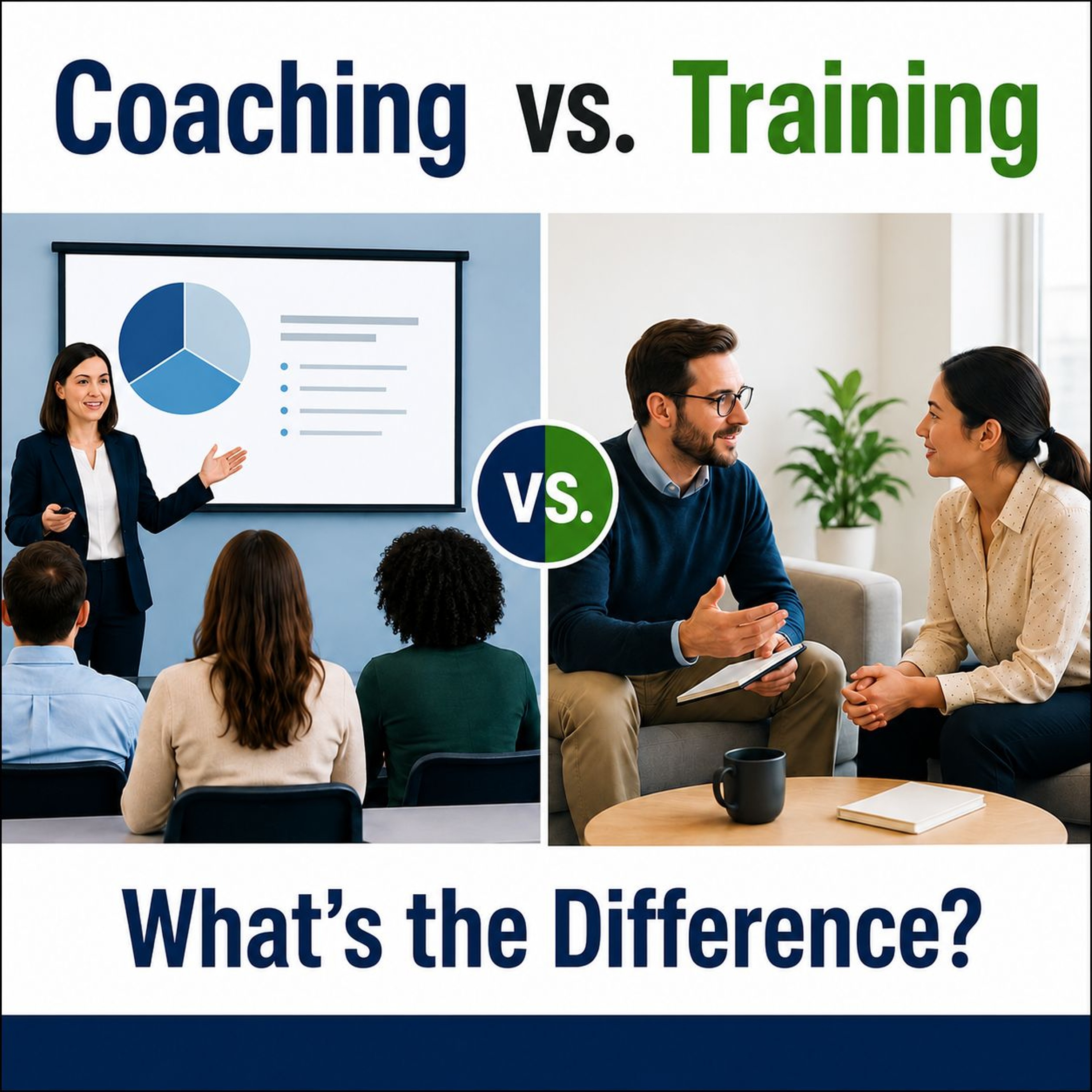 Training or Coaching. What Is The Difference?53 / 100
 Your People Don’t Need More Answers. They Need Better Sales Coaching62 / 100
 Transforming Sales through Coaching and Care Microsoft Live Event53 / 100