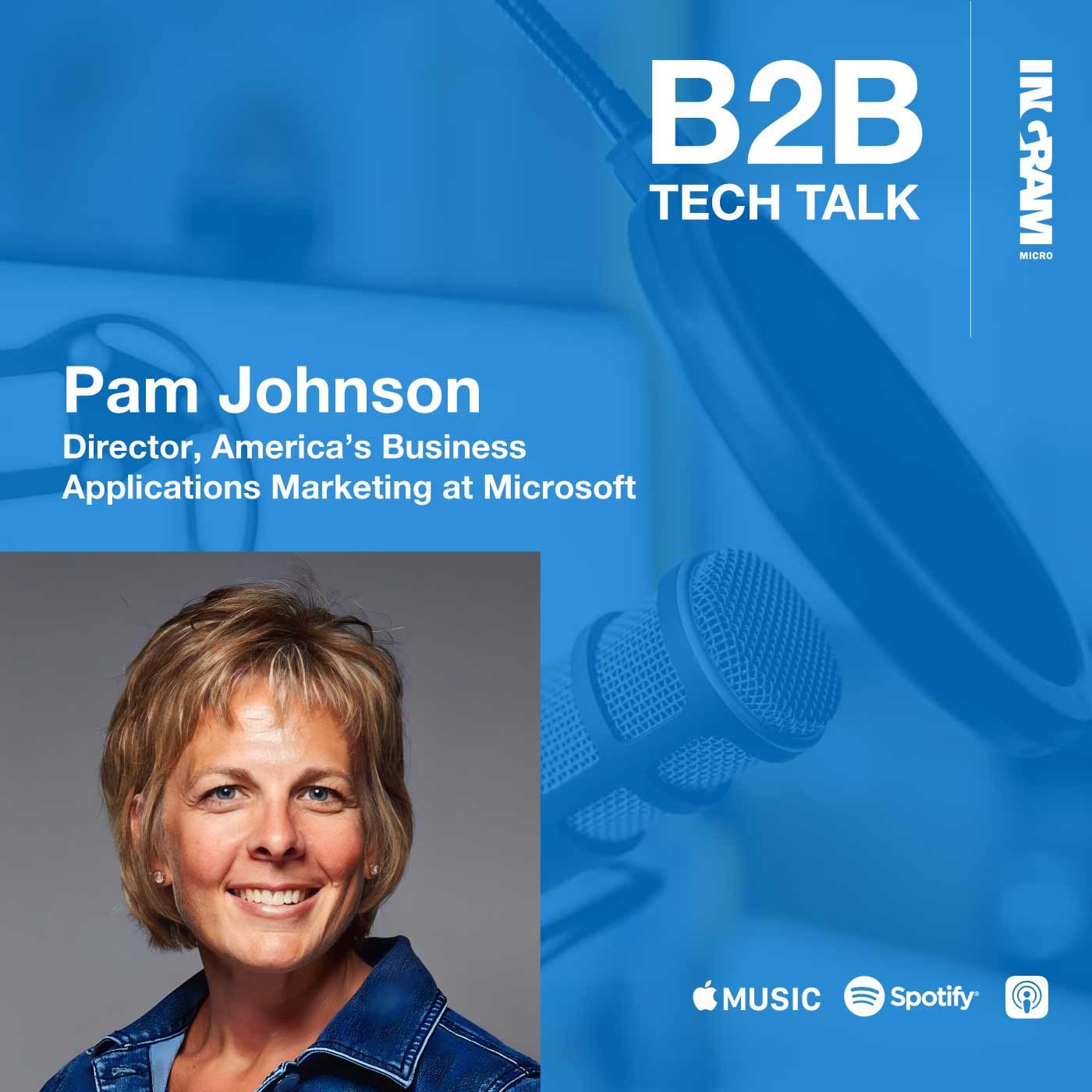
B2B Tech Talk with Ingram Micro · 2025-04-01 · 29 min
Key moments - from our scoring
Substance score
25 / 100
Five dimensions, 20 points each
Daniel Stewart, Bobby Young, and Christopher Mindel from Ingram Micro's Cisco technical enablement team outline the scope and structure of partner support available through the distributor. The conversation centers on shifting partner perception from viewing Ingram Micro as a transactional supplier (like Home Depot or Walmart) to a strategic general contractor that coordinates solutions, delivers training, provides demonstrations, and deploys field-based resources. Stewart brings 18 years at Ingram Micro and leads training and demonstrations; Young has 15 years tenure and handles field territory coverage; Mindel, with 12 years and four years in technical enablement, bridges sales and technical understanding. They emphasize that partners often underutilize available resources - pre-sales support, technology adoption, regional field teams, and architecture guidance - either unaware they exist or unsure when to engage them. Success stories show partners who treat Ingram as a first point of contact for expertise rather than a parts supplier see frequency of engagement escalate from monthly to daily interaction, driving material revenue growth.
Ingram Micro's Cisco technical enablement team provides pre-sales support, product demonstrations and training, field-based regional resources, and technology adoption services to help partners sell and deploy Cisco solutions strategically rather than transactionally.
Contact your Cisco development executive or account manager at Ingram Micro with a business need - whether reactive (needing product training) or proactive (wanting to move up partner tiers) - and they will connect you with the appropriate enablement team.
No; the technical enablement services - training, demonstrations, field support, and solution design - are provided at no cost to partners, though many partners assume there is a cost or minimum business threshold.
Partners who treat Ingram as a first point of contact for expertise and solution design see engagement frequency increase from monthly to daily interaction and demonstrate materially higher revenue growth compared to transactional-only partners.
Partners can engage for reactive needs like training on a new product a customer wants, or proactive goals like increasing Cisco revenue, moving up partner certification tiers (Select, Premier, Gold), or understanding specific product lines like Meraki.
Our reviewer’s read on each dimension, with quotes from the episode.
The episode is heavily promotional and relies on vague platitudes about partnership and enablement. While there are a few concrete operational details (pre-sales contact center, demo teams, field resources, partner tier progression), most of the discussion rehashes soft-skills concepts like "understanding customer needs" and "asking the right questions" without substantive new frameworks or methodologies. The guest experiences are anecdotal rather than data-driven.
Our technical enablement team is here to first and foremost support our partners in any way way that we can.
it's about understanding the customer need, right hey, you're calling us.
This content recycles standard distributor messaging and distribution-as-service narrative (the general contractor analogy) without fresh angles or counterintuitive insights. The frameworks presented - needs discovery, solution design, partner enablement - are generic best practices circulating throughout the channel. No contrarian positions or first-principles rethinking of the distributor role emerges.
think of us like kind of like the general contractors. Right. Nobody's coming to a general contractor saying hey I need you know, I need twelve two by fours and a window this size. Right, they say, hey, I want a kitchen, right
it's about understanding the customer need, right
All three guests are Ingram Micro internal enablement staff with no external credibility signals. While they have long tenure (15-18 years), none are CEOs, CMOs, or recognized practitioners with proven success outside their current roles. They represent the vendor's internal perspective rather than independent operators or customers who have scaled businesses using these services. The host is also an Ingram employee, making this a fully internal conversation.
Christopher Mindel, Technical Enablement Engineer, Daniel Stewart, Senior Technical Enablement Engineer, and Bobby Young, Senior Technical Enablement Engineer, all three from Ingram Micro.
Daniel: Yeah, definitely... I'm almost eighteen years here at Ingram Micro.
The episode provides minimal specific examples, metrics, or named references. One anecdote mentions a partner moving from "registered" to "gold" status in six months, and another references daily engagement correlating with revenue growth, but no actual numbers, company names, dollar figures, or measurable outcomes are provided. Most claims remain abstract.
one of the things that works really well is is they come to us first... You go from a partner that's reaching out you know, once every month to once every week to speaking every day
they were a gold partner. So it is doable, right
The host asks reasonable setup questions and allows guests to speak, but rarely pushes back, challenges claims, or asks for evidence. Follow-ups are mostly surface-level extensions rather than sharp probing. The conversation feels scripted and promotional - when vague claims are made (e.g., "daily engagement correlates with revenue growth"), the host doesn't ask for proof or specifics. There is no productive disagreement or skeptical inquiry.
Well, that's a good point then, So for that partner that is just you know, whether they're new to Ingram Micro or they are just new to this concept
Well, that's interesting, that's interesting. How about you, Bobby or Dan?
Computed from the transcript - who did the talking, and the words that came up most.
You can achieve your business goals with the proper support, and Ingram Micro has your back. We’re here to help with all your Cisco needs and more. Shelby Skrhak speaks with Ingram Micro Technical Enablement Engineers Daniel Stewart, Christopher Meindl and Robert Young about: Why partner business needs reign above simply selling products How building partner relationships impacts results The one thing that helps partners pave the way to success To join the discussion,
Transcribed and scored by The B2B Podcast Index.
You're listening to B to B Tech Talk with Ingram Micro, a place to learn about how to grow your business and stay ahead of technological advances before they've become mainstream. This episode is sponsored by Ingram Micro's Expantage, the Next Level way to transform your business's potential and reshape how customers see you through advanced transactional data. Let's get into it. Welcome to B to B Tech Talk with Ingram Micro.
I'm your host, Shelby Skirhawk, and our guests today are Christopher Mindel, Technical Enablement Engineer, Daniel Stewart, Senior Technical Enablement Engineer, and Bobby Young, Senior Technical Enablement Engineer, all three from Ingram Micro. Gentlemen, welcome, thanks for having us, Thanks for having us, Hey, Shebby, Thanks guys. Well, today we're talking about the ingram Micro Cisco Enablement team and we're kind of giving some more insight into the team. I want to kind of introduce you guys and get to know you guys a little bit better, mostly just so people understand what kind of resource is here kind of at your fingertips.
So Daniel, let me start with you first off, though, starting broad, tell us what the Cisco enablement team is and then tell us kind of how you made your way to the team. Yeah, definitely, and you picked me first because I've been here the longest, that's right, right, So our technical enablement team is here to first and foremost support our partners in any way way that we can. So we have a pre sales contact center team, we have a demonstration and training team, we have field based resources mapped to regional territories across the US, and we also have a technology Adoption and Deployment team.
I think that's all of them. We have an Ingram Micro not even considering our our marketing and sales teams as well. So it's a pretty full. Staff folks using on just giving partners everything they need to buy and sell technology.
And so you've been there the longest, how many How long in the tooth are you? Yeah? Yeah? The age myself, I'm almost eighteen years here at Ingram Micro.
So it's been a happy home for a while, which is good. I've been in technology pretty much my whole life. My first experience was building or redoing one of my PCs at home that was you know, really old by today's standards, like floppy discs and I just couldn't get a game to work, and you know, I forced myself to learn and just you know, make that game work. Was my entry into technology, and through my studies and time, I've it led me to here really focusing on in this case the vendor of Cisco along my technical track.
But I've been through most of those teams that we you know, I highlighted earlier with our pre sales team is where I got my start on a general standpoint, moved myself up through the stack to different roles, even supervisor at one point of our Cisco team, and then my way made my way over here to our technical training and demo team for probably about the past five or six years now, all within Ingram Micro, all within mostly the vendor of Cisco. It's been a good partnership to have on that front.
Floppies three and a half or five inch? Ooh, five inch? Yes I am? Yes?
Yeah? Yeah, all right then, so Bobby, let me let me turn to you. You know, like Dan, we've had you on the show several times, but you know, tell me a little bit more about you. I mean, how how long have you been with Ingram Micro.
I've been here fifteen. Years, okay, all right, and have you made your rounds through kind of each each permutation of Cisco or where where did you start? So? I started actually fifteen years ago in same as Dan, in our solution design and services.
We used to call it technical support team, basically just taking taking inbound calls, right eight hours a day, five days a week, just being on the phones and just building out solutions and just churning out you know, design. Dan was actually my my mentor, he was my Jedi master when I first started. So I still remember, you know, early on, as you know, I'm I'm you know, I've got the headset, I'm next to you know, next to him, and he's basically like, well, you know, I'm like, okay, well you know when am I going to take start taking my first calls?
And he's like, well, you probably won't do that for another six months. And I remember at the time being like six months, geez, like, you know, I'm not even going to like talk to a partner for six months, and realizing that there is just so much that we needed to learn from the get go right, the idea that that you know, the way that Ingram hired that team, and the way that they still do now is kind of get everyone from all these different walks of life. Some of them are really good communicators, some of them you know, need to be trained on technology, right, but all of them, you know are are kind of solution minded, right.
And the idea of of of just working with a partner being okay with just learning all the time, right, the idea that hey, we're going to go end of life on this product, and you're going to have to learn this product, you know, in the next you know, a couple of days, but it really it was about six months. It was about six months, and and you know, it's it's It was one of those, you know, one of those things where you know, as you go along, all of a sudden you become more and more of the master, and all of a sudden people are coming up to you and asking you questions on stuff.
Right. So I started off in what we referred to as ABC, which was anything but Cisco, right, because Cisco is such a huge vendor at Ingram that it was you know, Junipers and all of your other vendor your vendors, right. And then you know, as as everybody does, get assimilated, right, I eventually moved into Cisco's small business space and then worked as a field role outside of the call center, just doing a kind of what I do now, but only working with the Cisco small business enterprise you know products.
So since then, I've you know, branched out into collaboration and are you know, different architecture security as well, and now kind of you know, moved back into a more networking and specifically Morocci based role and then focusing of territory in the US. Yeah, I'll tackle some of Bobby's journey as well. We've kind of mirroored each other just at the same jump points there. Looking at Cisco, I was a generalist as well.
You come in, you got to you know, learn on the on the everything else map. But looking at our team, you know, it was kind of looking at the Cisco guys like they had like they were like the. Smartest guys in the room. They had like you know, the biggest vendor, like the place to be, and they also had the best you know takeaways, right, So you had the more parties, you had more lunches, you had more sway coming out of the Cisco teams like well, why do they get all the good stuff?
Like I want to be on that team. So it's not only just yes, technology and learning that, but some of just the other intangibles that go with joining the big team that's out there. What was part of the draw that sucked us into the world of Cisco. I know, ib I know the IBM team.
They've got some some good swag over there. So money, that's where it comes down. Right, Well, okay, so and Chris, I'm going to get to you, but well, actually, yeah, let me go ahead, because I want to understand your your journey. Then, so Chris, tell us about your role there.
And then also I mean, how long have you you've been at this, how long you've been in the industry? Yeah, I guess unlike Dan and Bobby, I was kind of not born and bred, you know, the technology route. You know. I wasn't building computers as the baby, you know.
Yeah, I was a sales guy and better things to do. Yeah, spelling Lemonade on the on the corner people, Yeah, they can't my good looks and personality, I guess, rather than my brain seiling on on Lemonade subscriptions right, lemonone on demand. Well, I've been at Ingram twelve years. I guess that still makes me the baby of the group.
I've been part of the technical team for four years with Dan and Bobby, but before then I was in sales mainly we have different business units. Within Ingram, I was focused on business development, so I was like account ownership, partner relationship building for accounts that were doing mainly Cisco, so I had a background at Cisco, but you're talking pricing, ructure, orders, bill meant, you know, overall Ingram partnership, but then also you know, covering you know, Mithillaneous other vendors as well.
So kind of one of. The things I noticed back when I was doing, you know, the sales gig was, you know, I wasn't as privy to understanding the language of technology, right You're trying to facilitate partner relationships, but not having a deep, deep understanding of what you're selling. So a number of years ago I started going back to school kind of did some pre training, and then when an opportunity came, you know, they felt like the role I'm in now was a good hybrid of a sales development role and also a technical role.
So my enablement role and previously before they kind of call this all enablement engineers was account technical account manager, which still I think rings true for my role because I'm focused on kind of the business development, sort of the implementation the partnership with us, making sure they're getting the most out of our resources, make sure they have plans in place to their business practice, and then helping them facilitate that. And then I guess, like my special skill, like even though I've acquired a number of you know, you know, different varying degrees of technical knowledge over the past couple of years, and I felt like coming from a place where I didn't understand it on a deep level.
Yeah, now having that deep understanding, I feel like I'm able to offer more value to the sales folks and the partners right to help them translate. I always said it's like about speaking a language when you're talking technology. I feel like I helped not only translate that language around Cisco, but also with all the varying different you know, partner programs and resources within Ingram as well. Yeah, I think that's so important.
That's a great point that translating this, because I mean, gosh, I could count the times that you know, we've had a podcast that really it's just you know, marketing, speaking and gobbily group that you really have to be in it to understand. And you know, I'm a journalist, I'm a podcaster. I know a little bit about a lot, but I kind of see it from the everyman's standpoint that man, if you're not really really familiar with all this stuff and know it very well, you could just be saying, yeah, you basically kind of wrote memorization of these things, but but you need somebody to truly translate it and and make it, make it tangible, make it real.
And so you've got a good skill there because you understand the technology of it, but you're also able to look at it big picture and say, okay, so this does this and this would help you in this way. But knowing all that about your your business and your customers, you know, big picture, what's what's the plan here? I imagine you've been able to create some good solutions for customers. Right, Yeah, for sure.
And I've carried over some relationship like from you know, my previous accounts like into this role. You know, it's all about perspective too. You know, when I'm talking to a Dan or Bobby, right, you feel like you're brand new right. When you're talking to your partners in the sales teams, right, you realize like how far you've come, you know, and being able to kind of enable right and show the value around the technology.
So you know, it's it's been a good journey for sure. Yeah. Yeah, Well, Dan and Bobby, let's talk about some of the going back to those those first days. I want to learn more about some of the solutions that you've you've been able to put together, just so a listener can hear themselves in these examples.
So you know, what's a common scenario that an ingram Micro partner would come to you with that that you're able to walk them through. Yeah. The first thing is understanding where we are in the supply chain, right. So Ingram Micro is distribution.
Our core is logistics. We ship boxes, right, That's that's. What we do. And many think of us as just that like, hey, I need to call up and get a part number to order through you.
The thing I need is that it That's all I got and off we go, right. But the training and the effort we're there to provide is looking at it as a solution, right, You you know, go to a store to get a part, there's a need for that part. Right, why are you looking to fix this or improve that or what is this the outcome you're trying to build from. And that's our main objective is doing something with purpose and understanding the customers need.
Right, Hey, you're calling us. You're taking time out of your day to engage with a thing that you need. Typically it does start with a part or a solution idea, and typically we would ask a bevy of questions, so he hey, you know, just like I said, what are you doing with it? You know, who's the end user?
What is the outcome? Because most times when we look at a product, we've had that conversation many times before, and we can say, hey, you really might need this, or there's a newer one coming on the horizon's going to a achieve X, and you know, it's our industry expertise, it's our understanding of the vendor. You know, Cisco in this case is multi pronged, multi architecture, have very deep options. But a lot of times our partners just don't have the time themselves to learn at the expense of time, right, time is money, right, They just want to sell the thing and move on.
But we want to make sure they come away with everything they need to make it supported. Do you have the right service contract, you know who's going to install it, you know who's going to follow up with the adoption process. So we're you know, in a mode of giving you the parts and pieces, you know, phase one. We're also evolving that with you know, what complementary services are needed and then trying to give that customer really a leg up on their competition in the industry.
For the clients they're trying to pursue, everyone's chasing, you know, the same goal. But if our solution typically is you know, going to look at more components which may look more expensive, but more comprehensive, and as long as we can you know, discuss that and they can relate that to their client more times than nod, that wins the deal and they feel more empowered, you know, with the training we can do, the demonstrations, we show them that they're comfortable that the reason we gave them you know, that solution of that product, and they can transform that to their clients more than just giving them what they asked for.
That that's you know a lot of what we bring to the table beyond just you know, logistics and giving that box a timely shipment to their home. Yeah, and think of us like kind of like the general contractors. Right. Nobody's coming to a general contractor saying hey I need you know, I need twelve two by fours and a window this size.
Right, they say, hey, I want a kitchen, right, And so that's that business need. And then our job is to basically kind of bring in all the right resources, bring in the architects, bring in the plumbers and the electricians right to kind of build that that dream, right, that to fulfill that that business need. So Dan's team, right, giving giving more kind of directed demos towards products, you know, Chris's team, you know, with kind of a more direct relationship with the actual bills of materials, and then my team of more kind of the structure of different Cisco programs and stuff like Cisco three sixty that I know we've done another podcast on, but kind of you know, giving a more you know, kind of rounded understanding of you know, enablement plans and stuff like that.
Do you find is there kind of a just an old mentality that they don't see you, that partners don't see you as as that general contractor that they're still seeing you as as the home depot or the Walmart. Yeah, I guess can you quantify that? Like, what kind of difference in partner's success is there between the partner that sees you as Walmart and the partner that sees you as a general contractor. It puts a lot on the partner if you're just thinking that, hey, this is all we need, right in the same sense of if someone said, hey, I'm going to you know, I want a new kitchen, right, Like, this is what I do with my wife.
She says I'd like a new kitchen, and I say I could do that, right, And then all of a sudden, I'm the ELECTRICI I'm the plumber, I'm all of these things, right, So I have to go out to the home depot and then I have to pick up the two by fours and I have to figure out how many of these I need and stuff like that. Right. Imagine if you had a service, right, but that service was free, right then it wouldn't make any sense for me to diy any of this if I had if I had a contractor, I could call up for zero dollars and basically do all of this for me, and to Dan's point, a lot of our partners just don't know we exist.
A lot of them just have no idea, you know, where to start right. They don't know that they can reach out to our teams. They think that there's a cost or that a certain amount of business that you need to do to be able to get Dan on the line. So so really, I mean the step that we'd like partners to do moving forward, that first step is just to reach out right to get a hold of your you know, your Cisco development executive, to understand who your your account managers are, to understand the resources that we have.
And then just when there's that first need, bring us into that conversation and then just allow us to help you where we can be that. Familiar face right, build that relationship, go beyond just a you know, a person a voice on the phone or hidden behind a platform like our ex advantage site is to really create those relationships. Like you know, we have many different layers and sometimes we can be seen as a big machine to work through. But once you you know, call into our contact center, you're met with a defined team that you're gonna probably gonna have repeat conversations with oh, I know, you know, you know Bob from over here on the security team and I've talked to him a few times on this.
You know, let's have that conversation again, or hey, I know Bobby in the field. I know Chris is part of my regent approach. Right. We've become a little more that human elements, right as know, as we're trying to always you know, put things into different AI bots and different platforms, and it's going to be there for efficiency purposes, but that that human element, that interaction is still needed to make sure that you have that comfort of what you're asking for can be built and delivered and coordinated and help Bobby build his kitchen.
It goes a long way. But that's that's a lot of the unknown, right, So we want to make sure that we can be you know, leveraged, found and you know, supporting the business where appropriate for those solutions. It's also important to note that we have like a varying degree of partner styles, right. You know, we have some that are really built up like a good solid and almost a larger even engineering presence, right that we have, and then we have some right that are you know, new businesses bringing up right and then varying degrees of you know, how much they need our help, you know, And I agree with Bobby and Dan from the standpoint of a lot of people certainly don't know about like the the amount of resources and opportunity to work with us, Like they just don't know.
But I think in a way a lot are stubborn in a sense of you know, they have to make a conscious decision of where to insert INGRAM and our resources into their sales cycle, into their pre sales cycle, and depending on the partner, you know, I know that there's something for everybody, right even though from the largest to the smallest, we have a ways to bring them greater efficiencies, show them value, and you know, it's a partnership in a way that they have to make a decision on when and where to bring us in.
And you know, even if it's small bill materials or larger projects or demonstrations, them making that conscious decision and kind of building us in is where we've seen the most success as well. And that goes small too large, right, doesn't matter. Well, that's a that's a good point then, So for that partner that is just you know, whether they're new to Ingram Micro or they are just new to this concept of Ingram being more of a full services general contractor what's a good starting point like how, yeah, I'm the partner, I want that support, but how do I get started on that?
I would propose just having some sort of question or business need that you can bring up. I mean, we we start conversations with as as simple of a conversation of Hey, I just want to I want to sell more Cisco, right, or I want to understand this product. You know, in Dan's case, sometimes it starts off with a little bit more of a reactive notion. Right, Hey, this this person wants to buy Muraki from me, but we don't know much about Muraki.
So can we get you on to either train our team to you know, to give this this end user a demo and kind of introduce you guys as part of our team. You know, There's lots of different ways that we can get either reactive to something that you know, hey, I just want to sell the you know, the the solution, or more proactive to say, hey, you know, we have a quarterly goal to maybe increase our Cisco you know, within the next year, right or we would like to move up the Cisco stack from maybe being registered partner to you know, a select.
Or, a premiere or a Gold partner or. Right with the new Cisco three sixty prom that again, I know, we've we've we've gone we've gone through. Hey, I just I just want to know more about this, right, So, definitely lots of different ways that you can get in touch. Just realize that, you know, there's a ton of human beings at Ingram that are there with the sole purpose of just helping those partners to find those answers and to give them the confidence to be able to go out and sell these products and increase your revenue.
Yeah, I wonder if if you can speak to and I'll point this question to any any three of y'all, what are some success stories then? I mean, can you think of examples where a partner has fully embraced all of these wrap around services that Ingram micro offers and it's really been a difference maker in their business. Yeah, I could think of one, Bobby or multiple But you know, like we we work in different segments right where we're focused on different accounts, and you know, I have a few partners that have embraceding us in to their business from the standpoint of right, we have direct interface with like their teams, and this is like their sales teams.
They kind of like break down some of the filters of Hey, you know you're working with one point person here, or you know you're you know, you're doing things internal. And you know, one of the things that works really well is is they come to us first, right, instead of trying to do the legwork, instead of trying to find a solution, They're asking for our expertise, right. And then if they need to find tune things from their internal processes, they will, but they think of Ingram as like a first point of contact right before doing the research, before doing the work.
Right. And what we've shown over the years is, you know, you go from a partner that's reaching out you know, once every month to once every week to speaking every day, right. You know, they learn more about what we can offer, we learn more about how they're running their business, right, and we kind of gel and it becomes you know, hundreds of engagements over the course of a year, and then you see the revenue growth to follow, right, because at the end of the day, that's what Cisco.
The viewpoint of like our services within the technology channel is they want to see the dollars follow the engagement. So when you look at these partners that get to that level of engagement where it's daily, we have a direct correlation with seeing the growth in numbers right and kind of outpacing partners who are not engaging right with our services as well. And that is like you probably name multiple accounts or partners that are doing this today, but that is like our measuring stick of success.
Yeah, and that's interesting, that's interesting. How about you, Bobby or Dan? I mean quick one for me is I just mentioned, you know, moving a partner up the stack. I had a conversation with a partner This was probably last year, that was out of the blue.
We really didn't do much with them. They were registered partners, so they weren't really on anyone's radar, and they said, hey, we want to we want to be gold partners. And that's a that's a heavy hit, right. It's kind of like a you know, a kid saying they want to be an astronaut.
You know, when they grow up, it's like, okay, buddy, yeah, let's do that. You know, But we gave them the time of day and they were just in a growth mode like crazy, where I was like, okay, well this is going to be a heavy hit because you need you know, four c CIEs and all of these people. And then that's that's fine, Well well we'll hire them. And I was like, oh, okay, all right, well let's let's take a look at this.
And yeah, it was probably around i want to say, six months later they were a gold partner. So it is doable, right. It's it was their goal something that they needed just somebody to help them out and to help them understand the structure, but they had the workhorse there to be able to say this is my goal and this is what we want to do. Those are the partners that we're looking for, right, the ones that say, with a little bit of help, I can be successful, right, And we can give them that help.
And some partners like know where they want to go to, you know, like we talk to a lot of partners that maybe we're you know, become new business owners. They're part of a larger organization, so they have the knowledge, they know the roadmap, but they need help scaling. So that's about knowledge gain and it's more about bodies, Right, how do we get resources when I'm like in my infant stage here as a business to help me scale and grow? Right, I got the vision, right, you know, Bobby provides the vision for a lot of partners, right and educates them.
But then we also kind of on the flip side, people that are already determined and kind of have the experience, maybe they're in industry twenty twenty five years. We're providing the scaling too, right, you know. So that's another way to look at it. You know, scaling's big because our empower EA program helps partners grow with using our technical expertise, using our lab environment where I support them.
We see successes where they use our lab versus having to pay for their own equipment, their own using NFI dollars, stand up their own lab and then learn on the fly. They can just you know, talk to somebody again, Right. You can do as much learning as you want from a book or a YouTube video, But until you actually engage and see some of the challenges we went through, or the gaps in the portfolio or things that we've experienced, right, You're not going to get a lot of those maybe sometimes right from the vendor.
Right, you got to kind of walk the walk a little bit, and you know, we can work with partners and we've done that so many times and a lot of those that come to us looking for demos latch onto us. Right. We have a lot of frequent flyers that come through and say, hey, you help me with this, how about this one? Right?
Or Hey, I don't have the dollars or time to get my team up to speed on that, but I got this opportunity. Can you guys do a demo for me here? And when we see the demos, it gives them that seeing as believing approach, and like Chris mentioned, it's the revenue dollars that come from that that you know obviously you know that's their measuring stick, but our measuring stick too, so it goes hand in hand well. As we do start to wrap up our episode, for ask this a little bit like how will you get started?
But you know, for the partner that is already engaged, you know, with the Cisco team, and for the partner that really is just getting started with ing Ingram micro Dan, how do you find out more? Our easy answer is our ex Vantage website. It's our platform where we have Cisco's vendor homepage, our pre sales, solution, design and services page, all of our professional services. Everything can be found on our ex Vantage site.
Whether you are logged in or just kind of glancing as outsider, kind of seeing what services we offer. That is the main homepage. That is where everything can be found. Obviously, we're a phone call away or a bookings away or an engagement whatever you need.
But if you're starting, it's our expandage site. I'm glad you mentioned the whether you're logged in or not, because I think that's that's an assumption right there, that oh, well, I'm just getting started. I'm not in the system. I'm not you know what, how can I, you know, find out all that there is from the outside kind of dipping your.
Toe in the water, right exactly? So all right, guys, well, I appreciate it a lot of great information today. Thank you so much for joining me, Jaialvien. Appreciate it.
Thanks for having us, of course. How any time, and thank you listeners for tuning in and subscribing to B to B Tech Talk with Ingram Micro. If you haven't subscribed, be sure to do so and don't forget you can find all of these episodes on the Expantage platform. Until next time, I'm Shelby Skirhawk.
You've been listening to B to B tech Talk by ingram Micro. This episode was sponsored by ingram Micro Exvantage. B to B tech Talk is a joint production between Sweetfish Media and ingram Micro. To listen to this episode and many others, visit ingrammicro dot com.
Other episodes covering the same guests and topics, from across The B2B Podcast Index.
 OpenAI launches Daybreak with Cisco, Cloudflare and CrowdStrike, Vapi wins Amazon Ring as it raises $50M Series B, JPMorgan picks Mistral as $430bn sovereign-AI rival, Isomorphic Labs banks $2.1bn led by Thrive CapitalThe Daily Marketing Brief · on Cisco88 / 100
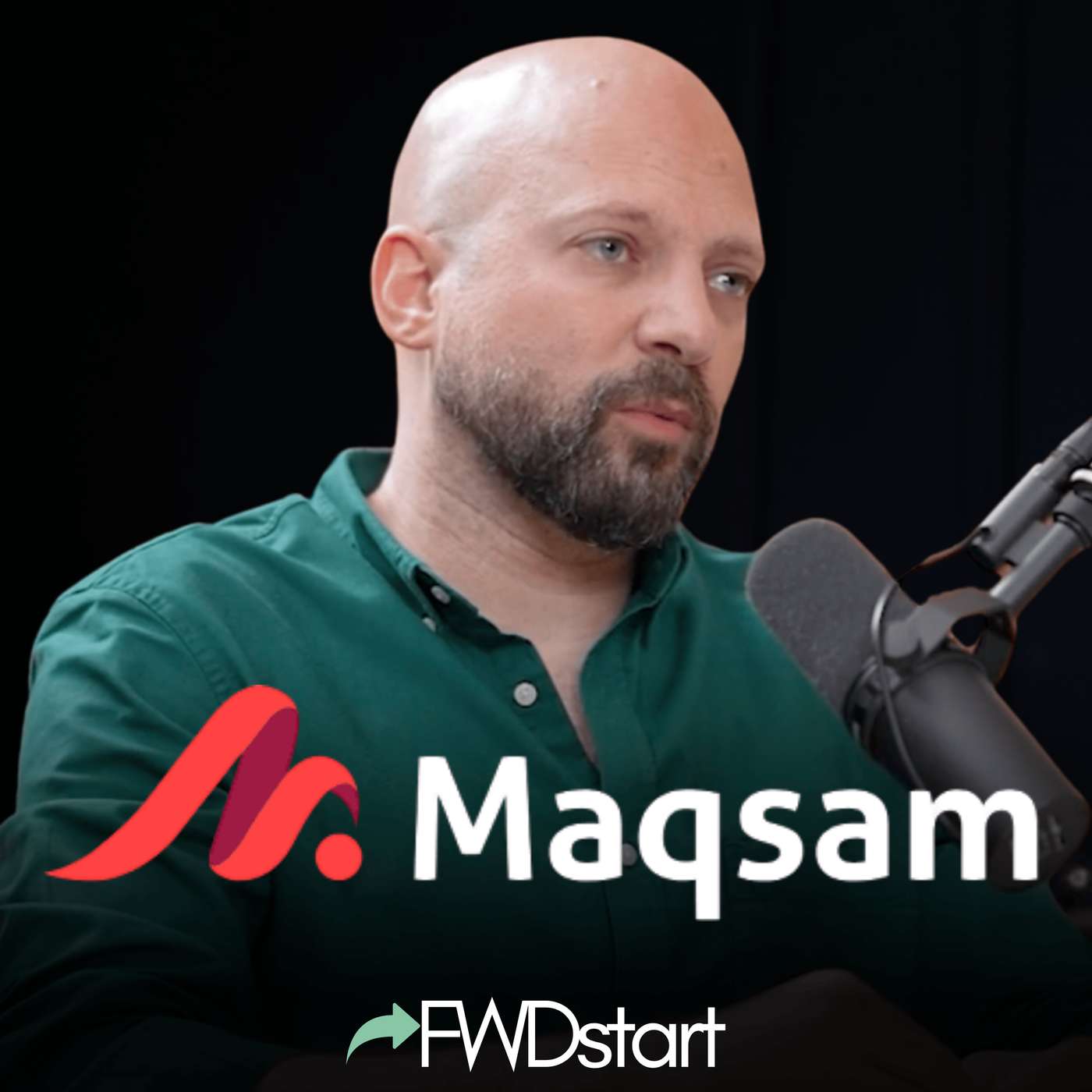 Fouad Jeryes (Maqsam) on Why MENA's Fragmentation is the Opportunity, Why Arabic AI Benchmarks are BS, & Why Your Competitors are Your Best SalespeopleFWDstart · on Cisco86 / 100
 How to Navigate Complex B2B Sales Qualification in Global MarketsStart Global Insights · on Cisco80 / 100
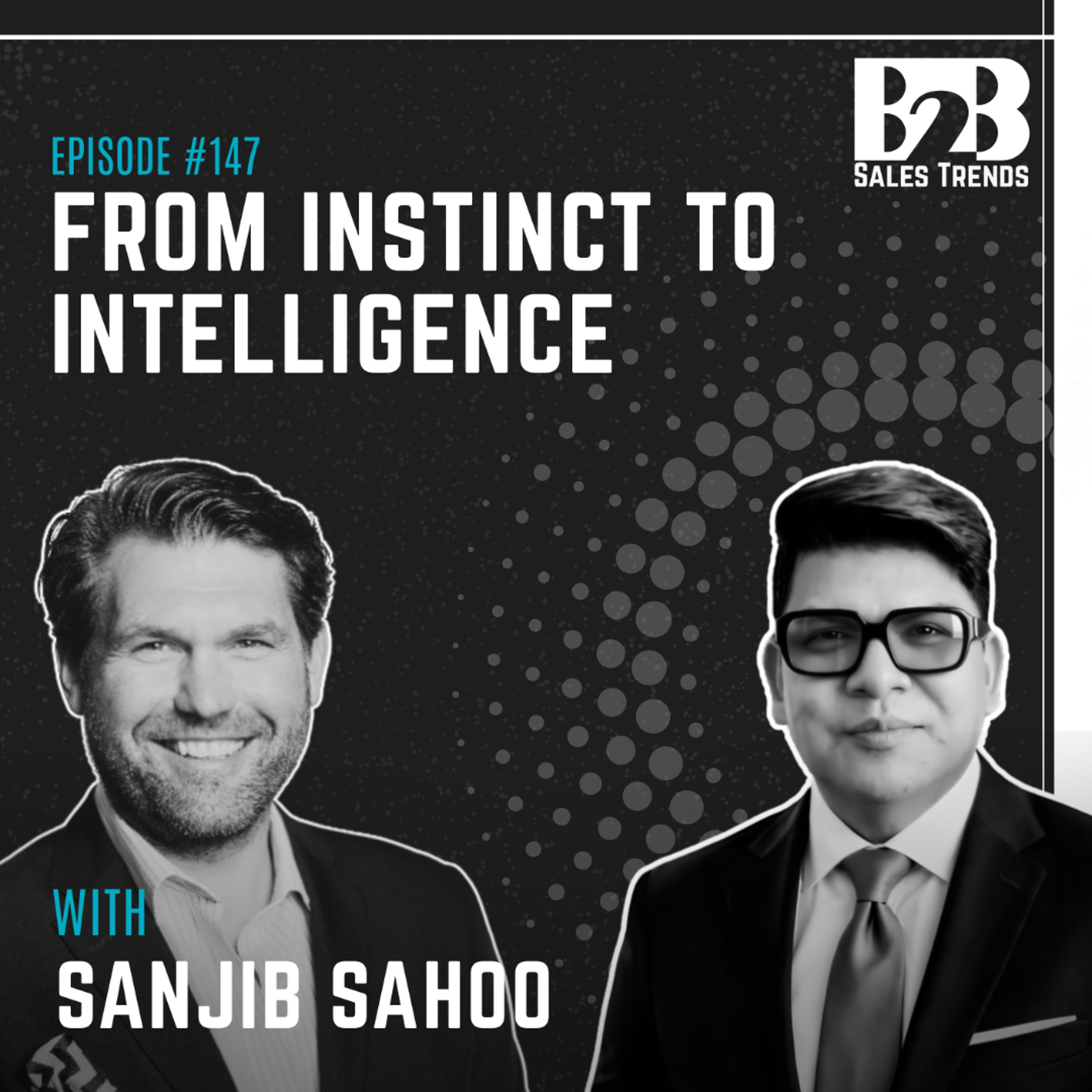 147. Ingram Micro President on Why Intelligence Beats Instinct w/ Sanjib SahooB2B Sales Trends · on Ingram Micro77 / 100
 Brent Sisco - Upscale CPG AdvisorsRetail and Social: Exploring The Connection · on Cisco77 / 100
 From CFO to Boardroom: Financial Leaders Must Evolve or Be Left BehindThe Strategic CFO by FEI · on Cisco74 / 100