Your World of Creativity · 2026-06-29 · 22 min
Key moments - from our scoring
Substance score
30 / 100
Five dimensions, 20 points each
John Elbing, founder of Standpoint and author of STORYBUILDING, challenges the conventional approach to brand storytelling by flipping the perspective from company-centric to customer-centric. Rather than defaulting to "what we do," Elbing's framework guides organizations through three critical stages: Recognition (does the customer see themselves in this story?), Perception (understanding what you offer and building trust), and Projection (helping customers envision themselves using your solution and overcoming adoption barriers). Unlike generic storytelling tips found online, Elbing's method focuses on identifying the right customer segment first, understanding their trigger moments - pivotal situations where they're most receptive - and crafting narratives that create emotional connection and internal team alignment. The book includes interactive elements, QR codes linking to case studies, AI prompts, and a tagline generator tool on standpoint.ch. This approach benefits B2B operators from solopreneurs to enterprises, helping them attract higher-quality leads, improve conversion rates, and align internal teams around a unified narrative that resonates authentically with their target audience.
Companies default to talking about what they do, their features, and benefits rather than starting with the customer's perspective and helping them recognize themselves in the story, leaving customers wondering if the message is even for them.
Recognition (helping customers see themselves in your story), Perception (explaining what you do and building trust), and Projection (walking customers through how they'll successfully use your solution to overcome adoption doubts).
Trigger moments are pivotal situations when prospects are most receptive - like a merger, management buyout, or product launch - and targeting your message to those specific moments dramatically increases engagement compared to random cold outreach.
Building the story together as a team forces you to ask critical questions about who you serve and what matters, resulting in a shared narrative that guides consistent messaging across marketing, recruitment, and all customer communications.
Visit standpoint.ch to access a free tagline generator that applies the method, book a free consultation, view QR code content including case studies and AI prompts, and download resources to apply the framework to your brand.
Our reviewer’s read on each dimension, with quotes from the episode.
The episode delivers one usable framework (recognition/perception/projection) and a decent observation about trigger moments, but the pace is slow and padded with host affirmations, off-topic artwork chat, and a book-process segment that adds nothing operational. Insight-per-minute rate is low for a 22-minute episode.
the three steps, I call them recognition, perception, and projection
Often companies don't dare define their customer too narrow because they're afraid that they're going to miss out on that one random customer
The framework repackages standard customer-centric marketing and buyer-journey thinking under new labels. The guest himself concedes there is nothing revolutionary here, and nothing in the episode challenges conventional wisdom or introduces a genuinely counterintuitive argument.
I don't feel that anything in this is revolutionary. It's just a way of being systematic
I find that storytelling is everywhere. It's a buzzword
John Elbing is a working practitioner who has iterated his method with real clients and startups through incubators, which gives him credibility, but he is a solo consultant-author rather than an operator who has scaled a brand or led a marketing organisation at meaningful size.
I work with companies, but I work a lot and also with startups through state organized organizations, incubators and things like that
I worked with a company and I had the 10 people take a piece of paper and write down what the company did. And I had 10 different stories
Almost every example is hypothetical and generic - an unnamed accountant for landscapers, a generic CRM purchase, a young dad and baby food - with no named clients, no conversion metrics, no revenue figures, and no timeline data to ground the claims.
if I'm a landscaper, I think, oh, they know me, they know my business
I want a, I don't know, a CRM. A customer relationship management service
The host consistently validates rather than probes - offering phrases like 'so basic, but so simple and yet so profound' - never challenges a claim, asks a long off-topic question about wall art, and devotes several minutes to the book-writing process rather than extracting operational depth from the guest's methodology.
as long as we're talking about emotion, I couldn't help but observe that fantastic piece of artwork behind you
So basic, but so simple and yet so profound. Thanks for that tip
Computed from the transcript - who did the talking, and the words that came up most.
Welcome back to Your World of Creativity, where we travel the globe talking with creative professionals who turn ideas into impact. Today, we’re stamping our creative passport in Geneva, Switzerland to talk about the power of story - specifically, how organizations can transform their messaging when they stop talking about themselves and start seeing the world through the eyes of their customers. Our guest is John Elbing, business storytelling consultant, founder of Standpoint, and creator of the Storybuilding method. John helps organizations flip the script by building brand stories from the customer’s perspective rather than from inside the organization. His work helps leadership and marketing teams sharpen positioning, align messaging, and simplify marketing decisions. He’s also the author of the international bestselling book Storybuilding. Why Most Brand Stories Miss the Mark John, many companies think they already have a strong story - but often that story is centered on themselves instead of the customer. What’s the biggest mistake organizations make when they build their messaging from the inside out instead of from the customer’s perspective?
Transcribed and scored by The B2B Podcast Index.
Speaker A: Unlocking your world of creativity with best selling author and brand innovator Mark Stinson. This episode is brought to you by White Cloud Coffee roasters where every bean tells a story of adventure. Visit whitecloudcoffee.com and use the code creativity.
Speaker B: Welcome back, friends, to our podcast, your world of creativity. We travel around the globe talking about music, leadership, innovation, design. Today we're going to talk about how you and your organization can really transform your message when you stop talking about yourself and start seeing the world through the eyes of your customers. We're stamping, uh, our creative passport in Geneva, Switzerland today with John Elbing. John, welcome to the show.
Speaker A: Hi Mark. Happy to be here. From, as you said, the other side of the world a little bit.
Speaker B: John's a, uh, business storytelling consultant, founder of standpoint, creator of what he calls the story building method. And it's a great new best selling book called story building. John, I really like this idea of flipping the script. Uh, why do you think so many brand stories, which the term is everywhere, brand story. But why does so many miss the
Speaker A: Mark Companies people are all day long they work with their product, their service, trying to make it better, trying to promote it, talk about it. Uh, and so the default way is when someone comes up to you in a cocktail and says, what do you do? You say what you do, you don't say, you don't talk about your customers, you talk about you. And so a lot of companies fall in that trap of saying, will you do this? And look how wonderful it is and look at all these benefits. But somehow they lose track of their customer a little bit and the customer is left wondering, is that for me or who is that for? And so if you can tell the story from their point of view, they'll, you know, feel recognized and think, oh, they like me. They must be good people. You create a little bit of trust by talking with their language from their
Speaker B: point of view, or you're even using emotionally based words they'll feel they'll trust. There's something about the way a brand could connect emotionally, which is really what we're all trying to do, isn't it?
Speaker A: Yeah, I think we've been telling stories forever and it's a way of, it's not facts, it's not data, it's not numbers, it's they can step into this story or how do you fit in their story? And it touches their life. And uh, yeah, that makes quite a difference.
Speaker B: And so this idea of story building and the method, the framework that you've developed walk us through the core idea of that.
Speaker A: So first I called it story building because I find that storytelling is everywhere. It's a buzzword. And often when, if you go onto YouTube and say, look up storytelling. It's the 10 tips to how to make your story. And it's, you start with a hook and you should do this, and you should dance on one foot and stuff like that. And it's all these tips and tricks, which are great, but first you need to know what's the story to tell. So I help companies build that story. Then they can make a website or do a pitch or whatever it is. And basically, I have this vision of how. What happens in your brain when you encounter a brand, and it goes through three steps, and the three steps, I call them recognition, perception, and projection. And I find that when I encounter a brand, it's a storefront, it's a website, it's a billboard, whatever it is, I need to recognize myself in the brand. I'm walking down the street with a friend. We want a coffee. I'll go past three coffee shops without even slowing down. And that fourth one will be the one, because somehow it's for me. And so if you can start the story where I recognize myself. If I was, uh, an accountant and I wanted to start my new accounting firm, you're one more accounting firm. But if you say, I'm an accountant for landscapers, whatever your niche, if I'm a landscaper, I think, oh, they know me, they know my business, they're interested in me, and I'll pick you instead of just a random one. And often companies skip that. They. They say, we do this. But if you can start by saying, hey, as an independent consultant in Switzerland that has a white beard and a cat, I'm already hooked. And I don't even know what you're offering yet because I feel like, oh, you work with people like me, so. So I think that's important. Then you have to. Perception is just about. You have to tell what you do. And there's a lot of people, companies, uh, usually are pretty good at that. They can talk about what they do, but there are questions about. They want to put you in the category, people want to label you. And there's all these issues of trust, and there are things to. To work on there, but that's usually something that they do. But then they start too early. And there's this third step, which I call projection. So I'm enthusiastic about your offer. I want a, I don't know, a CRM. A customer relationship management service. I'm um, think as an independent consultant that's gonna, it's for me and it's gonna help my business and it's gonna be great. And then I think, but I need to buy it and install it and learn it and use it when I'm using the old one and get. And I think, okay, I'll do this, but I'll come back next week. And then I don't because there's in my mind there's so many obstacles and doubts. So in your story, if you can walk them through that, this is how it's going to happen. This is the problems that's going to solve. Close your eyes and imagine this positive future I'm delivering you get them a few steps further into that engagement because they're already pre living what you're offering.
Speaker B: Yes. I love that because there is a natural progression in most stories, sales pitches, whatever venue you're telling the story in that finally does get to the how do I use this? How do I implement this? When should I buy this? Now? Later, at some event in the future. So I like that third step that you've added there.
Speaker A: Yeah. So I think in uh, this first step where you get a better quality of lead because it's the right people that recognize you. Often companies don't dare define their customer too narrow because they're afraid that they're going to miss out on that one random customer.
Speaker B: Sure.
Speaker A: But if you make it really clear we work with these kinds of people, those people will be engaged. So you have better quality coming in and a few steps more engagement at the other end and all that transforms into better conversion. And then, and also customers that are there for the right reason, they want to work with people that are out there to help them, that work with them. It's not just about price or just about the feature. It's about feeling that you're working with a company that considers you.
Speaker B: Yes, here we're talking so much about flipping the script and thinking of this from the customer's point of view. But there is a benefit to the internal team internal alignment. When you get the story right, when you've built it right, tell us how you've seen a good story really begin to align the company direction.
Speaker A: So I found it really, I, uh, was almost surprising at the beginning where people, they're all motivated to get a marketing story because they think they're going to sell more. But just going through the process forces them to ask the right questions. Storytelling M is who do I talk to, who am I not talking to, what's important, what's less important. And then the team builds the story together. And if you build a story, that's the story you tell. I worked with a company and I had the 10 people take a piece of paper and write down what the company did. And I had 10 different stories and then they built the story together. And one said, damn, now I can finally tell my mom what I'm doing. Yes, because it's from the other, the other point of view. So yeah, I think that part of this often these storytelling is it's like mission and vision statements. They do this big effort and then put them in a drawer and no one uses them. But here, by building it, then when they're going to do a campaign or update their website or post something on social media, it'll be based on this shared story and all these communications will feel more consistent and fit together. And I think customers understand that.
Speaker B: Yes. And how could this apply? Just brainstorming here, how could this apply in a recruitment type effort? You've described a team building, but now you want to attract new talent or now you're trying to grow the company and you got to bring in new people. And I couldn't help but imagine everybody the candidate talks to or every communication the candidate reads says, this is what our company does and here's why that would be good for you to join us.
Speaker A: There's a lot about this employer brand things where you're trying. So if you do have a story, because at the end of the day when you're telling your customer story, what you're saying is we care for this kind of people or company and we care about their success and we are trying to build a better future for them. Instead of saying we develop software, it's, we help people with their, what they're doing. And so for an employee to come in and of course there's the job itself, but then you're part of this movement and it makes it clear, it's almost, it can almost be part of your uh, your mission statement. The story you're telling to a customer, which is their story, is also the story that, that the employees, it's what the whole company is about and that creates focus and clarifies their positioning and yeah, it can help in recruitment.
Speaker B: I love that. And as long as we're talking about emotion, I couldn't help but observe that fantastic piece of artwork behind you that here we are talking about dry marketing but emotional stories. There's gotta be a Story behind that artwork, I'd love to hear.
Speaker A: That's my. I have it covered in all my walls. I just got a new one. And I build the frames and tighten them on in myself. And I even created a little booklet where for each artwork, I have the artist and their story and their picture so I can remember who's behind each piece. And people that come in say, ooh, that one's nice. And they can say, that one's from Spain. And that's. This is the story behind it. I even have one. There's this, uh, artist who films their process. So they'll see a scene in the street, and then they'll imagine how they could make that. So I have one where there's this kid on their phone, and they're completely in their bubble away from the world. And then you see all these ideas in this movie, in this little clip, until they. They land on their concept, and then it produces the artwork that I have on my wall. So you can. People can really see what was the process behind where that came from. And I think that's really fascinating.
Speaker B: That's a great approach to it. Let's. We've been talking about organizations and teams and such, but you also mentioned at the outset, there's independent consultants and independent practitioners. A lot of listeners of this podcast are going to be entrepreneurs. They're creatives thinking about their own story, how to build their practice. What insights would you have for those solopreneurs who are trying to flip the script and see their brand from their customer's point of view?
Speaker A: It's funny how we're always, uh, in French and, uh, I forget what the thing is in English. The shoemaker is the. Has the worst shoes.
Speaker B: Absolutely. The kids never get the new shoes.
Speaker A: So, uh, I've struggled to do it for myself more than I do with, with other companies. But when you're on the outside, it's easy to see what's important, what's less important. But when it's yourself, it's a little bit harder. But. So I've even built a kind of a masterclass for independent consultants with this idea that you. I think that first step is to see yourself from the outside. Everyone is so worried to say, this is what I do. This is how I do it. This is the thing. And this is my. I had this degree and I did this certification and all this me thing. But if you can sit, I think one have the right people. Recognize yourself. I'm sure you look at this podcast. The idea is to say, you're targeting a certain kind of listener and they're the one that'll get the most out of your podcast. And if you get a random listener that probably won't fit. One little thing, one little tidbit I would say is this idea of trigger moments. I'll get a phone call, something like, are you satisfied with your insurance? And basically, I don't know, I don't care, and I'll hang up. But if I had just bought a house or I just launched a company and they said, hey, congratulations, I saw you just bought a house and I'm sure you have all the basic insurance, but did you know? And, uh, there's that moment where I will be interested. A month earlier I wouldn't. A month later I probably wouldn't either. But if you can imagine what are those moments, I would think that every company in the world would benefit from my incredible expertise. Right, but, but most won't be interested. But if there's that pivotal moment, say you just had a, uh, management buyout, you're just doing a pivot. There was a merger, there's a new product launch, there's something happening where you think, okay, we need to get this right, we need to think this, we need to describe it better. Then they'll be open to listening to me. If I can reach them. If the company's been rolling on for, uh, a decade and everything's fine, why would they be interested? So if your listeners can think about their ideal customer, what is their situation and if they can put your finger on it, as a young dad, you're worried about what you're feeding to your baby or something. Young dads, their ears are going to perk out because it touches on a situation that they're living.
Speaker B: So good. John, I want to, before we close, I want to ask, uh, you another question, but certainly to double back now on the process of writing your book. So many people say, oh, I have a book inside me, or I would love to publish a book about my process. Give us a, uh, behind the scenes look at, uh, your process in developing this book. How did you begin to organize the ideas? How did you begin to put it down on paper, get some maybe beta readers, uh, uh, feedback and that sort of thing. What was it like for you to build the book?
Speaker A: So the book. So first I built, I built the process and refined it. I work with companies, but I work a lot and also with startups through state organized organizations, incubators and things like that. So I get on these startups where I have a Short period of time. And I got into storytelling because I find that it does a lot more than build a story for a company. And so I used some existing tools and then I started fiddling with my own canvases and creating the missing questions. And then I would do that with a company and they. I could tell that didn't land right. And so I tweaked it. And at some point, uh, and then things clicked in place with the three steps and the things. And finally I would be going through this process and I created an online version where you could put, you know, virtual post its sticky notes. And I worked with, with these, all these companies, and I thought this is actually bringing value. But I just had to. The book was just documenting the process that I actually did with my clients. But. But. So the beta readers were beta testers of the method over a year or more until I finally thought, okay, this starting. This is starting to make sense. And it came out a year ago, almost day by day. But I already feel that there's extra little things. And I've had. If I. It hadn't been published yet, I would tweak this and change that and things. But at some point it has to be good enough. And so it is a book that has a lot of illustrations. There are a lot of QR codes there. I had so much extra content that people can flash the QR code, go onto a membership site and have case studies and videos and AI prompts that you can copy paste that help you apply the method. It's a prompt that'll set you up. Then you talk about your company or your customer and it'll help you along with the method. And that all that was fun. Finding a designer to make illustrations and make it a fun book and all that. So that was a great, A great, uh, adventure.
Speaker B: Yes, I appreciate you telling us that because that was one thing that struck me just about the format and the construct of the book, that it wasn't just, here's the words, here's my principles. But you had a lot of interactivity, a lot of exercises like you said, the QR codes where you could really dig in and go deeper. It's good stuff. John, where can we find out more about you, this work and about the book?
Speaker A: So I guess the easiest is to go to my website, Standpoint ch. So CH is for Switzerland. I'm in Switzerland. So it's Standpoint, because my company's name is Standpoint and it's so important to take the other person's standpoint. One thing you can do on the website. I created a tagline generator and it's a kind of a shorter version of the method where it asks questions about your customer, about your offer, and uses six different formats to propose taglines that make sense. And then you pick a few and it does variations and all these things and you can come out with a kind of better one sentence that get, uh, that tagline. And if you go through that, then you can click through to my calendar link and have a free hour and we can talk about your brand, talk about your thing. And even if you just, if you don't want to go through all that, you can just go to the contact form and say you're coming from Mark's podcast and I'd, um, be happy to talk with you.
Speaker B: Fantastic. That sounds like a lot of fun. I hope you get some takers on that. My guest is John Elving. He's helping organizations build stories. We've been talking about clarity, alignment, real human emotional connection. John, talking now one to one to a listener who may be stuck with a story that now they're realizing after listening to our conversation that it's probably internally focused and maybe not as customer directed as it could. What could they do today? They're going to say, I got to start somewhere. Where's a good place to start to think more about the customer and get in touch with that.
Speaker A: So I think this idea, if you go on your website and you say, okay, I'm, uh, okay, I'm your mom, your neighbor or something and say, who is this for? And if they feel they're not quite sure or it's for everybody, then you feel, okay, there's something to do. Who is really my ideal customer and how can I describe them? So they feel, damn, that's me. They recognize themselves. It's their identity. Is there aspiration? Is there a challenge, something? And if you can put that just that at the sort of when you push down your website and to say if you're, uh, ex. And you're trying to do that, but you're frustrated because you're stuck on this, I can help. That already is something that will make a difference because the right people will recognize what that you're having, you're there to help them.
Speaker B: Yes. So basic, but so simple and yet so profound. Thanks for that tip. We're going to take advantage of that today, John.
Speaker A: Great. Yeah. I don't feel that anything in this is revolutionary. It's just a way of being systematic, going through those things and not skipping a question and Then at the end you get clarity and it's pretty powerful.
Speaker B: Yes. John, thanks for being on the show. John Elbene has been my guest and thank you listeners for joining in on your world of creativity. If you've enjoyed this episode, I hope you'll subscribe, share it with a colleague or a creative friend. Maybe leave us a review. I think this idea that we've taken away today is a powerful shift in creativity of whatever story you're building is to maybe stop asking what do I want to say about myself? And start asking how do we want my customer to feel? And uh, uh, what a difference that could make. So, John, thanks for those guiding principles and for the techniques you've put in the book.
Speaker A: Thank you, Mark. This has been great.
Speaker B: And listeners, come back again. Next time we'll continue our around the world journeys about how we get inspired. Yes, how we get organized for sure, but how we gain the confidence and connections to launch our work out into the world. That's what it's all about. So until next time, I'm Mark Stenson and we'll keep unlocking your world of creativity.
Other episodes covering the same guests and topics, from across The B2B Podcast Index.
 Neil Barrie- Global CEO and Co-Founder- 21st Century BrandInspiring Futures · on Brand positioning82 / 100
 Your Growth Isn’t Broken. Your Marketing Is the Bottleneck with Tim PadgettScaling With People · on Brand positioning79 / 100
 The 5- Step Framework to Fast & Slow Social Strategy: Beth & Michael from Slice SocialBuilding Brand Advocacy · on Brand positioning77 / 100
 How Microsoft Partners Can Differentiate Beyond TechnologyIAMCP Profiles in Partnership · on Brand positioning71 / 100
 Chris Melotti on The AI Trap Hurting SMB MarketingMarketing for SMEs · on Brand positioning70 / 100
 How Your ERG Can Boost Recruiting and Lower Cost with Al KushnerERG PowerTalk: Executive Leadership Insights on Inclusion · on Employer branding64 / 100
 How Teams Operate At Their Best, with Stephen Frenkel, Voyager Consulting
 Creative Cultural Expression through the Power of Voice, with Kneet, Global Independent Artist
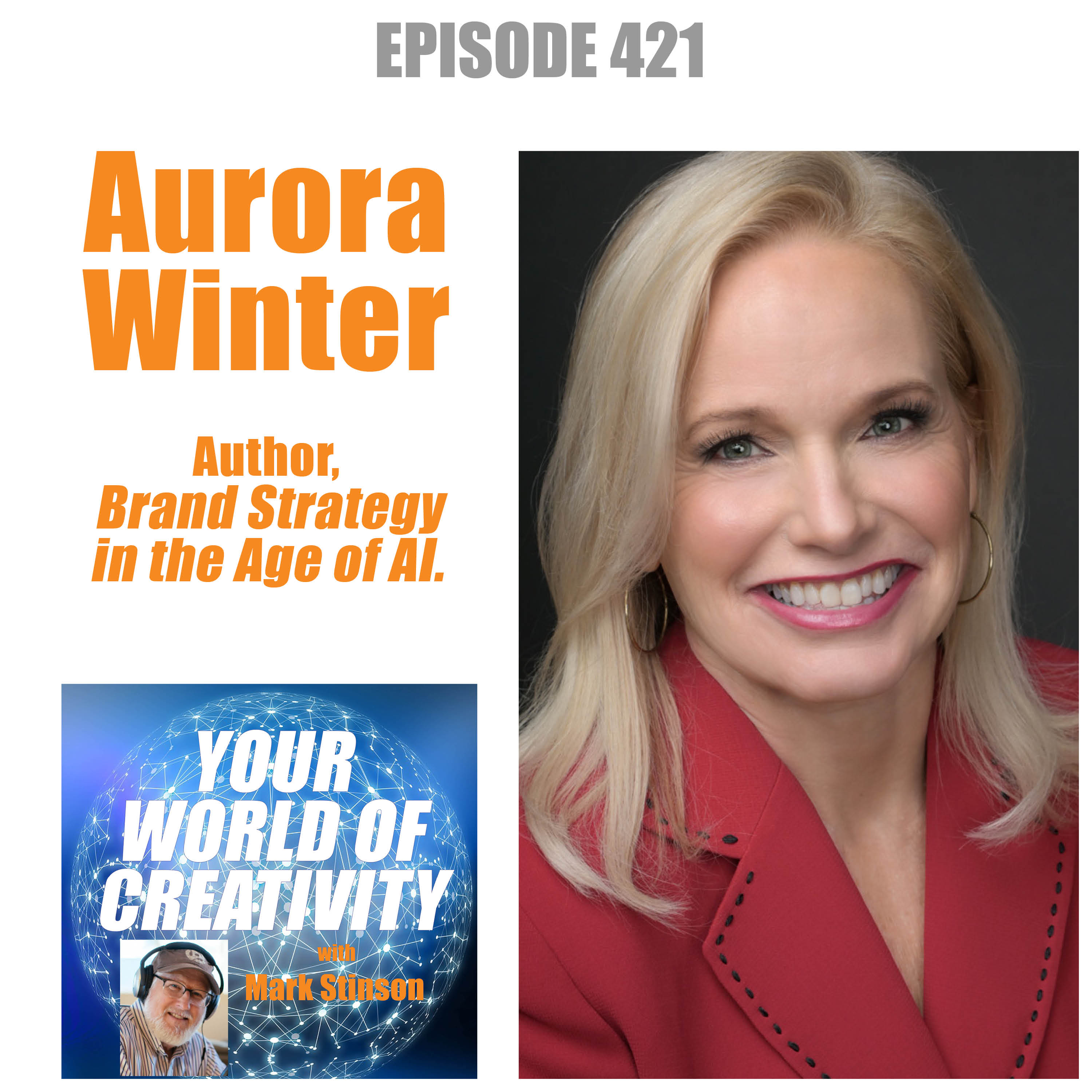 Brand Strategy in the Age of AI, with Aurora Winter, Author
 Flipping the Record Label Model, with Don Rodriguez, Music Producer and Founder I&I Music Studio
 How to Build a Brand Universe, with Luna Battalia, Business Strategist, Caru Creative and Animist Branding