What's Cooking? · 2026-06-24 · 14 min
Key moments - from our scoring
Substance score
47 / 100
Five dimensions, 20 points each
The Jamie Oliver Group's COO discusses his unconventional career arc from 16-year-old kitchen apprentice to leading one of the world's most recognized chef-led restaurant franchises. After the group's 2019 administration, he became employee number one and orchestrated a strategic pivot from a domestic, owned-and-operated model to a franchise-first global business with 16 partners across markets. The conversation covers critical operational shifts: systemizing intuitive hospitality practices for franchisability, localizing menus and interiors while preserving brand DNA, rigorous partner selection (describing it as a "marriage"), and the unique challenge of operating under a celebrity founder's 25-year media presence. He details the UK re-entry with Bravo Hospitality Group and Kane International, including the Jamie's Italian redesign - lighter interiors, 30% smaller menu, focus on handmade fresh pasta, and Jamie Oliver's personal calligraphy on menus. His leadership philosophy centers on restaurant immersion, team motivation, and continuous evolution. This episode serves operators, franchise developers, and multi-unit restaurant leaders seeking insights into scaling hospitality under a brand personality, navigating post-crisis turnarounds, and balancing standardization with local relevance.
The group's administration wasn't due to Jamie's brand, which remained strong, but rather management decisions, inability to pivot, and insufficient capital as a privately owned business to adapt to market challenges.
The new strategy prioritized franchising first, simplified operations, and developed distinct concepts (four in the current portfolio) tailored to different markets and growth opportunities, with a focus on becoming the best global chef-led franchise business rather than maintaining a domestic estate.
There was strong synergy between how JV (Bravo's leader) viewed restaurants, his people-focused approach, and transformation work, combined with the operational expertise of Kane International (headed by Jonathan Goldstein), making it feel like a solid partnership fit.
The menu is 30% smaller than before, with a focus on handmade fresh pasta - which Jamie's makes daily in every global restaurant - and removal of items like burgers to create a more single-minded, decluttered offering.
Jamie Oliver personally created calligraphy for the handwritten menu, designing his own Jamie Oliver Farmi calligraphy style to ensure the menu felt authentic and distinct when the restaurant returned to the UK.
Our reviewer’s read on each dimension, with quotes from the episode.
The episode surfaces some genuinely useful operational ideas - the pivot from owned-and-operated to franchise-first, menu rationalisation as a strategic signal, and the localization tension - but these are diluted by significant narrative padding, personal history, and generic people-first platitudes across a short 14-minute runtime.
putting franchise first was a big pivot it was definitely more of a owned and operated model before
i think a lot of hospitality business acts and sort of do things in an intuitive way and franchising really kind of makes you stop and try and unpack those things those instincts and put them into a sort of systemized or structured way
The franchise-first reorientation and the fresh-pasta-as-differentiator positioning are mildly interesting strategic choices, but almost all broader claims - people are the most important thing, don't be complacent, localization is hard - are recycled hospitality-leadership orthodoxy with no contrarian framing.
how do you localize whilst keeping the brand's dna kind of intact that's going to be a forever challenge
i think the menu became a bit homogenized really trying to be a bit more single-minded
The guest is a genuine lifer-practitioner who rose from pastry chef to CEO of a global franchise business over 15+ years - real operational credibility at meaningful scale. The format and questioning, however, prevent the depth of expertise from being fully extracted.
I'm a lifer in hospitality so I left school at 16 and as you say I started life in the kitchens
I was effectively employee number one so as with any team you need a team that was about people and putting together a really good group of people
There are a handful of concrete data points - 50M+ books, 36 languages, 16 global partners, 30% menu reduction, ~1M annual UK visitors pre-collapse - but the episode contains no financial metrics, unit economics, franchise fee structures, or hard performance data that would make the business case truly evidenced.
he's sold well over 50 million books, the biggest cookbook author in the world, TV across 120 countries or something like that, books published in 36 languages
the menu is much smaller it's about 30 smaller than it was before
The transcript is an almost unbroken guest monologue; host questions are invisible and the single visible callback to a question ('To answer your question') confirms a soft, unprobing interview style with no follow-up challenges or pushback on any claim.
To answer your question, it is unusual for sure, but it's also super inspiring as well
Computed from the transcript - who did the talking, and the words that came up most.
Missed the full episode with Ed Loftus, Global Director of Jamie Oliver Restaurants? Here's the bite-size cut. Keep an eye out for our next episode, featuring Gabriel Shohet, Co-Founder, Black Sheep Coffee. Hosted by Conor Sheridan, CEO of Nory, the AI operating system for hospitality. LISTEN TO THE FULL EPISODE Apple Podcasts: Spotify: YouTube: CONNECT Ed Loftus on LinkedIn: Conor Sheridan on LinkedIn: Nory: All What's Cooking episodes:
Transcribed and scored by The B2B Podcast Index.
I'm a lifer in hospitality so I left school at 16 and as you say I started life in the kitchens and you know spent probably 10-15 years working away in kitchens and really a whole variety of things from hotels to Michelin star restaurants, bakeries, I was a pastry chef for a while, lived in New Zealand and then slowly progressed into sort of multi-site operational roles, more commercial roles and as of today running the Jamie Oliver restaurant group. I don't think there's a huge amount of chefs out there that are in these sorts of leadership roles but that's been my journey.
It's been a really interesting one. I think actually a lot of the time in kitchens and restaurants has really benefited me in terms of how I see restaurants, restaurant groups and and what matters as well. In my view on hospitality, it's a bit of a team sport, really. A group of people coming together to achieve a common goal, and I think that applies as much in terms of the four walls of a restaurant as it does from a head office leadership support function.
So I think there's a lot of similarities around sort of having to focus on the team, getting the team motivated to deliver an outcome. I think for me it was just the curiosity, the interest of how restaurants and all of the component parts come together to deliver the outcome. That kind of got me interested. So, you know, as I became a head chef and exec chef, I was kind of just curious about how everything else worked.
I don't think Jamie's ever not had a good brand. I think the restaurant business went into administration for various reasons, but it wasn't because of his brand. I just think there was other issues, management decisions and not having the ability to be able to then pivot and the capital required to do so being a privately owned business. The sort of awareness of Jamie today, he's been writing for 25 years, right?
He's sold well over 50 million books, the biggest cookbook author in the world, TV across 120 countries or something like that, books published in 36 languages. Clearly, like there's a huge opportunity with that. And that gave me a huge amount of confidence. And I like a challenge.
The strategy sort of post May 2019 was quite simple. I was effectively employee number one so as with any team you need a team that was about people and putting together a really good group of people to take on the challenge of becoming sort of the best global chef-led franchise business in the world putting franchise first was a big pivot it was definitely more of a owned and operated model before and rather than having that sort of domestic estate as the center of gravity. Every day, the sort of mission was to wake up and think about how can we become the best possible franchisor where we have the best possible systems simplified operations and like something scalable And that was the core focus Whereas before it was all about the domestic market and that quite a change in terms of mindset and we also did a whole series of innovation as well at the time the sort of brand focus was on jamie's italian and we developed some some new concepts and we've continued to develop new concepts to support partners of different growth opportunities to capitalize on different channels different settings and also ensuring that each of the four max concepts within the portfolio has a very distinct role to play whereas I think before when we were growing we were trying to solve maybe a few challenges with one concept and I think when you're in a crisis pre-May 2019 when the business was in a very challenging period I think innovation becomes tough because decision making is difficult I think when you're when you're up against it you kind of paralysis can take over and overthinking am I making the right decision or am I not making the right decision one of the things that we face with our business is that it's it's not just a restaurant group there's a person behind it and that brings significant opportunity Jamie's got a huge global profile and the media side of the business you know it's super active every year and putting jamie top of mind and he's always campaigning and there's always presence so that's that's a huge opportunity but it's also how that comes life in each market and how the different audiences that come to the restaurant what their expectation is of a jamie of a restaurant is something that is different by market you know what they expect is different how people eat when people eat and all of those things are nuanced prior to 2019 we were very much more of a one-size-fits-all for the international space and really what we've lent into massively over the last six seven years and we're still perfecting it how do you localize whilst keeping the brand's dna kind of intact that's going to be a forever challenge really feeling like you connect with a local market in a lot of the countries we're in you have to kind of work hard around the interiors you have to work hard on the menu or the sourcing or making you feel relevant and part of the local f&b scene i think a lot of hospitality business acts and sort of do things in an intuitive way and franchising really kind of makes you stop and try and unpack those things those instincts and put them into a sort of systemized or structured way of being able to relay that information to a partner right the number one thing with franchising is definitely partner selection and I think that's not an easy process the first time you do it the second third time but you know we've got 16 global partners I think it's a marriage is the way I describe it you're going to go through ups and downs and that partnership has got to be rock solid and really strong and it's got to be flexible as well.
Clearly there's a benefit to having a more presence in your own domestic market for sure but we certainly hadn prioritised going back into the UK We got talking to JB there was an introduction We got talking to him Going back to that point around about the fit and the relationship there was just a really good synergy between the way JB saw restaurants, what was important to him, his focus on people, the transformation work he'd done, and it felt like a really good fit. So although we weren't looking for a partner at that time, I think everything that JV was talking about, everything that he was doing was really impressive.
And it's also not just the Bravo Hospitality Group, right? They're backed by Kane International, headed up by Jonathan Goldstein. So I think it was a combination of the operational expertise and the team that JV had put together, plus the Kane International piece as well. And then us with the brand, all of those three things coming together just felt like it could be a really solid partnership.
You know, when we were working on what this was going to look like, I think there were some key things we wanted to retain and there were some things that we definitely wanted to evolve. One of the key things we wanted to retain was the culture, the focus on food and quality, which I think existed before. And the culture within the James Hanyan business previously was super, super strong. So that was something we wanted to retain.
And then every other customer touch point was kind of gone through on with a fine tooth comb. The interior design, it feels completely different. It's a much lighter, fresher space. Before, I think the interior design was very much more focused on industrial elements.
Now it's much softer. There's a lot more vibrancy of colour in the interiors and it feels completely different. And I think it's more of an environment that people want to be in today within the F&B sectors. the menu is much smaller it's about 30 smaller than it was before we sort of double down on fresh pasta we've always made fresh pasta in our restaurants every day around the globe every single restaurant makes fresh fresh pasta we don't buy pasta into any of our restaurants it we have machines and we we have a specific way that we do that that we are the best fresh pasta option within the mid-market and that's kind of our focus with the jamie's italian coming back to the uk and and declutter the menu we were doing burgers before we were i think the menu became a bit homogenized really trying to be a bit more single-minded about jamie's handwritten the menu as well he's created his own sort of jamie oliver farni to calligraphy lessons and um went on a bit of a journey and a bit of a rabbit hole to get that right but i think the key is like you don't want to bring something back and just make it exactly the same but you also want people who and there was a lot of people you know i think there was a million people a year coming through jamie's italian when it existed before in the uk and they'll all have their memories right so we were conscious we wanted to retain some of that kind of core dna as well and so far it's um completely outperforming where we thought it would be from a customer sentiment point of view jamie's roof not too dissimilar in his world to perhaps mine like although he's ended up being the personality that he is the public personality that he is but and he grew up in his mum and dad's pub.
He had a very sort of humble upbringing. He was a chef. He learned his trade on the floor. So he has a real connection to hospitality, but also a real understanding of what it takes to bring all of the component parts together It not working for somebody that finds the notion of hospitality abstract He a creative force He a super people person.
So he spends a lot of time with a team. He's probably the hardest working person in the whole organisation. He lives in the office. He's always working.
He's relentless in his appetite to do new things and to take on new projects um and he's kind of got this approach to just you know be unassainably accessible in what he does like his cookbook writing revolutionized cookbooks it was all about taking away some of the mystery some of the complexity that historically was in um most cookbooks and he tried to make food accessible and we try and bring that same level of access accessibility to all of our restaurants all of our restaurants are focused on families.
We want to see everybody in our restaurant. We want to be everyone's place. To answer your question, it is unusual for sure, but it's also super inspiring as well. It's a really inspiring place to be.
I'd say most weeks, and there's no two weeks that are the same, what I like to try and focus most of my time on is spending as much time in the restaurants as possible, feeling connected to them whether that's here in the UK or abroad and that's super important to me whenever I go away the team kind of brace themselves because I come back and I've got like a long list of things where I'm like these are things we need to look at new initiatives new ideas opportunities for us to improve on so I love spending time in restaurants I love spending time with the teams I try and make a lot of my time available to not only spend with my sort of leadership team but also just to go and you know have a cup of tea or a cup of coffee with you know one of the gms or the restaurant managers or the head chef or whoever it might be because i think that that connection like i said at the beginning i really truly believe that what we do is all about the people and there is a direct correlation between happy teams happy people motivated people and success and that's something that i really put a huge amount of time into yeah and the week started with tastings you know i'm always tasting food which is one of the perks of the job i guess spending a lot of time with the development chefs we have a dedicated development team here in our head office they're always cooking lots of site visits uh yeah internal and external stakeholder management really so it's a diverse job you know one day we can be talking about a chair and how important is this chair and getting it exactly right and and then you know strategy works completely different so I like to feel challenged.
That's kind of probably why I'm still here after 15 years, because it's so diverse and dynamic. I think we need to always put the guests first. And it's so important when we're looking at and listening to what guests are thinking and feeling. We need to continue to evolve.
You can't be complacent.
Other episodes covering the same guests and topics, from across The B2B Podcast Index.
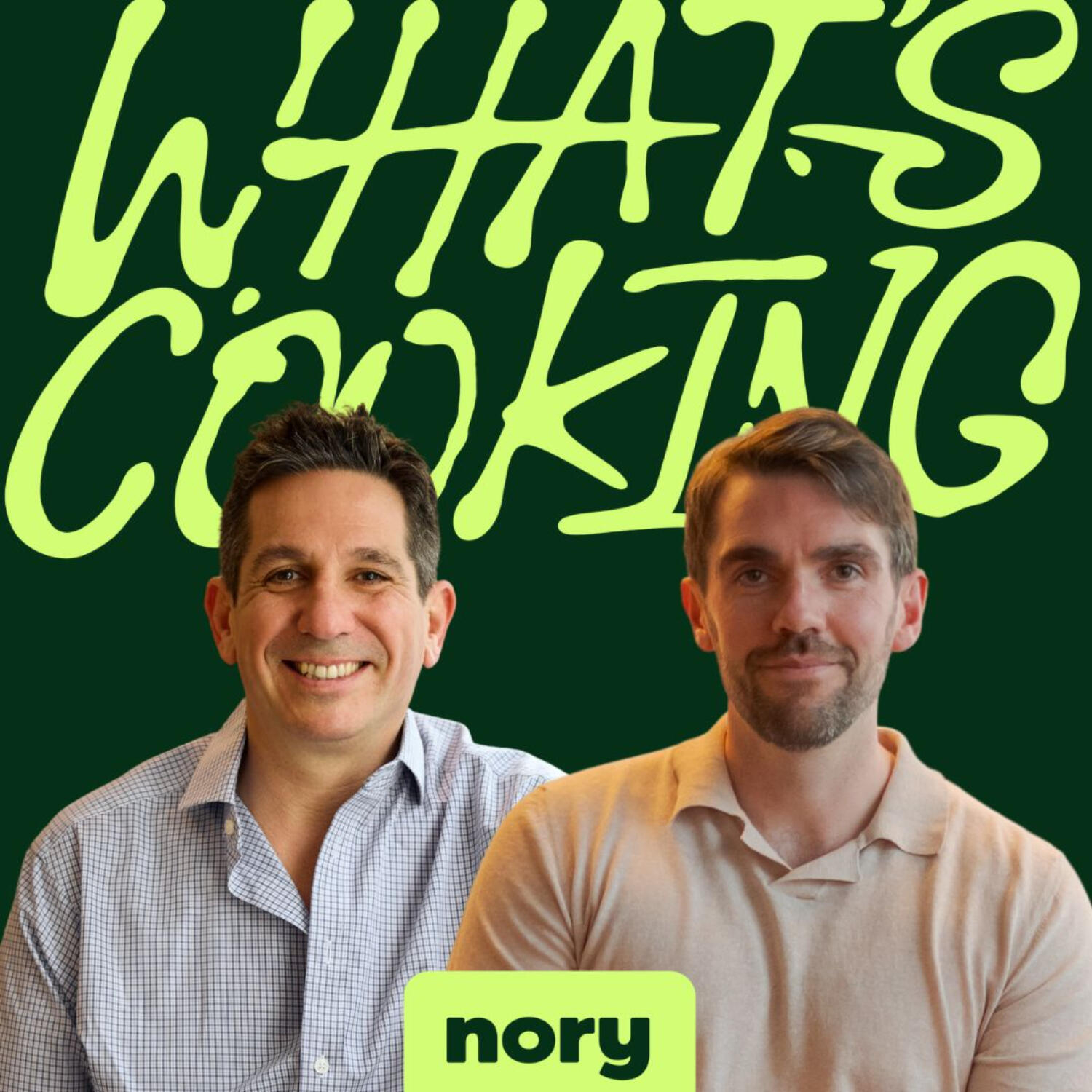 The Harts Group Multi-Brand Playbook: What to Centralise, What to Protect91 / 100
 Hart's Group Bite-Size: Scale Without Standardising
 Black Sheep Coffee bite-size: Never fear competition
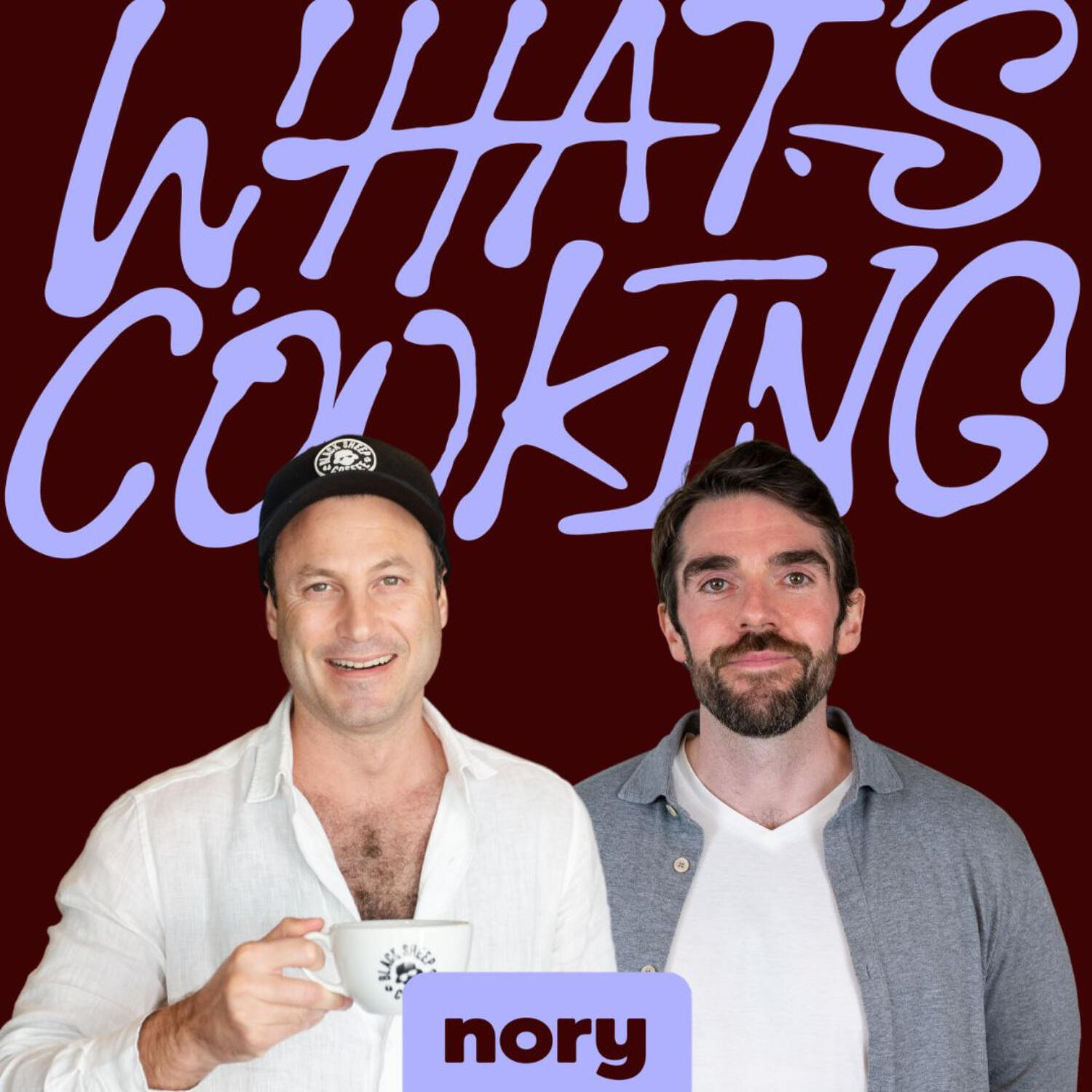 Conviction Over Consensus with the Co-CEO of Black Sheep Coffee
 A Second Act with the Global Director of Jamie Oliver Group