Venture Unlocked · 2025-11-12 · 39 min
Key moments - from our scoring
Substance score
53 / 100
Five dimensions, 20 points each
Rob Go, co-founder and partner at NextView Ventures, identifies four structural forces creating what he calls a "crisis moment" for seed investors in 2024. The conversation explores how the seed funding landscape has fundamentally shifted since NextView's founding in 2011: industry maturation has eroded profit potential, YC and mega-funds now dominate deal flow with incompatible business models and pricing, the power law consensus has intensified competition for proven founders at inflated valuations, and the AI platform shift - while creating opportunity - has paradoxically concentrated capital further. Go argues that seed investors must adapt by leveraging AI to improve their own operations (though this is merely sustaining, not transformative), and crucially, by adopting genuinely differentiated investment theses rather than competing in the "white hot center" alongside mega-funds and YC. The discussion cuts through the mythology of seed investing's recent boom, revealing how the rising-tide-lifts-all-boats era of 2016-2021 masked fundamental skill gaps. Essential listening for seed fund managers, LPs evaluating seed portfolios, and founders understanding why traditional seed paths may no longer deliver returns.
Industry maturation reducing profit margins, competition from YC and accelerators that price companies above seed fund targets, mega-funds cherry-picking proven founders at extreme valuations, and the AI platform shift intensifying power law dynamics, making consensus innovation increasingly crowded.
YC companies typically raise Series A at valuations beyond seed investors' strike zone due to YC's brand and capital intensity. Many YC founders aim to raise directly to Series A, and even those seeking seed capital do so at prices that conflict with the seed fund model of owning meaningful equity, forcing seed investors either to adopt separate YC-specific strategies or avoid the cohort.
Go recommends two paths: either compete successfully at high valuations in the "white hot center" with proven founders (a difficult, expensive strategy), or invest in genuinely unusual, edge-case companies that mega-funds ignore, requiring willingness to be wrong often but capturing asymmetric upside when thesis works.
Yes, Go sees AI applications as barely in inning one with massive opportunity, particularly in second-order effects and underexplored verticals beyond developer tools and legal. Low barriers to entry are offset by the need for product depth, distribution, and defensibility - factors that distinguished successful SaaS companies and will do the same for AI applications.
AI can automate venture firm activities and unlock data exhaust venture firms currently ignore, helping seed managers operate more efficiently. However, Go frames this as sustaining innovation - necessary to keep pace but not transformative enough to solve the structural challenges facing seed investing.
Our reviewer’s read on each dimension, with quotes from the episode.
The episode offers a reasonably coherent four-forces framework (maturation, YC, mega funds, AI consensus) and the classic-VC vs. super-compounder dichotomy is a useful structural lens, but large chunks of the conversation are the host restating what the guest just said before asking another open question, and several 'insights' (ZIRP ended, power law matters, AI is big) are things any active seed investor already knows.
there's emerged essentially like two different worldviews in terms of how VCs attack the market. There is the classic worldview, which is the goal is to invest in the unproven...The second though is a different worldview, which I've called it the super compounder worldview
this is a platform shift that everyone is ready for and nobody. It's essentially a consensus innovation
The 'consensus innovation' framing for AI and the recursive trap of seed investors pre-selecting for what downstream A/B investors want are genuinely fresh articulations, but the bulk of the thesis - ZIRP distortion, YC valuation mismatch, mega fund cherry-picking, power law internalization - is well-circulated VC Twitter discourse that has been rehearsed extensively elsewhere.
this is a platform shift that everyone is ready for and nobody. It's essentially a consensus innovation
you gotta be like, way weirder in terms of the kinds of things that you invest in, or you're gonna be stuck in the, like, white hot center. And that gets priced to perfection
Rob Go is a genuine 15-year seed practitioner with five funds raised and real portfolio experience, clearly not a career podcast guest; his Cruise miss and the disciplined-vs-dogmatic lesson carry credible practitioner weight, though NextView is a mid-tier fund and the conversation stays at the level of framework rather than revealing hard-won operator secrets.
we started the firm back in 2011 and we're currently investing out of our fifth fund, about to crack open our sixth fund
Didn't even take a meeting. And that company ended up being Cruise.
The episode drops a handful of useful named data points - Nvidia's decade at sub-$10B market cap, Spark's Series B in Twitter and Series C in Anthropic, the Cruise miss, BoldStart/Ed Simmit, $5 - 10M ARR thresholds - but most prescriptive claims (how to compete, what to invest in, what returns look like) are stated in abstraction without supporting numbers, named portfolio companies, or fund-level data.
Nvidia was a uh, sub $10 billion market cap company for 10 years as a public company before it really accelerated
probably the best investment that Spark made at the time was the Series B of Twitter. Probably the best investment they've made recently is a Series C of anthropic
The host occasionally earns his keep - the YC double-click and the vibe-coding challenge are genuine follow-ups - but a persistent habit of restating the guest's last answer before posing the next question pads the runtime and lets several under-supported claims pass unchallenged (e.g., no pushback on whether the 'everyday economy' thesis is actually differentiated or on specific fund performance).
Can we maybe distill down a little bit and double click on sort of yc?
there was another investor that said the one difference between now and like the enterprise SaaS world is things like coding have been effectively commoditized...Does that hold water with you or do you believe that's a little bit overblown as a concern?
Computed from the transcript - who did the talking, and the words that came up most.
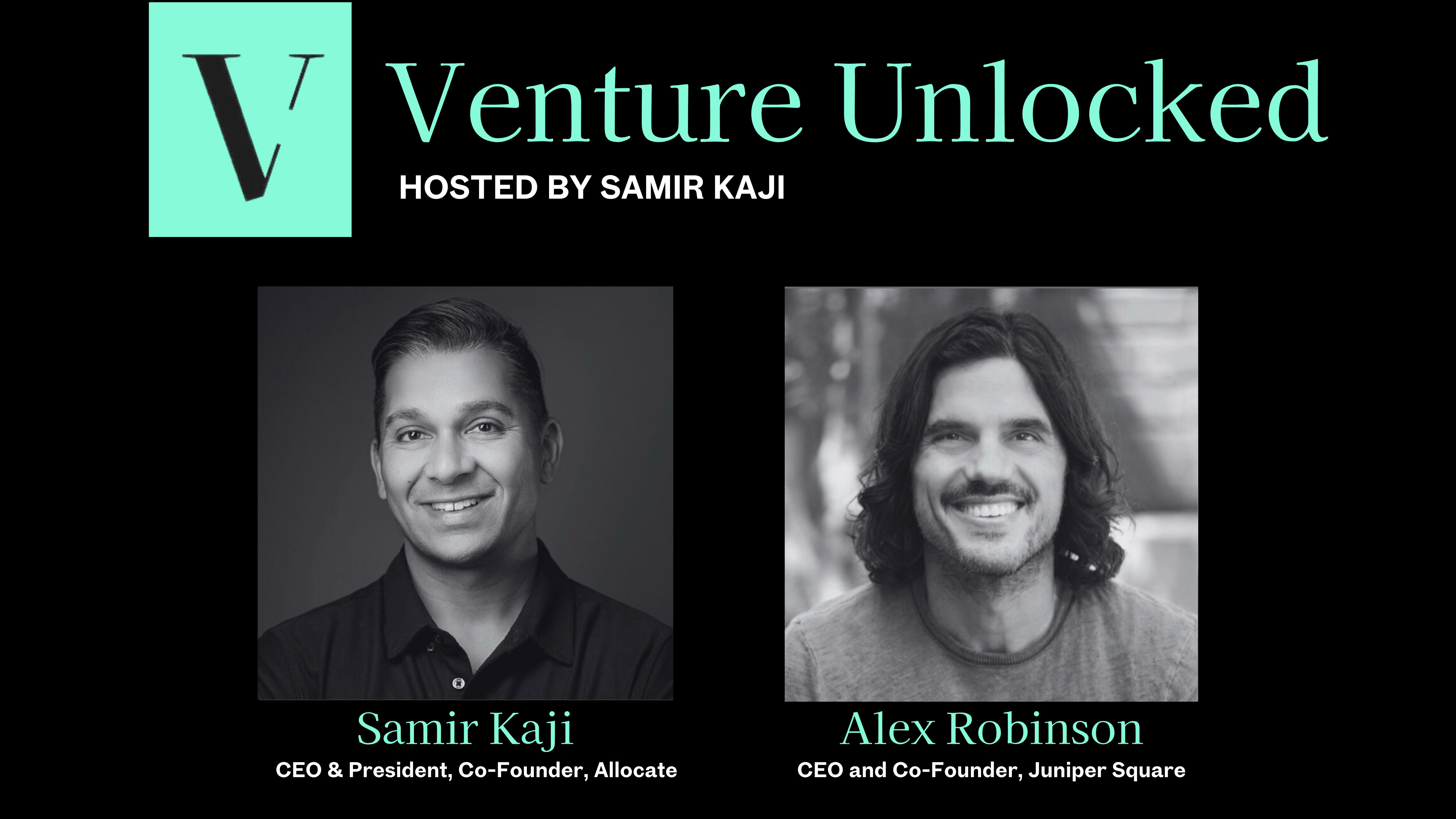
Follow me @samirkaji for my thoughts on the venture market, with a focus on the continued evolution of the VC landscape. Welcome back to another episode of Venture Unlocked, the podcast that takes you behind the scenes of the business of venture capital. Today, I sat down with Rob Go , Co-Founder and Partner at NextView , to discuss the shift in seed-stage investing and what seed funds need to consider to remain viable. The conversation was sparked by a series of Posts Rob wrote, the first of which was called a Crisis Moment in Seed. We spent a lot of time talking about what inspired the post and how seed managers should adapt to the shifted market. For anyone investing at seed, this is a must listen as Rob shared so many insightful views. Thanks for listening to another episode of Venture Unlocked. We hope you enjoyed our conversation with Rob. If you’d like to get Venture Unlocked content straight to your inbox, go to ventureunlocked.substack.com and sign up, or go to Apple Podcasts or Spotify and subscribe.
Transcribed and scored by The B2B Podcast Index.
Samir Kaji: Foreign. Welcome back to another episode of Venture Unlocked, the podcast that takes you behind the scenes of the business of venture capital. On this week's episode, I sat down with Rob Go, co founder partner of NextView to discuss the shift in seed stage investing and what seed funds need to consider to stay viable. Our conversation was sparked by a three part series of posts at Rob Road, the first of which was called A Crisis Moment in Seed. The link for Rob's posts are on the Venture Unlocked substack and during our conversation we spent a lot of time talking about what inspired the post for him and how seed managers today should adapt to the shifted market. For anyone investing at Seed, this is a must listen as Rob shared so many insightful views.
Narrator: Samir Kaji is the CEO and co Founder of Allocate. Allocate and Venture Unlocked are independent of each other. Any statements or references made by Samir or his guests regarding third party investments or securities are solely their views and opinions and are not intended as investment advice or an endorsement of such parties or securities by Samir, his guests or Alicate, Allocate or its clients may maintain relationships with or investment positions in guests, third parties or securities mentioned in this podcast. This podcast is for informational purposes only and should not be relied upon as a basis for investment decisions.
Samir Kaji: Rob, I really appreciate you being on and this conversation is going to be really interesting for me because like you have thought a lot about it, but the world of venture capital, the evolution of it. You recently wrote over the last few months a series of blogs around the seed universe, but I think it actually spoke more broadly toward where venture is today versus where it was and I want to get into that. But maybe a good place to start is giving us a little bit of your background and what led you to some of those thoughts that you had on the blog. Awesome.
Rob Go: Uh, well thanks so much for having me excited to be here on the show. So for context, I'm one of the founders and a partner at NextView. So we're a pre seed and seed focused fund. I live in the Boston area. We have partners in Boston, New York and San Francisco and invest across the country. We started the firm back in 2011 and we're currently investing out of our fifth fund, about to crack open our sixth fund. And so starting back in 2011 we were like one of the OG like spinouts. We were one of the few funds of that era that were mostly guys coming out of existing, uh, venture funds. Right. If you recall, most of the other peer funds at the time were like angels who were institutionalizing. And. And so we've kind of seen, like, most of the movie in terms of how seed investing and early stage investing has progressed from that time period through to today. And there's been a lot of changes in the industry. When we started the firm, one of my partners had this analogy that the venture business is kind of like the beer industry. And he likened the rise of seed funds to, like, the microbreweries that were prevalent at the time. But, you know, Fast forward like 15 years, that industry has changed a lot. And the venture industry has changed quite a bit. And there was a ton of maturation. There was behind closed doors, we had a lot of gps who were, like, groaning about things that were different or more challenging than they used to be. And so that kind of just led me to write a few posts, trying my best to just synthesize everything I was hearing and feeling in a somewhat coherent way.
Samir Kaji: Yeah. Uh, let's start with a little bit of the foundation right now. So you mentioned starting in your next view in 2011, I think you rolled out of Spark Capital, obviously, institutional firm. And at the time, there weren't a lot of seed funds. And if I kind of look back 15 years ago, that was kind of the start. And there's a number of things that made it possible. Obviously cloud computing, making it easier to cheaper to start companies. But, you know, here in Silicon Valley, there was folks like Jeff Clavier and folks like Aydin Sencut and Naples and Steve Anderson, and a lot of them were angels that became known as super angels. They weren't even called micro VC receipt funds. And then since 2011, there have been a lot of tailwinds, both in technology really becoming ubiquitous. But, you know, we were in a capital environment where interest rates were low. So a lot of capital was going into things like venture capital. And we saw the number of seed funds go from a small handful that you could probably put on one whiteboard to several thousand. And so talk a little bit about maybe. Before we get into this particular blog post, what did you see, I guess, in the main evolution and the themes of, like, 2011 to 2024.
Rob Go: Right. Yeah. So one other early pioneer in the space was Michael, uh, Dearing, who I worked in his department at ebay many moons ago. And frankly, I had a peek into what he was doing as he went from being an angel investor to starting Harrison Metal. And I said, hey, that's really interesting. And that points to one of the issues, right, with seed investing is it is the lowest barrier to entry segment of private equity because the cost of starting startups had gone down. And so the cost of getting into the game as a seed investor had gone down as well. And so as you mentioned. Right, like one of the things we saw was just a, uh, flood of new entrants and into the space, I think there was a tailwind, which was that, like the original thesis was true. Right. And so a lot of these funds and that vintage of funds performed really well as a cohort and they, a bunch of folks were able to profit quite immensely from investing in really significant companies and entering these businesses at pretty attractive prices. Right. And so that propelled this segment of the market and I think that just created a huge amount of competition. It actually enabled a lot of new company creation, which I think was really good for founders and for the industry. But it became really hard to decipher who is really going to be successful. What does it take to be differentiated and to break out. And as you said, we had this ZIRP environment coming out of COVID that just like supercharged everything. And hopefully if you had a successful fund and you were in a position to get out of these companies and take advantage of those valuations, hopefully you did. But at some point that came to a screeching halt and that created a lot of pain and a reckoning for a lot of investors, not just seed investors, but a lot of the late stage folks who tried to pile onto that momentum.
Samir Kaji: Yeah, I agree. And that was 2021, obviously, was the peak of that zerp area. And then 2022, obviously interest rates rose up. It changed the risk dynamic and where money was going. And then you also had this new platform shift with artificial intelligence. And now what we've seen over the last couple years with AI, both at the AI lab level, the infrastructure level, now applications. But you wrote, going back to what this all means for seed, because there are seed, at the end of the day, is investing at the early stages of the company. It still is a really important point of sort of capital to be able to take companies from inception, um, ID to now execution. But you wrote a post that I thought had a really compelling thesis around it, but it was labeled crisis moment for seed. Maybe bring us through sort of the thought process and what that blog was really intentionally focused on.
Rob Go: Yeah. So what I saw was essentially like four very significant forces that was making life much more challenging for seed investors. And I'd heard bits and pieces of it, but I'd never heard anybody really pull it together. And so that was the impetus for the post. So the first was what I alluded to, right? The industry was maturing just like every single industry out there. Venture capital is no different. And so it's gone going from a cottage industry to more mature industry. And so the potential for profits get eroded as industries tend to mature. So that's number one. The second was actually two things. It's sort of the rise of two very. In very formidable categories of competitors. And most simply, one was accelerators. But I think YC is really the most prominent one where you have. Where YC represents a huge portion of the market that essentially starts. That gets companies on a path that is somewhat orthogonal to what seed investors want to do, because the seed investors have institutionalized. There's much more of a focus on check sizes, ownerships, ownership in order to drive fund returns. But a lot of YC companies kind of get startups on a path that isn't exactly like simpatico with what seed investors are trying to do. So that's sort of force number one, and that represents a big chunk of the market. Force number two are the mega funds and the way that they participate in the seed market. And they do so in two ways. One is through scale, uh, efforts. So similar to SpeedRun, similar to YC, in fact. So you have that, but they also cherry pick effectively the proven founders and invest at extremely high prices because they can. Right. And that ends up eliminating a smaller portion of the market by number, but also makes it. But for those categories of founders, it becomes really difficult for the seed investors to compete. And so there's a little bit of this squeezing on those two ends for the seed managers.
Samir Kaji: Can we maybe distill down a little bit and double click on sort of yc? So yc, incredible scale, right? Companies, when you say they go in a, you know, on a path that might not be congruent with the seed model. Maybe walk us through what you mean by that.
Rob Go: Yeah. So YC has the deal that they offer, uh, to entrepreneurs. And it's pretty attractive for, I guess, pretty attractive for entrepreneurs, pretty attractive for yc. It somehow works out quite well. And the typical YC company exits and tries to raise their next round of capital at relatively high prices. And I would say, typically those prices are in a zone that is beyond the kind of center of the strike zone for most seed investors. The other thing they're trying to do is for some subset of the IC companies they're hoping to raise directly, raise a series A directly. Uh, and again, that ends up being at a Price in a scale that is beyond what seed investors typically target. And so it's not that most seed invest. It's not that seed investors don't invest in YC companies. It's just that it ends up being a subset or you have some seed investors who intentionally decide to have a separate YC strategy. Right. It's like, okay, we're going to invest in X number of YC businesses. Our typical mode is to invest X amount of dollars for Y ownership. But for yc we're going to do something completely different, which is sort of a valid strategy, but it is sort of orthogonal to what is the, the core strategy of the seed funds.
Samir Kaji: Right. So, so then basically you get the squeezing from both sides. You have one model, particularly with yc, given the number of companies that because of the valuation, the quantum capital, those companies are often raising from inception that are incongruent with the seed model. And then, and the bigger folks that are acting as this mega brewery, if you, we extend the analogy can come down to the seed level, but the check sizes are much greater and it's really more of a life cycle sort of bet that they're making that they can put large amounts of capital into these companies over time.
Rob Go: Yeah. Well, I actually think that what is happening here is related to the third observation, which is everyone has gotten religion around the power law. And uh, that's one of the things that I remember when Peter Thiel was giving his, his lectures and then wrote the book 0 to 1. Right. The power law was kind of this novel thing and oh, uh, people underestimate the potential of the best companies. And it's very counterintuitive to think about the power law dynamics of this industry. But I feel like the industry has kind of internalized this and taking it to the extreme. So back to the megafunds. Right. If you operate with this sort of power law mode, then if there is a founder who looks like he or she may be a true outlier founder, the megafunds can just invest in those companies, in those founders companies at pretty much any price with the belief that if that company ends up being a super compounder, it doesn't really matter what your entry price was because at some point the biggest companies are so extraordinary that you know, you're going to profit either way. And so that that effect is pretty pronounced and drives some of that behavior for the mega funds.
Samir Kaji: Yeah. What were some of the other observations you mentioned? Obviously this YC mega megafund sort of dynamic that makes it tougher for a uh, seed investor to actually be successful the way they might have been 10 years ago. Maybe go through some of the other observations you had.
Rob Go: Yeah, so it was industry maturation, YC and megafunds. Power law is consensus and then the AI platform shift, which is good news generally because that creates a huge amount of opportunity for everybody. But what's odd is that this is a platform shift that everyone is ready for and nobody. It's essentially a consensus innovation. And so this kind of pushes all the other factors to 11. Right. Like people believe in the power law. They believe in the power law even more because of how disruptive AI is going to be. Right. And the effects you're seeing in terms of how YC or mega funds prosecute this market is more extreme because of this consensus around the AI innovation wave
Samir Kaji: when we think about investing in AI. And I do want to go into sort of the next, because this was a series of posts that you wrote, one of which was like, okay, there's a crisis here potentially for a lot of people that may struggle with a business model that has evolved so much over the years that what worked before is not going to work now. And we'll go into what do you do? Right. Because I think that's the obvious question of like, how do you succeed and thrive in an environment that's fundamentally changed, but going first to AI. So I think about AI infrastructure. So whether it's a company like Anthropic or OpenAI or any type of company that's really building fundamental infrastructure, those tend to be very capital intensive businesses. That's actually not a good product market fit between a founder going to a seed investor when they may need $100 million fairly quickly and often even beyond that. That leaves then the AI application layer, which you do have companies that can go to a seed manager. But it does appear that there are so many companies that are effectively doing the same thing and it's hard to gauge the stickiness and really the long term potential durability of those companies. And so how do you navigate in a world where AI infrastructure probably off limits and doesn't really make sense for a lot of seed investors and now it's the application level.
Rob Go: Yeah, I think that's such a good point. Right. Because that's another one of the factors. It's that where a lot of the action was most exciting, I think over the, the prior four or five years was in the infrastructure side of things, which doesn't really lend itself that well to most to the seed model broadly. There's Some folks who do actually a very good job of this, like I think Ed simmit, boldstart is effectively infrastructure oriented investor and there's some others. But yes, the capital intensity ends up being really tough for the seed players. You asked a question about application layer innovation. I actually think that's one of the optimistic views that I have, which is we are like barely in into inning one I think of uh, what will be a pretty like I think prosperous period of application layer innovation. And I think that's an area where the seed fund should be really well positioned to play. And not that there hasn't been a lot of great application layer companies, but it's been pretty narrow actually. A lot of things focused on the developers, obviously some really big companies focused on the legal space. Right. Where it's kind of a very obvious application of LLMs to that field. But we're really scratching the surface I think. Right. And to take an example, I think, and I actually think the other thought is that there's going to be a huge number of second order effects that arise in light of the fact that AI becomes ubiquitous and like we haven't even started to go down that path in terms of the types of businesses that get created there. So I'm generally like pretty optimistic about that. Your question around like defensibility and how do you pick and how do you distinguish companies? Like I don't think that's all that different than like, than software. Right. There wasn't massive differentiation defensibility among SaaS companies and so I don't think it's all that different within AI applications. And so I don't know. I actually think just the multitude of opportunities kind of overwhelm the fact that the seeming barriers to entry are somewhat low in that space.
Samir Kaji: It's a really interesting point because I do agree and you mentioned some companies that are on the application layer, whether that's Cursor, Windserve, Harvey, these are all these that we've heard of that have broken out and shown some level of not only scale but you know, durability and distribution. I think distribution, uh, very important. But one thing that I did here, and I want to test this a little bit, there was another investor that said the one difference between now and like the enterprise SaaS world is things like coding have been effectively commoditized and become at a pace where you can actually vibe code something over a course of two to four weeks and actually build something that is at parity with something that's already been funded. Does that hold water with you or do you believe that's a little bit overblown as a concern?
Rob Go: I think it's a real concern. I think that is that that is what distinguishes great products from like an amalgamation of features that you can kind of pull together. And so when I think about like what are the most interesting things that we're going to see on the application side, I think they're going to be much deeper than like a tool that does X that is pretty shallow in terms of what its capabilities are. Right. And I think that the best companies are not the combination of like a bunch of kind of a concrete feature set is sort of how everything kind of works together and the depth of thought around like what the end users need to. And I actually think to some degree it's like, let's assume a world where a lot of companies can build their own custom solutions. Like what then? Right? Like is there the types of products then that exist in that world might look like radically different than what we saw in the SaaS world right now.
Samir Kaji: Going to kind of the macro for a second and thinking through like this existential potential threat to the average seed investor. Again, we should be careful using the word average because average in venture is not very good. So you have to be the beneficiary fairly consistently of the power law to be able to produce the type of returns. But let's say the list of, you know, environmental characteristics that, that were in place six years ago are no longer here. The up and to the right for everything. The rising tide lifts all boats. It seemed like any seed fund that was investing could do fairly well given the were quick markups. And I do think some of that exists within AI. But given some of these symptoms that have emerged with the mega funds YC that could be incongruent along with the rising competition. What do seed funds do in today's environment where there is competition and you have some of these symptoms that have merged with yc, the megafund. How do you thrive as a seed manager? And what are those particular points of inefficiency? Maybe.
Rob Go: Yeah, I'm a big, uh, I'm a big golf fan. And so a deep cut analogy, when this golfer, Rory McElroy used to answered all these questions around, like all the challenges going on in the PGA Tour and some of the rule changes they had. One of the things he said was you just got to play better. And so to some degree I think the answer is like seed managers just have to do a better job which have to invest better and like that doesn't really mean anything except that the market's gotten more competitive and, you know, this is supposed to be hard and that's the nature of the game. So to some degree, I think you just have to invest better. Now, what are some opportunities to do that? One? I think that, I think that AI is coming for our industry in a pretty meaningful way in terms of how we operate. If you think about the activities of a venture firm, there's a lot of. There's both, like a lot of activities could be automated and there's a lot of data exhaust that we're not taking advantage of. Right. And so in my second post, I talk about that as not a. It's not the answer. It's like it's a, uh, sustaining innovation. If you recall, I think about how Clay Christensen talks about that you kind of have to do it in order to keep pace, but it's not going to completely change the game. But like, the technology is there and there's a lot of opportunity. And so I feel like that's going to be really important. I think the other is seed investors. Uh, when you go back six, six years ago or so, like, where everybody got into trouble is everybody's investing in the same kind of company. I remember Sam Lesson, I think, had this post about how it's the era of the factory model of venture capital. And it's a factory model because you're basically a supply. You're just a piece of the supply chain. You're trying to figure out what the Series A and Series B investors like, and you just invest in those companies and you supply the downstream funders and then you'll get a great markup and things will be great. And like, I just don't think that works. I think you gotta be like, way weirder in terms of the kinds of things that you invest in, or you're gonna be stuck in the, like, white hot center. And that gets priced to perfection, right? And so maybe that's fine and you're just gonna be able to compete really successfully in the white hot center, paying a high price with proven founders or proven opportunities. Or you gotta be willing to like, really go on the edges, invest in stuff that's really unusual and be wrecked. Which is where the. Which is where the skill, I think, really comes into it.
Samir Kaji: There's so much to unpack on this, and a lot of people wouldn't care to admit it, but, you know, some of the folks that did raise funds in 2016, 17, 18, a lot of the consideration of what to invest in was what would be considered attractive for the next line of investors to which you can get a markup, maybe multiple markets and maybe bull markets. That helps from the perspective of being able to raise that next fund when you have really shiny marks relative to your peers. I think the end game of when those companies exit, oftentimes that has shown that doesn't actually work fairly consistently. You have to be finding things that you know are before it's obvious. And I do think one of the challenges that's been brought up more recently from folks is yc, for example, is something that demands a certain valuation because it's considered part of this kind of factory of like this is how we work a lot of the AI application companies, given how hot AI is. And if you look at the numbers of an AI company valuation versus a non AI, the gap is widening by the day from seed to late stage. So then when you think about this concept of when I think about classic VC, and I'm going back 70s, 80s, 90s, three books, it was al always kind of doing things that people thought were weird or off the beaten path, but it was somebody that had some level of a prescient understanding of what might happen and a belief in an individual before it became obvious. Now things I There was a tweet out there where somebody said, well, if you don't have at least 2m $2m in run rate within 10 days, it's not interesting, which is antithetical to it. So talk a little bit about this classic VC model in today's world, given that a lot of these things feel like they're moving toward, or at least we're training entrepreneurs to be more consensus driven from the get go.
Rob Go: Yeah, it's funny. So the way I described it, and I think this will get to your question, and this was in my third post, is there's emerged essentially like two different worldviews in terms of how VCs attack the market. There is the classic worldview, which is the goal is to invest in the unproven, right. Find founders who are working in the weird areas and try to invest before things take hold. And that's the mode through which most VCs have historically operated. The second though is a different worldview, which I've called it the super compounder worldview. You can call it whatever you want. And the idea here is that the main inefficiency is actually people underestimate the best companies. And so the name of the game is to invest in the thing that is working and do so at any price because ultimately the best companies are even better than you expect, right? And, uh, I think that for a lot of reasons that we already talked about, that worldview has really has sort of dominated actually in, in the last few years. And, and so I think that we have these two worldviews at work. And so that results in a real narrowing in terms of the types of companies that people invest in. Because the Series A, the Series B investor, a lot more capital has gone into the market over the last few years, but it's gone into a very small number of companies, right? And it tends to be these companies that have a certain profile. It enables them to grow at a particular rate very quickly. And everything outside of that, like white hot center kind of gets left behind. And so then that creates an incentive for the earlier stage investors to say, like, well, in order for me to survive and to get the markets I'm looking for, it, uh, really has to fit whatever that really narrow set of companies looks like. And so that's where I'm going to hunt, right? And so it becomes this like weird recursive thing where everybody's kind of trying to invest in the same kind of company just like one step earlier. And I think that to some degree there are going to be some really good, great companies who come out of that. But I think that what used to be like a very narrow edge of potentially interesting companies that miss that gets much, much broader. But there isn't really a capital market for these businesses downstream. And so I think that my bet is that things are going to rotate back towards more classic venture behavior because there is a failure mode to this super compounder strategy, right? Like, not every single company is in a market that can ingest that kind of growth so quickly. And in a lot of these cases, that growth is not going to be very sustainable or not very durable long term, right? And so you're going to see a lot of these companies stall out, face a lot of churn, have all sorts of issues or company or funds will invest at these insane valuations and realize, you know what, I thought that was a generational company. It was only a pretty good company. And by investing that much capital that quickly, we actually kind of ruined the whole asset, right? And I think that you're going to see the capital try to seek other types of businesses that maybe have the same kind of promise, but are just on a somewhat different trajectory.
Samir Kaji: I want to stay on this topic a little bit longer on this concept of super compounders and the whole concept Obviously when we look at some of the size of some of these companies, if you think about the like just the top three venture backed companies in the private markets, over a trillion dollars in private market cap, Nvidia today is 5 trillion. We would have never imagined if I asked you six years ago, Nvidia is going to be. If I made you a bet that Nvidia is going to be 5 trillion or higher in market cap, you would have probably taken the uh, other side of that bet.
Rob Go: It would be Nvidia was a uh, sub $10 billion market cap company for 10 years as a public company before it really accelerated. Right. And now it's at a trillion right or multi, multi trillion. So like it's, I don't know. Uh, my point on that actually is that is actually an interesting example of like a true super compounder. But the slope of its ex, of its ascent is not what was, was very different than I think what folks are sort of pattern matching against today.
Samir Kaji: And it obviously took a long time and it took artificial intelligence to be sort of this next platform shift become that. And the strategy for a seed investor then is if you do take the super compounder, when you do invest in these companies that are fairly consensus areas, AI these are priced in a certain way so the valuations of these companies are already priced in. And then your hope is that of the 2535 companies you invest in, one or two become the extreme super compounders to which all the other stuff that may not actually have durability to it doesn't really matter. The challenge is there might be only a few of those per year and maybe there's more than there was 10, 15 years ago, but still it's a very tough strategy. The other side, which is kind of classic venture is I'm going to invest in things that uh, might not fit the super compounder pattern of like being really obvious. But the risk is in a market today where a lot of the capital is isolated to at least a super compounder behavior, at least downstream, these companies may need more capital and there might not be that capital even if they hit certain metrics. How do you like reconcile as a seed investor those two things?
Rob Go: Yeah, I think that's a real concern and a risk. I think there's a couple of things that may happen. One is you might start to see different strategies emerge in the, we call it like the mid stage of venture. Right. Where perhaps and I've met some managers who are kind of pursuing, who are scratching this or uh, who are experimenting with this sort of strategy. Right. So it's sort of belief of like if there's, if the traditional venture model is like multi m deca corner bust, surely there's a way to make money investing in companies at a sub $100 million valuation that exit, that exit in the 1 to $5 billion range. And perhaps there's going to be an emergence of funds that target uh, opportunities like that, or partners at different funds who, who play more in that mode. Right. So I think you might just see like a, a broadening of the type of downstream capital that exists. That's sort of number one. I think the second, and this is something that we think a lot about with the companies we work with that we, that we invest in that are knowingly outside of like the white hot center. You need to like make money real quick. And you want to be in a position where by the time you raise your next round, maybe you're not profitable, but it's pretty clear what your line of sight is to control your own destiny. And if that's the case, then you can raise a ton of money. You can go down the super compounder path. You can not raise a lot of money or wait things out for you to get to more significant scale. I think that's something that we've seen in a couple cases in our portfolio. These businesses, in some cases they've really scaled very quickly from a seed round to $5 million in ARR or even up to $10 million in ARR. And they don't really need outside capital. And so it kind of doesn't matter if they're in the white hot center of the market because they can scale on their own, or if somebody sees the promise in this off the beaten path sector, then you can really go for it at that point. So I think that optionality is the most practical thing for our founders to take advantage of.
Samir Kaji: And we'll see this evolution. I mean we're obviously very early in this kind of wave of artificial intelligence. A lot of these changes have happened fairly quickly and they'll evolve. But it's very clear the game on the field has changed. And that change is we're not going back to where we were several years ago or even a decade ago, at least anytime soon. But you know, a lot of what we've talked about in terms of the symptoms that have created this environment are academic. In terms of what we've all observed, what you've observed, I'd be curious in terms of the implementation, if you are a seed manager, how do you navigate? And maybe looking at NextView in particular. What have you decided based on all of these thoughts that are very much macro level at the seed level. When I say macro seed level, how has it impacted uh, your behavior or your model in terms of how you operate from an investment standpoint?
Rob Go: Yeah, so a couple things. One is we are really trying to go all in on reinventing our own operations as a firm using data and data software and AI tools. And so one of my partners, Melody, who has previously had a product leadership role at a scaled company and had led data science teams previously, has transitioned to being sort of a full time chief product officer for us and to really take the things that we were doing with like our 10% time that was showing actually really interesting results but and taking that to the next level. So that's something that we've really, it's sort of a meaningful human capital investment, meaningful cost investment for us to ah, to do this. And we think that'll help initially supercharged the way that we source companies where we've already seen a lot of returns, but even the way that we implement sort of nurturing campaigns with founders in our network, make decisions, support portfolio companies and that sort of thing. So like I said, I think that's a sustaining innovation. I think it's something that has to be done otherwise you're going to be left behind. But I think it's a pretty important and meaningful investment. The other thing is we are a, we're a thematic firm and we have this focus on what we call the everyday economy. And I actually think that in this market we kind of have to triple down on that positioning even more. Right. And so a lot of the stuff that we do is it's not just even application layer, it's application layer in like categories with like normal mass market end users. And so I'd like to say we typically don't invest in startups to sell to other startups. I feel like YC has a pretty unbeatable network effect for that sort of investment. And we typically don't invest in a lot of companies that sell to like corporate IT departments. But you know, there's a pretty huge realm of opportunities that don't fit that mold. And in a lot of cases they're like, not really. There's not a huge amount of competition within some of those spaces. There are some. Right. And like you said, like the cost of building these applications using AI has come way down, but the green field is really broad. And so I think being able to focus on Those areas is pretty important for us.
Samir Kaji: Yeah. For those that are listening, the blogs that we've been talking about and covering are on the next few websites, so you can actually look at it. I think they're incredibly thoughtful on the seed market. Maybe a place to end, Rob, as we tie some of these things together. Now that you've been in seed investing for nearly 15 years running, next View. What is the one thing that you know now that you wish you knew when you started seed investing in 2011?
Rob Go: We have a, uh, mantra internally. Ah. At NextView, which is to be disciplined, but not dogmatic. And I, uh, think that a lot of our mistakes over the years have stemmed from being too dogmatic about something. Right. Because especially as a new manager, when you're a new manager, you feel a lot of pressure to do what you said you were going to do, follow the model that you created, follow the advice that really smart LPs gave you. And I think over and over again, I have found that being disciplined at a portfolio level generally is really good, but a lot of the opportunity exists in the exceptions. So I can give a couple examples of that. When I started Inventure, I was, as you mentioned, I was at Spark Capital. And one of the things that you get drilled into your head when you join a fund, especially at that time period, not just Spark, but anywhere, is like, you gotta be doing Series A investing, right? And at the time, actually there's, uh, this whole Twitter conversation I had with about this. But, like, at the time, the idea was that Series B is the sucker round. You don't want to invest in the Series B. Of course, probably the best investment that Spark made at the time was the Series B of Twitter. Probably the best investment they've made recently is a Series C of anthropic, right? And so, like, whatever that dogmatic view about, like, Series A is, where it's at is what happened was that things changed. It turns out the whole power law was underestimated and investing in the right company at the BRC was going to be pretty darn successful. So that's sort of one example. Another example is early in the life of NextView, we had a, uh, portfolio company founder that we loved who called us and was like, hey, you should take a look at this company. It's coming out of yc. I've never written Angel Trek before, but I'm going to write one here. But, but hey, it's coming out of yc. They've already raised some money. It's probably going to be a Little pricey, but maybe you should take a look. And we were like, eh, uh, there's no way we're going to hit our ownership targets with the check size we want. Price is going to be high. Didn't even take a meeting. And that company ended up being Cruise. And I always think to myself, like, how could we have not have at least taken a meeting? Right. We need to have some mechanism as a firm so that we have an incentive to at least meet with these companies and consider an outlier investment. Because if we don't at least like take a meeting, then we're not even going to be in the mix at all. And so we've actually made some changes to the way we operate as a result. But like, those are two examples where, you know, dogma kind of got in the way of good decisions.
Samir Kaji: Yeah, I remember somebody I had on the podcast, they're like, we're in the business of investing in the exceptions that actually prove to be some of the biggest results. And so if you're not unwilling to make exceptions and you're so dogmatic, it's almost impossible to actually see things or do things that actually can present these type of opportunities. And a lot of it's like valuation, ownership targets. It's, oh, this one looks kind of funky because this person came out of this region and we're not going to do any of that. And you end up with this like, wall of regret. And you sort of look at those things and say, why did we not do it? Why do we be so dogmatic? And the challenge for I think any venture investor is like, what is that line between dogmatism and discipline? Because you don't obviously want to make the exception the rule either. And so it's not an easy thing to do. It's very, I would say, intuitive to think like the way you do, but I think it's hard in practice.
Rob Go: Well, uh, what I would say is, as a common VC phrase, like, you kind of want to go back to first principles thinking. And the problem is when dogma replaces first principles thinking, because in a lot of these cases that I'm highlighting or that I think of something was changing in the market that led to new truths emerging. But if you are making decisions just because that's the way we've always done it, or those are our rules, then you are going to be slow to react to those changes. So it's not necessarily like discipline doesn't matter, but you just have to be like, you almost have to test the boundaries often enough. So that if things change and the rules need to change, you're like aware you're market aware enough to make those changes.
Samir Kaji: Yeah, no, uh, totally makes sense and really appreciate you coming on and sharing your thoughts. This has been a lot of fun. And again, for those folks that are curious in terms of reading some of Rob's works, I think you've tweeted about them, um, and they are on the next few website. But thanks again Rob for coming on.
Rob Go: Awesome. Thanks so much for having me. It was a lot of fun.
Samir Kaji: Thanks for listening to another episode of Venture Unlocked, and we really hope you enjoyed our conversation with Rob.
Rob Go: Go.
Samir Kaji: If you'd like to get Venture Unlocked content straight to your inbox, go to ventureunlock.substack.com and sign up. Or go to Apple Podcasts or Spotify and subscribe. Thanks again for listening.
Other episodes covering the same guests and topics, from across The B2B Podcast Index.
 How we built Grok Bot in a month | Roman Ugarte (SpaceXAI)Lenny's Podcast · on Cursor90 / 100
 Joe Yaffe, COO at Cowboy Space, on Whether Data Centers in Space Are CheaperBetween Two COO's with Michael Koenig · on AI infrastructure90 / 100
 Paul Graham On Startups, Ambition, and Great FoundersY Combinator Startup Podcast · on Y Combinator88 / 100
 The Terminal as an Agentic InterfacePodcast Archives · on Cursor87 / 100
 Playwright With AI: How to Automate Tests Without Shipping AI Slop with Andrew KnightTestGuild Automation Podcast · on Cursor86 / 100
.jpg) E 770 - Unicorn Atlas #5: HappyRobot's $1.2B Address GapDeep Tech Germany · on Y Combinator78 / 100
E 770 - Unicorn Atlas #5: HappyRobot's $1.2B Address GapDeep Tech Germany · on Y Combinator78 / 100 Has venture capital lost the plot? 88 / 100
 Deep Tech Gold Rush: Smart Boom or Future Bust?71 / 100
 Betting on Founders Who Build the Real World76 / 100
 Platform Shifts, AI, and the Future of Consumer Investing85 / 100
 The GP of 2030: AI, Automation, and the Future of Capital Formation