
The Vacation Rental Show, Hosted by Lynell Gordon · 2026-06-30 · 24 min
Key moments - from our scoring
Substance score
52 / 100
Five dimensions, 20 points each
This episode is a curated collection of the year's most impactful conversations from the Vacation Rental Show, organized around four core themes: building sustainable business infrastructure, prioritizing guest experience, managing risk and compliance, and investing in relationships. The host revisits insights from Jonathan Fondel (family property management on the North Shore of Massachusetts) on owner-property fit and delegation; Angie Leone (Coconut Condos, Maui) on building systems resilient to disaster; Sue Jones (HR4VR) on standardizing before scaling; and Eric Muller (Free Wild) on protecting thinking time. On guest experience, Rachel Alday (Abode Luxury Rentals) distinguishes concierge from upsells, Milad Goods (Bellhaupt) demonstrates how property managers become heroes, Corey Rankin (Escape Luxury Hospitality, Miami) reframes luxury as culture, and Grace Suiter (Inhabit, Outer Banks) emphasizes personalization at scale. Risk-focused speakers include Justin Ford (Breezeway) on property safety compliance, Scott Leggett (AH Inhabit) on advocacy before regulation arrives, Matthew Gurley (Lindbergh Group) on payment processing vulnerability, and founders of Hospitality Heroes nonprofit on disaster preparedness. Throughout, speakers like Annie Holcomb (Nexus Expat), Mike Nord (Inhabit), and Derek Kayongo (social entrepreneur, Clean Production Action) reinforce that relationships, authenticity, and shared values drive long-term success.
Rental agreements and insurance are insufficient to protect against liability; property managers must actively maintain safety standards like smoke alarms with the same rigor they maintain cleanliness, as injured guests can still sue successfully regardless of agreements.
Evaluate the combination of property quality and homeowner collaboration; the right homeowner with the right house creates amazing outcomes, but the wrong house with the wrong owner is very difficult to manage.
Property managers should make advocacy part of their business plan before regulation arrives in their market, as waiting until rules are implemented is already too late to influence outcomes.
Bellhaupt operates as a 'secret weapon' to elevate guest stays and create wow moments, with minimal branding so the property manager receives credit and becomes the hero delivering five-star reviews and repeat customers.
Younger millennial vacationers increasingly use digital wallets rather than credit or debit cards, so property managers should ensure their payment systems accommodate these emerging payment methods.
Our reviewer’s read on each dimension, with quotes from the episode.
The episode delivers compilations of guest advice organized thematically, with practical frameworks (right homeowner/right house, delegate before burnout, standardize before scaling, thinking time protection). However, much of the value is recycled wisdom dressed up as synthesis rather than novel claims. The density of truly non-obvious insights is moderate - many concepts (systems-first scaling, guest-centric positioning, authenticity in leadership) are now standard in business thinking. The host packages existing ideas competently but adds limited new analytical depth.
Growth without infrastructure is just a faster way to break down.
My biggest piece of advice that I'm telling myself a lot right now is to delegate and get people to help and own the different systems.
The episode is primarily a 'best of' compilation that recycles widely circulated frameworks: guest-first thinking, authenticity, systems-before-scale, delegation, and relationship-building. While these are sound principles, they represent conventional wisdom in hospitality and SaaS now. The originality score reflects that the host is curating and amplifying existing guest insights rather than introducing contrarian or first-principles thinking. The framing is thoughtful but not fresh.
Luxury is not just a name, it's a culture. It's your identity, it's who you are, it's your habits, it's how you operate.
Disaster preparedness begins at home and as home, I mean here in my office with my team, because they're my home, they're my people.
Strong roster of practitioners with real operating experience: Jonathan Fondel (family business, decade of management), Angie Leone (60-property operator, survived Lahaina fire), Corey Rankin (built luxury hospitality in competitive Miami market), Grace Suiter (15+ years building VR brands). These are active operators, not pure theorists. However, several guests are consultants/vendors (Sue Jones/HR4VR, Milad Goods/Bellhaupt, Justin Ford/Breezeway) whose commercial interests color their positioning. The caliber is solid practitioner-level but not C-suite scale or household names in broader business.
Jonathan Fondel has spent a decade working in his family's property management business on the North Shore of Massachusetts.
Angie Leone founded Coconut Condos in Maui. In 2011, she built it to 60 properties and she earned recognition as woman owned business of the year.
The episode suffers from low specificity across most claims. Guest insights are paraphrased and abstracted rather than grounded in named examples, metrics, or data. References to specific cases exist (Lahaina fire impact on Coconut Condos, Hurricane Helene inspiration for Hospitality Heroes) but lack quantified outcomes or dollar figures. Payment processing risks are mentioned but not illustrated with concrete failure scenarios. The advice is actionable but largely principle-based rather than evidence-backed with numbers, timelines, or measurable business results.
People continue to think that they're insured or that they have a rental agreement, and those two things nullify any need that they have to make their property safe.
Most credit card processors stay away from our space with a 10 foot pole because it is very risky when there is something like a hurricane or a storm or a Covid level event.
The host provides minimal evidence of sharp follow-ups or productive tension. The format is declarative - host introduces guest insight, reads or paraphrases quotes, moves to next topic - rather than dialogical. There are no examples of the host pushing back on claims, asking for clarification, or exploring contradictions. The compilation structure inherently limits conversation depth; most guests appear in brief, uncontested soundbites. Host questions are warm and affirming but lack the intellectual rigor needed to surface disagreement or test assumptions.
And his single best piece of advice, going into the future, applies to every operator, no matter how big or small.
I was so impressed guys. And our industry consistently confuses the two.
Computed from the transcript - who did the talking, and the words that came up most.
2025 produced a year of real conversations on The Vacation Rental Show, and in this special compilation, host Lynell Gordon goes back through her notes. She revisits sixteen of the year's most listened-to episodes and the advice that made listeners pull over and write something down, organized around four themes that shaped the year in short-term rental. What you'll learn: Why standardizing your systems matters before you scale your inventory How leading with guest experience lets revenue follow naturally What luxury and personalization actually look like in practice Why guest safety, advocacy, and payment risk can't wait until something goes wrong How disaster preparedness starts with protecting your own team Why authentic relationships remain the long game in property management This compilation features advice from founders, operators, advocates, and technologists across the industry, including Jonathan Fonvielle, Angie Leone, Sue Jones, Eric Moeller, Rachel Alday, Milad Ghods, Kory Rankine, Grace Souter, Justin Ford, Scott Leggat, the team behind Hospitality Heroes, Matthew Gurley, Annie Holcombe, Mike Norde, Anne Gardner, Sofia Rossato, and Derreck Kayongo.
Transcribed and scored by The B2B Podcast Index.
Speaker A: Welcome to the Vacation Rental Show. This is your essential playbook to grow and scale your vacation rental business with advice and insights from the best in the biz. I'm your host, Lynnell Gordon. Welcome to the Vacation rental Show. I'm your host, Lynnell Gordon. And today we're going to talk about some of the real conversations that we've had on this show. And some of the conversations were about what's going right in this industry, and others were about what keeps us up at night. Some were about resilience and loss and what comes next. And some were about the decisions that quietly shape the future of a business. Every episode taught me something, and I took notes, and here they are. So today we're going to be revisiting the moments that stuck with me, the advice that our listeners gave, and I went back and replayed the quotes that made people pull over and take notes. And I want to say thank you up front to every single guest who sat down with me and trusted this platform and gave this community their honest best. So whether you are brand new to property management or you've been doing it for decades, there is something in this episode today that is going to challenge you and affirm, uh, something you already believed, or it's going to push you to do something you've been putting off. So let's get into it. We talk a lot about growth in this industry, but growth without infrastructure is just a faster way to break down. This year, some of the most grounded conversations I had with guests were those who had learned the hard way what it actually takes to build a business that survives a hard season and it comes out of the other side intact. Jonathan Fondel has spent a decade working in his family's property management business on the North Shore of Massachusetts. Now, I can tell you I know his family, and I know his mom. I know his grandmother. I mean, this is a family business, and he manages homeowners as much as he manages properties. And his framework about thinking about which homeowners to bring on and which ones to walk away from is one of the most practical things I have heard.
Speaker B: You can have, uh, the right house and the wrong homeowner, and that's very difficult. Right homeowner, right house. Those are amazing. Wrong house, wrong owner defier.
Speaker A: And his single best piece of advice, going into the future, applies to every operator, no matter how big or small.
Speaker B: My biggest piece of advice that I'm telling myself a lot right now is to delegate and get people to help and own the different systems.
Speaker A: Angie Leone founded Coconut Condos in Maui. In 2011, she built it to 60 properties and she earned recognition as woman owned business of the year. And then In August of 2023, the Lahaina Fire changed things for her overnight. She came on the show not to share tragedy, but to share what leading through the worst teaches you about building something that actually can withstand time and tragedy.
Speaker C: If you can set up systems that allow other people to be empowered to do a lot of the things that you're doing, give yourself that space. If you're not ever doing that, I feel like you're doing your company a disservice.
Speaker A: And she shared this to the entire industry on her thoughts about getting through adversity. And I love her very much because she truly did reinvent herself.
Speaker C: Sometimes you rebuild like we did after Covid, and sometimes you reinvent stay in community because this vacation rental community is such a unique, tight knit circle of people.
Speaker A: Sue Jones is the founder of HR4VR and she has spent over 30 years working, working alongside property managers on the people side of the business. We all love her and respect her. And when she talks about scaling, she is not talking about adding inventory. She is talking about what has to exist before you scale your inventory.
Speaker D: What I'm really seeing is that, uh, people need to standardize and get their systems and technology in place so that they can scale and that it is scale.
Speaker A: She also gave homeowners very sound advice on, uh, looking further down the road than the next quarter. When you're thinking about your teams, as
Speaker D: you look at your business today, you really need to be thinking about what's it going to look like in three years from now and does the team I have in place today have the capabilities to get me there?
Speaker A: Eric Muller is very unique. He is the founder of Free Wild, a short term rental brand built around helping guests disconnect from technology on vacation. But what he brought for business owners was just as important. He made the case that most operators are spending their days reacting instead of thinking. And that gap has a very real cost.
Speaker E: My belief system towards this is that we should minimize the amount of times that we're reacting in our business. And most short term rental operators are constantly solving problems and reacting. I have multiple blocks throughout my week called thinking time, where my team knows you can't get in touch with me.
Speaker A: And I love what he had to say about meetings.
Speaker E: Why do we got to talk for 30 minutes? Why do we got to talk for an hour? What are we doing? What is the challenge? What's your suggested solution? Where do we need support. Great. Who owns it? How do we move forward?
Speaker A: So build it to last. Standardize before you scale. Know who deserves to be on your portfolio and on your team. Delegate before you burn out and protect your thinking time like it is your most valuable business asset. Because it is. There is a version of this business where we get so focused on occupancy, revenue and operations that we lose sight of the actual person who is checking into our units. The best operators and vendors we spoke with this year never let that happen. They started from the guest and they built everything else outward from there. Rachel Alday, one of our favorite people in the industry. Everybody knows her and loves her. She is the co founder of Abode, uh, Luxury Rentals. She manages high end properties across Park City, Jackson Hole and Sun Valley. And she came to the show to draw a very clear line between concierge and upsells. I was so impressed guys. And our industry consistently confuses the two. But before she got into the mechanics, she said something that reframed our whole
Speaker F: conversation, whatever that people are entrusting to us with their time, like that's even more important than the money. This trip has to be amazing. Not just the lodging, but the whole thing. Because if we mess up some part of that experience, the part that will never be forgiven for is the part that we messed up their time with their family. Because like I said, you can't get it back.
Speaker A: And she said something about the relationship between the guest experience and revenue.
Speaker F: If we come at things like from how we can help other people and how we can make their experience better, the revenue just follows. And so I think if you come at it first from revenue, but they'll be happy. It's just not going to flow the same way in my experience.
Speaker A: Milad Goods is the co founder of um Bellhaupt. This is a concierge grocery and property stocking service. He operates across more than 20 states. He started the company because he kept arriving at short term rentals and he was opening an empty fridge every time. He built an entire business around making sure that guests never have that experience and that the property manager is their hero.
Speaker G: What we do is we are a secret weapon for property managers to elevate their stay. We want them to come in and have that wow moment.
Speaker A: And he talked about the philosophy that he has on um, shaping how bellhopt positions itself with property managers.
Speaker G: Our branding is rarely on anything. We want the property manager to be the hero in every situation because that's all we care about. Our mission statement get the property manager. Five star reviews in repeat customer and loyal customers.
Speaker A: Corey Rankin is a very unique property manager. He built Escape Luxury Hospitality in Miami Dade County. Think about that. That's such a very competitive area. He built it from the ground up. He works with very high net clients and has thought deeply about what luxury actually means in practice. His answer? It's not a price tag.
Speaker H: Luxury is not just a name, it's a culture. It's your identity, it's who you are, it's your habits, it's how you operate from, how you engage with your clients, how you serve them, tend to all their needs and how you make them feel comfortable. So luxury is more of an experience as opposed to just a title.
Speaker A: And he turns the guest into something much more than a transaction.
Speaker H: You don't look at them as clients. You try to build a relationship with them. Of course, at the beginning they're going to start out as a client, but you want to turn them from a client to a friend and then from a friend to a family member.
Speaker A: Grace Suiter is so smart and she spent over 15 years building vacation rental brands on the Outer Banks. Joining in habit as the director of digital marketing, they're very lucky to have her. And she reminds us that personal touch is not something that naturally disappears as you grow. It is something that you have to make a deliberate decision to protect.
Speaker I: The more that you can personalize and the more that you can infuse like really special little moments into somebody's vacation, whether it's like a handwritten note when they walk into the unit or something like that, maybe like a local bag of coffee or something, just reminding them how special it is to visit that specific area.
Speaker A: And she makes a really good distinction between, uh, selling a guest on a property and selling a guest on an experience.
Speaker I: When I was a small company here on the Outer Banks, we did a lot of storytelling and it never felt like we were selling units. We were selling experiences.
Speaker A: Guys, the guest is in front of you and they can't get their time back. They chose to spend it with you. So let's make it worth their while. Everyone knows that there are parts of running a vacation rental business that nobody's excited to talk about at conferences. Safety regulations, disaster preparedness, payment processing risk. But the operators who are still standing many years are the ones who did not wait for something to go wrong before they started paying attention to those types of things. One of my favorite speakers on the show ever, Justin Ford, is the director of short term rental safety and certification at Breezeway and he is one of the most important voices in this industry, guys, when it comes to keeping our guests safe in our properties, he has so many resources for us to use, and they're free. He not only has heard stories of close calls, and he's been right there in the thick of things and preventable tragedies more than almost anyone. His message is very simple and direct, and, guys, I hope that we all listen to it.
Speaker J: The reason that we clean and make sure that these properties are welcoming to the guests is because we care about them and we should be just as concerned about a, uh, smoke alarm operating as pillow placement.
Speaker A: And he talked about the legal reality that too many property managers are simply unprepared for.
Speaker J: People continue to think that they're insured or that they have a rental agreement, and those two things nullify any need that they have to make their property safe. Those rental agreements, those are as good as toilet paper if someone's injured or seriously killed in a vacation rental.
Speaker A: Scott Leggett is a legend in our industry, and he is the director of Government affairs and Advocacy at AH Inhabit. He has spent his career watching regulation, uh, spread across markets, spread across the nation before operators knew it was coming. And his advice for every property manager was the same this year as it was when he took over that position.
Speaker K: Every property manager needs to make advocacy a part of their business and part of their business plan.
Speaker A: And he explains why, if you wait for regulation to arrive in your market, it's already too late.
Speaker K: If it hasn't happened yet, expect it to, because this regulation in our industry is not slowing down. It's increasing pace every, every year.
Speaker A: One of my favorite podcasts from last year was one with April Burns, Rachelle Hobbs, and Sue Jones, because they launched a nonprofit called hospitality heroes in 2025. This nonprofit is built around disaster preparedness and recovery support for vacation rental managers and hospitality workers. The organization grew out of Hurricane Helene and the Lahaina fire and what both events revealed about the gap between what our industry needs when disaster actually hits, and what currently exists. Rachelle opened our conversation with a clear line that defines their mission. Disaster preparedness begins at home and as home. I mean here in my office with my team, because they're my home, they're my people. And the founding principle of Hospitality Heroes, which they said together without hesitation. The people behind the places deserve a plan. Guys, please, please donate to Hospitality Heroes.
Speaker B: Please.
Speaker A: It is a fabulous group that is going to really make a difference in disaster preparedness and in what to do after a disaster in Your company, they're not only going to support you, they're going to support your entire team. And it doesn't just have to do with hurricanes or fires, data recovery, things that happen in your office that you have no control over. Those types of things they're already thinking about and they're putting videos and material up for you and it's not going to cost you anything. When this happens, we are asking everybody to donate to help before that happens. Matthew Gurley is the director of Sales and Partner integrations at Lindbergh Group. And he spent our entire conversation pulling back the curtain on, um, one of the most underestimated risks in property management, how payment processing actually works and what can happen to your cash flow when it does not work.
Speaker L: Most credit card processors stay away from our space with a 10 foot pole because it is very risky when there is something like a hurricane or a storm or a Covid level event. The way that those processors react on their risk management policies are usually very unfriendly towards our cash flow models and business models.
Speaker A: And he talked about where he sees guest payment behavior heading and why property managers need to be ready when we're
Speaker L: five, six, seven years down the road, right? We're already seeing the younger millennial generation being the primary vacationer. Uh, make sure your business is set up for them to pay the way that they know how to pay. These guys don't have the credit cards or debit cards anymore. It's all wallets, guys.
Speaker A: Protect what you've built. Inspect your properties and treat smoke alarm maintenance the same way that you are treating your guest cleanliness. Get involved in advocacy before regulation reaches your market. And in a disaster, know where your employees are and what they need when something goes wrong. And read the fine print in your payment agreements before a storm forces you to do that. We've covered a lot of ground. Technology, regulations, revenue, guest safety, guest experience. But every conversation, no matter where it started, eventually came back to the same thing. People. The relationships that we build with our guests, with our homeowners, with our teams, with our peers and our communities. That, my friend, is the long game. And that's what this industry was built on. And that's what keeps it going. Annie Holcomb, one of my favorite podcasters, serves as Director of Technical Supply Partnerships at Nexus Expat. Brilliant. And she is one of the most well connected people in vacation rentals. She has built her career on two things that are harder to teach than most skills. Genuine relationships. You just can't teach that. You just have to Be a real person and a clear sense on who she is in business.
Speaker M: It's a simple word, but authenticity. I think when I embraced my authentic self and who I am and how I approach people and business, the world just started to be clearer to me.
Speaker A: She also talked about one of the most overlooked pieces of business development, which is making sure that everybody on your team understands what you stand for. That really helps other people make decisions and helps you to delegate.
Speaker M: As you onboard team members make sure that they understand the value proposition of your company, they understand what your core values are. So that if anybody walks in and says, I'm here, I'm visiting the market, I am m looking for a property manager that any person could take that call, any person could take that meeting.
Speaker A: Mike Nord is one of the nicest people in the world. That's not even a question, that's fact. And he is the director of third party partnerships that inhabit. And he has spent years watching the vacation rental industry and the technology ecosystem grow from a small handful of integrations into something that is vast and fast moving. He has stayed close to what actually holds it together.
Speaker N: Treating PMs and partners like guests are what are going to separate us out because those relationships are what matter. And when something becomes transactional, particularly in hospitality, then it dies.
Speaker A: And this is his perspective he holds onto. When the pace of change in this industry gets so hard to keep up
Speaker N: with, just always remind yourself that we're in a fun industry with guests having the time of their life. If you're looking to get into it, just embrace the challenge and surf the chaos.
Speaker A: Ann Gardner is the executive director for the Vacation Rental Management Association. She is a fabulous person, guys, and if you have not met her at the next Verma meeting, you should go up and meet her. She is really smart and just a, um, caring individual. She joined the show with me to talk about how to make conferences worth attending. What do you need to do to make it worth attending. And she shared a lesson from early in her career, which I think is one of the best pieces of professional development advice I have ever heard.
Speaker O: If you got one or two ideas that pay for the trip, it's more important that you are focused on what you're bringing back and what insights you need in order to advance the business, in order to advance our growth as a company together, than about being together for the event. Because it's not a social experiment, it's a professional event and you're really looking to drive value out of that.
Speaker A: I want to supplement that with a piece of advice that Sophia Rosada gave to me. Now she is the VP of, uh, vacation rentals and inhabit. And she said something that just blew me away. I asked her what she thought was the best leadership quality someone could have when leading a large team, and this is what she said.
Speaker O: It's if you get down to the five whys and to the most basic answer, it's be a good human.
Speaker A: I just don't think you can say anything better than that. That is good advice for all of us as leaders. Derek kayongo is an internationally recognized social entrepreneur who built an entire organization around soap. He began to recycle hotel soap and get it to children in communities around the world. And he now leads clean production action focused on safer chemicals in hospitality. He came on the show with a perspective on service, purpose and what it means to lead with intention. He's a real person, guys. He was so candid. And, uh, that stayed with me long after we finished our interview.
Speaker P: Marketing is very important. The marketing has shifted. It's not enough to say, I have two bedrooms, I have wi fi, I have a coffee pot and that kind of thing. But it's also very important to let people know what's around that particular property.
Speaker A: And this is the principle that he lives by. It's called self.
Speaker P: Everything begins with you. When you remove self from the picture, nothing happens. And that acronym s is for service. And I'll talk more about that. How serving can be very important, not just for the people you serve, uh, but for you. It's easy then to become a leader, and then f is for faith that I do have faith in everything around me. If you have no belief in anything, you're easy to be manipulated by anything and everything. But having a core belief, a core faith in something, is an amazing thing.
Speaker A: This is still a people business. Be authentic, know what your company stands for, and make sure every person on your team knows it too. Treat every relationship like it matters, because it does. Show up at conferences to learn, not just to be seen and to network. That's the most important part of a conference. You learn things from other people, know your purpose, and never lose sight of what it feels like to be a guest. That's some of my best advice from the vacation rental show. And I want to say a genuine thank you to every guest that came on and has trusted us with their knowledge, their experience, and in some cases, their very hardest moments. The conversations that we had were ones that this industry needs. And I'm so grateful to all of you. If there is one thing I want you to carry from today, it's this. The vacation rental industry is still being shaped, guys, and the rules are still being written, especially with AI. Standards are still being set. And the people who will define what this industry looks like in 10 years are, uh, the people listening to this right now. Build the right systems, put your guest first, protect what you've worked for, and stay in community with all those people that are around you. Because this industry, at its very best, does not compete. It collaborates. If today's episode meant something to you, please subscribe to the Vacation Rental show wherever you listen to your podcast and leave us a rating and pre Please leave us a review and share this with someone who you think might need to hear it. We are back every Tuesday with conversations from the best in the biz. Until then, keep growing and be a good person.
Other episodes covering the same guests and topics, from across The B2B Podcast Index.
 Oak Hill Advisors' Eric Muller - operating at the intersection of public and private credit: live from iCapital ConnectAlt Goes Mainstream · features Eric Muller74 / 100
 Rebuilding with Purpose After the Lahaina FiresVRMA Arrival · features Angie Leone58 / 100
 Property Managment Secrets | With Mike StewardJake & Gino: Real Estate Investing & Multifamily · on PropertyManagement
 E43: The Wonders & Wilds of Building a Stand-Out Hospitality Brand w/ Eric MoellerFuture Hospitality · on Free Wild
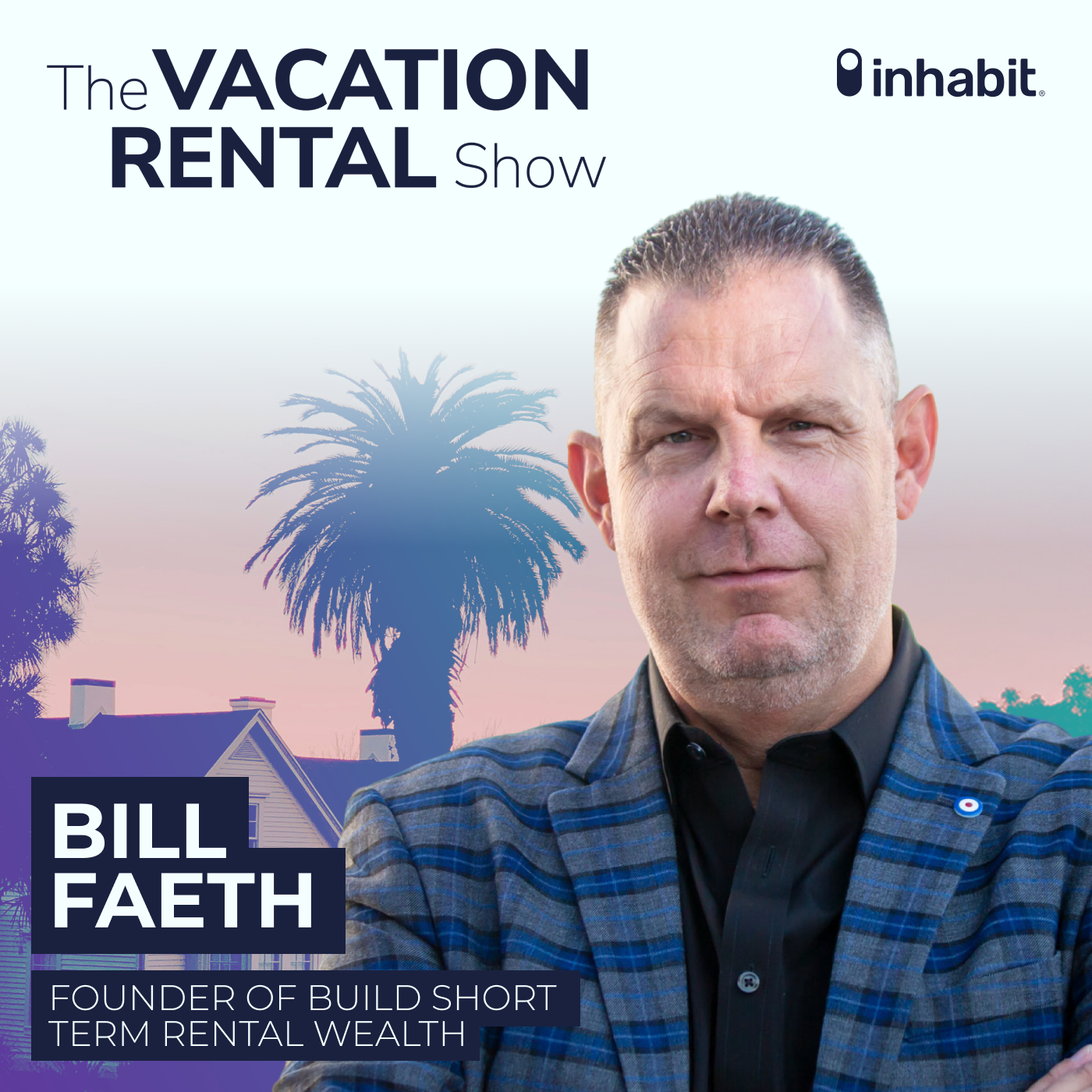 Defining the Super Property Marketing Buyer Personas and Fully Loaded Design with Bill Faeth of Build STR Wealth79 / 100
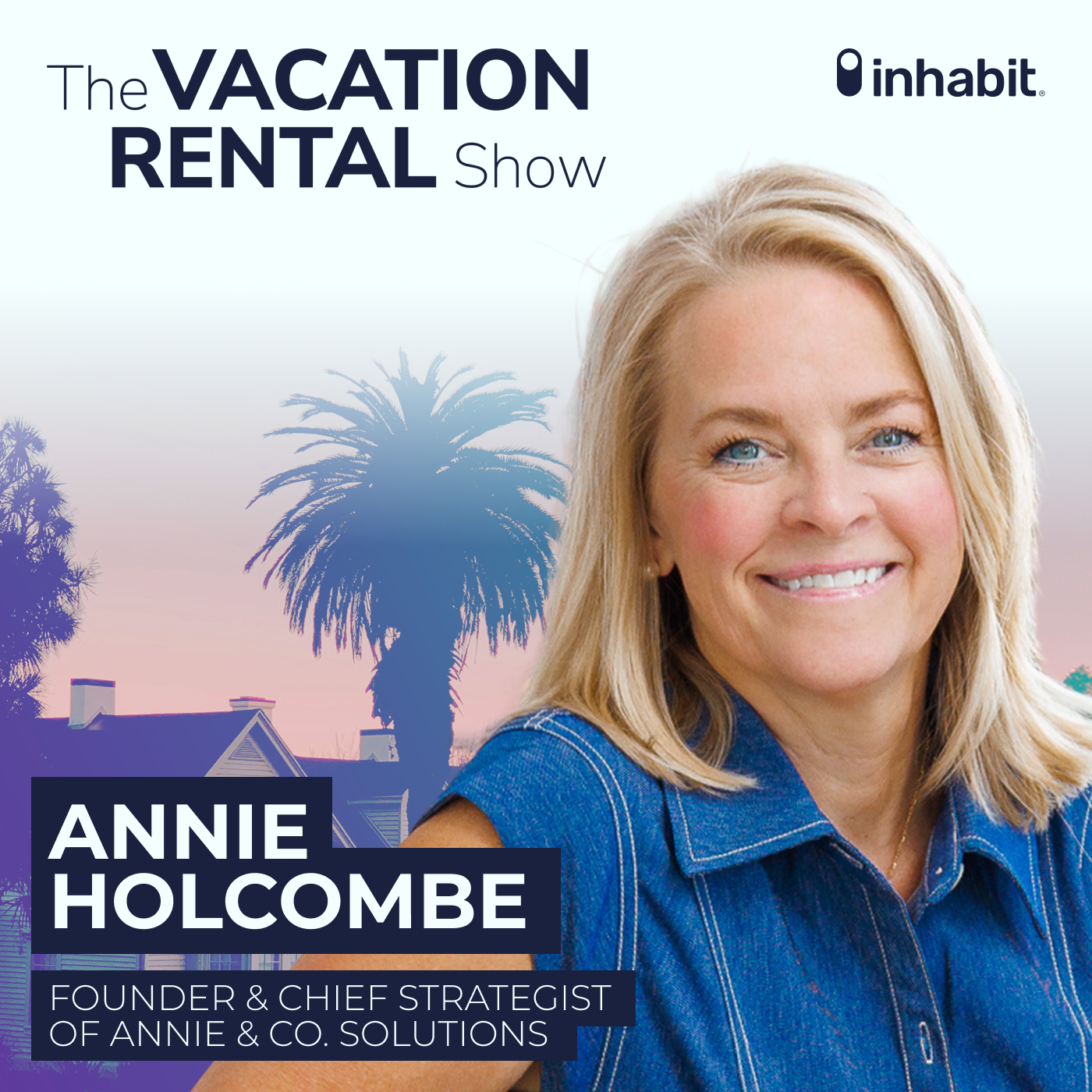 Owner Retention Is the Conversation Nobody in Vacation Rentals Is Having with Annie Holcombe of Annie and Company Solutions86 / 100
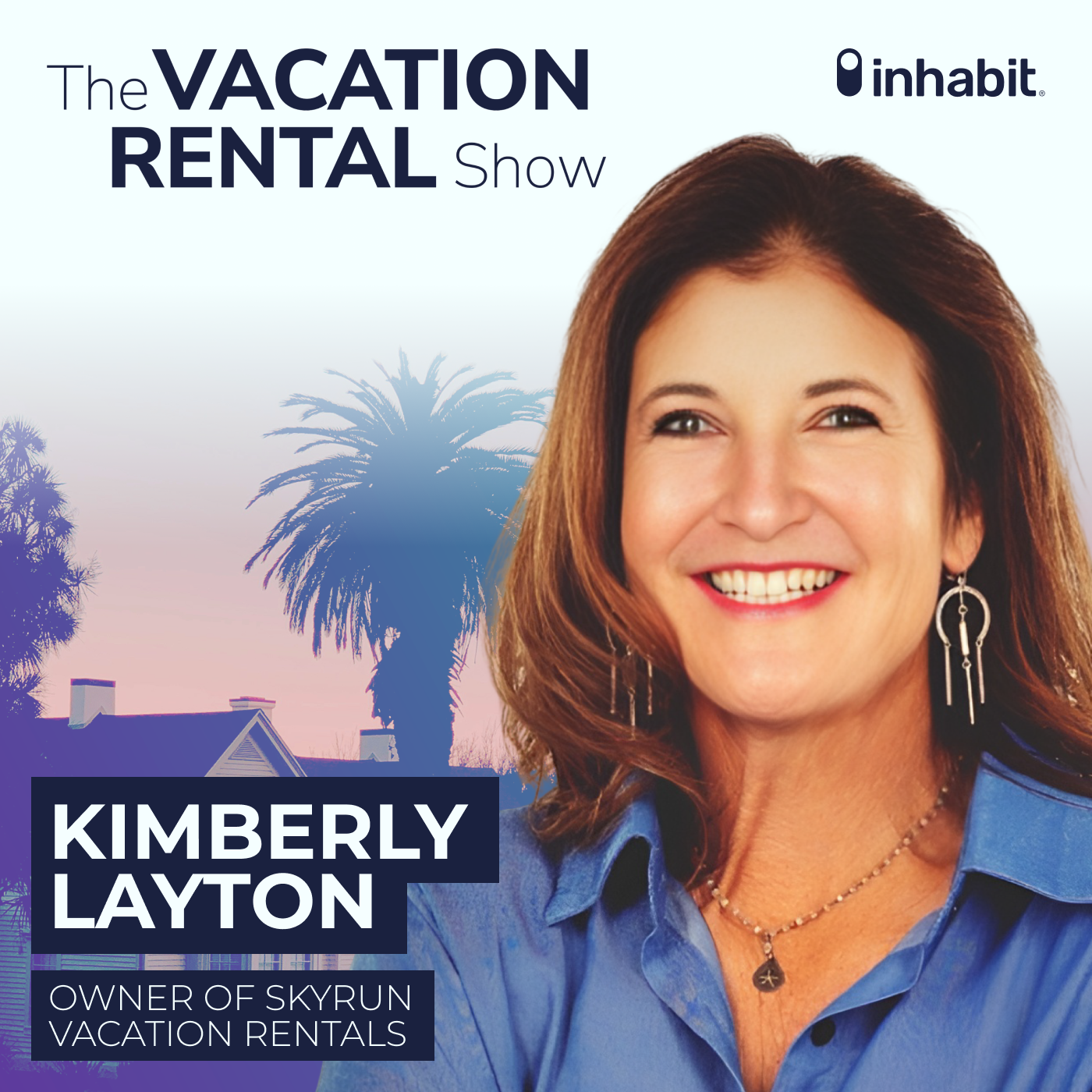 Setting Honest Expectations with Vacation Rental Homeowners with Kimberly Layton of SkyRun52 / 100
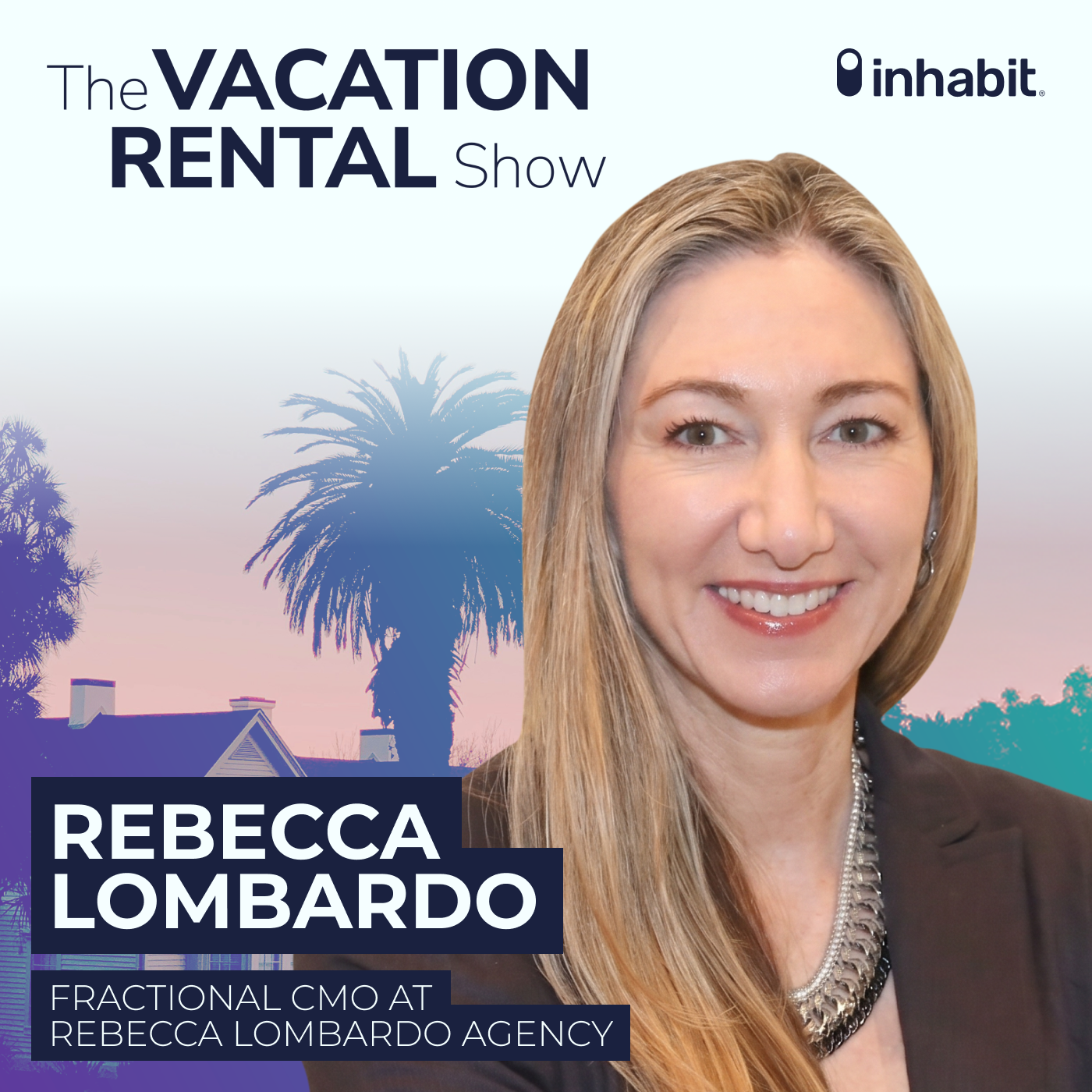 Why Traditional PR Is Now Your AI Secret Weapon with Rebecca Lombardo of Rebecca Lombardo Agency66 / 100
 Why Reputation Is the Most Valuable Asset You Own with Amber Erickson-Hurdle of Brandage Accelerator49 / 100