
The Pragmatic Engineer · 2026-06-24 · 1h 29m
Key moments - from our scoring
Substance score
54 / 100
Five dimensions, 20 points each
NeetCode creator Navdeep Singh discusses why coding interviews persist despite AI's ability to write most code, exploring the disconnect between interview evaluation and actual job performance. He argues that interviews test thinking ability rather than job-relevant skills, and that companies struggle to predict who will succeed regardless of interview format. Singh reflects on his own journey from struggling with C programming in college to falling in love with complexity, then grappling with the business realities of professional work. He details his two-month exit from Amazon's Alexa team due to intense culture and understaffing, contrasting it with his promoted experience at Google Cloud. Throughout, Singh emphasizes how deep technical thinking - like questioning the CAP theorem's validity or pursuing documentation depth-first - often conflicts with business pragmatism, and how AI is now eroding the independent thinking and code comprehension that once differentiated strong engineers. The episode addresses why system design remains sticky in hiring despite its imperfect predictive value, the role of interview training standardization at scale, and how personal tech experiences shape career trajectories.
Companies struggle to predict job performance through any interview method, and DSA interviews persist due to institutional inertia - changing the process at large tech companies is bureaucratic, requires extensive interviewer retraining, and introduces new variables like AI prompt evaluation that are hard to standardize and measure.
Singh finds the CAP theorem incomplete and hand-wavy; it oversimplifies the problem by suggesting you pick two of three trade-offs. Martin Kleppman's PACELC theorem is more complete - addressing both partition scenarios and latency-consistency trade-offs when no partition exists - yet CAP remains widely taught.
The Alexa team was understaffed (five new grads added to four experienced engineers) with intense deadlines, experienced engineers committed at 3am before 8am meetings, implicit pressure from Amazon's 6% unregretted attrition policy, and a toxic team environment that made Singh feel isolated and unsupported during onboarding.
Google was the opposite - people were friendly and supportive. Carrying Amazon PTSD, Singh worked independently without asking questions, which his supportive manager interpreted as independence and promoted him quickly, building his confidence and showing him it was safe to ask questions.
Engineers like Singh love pursuing technical depth (understanding every documentation link, tracing code to assembly), but professional work demands solving business problems efficiently without complete technical mastery; AI agents now further erode the independent thinking and code comprehension that once separated strong engineers.
Our reviewer’s read on each dimension, with quotes from the episode.
The episode contains a handful of genuinely useful observations - most notably the $3K→$200 vibe-coded service story with the deliberate unfixed memory leak, the PACELC-over-CAP argument, and the claim that ease of building inverts the difficulty of creating value - but roughly half the runtime is personal backstory (quitting Amazon, Google onboarding, YouTube growth) that is engaging but not instructive for a B2B operator. The signal-to-filler ratio is middling.
it's never been easier to build things, but I would say that it just makes 10 times harder to actually build value
DSA interviews were never the best for that. Well, thinking, sure. But in terms of like, does that skill translate to what you're doing on the job? It never really translated to that. It was more about evaluating. Like does somebody think
Most of the episode recycles well-worn takes: coding interviews survive by inertia, AI erodes skills, effort is the differentiator, authenticity wins on social media. The PACELC-instead-of-CAP argument is a legitimate contrarian point, and the framing that AI makes building cheap but judgment scarce is a reasonably fresh articulation, but neither is developed into a fully original framework.
I don't understand why anybody would learn the cap theorem when that theorem exists. Because it's just more complete. It's not that much more complicated. I think it's more simple to understand
any information that you need at this point you can kind of just prompt, right?... knowing the questions to ask is just a matter of like I think putting in the effort
NeetCode is a genuine practitioner who built a real product from zero, made a costly infrastructure decision and reversed it with vibe-coding, and runs a small team - giving him credible operator experience. However, he left Google as a mid-level L4 after a short tenure and his primary domain is coding education, not large-scale B2B operations, which limits the direct relevance of his seniority for the stated audience.
I hired somebody uh, a few months ago and uh, they had certain skills... they are far better than practically anybody I've ever hired before. Including people that are experienced
I vibrated this. Like I'm pretty sure there's going to be issues. And I saw like literally no issues. Like it's just up like okay, once in a while the servers will go, one of the servers will go down, but then it just like replaced in like a couple minutes
The episode earns credit for concrete data points: the exact $3,000-to-$200 cost reduction, Amazon's named 6% unregretted-attrition target, Google's level system with real promotion timelines, and named individuals (Martin Kleppmann, Chip Huyen, Boris on Claude Code). The weakness is that many claims - about AI eroding skills, systems thinking, and personality traits - stay abstract and unsupported by data or named examples.
Amazon at the time they had uh, a target of 6% unregarded attrition every year
I was lucky to get promoted I think in about a year, almost exactly a year which is very uncommon at Google
The host does push back meaningfully in several places - most notably challenging the systems-thinking claim with a domain-expertise counterpoint, questioning whether the vibe-coded service trade-off normalises AI-generated technical debt, and adding the Amazon attrition policy detail to contextualise the guest's story. But the conversation also drifts into lengthy tangents (AGI, CAP theorem, personal backstory) that go unchecked, and several interesting threads are closed with affirmative summaries rather than deeper follow-up.
Do you not think this is a little bit typical of what we're seeing with AI assisted coding or AI coding of. A lot of people are like, again, oh, there's a SaaS that Ah, my company is paying for. I'm a founder, I'm paying for it, I can replace it. And you build up something that is subpar
But I'm going to push you a bit on that. Like is it, is it really systems thinking or is it being learning a domain?
Computed from the transcript - who did the talking, and the words that came up most.
Brought to You By: • Antithesis - verify your system’s correctness without human review or traditional integration tests - and avoid bugs or outages. • Sentry - application monitoring software considered “not bad” by millions of developers • Google Cloud Run - run your code and host LLMs directly on top of Google’s scalable infrastructure, without having to worry about managing infra. - Navdeep Singh - oftentimes better known as NeetCode - is the creator of NeetCode.io , one of the most popular coding interview preparation platforms and YouTube channels for software engineers. Before building NeetCode full-time, he worked as a software engineer at Amazon and Google. In this episode of The Pragmatic Engineer, I sit down with Neet to discuss his path from Amazon and Google to building his own startup, why he left Amazon after just two months, what he learned at Google, and the decision to leave a stable engineering career to bet on himself. We also discuss what coding interview preparation teaches beyond passing interviews, the value of going deep on difficult problems, and why systems thinking and domain expertise remain essential engineering skills in the age of AI.
Transcribed and scored by The B2B Podcast Index.
Narrator: What separates strong engineers from everyone else? Navdeep Singh, or as many call him Neat. He created neatcode, the coding preparation platform that helped countless devs get hired at Big Tech. In today's episode, we cover what preparing for data structures in algorithms interviews teaches you that's useful on the job, and how it's more about the mindset than the algorithms. The growing difference between engineers who can still think without AI at their fingertips and those who freeze without it. Neat. Contentious, Hot. Take that Some people should just give up on tech careers and and many more if you want to understand which engineering skills compound over a career and the ones that AI is quietly eroding, this episode is for you. This episode is presented by Antistesis Antithesis runs your whole system in a hostile simulation and finds every bug before your users do. It sounds like science fiction, but it's actually hardcore engineering. Understand how@anthesis.com Pragmatic this episode is brought to you by Sentry Sentry is a tool I used for application monitoring back when I worked at Uber, and I now use it on all my projects, including the Pragmatic Engineer Backend. One new feature I'm really liking about Sentry is their Seer AI agent, which helps investigate production errors. For example, here's an actual error I had in my application. I can just ask Seer what might be the root cause, and it brings context. And it can also make a plan to fix it all from the web interface. Oh, and it also works in Slack as well, not just the web. One place that I find even more handy to use Sentry is from codecs or clock code using Sentry mcp. After you hook up the MCP server, you can do some very useful things. For example, when an already resolved Sentry issue resurfaces, you can kick off an agent to investigate the regression, redirect relevant code, and open a PR with a suggested fix. There's a little work involved to get all this going. You need to connect sentries to your code repository, add Sentry MCP to Cursor, define the instruction for cursor's agent to investigate, configure the trigger that launches the automation, and test that it all works. But once you have it up and running, you can get regressions fixed faster while still reviewing every and all fixes. I'm not a fan of using AI tools just for the sake of it, but I really like the practical integrations where I can fix errors faster and with more context. Check out Sentry@Sentry IO Pragmatic and start monitoring and fixing regressions today.
Gergely Orosz: Neat. Welcome to the podcast.
Navdeep Singh: Yeah, I'm happy to be here.
Gergely Orosz: It's awesome to have you here. Let's start with something that I've been thinking about. So there's been so many predictions that if and when AI will be good enough to like write code, you know, coding interviews will be dead because, uh, of the day to day, we will not be writing code. Now most engineers are not writing code. They're prompting at work. And yet at the same companies, coding interviews are still not dead. What is your take on this?
Navdeep Singh: Yeah, I think it's really funny with how much coding has changed, uh, the last few years and especially the last few months that coding interviews are the one area that have surprisingly stayed pretty consistent. I know some people like talk about them changing a lot and so far they're kind of uh, like changing a bit with like AI assisted coding interviews. Companies are trying that. But surprisingly the coding interview format of data structures and algorithms is really, really sticky. And it's confusing to a lot of people, myself included, because, uh, like we've gotten to a point where you can ask like an AI bot any question about a code base. It can give you a pretty good answer. You can ask it to implement some feature, you can uh, do anything pretty much. And it might not get a hundred percent of the way there. Like even humans can't write bug free code, but it can get at least 90% of the way there. Like pretty close. So it's confusing to a lot of people. And I think that it goes back to like, how do you even evaluate if somebody's a good hire or not? Because there's one aspect of it which is like, do they have the hard skills? Do they have the technical skills? Can they think? And DSA interviews were never the best for that. Well, thinking, sure. But in terms of like, does that skill translate to what you're doing on the job? It never really translated to that. It was more about evaluating. Like does somebody think so? I think that's one of the reasons, and the second reason that it's stayed sticky is that companies just have no idea how to evaluate like, and they probably never did. I think. I was talking to a friend of mine, Steve, uh, from Amazon, and he mentioned that like they've ran some studies and it's like very hard to know like whether somebody, like when you hire somebody, no matter how much data you have, no matter how you run the interview process, that it's just very hard to know like how somebody's actually going to perform on the job.
Gergely Orosz: So if they're going to work out
Navdeep Singh: right, uh, it's a very hard problem because even if somebody is good, how do you know they're going to be motivated? How do you know they're going to enjoy, uh, the team environment, the vibe and all that stuff? So I think it's just really complicated.
Gergely Orosz: And could another reason be that it's been so sticky and it still is sticky, that maybe it's just simple is there? It's kind of like if it, uh, if it ain't broken, don't fix it type of mentality?
Navdeep Singh: I think so. Because anytime you try to change something, you risk making it worse. And so it's like, first of all, it's a lot of work to change that process at big companies. Like, it's very bureaucratic and there's going to be a lot of like, retraining. And we're already kind of seeing that with companies like Meta, uh, trying to run AI coding interviews. The training is really hard to get down because it's like interviewers are just not good. Like most interviewers do not like interviewing.
Gergely Orosz: So when you're saying training, you mean interviewer training, like training your interviewers, like at a large company, like a thousand of them to like, be similar?
Navdeep Singh: Exactly, yeah. Because, uh, at a big company you want the process to be standardized, you want it to be the same for everybody. And that's very hard to get right in, uh, general. And it's even harder to get right when you have like, more variables introduced, like a new evaluation process training interviewers differently. Now you got to check the AI prompts, like all these variables. And so it's not like an exact science. It's hard to measure these things. It's practically impossible. So I think, um, we're definitely going to see, I think companies trying different things. I think we probably will see different interview formats introduced. I just think it is going to be a slower transition than most people think.
Gergely Orosz: I, uh, want to rewind a lot back into your early days. Like, how did you get into tech? What was your first interaction with programming? Coding.
Navdeep Singh: Yeah. I was actually studying electrical engineering when I was in college because I really liked math. I really liked physics. I know a lot of programmers don't, some obviously do, but a lot of programmers don't. But they really like programming. And so when I got into programming, I was just taking an, uh, intro to C class. It was required for electrical engineering. I didn't really want to take it and I was not very good at it initially. I remember trying to learn printf and the, uh, you know, percent S percent C. Like, I don't know why, like, I looked around, everybody around me was learning it so quickly. And to me it was just a very different way of thinking. Even though it's kind of related to math, you'd think it'd be easy to pick up, but it really wasn't initially for me. But then I think a couple months went by and we learned about variables, conditions, loops, functions, and all these kinds of concepts. And then it really, like something just kind of clicked where it's like, initially programming felt kind of boring. It's like you just have variables and numbers, but then when you introduce all these things, then you realize there's like this infinite complexity that can be introduced. And m, you see that with like all the software that is built today, where it's like you took these, like, simple primitive things, these zeros and ones, and all of a sudden you just have this enormous, like, universe of software solving insane problems. You have databases like Google Spanner, which not only take programming, but they take physics. They take like atomic clocks and GPS systems and all these things and they solve like these really hard problems. And so I guess to go back to my story and, uh, once I really started enjoying programming, I just fell in love with it and I was like, okay, I'm not. I'm going to do this for the rest of my life. I'm going to love it. And then I went through a transition where once I got into the real world, I realized that programming is not something you can just kind of do the way you enjoy. Like it's a business at the end of the day. And so that in a lot of ways took some of the fun out of it for me, where it's like, you don't get to work on the languages that you like, the problems that you enjoy solving. You have to focus on like the business problems. And uh. So, uh, yeah, I have a love hate relationship with programming because of that reason, and I think a lot of people do.
Gergely Orosz: It's interesting how, you know, you got really excited, it was boring. And then you got excited about the complexity and the possibilities, and you kind of came back to down to earth. One thing we were just talking about before we started the podcast is the CAP theorem on how you also had a similarly weird relationship with it. Can we talk about it? And also for those of us, those listening who don't know exactly what the CAP theorem is, let's start with that.
Navdeep Singh: Yeah, of course. Uh, so it's a pretty simple theorem. It's kind of described awkwardly sometimes where you have like three choices and you can pick two of three. There's consistency, uh, and that's data consistency. So in like a distributed system where you have data that's like partitioned in different regions or something, it can go out of sync. Like one database might be more up to date than the other, and then there's availability. Where are both of these, uh, you know, servers or databases available to read? Or maybe one went down and then the uh, third one is partition, uh, or partition tolerance. And so that basically means in a distributed system, if there's a partition, if maybe the system becomes disconnected, one thing goes down. How is it going to behave? And so the 2 out of 3 framing is used a lot. It's not super accurate. And the entire theorem is very like, incomplete. And so when I was learning it for the first time, I thought, you know, I like to go deep into things. I like to really, really understand things. That's what I love about programming. It's deterministic. Like if you really want to, you can go down to the, to the exact line of code, the line of assembly, the zeros and ones, to know exactly like what was happening. And so CAP theorem felt like hand wavy to me. And I didn't really like that. And that goes back to why I don't like certain things about working on the job. Because I think, like, you don't get to go as deep as you like. You have to solve the business problem, even, uh, if it means you don't really understand some of the technical details. But that's fine. But later on I felt so validated when I saw a blog post from Martin Kleppman talking about how much he didn't like CAP Theorem. And it was actually a little bit controversial where I think there were plenty of smart people in the comments of that blog post that said that, you know, maybe he's like, technically right, but maybe he's uh, you know, being a little bit nitpicky. And I think that's like a personal preference. But I just felt very validated that somebody like him, uh, agreed with me. And I think it's, it's kind of funny because I think I never saw anybody mention that about CAP theorem before. Like, I've saw like posts on Stack Overflow. Nobody really mentioned. It's kind of incomplete. And so the thing that came after it is like pack else, which is like, uh, if there's a partition, you can choose either availability or consistency. But if there's not, uh, then, uh, there's still a trade off to be made, which is latency and consistency. So it's much more complete. I don't understand why anybody would learn the cap theorem when that theorem exists. Because it's just more complete. It's not that much more complicated. I think it's more simple to understand.
Gergely Orosz: I wonder if it's only a smaller subset of people who actually go deep. You know, cap theorem, you actually like, all right, let me understand the whole, whole thing. And then you realize it's incomplete. But most people might have just like looked at it, you know, took it. Okay, it's the law. 2 out of 3 Simple enough, move on. And I guess in most part of their lives it's enough. Or they might not even use it, or when they, they think they know, but they don't know it. Exactly. So it's interesting because we're talking about software engineers and you would think that most software engineers go into the details, but I guess maybe not.
Navdeep Singh: Yeah, I think it goes to like, solving the business problems. And just like, this is what I didn't like when I started working professionally because, okay, so you go through like documentation, right? You're going through onboarding like at Google. There's so much documentation, there's so many internal tools. And I want to go deep. Like I want to do depth first search on all the document links. Like, you know, you have one blog or you have one site and it has it references like five others, that one is going to reference five others. Like I want to go through every single one, have like a complete understanding of everything. But that's just not how it works at jobs. Even a code base, no one person is going to understand this massive code base unless you like write all of it by yourself, which is just not how companies work. And now we're kind of seeing a similar transition. I think a lot of people are going through now with like agentic coding because, uh, it's kind of a similar concept where it's like now you might not even be looking at the code that you're actually producing yourself. So it's kind of similar. And I think this whole transition kind of reminds me of that where it's like you don't get to do some of the things that you used to enjoy, but it's, it's still, you know, that's, that's life, that's business.
Gergely Orosz: So you graduated from University of Washington and you started work at the most obvious choice in Seattle. I guess the, uh, In Seattle, the two obvious choices are Amazon or Microsoft. And you got into Amazon and it should have been a smooth ride. Like you made it into big tech, into the big leagues and then you quit after two months. What happened there?
Navdeep Singh: Yeah, uh, first I want to say I actually went to Washington State University because I was actually not accepted to University of Washington. I wanted to go there, but I was not the best student in high school. So I was fortunate enough that I grinded super hard for interviews, had a pretty good gpa. So I got some interviews at Amazon and it was DSA related. So I was able to, you know, crank that out. And then once I actually got into the world, and this is something I was self aware about where I knew I was not a well rounded person in that like working with people, people skills and just anything of that, like I could sit by myself, go through like documentation, work on things. But like working with other people was very, very like difficult for me and Amazon the org. I was in Alexa, which has kind of been gutted from what I hear nowadays with uh, LLMs. But the team I was specifically in and I think Alexa the org in general was not the best place. It was not a well oiled machine, a lot of manual stuff going on. It was a really stressful environment. I think when I joined I saw a message on the internal thing. I think it was, I think they used chime at the time. But uh, he said, this feels like a thankless job. And I was like, I was going through the history of the the Team channel and this was like a week before I joined and I was like, whoa, okay, so this is like clearly not like a positive team environment right now. I think they were all like decent people. I don't blame any of the individuals. I don't even hold a grudge against Amazon. It was just a crappy situation. And so I think in hindsight, like if I had to do it over again, I'd probably be able to survive. Like, I kind of know things. It would have been stressful and crappy either way, but I would have been able to get through it. Um, but at the time I just didn't really know and like I had a lot of like personal issues at the time. And so for whatever reason I just made a very like impulse decision to just leave the job. Afterwards I kind of regretted it because like, you know, I felt like a little bit of a relief. But then I just felt a lot worse because I was like, okay, now what do I do?
Gergely Orosz: And can you talk me through on like what it felt joining, you know, like the, the first impressions, what the onboarding was like and what were the things that just were like not adding up.
Navdeep Singh: It was very uh, intense. So we had a meeting because there were like five or six new grads who joined like within a one to two week period.
Gergely Orosz: For, for the same team.
Navdeep Singh: Yeah. And I think there were like four experienced engineers already. And so like they over doubled the team and mostly new people. So you think, okay, well if you introduce a bunch of new people you're going to obviously onboard them, like get them up to speed and. But they had a lot of deadlines that they were dealing with. So it was kind of like the experienced people were just working and the rest of us were kind of just like on our own. And so we had a meeting where it was like one of those where you're just kind of like introducing the new people. Right. And like again I don't blame any of the people, but they were like, nobody said anything. The experienced people, like they did not like say anything. The manager had to like uh, kind of keep like prompting them to like talk and to be friendly and stuff. And I think they just wanted the meeting to end so they could go back and like finish their work because they had deadlines to meet. I saw people and I'm not saying one person. Every one of the experienced engineers was committing 3am and we have like 8am or 9am meeting in the morning tomorrow and some people are reviewing the PRs at the same time. So I don't know if it's this culture where like I don't think the manager told them you have to do this. I think it's like implicit where it's like, you know, you kind of know that it's a stressful environment right now. If you're the one person who's not doing it at 3am, you're going to be the first in line to maybe get kicked out of the company. Yeah.
Gergely Orosz: And also I uh, mean Amazon at the time they had uh, a target of 6% unregarded attrition every year, which meant that managers or like directors at their level had to have 6% of people leave the company and marked as unregretted. Which meant that either people quit on their own and you said like, oh, actually this person was not great unregarded or you need to put people on performance improvement plans and then have them leave and say like, yep, that was unregarded attrition. So it's somewhat cut troth in Some of the org or most of the orgs.
Navdeep Singh: Yeah, I almost have like some conspiracy theories about that because I think I gave my resignation actually three times before they finally like, uh, accepted it in a way which was surprising to me. I was like, why don't like they accept the resignation even after like the second time? And I was thinking like, maybe this is like, because like it looks bad because it's regretted, uh, attrition where it's like you didn't let them go. They chose to leave. And since it was so early, I think it was too early for me to even be on pip. I think you get that like within three to six months or something. I left like two months in. And again, I don't blame any of the people. I have no grudges against any of the managers, even the skip manager. Because I remember when I was quitting they told me like, yeah, like sometimes we do let people go and stuff like that. But I don't see it that way. I just see it as like a bad culture for it. And so they were trying to be nice about it. But again it was, it was, they weren't even trying to hide it. Like it was obvious that the culture is like intense. And some people would say toxic. I'll use the word intense to be more generous.
Gergely Orosz: But yeah, uh, later on you were able to get into Google, uh, m. Many months later. How did joining Google feel compared to Amazon?
Navdeep Singh: It was the opposite experience. Uh, and uh, they're kind of opposite companies in a lot of ways, like the business culture or even the tech culture and all that. But I was kind of in like Amazon PTSD mode where I was like, okay. Like that was my first kind of like real professional experience. I extrapolated that to be like everywhere in big tech or even just professionally in general. So I was like, okay, you, you're supposed to not ask questions. You're supposed to not talk to people. You're supposed to not even be friendly. You're supposed to just like work and just be as intense as possible. But people were very friendly to me. And so I kind of reciprocated that. But I didn't ask questions. I was very scared to. So I worked on my own for the most part. And I was given a project, uh, from my manager that turned out to be, uh, more difficult than it was supposed to be. But I was still in the mode where I was like, I just got to get it done. Like, this is my project. Like, I have to do it independently. And so that I was very Fortunate in that where I did have like a very supportive manager, a very supportive team and because I chose to do pretty much all the work by myself, the manager and team saw me as like independent which is what you need to do to get promoted from like junior to mid level. I was very lucky to get promoted like very quickly because of that and that helped me build my confidence a lot. That made me realize like okay, like I can start asking questions now. Uh, which is funny like after I got promoted is when I was like more comfortable like asking questions when like you'd expect that from a junior engineer more.
Gergely Orosz: But it's so interesting because you've only at that point had maybe two months of professional experience working at Amazon when you joined Google, another six months or so later and how you can have a lot of reflexes ingrained in you coming into a company. So you can almost imagine like another engineer who had like two or three jobs before. You know, they might have built up all these onset things that are coming from other companies cultures or what they've learned and they, when they join it can be hard for them to adapt to the company. I'm not sure we think about this in the industry.
Navdeep Singh: Yeah, I think it's kind of funny you mentioned that because I was in Google Cloud where a lot of the leadership was from other companies like Amazon and we had a uh, VP or gm. He joined uh, from Amazon for a few months and he actually left shortly after that as well. Like I don't know the exact stories behind that but I think there is a lot of like in the industry. A lot of culture can get like map. A lot of people at Google didn't like the Amazon managers because it's like oh, they're going to be less likely to like take us on a trip or pay for us because they know that Amazon has like the frugality and Google doesn't. Uh, but slowly like while I was there it slowly started to get go in that direction especially with the layoffs and all that.
Gergely Orosz: Getting promoted at Google, what does it take? What does it mean? I know there's promotion packets, I know there's committees. What did you see from your perspective?
Navdeep Singh: Pretty straightforward. I think like going from junior to mid level is probably easier I think than from mid level to senior and as you get higher and higher. In my case it was mostly just about like working independently and then once like uh, I was lucky to get promoted I think in about a year, almost exactly a year which is very uncommon at Google. And I could sit here and probably humble brag and act like I'm just like this super genius. But I think it was really uh, I think there's like, you have to one put in the work to be reasonably smart. But I think vast majority of people are reasonably smart enough. I think it's, it goes into the other things where it's just right team, right project, because if you don't get the right project, there's no way you can prove yourself. You could be a 10x100x engineer. And if you're working on relatively easy stuff, you can't really say that you solved like a really hard problem. So I think it takes a lot of that. Google has a lot of like documentation where it's like every single thing needs to be supported with like some metrics or some artifact, like some design doc. And so they have like this culture of probably producing too many design docs for really simple things. And people don't love that. But I think uh, in terms of like processes, it's just a necessary evil at Google because otherwise some engineers might just like work on stuff that they just feel like working on. There's no impact to the business. And so it's hard to kind of like quantify that.
Gergely Orosz: And then on the side, even before Google you started what is now known as neat code. And a lot of people, uh, watching or listening will know you, you or even your voice, uh, from there. Cat, can you tell me how that all started and how it continued as you were working at Google?
Navdeep Singh: Yeah, so I initially started after I quit Amazon, I think in like six years ago. And I was doing it really just for fun and for the love of the game.
Gergely Orosz: Because you were recording videos, right?
Navdeep Singh: Yeah, I was making these like tutorial videos. I was like, I'm studying this right now. I got nothing better to do. I might as well like help some other people. And I found it very difficult because there weren't really tutorials at the time. There was just a lot of like forum posts of these really like complex solutions. And I'm like sitting there banging my head against the wall trying to understand it. And I think most people didn't understand the solutions because it's very hard to like. I think most people just looked at the algorithm, kind of had a high level understanding of it, didn't quite know why it worked, but it was good enough usually to, if you saw that question in an interview, you could probably pass the interview. And uh, this goes back to like deep thinking, which I think was a skill that it's more of a personality trait for me. But I think it helped me a lot with like the Leetcode stuff. I went really deep into things, but at the time felt kind of meaningless. Where it's like you make this video for 50 people watching and you did a great job, but like, clearly, like, it's not worth the several hours it takes to do that. But I kept doing it because I enjoyed it. About a year after I started making the videos consistently, I think I did get into Google. Very fortunate to do that. Interview process was pretty easy at that point, thankfully. So I kind of backed off the videos. I was like, this is kind of a like, like it was fun, but I'm like, I'm at Google now.
Gergely Orosz: You now have your. Yes.
Navdeep Singh: Yeah. And then I saw that actually, like, uh, I made a video telling people like, hey guys, I got into Google, by the way. You might not see me as much anymore. And funny enough, after that the channel like went exponential because I think it added like so much credibility. It's like, okay, this guy didn't make these videos after he got into Google. He actually made it before. And so, uh, this is what he did. And then he got in. So it's like, it's like the best sales pitch in the world. Like, I proved it. Like, I went from 0 to 1. And so it was, uh, I guess a really good selling point. It kind of bothers me personally because it's like the videos didn't change, right? Like the branding changed, but that made like a really big difference. Yeah. And so after it went exponential, I was like, okay, maybe I'll make like a website. And then the website was completely free at the time, which is really a catalog of the videos to make it easy to use. And, um, that went viral as well. And then so pretty shortly after I got promoted, I was like, huh, huh. Like, maybe I can like try this full time. Because I really loved it. I couldn't go as deep as I wanted to at Google. I had to solve business problems. But with algorithms and data structures, I can go super deep, More deep than most people would ever want to go into those things. But I had a reason to because it's like, okay, I can explain these things to people. And so, yeah, I think it was just, it was like the right timing for me. And then afterwards, uh, thankfully it's like worked out so far.
Gergely Orosz: But you, you were at Google, you just got promoted to L4, which is still mid level, but you now had a path, L5, which, I mean, it used to be the terminal level at the time. Now L4 is a terminal level. But you know, in Google you go to L6, L7, La Principle Assess. So you had that path of like, stay inside Google, do this stuff or start your business or turn this into business and go deep into uh, al coding. How are you thinking of the two options and what you would give up or what kind of, you know, how much risk would one or the other have?
Navdeep Singh: Yeah, I thought about that a lot because, uh, even though I, I didn't love certain things about Google, I actually really liked the company, I liked the people and it wasn't this super stressful environment. And when I was leaving my tl, who was basically my manager at the time, because my manager had.
Gergely Orosz: Being tech lead, right?
Navdeep Singh: Yeah, tech lead. And he kind of asked me, he said, I'm a bit perplexed that you're leaving because you got promoted very quickly and you could probably get promoted again. And like, I did think about that a lot because, uh, it seemed like, because uh, that was what I was going to do the rest of my life. I was going to work at Google, I was going to, you know, get promoted. I was going to be like the best engineer I could be. But uh, I just felt like the, the timing of it, like I had a chance to try something by myself. Maybe that opportunity isn't going to be there forever. Google does make it easy for people even to this day. If you leave, you can usually come back within a year if you're on like good standing with your team and stuff like that, which thankfully I was. So that kind of made it a little bit easier. I have friends all the time that are making like the same decision. They're asking me like, should I leave Google? I just had a friend last week, uh, she wanted to like do content creation full time. I think it's like a trend almost these days where everybody's quitting their job to do their own thing.
Gergely Orosz: But, well, I mean I think a trend and like we always live in bubbles, right? But, but, but in like certain bubbles it is. How was the switch? Can you tell me like you actually went from, okay, you made the decision, you went from like having a really structured workday, a team, everything was figured out. Google has amazing infra. You can just focus on, okay, the business problem is still coding. And now you're like, okay, you have the website, you have git repository. What, what was the switch like? And you know, like, what was interesting about it? Or like good and fun? What was difficult?
Navdeep Singh: I had a tough time with the learning curve at Google. But once I left, I had a tough time, like transitioning away from some of the tools because you get used to it very quickly. Like they have, uh, like GitHub. I'm just not a huge fan of it. I know a lot of people are hating on it nowadays with like the upper time issues and stuff like that. But I have other issues with it around, like UX and stuff. I think Google has certain internal tools that aren't so great, but they have some that are just like super, super good. And there's been a lot of companies that have been started just because like somebody at Google built something that they're like, hey, we could make this public. So then they leave and then they start like cockroach labs or something crazy.
Gergely Orosz: What about like, you went from, from working on a team and now you just had to do everything by yourself?
Navdeep Singh: Yeah.
Gergely Orosz: Was that an issue or that was kind of natural to you?
Navdeep Singh: Yeah, that was actually a huge thing for me where I. It was hard to build a team, it was hard to like, work. Uh, like I kind of said at the beginning, and I've only just recently, I would say within the last like six months, gotten used to it, where now I finally feel comfortable like delegating things and like managing people and finally like, it took a long time for me, but once it finally does. Click. You know, you go through like so many experiences. You hire some people, you have to let them go. You figure out what works, what's a good fit, and even just how to like motivate people. It's a very different thing, like working with people, because everybody's different. They're not like agents where you just give them the task and they're a machine. They're just going to spit out the code. Like people are people. And so those types of things. There was a huge learning curve for me, but now. And uh, I hated it before, but now I actually really love it because it's like when it does work, when you find somebody and they're a good fit and you feel like you can contribute to their growth, you can like, guide them a little bit. Like you can steer the ship a little bit and you see like, how much of a difference that makes to them. Like now I finally understand what leadership means when you, like when it works, like when you're an effective leader, like you can make a magnitude of uh, difference in like, even in, like in a small team. But I imagine like, as you get to higher and higher levels, it can make a huge difference and you see that with CEOs. Sometimes when a new CEO takes over the entire company, either can go like up or maybe it goes in the other direction.
Gergely Orosz: So when you started, so like you hit Google, you had a website that listed your videos, I guess, very simple HTML, CSS, maybe a bit of JavaScript. Uh, what did you build and what was the tech stack behind it?
Navdeep Singh: Yeah, so initially when I made the free site I was still working at Google, so I just chose some like random Google tools. I was using Google Cloud Firebase, uh, because it was so easy to use. I regret that one because now I've meet so many people, I'm like, oh, maybe I should do convex now. I should have done something different. But um, I also did Angular at the time, which is what I used at Google. So I was like, it makes sense, maybe I can just learn it at the same time. Regret that one as well. But thankfully we've gotten to a point now with LLMs. So like migrating things has become relatively trivial. So like m, maybe that's something I'll do. But uh, in terms of like building the application itself for whatever reason, like, I just didn't find that super interesting because there's usually not that many deep problems. I think the interesting things came from like innovating and like doing things in a way uh, that like people care about. Like nobody's going to care that much about like the performance of my site or the tech stack I use or like any of these like little things they're going to care about like the ux, like how well did I explain something in a video? Because if the explanation sucks, nobody cares. Like how pretty the site, the video
Gergely Orosz: is, the product or most of the product. Right?
Navdeep Singh: Yeah, because it's education. So it's like if the education is bad, then nobody really cares. And I was very bad at building. But I think the idea, the concept, the value was good enough that no matter how crappy the site looked and like how bad like tech choices I made, the business value, uh, exceeded everything else. Like that mattered more. And so that taught me a lot about prioritizing things that actually matter. And then you can take shortcuts on the things that don't matter. I think I saw, uh, Elon Musk has this four step or five step process for optimizing a workflow and a process where you start, you start cutting things out and sometimes you cut too much out and you realize you made a mistake and then you can like slowly introduce that back in. And so I took uh, that kind of approach because I was mostly working by myself. I probably should have hired people to move faster, but I didn't. And so because of that, I took a lot of shortcuts, and I still take shortcuts today because there's just so much value in it. And I have a story I could tell that people probably get mad about, but it's worked so far for me, so I, I, I stick with that.
Gergely Orosz: What, what's the story?
Navdeep Singh: So I have this service that I was paying, like 3,000amonth for a service. And then I think late last year, early this year, when, like, the AI vibe coding stuff went really crazy, I was, I, uh, always knew I could probably write my own version of this service.
Gergely Orosz: What service was it?
Navdeep Singh: It was, like, for code execution. And so I thought, like, probably I could write my own version of this for, like, uh, within like a month or two. But the 3,000amonth, the opportunity, uh, of that versus, like, other things I could be working on. There were other more impactful things that I could be doing. But I thought, okay, with vibe coding, like, maybe I could get this done in less time, maybe a couple weeks if I'm lucky. And so I actually got it done in, like, two or three days. And, uh, it did take coding skills. Like, if I didn't know how to code, I would not have been able to do it, but I got it done in, like, three days. And then so I deployed the service. And so now that I'm managing it, it costs me like 200amonth versus, like 3,000. But there's a bug in the service. I think there's a memory leak or something. And so what happens is I have this service deployed every couple days. Like, one or two instances will crash, right? So there's clearly an issue. There's a production issue. I could spend the time to go into that and fix it. This is, like one of those things where it's like you get into vibe coding and, uh, you run into an issue and it's like, okay, now you're going to have to actually dig into the details to really understand where the issue is coming from. So I think it would actually take me much longer than three days, probably to find the issue. So I haven't even bothered with that because I'm like, well, okay, if one instance goes down, like, I'll just have several instances running at the same time, right? I'll have, like, four. So if one goes down, it doesn't happen that frequently.
Narrator: Neet was just talking about operating a service when you have to manage your own infra and taking care of spinning up new instances when one crashes. This is the perfect time to talk about this episode's sponsor Google Cloud Run. As software engineers we really just want to write code, not manage servers or rest of a complex scaling configuration. Google Cloud Run is a fully managed platform built to let you run any code on Google's world class infrastructure with zero management overhead. Whether you're running web services, batch jobs, agents or fine tuned LLMs deploying as simple as typing gcloud run deploy or
Gergely Orosz: connecting your GitHub repository.
Narrator: One thing that makes Google Cloud Run stand out is auto scaling and built in redundancy. Cloud Run scales up instantly to handle massive traffic spikes and scales down to zero when idle, all with no manual intervention. This means you pay absolutely nothing for quiet projects. Personally, my favorite feature is how Cloud Run handles zonal redundancy and automated failover for you out of the box. And before you dismiss this uh, as something you might not need, I just recently covered how Coinbase was down for 10 hours because they did not have zonal redundancy in place for their global trading service. And the reason they most likely did not have it is because it's a ton of work to build automatic failover even for a zone level. And I personally cannot name many other infra services where you get this kind of failover out of the box. All these capabilities let you focus on your code while Google manages the infrastructure and operations. Stop worrying about infrastructure and start deploying. Try Google Cloud Run today at Cloud Run, I also want to mention our presenting sponsor, Antithesis. Nick talked about memory leaks in a service that he knows about but just doesn't have the time to chase it down. If you work on distributed systems, you've been there, you know there are deep bugs there. You have no way to root cause them, so you can only hope there's nothing really catastrophic. With Antithesis, you no longer have to rely on hope. Antithesis lets you fix and find all sorts of bugs easily and efficiently, so you no longer have to choose between shipping quality and shipping fast. Let me explain how Antistesis runs your whole system in a hostile simulation. By doing so, it finds every bug before your users do. And because the simulation is fully deterministic, enthesysis doesn't only find bugs, it gives you a perfect reproduction of every issue. I know this sounds closer to science fiction, but it's actually hardcore engineering under the hood. Jane Street Fly IO and the ETCD community ship agent written code with full confidence because they know it's Been verified by antithesis. To see more case studies and details, head to antistesis.compragmatic that's antithesis.compragmatic. and with this, back to Neat and his story on why he's happy leaving a production bug unfixed.
Navdeep Singh: Um, it's an interesting trade off where like, like engineer, like the engineer in me hates that because it's like there's an issue, like fix it. But the business value makes no difference. Like there, there has been practically zero outages. I have less outages than leetcode and I'm like, like a couple people doing it. So it's like uh, I just think it's like a trade off and people could argue one way or the other, but I think it just makes so much sense right now for me to not like fix it.
Gergely Orosz: This is so interesting. So you paid for uh, an engine or license that if I understand it was uh, executing code right? So when people like type out stuff in your editor, it runs it, you can check it can run your problems as such as solutions. You used with AI assistance. You knew what you wanted to build. You built this engine in a way that you think it should work. You tested it, it seems to work everywhere. If you deployed it and took you two to three days and now you have this, there's a quality regression, but it doesn't make a huge difference to the thing. But I want to push you on this. Do you not think this is a little bit typical of what we're seeing with AI assisted coding or AI coding of. A lot of people are like, again, oh, there's a SaaS that Ah, my company is paying for. I'm a founder, I'm paying for it, I can replace it. And you build up something that is subpar and you kind of get by. And again, it makes no business sense to fix it. Or it's now too difficult because you didn't write all of it. But of course it was faster.
Navdeep Singh: So the way I think about it is, uh, like if I did fix the issue, I could probably allocate like a smaller pool of servers so maybe I could save like a couple like a hundred bucks more. And I do think about like, okay, does this actually make a difference? Like, I've actually thought about it a lot. I'm like, should I just fix it? Because like, is it going to be an issue later on? And I, like, I initially tested it, I was only sending like a small amount of like traffic to this service and I still had most of it going, uh, to the Original one. So uh, I just ran it for a couple of weeks and I was like, I vibrated this. Like I'm pretty sure there's going to be issues. And I saw like literally no issues. Like it's just up like okay, once in a while the servers will go, one of the servers will go down, but then it just like replaced in like a couple minutes. That's just how I think about it. It's like it just doesn't matter. Like my service is technically faster because I run it on like better hardware. Yeah, I just see that. Like nobody cares. Like no user has mentioned anything about that to me. It's better now.
Gergely Orosz: So. So yeah, I guess maybe to look at a bit better is it's overall better because it's cheaper, it's faster. And yeah, of course there's trade offs. Like with engineering there is now a regression that crashes one of the servers. So you run an additional one, you have like replication if you will, and it's still cheaper overall. So overall as you package it, it's better than before. Boom. It's kind of an obvious business decision and I guess an engineering you. There's a question of like how perfectionist do you need to go when a problem is already solved and is good enough?
Navdeep Singh: Yeah, that's right. Uh, I mentioned at the beginning that it like bothers me that you can't go super deep. And so even for this it actually does bother me. But I guess I've gotten used to it in the sense of like prioritizing the business and just thinking about like the actual value. What do people care about? What's actually going to make a difference? Like not just in the short term, but also in the long term.
Gergely Orosz: Let's talk about this. The uh, how like as, especially, especially as a founder, but even as a software engineer, like at some point you need to start to think about the business. But the interviews that uh, people are taking with neat code in order to get into big tech, you know, they first you need to jump the hoop of coding interviews. What do you think preparing for these data structures and algorithms, Coding interviews gives to people that is actually useful on the job. And I'm not talking about the algorithms but, but, but actual the other things that you gain by, by preparation.
Navdeep Singh: Yeah, I think so. From my perspective at least. I like went through this four year degree, I didn't cheat through it. So I made sure I understood like all the fundamentals and things like that. And then I got an Amazon and then I left. And then so for that like year Before I got into Google I was really just doing leet code. I was, I was making the explanation videos and that kind of taught me about like speaking and communicating and like thinking deeply about like uh, a problem and maybe like the trade offs between like algorithms and data structures and stuff like that. But I didn't really do much development. And so when I did get into Google I was still able to get promoted. Even though I think like in terms of just regular like raw coding and coding experience, I was probably subpar compared to most people. But I was still able to like for a hard problem that I had no idea how to solve, like using internal tools I've never used before, I had the skill of okay, I can sit down, I can go through this stuff, I can kind of make a plan of how I'm going to try things. And I worked a lot on my communication so that I could go to my manager and say, okay, so this is what I'm thinking. Kind of like you do in an interview, right? Like okay, this is the approach I'm thinking. Like this is what I'm thinking. Like I'm going to go ahead and do it just so you're on the same page. Like maybe you have time to like look into it and give me feedback or maybe you don't, but just we're on the same page. Like this is what I'm going to be doing. So funny enough, like I do think I've gained a lot of, from algorithms and data structures in terms of like just thinking uh, also on the communication side and also on the trade off side which I think is really what engineering is about. And it goes back to like what like people are experiencing with like agentic coding and stuff. Everything is a trade off. It's not really in engineering there's no correct answer. Like there is in math or science. Um, engineering is about the best solution at the time. Like, like we're talking about like the, the, the memory leak issue with my service, right? It's a trade off. Like there's no correct answer. Especially in business there's no correct answer. And so I think that's what a lot of people are maybe like missing nowadays where they're focusing maybe too much on the hard skills of like, okay, like can I write this loop? Do I know this particular data structure? Do I know like all these like little things when I think they're, they're forgetting to like zoom out and look at the bigger picture of like what engineering is even about in general? Because what you see in the Real world is you'll see a really good engineer going from like one domain to another, or a really smart person, like going from one to another. And you, you, you see that and you think like, what do they have that other people don't? It's usually not some like very specific skill that like they know this programming language super well. It's usually something related to that. Like it could be whether it's data structures and algorithms or like uh, some hard skills, it's like what you gain from that in general. And I think that's like education in general as well, where like you go through like 20 years of your life learning about all sorts of subjects. And that like molds you in a way that's very hard to articulate. It's very hard to be precise about. Like what exactly did you gain by like learning math and physics and speaking and writing and history. But clearly there's a lot there.
Gergely Orosz: It sounds like you're saying that the effort of learning, the effort of going through doing hard things that might be pointless at the time or like solving problems that are maybe abstract or not for a specific thing, they add up over time.
Navdeep Singh: I think so, a lot. And this actually reminds me of a conversation I was having with Chip, uh, Huynh, uh, I think you've also had her on uh, the podcast. And she uh, was. Because every. Nobody knows what like what's happening with AI. So we were talking about it and she mentioned that in her opinion it's very hard to know like what hard skills are going to be important, right? Like which programming language should you learn today? Like how high level should you go? Do you even need to know how to, to code? Right, but she mentioned that, okay, like those are like impossible questions to answer. But the one thing that she did understand is that systems thinking, this like broad concept that applies to engineering and computer science but also to many other disciplines as well. And the way I kind of understand it, uh, to use an uh, example is like maybe in construction, right, like you walk around, you see like all these buildings being built. You see the workers. And whenever I look at that, I see like this big complex thing and all these like people doing all these like little things. And then at the end of it, uh, you have like this big building built that's like so complex. No one person could probably do that themselves. But it goes back to, you have like the workers working on like the individual thing, but then you have this entire system and somebody set up that system, somebody set up those rules that, okay, a worker is going to do this. There's going to be this procedure. This is what we're going to check to make sure that there's no issues. We're going to verify things. We're going to have like this big process, the system of like making buildings, making sure that you don't have issues with that. And I think that is a skill that there's no like course for that. Right? Like there's no like uh, that's a hard thing. Like most people aren't building the system. They're, they're like the worker bees. They're not like the ones architecting this whole system. But I think that's the skill that is so uh, important because that's where like all the value comes from. You can, you have these worker bees. But without the system like nothing's going to get done. And, and so I think that type of thing is not going away and it's impossible to learn. But I think it takes like a lot of things to get.
Gergely Orosz: But I'm going to push you a bit on that. Like is it, is it really systems thinking or is it being learning a domain? Because systems don't exist in a vacuum. You know, you will have agricultural systems that are very specific to how the agricultural industry works. Right? You will have. If you're in a legal industry like is based on whatever country you're operating in. If you're in legal tech startup and healthcare. Healthcare tech startup looks very different in the US versus like the UK versus in Romania etc. The people who are great system thinkers in one domain often are they just really understand the domain. And payments is one example where I worked in which is very interesting. Complex slash. Once you get into it, people start to move around in it because you go there. So I wonder if it's. There's abstract level system thinking but there is also becoming a domain expert and somehow they kind of overlap as well. Because if you are a domain expert you must understand the system of that domain. And maybe if you understand multiple domains you can get better at abstract level system thinking as well.
Navdeep Singh: Yeah, no, I completely agree with that and I think for me it's definitely hard to like quantify and articulate because it's very kind of like vague. And I think you're definitely right though that like the, the skills, the, the hard skills like the knowledge and like the details of like certain industries and things like that, that definitely matters. But I don't know, I guess like when I think about it I think of. And maybe you know, people like this as well. Like, there's certain engineers that are like, they could go from one domain to another and you just trust them like that. You just know from working with them they're smart. Like, they think in a certain way where like they could go from payments to like some completely other industry, real estate or something. And uh, there, there will be like that learning curve for them. But some people, for whatever reason, they just learn faster, they just get it faster, they just perform better. And I don't think that this is something that was innate, that this was just handed down by like, God, that some people are just smarter than others. I think there's a lot that goes into it. I, I can't probably articulate it super well, but I think a lot of the things that people might say that like, oh, it was a waste of time to learn this subject because I didn't actually use like those details on the job. I think that's a very wrong way to think about it. And I think that's what a lot of people are doing now with AI. Like, hey, what if I'm not going to be writing for loops a couple years from now? Um, I don't think those things are a waste of time.
Gergely Orosz: Sounds like you're saying that it's. You don't think it's a waste of time to go deep and understand things.
Navdeep Singh: Yeah, absolutely.
Gergely Orosz: Especially when it's hard to do so.
Navdeep Singh: Absolutely.
Gergely Orosz: Yeah. Let's talk about the hiring bar. At FAANG companies, uh, the big tech companies. A lot of people are using neat code to prepare for these interviews. You're getting feedback from them of, you know, like, they will, they will write to you when they succeed or they will write in frustration after many months. They haven't. So you get a bunch of signal here. What are you seeing in terms of just the algorithmical part, you know, the coding interview, like, are things staying the same, getting harder, getting easier?
Navdeep Singh: In terms of the format, like, especially like at the early levels, like juniors and stuff, it's still a lot of like algorithms and data structures. The format itself I've definitely seen, I think anecdotally, like people are mentioning that it's getting harder at the same time, uh, from the people who do pass the interviews, they still like, ah, at least at big tech companies like Google and stuff, I'd say the difficulty is not that different from what it was before. At least in the U.S. i think it varies by countries. Like, you'll see like some countries like India, it's very different. Everything is pretty much algorithms. There it's like leetcode hards and super hards and stuff like that. But in the US I don't think it's that crazy. But it's uh. Yeah, it's not too crazy.
Gergely Orosz: Yeah, but I guess like you know, going without, without any support like in a whiteboard, it's still, it's still hard to prepare for that. It's never been easy.
Navdeep Singh: Yeah, absolutely. And I think the, the one thing that's happened a lot is people like there's been cheating tools for interviews and so we've had online, yeah, mostly remote interviews for the last like five, six years and that's been changing a bit. I think Google is pretty much gone to, on sites at this point back to the traditional whiteboard format and they'll let you code on a laptop if you want to as well. But it's going to be in person, somebody's going to be watching you code and you're probably not going to be able to cheat your way through that.
Gergely Orosz: What are interview formats that you're seeing? You know we're talking about uh, other companies, especially smaller ones, experimenting. What are interview formats you're, you're seeing or you think they're actually kind of promising. Like if you were running a small, small or mid sized company you might actually consider instead of the, and you're talking against yourself here. Against. But, but if you had to throw away the, the, the DSA interviews, what is giving promise, especially with AI assisted tools.
Navdeep Singh: Any process that you have that's going to be standardized and super scalable, there's always gonna be ways to game that. And the best way to get around that would be like hire somebody who's, who's an intern. And you saw how they performed. And what I've spoken to a lot of companies about the last week is that there are uh, a lot of small companies that can get away with it, are doing like trial periods and it could be a few days, it could be like a month, it could be even a couple months, kind of like an internship. And I've uh, spoken to other companies that say that that's difficult for them because if you're hiring, if you're trying to hire somebody who already has a job, that's not going to be feasible, you can't really do that. But I believe uh, it or not have leaned in that direction where I can get a sense of somebody's leetcode abilities pretty quickly. Like I'm not going to spend four interviews going through and asking somebody data structures and algorithm stuff I just have them do work that might be similar to something that I'd give them on the job or even just have a conversation with them, see how they think. Like can they think through trade offs. I don't even care about what answer they give me to a problem I care about. Like, uh, what's like why did they say that? Like what can they say? Is it just something that they like saw in like a ChatGPT prompt and are just regurgitating it or can they actually like talk through it? And, and then when you look at like the work that they're doing, same thing, like I asked them about it, like why did you do it this way? Like what's good about this? Like what's bad about this? What could be improved? And I think it's a hard format to like scale for big companies. That's why I don't think that that's what's going to happen uh, in terms of like big tech. But it's worked for me. It works for smaller companies, but once you get to a certain size it's harder to do.
Gergely Orosz: Yeah. Because you're basically people are doing the work and it doesn't matter what tools they use. In fact if now everyone's using, you know, like AI agents, then yeah, they're using it as well and you actually get the signal of how they're doing compared to others. Interesting because one type of company that doesn't really have uh, trouble hiring is the ones who are working in open source and they will often end up hiring the people who are contributing to their repos and adding all the features already. And you know, the conversation will probably be more of a soft skills conversation because like, yeah, we're seeing your work. Like you've been then selflessly pushing features to our uh, product. Awesome. And I guess that's kind of an upside of open source.
Navdeep Singh: I think Dax mentioned this because I was speaking to a bunch of people that like work with him that they just got that they were either like contributing to open code already or Dax knew of them from open source work that they had done on projects of their own and they just got a DM from him and they're like, and he's like, hey, would you be interested in working? So they already had this work that they could showcase and it's like if you're doing things in public like uh, people can get a pretty good understanding of like how you work.
Gergely Orosz: Speaking of how you work at, at uh, at neat code with your business, you and your team, how do you work. What tools do you use and how much code do you actually manually write these days, if any?
Navdeep Singh: Yeah, so I would say over the last six months actually we've been cranking a lot of features out. Uh, a lot of uh, uh, code out. Most of it has been written by AI at this point and before that really wasn't the case. I was actually a really big AI hater for a long time and people still sometimes think I am and sometimes if I'm like pro AI. They' neat code. You changed. Like what happened? Like now you're an AI shill. But it's not like I just try to be pragmatic about it because I uh, think before I was still using the tools but they just weren't as good and now they've gotten to a point where the work that I'm doing, which is mostly crud. Usually there's not that much crazy interesting stuff other than like the code execution service that's probably the most interesting one. But I'm using like pretty outdated tech even. I'm using Angular on the front end, a Google tool that nobody likes. Uh, and I'm using Firebase, which isn't horrible, it gets the job done. But it's pretty, it's a little bit outdated at this point. I'm using Google Cloud and Typescript, but I would say initially, actually like the first few years when I was writing most of the code, very, very bad code quality. I use Typescript but I was not using like real Typescript. I had a lot of any. Yeah, I had a lot of bad code. I was putting inline css. I was just doing all sorts of stupid stuff just to get stuff done as quickly as possible. Because I like I knew the entire code base. I knew like this like certain tech debt I can just deal with. And so it was a trade off for me just to move quicker. But with AI now actually I've gone back and I realized that that trade off was so worth it because I cleaned all of that up with AI because that's what it's for. Like it can clean uh, up a lot of like sloppy code, it can refactor a lot of things. And if I really wanted to now I could probably migrate to other tools very quickly with AI. So just to go back to the trade offs, I think it's just about thinking like you might make the wrong decision. But even if you make the wrong decision, you can go back and then try to correct it. Uh, just kind of by thinking about
Gergely Orosz: it, you tend to post a bunch of Your hot takes on social media as well. I don't know if it's like a 2am thing or. But. Well, one of them you said is, uh, as I'm quoting you. And now in 2026, it's never been easier to build things, but I would say that it just makes 10 times harder to actually build value.
Navdeep Singh: Yeah, I think because it's so easy now to implement a lot of things. And, uh, people weren't implementing those things before because they just weren't worth doing. Like, in my case, I went to the code quality example. I think that was worth doing because it matters. It can help you go faster, it's more maintainable. But in terms of, like, features, like a website, like, you can just throw features in there nowadays that nobody really cares about. And you can, you can do it so quickly, like a new feature every single day. But do, uh, people actually care about that? Is that making it better? It could be making things worse. It could be making things more confusing. Uh, you have like, things that are cluttered. You're maybe making the site perform really slowly now with all these features you're adding that nobody's even using. And so I think speed matters in business, but I think decisions matter as well. If you're going so fast, you're not measuring the impact of the changes that you're making. You don't have time to do that because you're just focused on shipping. And then things regress and things get worse. And we've seen that anthropic recently, the last, like, month or maybe more than that, where things have regressed. And, uh, I think just a couple days ago, they put out like a blog post acknowledging that finally. But for them, they were just moving so fast that they did not notice. Like, I saw Boris saying, like, he was replying to a lot of comments asking, like, we haven't really noticed this. Like, why is everybody else noticing it? Uh, and. And now they have. And I think it's again, just goes back to trade offs. Like now maybe they've realized, like, okay, maybe they should slow down a little bit, focus more on quality and stuff like that. Or maybe not.
Gergely Orosz: But I guess it does give a little bit of relief that, you know, like, we knew, like, pre AI, uh, it was pretty clear that if you move fast, you typically, you often break things. You know, Facebook even had this famous motto. And so. Or you can be more deliberate and break fewer things. But there's almost like this slider, like how fast you move or how reckless you are versus how stable Things are. And it was kind of true. And now with AI, we for a while thought like, well, you know, maybe this is not true. Maybe you can move fast with quality, but we're seeing with antropic, like, they are moving fast and they are breaking things. And I mean, their business is growing, don't get me wrong. But still, like, I guess this truth did not change because of AI.
Navdeep Singh: Yeah, it's funny because even, uh, OpenAI, they did like Sora, and now they're shutting it down because they realized, like,
Gergely Orosz: like, okay, so are the social network
Navdeep Singh: AI videos like these cat videos that you're seeing all over the place. And so they realized, like, actually, like, they're doing too much, like, doing less things now. And now they're kind of refocusing on, like, coding and a smaller set of things that's actually producing more value. Now they're kind of going the anthropic route, where anthropic is going, like, pretty quickly. But they were focusing mostly on coding. And so I think that's interesting as well to see that, like, actually playing out at the highest of scales that, like this, uh, like the fastest growing companies in the world, like OpenAI, are even doing this. They are not trying to do everything. They're refocusing now and trying to maybe slow down a bit.
Gergely Orosz: This is a bit contradictory, though. Like, we're almost saying that, well, maybe one thing we're learning, observing AI, that focus is more important than executing quickly on a lot of things. Wow.
Navdeep Singh: Yeah. It's funny. It's like, uh. I think even the paper that started it all, like the Transformers paper, was titled, like, attention is all you need, where it was funny. It was like focusing on, like, the certain tokens, the relevant tokens, like, mattered the most.
Gergely Orosz: Yeah, well, one. One interesting experiment you did is you did a redesign contest for neat, uh, code. I think the. The site you offered $2,500 for whoever submits redesign. Can you tell me how that went?
Navdeep Singh: Yeah. So I'm still going, uh, to evaluate the results, but so far, from what I've seen, it's been a little bit disappointing. I'm going to try not to get, like, too mad at anybody or make it personal with anybody, but it's very obvious to me that practically all of the submissions are created with AI, which is fine. Like, if you're going to use AI, that's completely fine. But again, like, uh, with the few people so far that I've spoken to and asked them questions about, okay, like, your design, like, it looks like you Made certain choices, right? You. You moved some buttons around, you removed some buttons, you, you removed some content, you added certain content. Why did you do it? Like, what's the pros and cons of, like, maybe doing it this way? They can't answer it. And if they do answer it, it's clearly like, a very vague answer where they didn't think about it. Like, uh, me looking at their site for five minutes, I can articulate things about their design better than they can, and it's just disappointing. It's like, I don't think that's like, a matter of intelligence. I don't think it is. I think it's a matter of, like, effort and caring and probably skill set as well. Like, if you're, if you just have the skill set of, like, designing things. Uh, but, but I don't. I'm certainly not a designer. But, like, in terms of a site, whatever, like the business is, you should be able to say that. Okay, so, like, this is about coding interviews, and we're trying to maybe show, uh, people that this is interesting or trying to explain it in a very clear way. Nobody can say that. They're just focused on, like, how pretty the design looks. They're like, oh, the, the colors on this. Like, the styling looks crazy. But that's not what I care about. That's not what most people care about. Like, nobody cares how pretty a site is if they don't really understand what it's for or, like, what value it's going to give to them. I think that's what, like, UX is about. It's not about, like, how pretty something is.
Gergely Orosz: But, uh, I guess in all fairness, right, like, this was a contest where you're like, okay, if the winning Design will get $2,500, I guess it kind of flips the incentives a little bit, because this doesn't mean that you are paid $2,500 to create a redesign. It means that if you win, you could get that. And of course, the more, the more, the more people submit something, the lower the chance. Therefore, if I'm just being logical here, like, the effort that's worth me putting into it is, let's say maybe if it's like 10 contestants, it's like maybe $250 or, like, if there's $125. So in the end, of course, you just do a prompt, you give it to AI. And I guess what you're seeing is you're getting a lot of low effort submissions, uh, and you're seeing they're Just like, nah, not up to par.
Navdeep Singh: Yeah, I thought that a contest would have been the right way to do it because I don't have to like hire and I don't have to like filter people and stuff like that. But in hindsight I think it probably wasn't. I probably should have just found like maybe even just a small pool of people and then just paid them up front and then just saw the work that may be chosen based off that. Because I think there has been like a lot of low effort. It's been disappointing, to be honest.
Gergely Orosz: Well, you'll have you learn. But, but I guess it does prove that just giving a prompt to an AI, which is low effort, low cost, it will not result in magical effort. Especially not with design.
Navdeep Singh: Yeah, I think so. And I think it's funny because I think somebody could just use pen and paper, just kind of describe like what they're trying to do. Like the main choices that make something better. Like I, on my site, even the parts that I've used AI to code, I can articulate exactly like why everything is positioned in a certain way. I can go back to like, okay, like metrics, M. Like this is used the most. So I want to make this prominent. I want uh, to make this like a little bit different than you've seen on other sites where it doesn't look boring, stuff like that. But the people like submitting the designs, they can't really articulate a lot of these things to me. And I think, uh, like I said, if you just do it on pen and paper and then give it to an AI, then they can just do it. Like I don't care how pretty something looked. I told them like what criteria I actually cared about. And uh, I think, you know, some people just didn't follow the directions or whatever. And that's, that's fine, I guess.
Gergely Orosz: One of your hot takes from a few months ago, the end of coding as we know it. Let's, let's talk about it. Uh, Tim O'Reilly wrote a blog article that about a year ago, uh, where he predicted that things would change. And you were reflecting on that.
Navdeep Singh: Yeah, I think it's been really interesting because a lot of people don't really go back to actually look at things. They're just like forward looking. But I think it's important to like go back and see how like things played out because that can help you like see how things are going to play out in the future as well. And it's been interesting like with how much coding has changed with how good the models have gotten. At the same time it's kind of surprising to me that we're still in like a very wait and see mode. Like like companies are still doing uh, layoffs and things like that. But in many ways things have not changed as much as I would have expected. Like a lot of my big tech friends, they're still like, they're, they're coding completely differently now. But in terms of like the way the business is working, they're kind of doing like similar stuff. Like they're all like most people are not getting laid off, most people are still employed, they're still doing work. They're doing more work than before. And I think, think companies are sometimes realizing that they m. Maybe move too far in the direction of AI so they try to rebalance. It's still like a game of trade offs. It's still a game of like move fast and break things. I think programming is definitely going to continue uh, to change definitively and uh, you know, maybe become a completely different field. But I think a lot of stuff around like the business knowing like the value to produce and just like engineering decisions in terms of trade offs, that stuff is absolutely not going away I don't think ever. Because how can you have an LLM weigh like the trade offs for you? I think that's a very like human thing to evaluate what's even important in engineering in general. Yeah.
Gergely Orosz: And also like for example things like you know, in programming like when you think of like what is it that we code? You need to build a feature, you need to, you know, the task is add a button where I don't know when, when the user hits it, I know it's, it files a complaint, something you know, like um, so they can report a. Report a bug. That's a simple one. You know, like that is not just as simple as uh, behind the scenes of like if button hit file a bug it will have a bunch of like edge cases. It will check the state. You will need to know what the context is like and what to say. What kind of user is there a free user page user. Like there's all these edge cases, conditions, the domain, the business domain, all of these things and they were all captured in code which means it's captured in your head. But now that you're prompting it the context is still there and someone needs to know how important to this.
Navdeep Singh: Like yeah, I think like change is the one thing that's not changing because change is just keeps happening and I didn't mean to make that A pun. But um, like I just saw, I think yesterday or today, Microsoft is doing I think voluntary layoffs where they are.
Gergely Orosz: Buyouts.
Navdeep Singh: Yeah, buyouts, yeah. So basically if somebody chooses to uh, they can leave the company and get like some severance. And I saw, I haven't confirmed this, but I asked a friend and they said it's true, the buyouts are true, but not like the age thing yet. But basically they're only offering this to a subset of people at like a certain age and certain amount of experience in the company. Which is kind of funny. Like if you're uh, like uh, if you're like a certain age, I don't know the exact age and you have like 10 to 15 years at Microsoft. They're only offering it to those people, which I think to speculate. I think it's because maybe those people are less prone to like changing. They're less willing to maybe learn a completely new way of doing things. And so Microsoft uh, is offering it to them because uh, like now they have to move in a new direction. I think they did something very similar when Satya originally took over. I think they did, I don't know if it was voluntary at the time, but they did a lot of layoffs and was mostly to people that was
Gergely Orosz: not volunteer in 2014.
Navdeep Singh: Yeah, yeah, yeah. And so that was to a lot of experienced people specifically and not to the new people. So I think just being willing to change, being willing to do things in a way that you didn't, you don't maybe enjoy. Kind of like when I joined Google, like having to do things not going as deep as I would have liked. I think that's going to be pretty important.
Gergely Orosz: Yeah. And you, you did say that you, you don't think there will be an extinction of programmers or programming even if programming changes, right?
Navdeep Singh: Yeah, I think even to this point again it's like it's impossible to guess. Like my guess is as good as anybody else's. But I just don't see like thinking going away. I don't see problem uh, solving going away. I think it'll change dramatically. It is possible, like we might need like less programmers. But even to this point that hasn't been the case. Like every single time there's this like the big innovation like cloud computing, like higher level programming languages for whatever reason things do not. Like it doesn't lead to fewer programmers and I would have expected it would have. Like when you have cloud, like cloud services that can just solve these huge problems that were so difficult to solve, like Google had to work so hard to solve like certain distributed system problems and now you can just use AWS or GCP and just have that taken care of for you. So you would think that we just have infinite software, we're just like just doing everything and everything is easy and now we don't need as many programmers, but it just hasn't happened. And so based on that, I don't know, like you see things uh, like replit and lovable where anybody can be a programmer now. And so I don't know if that's the direction we're going to go in where it's just very, very high level.
Gergely Orosz: But, but it's very interesting because on one end of course we have these primitives that are getting more and more capable like the cloud. You would think there's competition between aws, Azure, gcp, uh, Oracle and so on. And so you know, the prices will obviously be as low as possible. But then you have someone like DHH who is like okay, well we're in aws, we're spending a few million dollars per year, you know, like get rid of the Amazon services and just do it locally, which everyone thinks is going to be expensive and so on. And they do it and they're now doing a massive savings. So it's almost like these abstractions are often becoming a lot more expensive to run, which is fine for most people, but when you get to a certain scale you might start to invest in software engineers and building your own software and maintaining it to just reduce costs, which 37signals has done. So I wonder uh, if anything there might always be a value in at certain scale, you know, like roll your own stack or go a level lower than what you're getting from whatever pre built stuff.
Navdeep Singh: Yeah, I think so. I think it's always interesting to see how things play out like in the longer term. Engineering is not a science. Like there's a lot of culture that goes into it and you have companies that like in the cloud, like why did a company like MongoDB get as big as it did? I think like the tech might be like a small part of it, but I think a lot of it is just sales and marketing and culture. And if like one company's using it, it can snowball. And then like you have an entire industry using a certain tool then maybe they realize like actually like we went too far in the direction like we don't need to have everything in the cloud. Like it's not better, it's not saving us that much money in some Ways like, we've seen cloud services get really, really complicated. Now it's like cloud driven development and like you have all these things and it's like, okay, you solved one problem and now you got a new one. With LLMs, it's like kind of the same thing. And even the cost issue with AI is probably going to be, uh, like once the subsidies start running out, which we're starting to see, I think that's going to be a really big issue where maybe all these companies that embraced AI programming are now going to cut back on it.
Gergely Orosz: Yeah, uh, you had a wacky train of thought, which I'd like to talk about. It involved AGI. I'm not a huge fan of talking about AGI because I feel it's very like, uh, you know, like hard. Hard to talk, hard to define. But let's talk about it. This was like you were saying, like, let's assume that there would be an AGI or a godlike singularity. These models would be amazing, which I think we can see they have limitation. But let's just jump forward. What was this thought on how we were chasing it?
Navdeep Singh: Yeah, I think on a philosophical level, it feels like you're trying to get to infinity and it's like the closer you get, you're the same distance away from it. Right. And it's like, that's what I feel like. It feels like as technology has gotten better, you would think that like, we've solved life at this point. Like, we have like, abundant resources and if we don't, like, we're not that far away from having enough food, water and shelter for everybody. But it's like something about life, like maybe it's human nature or something. It just doesn't change. It's like you want more. Like, okay, now there's like higher levels of like, programming. So now people are competing at like the higher level and like, uh, as it gets higher and higher, the people are still going to be competing, like on some level, like, maybe it's easy to like build an app now, but there's going to be a new problem to solve, like on marketing and like, like edge cases and things like that. But I also think like, maybe this is like a politics thing because I think there's like technology, which we should all, we should all be happy that technology is improving. Like if AI keeps getting better, if it really does replace every job, in some ways that has to be a good thing because now you could do something you couldn't do before, like farming. Uh, a lot of people Were sad about that when, when that went away, I'm sure. But it's been a net positive and I think the only reason it wouldn't be a positive is because like, if your livelihood depends on it and like politics and you know, you can't make money and then the government isn't going to take care of you, uh, I think that's where it becomes an issue. It's like it's more of a politics problem than a technology problem.
Gergely Orosz: Yeah. But I think, you know, my, an interesting observation is like as we're seeing, AI could make things better. I'm still waiting for the software to file taxes to be accessible to a normal person. Why do I, in every country I live, I have to hire an accountant to file my taxes, even though I don't have very complicated taxes. And that's one. And we're talking utilities, when your pipe is broken, when you want to find a plumber. So there's some everyday things where like I would welcome software making things easier, but I haven't seen much progress in the past like 15 plus years and not even right now with AI. So like I'm like, could be a nice trigger to like see those things improving.
Navdeep Singh: Yeah. I think it's funny because like you look at history and I think one thing that I always take for granted is that like progress always happens and things always get better. But if you look at like most of history for thousands of years, things didn't always get better. Sometimes you saw like civilizations get really great and then they kind of collapsed and a lot of the technology from that was lost. I don't think it's like, like preordained that things are just going to continuously keep getting better. I think like there's going to be a lot of decisions probably on like politics and government side where like policies are going to get created. And I think that's going to have like a really big impact on what actually matters to people and like their lives and stuff like that.
Gergely Orosz: Another one of your hot takes is how overhyping AI tools just create slop and erodes people's skills.
Navdeep Singh: Yeah, I think a lot of people, especially students, are unfortunately, uh, learning uh, everything through LLMs. And a lot of that that isn't really learning. They're just kind of cheating and they're just doing everything like that and then they lose a lot of their skills. And I think long term that's going to be really interesting because we're seeing that with the even experienced programmers. I had a friend tell me that he, he, he's like preparing for interviews now and he hasn't like, handwritten much code in several months, so it's very hard for now him to get back into that.
Gergely Orosz: Yeah, uh, this will be a longer time frame, but I do wonder if one side effect of this could be that a lot more companies will be doing in person interviews because you eliminate any AI assistance. You can actually talk with the person and then in person you can actually tell the difference between someone who has put in the effort and can think and is sharp and can put things together versus someone who gets frozen without the AI being there at their fingertips.
Navdeep Singh: Uh, I think it's really interesting because I think maybe companies won't care. I think I'm probably one of those people that would get frozen. Even when I was working, I was very bad at like writing code from scratch. But if I'm like looking at a file, I see all the imports, I see the decorators and stuff like that. Like, I'm pretty good at coding that. I was kind of a copy and paste programmer where I'm just like copy and pasting a lot of snippets and then just replacing the variables and things like that. I guess maybe my hot take is that, like, maybe certain things actually will, uh, be less tested. Like, maybe like people just won't care that much if you can actually handwrite the code as long as you can understand. Like, that's what I'm seeing with like, some of the AI assisted assessments. It's like, okay, like, you can actually just go ahead and like implement this with AI, like all of it, if you want to. If, uh, you're able to do that. But then if the interviewer asks you, okay, this array of integers, what do the integers actually represent in the context of like this code? Like, maybe it's like data points on something or it's like the shortest distance between something or whatever. Right? You, you have to be able to like, articulate that and like, figure that out. So I think it's interesting, maybe I'm giving the same answer where, like, I have no idea, but it's interesting to see, like, the anecdotes that are happening.
Gergely Orosz: Well, one other take you have is you said that personality traits you think are now more important than coding skills or actually most skills.
Navdeep Singh: Yeah, maybe personality traits isn't the best way to phrase it, but I think there's something about like a person that you're hiring. They're not a machine, right? They're not, not like, okay, like, you look at the resume like okay, Java programmer or whatever. They're not that. I think people especially in fields like software development which are very open ended and like, like decisions matter, trade offs matter, communication and all that stuff matters. But I'm hiring people. I hired somebody uh, a few months ago and uh, they had certain skills. Like obviously they were going through like their CS degree, they still haven't even graduated yet that but they are far better than practically anybody I've ever hired before. Including people that are experienced, including people that I probably could have hired that are working at like big tech and like have like these really big resumes. And then I ask myself like what is it that makes like this person good and another person bad or less effective? It just goes back to the person. I think like in startups the term is agency. Like somebody who's high agency who's just going to get things done, who's never going to like say no to something. I think like that attitude is really important of like, okay, if I don't know something I'll just learn it. Like I'm not gonna say like that's not my job or I'm not gonna like dig deep into that. Like anytime I give this person a task, even if they have no idea like how to start it, like a week later they'll have like, they'll have learned like everything about it. It's like a completely new domain to them. They just like learn everything. And I think like those types of personality traits, it's hard to describe that maybe like, like agency, uh, is the best term for it but I think that matters the most because any information that you need at this point you can kind of just prompt, right? Like okay, like I have like this programming specific question. You can just, you can just get it out of a prompt if you know the questions to ask. And knowing the questions to ask is just a matter of like I think putting in the effort.
Gergely Orosz: Yeah, so I like agency. I'm also sensing you didn't mention it but it's like energy focus, wanting to solve something specific. And uh, this is something interesting. I've been talking to a few people who are building startups right now. Obviously a lot of them are to do with AI or like they're building AI infra and how they're struggling to find that product market fit even though you know they can build faster than ever. But it has not gotten any faster to get teams to adopt and simple things start to matter. For example, talking to a potential customer in person, like going to a tech meetup Living in a tech hub or where you can go more regularly, getting feedback, getting your first customer inside a big company. And none of these have to do with, uh, the code itself. And of course they created something that they think is cool and innovative and different. But there's now so many things that are similar, by the way. They all have like, competitors. They now need to convince them why they are more trustworthy, they're worth being betting on and so on. And it's, it's a lot of it does have to do with like a charismatic founder who is good at convincing people. All right, try my stuff. It actually helps.
Navdeep Singh: Yeah, that's one of the things I actually learned from YouTube as well. Because if you're making like a video trying to explain something, nobody cares how correct you are, nobody cares how smart you are. Nobody cares. Like in the leetcode forums, if you have this super like crazy like solution that's really impressive and really performant if you can't explain it. Because what they care about is like the value you can give to them if you can speak in a way that they can understand. When I was making those videos, I would enunciate certain things more. I'd like emphasize certain points, I'd repeat certain things. And I just tried to make the video just very digestible. Whether it's a, uh, DFS or sliding window or whatever algorithm, anybody can technically get it correct. You can at this point have an LLM just kind of spit it out to you. But I think like the human part of it, just knowing like people figure out like what exactly they're actually looking for, what they actually care about, I think that's something that's, ah, yeah, that's pretty important.
Gergely Orosz: YouTube is interesting because YouTube today at least it's, I would hope it's mostly watched by humans, people. So every single view I would hope is a human. I'm sure there's some bots there, but Google is fighting them. And it's a real attention economy, right? Like it's the, you know, like the Mr. Beast who's the most subscribed or watched YouTuber. He captures more eyeballs, more people's attention, which is the currency. There's 8 billion or so or a bit more people, maybe fewer of them having access to the online videos, but it's kind of like almost a game. If it's a game, you've been pretty good at it in this niche, which is software engineering. What is something that you've learned on what works in becoming successful on YouTube where people pay attention to you, they give you their time, which is an important valuable currency that might be relevant for tech companies, startups especially.
Navdeep Singh: I think a lot of companies struggle with that. I was speaking to a couple dev, uh, relations people that are working on the same thing where it's. It's kind of a game sometimes where it's a little bit of like politicking, where it's like, you know, like it's about packaging, right? Like how you say things, how you present things, how you kind of like present yourself. And it's also about I think being like authentic. I think that's a big thing that companies maybe don't always get, right. They uh, sometimes they try to like even with like the AI labs, you're saying that like nowadays like OpenAI and like the Codex people, they're on Twitter all the time. They're interacting with people. They're even interacting with people that uh, sometimes criticize them. And I think that matters like that authenticity usually matters a lot. People can like smell the fakeness. They can, they can tell like even for me, if I'm like saying something I don't quite like believe I think it's so obvious and people can tell then they just get turned off. Like they're not going to listen to a word you say at that point. And then so it doesn't really matter what you say. You have to like build their trust in a way that it's hard to build. It takes time to get there. But once you have uh. Matters a lot. It matters a lot.
Gergely Orosz: It's interesting because I do wonder if Claude Code had been. Had become as big as it has, if it was not created by Boris, Boris the engineer who you can see on YouTube channels, he was on this channel as well. He's a very relatable and I think humble person. At least that's how I got got to meet him. He is on social media. He shares how he uses cloud code. There's a lot of Boris like this is not just a tool that is like some by big corporate called Antrophic. No, it's actually Boris created it and he's working on it and he's fixing your bugs and you say like oh, that had this bug. And he replied, he's in your mentions and I now notice OpenAI. Codex used to be this thing built by OpenAI, but now it's Thibaut who is the head of Codex and he replies and he does the same similar things as Boris. I do wonder if this, you know, like the personal angle it's here. Oh, and cloud code is one of the biggest businesses in the software world. In terms of revenue, I think they crossed multiple billions. It's hard to track how much. So like it's a huge business tied to a person.
Navdeep Singh: Yeah. I hate the word influencer, but it does seem like everything is going in the direction of like, even for companies, like they have to be a person now. Like they have to be a personality. They have to.
Narrator: Approachable, maybe.
Navdeep Singh: Yeah, yeah, like approach.
Gergely Orosz: Relatable.
Navdeep Singh: Yeah, relatable like a human. Right. Like not just a corporate figure. Even for CEOs. Sometimes, like, you know, it helps the. Sometimes it does, sometimes it can backfire. But I won't name any names. But, um, yeah, I think it's, it's funny and I, I think even companies, like some companies have uh, that a lot. I think meta, you probably know more about this than I do, but meta has like a internal, like Facebook or something where it's like when you ship, you have to like, kind of workplace. Yeah, yeah. You have to like, show it off. You have to like, mention it. You have to like, try to like, brag about it. Yeah, exactly. Promote it. That's a skill. I didn't expect that I'd ever be, you know, an influencer or a YouTuber, but it's a skill and I think, think it's something that everybody should lean, uh, in towards. Like, not everybody has to do YouTube, but whether it's like LinkedIn or Twitter, I think it's worth, you know, putting yourself out there and slowly forming opinions and like interacting with people and things like that.
Gergely Orosz: Yeah, well, you said like, maybe not everyone has to do it, but related to this, you've had a pretty contentious hot take, which was some people should just give up on tech careers. Let's talk about like, that. It's a pretty, it's a big statement.
Navdeep Singh: It's a very strongly worded statement. And I definitely don't encourage people to give up. So I want to make that clear. The only reason I suggested that even in the title was, uh, that I think if you have an attitude of uh, like, you don't want to try hard or you don't, like you don't want to do things yourself and you don't want to dig deeper into things like you need to do that. You need to do certain things.
Gergely Orosz: Things.
Navdeep Singh: And if you're not willing to do that, I think you should know like, what you're getting yourself into. Because a lot of people don't know. Like they go through these college Degrees, like, they kind of just cheat their way through it and then they expect to have a job at the end of it. And I think you have to evaluate that if you're going to be one of those people that does that, because it, it might not be the best for you. People have unfortunately just gotten into the habit of doing it. Like, when I made that video, I had a lot of people that were pissed off at me, but surprisingly, like the vast majority of people, they said that maybe I could have been a little nicer. And I think that's true. But they actually agreed with a lot of my points. A lot of people said that, like, uh, you know what, you're right. Like, I realized I was going too far in the direction of just prompting things. I, I got a lot worse at it. Like, the products, the things that I'm doing are worse now, and I'm not enjoying it as much. And it made me want to, like, refocus on, like, learning and being like, the best that I can be. So I think, you know, I'm not trying to offend anybody when I did that, but I think I saw nobody else talking about it, so I just felt like I had to do it. And I recorded on my laptop. I didn't think it was going to blow up the way that it did. I think most people are going to see it. Um, but yeah, I left that video up. Even though maybe I took a reputation hit from that, I'm not sure, but I left that video up.
Gergely Orosz: Yeah, but I think it goes back to effort, right?
Navdeep Singh: Yeah.
Gergely Orosz: And as advice, what would you advise for software engineers? Uh, early career, mid career, maybe even later, who are, are either working at a company and they just want to be seen as this awesome engineer. When you think of the standout engineers that you work with, either at Google or the people who you know or they're working at a startup. What, uh, do you think it takes today to actually increasingly stand out from a crowded space? Uh, to have your work speak for itself? What does that mean?
Navdeep Singh: Yeah, I think it's a really, really good question. I think there probably is some, like, general advice that would apply to, like, most cases. I don't know if I can think of that. So what I'm going to say is, I think, like you said, like, the effort matters. Like, uh, even in an interview setting, knowing your audience, it's not like you're not just like, living in your own head, taking like this standardized test. You're talking to somebody, you're seeing how they're reacting to what you're saying. Like, maybe they're not on the same page. Like, there are certain shortcuts you can't take. Like, if you're in a team, you're at a company, know the people around you, know what they care about, Ask them questions, have meetings with them. Don't just make assumptions. If you. Like, if you don't have to, um, like, uh, talk to them, figure out what's important, get a sense of things, and then go very hard in the direction that you think is correct. Maybe you'll have to recalibrate things. Maybe you'll go too far. Maybe you'll make some mistakes. But I think it's just kind of like that iterative process of, like, that feedback loop of, like, okay, figure out what you're supposed to be doing and then work very intensely to do that, and then just keep doing that. It requires a lot of changing. It requires a lot of, like, course correction, and that's difficult. Nobody wants to do that. Like, one thing I always did, uh, with my manager, I always asked them, like, if you have feedback for me, please tell me. Like, I will not get offended. I want to know. I want to know, like, what I could be doing better. And the way my m. Like, all my managers ever reacted to that is they were very surprised. They're like, well, first of all, if you just joined the company, you're asking this, like, that's a very good question to be asking. Because, uh, like, that tells me that you actually care and you actually want to get ahead. So I think, like, that aspect of it, uh, that matters a lot because then people know you're on the same page. They kind of know about you. They don't have to guess what you're thinking in your head. You're kind of, like, communicating that with people.
Gergely Orosz: Yeah. So, uh, a trend I felt coming through our conversation is we just keep coming back to it is effort, effort. And don't take the shortcuts. I mean, take the shortcuts. When you have a business outcome, especially when you're building your business or you have a goal that you're going to achieve, but otherwise, just put in the work.
Navdeep Singh: It sounds simple. It sounds really easy on paper, but it's hard to, like, put into practice, like, sometimes, especially for me, I am not a person that likes change, actually. Like, I am very resistant to change. I hate change. It takes me years to change.
Gergely Orosz: But you still have Angular on your website.
Navdeep Singh: Yeah, but, um. But it's so important and it's so worthwhile when you Actually do it. And I think it just matters a lot. And it's like, it becomes a way of life. Like, you start, like, I put in a lot of effort on the coding side and then in professional life I realized, okay, like the. So skills matter a lot. Took me a long time to learn them. I'm still learning them to this day. But that's the reason I probably got promoted. That's the reason my, like, my team liked me. And it's important to be likable. Like, you don't want to be hated.
Gergely Orosz: And it's closing. What are places that you get inspirations from? This could be books, this could be videos, this could be YouTube channels.
Navdeep Singh: Yeah, I think you just had Martin Klutman on. I'm a huge fan of him, huge fan of his book because he goes deep and even like as deep as he goes. Then you'll have a hundred references at the end of every chapter. And I just love that because I'm the type of person, like, I just always have a follow up question. I always want to go a little bit deeper to understand things. And so, uh, seeing people like him, like, I relate more to like scientists, people like PhDs, researchers more than I do to engineers. So I just really like that. I think it's important to have people that you can like, look up to and aspire to be like. And I think there's, there's plenty of people I take inspiration from, including other YouTubers, uh, including technical people, including people I've worked with in the past. And I always, I always look at a person and I try to see, like, qualities about them that I really like. And then I try to like, replicate them and imitate them as well.
Gergely Orosz: Neat, it was awesome to have you here, especially in person.
Navdeep Singh: Yeah, it was great. Great meeting you.
Narrator: I'm glad we finally got to record this episode with Neat. I love how honest he is and I hope this came across as well. I found it interesting how Neat hires these days. He runs one of the biggest coding preparation sites and then he hires for skills outside of coding. He cares, uh, about motivation, whether the person can explain their own thinking, and most importantly, for agency or for getting things done. It was also nice to talk with him about how he believes that companies have no idea how to evaluate candidates and they probably never did. The lead Coastal interview survived not because it predicts job performance, it just doesn't. But because nobody has found anything better that scales. And finally, I appreciated Neat's observation that the effort is becoming a differentiator. Exactly. Because AI has made everything else cheap. Anyone can prompt a design, a feature, or an answer, but what you cannot prompt is caring and your ability to defend your choices. When someone asks why did you do it this way? Do check out the show notes below for the related pragmatic engineering deep dives that go even deeper into tech. Interview Related Topics if you've enjoyed this podcast, please do subscribe on your favorite podcast platform m and on YouTube. A special thank you if you also leave a rating on the show. Thanks and see you in the next one.
Other episodes covering the same guests and topics, from across The B2B Podcast Index.
 Durable Execution for Real‑World Failures with Temporal’s Cornelia DavisPlatform Engineering Podcast · on Distributed Systems96 / 100
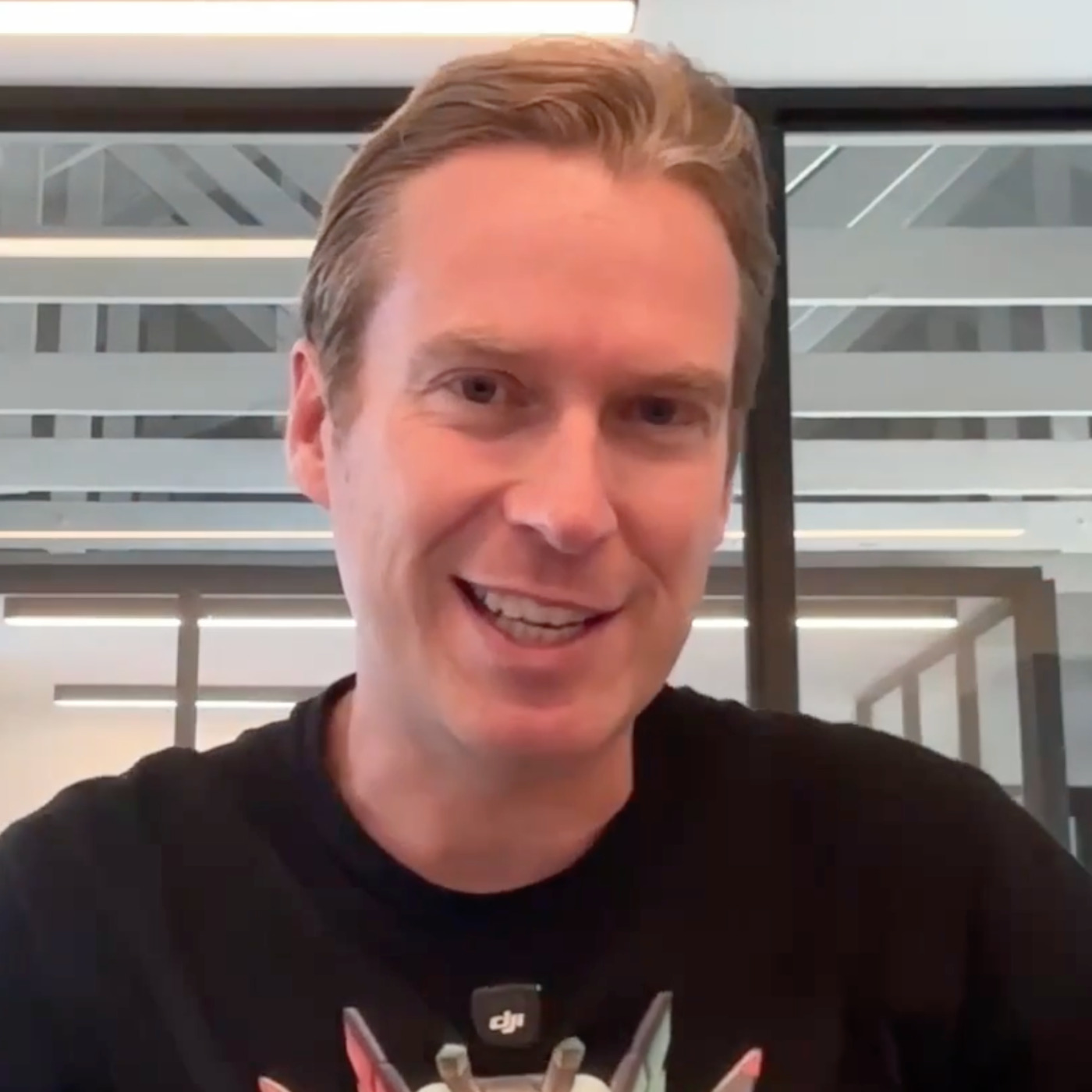 TigerBeetle's Spectacular Jepsen Report - with Joran GreefSoftware Unscripted · on Distributed Systems88 / 100
 90% of AI prototypes never reach production (w/ Temporal's Samar Abbas) | AI BasicsThis Week in Startups · on Google Cloud81 / 100
 TCG079: Why Your State File is Actually a Distributed Systems ProblemThe Everything Feed · on CAP Theorem76 / 100
 Why Google Cloud let partners do the talking with Manoj Gunti, Google CloudProduct Marketing Maestros: Tales from the Front Lines · on Google Cloud74 / 100
 Ep. 180: The Future of Cyber Insurance and Parametric Risk InsurTech Geek Podcast · on Google Cloud69 / 100
 Formal methods with Hillel Wayne95 / 100
 The Pragmatic Engineer AMA76 / 100
 CI/CD with Robert Erez76 / 100
 Kubernetes and retiring at the top with Kelsey Hightower90 / 100
 Building Codex with Tibo Sottiaux