The Pair Program · 2026-06-30 · 1h 2m
Key moments - from our scoring
Substance score
45 / 100
Five dimensions, 20 points each
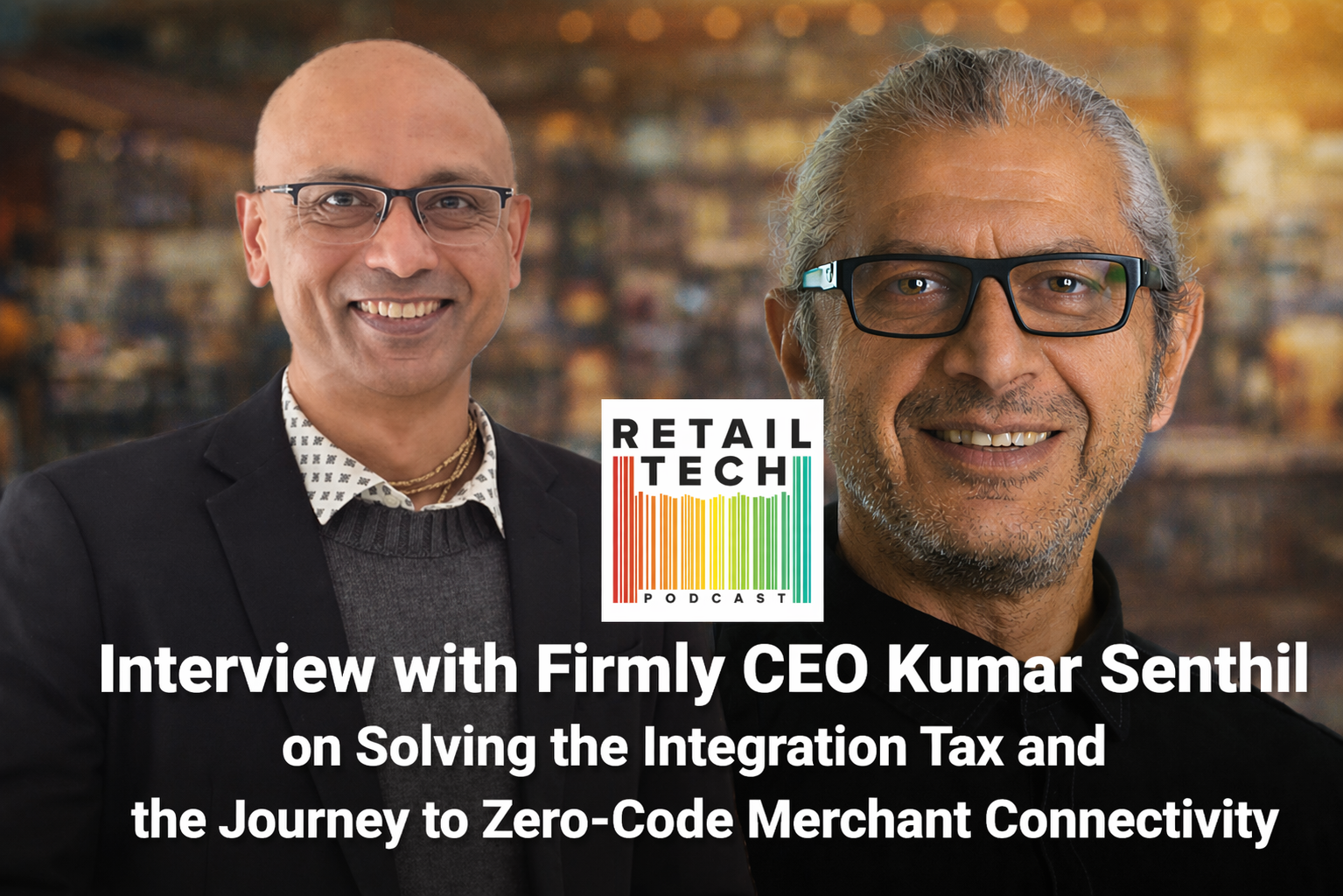
Revo, an AI-native CRM platform, and Kaska, an early-stage fintech startup, tackle the fragmentation crisis plaguing modern sales stacks. David Zhu (Revo CEO) and Lucas Hoffer (Kaska CEO) discuss how founders commonly resort to Google Sheets, scattered notes, and disconnected tools - what they call the "Frankenstack" - because legacy CRMs feel outdated and unusable. Lucas describes Revo as the "Rippling for sales," a unified end-to-end system that eliminates manual data entry, copy-paste workflows, and the "integration tax" where marketing, sales, success, and support teams operate in silos, creating poor customer experiences. Zhu introduces the concept of decoupling headcount from revenue through AI: companies can achieve the output of 1000 AEs with 100 AEs supervising AI agents. The discussion addresses why best-of-breed point solutions fail to integrate, why early-stage founders like Lucas abandon traditional CRMs immediately, and how unified platforms reduce cognitive load for founders trying to scale sales while staying focused on product-market fit. Essential listening for founders managing sales motions, RevOps leaders, and anyone wrestling with the cost and friction of today's sales tech stack.
The integration tax refers to the hidden cost and friction when separate marketing, sales, support, and success tools don't communicate with each other, causing companies to inadvertently upset customers - like sending a discount offer while support teams are handling their high-priority tickets or attempting upsell while a customer is churning.
Lucas found legacy CRMs unusable and refused to lock into systems with outdated UIs; he felt it was a waste of time to log activities daily, and without a unified system, his team couldn't track which prospects he (as founder) had already been in conversation with, creating chaos when sales reps joined those accounts.
Rather than stitching together separate tools for marketing, sales, support, and success, Revo provides one integrated AI-native platform that consolidates all go-to-market functions, automatically handles data sync, and discovers features users didn't know they needed - similar to how Rippling unified HR management.
With AI agents supervised by human operators, companies can generate the output of 1000 account executives with only 100 AEs acting as supervisors; headcount is no longer the only currency to drive revenue growth, fundamentally changing how GTM teams scale.
Kaska builds AI-powered loan origination software for banks of all sizes; by using Revo to track all sales conversations with banks, Lucas can listen to every customer interaction to understand what features and problems banks need solved.
Our reviewer’s read on each dimension, with quotes from the episode.
A few genuinely useful ideas (decoupling headcount from revenue, integration tax, the fintech-vs-banks thesis) but much of the episode is repetitive riffing on 'the CRM should take notes for you' and vendor positioning rather than dense operator learning.
there is this natural association between headcount and revenue. And the classic manner is like, well, more headcount equals more revenue
So what it ends up happening uh, is uh, as a customer I'm sitting here like, dude, you guys are like, you don't have your stuff together
The 'buyer agent/seller agent marketplace' and 'infinite energy before the singularity' takes are fresh if speculative, and the fintech thesis is mildly contrarian, but much of the AI-native-CRM framing is now common industry narrative.
Revo becomes a B2B agentic marketplace where every buyer is a seller, every seller is a buyer
how can we get to a point where there's infinite energy prior to the awakening of the singularity
Both are real operators: a Series A funded founder (40 people, $30M) using the product, and a CEO who scaled DoorDash from $700M to $76B and raised $80M for Revo. Relevant and senior, though the CEO's pitch is heavily promotional.
We are 40 people. Series A raised a little over $30 million
I spent a majority of my time at doordash, scaling it from 700 mil to 76 bill post IPO
Some concrete figures appear (headcounts, funding, DoorDash scale, $14K/year per rep, 70% non-selling time, founding team of 14) but many claims are abstract, analogy-heavy (Jarvis, omakase, sushi) and lacking hard outcome data from actual Revo usage.
a sales team adopts dozens of tech stack costing over $14,000 per year per human per aegis, where over 70% of their time is spent not selling
We started a founding team of 14
The hosts are affable but almost entirely uncritical, offering validation ('Preach, man', 'Fucking great') rather than probing. Claims like 'go to market department' and agentic marketplace go unchallenged; this reads as a friendly promotional chat for a customer/vendor pair.
Hell yeah. Preach, man. Well said
That's how fatter Ledge sales is done right there folks. That's fantastic
Computed from the transcript - who did the talking, and the words that came up most.
Founder-Led Growth in the AI Era: Rethinking the CRM from First Touch to Close | The Pair Program Ep98 What happens when your sales stack becomes the bottleneck instead of the growth engine? In this episode of The Pair Program, we are joined by David Zhu, CEO of ReevoAI, and Lukas Haffer, CEO of Casca, to explore how AI-native platforms are reshaping modern sales. They discuss why traditional CRMs are failing founders, how AI can eliminate manual work instead of adding to it, and why connected systems matter more than ever. Drawing from both the builder and customer perspective, they share practical insights on scaling go-to-market teams, improving collaboration, and preparing for the next generation of AI-powered software. Here’s what we get into: Why traditional CRMs create more work than they solve AI-native software vs.
Transcribed and scored by The B2B Podcast Index.
Speaker A: Welcome to the PEAR program from Hatchpad, the podcast that gives you a front row seat to candid conversations with tech leaders from the startup world. I'm your host, Tim Winkler, the creator of Hatchpad. Join us each episode as we bring together two guests to dissect topics at the intersection of technology, startups and career growth. Welcome back to the Pair program. I'm your host Tim Winkler, joined by my co host, Mike Gruen. Um, yeah, Mike, got a question for you. Does your social life feel organized?
Speaker B: Uh, as I've gotten older, I feel like it's had to have gotten more organized. I was just thinking about this. There's groups of friends who I wouldn't see if we didn't schedule things out months in advance or, um, even just have a standing, uh, get together. Like, hey, for a while now we've been doing this every Sunday night, or we just switched Monday nights. We get together to watch TV at a friend's house up the road and stuff like that. But, like, if it's not regimented, it doesn't happen. It seems like it's. But yeah. What about you?
Speaker A: Yeah, no, I, I've come to the
Speaker B: realization two small kids.
Speaker A: So my m. Life's basically a. Yeah, Frankenstein stack at the moment. So I've got like a group text for a workout crew, just, uh, trying to keep each other accountable. I've got, you know, a whole nother thread that's planning like a golf trip for my buddy's 40th. Uh, my wife, she actually has like a physical calendar, like in the hallway with, with everything going on, which is great. Um, but if that doesn't make its way into, like, my work calendar, I miss it. Uh, end up missing, like, my daughter's dance class. So I'd say, like, everything technically kind of works, but none of it actually works together. It's all stitched together and disconnected.
Speaker B: Yeah, I would agree with that.
Speaker A: Yeah. So it's a good segue, I think, into, uh, today's conversation. Uh, it's a problem that most early stage companies, I think, run into, you know, when they're kind of running their sales process today as well. Right. Founders aren't really short on tools. I, uh, think it's more the short on this cohesion. And, uh, that's what today's episode is all about. We're going to be diving into something that every early stage founder has felt, uh, whether they realize it or not. Kind, uh, of like this breaking point of the modern sales stack. I know I've gone through it, still go through it, um, and so uh, called like, yeah, this Frankenstack if you will. Right. You have to copy and paste workflows, um, endless manual updates, you know, the like, I'll log that later and it never happens. Uh, so you know, more importantly, what I wanted to jump into with this one is what happens when that entire system just gets rethought from the ground up. And so to tackle that we've got a couple of guests coming at this from a very real and very complimentary perspective. The beauty of the the Pair program format, uh, getting two guests to approach. This one's building an AI native platform designed to replace the entire CRM stack from first touch to close. Uh, the other is an early stage founder actively using that system to run and scale their sales motion in real time. First uh, guest is David Zhu, CEO and co founder of Revo. Uh, AI native revenue platform built to eliminate the need for stitching together multiple tools, instead creating a fully integrated end to end system for modern go to market teams. David, thanks for joining us man.
Speaker C: Thanks for having me. Yeah.
Speaker A: And then uh, alongside David we've got Lucas Hoffer saying. That's right, CEO, uh, and founder of. Is it Casca? Is that the proper pronunciation for Casca? Ah, early stage startup building, uh, the AI native world for banking and someone who's lived probably, I'd imagine the pain of traditional CRMs, uh, and currently using Revo firsthand for his startup. So thanks for joining us Lucas. Uh, glad to have you man.
Speaker D: Pumped to be on the pod.
Speaker C: Awesome.
Speaker A: Uh, all right, uh, you know, a little tradition here on the Pair, uh, program. Before we jump into the main discussion, we warm up with something called pair me up. We'll go around the room, rattle off two things that just go well together. Uh, could be food, tech, habits, whatever uh, you're feeling. Mike, why don't you lead us off?
Speaker B: So yeah, uh, keeping it pretty simple this time took uh, the day off because we're traveling for Passover. Uh, so it's Passover and matzo ball soup. Uh, I don't think that's a hot take or controversial or even that matzo ball soup is basically the highlight of the meal and then after that it's all downhill. So it's kind of a bummer to start with that and then go all down. But uh, but that's the, that's my pairing. Matzo ball soup and, and Passover.
Speaker A: What's the uh, what's the, the matzo ball soup all about? Give a, give the listeners who, who
Speaker B: maybe uh, I Mean it's a chicken broth and then uh, however you make matzo meal and whatever. Making this nice little ball. It's just something, I don't know, I grew up with. It's uh, homey. Uh, if you haven't had it, I recommend it. There's lots of restaurants, uh, around the place that'll that sell at this time, especially this time of year. More um, Jewish oriented. But yeah, I don't know. Uh, it's got carrots, it's, you know, it's good. Just a nice, nice.
Speaker A: I dig it. Little food pairing, uh, Passover matzo ball soup. Give it a shot this week. I'll jump in. Uh, I'm gonna go with Fireman's Breakfast and um, Underrated Appreciation. So, uh, this past weekend my family and I went to a, like a local fireman's breakfast. It's basically one of these volunteer fire department fundraisers they host at your local stations. And it's wildly underrated in my opinion. I, I've only been to two. Uh, this is my second one. What they do is they put together a full breakfast. The cost of that goes back to support the station and it's just one of those things that you don't really think much about until you go. But the, the, the food was great, the price is, is, you know, super affordable and then you walk out feeling like you actually supported something, you know, meaningful in, in your community. So, yeah, quick shout out to the, yeah, local volunteer fire departments. Thank you for what you all do to keep folks safe and, and, and well fed and then for, you know, anyone listening. Yeah, check, check one of them out. It's good, it's great food. It's a great cause. Uh, so that's my parent. I'll do, um, these Fireman's Breakfast and uh, Underrated Appreciation. Uh, let's pass it around. Uh, David, quick intro and your pairing.
Speaker C: Yeah, so, uh, I guess I'll share one. That's top of mind for startups and team building. I think the pairing is ambition and desire to win. And so I think the two here is like, you know, startups are fucking hard, right? We all understand that. Everybody who's gone through it gets it. And you don't even have to start a founder or founder of any capacity to understand that startups are hard. You could be an early employee and you'll understand that. And another thing you'll understand is that the size and ambition doesn't change the difficulty of it. Right. If you bark on the entrepreneurship journey, it's just Going to be hard. And so you might as well pick an ambition that is just swinging for the fences. Right. Very hard. Anyway, so that's one that's on the ambition side. And then the second piece that pairs really well is on the willingness to win. And so this is sort of a, uh, thing that's very complementary to each other because for environments like Revo and I'm sure a Casca as well, where there's a collection of talent dense folks that are highly ambitious and understand that we are here to win as a team, we're willing to teach each other how to win, but I can't teach you to want to win. And so the, uh, parent is very important where you have to have high ambition and you have to have the willingness to want to grind and play to win as badly as you want to breathe. And so the ability to combine those two together is like, very synergistic.
Speaker A: Hell yeah. Preach, man. Well said. Yeah, sounds like you might, might've, uh, rattled off a couple of core values over that Revo as well, along the, along the way. Uh, I dig it, man. Yeah, uh, couldn't agree more. Um, seems like an episode itself we could probably riff on. So, uh, I'll take it, I love it. And pass, uh, it over to, uh, Lucas real quick. Uh, your intro and pairing.
Speaker D: Yeah, I'll riff of what David just said, um, and say startups and friends. For me, it's not just about ambitious people. My friends are selected to be the most ambitious crazy maniacs that I've met throughout my life. And so when I had to grow the company to deal with all the crazy ambitions that I had come up with and that I had signed up with, the people that I decided to partner with were friends. So, uh, lots of my best friends work at Casca, and lots of my friends are the kinds of people I partner with, like David, for building out our sales stack, um, and even lots of our customers we, uh, end up working with very intensely. Kaska builds AI powered software for banks. And so we are pushing the frontier of what technology can do in banking. And so these projects are often really intense and really long. And so you end up growing together and becoming friends with the people that you work with. So for me, that's the pairing. And, um, as for my intro, I'm Lukas. I'm the CEO of Kaska, and I spend most of my time building cool shit to solve problems for banks that want to originate loans to the small businesses, um, in America. And so that means I am a happy customer. Of David's software that allows me to sell my software to banks, but also to figure out what to build for those banks by listening in on every conversation that my sales folks have with the many, many banks that come to us.
Speaker A: Nice, man.
Speaker C: Yeah.
Speaker A: Excited to catch that perspective from, uh, you on this, Lucas, because the bulk of our audience, bulk of our listeners, are earlier stage startups, uh, startup founders folks, and product folks that are building these smaller companies. And, um, anybody that's kind of been in that seat has felt the pain of trying to wrangle in a, uh, CRM that works for them at that stage. So, yeah, start up some friends. That's a good one, man. I. I always feel like, too, like, co. Working spaces. Right? It's always. You always get a lot of, you know, common, you know, personality traits in there. Energies are usually pretty high. So seems like a lot of folks connect well and bond in those environments. Um, kind of be kind of. Everybody's gonna be a little bit crazy and a little overly ambitious to. To get along, so. Appreciate it, guys. All right, well, good appearance, uh, all around. Um, let's go ahead and jump into the main discussion. So I just want to do a quick reset for the listeners on. On what we're to riff on today. Um, I want to start with kind, um, of like this breaking point. You know, where do traditional kind of sales stacks, you know, fail, uh, or fall short for founders? Um, I want to talk about the shift, why teams are kind of like, rethinking a CRM, uh, entirely. Um, uh, we'll get into what actually changes day to day, and then zoom out a little bit on, you know, where we think all this is kind of heading. Um, and Lucas, I want to start with you. Um, first off, I think what might be helpful too, is, yeah, tell us a little bit about, you know, the size and of, uh, Casca, how long you guys have been around for. Um, and then you can lead into. Yeah. What did your sales kind of stack look like? You know, maybe pre Revo or, you know, in the past, you know, when you're experimenting. And where did it go from? Uh, when did it kind of go from manageable to, like, it's becoming a problem for us?
Speaker D: Yeah. I'll give you a little bit of context on Casca. So we are 40 people. Series A raised a little over $30 million. And we, uh, work with tiny, cute little community banks with like a hundred employees. And some of the largest banks in the country top 10, tens of thousands of employees. And so our sales motion, like Runs the gambit from like really quick demo, someone wants to buy a product, signs up and really get it. Close to multi year, uh, sales cycles of like there are some banks that I'm going to, that I know I'm going to close next year, that I've been working since before I started the company. Like I've been building those relationships and there's a trail of communication that goes back to like my Stanford email address before Casca had an email address like that long. And so when you uh, asked what was the sales deck before Evil, Like I'll be honest, I personally never ran a sales team. I never knew what a sales stack is uh, supposed to look like. And I know many founders are the same. Just like I never like ran a HR department and I had no idea what an HR stack looked like. And so for me when I started in the beginning everything was Google sheets and like notes here and like some paper notes of a conversation that I had with a bank at a conference and I said eventually I'll put it in some CRM. And then one of my first sales hires, like put up one of the legacy solutions and I looked at it and I'm like this, this looks like shit. I'm never going to lock into this. You can remind me 15 times a day and I am not going to log in there to like type on some legacy UI what I did today. Like, I feel like I'm, this is a waste of my life. And so the end result is no one knew who Lucas was talking to. So in the beginning when everything was founder led sales, like someone requests a demo on a website and now one of my sales reps is trying to figure out did Lucas have like 14 conversations with this human and already made a plan on when they're going live and I'm just going to look like an idiot when I get onto this conversation and I don't have a track record of what happened. So the beginning was chaos. It was Google sheets and no one's tracking anything and the attempts of people to try to bring something in was chaos. And then I realized that like the real solution in um, in many of the sectors where I as a founder didn't know what to do was someone in Silicon Valley has seen this is a problem and build a compound solution for it. So for hr, uh, it's rippling. Like you buy rippling and it solves your HR stuff. It does anything from time tracking to like the contracts for every single potential um, hire, whether it's a contractor or whether it is a long term employee. It just does the things that you don't even know what they do. Like I have no idea what other tools in a pre rippling world I would have bought for that. And the same is true for Revo. Like there are 40 different tools that people that like specialize in this, that ah, for whom this is their career to like build the sales stack for their sales organization and then they whip all of their employees to like lock their activities inside of it would have known. I knew none of that. I just know that one of the best tech teams in the valley came together to solve that problem for me. And since I have Revo, it just does all the things for me. Like I don't. I will discover that there is a function, there's a technology that a sales team would need by it being a feature in Repo. Like I wouldn't even have known to search for it. It's just, it's a thing that the system already does for me and I'm just delighted that it exists.
Speaker A: Yeah, that's awesome. I love that comparison to the Rippling and hr, um, match because we were the same way. So disconnected on everything across hr. Uh, and rippling was just this golden egg that just unlocked everything for us. And so I can relate to what you're saying. When you take Revo and put that into the seat of the CRM solution. David, how consistent is that kind of story for you? Uh, across a lot of the founders or customers that you talk to?
Speaker C: Yeah, I'll continue riffing on what Lucas just shared. And the sort of TLDR is pretty consistent. But the why matters a lot. And so when you think about entrepreneurs who are deciding to jump on this highly ambitious path, there is a passion that drives it to do so. There is a passion that drives us solve for the paying of their customers. In Luke's case, it's for loan origination for banks of various sizes. But there's a passion for solving that specific problem. And uh, that value creation is already hard enough. That is already hard enough. Fortunately, over the last couple years, with advancement of LLMs and models and the hyperscalers converging to deliver value, what we're seeing is to once again refine what Lux has shared. Companies are procuring rippling be their HR department companies are procuring Claude Code or Codex, whatever is your favorite software tool to be your software engineering department companies are starting to procure some companies, the Haris and the Lagoras to be their GC department general counsel department and in the same breath, companies are procuring revo to be their go to market department. And so this sort of paradigm that we grew up in, where I spent a majority of my time at doordash, scaling it from 700 mil to 76 bill post IPO, um, there is this natural association between headcount and revenue. And the classic manner is like, well, more headcount equals more revenue. More engineers meant more productivity or XYZ meant more XYZ output. But that can't be further away from the truth. In this new age of AI we're heading into, you'll want to be able to generate the output of 1000 engineers with 100 engineers acting as supervisors of these coding agent army. You'll want to be able to have sales teams that generate the ARR quota of a thousand AES, but with maybe 100 AES that are supervisors of their go to market department. AI stack and same with marketing and success, uh, and support. And so this sort of decoupling effect of like headcount becomes the only currency of trade to generate revenue, uh, that thing is no longer true. And fortunately a lot of founders are starting to realize that. A lot of companies are realizing that, venture capitalists are realizing that. And that's where the opportunity continues to be for the foreseeable future for us.
Speaker A: Quick shout out to our friends at Defense Unicorns. So updating Software on the F22 used to mean grounding the jet, pulling panels, extracting the onboard computer, days of work, full maintenance crew. Defense Unicorns changed that. Now a pilot can push updates from a tablet in minutes and mission operators can fly, fix and fly again with ease. Read the full case study@defenseunicorns.com Hatchit yeah, well said. Um, I wanted to kind of lean in a little bit into something that you had mentioned. Just kind of doing some research on some previous discussions, uh, and interviews that you had had you talked about this like integration tax. Um, can you expand on that for our listeners and, and what the most kind of like common zombie tools you see companies paying for and barely even using?
Speaker C: Yeah, absolutely. Well, integration tax is like a really interesting concept and it's one that actually surprising a lot of folks, uh, in sales tech and GTM tech are proud to do. And so how it manifests for the customers, it's this is how it manifests. Go to market teams rely on functions called marketing, sales support, success to drive revenue. Each of these set functions we need to procure their specific stack to help do their jobs. The challenge is none of These stacks really talk to each other. And so what ends up happening is that the customer of these companies that ship their org chart will experience several effects that in 2026 all of us still experience. So for example, um, you would have a sales team that is doing upsell to a customer not knowing that customer has expressed um, frustrations with their support team and their support team is currently fielding three high priority tickets. Or a marketing team hitting you with an email or DG or insta, uh, channel discount, 50% off for the next SKU. Not knowing that this customer uh, is just triggered their churn notice.
Speaker B: Right, Right.
Speaker C: So what it ends up happening uh, is uh, as a customer I'm sitting here like, dude, you guys are like, you don't have your stuff together. You guys are falling asleep behind your wheel. You guys are so apathetic to caring about me as a customer despite the fact that I've already expressed to your team and why can't your internal go to market org just talk to each other? It's not that internal teams don't want to talk to each other. It's the systems that they rely on don't talk to each other. And so that's the integration tax or the tariff on the company on the sell side experienced by the buy side that we're eliminate.
Speaker B: Yeah, it makes a lot of sense. I, um, actually at one of the companies I was VP of engineering at helped build out the Martech stack which included sales and all the rest of it. And one of the biggest frustrations was not only don't they talk to each other or if you want to buy this one thing, it does everything, everything, but it does everything pretty poorly. And I think we all know which, which one that one is. Um, and so it was, it was a lot of challenge and there was one of the biggest challenges was a lot of the like customer success. They want to use this tool because that's the one that they know. Despite the fact that it actually doesn't really work in our use case because we have this like weird relationships or whatever. So it is an interesting thing. And then you end up spending a lot of time trying to integrate these systems and. Right. The experience for the end user is exactly what you said, which is why I put in 15 support tickets and you guys are talking to me about an expansion. How about you solve my, my actual problems first and then come back to me about like doing something more. So definitely, um, have lived it, breathed it. Um, it's awesome to see someone trying to sort of get in There and um, and sort of unify it all. Um, one of the, Yeah, I think one of the challenges that we saw was that there were a lot of really best of class tools and it was kind of nice, like we wanted to use some of them but they don't because you said that, you know, they don't play together. I'm sort of curious, like when you're talking to people, it's nice when everything is sort of that unified, like that rippling like experience. But um, are you facing any challenges where it's like yeah, but we really like this one thing that such and such does. Um, and sort of what you're, how you're dealing with that.
Speaker C: Yeah. So there's really two sort of uh, angles at this uh, depending on the sophistication of the go to market motion of the customer looking to procure um, on one sort of spectrum. And we'll sort of talk about the two polarizing ends on one spectrum. There's the um, I would say the very AI forward adopters and value creators. Let's just say Lucas. Right. Lucas and his team are so maniacally focused on solving for the needs of their customer that they don't want to get a second degree PhD degree in trying to figure out what is the best way to discover what is the best in class out of the 50 different things that Lucas and team have to stitch together.
Speaker D: I don't have time for that shit. I don't have time um, to debug why the integration between tool A and tool B now failed. And I don't have to have the time to decide between 17 alternatives for tool A. Like that's not what I want to.
Speaker A: That's mentally taxing.
Speaker C: Yeah, yeah. Assuming he, assuming Lucas, he himself had the time, energy, then you get into this sort of debate of okay, which dozen or two dozen. Because we know from marketing research that on average a sales team adopts dozens of tech stack costing over $14,000 per year per human per aegis, where over 70% of their time is spent not selling and only 30% are selling. And so let's assume for the sake of argument here that companies want to be inefficient and want to go on this secondary degree discovery to get this PhD in procuring tech stack. They still have to procure the stack, manage the procurement process of the dozens of contracts, understand themselves, or hire a professional Prof. Services from companies of the legacy era who understands deeply each of these 15, 20, 30, 100 APIs that interact, that don't Actually interact with each other and then thread it together. And then that gets exacerbated in the age of AI now that we have MCP servers and ability to serve, dig into source of truth, yada yada yada. Then there's that layer of like oh my gosh. In addition to learning the PhD of what to procure, we also have to have a PhD degree on how to prompt engineer on top of that. Right. Which founders and founding teams aspiring to deliver value to their customers want to focus on that shit.
Speaker B: Exactly. And uh, I think that's a great point is uh, who are you focused on? Because again having been in startups, right we, it was always by ver like there was like what can we, where can we go for one stop that's going to do 90%, 80%, whatever of what we need and then we can move on with our lives. Like who wants us? Like that extra 20% isn't worth it. Like it's just not worth it. Um, so I think that that's, that's really cool where you're focused. Um, and I think was as we grew and as, as teams have grown, that's where you start bringing in all these like more traditional people who are like, well I, I've always used X, that's why I want to use X. Um, and hopefully yeah, what's interesting Mike,
Speaker C: is what we're seeing on the customer segment side. It's not actually just the very AI forward entrepreneurs and series B companies are, let's just say tech companies who are AI forward. Who's willing to go on this transformation? What we're seeing is that companies of 100 plus cedars, these are larger companies, they have the appetite and the born mandate, the CEO mandate to go through this AI transformation. Now the challenging thing is they have this existing go to market motion that their humans have already adopted. So there's a learning aspect of that that's already sort of considered sunk cost. There's an aspect of uh, the disruption, the change management to replacing that stack. And so ask the question then is like how does a company like Revoir come in and help transform those legacy companies by the debt they inherited, but not by the willingness to adopt a forward technology like Revo. And this answer is simple, which is Revo is your go to market department. We will understand where you are in a journey of maturation and willingness adopt and we will wedge ourselves in to augment your sales, marketing success, workflow and drive real value. Because we understand that in the end stake everyone's going to Build everything, they're all going to be the same. And the only differentiator is trust. And guess what? Trust equals consistency over time. You can't accelerate time, nor can you compress it, but you can consistently showcase the delivery of value over time to earn that trust. And so as we help the larger companies by cherry picking the segments of their current functions to make more efficient and productive, then over time it's natural for them to rest of the platform.
Speaker A: Yeah, I think it's an entire philosophy shift, right? I mean I, I, I. All those things you rattled off for all those, all those pieces of that give me anxiety really uh, when thinking about making a change. But I think this philosophy shift is something that we're seeing real time because we, you know, everybody that's got an older system, they're getting these real time pitches about, you know, we've got this new AI thing and we're seeing it, you know, constantly. It's uh, bolted on AI on the legacy systems. And the reality is, you know, that model isn't, isn't working. Um, it's not changing a lot of the fundamental issues that were baked into, you know, those processes that came along with those systems. So I'll talk to you about this Lucas, because you're also building AI native. What is fundamentally different when it's built AI native from, from day one versus you know, these add on bolted solutions.
Speaker D: I think it's a philosophy shift going from I need to build software that makes it possible for humans to do their job. Like I need to make it so a human can take a note about a sales meeting that they had. So there's like a button that says take note and then you like start typey. Typey your note in there to going toward. I know that in the end the result needs to be that there is a really robust track record of all the conversations. Communication with the customer. Let me figure out how the human doesn't have to do that anymore. How AI just does it magically in the background and the human just arrives
Speaker C: and sees the result of it.
Speaker D: And so like for me that means when I have a conversation with a candidate that I'm looking to hire for a role, or with a banker that's interested in exploring Casca for their loan origination system. Or when I talk to an existing customer, whereas a new feature request I am not thinking about, after this conversation I'm going to log into my CRM, I'm going to click add note and I'm going to type you typey, typey, whatever I remember from that conversation, or worse, I'm typing the notes while I'm talking to the customer, which means that I'm distracted instead. I just know that someone at Revo thought deeply about how when I am in one of those three situations, the notes are going to be taken in the background and the system will automatically take care of it. Being connected to all the right people, all the right accounts, all the right sales opportunities, all the right product features so that when someone from my sales team logs in, they can see this. Bank A, what was the last conversation? Or it was Lucas that was on this like check in where they talked about that feature request. And uh, the sentiment was really positive on it. And they had, they had had a couple of like really positive comments about this other thing that they are already using and they wanted to expand something. And then someone else on my product team logs in and asks Revo, like Homepage Big Chatbot asks Revo, what are the top five demanded features this week? And it just says, hey, well Bank A just said they would laugh if this worked. And then that product manager goes, oh, that's a great idea. Let me put that on the product roadmap, right? And, and that is thinking AI native means I don't think about how do I make it possible for a human to do the thing. It's how do I make it that the thing is just done magically? By having a meeting recorder join your meeting, by having all of your emails and Slack messages automatically pulled in, and by having it automatically associated with the sales opportunity, having it associated with this account. That's the company that I'm working with, having it associated with this person. And um, for me, that just makes it that our shit's actually tracked because otherwise it would not be tracked. Because I am not taking the notes otherwise afterwards. And I'm definitely not trying to understand how the hell the taxonomy inside of the CRM is supposed to work. Just someone else should have thought through that and make sure that it works. And I think there's a general sentiment in Silicon Valley about how like you can build everything yourself. Now I'd be insane if I tried to understand all of these sales tools and waste my life trying to build all of these things. Like, and I'd be incredibly arrogant if I said that I should compete for my internal tool that I just want to use with like 70 absolutely cracked engineers that spend a day doing nothing. But that, that is, that is their life's purpose. And they built that for me so that I get to just realize oh, holy shit. Like, it did take the notes and like, now this, this has happened.
Speaker B: Yeah, I think there's something in there that you. You hit on that. Um, I think a lot of companies, they think, oh, well, I have, uh, the, like, talk about the. The sort of all these different integrations and all these different things. Oh, there's all these different AI note takers. Like, I'm doing that today. I have AI note taking during all of my meetings. I don't have to take notes. But what they don't realize is it's completely disconnected. It is so frustrating for me when I'm in there and there's two different note takers, um, and nothing's connected, um, or the note taking, um, that's happening in all of these different places. Again, disconnected. We have Slack AI that's summarizing this. And we have this over here that's summarizing that. And, um, it's cool that I think what you're getting at was it's not just taking AI and plugging it into these existing systems. It is again, from scratch. Like, hey, if AI is here and listening and watching everything and taking notes, it can make all these connections in a way that trying to do it after the fact is a lot harder.
Speaker D: It's just a central source of truth that was always of the CRM. Um, like you create a central source of truth. So when someone asked the question, how is our deal with X going? There's one single place for the answer. It's just that in the past, you had to like, whip a bunch of sales reps and like, the intern of the sales rep, if we are going to be honest. Because the best sales reps would just get away with not updating the CRM. And then you had a really bad source of truth, but now you have a good source of truth. And I get you on the meeting recorders. I also cycled through seven of them and they all work fine. Like, meeting recording is no longer a hard thing to do. The question is, where does it put the record?
Speaker B: What does it do with it, and what insights can it give me? Right.
Speaker D: The recording lives inside of, like, a Google Doc that Google Gemini created for me, and now I have it in my inbox. That doesn't help my teammate who needed to know about what.
Speaker B: Absolutely.
Speaker D: And if it. If it is inside of a notion page that I put privately for myself, that doesn't help my teammate either. Like, none of that is useful to the people who actually need to know. So the whole point is building a meeting Recorder isn't the hard thing. You can on the margins build slightly better ones. But the question is, where does the information go? And so if you are thinking about your single source of truth, that is what sales team the CRM is.
Speaker C: Right?
Speaker B: That's funny. Uh, my VP of product and I were just talking, uh, last week about if he was going to found a company, he would come up with a way to um, to basically for salespeople for their commissions to be based on the quality of their data entry. Because he is so sick of all the garbage that's in the CRMs and how, how inconsistent it is. That was my VP of product.
Speaker D: Yeah, yeah, I, I, I'm um, I hope he's good at something else because that's like a horrible product decision.
Speaker B: No, no, no, that wasn't a product. That was if he was CEO, that's how he would. But yeah, yeah, yeah, I get you, product thinker.
Speaker D: Uh, you should live in 2026 where people's data entry is no long.
Speaker C: Right, right.
Speaker D: Like that's like trying to hire Formula one drivers by their ability to ride a horse. It's no longer a skill.
Speaker C: It is true.
Speaker D: That's true problem. And if you are making people do that, you like making them do stupid work, busy work that they don't want to do and you're going to lose the best salespeople who say, why the hell am I, why the hell am I being asked to spend, what did David say? 70% of my time typing shit into this? I am a salesperson that goes onto a call and I want to like learn what the problems of my customers are. I want to build friendships, I want to build cool stuff for them. The admin should let AI take care of that, please. Dear God.
Speaker B: Yeah, that's awesome.
Speaker C: You know, it's really interesting. I want to add to that on the conversation at intel side people, everybody talks about vibe coding XYZ fill in the blank bracket over the weekend and they make it sort of a big deal on X and et cetera. Uh, you can literally vicode these conversation, intel these email sort of transcriber things. And to Luke's point, you can do that over hours, if not less than an hour. There's enough toolkits out there for zero shot and few shot to be able to make something that's fairly delightful. Um, you can even make it semi illegal and have it block list like some providers for the owners. But whatever it's capable to do now, the most important thing is taking a playbook out of my B2C experience at DoorDash and other B2C places into B2B which is the aspect of delight. Almost the last time you heard a B2B customer say that they're delighted by their software stack or software product, you don't. But however you go use any B2C product, the light is like literally it rolls off the tongue. And so that is actually one of the things that a lot of us took here at Revo to be able to say at uh, the ingress is like one of our desires is to build this thing called Revo that is not just functional, not just reliable, but absolutely delightful. And a lot of that predicates on our desire to be like a Jarvis to Tony Stark. And this agenda, I don't know if that's going to land with your audiences, but Tony Stark is this marvel figure, amazing guy, created the Iron man and all that. And Jarvis is his AI agent assistant that is with him everywhere, listening to everything. And so that's how we build Revo. We have the modality of being everywhere. Whether you have an Apple watch, you have a mobile device, you're heading into events, you're heading to Sastor coming up, you hit the button and you walk around, you socialize. An hour later you have 30 leads that you spend two minutes with each that then Revo will in the back end will just batch to the right account creation, contact creation, do the deep research, send the follow ups, et cetera. Right, like how that be. And another thing to talk about which some of the customers really love and that Lucas hit upon is everything related to human, especially going forward is sales. Regardless of whether you're hiring a candidate, you're selling them, they're selling you. Whether you're talking to an investor, they're selling you the value of their firm. In addition to the commoditized capital that every firm has. No firm now posit themselves as like oh, we have X million dollars, uh, in our fund. It's always positioned as like this is the value we can provide to you. And similarly founder is trying to sell to investors like this is the reason you should invest. Obviously there's a classic sales. And so what that means is the concept of managing a pipeline for various businesses. Regardless of whether you're in tech, regardless of whether you're in vc, in the HR space, hiring or you're in Nuntech, which is most of our customers and you're doing events planning or industrials or H vac, you have this concept of a pipe that you don't Want to do any work for you, want the system to do the work for you and tell you, how do you move something from first touch in whatever space you're at to close one? Like, how delightful would that be of experience?
Speaker A: Yeah.
Speaker B: Who wants to be a plumber? Uh, I just want my plumbing to work.
Speaker C: Yeah.
Speaker A: I like the comparison of the B2C to B2B as far as UI and, uh, the approach to design pattern. How that translates to a delightful experience, I think is something that, uh, B2B has missed out on for years. So that's cool that you kind of brought that from your past life to the current. What about. So we've talked a lot about, you know, uh, this collab, uh, with Revo and Casca. But let's talk about how, you know, as your customers kind of grow up, market David, you know, how. How does the product evolve without maybe losing what makes it powerful early on as these companies scale.
Speaker C: Yeah. As a company scales, there's two ways I would look at it. One sort of foolish, naive optimism that I had, which, uh, is no longer valid, is we hope that Revo is Revo's biggest customer. Even today, Rippling is still Rippling's biggest customer. Uh, now, I probably shouldn't have said that because they probably don't want that to be known, but there's an aspect of being proud users of your platform. And so Revo and Revo, we do our marketers, sales or success team, product team, all use Revo. But, uh, I can no longer say that we're our biggest customer. Right. So, uh, that sort of hope is no longer there. But in the same breath, I'm also proud that we're becoming more dynamic in our ability to serve and meet the customers where they are in their customer journey, at maturation. And so classically, the sort of first thing that you get asked is, um, as a provider is like, what is your wedge? What's the aha moment that you offer to your customers? Well, what does that really mean? That basically means that the thing that you offer is a point solution. Right. Whether you're an AI, SDR or AI, uh, whatever, you know, you fill in the blank. AI, point solution, AI conversation, intel. You're known for that one thing. And so then you're saddled by that brand, the perception of you doing that one thing and only that one thing. And so when you want to then go do other things, unfortunately, people are going to think back to that one thing that you do. So. I love doordash. I still hold a lot of shares of Doordash. And I'll continue bleeding red for Doordash. But let me ask you this, Tim. Um, when I say Doordash, what do you think of immediately?
Speaker A: I mean, I always think of reliable service to uh, reliable delivery.
Speaker C: Of what?
Speaker A: Of food. Right.
Speaker C: There you go, you're hungry, you want food, you go on Doordash and you get food.
Speaker A: Yeah.
Speaker C: How sad is that? Because Doordash's mission and goal is to be able to deliver anything from anywhere to anyone at any time. But it's battled by the fact that a majority of the brand is to deliver food on demand.
Speaker B: It's the same reason. It's funny, Dell struggled with selling TVs. Like they make great monitors, translates to TVs but nobody was buying them. It's just not a market they could get into despite the fact that they.
Speaker D: Right, yeah.
Speaker A: Uh, right.
Speaker C: And you pick any of These technology in B2B sales tech and I guarantee you there's this one thing that they're known for without naming specific companies.
Speaker B: Right.
Speaker C: But however, every single one of these companies, their set companies are trying to do everything else. And so evo, we don't think of it in terms of what is that one badge that we could provide for you, which hampers. This is more of sort of contrarian take of how to build a company. We think about meeting the customers where they are and presenting them with this full menu set of optionality for them to pick from and experience. And if you don't want to pick and you want to be a Lucas, here's the omakase. Enjoy. Right. Premium high quality Japanese sushi grade omakase at your fingertips. But if you really want another dose of uni from Hokkaido, here you go as well. Right. That's sort of how we think about it. And when we go up market and when we go to the mid market, enterprise, commercial, et cetera, we gotta be able to meet the customer where they are in their expectation.
Speaker A: Yeah, very cool analogy. I wasn't even thinking about that until you brought that up specifically. But you're so right on that. Um, don't want to be associated, just one little wedge being looked at as more of ah, a market leader across the board.
Speaker C: So Revo is going to be your go to market department. That's what it is. You're not going to hire an engineer and be like, well let me evaluate you for one specific thing called you hire engineer to say, how creative can you be to bring an idea to life that actually delivers value to the customer? That's exactly what I was. Yeah.
Speaker A: So I just want to zoom out for a minute here because it's something that Mike and I were talking about before we jumped on, but everybody's kind of getting approached by AI agents, um, selling something probably now to an AI buyer. So, like in a few years, what part of the sales process needs to truly remain human Here? Uh, I'll pitch it to you, David.
Speaker C: Yeah, I love it. There's multiple time horizons for our vision. In the age of AI, where things accelerate so quickly, you can't be a one trick pony in terms of the vision of company you have. And so in this first time horizon where Revo becomes the go to market department of a company, we'll reach that state. And what that means to be true at that point is you have an army of agents being supervised by humans. And so what does that unlock for the second horizon of vision? Well, Revo is already powering the sell side entirety of a company. And to Lukas point, that system is already also informing the creative side in terms of companies. R and D companies today are using Ask Revo, which is our chat agent, our jarvis, to declare what they want to see from a product spec perspective. So Revo generates the product spec and acts as a product manager for their R and D team. Right. As that continues to take hold, we'll create this histogram, this marketplace of histogram of problems and weight of problems, complexity of problems, where anything below the threshold of intelligence that an LLM can zero shot will just be done by agents. We all have an agent factory creating the solution automatically behind the scenes and deploying it via Revo to the customers. Anything above the threshold of LLM, um, intelligence that requires a human to innovate will be a startup in itself. And so in that end state, Revo becomes a B2B agentic marketplace where every buyer is a seller, every seller is a buyer, and you'll have buyer, agent, seller, agent interacting on demand. And to your point, where does the humans live? Well, ultimately humans buy from humans. And so the humans that are value creating here will still ultimately want to converse with humans on the other side. And Revo will make sure nothing gets in the way. And that's our second time horizon. There's a third one, but we'll get there when we
Speaker B: love it.
Speaker A: Lucas, any thoughts on that?
Speaker C: Those pretty, pretty, uh, on the singularity
Speaker D: in the end, where it's just AI buying from AI. I don't know what things will look like 5 years, 10 years from now. I just know that today I am getting on phone calls or on planes to meet with customers and I am still talking to humans. And I today would like the process of selling my product out in the world and of making my product better out in the world to be easy and orchestrated. And so for me, what I know is my expectations towards software have increased because I know that building software is easier now. I know that software can be better and can do more cool things. So my general expectation has increased, which means whatever was the standard five years or 10 years ago is just no longer good enough for me. Just not meeting my expectation to what I think software can do today. Um, and whatever will be there in five years will probably be way better and make whatever we have today look like shit.
Speaker A: Yeah, well said.
Speaker C: Well, five years is forever from now and who knows by then.
Speaker B: Yeah, exactly.
Speaker C: We'd be all bidding on insurances to islands where we can escape from. That's right. This is like go back to building bunkers under Montana.
Speaker A: It all circles back to the beginning of our conversation. So we'll put a bow on it before we get too derailed here. I did want to close with at least catching a little bit more uh, of the quick hits on Revo David, before we wrap to the final segment. Yeah. Where's the company at from headcount, uh, location, uh, funding, stuff like that.
Speaker C: Yeah, I think we officially announced in November that we came out with 80mil raise from Mamoon at Kleiner and Vinod and a Samir at Khosla. Uh, at a flyer post valuation we just crossed 100 or so employee mark, 80% of which aren't R and D. So we're very, to Luke's point, very, very, very invested on building the best product. Uh, we're rapidly expanding on the go to market side. We recently brought on an amazing CRO Ali, an amazing CMO name in to help exponentially increase our ability to serve our customers. Uh, there's massive demand and massive pull in the market and we got to be able to meet them where they are. Um, this year I'm super excited to continue serving customers and like I said, meeting them where they are. Regardless of whether startup founders mid market, whether you guys are uh, customers are in tech nuntech, traditional businesses, H Vac industrials, Prof. Services. We're here and man, what a time to innovate and to serve for sure.
Speaker A: Nah, it's super exciting man. Kudos on all of the accolades and the growth to this point. When did you stand up the company and how many co founders do you
Speaker C: have yeah, uh, we started the company April 8th, 2024. So we're literally coming up on two year mark in a week, uh, celebrating two year anniversary, two year birthday. Uh, we started a founding team of 14. This is a very large founding team. It's non traditional, uh, very large engineering code base or engineering sort of footprint. But the reason for that is it's exactly the point solutions sort of pigeonholing thing. We didn't want to come out the gate as a specific point solution. We knew that to once again circle back on, uh, Lucas's metaphor on the compound startup. There are companies that call themselves a compound startup thereafter, revisionist history. That's only to tell the story. And then there's those whose action. There's no discount coefficient against intent of being a compound company. And that's what we are. We knew we wanted to build eight to 10 different things in parallel from the get go, not thereafter stitched together. And that's exactly it. We started with founding team of 14. Very technical team. Three co founders, officially, two tech co founders, two businesses, three other co founders, two tech co founders, two business co founders. We're based in Santa Clara, right next to the, uh, heart of A.I. nvidia. Uh, and then we just opened up a new SF office, uh, in the FIDI area to be close to that ecosystem as well.
Speaker A: Very cool, man. Very impressive in, uh, just over two years. Uh, so excited to keep tracking you guys. We want to close with a quick fired off Q and A try, uh, to give your answers within five seconds. It's uh, called the five second scramble. If you don't, you get air horned off off stage. So, uh, why don't, uh, Mike, why don't you lead us off, uh, with Lucas and then I'll close with David.
Speaker B: Sounds good. All right, Lucas, you ready? Awesome. If, uh, Costco were an animal, what animal would it be?
Speaker D: An eagle.
Speaker B: Nice. Uh, what's one non technical skill everyone in tech should have?
Speaker D: Meditation.
Speaker B: Ooh, I like it. What's, uh, something about the culture at Kaska you want every new employee to know about?
Speaker D: We're deeply mission driven.
Speaker B: Uh, what roles are you hiring for in the next six months?
Speaker D: Staff engineers, product managers, and deployment strategists that lead the projects at our customers.
Speaker B: Uh, what's one thing about fintech that might surprise people?
Speaker D: Um, that everyone thought that Fintechs would beat the banks and take over all the customers. And in reality, over the last 20 years, that straight up did not happen. And the bank will have all the customers. And so everyone in Silicon Valley, who built fintech technology to compete with the banks, like, should have probably just built better software for the banks. At least that's my thesis.
Speaker B: Nice. What was your first car? A mini M. Okay. Uh, go to pizza topping.
Speaker D: Pineapple. Uh, I know I'm gonna get stoned to death for that one.
Speaker B: Yeah, that's a good one. That's fine. No judgment.
Speaker A: Controversial. It's great.
Speaker C: Amen to that.
Speaker B: Uh, what's a small everyday hobby. Hobby. Sorry. Everyday habit you are proud of.
Speaker D: Um, I go to the gym and the sauna every evening at like, seven to take a break in the middle between work day one and work day two. That happens afterward.
Speaker B: Nice. Who had the most profound impact on who you are as a person today?
Speaker D: Um, I think it's two people. One, my mom, who taught me to question everything in the world. She's a PhD chemist. And, um, my first boss, the CEO of the company that I worked at before I came to the US who was just incredibly positive and always left a trail of flowers throughout the industry. Now, no matter where you went, everyone owed him, like, five favors.
Speaker B: Nice. Um, and last one. Is there a charity or cause that's near and dear to you?
Speaker D: A nonprofit organization called Enactus that helps, um, students start social enterprises. I spent four years of my life starting a bunch of social startups as part of that organization. And it's so near and dear to my heart. Nice.
Speaker B: Well done. Um.
Speaker A: Nice, man. Yeah. Pineapple is absolutely, uh, a, uh, strong contender for, you know.
Speaker D: I think so.
Speaker C: Yeah. Yeah.
Speaker D: But there are some people who absolutely eat Hawaiian pizza.
Speaker B: It's okay. Those people are okay, but they're wrong. It's okay.
Speaker A: Good stuff. Uh, David, you ready?
Speaker D: Yeah. Let's go.
Speaker A: All right. If, uh, Revo were a band, uh, what genre of music would it play?
Speaker C: Hip hop.
Speaker A: What's something that would surprise candidates about the, uh, the culture at ah, Revo?
Speaker C: How, uh, how loving we are to each other? Ultimately, we're feeling animals that think, not think, animals that feel as much as the high IQ intensity that we want and the work ethic we care about, we also care about doing right by each other.
Speaker A: Nice. What are some of the key roles that Riva is hiring for over the next three to six months?
Speaker C: Oh, man. Uh, every classic role out there from AI Ops to prod ops to biz ops to AE solution, engineering, software engineering, design, et cetera, et cetera, et cetera.
Speaker A: Nice. Uh, what's a sales workflow that you think completely disappears in the next few years?
Speaker C: Well, I think this concept of a, uh, close lookalike, um, upon close one. So I'll describe it right, Tim, you m just closed doordash as your account. Congratulations. Uh, you're going to go ahead and go home and celebrate with those that matter at work and those who matter outside of work. You're going to go to sleep at night. Behind the scenes, Revo is already prospecting or decomposing doordash into lookalike characteristics, feeding them back into the top of the funnel to find lookalikes, preparing uh, all the deep research associated with the contact accounts, the decision makers, economic buyers, et cetera, and have already fired off personalized emails, outreaches, text messages, LinkedIn messages across multi channels to those who matter in the process. You wake up in the morning, Revo says, by the way Tim, this is done for top 50.
Speaker A: Fucking great, man. That's how fatter ledge sales is done right there, folks. That's fantastic.
Speaker C: Uh,
Speaker A: what's the very first job that you've ever had?
Speaker C: Oh, I don't know if I can say up here. Uh, uh, so I'll give you one that's sort of slightly more PC. Um, when I was 13 and a half, um, and it was really. I'll tell you a funny story here real quick. Um, I grew up in Bay Area, which middle school, high school, college, et cetera. When I was 13 and a half, I would take, I grew up in sort of like the Milpitas Fremont area. I would take the bus, the 217ac transit bus up to alone in college. And I would find the highest. I would go on these bulletin boards. This is like dating myself a little bit. Back then you have the bulletin boards with the little tussles and the highest paying jobs, tutoring jobs. And I would find the classes that had the highest paying jobs. I would sit in the back to learn the thing. It just happened to be pre calc, um, to learn the thing faster than the other students in the room. I would identify the students who are confused, look confused Afterwards I would find them and say, hey, can I help you do your homework? And I would, by the way, this is $14.50. What a tutor would charge you. I would charge you 12 and I'll do the homework.
Speaker A: Uh, you are destined to be an entrepreneur, man. That's fantastic. Um, I think I know the answer to this. All right. But I'll ask you favorite superhero.
Speaker C: Oh, uh, man. Tony Stark.
Speaker A: Tony Stark. Well said. Uh, what helps you kind of unplug outside of work?
Speaker C: I don't really unplug outside of Work. I don't have hobbies. I don't have interests. I also don't have a job. I wake up, first thing I think about is Rebo. Last thing I think about when I go to sleep at night is Revo. I dream about Revo on the weekends when I'm spending time with those who matter. Outside of work, I'm also thinking about Revo. And Revo is basically my third biological child. I have two beautiful sons, 6 and 8, and they're the love of my life. Uh, and they understand that daddy loves Revo as well. And so being able to do this thing with my friends, my best friends who are the co founders of Revo, man, what an opportunity it is.
Speaker A: Yeah, very cool. Any advice you would give to your younger founder self?
Speaker C: Oh, absolutely. So many. But I'll cherry pick one. Actually, I'll do two. Um, one is actually this book that, uh, Tony Xu from Doordash gifted me. Uh, I think it was January 2022. It was a book called Man's Search for meaning by Dr. Viktor Frankl. Great, um, book. Please read it. It'll help you sort of derive your sense of meaning and importance to life. Second advice I would tell my younger self is, you know, David, um, experience doesn't actually teach you to make decisions more, right? It only teaches you to make decisions faster. Your intuition already knows what's right. Just go and try it.
Speaker A: Very cool. Great feedback. Uh, all right, last one. What's the charity or corporate philanthropy that's near and dear to you?
Speaker C: Yeah, so this is a recent thing for me. Um, there's a lot of, sort of growing interest, uh, that I have around energy. I think ultimately every single war that humans fight over is resources. Right? And I think over the next five, 10, 15 years, the war that humans will fight with a singularity, AI Skynet, will be over the resource of energy. And so then the question is like, okay, well, how can we get to a point where there's infinite energy prior to the awakening of the singularity, such that when they do awaken, they don't see humans as a threat to that scarce resource called energy? And if we can get to renewable energy, I don't care if it's solar, nuclear fusion, whatever it may be, then the sort of probability of humans surviving in a non competitive manner to a singularity is much higher.
Speaker A: Nice, dude. Super timely. Well said, man. Ah. All right, David Lucas, thank you both for, for joining on the conversation. It's been, uh, it's been a pleasure hearing both, uh, perspectives on this shift towards more AI and native go to market. So thanks for joining us on the podcast.
Speaker C: Thanks for having me. This has been great, uh, figure for me, and I, uh, hope to continue to delete you guys.
Speaker D: Awesome.
Speaker A: Thanks, man.
Speaker B: Awesome. Thanks.
Other episodes covering the same guests and topics, from across The B2B Podcast Index.
 From Snapshots to Systems: Why 3D Earth Awareness Is Becoming Critical Infrastructure | The Pair Program Ep9788 / 100From Sidewalks to Scale: What It Actually Takes to Build Real-World Robotics | The Pair Program Ep9686 / 100Designing the Impossible: AI, Quantum Mechanics, and the Future of Materials | The Pair Program Ep9575 / 100From Services to Software: How Dual-Use AI Companies Actually Scale Inside Government | The Pair Program Ep9482 / 100From Chip to Constellation: Building a New Global Network in Space | The Pair Program Ep9386 / 100