
The CEO Diary with Fexingo · 2026-06-29 · 8 min
Key moments - from our scoring
Substance score
43 / 100
Five dimensions, 20 points each
Chipotle's 2015 E. coli outbreak infected over 50 people across 11 states and caused the stock to lose nearly half its value, with same-store sales dropping 30% year-over-year. When Brian Niccol arrived as CEO in March 2018 from Taco Bell, skeptics questioned whether an executive from a processed-food chain could rebuild an 'authentic' brand. Instead of imposing a immediate turnaround vision, Niccol spent his first 90 days listening to crew members, suppliers, and franchisees. He then implemented three strategic pillars: he created a chief food safety officer role reporting directly to him and established a centralized quality system (replacing local management), invested in digital infrastructure including a revamped app and loyalty program (Chipotle Rewards, which reached 30 million members by 2022), and streamlined the menu to focus on core items executed perfectly. This digital foundation proved critical during the pandemic - Chipotle achieved 11% same-store sales growth in 2020 while digital sales grew 175%. The Chipotle Rewards program also served as a data-collection tool and direct-to-consumer channel, reducing dependence on third-party delivery apps that typically cost 15-30% per order. By 2023, the company had recovered to pre-crisis levels and beyond, with market cap growing from $8 billion in early 2018 to over $50 billion by mid-2026, without major new menu innovations - proof that operational excellence and trust-rebuilding can drive extraordinary growth.
Niccol created a dedicated chief food safety officer role reporting directly to him, implemented high-resolution pathogen testing, established a centralized quality system to replace local restaurant-level management, and created a food safety advisory council of outside experts to vet suppliers more rigorously.
Niccol invested heavily in a new app, loyalty program (Chipotle Rewards), and second make-lines for digital orders, enabling 175% digital sales growth during the 2020 pandemic and 11% same-store sales growth that year. The loyalty program also reached 30 million members by 2022, creating a direct-to-consumer channel that reduced dependence on third-party delivery apps that charge 15-30% per order.
Many questioned the hire because Taco Bell represents processed food and centralized operations while Chipotle branded itself as 'authentic' and locally sourced. However, Niccol's experience turning around brands proved more valuable than his previous company's philosophy - he understood operations and digital transformation, not just food sourcing.
Market cap grew from approximately $8 billion in early 2018 when Niccol arrived to over $50 billion by mid-2026, a roughly six-fold increase, without introducing radically new menu items.
Rather than imposing a grand turnaround vision immediately, Niccol diagnosed the actual problems by talking to crew members, suppliers, and franchisees, which revealed that food safety was being managed locally at each restaurant with no centralized system - the root cause of the crisis vulnerability.
Our reviewer’s read on each dimension, with quotes from the episode.
The episode delivers a coherent narrative arc with several concrete operational decisions (chief food safety officer, menu simplification, digital investment, loyalty program as data strategy), but relies heavily on chronological storytelling rather than counterintuitive analysis. The insight density is diminished by explanatory padding and a conversational format that prioritizes accessibility over depth - much of the commentary is obvious in hindsight (e.g., 'food safety was being managed locally' as a vulnerability after a food safety crisis).
The first thing he did was surprisingly tactical: he spent his first ninety days just listening - to crew members, to suppliers, to franchisees.
He also simplified the menu. Chipotle had been adding items like chorizo and queso, trying to drive traffic. Niccol cut the underperformers and focused on the core: burritos, bowls, tacos, and salads.
The episode recycles standard turnaround playbook moves - listen first, centralize operations, invest in digital, simplify products, build loyalty programs - without fresh analysis or counterintuitive framing. The loyalty program-as-data-play is a mildly original observation, but the overall narrative follows well-worn crisis-recovery tropes without challenging assumptions or offering contrarian insight.
Diagnose before you prescribe. Most CEOs want to announce a bold vision on day one. He resisted that urge.
One of Niccol's most debated moves was introducing 'Chipotle Rewards' in 2019. Critics said loyalty programs are a commodity. But Niccol used it to collect data on customer preferences.
This episode contains no guest. It is a co-hosted conversation between Lucas and Luna (the show's producers/hosts) discussing Brian Niccol's strategy secondhand. Neither host has operational experience rebuilding a crisis brand, and the episode is entirely based on public reporting, not firsthand operator knowledge or interview.
Lucas: If you walked into a Chipotle in the summer of 2015, you were probably there for a burrito bowl.
Luna: I remember that skepticism.
The episode includes specific data points (50+ infections, 30% same-store sales decline, 175% digital growth in 2020, 11% same-store growth during pandemic, 30 million loyalty members, $8B to $50B market cap increase, 15-30% third-party app fees, 3 million customers per day), which is above average. However, the specificity is limited to macro outcomes and timelines; it lacks granular operational details, supplier names, menu item performance metrics, or internal Chipotle data that would demonstrate deeper research or insider access.
Over fifty people infected across eleven states. Chipotle's stock lost nearly half its value in a matter of months.
By 2023, Chipotle had recovered to pre-crisis sales levels and then some. Market cap went from about $8 billion in early 2018 to over $50 billion by mid-2026.
The co-hosts trade observations in a scripted, well-structured dialogue, but there is no genuine tension, pushback, or unpredictable exploration. Luna mostly affirms Lucas's points with reactions ('I remember that skepticism,' 'That stat always stops me') rather than challenging claims or probing inconsistencies. The conversation lacks follow-up questions that would expose gaps in the narrative or test the durability of Niccol's playbook elsewhere.
Luna: Not coming in with a grand plan immediately. That's rare for a turnaround CEO. Lucas: Rare and smart.
Luna: That seems obvious in retrospect, but at the time, most restaurant chains didn't have that level of accountability.
Computed from the transcript - who did the talking, and the words that came up most.
In 2015, Chipotle was a fast-casual darling undone by a series of food safety outbreaks that sent its stock plunging and customer trust cratering. By 2026, the chain is a $50 billion company with a new playbook. This episode examines how CEO Brian Niccol - poached from Taco Bell in 2018 - executed a turnaround that went beyond better ingredients. We trace his concrete first 90 days: the decision to centralize food safety, the data-driven menu simplification, and the digital-ordering infrastructure that turned Chipotle into a pandemic-era winner. We also dissect one counterintuitive number: same-store sales growth of 11 percent in 2020, the year dining rooms closed. Niccol didn't just fix a broken brand; he rebuilt the operating model. The episode explores whether his playbook is transferable to other consumer-food companies struggling with trust and scale. #BrianNiccol #Chipotle #Turnaround #FastCasual #FoodSafety #BusinessStrategy #CEOLessons #RestaurantIndustry #DigitalTransformation #CrisisManagement #Leadership #SameStoreSales #Business #FexingoBusiness #BusinessPodcast #TacoBell #CustomerTrust #SupplyChain Keep every episode free: buymeacoffee.com/fexingo
Transcribed and scored by The B2B Podcast Index.
Lucas: If you walked into a Chipotle in the summer of 2015, you were probably there for a burrito bowl. If you walked into one in the fall of 2015, you might have been wondering if it would make you sick. Luna: Yeah, that E. coli outbreak hit hard.
Over fifty people infected across eleven states. Chipotle's stock lost nearly half its value in a matter of months. Lucas: Right. And by early 2016, same-store sales had dropped almost thirty percent year-over-year.
This was a brand that had built its identity on 'food with integrity' - locally sourced, organic, antibiotic-free. And that very supply chain became its vulnerability. Luna: So how do you rebuild when the thing that made you special is also what broke you? Lucas: That's the question Brian Niccol walked into when he took over as CEO in March 2018.
He came from Taco Bell - which is basically the anti-Chipotle in terms of food philosophy: processed, centralized, engineered for consistency. And a lot of people questioned the hire. Luna: I remember that skepticism. Chipotle was supposed to be authentic, not industrial.
But Niccol's background was in turning around brands, not just running them. Lucas: Exactly. At Taco Bell, he had revamped the menu, pushed digital ordering, and grown same-store sales for years. But Chipotle was a different beast.
The first thing he did was surprisingly tactical: he spent his first ninety days just listening - to crew members, to suppliers, to franchisees. Luna: Not coming in with a grand plan immediately. That's rare for a turnaround CEO. Lucas: Rare and smart.
He told the board he needed time to diagnose. And what he found was that food safety was still being managed locally at each restaurant. There was no centralized quality system. So his first major move was to create a new role: chief food safety officer, reporting directly to him.
Luna: That seems obvious in retrospect, but at the time, most restaurant chains didn't have that level of accountability. Lucas: He also simplified the menu. Chipotle had been adding items like chorizo and queso, trying to drive traffic. Niccol cut the underperformers and focused on the core: burritos, bowls, tacos, and salads.
He wanted every item to be executed perfectly. Luna: And he bet big on digital. Chipotle had a clunky online ordering system. Niccol invested in a new app, loyalty program, and second make-lines in stores just for digital orders.
Lucas: That digital infrastructure became the lifeboat when the pandemic hit. In 2020, while most restaurants were bleeding, Chipotle's digital sales grew over 175 percent. And overall same-store sales grew eleven percent - a bizarrely strong number for a year when dining rooms were closed. Luna: That stat always stops me.
Eleven percent growth during a pandemic. And it wasn't just luck - it was the result of decisions made two years earlier. Lucas: So if today's episode moved your work forward in some small way, honestly, if it was worth a coffee to you, that's the link - buy me a coffee dot com slash fexingo. It's the smallest ask and it keeps this show free.
Luna: Yeah, listener support is what lets us stay ad-free. No pressure, just if it's useful. Lucas: Back to the turnaround. One of Niccol's most debated moves was introducing 'Chipotle Rewards' in 2019.
Critics said loyalty programs are a commodity. But Niccol used it to collect data on customer preferences, which then informed menu innovation and supply chain decisions. Luna: So it wasn't just a discount program. It was a data play.
Lucas: Exactly. By 2022, Chipotle had over 30 million loyalty members. That gave them direct to consumer relationships, which insulated them from delivery-app fees. They could push offers through their own app instead of relying on DoorDash.
Luna: And that's a huge margin advantage. Most restaurants pay fifteen to thirty percent per order to third-party apps. Lucas: Niccol also changed the supply chain. He created a 'food safety advisory council' of outside experts and implemented high-resolution testing for pathogens.
Ingredients were sourced from fewer, more vetted suppliers. The local sourcing ethos was dialed back in favor of traceability. Luna: That was controversial with the original fan base. Some felt Chipotle sold out.
Lucas: True. But the numbers speak. By 2023, Chipotle had recovered to pre-crisis sales levels and then some. Market cap went from about $8 billion in early 2018 to over $50 billion by mid-2026.
That's a six-fold increase. Luna: And they achieved that without adding a radically new menu item. It was mostly execution - better operations, better tech, better safety. Lucas: The question is whether the Niccol playbook works elsewhere.
He left Taco Bell, fixed Chipotle. Other struggling restaurant chains have tried to replicate his formula - centralize food safety, invest in digital, simplify menu - but it's not easy. Luna: Because it requires a CEO who can balance operational rigor with brand sensitivity. Niccol understood that Chipotle's identity was still 'fresh Mexican food,' just now with industrial-grade safety.
Lucas: And he communicated that relentlessly. He did town halls, visited hundreds of stores, and made sure every crew member knew the new food safety protocols by heart. Culture change was as important as process change. Luna: So if you're a leader in any consumer-facing industry facing a crisis of trust - is the lesson that you need a 90-day listening tour first?
Lucas: I think so. Niccol's approach was: diagnose before you prescribe. Most CEOs want to announce a bold vision on day one. He resisted that urge.
And then he moved with surgical precision on the three things that mattered most: safety, digital, and core menu. Luna: He also had the patience to let the loyalty program build slowly. That's hard when investors want quick wins. Lucas: Right.
And the result is a company that not only survived its near-death experience but redefined what fast-casual can be. Chipotle now serves over three million customers a day. And the average check is higher than it was before the crisis - partly because digital orders tend to add extras. Luna: So the crisis actually forced them to become a better business.
That's the hopeful narrative, but it required a specific kind of leadership. Lucas: Brian Niccol isn't a household name like some tech CEOs. But his turnaround of Chipotle might be one of the cleanest case studies in modern business recovery. It's worth remembering that the next time you order a burrito bowl.
Luna: And maybe tip the person who prepped it. They're following a pretty rigorous safety checklist now.
Other episodes covering the same guests and topics, from across The B2B Podcast Index.
 How Tony’s Chocolonely is tackling exploitation in cocoa supply chainsCIPS Futures · on Supply chain traceability79 / 100
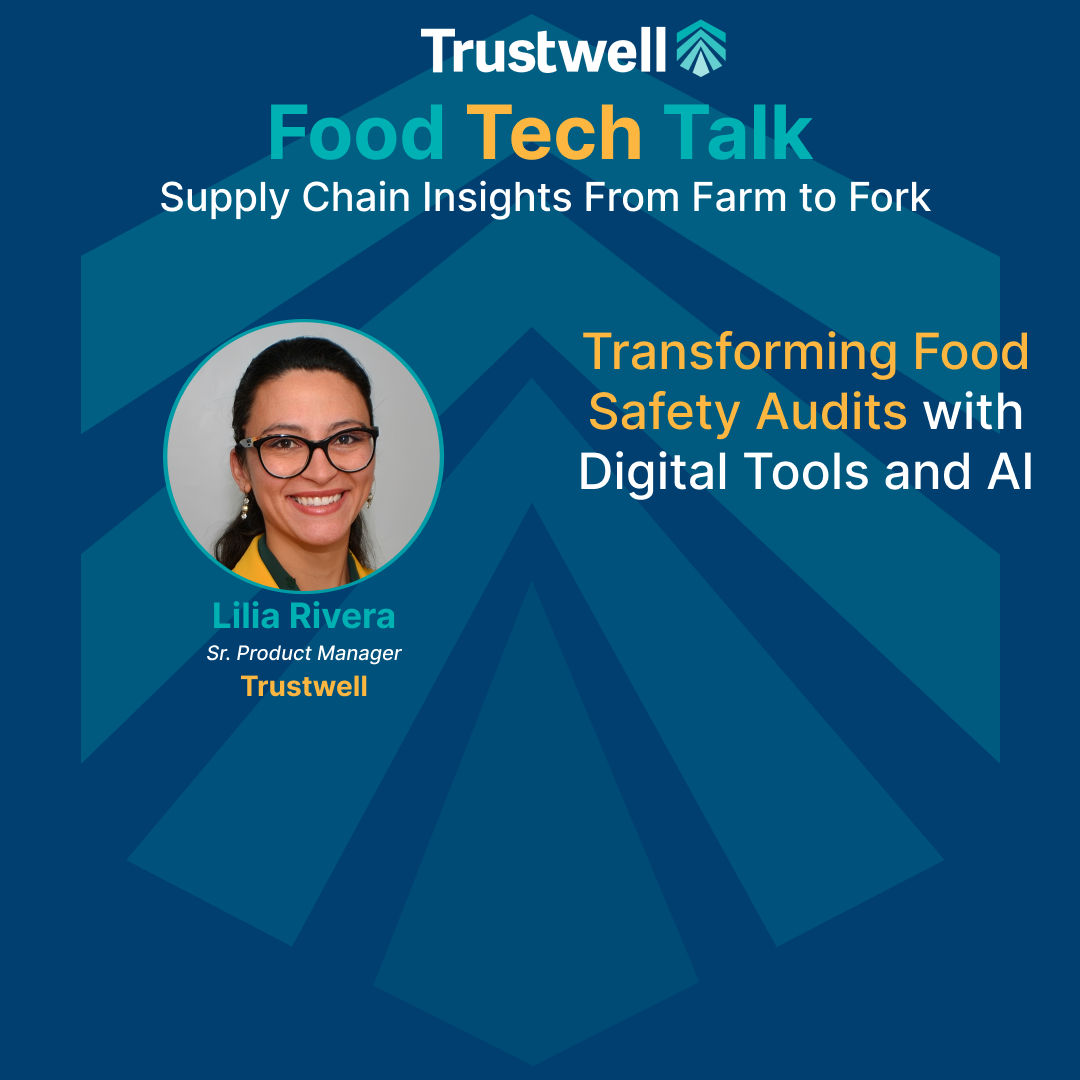 How Empathy Is Transforming Food Safety AuditsFood Tech Talk · on Supply chain traceability78 / 100
 Campaign Catch Up!Brand Shorthand · on Brian Niccol70 / 100
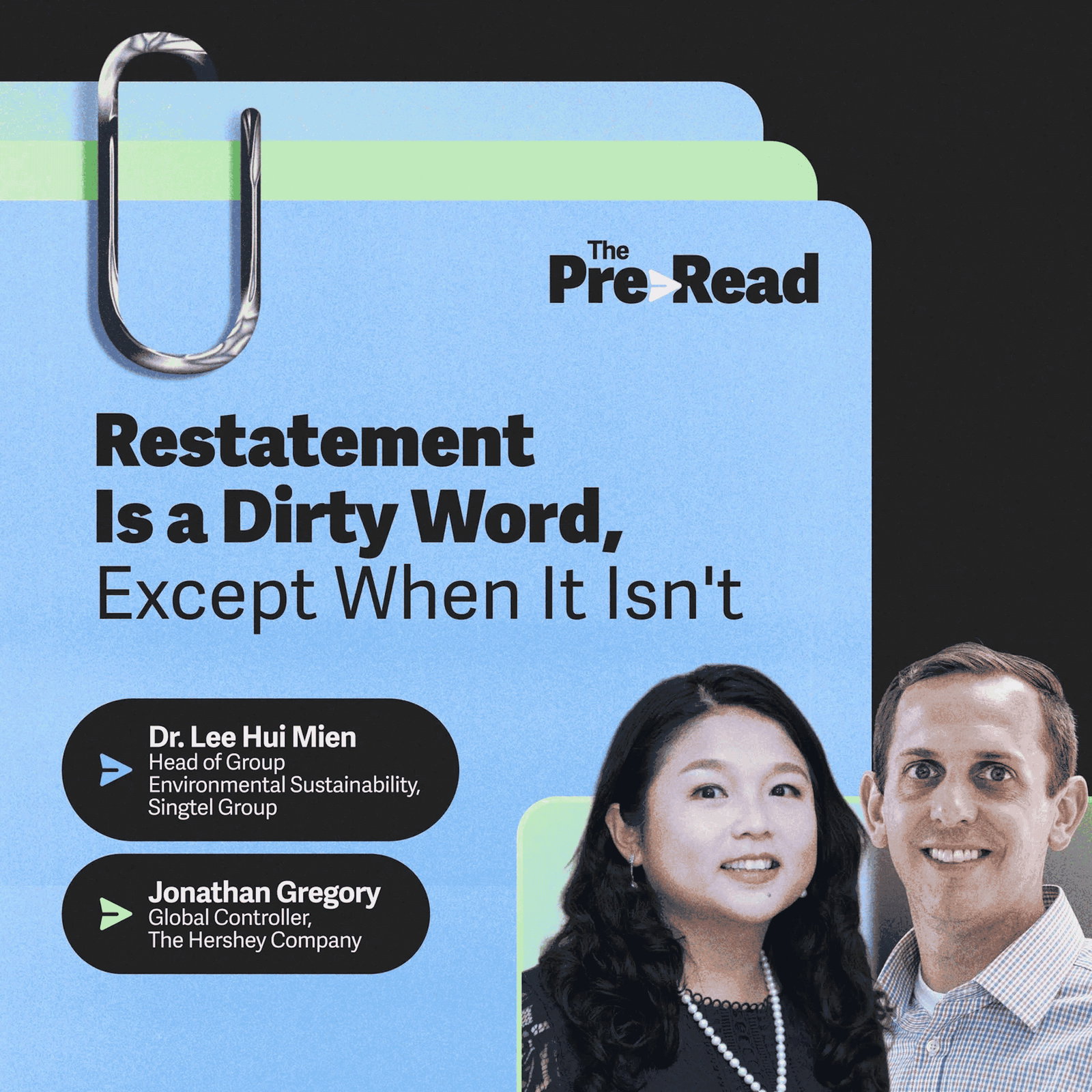 Restatement Is a Dirty Word, Except When It Isn'tThe Pre-Read · on Supply chain traceability68 / 100
 How the CEO of Seven-Eleven Japan Rethought Convenience54 / 100How Patagonia Proved Purpose Pays DividendsHow Satya Nadella Changed Microsofts Culture FirstHow the CEO of a Family Firm Kept It Private Through a Century of ChangeHow the CEO of Nvidia Sped Up the Chip Race