
Startup Women Podcast · 2026-06-03 · 60 min
Key moments - from our scoring
Substance score
48 / 100
Five dimensions, 20 points each
Rachel Wong's path to founding Monday Girl reveals how traditional corporate experience can be a strategic asset rather than a obstacle to entrepreneurship. After nearly a decade at Uber, Wong spent six years developing Monday Girl - initially as a Facebook group and in-person events - while maintaining her corporate salary, treating her day job as both financial security and ongoing executive education. The conversation explores how the 2016 girl boss movement, while revolutionary, left gaps for corporate professionals and multi-hyphenate women who didn't fit the founder stereotype of having raised X million dollars. Wong reimagined networking to serve women across career stages, moving beyond the predominantly white feminist movement that dominated early entrepreneurial spaces. Her decision to eventually leave Uber wasn't driven by hitting a specific financial milestone, but rather by recognizing Monday Girl's viability and her own readiness to commit fully. The episode delves into the psychological and cultural dimensions of this transition - including processing her parents' experience with entrepreneurial collapse during 2008, managing family expectations around traditional success, and identifying how conflict avoidance and financial trauma unconsciously shaped her early leadership decisions. Wong advocates for strategic "side hustling" within corporate environments as a way to gain skills, learn financial modeling and operations, and reduce fundraising dependency.
Rachel and her co-founder Sienna met nine years before the episode aired and spent approximately six of those years building Monday Girl while Rachel worked at Uber, with Sienna going full-time first while Rachel stayed to secure runway and eventually took the leap three years before the episode.
The girl boss movement was predominantly white and gated toward founders who had already raised X million dollars or achieved certain revenue milestones, leaving no space for corporate professionals, multi-hyphenate women, or those exploring career transitions who wanted community and mentorship.
Rather than a specific number, Rachel realized the business had viable legs when it was approaching $1 million in revenue and her co-founder was able to pay herself a salary, but she recognized that waiting for perfect financial metrics would mean perpetually chasing the next milestone.
Witnessing her immigrant parents build a thriving business that was destroyed in 2008 created financial trauma and initial resistance to entrepreneurship, but also showed her the power of striving for more and the importance of modeling risk-taking for other first-generation immigrant women.
Rachel used her corporate role as an executive MBA, specifically developing operations skills, learning financial modeling and forecasting, and practicing conflict resolution - all while being paid to learn, which reduced the need for external fundraising.
Our reviewer’s read on each dimension, with quotes from the episode.
The episode has pockets of genuine operational insight - CAC calculation for live events versus digital acquisition, LTV differential by market, the subscription launch during COVID, and the community vetting framework - but most of the runtime is occupied by personal storytelling, identity discussion, and motivational reflection that adds limited value to a B2B operator.
we look for at least four years of working experience. You need to have some sort of active online presence so we know that you can show up and actually add value
thinking about like, how are we acquiring customers? What's the cost of that currently, if we weren't to do events... is also the lifetime value of these members going to be a little bit better? Because they have access to things like L and D budgets which are higher in San Francisco
The critique of the 2016 girlboss movement as gated and demographically narrow is a useful historical framing, and the point about using a corporate job as the primary investor in a bootstrap business is sensible but not novel; most other ideas (first-gen immigrant hustle, empathy as AI-era superpower, networking being gendered) are widely circulated takes with no first-principles development.
it felt very one or the other... the girl boss movement kind of skewed a little bit older. So you had to be a founder of a certain caliber. It's a little bit more gated
if it's not a hell no, hell yes, it's a hell no
Rachel Wong is a genuine bootstrapped founder with a verifiable product (100K+ member community, multi-city summits), a near-decade at Uber including operations and team leadership, and real P&L accountability; however the business is consumer-community facing and the B2B operational transferability is limited, and she is relatively early-stage as a full-time founder (three years).
I was managing like close to 30 people and across different cities, very different personality points
we're planning two summits back to back. 800 people in Toronto, 500, 400 people in New York in April
Genuine numbers appear throughout - $250 USD annual membership, $60 - 80K event loss in San Francisco, 800 and 400-500 attendee targets, 60%+ BIPOC speaker commitment, four enrollment windows per year, 1.38 CAD/USD rate, a four-year experience vetting threshold - giving the episode more concrete texture than average, though overall business revenue and unit economics remain vague.
So this crazy. We lost, you know, $80,000. $80,000... we actually only lost, you know, like say like six, $60,000
the membership dues very accessible at 250usd for the entire year
The host surfaces the San Francisco event loss and pushes for the specific numbers behind event ROI calculation, which yields the episode's most useful segment; however she frequently shares extended personal anecdotes that consume guest time, her questions lean on soft narrative prompts rather than challenge or follow-up contradiction, and no claims go meaningfully tested.
if you would let us peek behind the curtain a little with that... what are those criteria for you guys?
Are you open to getting into the numbers a little bit? Like what did you feel you needed either the business to be making your own personal savings
Computed from the transcript - who did the talking, and the words that came up most.
Rachel Wong is the Co-Founder of Monday Girl . Rachel shares her journey from a successful corporate career at Uber to building a vibrant community for women professionals. Tune in to hear Rachel's journey from corporate to entrepreneurship, the evolution of networking for women and maintaining integrity while scaling. This series is hosted by Mallory Rowan and powered by CIBC Business Banking. Learn more about CIBC's Women Entrepreneurs Hub. Listen on Spotify Listen on Apple Music The post Networking, Identity and Building Monday Girl with Rachel Wong first appeared on Startup Canada .
Transcribed and scored by The B2B Podcast Index.
Speaker A: Hey, women entrepreneurs. Ready to turn your big ideas into reality? At cibc, we believe in empowering women to lead, innovate and thrive. And we're cheering you on every step of the way. Discover the CIBC Women Entrepreneurs Hub. Connect with inspiring mentors, swap stories with fellow entrepreneurs and access resources made just for you. Because every business is unique and you
Speaker B: don't have to do it alone.
Speaker A: Whether you're just starting out or taking your business to the next level, CIBC is here to support you. Visit cibc.com womenentrepreneurs and find out how CIBC can help your business soar.
Speaker C: Welcome to the Startup Women podcast. Today's guest is Rachel Wong, co founder of Monday Girl. Monday Girl is the first of its kind digital network platform in North America. Made for women by women through connection, community and mentorship, Rachel and Monday Girl are reimagining networking for the next generation of professional women. Monday Girl has become an online community of over 100,000 women and welcomes them through their in person summits in San Francisco, New York and Toronto. As we know, success and growth shapes our identity, our, our experiences and where we go next. And with that we must observe the pivotal moments that shape our journeys as founders. And today that's what we'll be talking about with Rachel. Welcome to the show, Rachel. Hi Mallory.
Speaker B: Thanks so much for having me.
Speaker C: Of m course. I'm so excited to have you here.
Speaker B: Same here.
Speaker C: Now I want to start at the beginning of Monday Girl and we're going to get into some different points and what it looks like to grow a business like this. I think what's really interesting to me about your position in starting this business is you had a very successful corporate career. Can you give us a lay of the land of where you were at when you started this business?
Speaker B: Yeah, absolutely. So, um, really interestingly enough, when I first started my career, I ended up at a really great company called Uber. Um, ended up staying there for close to almost a decade, which is, you know, for, for a startup, especially at that size, pretty monumental. And I got to see some really cool inflection points, got to stay with them as they went public and also got to be part of a really interest startup team. Um, but with that of course there came the title. My parents are really proud. I finally achieved their dreams of me first generation immigrant in this corporate offices building with a really fancy title. Um, so shifting over to this idea of being a full time entrepreneur was really scary and daunting, but it was a shift that I had to make. So I took that leap three years ago.
Speaker C: And before you took that leap even, how did you find it was balancing a more high demand career? Obviously, startup environment itself, itself. I think everyone's familiar with Uber. I'm sure it was a high paced environment. How did you balance starting to build while still in that job?
Speaker B: Yes, I think the main thing here is balance is definitely a construct, especially when it comes to, you know, balancing two different things, um, which were really different, but also both really fast paced. Uh, but I will say that I had, um, the privilege of having an amazing co founder. That's one thing. First and foremost, E. Sienna was amazing. She also had a very different risk profile than myself. Always a founder, really. Um, okay with taking the big leaps of, you know, faith. And she actually went full time before I did, so she was full time with the business. And I really saw myself as helping us get Runway. So instead of going and getting institutional capital or funding, um, we really saw my role as, you know, helping the business grow while also not taking a salary from Monday Girl to help it get to that point. So eventually, when I did take the leap, although I will say pretty extended, um, it was time for us to really, like, get into that growth mode and we eventually hired people with us afterwards.
Speaker C: And how many years had you been building before you took the leap?
Speaker B: So definitely not an overnight success. Technically, it's been almost nine years.
Speaker C: Wow.
Speaker B: Of, you know, growing Monday Girl, having it as a concept. Um, the origin story here is that, uh, myself and my co founder, we first met and chatted for the very first time nine years ago over a coffee. And, and it was a Sunday, and we were just talking about, you know, how, of course, the time on Instagram, you're scrolling, you're scrolling. And everyone's saying, like, I hate my son, I hate my Mondays. Um, I'm really dreading the work week and, you know, being in interesting places ourselves, but two very different career paths. We both kind of looked at that and said, absolutely. There are so many times where we have Sunday scaries. We don't want to go to work. Mondays aren't always the best, but what if we could aspirationally change what that looked like? What if you actually look forward to what you did? What if you did look forward to your work week? Right. Even if that was aspirational. So we kind of came with the concept of like, you know, what does a Monday Girl actually look like? What does that mean? Um, so started off as a Facebook group, very organic. We just kept growing that, growing that. Eventually in Person events became that staple and our community really wanted that. Um, they started to take off and then Covid came around. So that was really interesting.
Speaker C: The heartbreak.
Speaker B: Yeah, the heartbreak. But yeah. So Monday girl's been around for, you know, quite close to over nine years now.
Speaker C: That's awesome. So would that be about six years in is when you took the leap?
Speaker B: Yes.
Speaker C: Some good math on my nine minus three. Sign me up. No, I love that. So when you're talking about the Facebook groups and then moving to the events, do you feel like there's a, uh, main pivotal moment or even a first time where you felt like this is working, something is happening here?
Speaker B: Yeah, absolutely. And I want to paint the picture too, where we're so fortunate now where there are so many incredible movements and so many different organizations really championing women's empowerment in such a different way. But let's bring us all back to 2016. 2016 was a very interesting time. The girl boss movement was in full effect. Lots of pink blazers, which is amazing. And like it really opened the doors and the floodgates for a lot of women entrepreneurs.
Speaker C: It was like version 1.0 that we needed.
Speaker B: Yes. And I truly stand by this. We really needed that movement to be the case. Um, but on the flip side of it, there weren't a lot of rooms that I would say my co founder and I felt, um, represented by. Right. It felt very one or the other. Um, it's also the girl boss movement kind of skewed a little bit older. So you had to be a founder of a certain caliber. It's a little bit more gated. Um, you've had to. Had made X million or X revenue and we just weren't there yet in our careers. And also noticing there was a big gap for those in their corporate careers that might not always want to climb the ladder, but also open to the opportunity of what's next. Uh, so we decided there really was this blank space that we could really fill and you know, really reimagine what networking could look like, especially knowing all the impact that it could have on you. Right. So.
Speaker A: Mhm.
Speaker B: That was kind of our social experiment, if you will. Yeah.
Speaker C: And I think you touched on it lightly. But ultimately the boss babe early movement, a lot of it, it was a bit of a white feminist movement. Right. Like there was really white women in pink blazers. To your point at the forefront of that, what was it like even in your career? You know, maybe having. It could feel like less examples of women like you. And how did that play a role in building Monday Girl.
Speaker B: Yeah, yeah, absolutely. Well, I think the first thing I'd say is, um, being in a startup during that time. Cause there's this big startup boom, um, being at one of the top companies there. I was surrounded by so many smart people and it was awesome. It was really, really cool. And I felt like it was every single day I'd be like, learning new things and just absorbing like a sponge. But at the same time, I go to these conferences again, tech conferences. Um, I don't think this trope has, you know, gone away. Right. Like when you're thinking about that xib, you know, ex Ivy League person in a Patagonia vest asking you like, you know, where you used to work, um, expecting you to say Bain or like some other, you know, bank, like, it really was such a, a turning point for me to kind of think about. Right. Everyone's telling me at this point to get a mentor to network. If I networked the way my male colleagues did, I just don't think I'd get the same results.
Speaker C: Right.
Speaker B: And instead of me kind of being upset by it. And again, I do think a lot of this has to be like this first generation immigrant of like, figure it out. Figure your own path, figure your own lane. I was like, well, then I'll just make my own lane. Let me just figure out what this could look like and let me bring back this concept right to these other women that I know want to network. But the idea of it feels so icky and so far away from them.
Speaker C: M. I think that it's fascinating because in business, in our careers, in so much of our life, people tell us to lean into our strengths and find what makes you special. But then networking specifically and how you climb in your career seems to be this thing where it's like, okay, actually now get back into the box and here's the one way to do it.
Speaker B: Absolutely. And I think for those of us who, um, have a little bit more of this, like, you know, generalist kind of multi hyphenate interest, um, to them, like, that was something for me that I always wanted to explore. Like, I did work at a startup, but there's so many other things I loved. Right. Like at the time, um, I was dabbling and even being a freelance makeup artist, I was really interested in YouTube, which is how I got connected to my co founder. And seeing her as a multi hyphenate, that was really interesting for me. So we're like, how do we create more spaces where women don't feel like they have to be boxed in and, and this rigid version themselves to then succeed, whatever that meant. And let's be honest. Yes, you could see that obviously in a career ladder, like, you know, it's. If you get promoted, whatever, hopefully get to C suite. But even on the flip side, as a, as a founder at the time, you had to raise X million or be an X publication. So be taken seriously. And we're like, let's rewrite that.
Speaker C: Yeah, I love that so much. Okay, let's talk about the finances behind quitting a job, especially again, in a successful career. I'm assuming you have a pretty good pay and maybe some benefits or perks that match that. Can you talk me through how you make a decision like that? How did you have to feel comfortable with making that jump?
Speaker B: Yeah. So I have to preface by saying I am very much a Virgo. I had to bring astrology into it because very much we're here for it. And it's very much my identity and how I think about risk tolerance and how we think about my career. I've always been very like, by this age, I'll do this and I'll be completely honest. You know, a lot of that does factor in the fact that, like, grew up in a first generation immigrant family. They made so many sacrifices for me and my sister to be here. I saw them also, um, go into entrepreneurship not as this cool, sexy thing that we have now, but more so out of survival instinct.
Speaker C: Right.
Speaker B: But I also saw it go away in 2008. So everything my parents built up to, um, they were thriving. They were thriving. And then 2008 came around and took all of that away. So I also saw all the ups and downs. And it's so interesting because I vividly remember as a kid being like, I wish my parents didn't have, you know, like, I wish they had corporate jobs. I wish they could take me to Disney. And, uh, not every single trip had to be a business trip. Right.
Speaker C: Right.
Speaker B: I wish they could spend Christmas with me. So all these other things. But it's interesting now to look back and actually see how seeing them operate and seeing them actually strive for more and seeing them actually transition themselves from going full time, you know, entrepreneurship, to then figuring out the next step for them. That was also a really pivotal moment for me to really think about, you know, what kind of example should I also set for my sister? What kind of example do I also set for other first generation immigrant women like myself that might be scared of letting their families down? Um, and I realized that, you Know if I wasn't gonna do this, it would never happen.
Speaker C: Mhm.
Speaker B: And I didn't wanna look back two, three years from now just thinking, ah, ah, I should have taken that jump. Um, I will be completely honest. I had amazing mentors, amazing supporters. Um, I actually had one of our great advisors. He pretty much told me I should quit. Right. And he was like, I don't think anyone else is gonna do this to you, but I think you should put in your resignation letter and just do it. And he was bold. But again, it took me some time to get there and I did it and I never look back.
Speaker C: That's so amazing. So, uh, I think a lot of us can relate to that feeling of our parents have this version of success that they really want for us. A lot of us feel like they've built their life to a place so that we can get to that milestone, we can have the corporate job and that success. I know for myself, when I was working in corporate and wanting to leave for my own business, I joke that I prepped my mom and my sisters, even my older sisters for, for about six months of talking about how well the business was doing. I felt like I was doing this like subconscious programming to let them know when the time came that I knew I was gonna quit, that they would feel more comfortable with that. Did you have a similar experience or how did you navigate and how did your parents react to this desire to go in full time or even to start into this entrepreneurial journey?
Speaker B: I definitely think that's eldest sibling syndrome, where you have to constantly prime your family for one.
Speaker C: You know, it's so funny. I'm the baby.
Speaker B: You're the baby.
Speaker C: I'm the baby. Oh, that's so. I feel like the priming my sister was a bit. She's almost got that second mom, eldest daughter energy.
Speaker B: So I was doing the side flip side.
Speaker C: I was convert them. Yes. I was comfortable with the big risks. I'm the third born, right? So my parents joke they ran out of nose by the time I came around. So I am a bit of the push, push it to the limit. Like, even though I wasn't getting nose, I would see how far I could push it. So that was my prepping them. But I do think there's a common theme with a lot of us, of the people who have the traditional success in our families. How do we explain the black sheepness?
Speaker B: Yeah, absolutely. And I would say too, um, there's so much duality to everything, right? There's so much, you know, you wanna make them proud. But at the same time, it's like at the end of the day, they also really wanna see you happy and flourish.
Speaker C: Right.
Speaker B: My parents to this day, they're very supportive. They come to all of our events they're setting up. They still think. My dad refers to it as a blog. Right. And I'm like, that's great. We're really, really close. Right. And you're some part of Monday is a media platform. We're online it. But, um, I will say I did a lot of the priming, Absolutely, a lot of the priming. But I think a lot of the work that I had to do was internal. Right. I think so much of, you know, being a founder becomes very internal work. Very like you against yourself. And it sounds very cheesy, but a lot of it is like, you'll avoid certain things and you kind of realize, like, it's not because of, you know, X vendor, it's not because of X factor, the economy even. It's, you know, it's really maybe something that you subconsciously are trying to avoid. So for myself, I think a lot of it was, of course, the financial trauma, like seeing my parents lose everything, um, knowing that I really wanted to build a life for myself where I had financial stability. But let's be honest, like, we went through Covid, and very, very few people at the time had any sort of financial stability, despite what companies they worked for. And I think that was kind of an important turning point for me also at that point, realizing that Monday girl had some great, you know, legs. We launched the subscription model during COVID that took off. My co founder was able to pay herself a salary while going all in. And we've been bootstrapped ever since. Um, so I do think there were certain factors that kind of shaped a little bit of how I thought about it throughout the years. And I think, um, it's. It's such a fascinating journey to, like, grow into a better version of yourself while, uh, growing into the founder that you need to be for your business.
Speaker C: Yeah, entrepreneurship is definitely a bait and switch. You think you're just here to build a business, and then it's going to be the most wild personal growth journey you've ever been on. And you're going to learn things about yourself that no one else gets, I would say, the privilege of learning, right? Absolutely.
Speaker B: I think that's one thing that people don't talk about enough, but it's like, strap in, buckle in, like you're in for a big ride. All these things that you want to avoid or not correct about yourself, they're going to be displayed out for you. Right. When you're running a business and you got to be the one to figure it out.
Speaker C: Yeah. When you say I'm not avoiding the vendor because of necessarily the vendor, I think for me, I connect that back to different cultural and family upbringings too. Even conflict, that's a big one, right? Yeah. Especially in certain cultures. I know for my partner, like Filipino, we talk about, like, they often will push things under the rug and let it like, you know, fester in the background. And I think that's common with a lot of Asian cultures too.
Speaker B: Um, absolutely.
Speaker C: Where and when do you speak up? So did you feel that you were seeing, Were you avoiding conflict? Did you have to change how you approach conflict? Because in the event industry alone, not even touching the membership side of this business. Right. You are constantly negotiating, you're talking to contractors. I'm sure this feeling was coming up a lot.
Speaker B: Yeah, absolutely. And I would say there's so many things that I would credit to actually having a corporate background, which is a little bit of a hot take. Um, I think a lot of the things that I've learned and developed, I had to pressure test myself in this corporate environment and I would say the benefit of it. And again, I am a strong advocate for side hustling again in a position where you can, and you're privileged enough to do so, um, to be that initial investor, if you will, financially for your business before actually thinking about other forms of funding. Um, but I would say from that end, I was able to practice different skills. There were certain things that I knew I wasn't super strong at. I, um, was, you know, always a kid that struggled with math. My parents were so embarrassed because they sent me to Kumon and like, just couldn't get it together. Right. You know, And I really, really avoided numbers. But in my corporate job, I was like, you know what? Like, this is going to be something I overcome. Let me figure it out. And I grew into an operations role where I had to present forecasting and models and I was able to essentially learn a lot of the stuff on the go, but also while being paid for it. Right. So I think to those, um, who are watching and they're like, oh, do I go full time? What do I do? Or do I just go straight to entrepreneurship? Um, you know, consider the aspect of like, you know, an executive mba, if you will, of being a corporate job in a really fast paced environment to help you learn those skills.
Speaker C: Yeah, it Feels like a safe space to even have people to ask those questions to. When you're off on your own, you can't ask maybe a COO a question that you can ask when you're in that environment. Yes, I think that's so true. We really glorify the just jump in and go for it. And I think that's because a lot of the extroverted entrepreneurs and the risk takers are the loudest online. And that's not a bad thing. It's just the personality.
Speaker A: Right.
Speaker C: I'm sure you have some astrology maybe you could point us to for that, but I think there are so many introverted entrepreneurs and more risk averse entrepreneurs. I always say for myself I need a lot of security and feeling of, you know, the backup net for the backup.
Speaker B: Yes.
Speaker C: Yeah. And I think that we don't hear enough of those stories. And I also agree that if you can push a corporate job for that learning experience, for that paycheck to your point of it's an investment in your business, you don't have to spend the energy to go get that investment if you're being paid by someone else. Right.
Speaker B: And also for those who have been on the fundraising hamster wheel, you also realize that is also a full time job.
Speaker C: Right.
Speaker B: Going to investor meeting after investor meeting, that's also a very big time suck. So just being thoughtful about where your energy is going and being realistic about what kind of model your business should be.
Speaker C: So okay, so you stayed a little longer in the corporate largely for that learning experience. Are you open to getting into the numbers a little bit? Like what did you feel you needed either the business to be making your own personal savings. I think that would be really helpful to people who maybe have this nice cushy job of what is that point that you felt actually financially ready to jump.
Speaker B: So as a Virgo and as a self proclaimed perfectionist, I thought it was going to be this like perfectly round number. Why wouldn't it be? Right? Course why wouldn't it be? It has to be like round and perfect and amazing. A big, big number. It was not right. It really wasn't. It really was a point of my co founder being like, is this a real business for us other people looking at it and also for some, you know, aspects more, I'd um, say even just energy wise realizing that like, you know, you could keep it up, but for how long? Um, so I think for me I was just like about a clean break, just so you know, like, okay, well tomorrow's gonna be Tomorrow, the day I put in my resignation, not looking at the numbers and just figuring it out, um, in the back of my head, I thought that that moment would be so much different. The moment I thought was going to be like, I would get four of 30 under 30. I would have like, you know, had this like perfectly like saved, you know, amount. I'd reinvest all that. And then the, the Monday Girl membership would hit this, you know, revenue number. But the reality is we kept hitting these milestones. Um, we kept hitting, I believe at the time that we were doing Monday Girls, we were about to hit 1 million. Right. I could have been like, let's wait till we hit 1 million, but then you're going to chase the next thing, right? Because that's what good founders do. You keep chasing after the next milestone. I've been like 2 million, 10 million, right. So, uh, you know, how long can you keep it going and also realizing that the time is your biggest resource, especially as a startup founder?
Speaker C: So, yeah, I think it hits a point where it feels like you can milk that corporate until it hits this kind of defining moment where it's like every hour you're not spending on the business now feels so much more impactful than maybe it did when you were leveraging it as a side hustle. It feels like, okay, the eight hours a day I'm putting into this job, imagine what I could do at the point that we're at now in the business. And I think so often it's actually listening to the circumstances and the context around it.
Speaker B: Absolutely. And I will say it's like, um, I'm going to be completely honest, my job is very demanding. I was traveling a lot, I had to be on with a lot of people. My days were back to back. So truly, especially if you're high achieving, most first gen immigrants are. And like, you wanted to make sure that you had the credibility at work, which takes more work to do actually, because you have to also convince your employer that, you know, truly, you are so focused at your job and you're nine to five. Um, that was an additional burden that I didn't realize I was also carrying after I left. So I will say that, you know, of course there was a point where it meant a lot, but there's phases and seasons in life. And I do think that after I left I was able to kind of recognize that I put a lot of effort additionally just, um, to make sure I stacked up against my colleagues because I still want to progress.
Speaker C: I think that's such a Great point about sometimes it's the type of person we are. And if you are that person that wants to be at the top of everything, it gets to a point where it is really difficult to be the high performing. I believe at Uber you were building a product almost from the ground up too. Right. So the responsibility of that, and I think that's a really great point because we, we hear about quiet quitting more and I think, you know, there's a lot of versions of what that looks like, but sometimes you can be going to your job, your head's mostly in your side hustle. I know for myself, near the end my corporate job, I didn't have the same passion for. I felt like I could give it 25% and honestly be doing great. Mainly not because I'm a rock star, but because of the circumstance of the position. But I think that idea that you were so in on being the top here and then also creating this thing over here, there's going to be a push, pull sometimes.
Speaker B: Absolutely. And I think that's so much of, you know, what advice I would share is like, you just have to be really honest with who you are and what that means to you. Um, completely different story with my co founder. She's so much more, um, you know, open to risk taking and taking the leap and she's always been like that. So I do think there's a balance and who you surround yourself with will also have that effect on you. Um, and I realized that actually by surrounding myself with more entrepreneurs, I was able to kind of like open that up for myself and be a little bit less rigid in how I thought about things.
Speaker C: Yeah, I think that network is so important. Something you touched on was that ambitious, um, characteristic that you really tie to that first gen immigrant story. Um, can you talk a little bit more? What do you feel like being a first generation immigrant has done for you and how you approach building Monday Girls?
Speaker B: Yeah, I would say it fundamentally is a reason that Monday Girl and the mission of networking is so deeply important to myself. Um, I remember as a kid I grew up, you know, being raised and told that, you know, put your head down, work really, really hard, don't brag, work smart, do not brag.
Speaker C: That's terrible.
Speaker B: Just let your hard work speak for itself. And again, it was much more of a cultural thing where it's, you know, it was better to be quiet. It was a more professional thing to be. It was more ladylike for, for me to be more quiet, but just like, you know, working really hard and Letting that hard work speak for itself. And, um, it was really interesting because I mentioned in 2008, my parents ended up going to so many job interviews. I saw them leaving morning to night, coming back feeling so dejected. Um, and, you know, after years and years of telling me to put my head down, don't think about other people, um, they kind of had to flip the switch for themselves too. So I saw them have the realization and they started to tell me actually a proverb where it's like, you know, dig the well before you're thirsty.
Speaker C: I love that.
Speaker B: And I saw that for them and I kind of learned to like, you know, develop that characteristic a little bit later in life. But I'll be completely honest, like, that's when I entered university. That's when recruitment sessions were happening. There'd be like, groups and one recruiter and you'd have to, like, you know, fight to get one word in. And I was like, oh, my gosh, I'm losing here. I don't like this feeling. I was like, this is, I'm not winning here. Like, I can't even get one word. I don't know how to not interrupt someone. This is crazy. And I wouldn't say it's necessarily about being more aggressive, but just realizing that I was raised so differently and it wasn't just me. It wasn't just me that there's so many other women, um, and so many other first immigrants that felt like they were not allowed to take up more space and not allowed to kind of, um, be in this kind of like, networking mindset. So again, really started from this social experiment of me, uh, and my co founder talking about, like, you know, she's an introvert, she didn't want to network, but she had to. And everything was so male dominated. Um, I was tired of seeing all this, like, you know, tech Pro Panagonia best conference, you know, happening. And we just thought there had to be a different way to communicate to women. You know, like, we deserve a space where we feel safe, we feel represented. We can actually talk about the hard stuff at work without feeling judged, which we're so good at, but also making it feel aspirational. So it came from a deeply personal space. I think at the end of the day, um, the best messages I ever receive are like, you know, I went to an event seeing other women talk about how networking did not come naturally to them. Advocating, um, for themselves. And it come naturally to them. But, like, you know, it gave me the confidence to do that at work. Like, those will Always be the messages that I remember. So.
Speaker C: Oh, I love that. Um, I totally connect with the. I realized for myself I felt like I was in the humble Olympics, I call it the last few years, where I felt like I was competing against myself of like, how humble can I be? And all that really did was quiet myself down. And I realized that most of my opportunities have come from being loud about the things that I want or what I have been able to do so far. And I think it's so true that as women, and we see it with a lot of different cultures that we just start to do that, we think we have to be small in this corner and somebody's going to come over and pick us because our work was so good. And then we see this other person, you know, being louder and they're maybe getting those opportunities and maybe if we had a report card, there's would be a C level project. And we're like, I have an A plus over here.
Speaker B: You're like, I've been working in the background actually. So it's, it's such an interesting dynamic and I do think it's just one that we haven't explored enough. Right. There's a such little, um, you know, celebration discussion about woman networking. Um, it's really interesting because we always draw the comparisons to, you know, it's so normalized and socially accepted with circles of men. Right. They talk about the golf course, whiskey bars. Um, you know, there's a lot of, you know, normalization around that kind of behavior. But for a woman, um, you know, we see this in like early 90s movies where it's like, that's social climbing.
Speaker A: Mhm.
Speaker B: Right. Oh, she's, she's on the board to get this. It's always transactional. Right. So there's a lot of like gendered principles that like we have now been able to kind of like uncover and see. And I think a lot of us have to unlearn that too because we also internalize that.
Speaker C: Yes.
Speaker B: So I think a lot of it is just, you know, reclaiming what that means for you doesn't mean you have to be the loudest person, because not all of us are. But it's, you know, giving yourself the space to say like, that's okay, like maybe not today I'll be super, super humble.
Speaker C: Maybe I can mention this cool thing that I've done or this goal that I have. Yeah.
Speaker B: And feeling the space to do that and then also recognizing that when you do that, most people want to celebrate you. Most people are going to Be so, so excited for you. Right. So I think that's also a really cool moment.
Speaker C: Yeah. I think we have so many negative attributes we tie to women that are confident.
Speaker A: Right.
Speaker C: We want, we tell women to be more confident, then they show some confidence and we're like, wow, she's really full of herself. Right. And I think we all are aware of how much that happens and doesn't happen the same way to men. And I think a really beautiful thing with women is how much we want to pour into each other. So even at women, uh, founder events, we're so keen to talk about how other people can do things, whereas men often want to get up and kind of talk about what they've done. Right. And, and we maybe won't mention our, our biggest feats. I remember actually doing a panel for Monday Girl and not knowing that the woman beside me had built this incredible massive business, sold it, had all this success and it didn't even come up in the panel. Right. Because it's part of her past story. But I thought it was so fascinating how we just. Oh, well, this is the advice I have for others.
Speaker B: Yeah, we like skip over that part. We're watering ourselves down just because we feel like, you know, it's like too much. If you put yourself out there, it's like the Barbie monologue. Like everything we do is in conflict with each other. But I do think this is why, like conversations like this, right. You know, like having safe spaces where a woman can come together. And that's why I'm really grateful for the fact that, you know, there's been so many more, um, organizations like Monday Girl come together to kind of like showcase that there is a different version of, you know, I'd say whether it's called womanhood or girlhood, whatever, it is the version that today, because it does look pretty different from, um, you know, previous generations where it was actually kind of this Devil Wears Prada, like I suffered. So you have the suffrage too.
Speaker C: Um, the Tyra Banks documentary recently, I
Speaker B: don't know if you've seen that. Very tyrant.
Speaker C: Very much that energy.
Speaker B: Right.
Speaker C: Wanted to create a space for women and then accidentally continues the cycle.
Speaker B: Yes, exactly. And I think so much of this is subconscious, but, you know, just being really thoughtful about that and just, you know, like rethinking what that means for yourself.
Speaker C: Mhm. I think we had a phase where when women were starting to succeed in the workforce, it was women who could lean into the maybe masculine characteristics. Right. And they were almost in a way like men in disguise. Right. It's because they were just as aggressive, they were just as loud. And I think now we're in a generation where we're seeing the softness and femininity that can come from women. That actually is very strong and powerful and very great characteristics for leaders. And we're seeing those now in positions of, oh, I can actually be kind and be in this role. I don't have to be coming in with my fists ready. Yeah.
Speaker B: And that kind of brings me to actually what feels like maybe jumping into, like, a totally different topic. Very tech of me.
Speaker C: Yeah.
Speaker B: Is, you know, the element of the fact that AI is here. You know, it's very much disrupting so many jobs, industries, careers. But I also think it's fundamentally shifting how we think about leadership. And in a world where AI is becoming kind of this norm, it's like, you know, empathy and what we're really good at as women, um, and thinking about, you know, things from a different lens, different perspectives, being very all encompassing. That is going to be our superpower. Right. So that's something that I'm personally really excited about in this next generation to come.
Speaker C: Oh, that gave me goosebumps. You're so right. When we talk about this AI conversation, everyone's saying, you have to be more human. Be more human. A lot of it is actually the characteristics that women are so strong in.
Speaker B: Absolutely.
Speaker C: Okay. So we talk a lot about this moment where we decide to quit and we decide to go all in. And then it does sometimes become the nice story in a bow. And it's like, everything was great after that. Right. So now that you're three years in, you've started expanding and running events in the U.S. which it's no secret that right now, anything between us and Canada is going to have its extra barriers.
Speaker B: Right.
Speaker C: If it wasn't already hard enough running events that are not only in a different country, but on the other side of that country, um, you guys started expanding. New York, San Francisco. I would love to talk. I know you've shared a little bit about your San Francisco event. I love to bring it up. You probably hate that.
Speaker B: I love to bring it up, but
Speaker C: I really love when women are more open about the difficulties and challenges they've been through. And so the Monday girl team has been vocal about that first San Francisco event. Can you tell us a little bit about what went down there?
Speaker B: Yes, absolutely. So, first and foremost, I do have to say we are very open and, you know, transparent about the fact that being a bootstrap business means things land harder for you, if you have a cost, you're going to eat it that much harder. You have to reallocate in a very, very different way than if you did have, for example, this, you know, like, capital just sitting there in your bank that you could just go ahead and spend. Um, so when we think, when we're thinking about these decisions, not all of them can just be this, like, simple, easy, like, yeah, like it's marketing, let's calculate the roi and that sometimes you have to be a little cuckoo crazy. Like sometimes you just have to go for it and like, go all in and go all the way, um, just to see whether or not, like, that was a good thing for you. So although it sound like seemed like a really crazy cost, um, which it was, we end up realizing that there were so many things that we learned from that. Um, there's so many things that we were able to kind of take away from it. But also, um, the Canadian to USD conversion is still very, very much a thing.
Speaker C: It hurts deeply.
Speaker B: It hurts deeply. Right now, I think it's like a 1.38.
Speaker C: It's kind of crazy, especially once you're getting into these higher price points, which I'm sure with vendors you're operating in the thousands, right? That conversion hurts.
Speaker B: Yes. And even right now, getting, um, you know, items. And we're lucky we're not a consumer brand, so we're not thinking about this all the time, but, you know, bringing in different items that we already have in storage or, um, already have bringing them across the border, that means duties and tariffs. And there's so many other things that now we have to consider. But I will say, um, there's. There's been a really interesting thing about knowing who you are as a brand and how that translates into different markets. That itself is such a good test of your brand and your team's ability to really retell that story. So for us, noticing that, of course, very different demographic in San Francisco, um, we know that there's industries there that are very specific to them. There's certain topics that they care about more than they would in Toronto. So it's readapting that story. But it really, truly helps you build a stronger sense of self, if you will, or brand, um, when you're able to kind of do that well.
Speaker C: So for an event like that, I mean, ultimately what happened a little bit, right, was the cost kept adding up, maybe more than you guys expected initially. And so when you're hosting something like that, how do you go about making those decisions, you know, hindsight's 2020 of. Here's everything we learned from the San Francisco event that was so important to learn. How do you go into those decisions and decide at, uh, what point are we pushing it and we gotta pull out? At what point do you decide to push through and really stick with something, even if the win isn't going to be profit necessarily?
Speaker B: Yeah, yeah, I would say you have to decide what those moments are and you have to make like, very calculated guesses with like the ROI in them, especially if it's really hard to calculate. The greatest thing is that I have learned from again, the corporate job on how to calculate things like this that feel very ambiguous. Um, I've learned, you know, like, how to think about events and thinking about like different ways to track different things. Whether that is, you know, just like thinking about the people that come see it, thinking about the people that might be able to refer somebody else. So, um, all those factors we actually calculated, right? So although it's just like this crazy thing that just kept adding and adding which events happen to, you know, that always happens, um, we were able in the background to actually kind of tell us, uh, tell ourselves what the break even number was. So on the back end we were able to kind of understand like, what that really meant for the business and also understanding that this is a loss, knowing what that loss was going to be and then making up for it in different ways. Um, and just transparently like, again, luckily, me being full time for so long at a different job, it gave us a bit more Runway to kind of do some crazier things. And that was a crazy thing. That was a crazy thing. Um, and we actually pulled off, um, we actually pulled out of doing another summit that was going to be that crazy and big last year because we just realized that we weren't in the same financial position as the way we were the previous year. So you can't always rinse, repeat. You just have to know and meet yourself where you are and just being okay with like, that's the fact that
Speaker C: it is, um, I feel like calculated guess is my new favorite term because that's all that entrepreneurship really is.
Speaker B: You're going to be like, yeah, we got this.
Speaker C: Yeah, I've done enough of the math here, enough of the figuring out to then make the guess, to then make
Speaker B: the guess, and then you do it and you learn from it and it's amazing. But it's like, truly, I do think, like, one of the best things I've ever heard was like, it's really hard to be a great chef without cooking, it's really hard to be great artists without creating. So it's, you know, how are you going to be a great founder if you're not out there taking the swings again? Don't take too many. That could be really bad. But taking the right swings or taking sometimes the wrong swings too.
Speaker C: Yeah. If you would let us peek behind the curtain a little with that, uh, you were talking about a few examples there of how you calculate and evaluate what the return or what is going to make an event worthwhile. You mentioned the people that might attend, the people that would refer. Can you give us a little bit more of. In a scenario like the San Francisco or New York event, what are those criteria for you guys?
Speaker B: Yeah, absolutely. I love to talk about this because I think it's so important. Um, especially in fields like marketing or events where it feels so woo woo. And it feels like, you know, a lot of marketers who are very hard on, like CPMs.
Speaker A: Yes.
Speaker C: It's either we're aggressively number focused or we're just the vibes. We're like, that event was fun.
Speaker A: Yeah.
Speaker B: We should do it again. Right. And it's like, it's so important to be the blend of both. Right. Because you need the vibes and you can't think about everything as a number because it's hard to quantify. But I do think for us, uh, one thing that's been really, really important is getting my team very comfortable with that and being able to tell a story with that and getting them like excited about it, where it's not just like this like, horrible thing you have to do. At the end of the day, like, one thing that we do that's kind of insane is like, I make all them manually pull their numbers. We have dashboards, but every single week we'll manually pull it and we'll sum it up and we'll share with the team.
Speaker C: And what kind of numbers are they pulling?
Speaker B: So for example, for events like this, if we're calculating this like a cac, right. So we're thinking about, like, how are we acquiring customers? What's the cost of that currently, if we weren't to do events, um, how do we do the online? So, for example, we'll look at things like meta ads organically, we'll sum it all up and we'll be like, okay, this is how much it costs for us acquire one customer. Now, if we were to do this SF Summit, how many people can we actually convert on site? Right. What does that number look like? Is it slightly higher? Is it going to be lower? Is also the lifetime value of these members going to be a little bit better? Because they have access to things like L and D budgets which are higher in San Francisco because of these fancy tech companies. So also thinking about market, you know, specific things. So when we're able to kind of like, you know, compare these two things, bring that back. I mean, like, okay, we got uh, you know, X number of people going to this event. We could probably convert X number of them. They're going to have higher LTV lifetime value than like say like the normal regular customer coming through a meta ad, for example. You know, that actually might make more sense for us to do an event. So this crazy. We lost, you know, $80,000. $80,000.
Speaker C: It's crazy.
Speaker B: Um, a little nuts. Yeah, right? It turns out being like, okay, we actually only lost, you know, like say like six, $60,000. Right. You know, so you kind of are able to understand that. But also being able to kind of pinpoint that, share it. But also like, if that was your thesis, you gotta back it up and you have to keep monitoring. That's one thing that I think like the vibe side of us were like, we did it, we did the calculation amazing. You have to keep monitoring it and making sure that thesis keeps like living up to its dream.
Speaker C: I think that part of having the weekly check ins with the numbers, I think that's something a lot of us probably miss. Maybe we do. You know, at the end of an event there's a post breakdown. But I think that's really powerful because I can imagine that it changes how you are making decisions and how the whole team is looking at all of these marketing activities that sometimes can feel more of the vibes, right? Even organic, social. It's like this is a fun trend to post, okay. But with that tracking paired together, it sounds really powerful.
Speaker B: And I think there's so many ways that you can actually leverage AI to help you do a lot of those things. I um, would say like so much of this used to be gay kept, right? Like so much of this. I remember we'd like, you know, talk to like traditional ad agencies and they're like, what's your cpm? What's your. And throw all these like crazy acronyms at us and we're like, I don't know, give me one second, let me google it. Right? So I think a lot of it's like, you know, empowering ourselves to know what numbers do matter to us. What matters, maybe what numbers probably matter A little bit more to sponsors, which are also obviously very important. But I think getting really clear, just like one or two things, you can't like track every single thing under the hood. Like that's just like doing it for like numbers sake. Don't do that. But just being really clear, like what are you responsible for if you do, say, fall a little bit short? It's just been like great. Where else do we pick it up? Right. And not being upset about that, but just recognizing and being really, really clear, like, here's a gap. This is my idea for moving forward. Or we just gotta readjust for next time.
Speaker C: Yeah. Making it data points instead of person I think is so, so important in business, period.
Speaker B: Yes, exactly.
Speaker C: Um, you mentioned your team a little bit. How do you make these decisions between you and your co founder when now you have a team and can you tell us a bit what the team looks like?
Speaker B: Yeah, absolutely. So myself and my co founder, um, deeply, deeply involved, I would say during summit time, which is right now. We're planning, we're in the thick of planning two summits back to back. Um, 800 people in Toronto, 500, 400 people in New York in April. Um, so we're very much dividing and conquering. I would say. I am definitely more experienced in the realm of sponsorships and partnerships. So that's kind of where I played a little bit more of a role. So I manage directly our full time employee, Alyssa, who's our incredible senior account manager. She's awesome. M. And she actually used to be a Monday girl member. That's how she came to us. Um, also a trend because Jessica, who's also in our team, senior operations manager, she's kind of like her chief of staff. She also used to be a member as well. Um, so that's been the theme. Like we've only chose people that have a deep connection to the brand and can advocate for that for themselves. Um, but she, I'm really close with her because we're closer to the operations piece. Whereas Easa, the creative, um, you know, the reason the brand looks amazing and we get so many compliments on that is because of her and her vision. So she works closely with like, you know, the graphic designer Brianna on her team. Um, she works a little bit closer in the dashboard side of things, monitoring things like active logins, sign up subscriptions. So things that she built and she's closer to and has a little bit more like, you know, foresight into that's where she owns that versus, you know, I'm closer to the other things that I've maybe touch a little bit more. So that's how we divide and conquer.
Speaker C: And do you feel like as a founder do you have a relationship with a pressure of, okay, I have full time employees now. It's not just me and my friend building this business. Like, how does that change the relationship with what it is you're building?
Speaker B: I think I'm really, really, I've, I've uh, recognized that I love teams. I truly just love, I love being part of teams. I love leading teams. I love being led. Like, I just really like a team sport, if you will.
Speaker C: Yep.
Speaker B: Funny enough, I'm not athletic enough to ever have like thrived. I've been missing it. I just think like theoretically, like spiritually
Speaker C: I like really connected.
Speaker B: Spiritually connected with team sports. Yeah, couldn't, couldn't kick a ball for my life. But like, I felt like I could have like hurrahed them, you know. Um, so I think I've got a lot of practice with so many different personality types. Um, when I was at Uber, um, I remember at one point I was managing like close to 30 people and across different cities, very different personality points, different experiences. Some of them were super young, fresh out of school. Some of them were like, were very tenured. Came from, from like really great experiences. So I think like me practicing and learning the art and skill of leadership and I wouldn't, I would never say I'm a great leader. I'm always like a leader in practice. But just like falling in love with the art and sport of it has been something that, you know, really, really lights me up. And I think that's something that uh, makes me a better founder, is like falling in love with it, knowing like, okay, that's where I was wrong. This is like where I, I'm not a great leader. I'm going to let E. Sienna step in or you know, I'm going to listen right now. Right. So there's certain things that I think, um, for me treating it like, as a, um, like a never ending skill you can just keep building on, um, that's been something that probably actually ties me closer to the mission because now I'm like, we're in it, like we're a team. Like we have to do this together. So I think that's something that actually lights me up.
Speaker C: Yeah. And similarly, just similarly even to having a co founder, I would imagine you just feel less alone in it. And that is really powerful when there's, it's already a movement that you're creating. Within the bigger business. But then having a team, I think you're just so much more in it together.
Speaker B: Yeah, I kind of realized that now as you're saying that, I'm like, it's probably because I'm less lonely. I'm like, thank you for helping me get here. This is also part therapy session. I'm like, yes, Mallory.
Speaker C: Let's talk about the lonely years, though.
Speaker A: Yeah.
Speaker B: Yeah, it probably is, because it's a very lonely thing. Right. Um, I think it's so glamorized. People see, um, of course, in social, like, I'm posting about, like, going on to podcasts or conferences. People kind of see our lifestyles, brand partnerships. But, you know, like, that's. That's 1% of it. Like, the 99% is, like, you probably waking up crying because you saw a bad email, and then you have to figure out what to do around it, and then sending out 400 more emails the rest of the day, and you just probably haven't left your chair. And I'm not glamorizing that. It's like, some days are just like that and there's no way around it. And I wish it was different.
Speaker C: Right.
Speaker B: Um, but I do think, you know, when you're building with other people that share a deep sense of, like, yeah, like, what we're building is deeply important. Um, they'll go to bat for your brand because they really, really care. Um, you've developed also a personal relationship with them. I think that's what it is. Like, I know people are like, never call your teammates, like family. And, like, they're not. They're absolutely not. Like, I would say, like, they were truly just, like, very. I would say, like, they're just, like, very core pillars to the business now. Like, they're people who truly understand the brand mission. Um, they correct me, too. And they're like, no, no, Rachel. Like, this is what Monday Girl is. And I get to see that because I'm a little bit further out than you are. Um, so I think it's just like, it's constantly just like this exercise of just realizing that, like, you know, when you have a team, you get more people to, you know, brainstorm and, like, bounce off of. And that energy is so infectious.
Speaker C: And sometimes they have the rah rah when you don't have it, right? When you're like, what are we even doing here? And the truth team shows up and says, this is what Monday Girl's all about. You're like, okay, I can do it,
Speaker B: you know, Well, I truly this is in the Uber on the way here. It's so funny. I'm like, guys, I wish it was Friday. I'm so, like, I just said I wish it was Friday. And like, crying emoji, right? Because it's been a week. And, um, one of my team members was like, is it because you're so excited to see us on Friday? And everybody else kind of got it. They're like, yes, we're so excited, but we're also all so tired. But it's like things like that, right? You know, so I think it's like you miss out on that when you don't have a team. Um, not all of us are in positions of privilege to have a team as me and east, you know, for a very, very long time before we even got to have employee number one. But I do think when you get it right, they deeply believe in your mission. Um, it's, it's truly what makes it so special.
Speaker C: M. I mentioned at the start of the podcast too, there's over a hundred thousand women involved in the Monday Girl Community and network. I would love if you could also speak to in a business where you are scaling, and I would imagine the goal is to reach more women and create these bigger experiences. How do you think about the responsibility of keeping that space, what the current members have grown to love about it, while also scaling a business to reach more people?
Speaker B: Yeah, great question. So I would say for us, being thoughtful about community is something that we were warned about, you know, constantly. Which is like, really interesting because when we were first starting, people were like, community is great. It was this buzzword that like all these consumer brands were throwing out. Like, you know, like the glossiers, the CPG brands of the world were like, community, community. Everyone just like thought like an event equals community. Right. It's so crazy. They're like, we're selling you product candy.
Speaker C: Community, Authentic authenticity. There's always these words that just appear.
Speaker B: Yeah. Usually like on the wall of these, like, corporate offices. Like, so hilarious.
Speaker C: Mhm.
Speaker B: So we were thrown that buzzword. And you can imagine that shortly after that, like, after that, like, big spike of everyone using it as a buzzword, people obviously started to question it, being like, what is a community? Right? Like, is this a community if I'm just your consumer? Um, is it a community if, you know, like, we don't feel this sense of like, deep connection or, you know, you've scaled so much, You've scaled so much and I feel like you've lost sight of who I am. So I Think watching that, um, and I'm not saying, you know, telling everyone else to like run a 10 year business before it really blows up, but I will say in hindsight, being slow and watching other trends come up. Right. Even during COVID um, all these paid online communities started to come up and they were raising less capital. And we saw how people felt disenfranchised because they were expected now with capital, venture capital, to, to grow at crazy paces. And of course those people started to feel left out. Especially the people at the beginning that felt like it was really special. They started to feel excluded. So I think a big promise for us was making sure that it's always been vetted. It's hard because of course Monday Girls a lot about accessibility. We want to bridge that gap, which is why we still make the membership dues very accessible at 250usd for the entire year. Um, that's the promise. But at the same time making sure that we're vetting for the right things. We need to make sure that we're meeting you where you are and other members can too. So we look for at least four years of working experience. You need to have some sort of active online presence so we know that you can show up and actually add value. Um, we understand if you just want to be a lurker, I get it. But we need you to show up because it's, you know, what you give is what you get out of it. And then also of course is having, you know, some, some excitement about where you're going to go in your career. So, uh, those are the aspects that we vet for and we don't accept every single person, but being really, really clear on when those enrollment dates are only set. Members four times a year, vetting everyone, um, that's been really core to making sure that we still have this like, deep community feel.
Speaker C: Yeah. And I think some people listening might go, well, what about the people under four years? Or I don't have the social media presence. And I think there is a lot of, um, power in saying this is how we're creating a very intentional space by having these criteria because your community is for these people specifically. And that's how you maintain the special. I think.
Speaker B: Of course. And we actually have a page on the faq. It's like, what if this is not for me? Like, what if I took a look at Monday Girl and I'm just not feeling like I vibe with this? And we're like, there are so many other. And I wish we could list them all, but there's like hundreds of other amazing organizations that can meet you where you are. Some of them are, um, non for profit. Send them our, uh, free. We also have the newsletter, which goes up for free and social, where you can interact with us. But there's so many great organizations where it's like, truly, we're in a day and age where you identify with different groups. We're all multi hyphenate. Um, you could love fitness, you could love Harry Potter. And it's like you're in two different communities that don't actually overlap. Or maybe they kind of do. I don't know. Maybe like, I don't know, maybe they play like Quidditch. I don't know. But whatever it is Quidditch on the weekend, I don't know. But it's like you can be a part of multi communities and, you know, have that kind of be like your two different home bases. And I think that's where community has now evolved to.
Speaker C: Yeah. And I think a lot of these spaces we see are for female founders. And something I've always appreciated about Monday Girl is that consistency with the corporate voices. I always say, if I had, you know, a parallel life, I would very much be the C suite corporate girl. And I still to this day, when you post speakers and it'll be this person from the Raptors or, you know, someone high up in Uber, I think there's just this wow element for me of, okay, I can get in that room. If I was past me going down that route, right. I could be in that room and learn from those voices. And I think that's really cool that you have protected as well and still having some founder voices come in. But I think that is something too, where it's a space where people can say, actually, I'm not maybe craving entrepreneurship because that feels like maybe the current version of the Boss Babe is women going off and building their own businesses. And that's so important. But also, you guys creating the space for women who say, I want to thrive in these corporate settings.
Speaker B: Absolutely. And it's so interesting because, like, I'll go on these panels. Um, of course we address that like, you know, Monday Girl was a side hustle. And I'll have people come up to me afterwards being like, what side hustle should I start? Right. And it's like this pressure to kind of, you know, adapt this newest version of whatever it is. Right. And I think it's like, you know, with Monday Girl, like, we really try so hard to tell people about, you know, it's important to get different perspectives because those are the ones that are going to anchor you. And knowing which perspective is going to resonate with you can lead you to a different path. Because the one that's the loudest online doesn't mean it has to be yours.
Speaker C: Right.
Speaker B: Um, and, you know, side hustle worked for me. Very different circumstance. But if it doesn't work for you, you don't have the idea yet. That's okay. That's okay. Right. So I think just, like, making sure that we have, um. Really, really, I'd say, like, we're really proud of this still. We always make sure that for all of our summits, uh, at least, you know, more than 50, 60% of our speakers are BIPOC. We m. Ensure there's diversity of, like, different industries and different stages. Right. We're not always looking for, like, C Suite. Like, you could also be a VP and have a really cool story. Yeah, right. Some of those people are the people that actually used to be a founder, sold their company, and now they're a vp. Right. So it's like you just don't know. So, you know, just being less tied to titles or, you know, just going after the coolest founder with the biggest, like, social following.
Speaker C: So, yeah, I think it's really, really important and impactful.
Speaker B: Yeah.
Speaker C: Um, when you look back at corporate Rachel and yourself now, how do you feel like, how you see success has changed?
Speaker B: That's a great question. Um, I think my team still thinks I'm pretty corporate, probably when we do all hands, and I'm like, the spacing on the slide. So they're like. You mean current Rachel. Okay.
Speaker C: Corporate career. Maybe that's better.
Speaker B: Career Rachel.
Speaker C: Rachel.
Speaker B: Yeah, I would say it's. It's so fascinating. I think we touched on this. It is, um, such a complex but important journey to get to know yourself more. And you go throughout that in life. But I will say being a founder accelerate some of those, like, you know, those, those. Those tipping points. Um, and I think for me, it's just, you know, recognizing that, like, you know, family meant so much to me. Um, it's always been a core pillar of my life. But getting closer to that and realizing that, like, you know, I work really hard, I want to go after these amazing things, but, like, you know, I need to make sure I have time to see my family on the weekends and, like, you know, making hard cutoffs and boundaries around that, like, that's been key for me. Um, and I don't think you. You recognize that until, like, you Know, you see yourself sometimes burning out.
Speaker C: Yeah.
Speaker B: You kind of only recognize that kind of unfortunately sometimes in the bad points. Yeah. Um, which I would say are tipping points that help you get to the next better version of yourself.
Speaker C: Mhm. I think that's so true. And for a lot of us, family is the thing. Right. You don't want to end up on the yacht alone 20 years from now. Right. What's the point of that? You want to have the little memories in between and really spend the time with the people you care about. And I think that's such a common, um, goal and version of success for people.
Speaker B: Yeah. And I would say too, it's, it's fascinating too to be on a team, um, especially one that's like a startup. You guys like probably trauma bond a little bit. Right. Um, you know, co founder experiences are very tied to that too. And recognizing that everyone has their own version of like what is good to them, what gives them energy. So I think it's also allowed for me to just have like a more open perspective versus like being in corporate. Um, you kind of are, um, forced to be in a certain culture. Uh, right. I mean, you know, they talk about company cultures all the time and values and that's like thrown upon you during performance reviews. You have to like talk about the perfect value that you're aligned with. And I would say it's very conducive to that because it's such a large organization and it kind of makes sense. Like I look back and I'm like, it's so cheesy and hilarious, but it's like, it makes a lot of sense. Um, and because it's such a crazy engine, you end up falling into that, um, and you end up kind of being around other people that are like, yeah, I feel the same way about you about certain things. I agree with you. Yes, yes, yes. And you kind of mirror each other versus when you go out and you kind of are in a little bit more of a ambiguous sort of culture. Like, you know, like the very small team that we have today with Monday Girl, and you work with different types of people, you're like, oh, they actually don't care about X. And that's crazy because you know, my previous past life, I would have thought that's crazy.
Speaker A: Mhm.
Speaker B: But now I realize I'm like, that's actually really, really healthy for them. That's actually really, really great. And what can I take away from that? Or maybe it doesn't apply to me, but that's awesome too. So I Think it's this perspective that has really opened things up for me.
Speaker C: M. That's so lovely. If somebody was in the position that you were in back then of, uh, maybe they're grappling with this traditional version of success, do they walk away from it? Do they build their own thing? Do they commit to the thing they are building? What would you say to that person right now?
Speaker B: I would say, uh. And this is, like, truly the thing that I had to tell myself was, are you gonna look back a few years from now and regret that you just didn't do the thing or take a shot on yourself? And if you're like, ah, uh, maybe it's like, you know, if it's not a hell no, hell yes, it's a hell no. Right, Right. So I think for that, like, it was very clear. I felt like the. The burning feeling of, like, I want to go and do this. I really want to do it. It was just like these, like, six small little barriers that were blocking me from doing it. But if you have that, go for it. And the funniest part is everyone's like, look, you can always get another corporate job.
Speaker C: Rachel.
Speaker B: Corporate Rachel. You can always go back.
Speaker C: She's right there.
Speaker B: She could always go back. You could always, you know, think about other things. You could always take a break too. Right? There's so many ways to live your life, and there's not one route, not one way. And it's interesting, I just came back from San Francisco where, um, all the panelists actually, and this just so happened, um, all them were mothers, and they all had a very unique journey to how they got there, to motherhood. One of them actually, um, had their children very early in college, had to take a huge career break raising their kids in their 20s, which some people be like, that's catastrophic. But now she's thriving, right? She has all this time now that her kids are, like, you know, well into their twenties to now go and pursue this amazing career. So it's like, you know, it looks different for everyone. Just decide for yourself what you want it to look like.
Speaker C: Uh, I love that so much. Where can people learn more about Monday Girl connect with you? I know you have some events we've talked about New York, San Francisco and Toronto. Where's the best place to stay up to date with all of that?
Speaker B: So, absolutely, of course, follow us on Instagram and TikTok. It's oin Monday, girl. Um, and if you want to follow me, um, it's underscore Rachel Wong on Instagram and add me on LinkedIn.
Speaker C: Awesome. Thanks so much for sharing with us today.
Speaker B: Thanks, Hilary.
Other episodes covering the same guests and topics, from across The B2B Podcast Index.
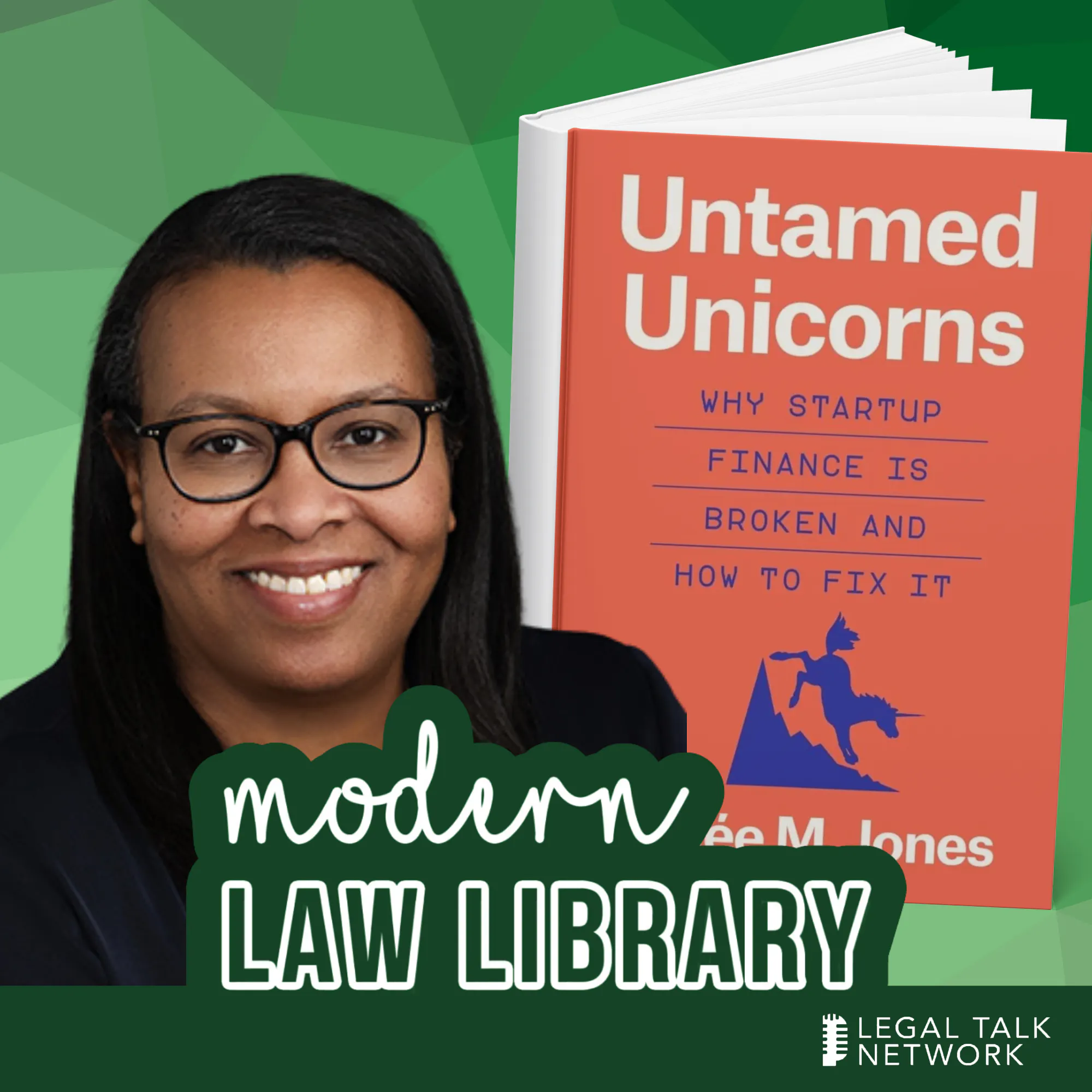 We need to rein in Silicon Valley unicorns, says law profModern Law Library · on Uber96 / 100
 Ep.283 - Renee Jones on Untamed UnicornsBusiness Scholarship Podcast · on Uber92 / 100
 Has venture capital lost the plot? Venture Unlocked · on Uber88 / 100
 €4M ARR to Surfpreneur in Costa Rica | Ilias Contreas, S3E9ProfitLed Podcast · on bootstrapping77 / 100
 84. What do DeepMind & Demis Hassabis teach us about the new era of Category leadership?The Difference Engine · on Uber74 / 100
 FJ Lab's Jeff Weinstein on the marketplace thesis, investing in crypto & how they the invest in 100s of deals a yearThe Inquisitive VC · on Uber58 / 100From Slack Group to Building a Community for Women Investors with Bhargavi VarmaAfter Service: Building Space and Community for Women Veterans with Sandra PerronHow to Start a Beauty Brand With $4,000 with Connie LoConnecting Menstruators Across Canada with Nadia Ladak and Rashmi PrakashExploring Menopause and Perimenopause with Lori Casselman