![Signify Academy: Light that connects [podcasts] artwork](https://img.transistorcdn.com/oqChO66KHxpeGTqj2Q6k8xlg7C4TyLw3hOJga8il0rQ/rs:fill:0:0:1/w:1400/h:1400/q:60/mb:500000/aHR0cHM6Ly9pbWct/dXBsb2FkLXByb2R1/Y3Rpb24udHJhbnNp/c3Rvci5mbS8yNTQ3/OTVkMTI2MmI1MzY5/NjAwZjk5ZjRlMDk2/YzU0ZS5qcGc.jpg)
Signify Academy: Light that connects [podcasts] · 2026-03-24 · 26 min
Key moments - from our scoring
Substance score
33 / 100
Five dimensions, 20 points each
The city of Oulu has partnered with Signify to develop HALI Interact, a pioneering system that integrates emergency vehicle GPS signals with traffic management and connected street lighting to enhance intersection safety. When an emergency vehicle approaches, the system automatically provides a green wave at traffic lights while simultaneously increasing street light brightness to improve visibility for first responders, other drivers, and pedestrians. Oli Rantala, head of innovation for Oulu, explains how this modular, standards-based platform was piloted on a single street and has now grown into a nationwide initiative across Finland with potential for international deployment. The system requires collaboration between city officials, police, fire departments, traffic engineers, and technology partners like Signify. Beyond HALI Interact, Oulu is also developing the Art of Darkness project, which gives citizens interactive control over lighting in heritage areas, and integrating accessibility tools like Blind Square to serve visually impaired residents. The episode demonstrates how connected lighting infrastructure enables smart city capabilities that extend far beyond traditional illumination.
When an emergency vehicle transmits its GPS location, HALI Interact automatically sends a green wave signal to traffic lights and increases street light brightness at the intersection, improving visibility for first responders, alerting other drivers and pedestrians through the brighter lighting, and reducing collision risk.
Yes, because the system is modular and based on standardized signaling protocols; any city can integrate their own emergency vehicle location data into HALI Interact as long as they have compatible traffic light systems and connected street lighting infrastructure from a provider like Signify.
The pilot intersection experienced approximately 90% reduction in traffic accidents, with no reported injuries or accidents in the monitored areas since the system was deployed.
Oulu is developing Art of Darkness, which allows citizens to control lighting in a heritage site using interactive buttons, and integrating the Blind Square app to let visually impaired residents request increased street lighting for accessibility.
Meet all stakeholders from the beginning including police and emergency services, start with a small pilot to prove the concept, then scale citywide once validated, and partner with established technology companies that already have proven solutions.
Our reviewer’s read on each dimension, with quotes from the episode.
The episode introduces a genuinely interesting concept - integrating emergency vehicle GPS signals with street lights and traffic lights - but the explanation is shallow, repetitive, and padded with filler. A B2B operator would extract perhaps 3-4 minutes of useful conceptual content from a 26-minute episode.
So first signal comes in uh from the emergency uh vehicles into the traffic lights. Then through the Hali Interact, uh we are able to also communicate that to the streetlights.
these incorporating with this system there's more reliability, there's more prediction, predictability, predictability. But there's also this really, really um, immediate react. These signals.
The HALI system - using emergency vehicle GPS to trigger brighter street lighting and green waves - is presented as a world first and is conceptually novel. However, the discussion never goes beyond surface description into design tradeoffs, failure modes, or non-obvious learnings, limiting the originality score.
we were looking for how could we have reliable data uh for the emergency vehicles approaching streetlights um intersections and how could we then utilize this information to also um, give like a green wave for the emergency vehicles
Art of Darkness where we are enabling the citizens to choose whether they want to bring light or darkness into this area
Olli Rantala is a genuine city-side practitioner and not a career podcast guest, which is a mark in his favour. However, his role is as a cross-departmental coordinator and innovation generalist rather than a deep technical or policy expert, and his answers frequently reflect that distance from the technical details.
I work in the educational cultural services where we are developing digital services to enable better, um, you know, better services for our citizens
there was Mr. Yanni Coppello, our traffic engineer was one of the people and Yuk Catalovi, um, who was also one of these engineers behind it
A handful of concrete details exist (215,000 inhabitants, 100km x 100km city area, one initial intersection pilot, Cat 7 cabling in pollards) but the headline safety claim - '90% increase in traffic safety' - is immediately hedged and appears unsubstantiated, and no project budget, timeline, or before/after accident data is provided.
I would say maybe 90%, at least increase in the traffic safety because uh, there have not been reported, um, injuries or accidents in these areas.
there are now um, actually uh, four different Cat 7 cablings going through each pollard
The host is a Signify employee interviewing a Signify city partner, making this structurally a promotional chat. Questions are leading and soft ('Well that's significant,' 'pretty cool I have to say'), and when the guest cannot produce concrete accident data the host simply moves on without pressing for even rough figures or independent validation.
Well that's significant.
It's a great example of what we always talk about as a um, capability beyond illumination if you will.
Computed from the transcript - who did the talking, and the words that came up most.
The City of Oulu , in collaboration with Signify , partnered on an innovative experiment on Saaristokatu, a busy downtown street in the City of Oulu (Finland). This project aimed to enhance traffic safety by automatically increasing street lighting brightness when emergency vehicles approach an intersection, particularly during dusk. The initiative leverages advanced wireless lighting control system, integrated with Oulu’s traffic light benefit system for emergency vehicles, known as HALI. For the HALI (1st generation) - this idea came from Jukka Talvi. HALI - Interact - Jani Koppelo & Mika Rintelä - this development face is often referred to HALI2
Transcribed and scored by The B2B Podcast Index.
Speaker A: Hello and welcome to Signify Lighting Talks. My name is Jonathan Weinert, editor for the global brand and marketing team at Signify. This podcast series is our unbiased, unvarnished and always engaging educational companion. It's an addition to what we bring to you via the Signify Academy, which you can find online@signify.com academy. In this series of episodes, we cover the intriguing and thought provoking world of connected lighting. Hello everyone and welcome to the Signify podcast series, light that connects everything you need to know about connected lighting. I'm Jonathan Weinert of the global brand marketing and communications team at Signify. Joining us today is Ollie Rantala, head of Innovation for the city of Oulu, Finland. Today we'll talk about some really interesting projects done by the city in partnership with Signify, including an advanced connected street lighting system that has been deployed across the city of Oulu. Welcome Ollie, can you please introduce yourself and tell us what you do in your role as head of Innovation for Oulu?
Speaker B: Yes, Jonathan, thank you very much for having me. Yeah, my name is Oli Rantala. Um, I'm the head of Innovation for the city of Oulu. I work in the educational cultural services where we are developing digital services to enable better, um, you know, better services for our citizens. And um, that's basically where we do everything in terms of services, in terms of um, what we do for the public in libraries from schools to daycare, um, to the secondary education, as well as in our sports and leisure, uh, activities. But therefore I'm also involved in the entire city development where of course city lighting, uh, in terms of coordination of all the stakeholders that are responsible for lighting, that's also where I'm um, having a role in our city.
Speaker A: I'm guessing that not everyone who's listening to us, um, will be familiar with Oulu. I understand that the city is well known as an innovation hub for the country of Finland, if I'm not mistaken. Much like Eindhoven is for the Netherlands, where Signify has its high tech campus. Can you tell us a little bit about the city? Where is it in Finland, how big it is, uh, what the issues or needs there are that may be unique to the city, uh, and how it has come to be something of a living lab for innovation and new technologies.
Speaker B: Yeah. City of Oulu is situated in Northern Finland. If you look at the map of Finland, it's in the middle, um, it's about 600 kilometers from Helsinki and then from 600 kilometers all the way to the Lapland. So Our city is uh, with 215,000 inhabitants, um, it's the fifth largest city in Finland. And uh, in the size our city is size of California, um, in terms of 100. I'm sorry, in Finland it's size of California. And in the city of Oulu, uh, our city is size of 100km by 100km and in Finland there's only 5.5 million people living in the whole country. Um, so it's a relatively small country. Um, but in Finnish size the city of Oulu is uh, quite large and also in terms of the area it's one of the largest.
Speaker A: Well let's talk about the uh, lighting solution that the city has developed and tested together with Signify. I understand that it's a first in the world solution, uh, and that uh, interaction, our connected lighting management platform has been integrated together with emergency um, and traffic lighting systems in the city to improve road safety. Um, first of all, did I get that right? And secondly how does the system work and what benefits does it bring to the city?
Speaker B: Yeah, maybe. Jonathan, I have to go back to the first question to tell you a bit more about the innovation because the city is very a uh, kind of a living lab, um, which I forgot to tell in the first part. Um, so where the university, the technical departments um, as well as other companies have been always collaborating with the city. So we have always opened up our city as a living lab for any kind of pilotings. And this uh, with Signify, um, it started from an idea which all the stakeholders kind of were pondering about that how could we actually improve the traffic safety and how could we integrate these new systems which are now uh, getting well known um throughout the smart city innovation platforms. Um so we were looking for how could we have reliable data uh for the emergency vehicles approaching streetlights um intersections and how could we then utilize this information to also um, give like a green wave for the emergency vehicles and also m incorporate this signal to the street lights. So the HALI Interact system is where all of this has been done. Um first as a pilot in one city street in Oulu, um, and it's now growing into a nationwide ah, platform.
Speaker A: You mentioned uh Hali, could you say a little bit about what that is?
Speaker B: Yeah, Hali actually um, it comes from HALI letters um, which is uh, direct translation from Finland or Finnish which means uh, emergency lights, um, uh, or emergency vehicle integration in the street lights. And um, what HALI is, it is um, this emergency vehicle right away system, uh signal that we are giving automatically um, um through the emergency vehicle that is approaching the lights, um, into this interaction um uh communication pathway where we are also controlling the street lights as well as giving the signal to the traffic lights.
Speaker A: So now how are these signals communicated back and forth? How does this, the Interact system know that there's an emergency vehicle approaching?
Speaker B: Um, well there is a immediate response uh coming from this emergency vehicle, um, which is communicating um towards this Hali Interact system where uh, once this approach signal is given, uh, the right of way signal is given to the traffic lights. And then once the traffic light signal uh, uh is given uh also to the street lights, we are able to give brighter uh illumination to the streets. So this is kind of the path how it works. So first signal comes in uh from the emergency uh vehicles into the traffic lights. Then through the Hali Interact, uh we are able to also communicate that to the streetlights.
Speaker A: And so the behavior of the street lights is that they become brighter in the area of uh, an incident of some kind. So to make it easier for first responders and so on to deal with uh, the situation. Is that right?
Speaker B: True, uh, true. But there's also a second um advantage uh of this because it gives prider intersection lighting M so it is better visibility of course, even for the emergency vehicles coming in at high speed. Um, and it's also giving the passengers of different cars around um a notification that something is happening because there's brighter uh street lights coming and also for the pedestrians. So it gives all these safety signaling that is possible through lighting.
Speaker A: Well Ali, not that I'm anxious to hear about accidents or incidents uh that have happened on the streets but um, have you seen uh, the um system in action and how is it working for the city?
Speaker B: Yeah, through the piloting, um, we were really, really interested in the safety issue of course and to get these um, uh police department and the um fire department to incorporate this kind of system into their daily operations. It has to be very safe. Um, and of course there have been accidents before, but now we have been having a great reduction in traffic intersection accidents. So it is um, a crucial factor in reducing accidents in intersections. And we are really happy as a city and also the other stakeholders, holders are so happy that they are willing to take this in other intersections and uh, other cities in Finland.
Speaker A: Well, speaking of stakeholders, you have told me that this project was made possible through the collaboration of a number of different entities. The police, as you mentioned, the city itself, but also the Finnish government along with suppliers like Signify, but also others. I uh, imagine how did the project concept Originate. And um, how did the funding work?
Speaker B: Yeah it started as a mutual funding um pilot, uh where the stakeholders were looking for optional um ways to you know incorporate these new signals, um, which this Holly was able to um, you know, kind of communicate to um but we didn't have any kind of a platform uh which would be as a city which would be you know um, reliable in this sense that we could integrate the traffic lights as well as the street lights. So then signify came in um as the reliable park in the street light communication pathway. Um and as we tested this uh, we saw that it is immediate reaction once there is this signal coming from Tihali. And um, it started as a really small project in a one street um area um with actually one intersection at the beginning. And then we started to look into um, how could we scale it up. And um. So it was a really small project at the beginning. Um, there was Mr. Yanni Coppello, our traffic engineer was one of the people and Yuk Catalovi, um, who was also one of these engineers behind it. And then Mika Rintele, part of the streetlights. So the city officials as well as then the governmental agencies together with the police and uh, the emergency fire department, um, once they were uh feeling that okay, this pilot is working, we can then take this into action. And we have tested this many many times. And uh, in real time when there is actual uh emergency vehicle approaching, the system works. And there has been no glitches whatsoever in the traffic light operation. And then the street light, uh brightness, uh level. That's something that we have been testing. Uh, what would be the best way to make it um, so kind uh of a pride so that it would make a difference but also so that we could maybe utilize something else in the future. So those are the things that we have been kind of uh, looking into the new scopes. But it started as a small thing and now it's growing as I said, to be a national project.
Speaker A: So was it difficult to convince the uh, people, the decision makers to adopt this solution or did the um, uh pilot that you described, was it a very convincing kind of thing?
Speaker B: Yes, it was really convincing because we had this kind of the first solution in the world which we were piloting and everyone was really, really interested in being part of it. And because we were seeing tremendous increase in the possibilities to make these um, dangerous situations in intersections where the emergency vehicles are not getting the right away and also not signaling um to the pedestrians or the other traffic, um, you know vehicles, um, so they felt that you know, with this test and with these pilots that it was immediate reaction that this is actually working. And of course we have to be brave once we start the. This kind of things. And that's why we started from a very small area and very, very small kind of intersection where we could then um, you know, analyze um, of course the immediate reactions as well as to see the emergency vehicles operating in that area. Um, so that whether we could utilize the, you know, the signaling coming from the emergency vehicles and when would that be accurate. And because we are also using a traffic performance, um, monitoring system, um, which is utilizing um, you know, really, really kind of a, uh, great algorithms, you could say AI already. Um, so that we can actually look into before this intersection, uh, of this traffic happens. So um, I think these incorporating with this system there's more reliability, there's more prediction, predictability, predictability. But there's also this really, really um, immediate react. These signals.
Speaker A: Are you able to quantify, um, the uh, reduction in. In um, incidents in uh, on the roads of ulu?
Speaker B: I.
Speaker A: You know, people love numbers and numbers tend to be convincing. So is that something that you're, that you're doing?
Speaker B: Well, I would like to say that there would be zero incidents where um, you know, or zero accidents in this intersection. But I can confirm, But I can either say that there would be any. So in this intersection that we started the pilot, it has increased the safety so that I can at least I can report a number. But uh, they have of course been close calls because there are people that do not obey the red lights, of course. Um, so there are some people that do drive against the traffic light signaling. And this is something that we can improve even though we would have this green wave or emergency vehicles coming in. So I think uh, in this regard we can go to 0% of accidents, but we can confirm that it has reduced uh, tremendously. Um, so I would say maybe 90%, at least increase in the traffic safety because uh, there have not been reported, um, injuries or accidents in these areas.
Speaker A: Well that's significant. A moment ago you mentioned um, that other cities might be able to adopt a similar sort of uh, solution. Um, so I uh, imagine this uh, system is scalable in some way. Could you talk a little bit about that and how other cities might be able to adopt what you've done? Not just in Finland, but maybe in other areas of the world as well?
Speaker B: Yeah. Uh, well, in Finland there is the GPS location coming from um, this emergency vehicle system, which is a nationwide system. All the emergency vehicles are Utilizing it. So then what the emergency vehicle is transmitting um, into the holly. It's already nationwide. Um, then what we just need to have to kind of scale this to other cities is of course to have the HALI Interact, um, system to be, be in place in these cities. And I think now that the emergency uh, um, vehicles as well as the intersection, the traffic light systems, um, can be controlled by the fin traffic. Um, we can have a mutual system in Finland, um, but it doesn't mean that other cities in Europe could not be utilizing this because they have a system that they can signal their GPS location or immediate location and then the green wave can be easily integrated into the emergency vehicles, into the traffic light controlling. And then it's only uh, about integrating this interact into the street lights. So I think it's very, very uh, customizable, it's very modular. And um, standardized systems have been utilized already from the beginning. So any city, any municipality, um, and even any country could actually go um, in this path if they want to.
Speaker A: So another city which would have a different system, not a HOLLY system, but a different system that's similar, they'd be able to integrate that into the solution. Is that what you're saying?
Speaker B: Yeah, because it's about the signaling, you know, it's, it's about the standardization of these signalings. Um, how can you have a GPS coordinate that is approaching? How can you then transmit that into the interact system of these? Um, not the traffic lights first, but uh, the street lights. So if the street lights have the HALI Interact kind of capability, then you can have the emergency vehicle signal, um, through the traffic lights and then the street lights. Um, it's no question, but it's only about the will, I would say, to incorporate this kind of system, um, to both uh, the traffic lights and the street lights. Even in our city, uh, we have different engineers that are responsible for street lights and traffic lights. And I think this, uh, in many cities the same thing. So you have to kind of not just look narrow into what is your purpose, but then look into the purpose of how can you together increase the traffic safety. And I think that is the only thing that these municipalities or cities should be looking for. How do we improve the traffic safety in these intersections?
Speaker A: Well, it's a truly integrated system. It takes at least three different systems and brings them together.
Speaker B: True. And I would say then of course Signify has created this interact, which is enabling the cities to do this. And I think that is um, a great way for municipalities to look for a very well established system, um, and see what they have previously installed and whether they should maybe transform their systems into this kind of capability. But I think you know, it's no brainer if the cities see this as ah, something that they would like to go for.
Speaker A: It's a great example of what we always talk about as a um, capability beyond illumination if you will. So we have the lighting infrastructure that's connected which is allowing this other thing to happen that's in addition to the lighting, which is pretty cool I have to say. Now you mentioned that you have uh, you kind of cast a wide net over the city. Um, you work on not just lighting projects but all kinds of other projects. Uh, but uh, could you say a little bit about what other lighting related projects you've been working on, if there are any, and what's coming up for you in the near future, Any new developments that you might want to talk about?
Speaker B: Sure, yeah. Actually we have really interesting project at the moment which is uh, at the citizen level, um, it's in a cultural heritage site, um, very close to the city center. It's in an island where there has been no elimination whatsoever. And it's a pathway where we want to increase the safety for the pedestrians, um, but also to bring some meaningfulness into this cultural heritage area. Um, so we call that uh, project uh Art of Darkness where we are enabling the citizens to choose whether they want to bring light or darkness into this area. And what we have done, we have um, made a public procurement uh, where we were looking for innovation that we as a city of Oulu and the University of Oulu were together um, making this kind of a model where there would be different um, uh capabilities that have to be integrated into this Pollards. Lighting Pollards. Um, so there are now um, actually uh, four different Cat 7 cablings going through each pollard. There's um, uh, there's also energy and also um, data going through these pollards. So what we are enabling the citizens is uh, they can choose with these. There's uh, like the press of button. You can choose whether you want to have the light or dark. But then you can also utilize these pollards in events to get electricity to your events. Um, and also in terms of light art, um, because you can now have a DMX controlled lighting and you can also have ambient sound in this area. So I think this kind of integration where you do modularity and where you integrate things into the lighting systems um, is enabling the cities to transform um, the cities more smart and more adjustable um, to different usages that citizens have and to have the interactivity, have the right of, right to choose what kind of uh, lighting you want to have. I think that is a very, very great example. And another one we have is with Blind Square. It's an app for blindly, uh, uh, people that have uh, vision impairing, um, that they are able to communicate directly, um, through the app, that they want to have more lighting, they want to illuminate the streets more. And we are just looking into this uh, from a pilot perspective and then whether we could incorporate this into our uh, cities kind of a lighting array that we could incorporate this to any area, uh, where there is uh, need for uh, accessibility. So these are things that we are working together, uh, where there are other partners, there are companies, and there is of course the will to look for better solutions and smart city solutions through lighting.
Speaker A: I'm glad you mentioned will again because you said this earlier on that other cities could uh, adaptive interact how they type solution in their cities if they had the will. So what advice would you give other cities who are pursuing digitizing and smart city solutions and so on? How can they uh, make better progress?
Speaker B: Yeah, I think the first thing is of course meet all the stakeholders that you need to have from the beginning and then look at who is responsible for the project. Look who can actually have the change because the cities uh, normally do not have, the police department, do not have um, the emergency vehicles under them, um, at least in Finland. So you uh, have to then have the mutual kind of future, uh, roadmap together. Um, and once you have that, then it is what is the responsibility of the city? What is the responsibility of the other uh, kind of uh, public authorities? And then what, what would be the company that could be providing you the solutions? And I think at least in Finland, um, once we are looking into this public procurement, I would suggest um, first go with a small pilot and then look about the scalability. And then once you know that this is something that will work in your entire city, then scale it up, um, but look for partners that have solutions already. Um, and then this way you can uh, better convince the other stakeholders that you are dealing with very, very trusted companies and also uh, with a vision that can work together with you. Um, there are very rarely uh, solutions that are available, but you have to start developing them and you have to put some resource into that, but it is not a substantial amount which uh, you can make a difference with.
Speaker A: I've been speaking today with Olli Rantala, head of innovation for the city of Oulu, Finland. Ollie, I want to thank you very much for joining us today for, uh, this episode of Light that Connects.
Speaker B: Thank you very much for having me. And if you have a chance to come to Oulu, um, we are the European capital for culture this year. It is like the culture of Olympics, um, so where we have a lot of events, but you can actually come here and see yourself the hale interact, um, if there is emergency vehicle approaching these intersections. And, um, in Finland, we have four seasons. There's really a dark season, and then there's a really the summer season when there is 24.7light. So please come to Finland if you haven't experienced this kind of environment before.
Speaker A: Well, I think the, uh, the tourism board in the city would thank you very much for saying that. And, um, I hope to get there someday myself. Um, I want to thank everyone who's listening. Um, and until next time, uh, I'm Jonathan Weinert for Signify, the world leader in lighting. Signify Lighting Talks is a podcast series featuring the leading thinkers and speakers from the world of lighting. My name is Jonathan Weinert. On, uh, behalf of Signify, the global leader at lighting, I wish you a brighter life and a better world.
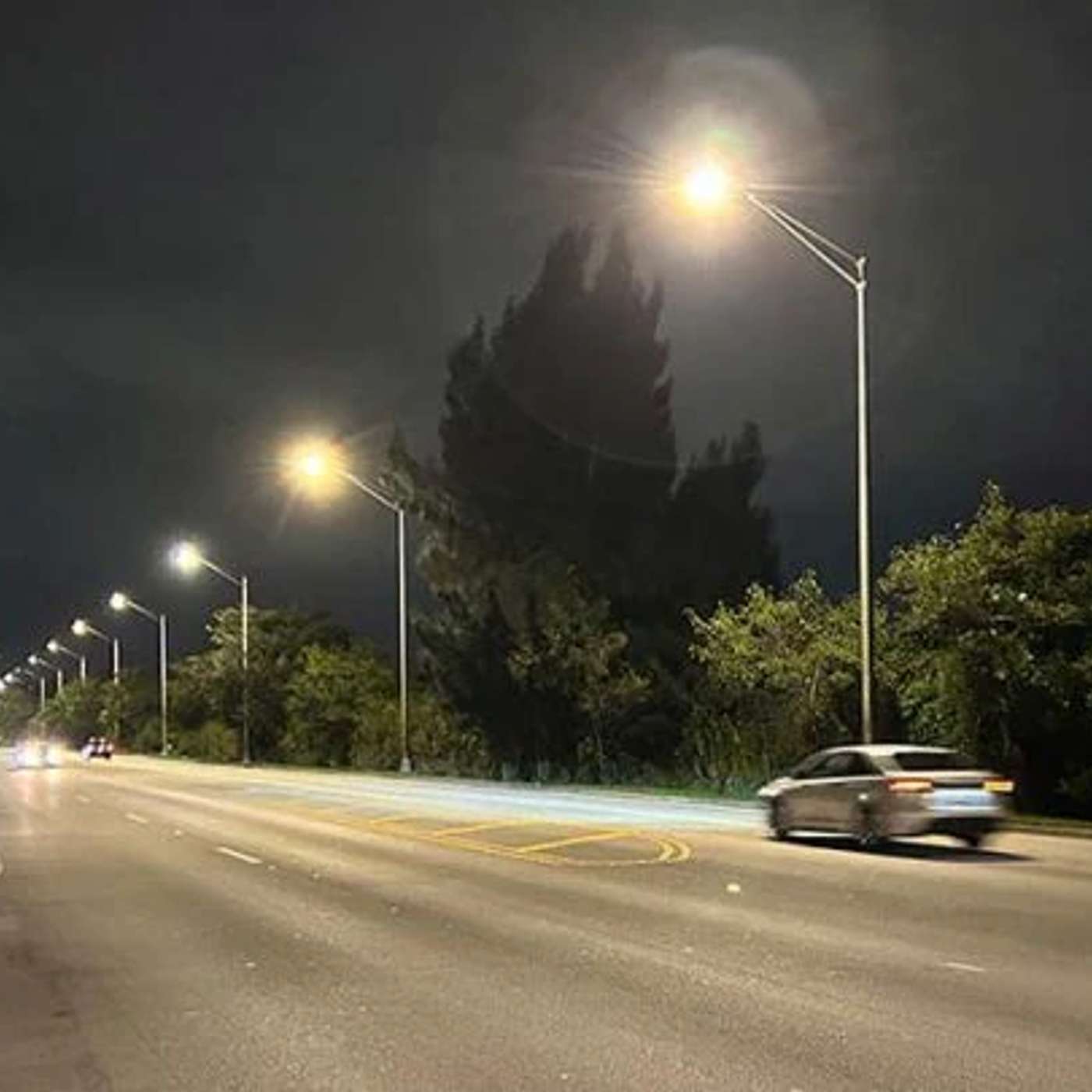 What makes a city truly smart? It starts with intelligent lighting
 The connected consumer
 Present moment in connected LED lighting and what lies ahead of us.
 The Energy Performance of Buildings Directive
 Light at Night