
SaaS That App · 2026-07-28 · 27 min
Key moments - from our scoring
Substance score
60 / 100
Five dimensions, 20 points each
When Bending Spoons acquired Harvest in 2025, the company introduced a new, opaque usage-based pricing model that tripled the hosts' annual bill from ~$10K to $30K without clear notification or justification. Justin Edwards and Aaron Marchbanks treat this as a case study in how not to handle customer price increases. They outline Bending Spoons' apparent playbook - acquiring mature software with high switching costs (Evernote, Retransfer, Filmic), cutting operational expenses, stripping freemium features, and aggressively raising prices on captive users. The episode contrasts this destructive approach with best practices for SaaS pricing: communicating value-add rationale months in advance, being transparent about new pricing structures, grandfathering loyal customers with phased increases, and maintaining pricing simplicity tied to actual consumption. The hosts then discover Keito, a nascent Harvest alternative whose CTO proactively engaged with them, removed trial paywalls, and collaborated directly to fix product gaps - demonstrating relationship-first vendor behavior. The episode is invaluable for SaaS founders wrestling with price increases, churn management, and competitive differentiation through customer experience.
The annual bill jumped from approximately $10,000 to $30,000 - a roughly 300% increase driven mainly by a new, opaque usage-based billing line item of approximately $20,000 with no detailed explanation of how it was calculated.
Bending Spoons acquires mature, sticky software products; cuts operational expenses and staff; removes freemium features; and progressively raises prices on remaining customers to maximize extraction, tolerating churn only up to a profitable threshold - a pattern observed with Evernote, Retransfer, and Filmic.
Communicate 3+ months in advance, tie the increase to new feature value rather than cost inflation, be transparent about the new rate and renewal date, offer grandfathered or phased increases for long-term customers, and have leadership call major accounts directly to explain the change and affirm the relationship.
The pricing shifted from simple per-seat billing to a complex usage-based model with an arcane, unexplained dollar figure; since the hosts' actual usage patterns and product behavior hadn't changed, the new model felt arbitrary and made future costs unpredictable.
They migrated their entire business off Harvest to a competitor called Keito within three days, moving all data and projects after receiving the $30K bill; they were already evaluating alternatives due to Bending Spoons' UI overhaul announcement and confusing price spike.
Our reviewer’s read on each dimension, with quotes from the episode.
The episode packs genuine operational lessons about price increases, customer communication, and vendor relationships into a conversational narrative. However, much of the content is anecdotal storytelling rather than densely packed insights - the core principles (explain value, communicate early, honor loyalty, treat people well) are relatively straightforward and somewhat predictable by minute 15. The discussion of Bending Spoons' playbook and the Keito comparison add substance, but filler and repetition reduce overall density.
software is not your moat anymore. How you treat people, your relationships, that's the moat
if you're going to push price increases on people, there's a classy right way to do it
The core thesis - that vendor relationships matter more than software stickiness in the AI era - is relatively fresh and worth stating. The Bending Spoons playbook analysis (acquire, strip costs, introduce obscure pricing, squeeze customers) is a useful frame. However, the pricing advice itself (communicate early, tie to value, grandfather loyal customers) is well-trodden B2B SaaS doctrine. The episode lacks counterintuitive claims or first-principles thinking; it's more commentary on obvious mistakes.
in the AI era this software firm was able to do this as a side project
there are very few 800 pound gorillas, in other words, that cannot be found elsewhere
This is a co-hosted episode with both speakers (Justin Edwards and Aaron Marchbanks) appearing to be founders/operators of Delta Systems, a consultancy. They have relevant operational experience with vendor relationships and pricing decisions, but neither guest is a recognized authority figure or senior practitioner at scale in B2B SaaS pricing strategy. The episode lacks external expert commentary or contrasting viewpoints from someone who has actually executed major pricing transitions at a large SaaS company. It reads as two consultants reflecting on their own experience rather than inviting calibrated expertise.
I'm your co host, Aaron Marchbanks
We've been using it since 2016
Strong on concrete details: the $30K invoice (vs. expected ~$10K), 300-350% price increase, 10-year customer tenure, three-day migration window, Bending Spoons' acquisition playbook (Evernote, Retransfer, Filmic cited by name), Keito's CTO responsiveness, $100 paywall on demo, 60% cost savings post-switch. However, lacks granular data on what drove the usage-based pricing algorithm, comparative feature analysis, or quantified switching costs. References to Atlassian and AWS are illustrative but not deeply evidenced.
they got a bill in the neighborhood of 30. So it was a very large increase
The usage line item, by the way, was about two and a half times the per usage of perceived pricing
The hosts ask clarifying follow-ups (e.g., Aaron elaborating on the nebulous usage line item) and build on each other's points naturally. They use inversion (Charlie Munger rule) as a structural device to deepen analysis. However, there is limited pushing back or genuine disagreement - both speakers largely agree throughout. The CTO Keito story is well-developed but the hosts don't press hard on whether the vendor paywall was justified, whether Keito's model is sustainable, or interrogate their own bias toward the competitor. Questions are mostly open and generative rather than challenging.
do you want to talk about our surprise bill?
Do you want to tell us a little bit more about your relationship with him, Aaron?
Computed from the transcript - who did the talking, and the words that came up most.
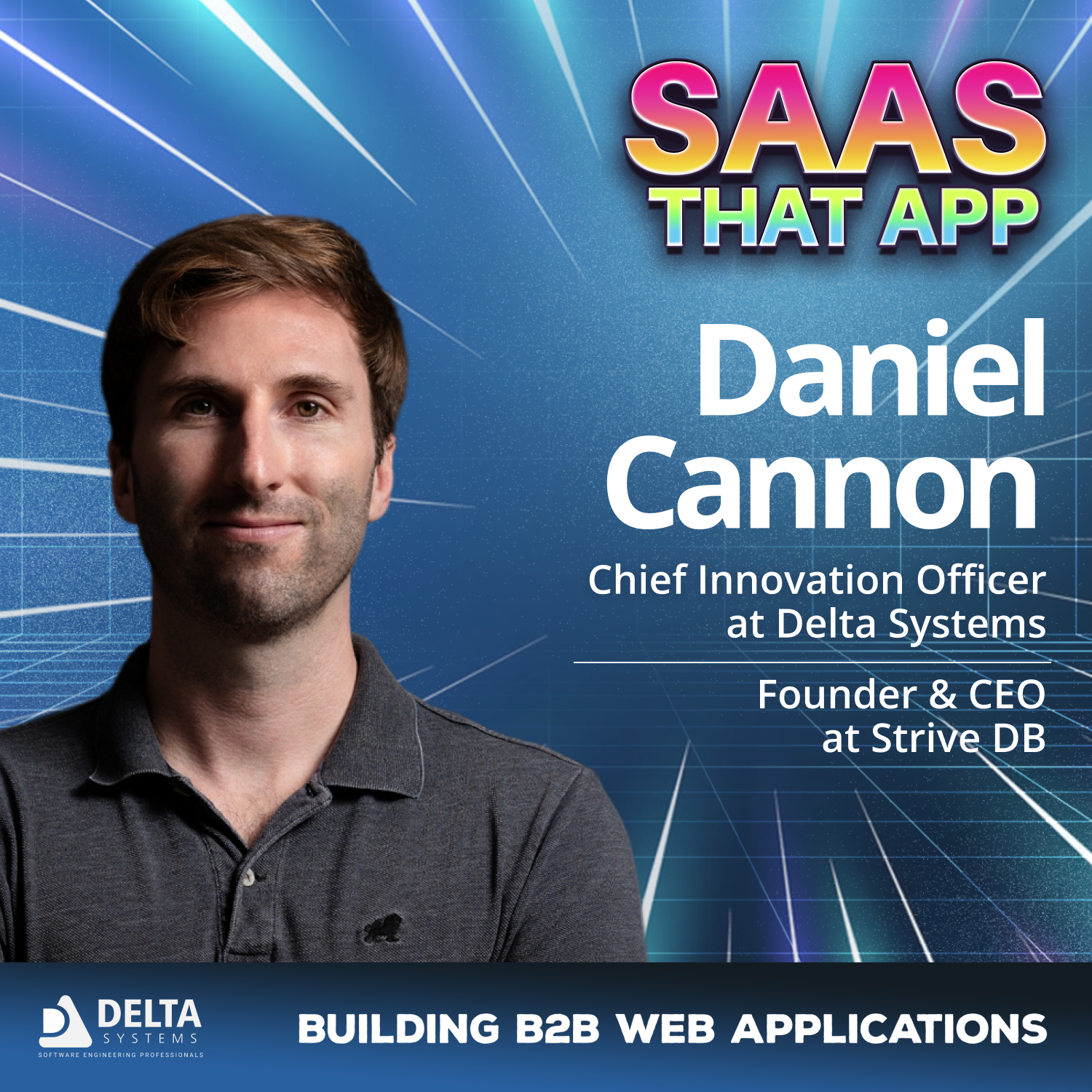
When a trusted vendor triples your bill overnight? Staying is no longer an option. In this episode of SaaS That App, hosts Aaron Marchbanks and Justin Edwards share what happened when Harvest, their tool of choice for nearly ten years, got acquired by Bending Spoons and hit them with confusing usage fees, a UI overhaul, and a 300% price hike buried in a credit card statement. Justin and Aaron break down how they migrated ten years of data to a new platform called Keito in just 72 hours, why software features no longer form a defensive moat in the AI era, and how SaaS founders can adjust pricing without driving away their best clients. What You’ll Learn: How Bending Spoons' acquisition playbooks impact SaaS pricing and retention Why unexpected usage-based billing breaks trust with long-term clients How to communicate price changes transparently with grandfathering periods How AI tools are collapsing switching costs and lowering build barriers Why human relationships and customer empathy are the real moats in modern SaaS Justin Edwards is the CIO at Delta Systems, where he helps businesses turn messy ideas into working software, and the co-host of SaaS That App.
Transcribed and scored by The B2B Podcast Index.
Speaker A: Uh, software is not your moat anymore. How you treat people, your relationships, that's ah, the moat. We left this relationship where we felt poorly treated by a vendor. We now have a vendor that we really like and he's responsive to us.
Speaker B: Welcome to SaaS App Building B2B Web Applications, the podcast where we share real world stories, practical advice and tech insights for those building or thinking about starting a tech enabled business. I am your co host, Aaron Marchbanks
Speaker A: and I'm Justin Edwards. Each week we bring you the stories, strategies and insights you need to build your SaaS or tech enabled business smarter, not harder. Let's dive right in. Yellow and welcome to SaaS that app. Today we are talking about Harvest and Bending Spoons and what you can learn about our recent experience with them and how all that went and to uh, talk through the trials and tribulations we've been through related to one of our most trusted long term vendors. I have my co host, Mr. Aaron Marchbanks. How are you doing today, my friend?
Speaker B: Doing well, doing well. Looking forward to the conversation because I think this will be a great platform to actually talk about what we do, how we advise our clients and the good, bad and ugly of what we see in the industry when it happens. And it's finally kind of bitten us. So.
Speaker A: Yes. And specifically what we could learn from how they handled the situation and how maybe you want to handle it differently in your SaaS when you raise prices and how you treat your customers. So let's kick in. For anybody who doesn't know Harvest is a time tracking tool, it's pretty simple. All that it does is it lets you load up your team, load up your projects and your project budgets and people can track time against projects. And that's pretty much it. It connects to QuickBooks so we can do invoicing out of it. It's got lots of great reporting. It's a cool tool. We've been using it since 2016. It had every feature we needed and it never really changed. I think they maybe added one or two features in the decade that we were a customer. It always worked, it never went down and it did everything that we needed. Is that fair, Aaron?
Speaker B: I think so, yeah. It stayed in its lane, in other words.
Speaker A: Yeah, it stayed in its lane up until 2025 when it was acquired by another company called Bending Spoons, which shortly after that acquisition we started seeing new features show up. There was announced they were going to do a, uh, user interface overhaul, which is the last thing that I want with a tool that I Use for my work all day, every day. And that's kind of where the problem started, I guess. Eric, do you want to talk about our surprise bill?
Speaker B: Sure, yeah. So it was interesting to start seeing suddenly a number of mainly UI related updates happening, which if you've used software at all, and especially over the course of many years and you're accustomed to where everything is and how it works and what it does, suddenly changing all of that is not necessarily a great look. But the super big surprise came when we got our build, which we were working through on an annual basis. And they also of course have a monthly type plan as well, so just kind of rolling that up. But it suddenly jumped what was like 300, 350%, something like that. And it was mainly due to one additional line item. And I say one additional because up to that point there was only one line item which was number of users,
Speaker A: basically number of users times the annual fee for the user. Yep, exactly.
Speaker B: But there was a fun new line item that just had to do with usage. It was very nebulous and I won't even say hard to decipher, impossible to decipher because it was just one very large number in a dollar amount with really no details or indication of how that number was arrived at, what it meant, how potentially it could be adjusted in the future, any of that. So that was kind of the knife to the heart, if you will. And at that point things started moving into motion very quickly, not the least of which were questions.
Speaker A: Yeah, um, the usage line item, by the way, was about two and a half times the per usage of perceived pricing, which I believe also went up. I could be wrong about that, but we were expecting a bill in the neighborhood of $10,000 and we got a bill in the neighborhood of 30. So it was a very large increase. And I checked my email afterwards. I didn't find any place that they had notified me. I know that Bending Spoons updated their terms of service where they could just announce their price increases on their website and not even notify their customers. I don't know if they reached out to me or our team and it got lost in the email or not. But I will say that I became aware of this price change when the credit card bill hit and I got a message from my accounting team saying, hey, this seems high. And indeed it was. Yeah. And so at that point, I'm looking at a $30,000 annual bill and I'm immediately like, this is the era of Claude, like, we'll just write our own harvest is not that complicated. We'll just take care of it. I'm like, well, I don't really need the project right now, and we're busy. What are we going to do? So I was like, well, I'm going to investigate and see what else is out there. That's kind of where we started. We identified a new vendor. We migrated our entire business off of Harvest in the span of three days. We got all of our data out of Harvest, moved it into the new competitor, which was set up to capture people who are leaving Harvest, and Harvest refunded our money to their credit. Well, first they came back and offered us a 75% discount on the price that they tried to charge us, and we let them know that it was too late for that. And they did refund our money to their credit. So that's the story. But this is a story of vendor created churn. We were very, very happy and would have stayed at Harvest indefinitely, harvested something, and we left. And that's probably not what you want in your business, especially because I don't think we were the bottom end or bad customers for them. I think that we were probably in their juicy middle. I mean, $10,000 annually for a company that is using a piece of software that you ride is nothing to sneeze at. So I didn't really know much about bending spoons before this happened, but. But I've kind of subsequently done some research on them, and this kind of seems to be their playbook, where they find a mature software that has a little bit of stickiness or a little bit. Maybe it's a little bit hard to leave. They step into that. They cut all the expenses that they can find a way to get to Axe all the teams just kick everybody. Everybody who can afford to be lost is lost, and they basically just cut the thing down to a skeleton crew. Then they find anything that they're giving away, and then they remove that and strip that away from people who had access to any kind of freemium features. Then they figure out a way to raise prices on the people who are sticking around. And it seems like the model. I'm not intimately familiar, but it does seem that their model is basically, they push for maximum pain, and then they dial it back just to the point where they don't lose everybody, but they're essentially constantly pushing on their customers to see how much pain and price increase they'll tolerate. They did this a number of times. So they did this with Evernote, they did this with Retransfer, they did this with A company called Filmic. I don't use any of those products or services, but that's what I have read.
Speaker B: I did use Evernote for a while, actually, some years ago, and like many Evernote users, really enjoyed it. But while I did not research what happened to it about the time that I left, the reason that I left was roughly the same as what we saw with Harvest.
Speaker A: Yeah, so that seems to be their playbook. I don't know why they run this playbook. Apparently it works for them. It meets some business goal for them. I don't think they're dumb guys. I don't start every situation assuming that someone's either evil or stupid. So this is part of their playbook and it works for what they're trying to do, I suppose. But it was a really bad experience for my perspective. And I think that's a really great opportunity to learn about what the right thing to do is when you need to raise prices with your customers. So, yeah, let's try to pivot that into learnings of the right way to raise prices and then kind of maybe we can highlight what they did and how they maybe didn't follow how we would have liked to have been treated as their customer.
Speaker B: Yeah. I think to our earlier points, leaving because of UI changes is understandable, but also if you have that stickiness that Justin referenced there, you know, it's something that you can get accustomed to, particularly if it's not just a vast departure from where you are, you know, like complete UI rewrite and just changing all of the things around. You know, that's something that can be manageable and it is still yet something that, uh, our experience works best when you do let someone know that it's coming, particularly if it is going to be somewhat large overhaul, if it is something small within the scope of your SaaS, you know, that can go on a roadmap that can be addressed with, you know, a little short video or something along those lines. Look at the way we've made this thing easier or better or nicer or saving you clicks or what have you, you know, whatever that might be. That in and of itself is typically not a sufficient reason for people just to start bailing right and left. But that is gonna raise some eyebrows and it is going to have some questions, especially if it's done after a very, very long dry spell of no real visible changes. So that is something that you want to take into consideration as you're making some of these decisions on your own software itself, without even thinking of prices yet.
Speaker A: And, uh, just as an example to prove your point, Aaron, like, we're still with Atlassian, and every time they roll out a UI app, they somehow make it less usable and harder to navigate than the previous version. And I wish that they would just stop changing things so that I could learn it, because I don't even care if it's confusing, but at least if it's static, I can learn it. But now it's every time I need to do something in Atlassian, they change the user interface, but we're still with them. We still pay them money every month. So we will endure the user interface changes to hang out with them because they're providing a service that we need and they're treating us relatively well. I mean, I can talk a little about how we handle price increases here, but. So the first thing is we explain the reason for the price increase. And as a SaaS founder, that reason is usually, I've added a lot of features in software has a lot more value. I think that always framing that in terms of customer value is important. If you're in a service model, it's maybe a little bit more defensible, but in general, I would make that a value forward claim. Like, we're actually more valuable than we were before, which is why we're charging more and you're getting more out of our software now, which is why we're charging more. Nobody cares your costs went up. Nobody cares about inflation. That's not the right way to frame a price increase, especially if it's dramatic. So especially for Seth Founders, who are a little bit squeamish about pushing on the price leverage, I think you should look back at all the features you've written since the last time you increased prices and think about how much more valuable your software is and then use some of those items to explain why the price increase is justified. Essentially give them, uh, a rundown. In the bending spoons example, they did actually add some features. None of it were things that I needed and the price increase was gargantuan. So I don't think that they did a nice job of explaining why the software was somehow worth 350, 300% more, whatever it was that they were charging us. So that's kind of one step, two, I think, just being really transparent. So this is your new hourly rate. This is your new bill. This is what your plan is going to renew at at this date. Doing that communication clearly, transparently and ahead of time, I think is key. If we were notified, and I can't say One way or the other. If we were. I didn't see the notification, neither did anyone else on my team. But not enough work was done to make sure that we saw this notice ahead of time. Especially when the price increase is that dramatic. I mean, this is two, two and a half times the price. It's a very large price increase. So that's not ideal. I think that you should really try to communicate with your customers ahead of time. And especially if you have key customers who are going to take a really big price increase, I think hopping on the phone with them is a reasonable thing to do. And having a call that said, hey, you've been with us for 10 years and you're about to get a big increase in your bill. Here's what's going on with our business. This is how we are adding more value than before and this is what we need. But I wanted to take the time to like say that I care that this is going to affect your business and make you understand why it's necessary.
Speaker B: Yeah, exactly. I mean, most organizations are of course very familiar with the term churn. And generally speaking, while you're definitely want to keep that number low, you also want to keep the opportunity for that number to go up low. And one of the ways that you can do that is in our experience and what we have heard from many people that have been on the show is over communicate an email one time three months in advance of something that's going to happen that potentially in maybe our case got lost somewhere along the way is probably not sufficient. It needs to be, you know, on par with what it is that's going on. If it's a small bump, you don't have to go out of your way to just really start hammering home. But uh, still early communication and something else, Justin, that we've done, and I know that other organizations have done as well, is have at least some sort of a grace period or a grandfather period for those existing customers or those longer term customers to give them an opportunity to see what it is that you have done, if it is still going to be beneficial for them, perhaps even at their older rate or a much smaller, more modest increase for some time period. Again, let them see what's going on. But also at the same time, don't kneecap by removing tooling that might be beneficial or help them move somewhere else if it's no longer a good fit. I will say in this specific instance, and again to harvest credit, they did not. We were still able to manage our exports of the data we were still able to relatively easily cancel. We did get some communication surrounding that. So those were all good things, but it's all after the fact stuff. And so getting in front of this as much as possible and making sure that people understand what's coming, why it's coming, what their options are going to be going forward, and giving the decision and the power back to your customer and back to your client can a lot of times by itself salvage that relationship.
Speaker A: Yeah, 100%. And when you say giving, you know, grandfathering people in or something, that should be an on ramp, not a, uh, forever lower price, just explicitly say that. So, yeah, I understand you've been here for a long time. This is a big increase. We're going to phase it in over three years for you as a big customer who's been so loyal and blah, blah, blah. But it should never be that person gets a different price forever. It's just you're trying to honor the relationship and also stop it from being so jarring for them, especially if the price increase is really big. Real quick, this episode is brought to you by Delta Systems, which is what Aaron and I do when we're not talking through microphones to you, the people of the Internet. We've got a really, really great software team here and, uh, we love to work with cool people on cool projects. So if that sounds like you and you've got a problem or you're in some kind of a jam, go to deltasystems.com grab a time with us, we can beat up on your problem together. And if there's a fit there, amazing, we'll help you out. So Deltasystems.com, grab an appointment and hey, maybe we can work together. Yeah, I think that's kind of the main thing. So explaining that you're adding additional value, tying the price increase to added value, honoring loyalty in relationships, and treating people like human beings, like you would want to be treated. This is kind of basic stuff, being really clear about what the price of the bill is, explaining it ahead of time. Treat your customers the way that you want to be treated. I don't think that's, you know, this is not exactly rocket surgery. I think a lot of the talks we hear about this are about founders who are just so afraid to push price increases on people. And we've never struggled with that issue. But if you are going to push price increases on people, there's a classy right way to do it and you can kind of be open to that. So for the next segment, I was going to Kind of Charlie Munger rule of inversion. This, I don't know if you're familiar. So like instead of saying what you want to do, you say like, what would be the way to optimize on the thing that I don't want to do? So this section is like, this is the guide to maximizing Churn and damaging customer relationships through price increases. So yeah, if I wanted to maximize Churn and damage my customer relationships, I would take really basic simple pricing, it's easy to understand and I would replace it with complicated pricing and formulas that are arcane. So one of the things that's kind of insulting is maybe not the right word, but doesn't make me feel good about this whole usage based billing that Harvest introduced is nothing about what we were doing in the app changed. Everything that we were doing is like having projects, having people log time on projects, having projects that have budget set, invoicing those projects. This is what the product does. There's no additional. It's not like when you run over on Claude and you have to pay because you're actually burning extra CPU cycles over what their plan allows. Like no, this is just a fee for using the product. There is no tie to value. Yeah, so that is another way, I guess if you wanted to maximize Churn and piss people off, you could do it.
Speaker B: Yeah, absolutely. And completely flipping your model, you know, just altogether. I mean everybody probably now is becoming very familiar and versed with usage based pricing. If you have been in DevOps for very long, this is not anything that's new. If you've dealt with DigitalOcean or AWS, I mean you see it in various ways and it typically can at least be related back to something that you're doing. You are increasing your cloud presence, you are utilizing, uh, more cycles like Justin said, you know, you just need something that's more hefty. There are things that are easier to understand and then there are things that still kind of remain nebulous. You know, if any of you have watched your token ticker go up and you're wondering, sometimes it goes fast and sometimes it goes slow and sometimes this thing should take a lot, but it doesn't take very much. And some of that is hard to get your head around or to understand because there's not a lot of transparency there. And there is on the flip side of that, of course, too much transparency. But everybody needs to know what it is that they're paying for and why they're paying it at the bare minimum. And so not doing those things is not good.
Speaker A: Yeah. And if we had had a 20, 30, 50, maybe even 100% per seat price increase. Okay. We probably wouldn't have churned. Especially they told us about it ahead of time, like, well, harvest is going up, but it's going to be annoying to leave and that's fine. But this new kind of arcane pricing model they installed, it's like they just made up a number basically. And I'm not going to like, I just don't understand, I don't understand how the number changes with my size. I don't understand what it's going to. I can't predict what this expense is going to be for my business going forward.
Speaker B: Yeah. And a lot of that springs from assumptions. We've been a 10 year customer, so they're assuming that we will be here for another 10 years. But there are very few things that are so sticky that you just simply cannot leave. And more often than not you wind up just annoying people. And if you annoy people in the right way, I mean, we're all very intelligent people and we know about competition and we also understand that in this day and age, replacing things is not as hard as it used to be. There are very few 800 pound gorillas, in other words, that cannot be found elsewhere. And so turning up the dial on annoyance really right now increases the likelihood that someone is going to churn.
Speaker A: Yeah, 100%. And now in the AI era for a tool like Harvest, immediately when we saw the bill, it's like, oh, I'll just write my own. It'll cost me less than $30,000 in total dev time to write, deploy and maintain the successful Harvest that we just use in house. And bonus points, we could even spin out our own SaaS and sell it to other people who are leaving Harvest because Harvest stinks so much. Have loved Harvest for many, many years, but they definitely offended me and we turned right.
Speaker B: So that's that.
Speaker A: So that's maybe what we did. And then or started walking down that path and I was like, I'm really hesitant to add another project right now because we're really busy. Let me see what new competitors are out there. And we found on a Reddit post a link to this brand new company called Keto, which is K E I T O and they had a demo. So I signed up for an account and I hit a paywall and they wanted a hundred bucks to show me the product. At this point, Aaron and I were evaluating, you know, other options for Harvest and I hit the paywall and it's like, yeah, I'm not giving them 100 bucks. We'll go. Some of the other options have a free trial, so we'll go mess with them. And within a day or so, I have an email from the CTO over there. He's like, hey, I noticed that you signed up and you never got into the product. Like, what went wrong? And I said, well, I hit a paywall and I'm evaluating people who have a free trial. He's like, oh, I've turned you on for two months. Don't worry about it. So I logged back in and we start hardcore evaluating this. And it's kind of buggy, looks pretty good, very similar to Harvest. Those are things we need to do. But it's got a lot of kind of bugs on it, and they have their build number in a version on the visible page. And so I'm watching this thing tick up over the course of a couple days of evaluating this thing. And like, they're actively, actively working on this. It went up maybe a hundred builds, which is a hundred different commits to software better over the span that I'm using it. And I noticed during the span of using that for a few days, all of these little bugs and issues that I had started falling away. And now I have a CTO messaging me on the email thread with him. So I tag Aaron in and I said, aaron, let's talk to this guy about any gaps we're identifying because he's bringing this new software in and we end up getting on a phone with this guy. Do you want to tell us a little bit more about your relationship with him, Aaron?
Speaker B: Yeah, I mean, it was pretty remarkable. I mean, first of all, just to get someone at the C level to message you about their application and the fact that they noticed that you showed interest but didn't follow through. I mean, one. That's the good side communication, right? You've reached out. Even if we were going to be disgruntled and be like, yeah, no, no, no, we're moving on. There was a reach out there, so there was an opportunity to, like. Justin noticed there was work that was going on, so we asked him about it. We see these numbers ticking up and obviously that means that you are actively working on it. And interestingly enough, they were an organization that found themselves earlier than us in the same situation that we were. And so they had taken the route of we're just going to build something for ourselves and use it, and wound up finding essentially a competitor to harvest. And that's what they were Building out. And so we of course doing that ourselves as an organization, as a consultancy was very interesting to us. And so we were willing to take a flyer and give it a legit test run. So in meeting with him, he was very open about that. He understood that there were bugs. He was actually looking for first users to be able to help make it better, which is an awesome opportunity if you are a customer. For people who are in our space. We weren't necessarily looking for a finished, polished product. We needed one that did our very seemingly narrow scope of things and did it well and did it similar enough that we weren't going to have to break all of our different processes in the back office that we had. And he immediately said, you know what would be great is if we could just like set up some communication where when you guys find something or you have interest in something, you know, think wishlist, send that to us. Because we are working on a lot of things actively. And several of the things that we had mentioned on the call, he said, nope, we already are aware of that. One that's actually going to be rolled out tomorrow. And then for the rest, we just kind of had a running document. He and his team actually responded to that document directly. We're working on this. Hey, we had three questions on this. Do you see it? Do you envision it like this or that? Would it be more helpful if we did it this way? Yes, we agree that this is a good one, but this is a much bigger lift, so it's a little further down the pipeline. Is that a deal breaker for you guys? So it was just. It very much became almost instantly a partnership. Not saying that every organization you run into needs to operate that way, but certainly some organizations very early on in their SaaS development, definitely a competitor that you're seeing, an influx of customers because of a competitor, you want to be open to those sorts of things. Because one of the great earmarks of good SaaS is that you understand your client, you understand what it is that they need, and that's what you build your product around instead of again, making assumptions and just putting cool stuff out there because you like it. So the responsive nature of the relationship and it continues. By the way, I actually got a message from him this morning, Justin. I don't think I've mentioned that yet, but yeah, just something else that they are working on and actually wanted us to take a test on it and see how it worked. So, yeah, that's kind of been the relationship since that first message.
Speaker A: Yeah, 100%. And huge shout out to Kyo and to Sean who's the CTO over there and anybody else who's gotten burned by Harvest, highly recommend. It was a drop in replacement for us after getting a couple of kinks out. Their team was so responsive, we had everything we needed within the span of a week and change. The cost of this by the way, was 1/10 of the price of what Harvest wanted to charge us. And I think that worked out to about 1/3 of the price of what we were planning to pay Harvest before any price increase happened. So we're saving 60% over what we were paying before this ridiculous price increase. Working with the team, it's incredibly responsive to us and has been a great partner. And yeah, Google SSO is the only feature that I really want that I don't have right now and it's on the roadmap and I'm sure I'll have it before too long. So anyway, that's been really great. And the takeaway from this is not that Harvest is terrible and Keto is great, but it's basically like yeah, uh, in the AI era this software firm was able to do this as a side project. We'd consider doing this as a side project and we found theirs and decided we'll just use theirs. And this idea that the software is so complicated and you have this giant moat, like the software is not your moat anymore. How you treat people, your relationships, that's the moat. We left this relationship where we felt poorly treated by a vendor. We now have a vendor that we really like and he's responsive to us and they're a small team and it's just awesome. So I think that long term people are going to end up in that business model because fundamentally the software, especially for these like simple business solutions, they just, the software's not that complicated and a uh, smart group of guys with some tokens can re implement these things really quick. And getting AIs to have empathy, getting AIs to understand relationships and loyalty. The mode is moving and it's just not really about the software anymore. Vendor lock in is just plummeting more so over time.
Speaker B: We've had a number of guests on lately, including most recently G. Audi who preaches on the relationship being so critical. You know, knowing what your ICP is, yes, that's important but really knowing your customers and understanding what it is that they want because in this day and age you can't really afford to have dedicated customers, long term customers going out and making product comparisons. There are too many options now including the build it yourself approach, which has now become much easier to do. The barrier to entry is very low, in other words. And so what you find is oftentimes there's a snowball effect. You, uh, know that can happen because tech enabled especially, customers are connected in a lot of ways. And as soon as stuff starts showing up on like Reddit and things like that, it's too late, the snowball will begin and everybody's going to start sharing what their frustrations were or what their experiences were at the very least, and where customers might direct their attention. And so you got to take care of not just the customer that's in front of you, but recognize that they probably speak for a number of other customers as well.
Speaker A: Yeah, I mean, here we are, we're recording a podcast where I'm advertising what we've moved to because I feel like there's other people probably in our situation who are being poorly treated and they should move over to a system. I mean, as long as it works for them and they can pull it off. Like, I feel so much better being where we are now than where we were before with a company that did that kind of price increase and did it in a way that was so, I guess, most charitably poorly executed and least charitably downright abusive. And if you piss off and abuse your customers, they will recruit other people to leave you. Your customers are talking to each other and I feel like it's weird to even have to say this, but yeah, it's like you have this trust and relationship with your customers and if you abuse that, it doesn't do anything good for your long term business. Although it might spike revenue in the short term, which if you're ipoing or something, maybe is useful. Don't know what the strategy is for bending spoons. I know they recently IPO'd, so maybe having a lot of revenue was useful for that. Don't know how all that works, but I think that it's myopic to treat people this way. And you, you're going to see a lot of people who are churning. And when your vendor takes a customer who's been a middle of the road, kind of juicy, 10 grand ish a year customer who's been using the software for 10 years and then pushes them out, what does that say for the long term prospects of the business? You better be squeezing a hell of a lot of value out of the top end.
Speaker B: Exactly.
Speaker A: Beautiful. Well, I don't know if we have anything else to cover on that, but yeah, uh, the main things are, uh, there's a right way and a wrong way to do price increases. There is a right way and a wrong way to treat your customers and being respectful and not abuse and these kinds of things. Your software is probably not your remote anymore, but how you treat people, it's a big deal. And yeah, I think that's kind of the wrap up. Aaron, do you have anything else for us?
Speaker B: Yeah, no, that's pretty much it in a nutshell. And you know, just so we're clear, this is not necessarily meant to just be a bash session on Harvest because we did love them for so long and they did do exactly what it is that we wanted to do. They had just kind of fallen on their faces in this regard and it kind of spoke to a larger thing that may be happening in the industry and in other softwares, in other similar situations or in other consultancies not unlike us. And always there are lessons to be learned, there are ways that you can get better. I might go so far as to say this is not an irrecoverable thing for them, but at this point it's really hard to say. And so if you're going to start reining things back in and try to do some damage control, sooner is always better than later. Even if you make mistakes in doing it, sooner is always better than later.
Speaker A: Yeah, well, if they had done this to us last year, we would have been in a really bad situation because we didn't have the AI tools like we have now. Last year when they did it to us this year it's like, well, okay, that's not insurmountable. I can re, I can reimplement harvest with my team in a short amount of time. That would not have been the case a year ago. We would have had to pay it for at least a year, then launched a project to maybe get off of them in the following year or something like that. But as it is today with Finding Keto, we were able to get all of our data transferred. I mean we were actually completely off of them in three days. Aaron? Mhm. It took zero time and that's hauling 10 years ish of data with us. No big deal.
Speaker B: And back office processes. Yeah, yeah, there were integrations that were important to us, those tested through and we had to do very little change to our actual processes related to it. It was just mainly becoming accustomed to a slightly new software, slightly new interface, and perhaps in certain ways maybe a slightly different way of doing things. But by and large it was a lift and shift sort of an opportunity. So yeah, it made it very easy.
Speaker A: So software and switching costs are probably not the moat you thought that they were.
Speaker B: Yeah.
Speaker A: And treat people right.
Speaker B: That's right.
Speaker A: So those are the takeaways, man. Pretty simple. Anyway, thanks for hanging out with us. Listen us complain about Harvest and praise Keto and try to draw some lessons about pricing and business based off of what Bending Spoons and Harvest are doing currently. Thanks for joining me, Aaron. Always a pleasure to see you.
Speaker B: Indeed.
Speaker A: Love the chat and thanks for hanging out with us. Anybody who, uh, still here, there's likes and subscribes and all those things. Do that. Say nice things about us in the comments. Say mean things about us in the comments. I don't care. It's totally fine. But yeah, do it. Anyway, thanks for hanging out with us on Sas that app.
Speaker B: Thanks for cruising along with us on Sas that app. We hope you grabbed some insights that were inspiring, actionable, or at least entertaining
Speaker A: if you enjoyed the show. Don't forget to subscribe and leave a
Speaker B: review until next time. Keep building, keep growing and keep those apps sassy.
Other episodes covering the same guests and topics, from across The B2B Podcast Index.
 David Whitcombe: Exit Prep Is Now AI Readiness - Why PE Needs to Start EarlierAI Pathfinder for Private Equity Podcast · on Usage-based pricing models83 / 100
 What Does the AI Backlash Mean for AI Comms?FiredUp! · on Usage-based pricing models78 / 100
 Vertical SaaS Is Automating Independent Dumpster RentalsVertical SaaS with Fexingo · on Usage-based pricing models76 / 100
 ChartMogul: What happens when a sales leader takes over marketing at a B2B SaaS companyThe SaaS Growth podcast · on customer churn74 / 100
 The Hidden "Friction Tax" That Kills 90% of Habits Before They StartHabit Machine: AI Product Management · on Usage-based pricing models70 / 100
 How Notion Built a Product Without a CategoryStartup Stories with Fexingo · on Evernote65 / 100
 9.5 CVE, Zero Warning: Inside the Rails Active Storage Bug88 / 100
 SaaS Sales: The Playbook Every Founder Needs to Scale80 / 100
 The 200-Hour SaaS Build: A Real Workflow Breakdown68 / 100
 AI-Assisted Development in 202668 / 100
 Healthcare AI Is Failing And the Fix Isn't More Data73 / 100