
SaaS Cast · 2023-03-25 · 2 min
Key moments - from our scoring
Substance score
7 / 100
Five dimensions, 20 points each
Twilio's rise to prominence in the cloud communications space demonstrates how an API-first strategy can unlock massive market value. Founded in 2008, the company chose to abstract away the complexity of building communication infrastructure, instead offering modular APIs that let developers integrate voice, messaging, and video capabilities directly into their applications. This abstraction layer proved transformative - businesses could customize communication experiences without building from scratch, dramatically expanding the addressable market beyond traditional telecom customers. Beyond the technical foundation, Twilio sustained leadership through relentless product innovation, continuously expanding communication channels and feature sets, which kept the platform relevant as customer needs evolved. The company also invested heavily in brand identity and trust signals around data privacy and security, critical differentiators in a crowded infrastructure market. For B2B operators evaluating platform strategies, Twilio illustrates how making your core technology accessible through well-designed APIs, paired with genuine innovation and brand building, can transform a category.
Twilio offers APIs for integrating voice, messaging, and video communications into custom applications, allowing businesses to build tailored communication experiences without developing their own infrastructure.
Twilio was founded in 2008 by Jeff Lawson, Evan Cooke, and John Woltewey.
Twilio's market capitalization exceeds $70 billion.
Twilio succeeded through an API-first platform design, continuous product innovation, strong brand identity, commitment to data privacy and security, and a customer-centric approach.
By providing modular APIs, Twilio lets businesses customize communication experiences and integrate voice, messaging, and video into their applications without building or maintaining their own communication infrastructure.
Our reviewer’s read on each dimension, with quotes from the episode.
The transcript is essentially promotional boilerplate recycling well-known facts about Twilio (founded 2008, API-first model, market cap) without a single novel insight, specific deal example, or non-obvious claim. Every statement is surface-level generalization.
One of the key factors in Twilio's successes its focus on APIs
the company is constantly developing and improving its products
Zero contrarian or first-principles thinking. This reads like it was scraped from Twilio's investor relations page or Wikipedia - the exact playbook (APIs → scale → brand → trust) repeated across thousands of B2B case studies with no fresh angle.
The company's cloud communications platform is built around a range of APIs that allow businesses to integrate voice, messaging, and video into their own applications
a commitment to innovation and brand building, and a customer centric approach
No guest at all. This is a solo narration with no interview, operator insight, or first-hand perspective. It reads like AI-generated filler or intern copy.
Tuilio is a cloud communications platform that has become one of the most successful API powered companies in the world
Only vague claims supported by zero specifics: no customer names, no revenue figures, no product adoption metrics, no timeline of pivots or inflection points, no deal examples. The $70B market cap mention is the only number, and it's a market fact, not evidence of strategy.
with a market capitalization of over seventy billion dollars
allow businesses to integrate voice, messaging, and video into their own applications
Not a conversation at all - no host, no guest, no dialogue, no questions, no follow-ups, no pushback. This is a monologue of clichés.
As businesses continue to search for new ways to communicate with their customers, the example set by Twilio serves as a valuable case study on the power of a PIS and cloud communication technology
Computed from the transcript - who did the talking, and the words that came up most.
Transcribed and scored by The B2B Podcast Index.
Tuilio is a cloud communications platform that has become one of the most successful API powered companies in the world. The company was founded in two thousand and eight by Jeff Lawson, Evan Cooke, and John Woltewey's and has since grown to become a market leader in the cloud communications space, with a market capitalization of over seventy billion dollars. One of the key factors in Twilio's successes its focus on APIs. The company's cloud communications platform is built around a range of APIs that allow businesses to integrate voice, messaging, and video into their own applications.
This approach has proven to be highly effective as it allows businesses to build custom communication experiences for their customers without having to develop their own communication infrastructure. Another important factor in Twilio's success is its commitment to innovation. The company is constantly developing and improving its products, with a particular focus on new communication channels and features. This has allowed businesses to stay ahead of the curve in terms of communication technology and has helped Twilio to remain a leader in the cloud communications space.
In addition to its focus on APIs and innovation, Twilio has also been successful in building a strong brand identity. A company's distinctive logo and friendly, approachable tone have helped it to stand out in a crowded market, while its commitment to data privacy and security have helped to build trust in credibility with customers. Overall, the success of Twilio can be attributed to a combination of innovative API powered technology, a commitment to innovation and brand building, and a customer centric approach.
As businesses continue to search for new ways to communicate with their customers, the example set by Twilio serves as a valuable case study on the power of a PIS and cloud communication technology.
Other episodes covering the same guests and topics, from across The B2B Podcast Index.
 How API Webhook Delivery SLOs Create Hidden Reliability RisksThe Developer Tools Podcast with Fexingo · on Twilio98 / 100
 I asked 5 brands why they sponsored this 30,000 person eventSponsor Magnet · on Twilio92 / 100
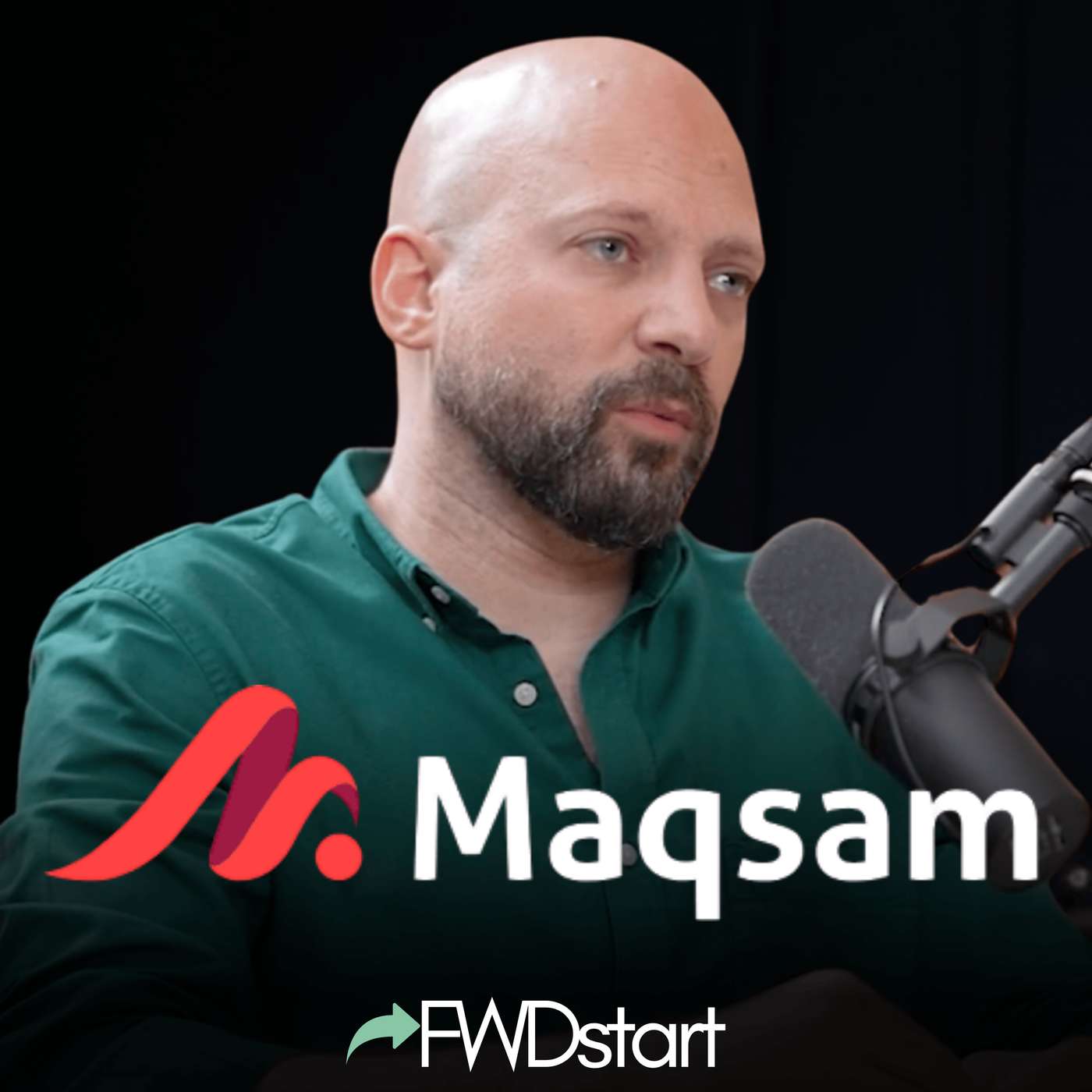 Fouad Jeryes (Maqsam) on Why MENA's Fragmentation is the Opportunity, Why Arabic AI Benchmarks are BS, & Why Your Competitors are Your Best SalespeopleFWDstart · on Twilio86 / 100
 Why Your Marketing Automation Ignores SMSThe Marketing Operator Podcast with Fexingo · on Twilio85 / 100
 The API of the Physical World: Sy Bohy on the Future of Connected HardwareHow I Grew This: Real Stories of Digital Growth · on Twilio81 / 100
 How AI splits startups into winners and losers | E2322This Week in Startups · on Twilio77 / 100How HubSpot Built a $6 Billion Business26 / 100Scaling Up with Zoom's Eric Yuan23 / 100MongoDB's Open Source Roots and Global Growth24 / 100Shopify's Winning Strategy for E-Commerce24 / 100The Rise of Salesforce26 / 100