
Making Sales Social Podcast · 2026-06-30 · 46 min
Key moments - from our scoring
Substance score
44 / 100
Five dimensions, 20 points each
Tom Stearns and Peter Cleary, co-authors of *Graphic Sales*, discuss how visual storytelling through comic narratives transforms sales playbook adoption and team execution. Tom specializes in unsticking stalled sales organizations by establishing foundational elements - ideal customer profile, personas, messaging, and channels - while Peter translates these methodologies into visual frameworks that increase engagement and retention. The book uses true stories told as comics (featuring artwork by Eli Stone) to create emotional resonance, embedding hidden gags and Easter eggs inspired by MAD magazine's "chicken fat" technique to keep readers engaged. They address the modern sales leader's challenge: achieving higher quotas with smaller teams that can't absorb burnout. Peter shares a dot-com era case study where he scaled a 15-person team down to 4 high-performers by identifying a data-driven target account profile and eliminating product noise - moving the entire office to president's club. The playbook approach emphasizes forecasting as a diagnostic tool for understanding actual business performance, moving teams from reactive chaos to strategic clarity. Ideal for sales leaders, VPs of sales, and sales ops professionals managing teams through resource constraints while maintaining quota accountability.
Tom identifies the core components as ideal customer profile (ICP), personas, messaging, and channels. These elements are often skipped or poorly understood despite seeming simple, requiring proper thinking-through and documentation to serve as the foundation for all sales activity.
Each chapter opens with a true story told as a comic illustrating what happens when a sales concept is done poorly, creating emotional resonance and relatability. The visual format, combined with hidden gags and Easter eggs inspired by MAD magazine, keeps readers engaged and makes them want to continue - a key difference from traditional business books.
By building a data-driven Target Account Profile, he identified only 120 potential customers in his marketplace and focused exclusively on those with the right product fit. He also eliminated product noise by narrowing from over 100 products to 12, creating a simple, focused plan that eliminated everything else as distraction.
Forecasting reveals whether a team actually understands its business and knows where it's going. It serves as a diagnostic tool - not just a prediction metric - that forces teams to think through the plan and validates whether the ICP, messaging, and activities are correct.
By implementing a disciplined playbook that focuses teams only on high-probability activities tied to a well-defined ICP and eliminating noise, teams work smarter rather than harder, improving efficiency and preventing the burnout that causes additional turnover in resource-constrained environments.
Our reviewer’s read on each dimension, with quotes from the episode.
There are a handful of genuinely useful practitioner ideas - scaling a team from 15 to 4 during the dot-com bust, the pipeline stage definition exercise, and the conversion-rate-over-activity argument - but these are buried under lengthy tangents about MAD magazine, The Road graphic novel, and the host's own frameworks. The ratio of signal to filler is poor for a 46-minute runtime.
The problem is, right, most of these companies are like, oh, we need to do more, right? More activity, more this. When they really need to do less
I'm going to scale this down and nobody's going to want to hear this. Scale this down to four people. This is. I don't need more to be successful.
The graphic novel format for a sales playbook is genuinely novel, and the MAD magazine 'chicken fat' Easter-egg device is a creative differentiator, but the underlying sales methodology - define ICP, align messaging to pain points, track conversion rates - is entirely conventional and has been recycled countless times elsewhere.
the Will Elder, uh, going way back in mad, coined a term called chicken fat. And that was that chicken fat are all the jokes that are piled into the background
it's 3:17. And if you look at it upside down, it's lie because the person's lying to them all the time
Both guests are working practitioners with real war stories - Tom has consulting engagements with tech scale-ups and a dot-com-era turnaround anecdote, Peter is a full-time enablement leader at Akamai - but neither is a high-profile operator who has scaled a large organisation, and their positioning leans toward mid-market consulting rather than genuine enterprise scale.
I went to my boss and said, I'm going to scale this down...to four people...We, uh, went to president's club. Every single person in the office went to Hawaii
the CEO says, man, it's really nice to have an answer to that question because we've got a year and a half and we've never been able to trust the forecast before
The dot-com bust turnaround contains real numbers (15 to 4 reps, 120 target accounts, focus on 12 of 100+ products, president's club outcome) and the forecasting anecdote has concrete figures, but the rest of the episode is largely abstract - no benchmark conversion rates, no named client examples, and no broader market data to corroborate claims.
in my marketplace, I have only 120 different customers who have potentially could go after this. So I had basically very data centric
Our company at that time had over 100 product sets. We focused on 12.
The host occasionally asks a sharp unscripted question (the sales team downsizing angle was genuinely productive) but routinely hijacks responses with extended monologues about her own eight-stage framework, LinkedIn KPIs, and content methodology, and never pushes back on vague or circular answers from the guests.
we have eight stages to rolling out a social selling program. And the Playbook is the third to last stage
Gentlemen, this was a pleasure. Uh, I'm so glad that uh, we got to connect today and I know that our listeners have gotten extreme value
Computed from the transcript - who did the talking, and the words that came up most.
Brynne Tillman sits down with Tom Stearns and Peter Cleary, co-authors of Graphic Sales: How to Build a Prospecting Playbook, to discuss why traditional sales tracking fails and how visual narratives fix it. The conversation breaks down the common pitfalls in outbound prospecting, from poorly defined buyer personas to inaccurate pipeline forecasting. The guests share how mixing data-driven strategy with comic-strip storytelling helps sales teams cut through noise and retain concepts better. This episode delivers a practical look at simplifying your top-of-funnel activities so a smaller team can work smarter.
Transcribed and scored by The B2B Podcast Index.
Speaker A: Welcome to the Making Sales Social podcast featuring the top voices in sales, marketing and business. Join Bryn Tillman, Stan Robinson Jr. And me, Bob woods as we each bring you the best tips and strategies our guests are teaching and using so you can leverage them for your own virtual and social selling. This episode of the Making Sales Social podcast is brought to you by Social Sales Link, the company that helps you start more trust based conversations without being salesy through the power of LinkedIn and AI. Start your journey for free by joining our resource library@socialsales link.com library. Welcome to the show.
Speaker B: Today on Making Sales Social, we are joined by the co authors of Graphic Sales how to Build a Prospecting Playbook, Tom Stearns and Peter Cleary. Tom is a veteran sales leader who specializes in unsticking organizations from early stage startups to to enterprise giants. He is the person companies call when sales teams are stalled and need a clear path to execution. His strategic oversight has been instrumental in multiple successful exits. Peter is the creative engine of the duo specializing in visual communication. He transforms dense, complex sales methodologies into simple visual frameworks that sales teams can actually understand and, and more importantly, implement. Together, they have pioneered a system that combines the rigor of prospecting playbook with an engaging power of visual storytelling to help reps cut through the noise and build more human connections. Gentlemen, welcome to the show.
Speaker C: Thank you for having us.
Speaker D: Yeah, great to be here.
Speaker B: Thanks for being had. All right, we'll get, we'll get started. You know, if you're going into, you know, comic relief, you know, I'm no stranger, so I'll play along. Um, before we dive into your geniuses, um, the first question we ask all of our guests is, what does Making Sales Social mean to you? Who wants to go first?
Speaker C: Yeah, I'll go first. Um, um, I love the title. I love how you're, you're, you're stating this, right? It's a social situation. So you, you know, way I think about sales is it's an interactive discovery, right? So, uh, what buyers today can get to do can do infinite research and research anything they want. Um, the salesperson's true value isn't providing information. It's really, it's, it's acting as a guide to uncover the needs of the customer that they haven't identified. Um, and I got a quick story. Tom and I were talking about this before and I have a quick story about myself and I think salespeople are always really bad to other salespeople. It is a situation where I wanted to buy a TV and, um, um, I'm big into hockey. I play a lot of hockey and I like watching football. Um, but I wanted to buy, uh, my basement, an 80 inch TV. I did all kinds of research, but before I bought the tv, I wanted to go to Best Buy, see what the TV looked like. Salesperson came over to me, it was kind of talking to me and I was like, you know, specs, I was like, pushed them off. I'm like, I just want to look at the Samsung. And there's another one I was comparing it to, but I was leaning towards the Samsung. And, you know, he realized I wasn't listening and he basically started asking me about what I like to do, what I did, and I just said like, why play a lot of hockey? And once I said that, he goes, oh, did you realize that the processor in the Sony is faster and so you'll see the puck movement better, uh, when it's the fast plays? And I'm like, no, I didn't, I actually didn't even think about that. He's like, no, this is what. So if you like this, this is what you want you're doing. You'll really like this TV better. And even though it's more expensive, that's what you're paying for in this processor. And I bought the tv, so that to me is exactly what a salesperson does, right? You get, you're talking to somebody who's got the walls up and like, I don't want to deal with you. And your job is to kind of in a social environment, engage with them and realize, like, I'm just trying to find out what I can do to help you, what's going to make your life better. And I got to tell you, well, they lost last night, but watching the Bruins and watching hockey, I enjoyed it on the TV better. And I do notice it's much better. So that, to me is what social selling is all about.
Speaker B: Yeah, Boston's a great team. Yeah, it certainly is. That's awesome. I love that. Tom, how about you?
Speaker D: Yeah, I took it like, I thought about it from the perspective of like my business. Right. So I work with a lot of SaaS, scale ups and everyone's obsessed with AI, right? For good reason. Right. And so the filter I put through, like everything, um, I do is to like ensure that the technology serves the human to human moment. Right. So, you know, my whole career has been fueled by amazing people, relationships I've made through selling and working. So in turn, I, I try to turn that obsession into how I can help These companies use the tech, use the AI to make sure that relationship happens. Right. And doesn't get in the way of it. I think it's just good for business, but I also think it's just. It's good for people. I mean, we need this. So that's. That's.
Speaker B: Yeah, I love that. And. And, um, Bob woods, who is another, um, host on Making Sales Social, always says, keep the human in the loop. Right? Like, AI is great, but keep the human in the loop. So I love that. Um, so, you know, your book uses stories in comics to explain sales concepts. How do these visual narratives help make the sales experience more human and social for both the rep and the prospect?
Speaker C: Yeah, we, um. Tom and I were talking about creating something years ago. Um, the graphic novel kind of stood out to us. We're both were fans of graphic novels and comics and so forth. But when you think about sales, it's. The graphic novel is something that's really gritty and it's got. It's more humanistic. Right. It's like, when do you read those books if you. If you haven't, they're just. They've got the depth of sadness, they've got jokes, and it's happy. But it's the roller coaster of real life. And so we're using real stories in these, and we got a great artist in this, uh, Eli Stone, who can make you feel like you're part of the experience. And as Tom said, we're moving into an era where people are working from home. You're in a sales organization. When you're a seller, you really are your own island. You might be on a sales team, but everything replies on you. So you're by yourself. And I think by going with the graphic novels and the stories and the way we tell this is we're introducing you like you're in a bigger family. Like, people been through this. This is real life. And, yep, you might have the highs, you might have the lows, but you can relate. And we're all living this so you don't have to feel that, you know, uh, that isolation that you sometimes can get, like, oh, I'm going through a bad spell, or, hey, this is great. You know, this. I think the graphic novel, the way that we tell the stories, allows people to feel that human touch. Like, okay, this is. These are true stories. This is the way people feel. I don't feel alone. That that's how I look at this.
Speaker B: So I know that your graphic model, uh, your graphic novel is going to be very, um, Upbeat and happy. Right. For sales. But I just have to ask because it's amazing. Had you gotten the road. It's a graphic, uh, novel adoption of um, the apocalyptic classic.
Speaker C: I did not know that was made it into a graphic novel.
Speaker B: Oh my God.
Speaker C: Movie out of the book. Right. For um, with um.
Speaker B: The graphic novel is outstanding. So that's just my little side note.
Speaker C: Okay.
Speaker D: Yeah, I've read the, the book. It still haunts me sometimes. There's still visuals in that that he describes that I can still like see and feel. Um, I didn't watch the movie because the book disturbed me so much as. But I didn't know there was a
Speaker B: graphic novel made too. But it's exceptionally well done. Anyway, I didn't mean to kind of go off on that tangent.
Speaker C: No, it's great to know.
Speaker D: But one thing you said there, Bryn, like about. So our stories are a beat, but they're also. There's some darkness to them as well.
Speaker B: Oh, so it's based in reality?
Speaker C: Yes, yes, very much so. And they're all true stories.
Speaker D: Yeah. When we gave Eli like the original sort of like mood board, creative direction, we're like, you know, read the Watchmen. Look um, at Batman. Like we're like. It's kind of dark. You know, we, we try, we lightened it up a bit. But there's definitely some, I think of the, the gritty, negative side of sales, uh, in the stories as well too.
Speaker B: Yeah, well that's good to know. And I'm definitely going to get the book. But I know the back of the book was an interesting. You have a uh, sales leader where there's 700,000 things coming at her. Right. And I think that's um, what we all feel. What every sales leader out there feels. So tell me a little bit about how this book fixes that.
Speaker C: Mhm.
Speaker D: Yeah. So if I'll go first on this one, Peter. So, um, one, that image you're talking about, like we, we, Peter came up with that idea after we had written the book and gave it to Eli. And we thought that really encapsulated the before. Right. So it's in the introduction as well as the back of like what are we trying to solve for? And the playbook. The front of the COVID is sort of the feeling after, if you will. So what the book is trying to do is that to avoid all that chaos, you need to go through the process of thinking through all of these things. Each chapter represents like a, ah, part of the thinking you need to do and then the writing and the documentation you need to do, and that's really the playbook. So we hope that that image represents how a lot of sales managers experience life today, and that after going through the book and implementing that, you're going to feel like the front of the COVID and that, oh, it's under control. Um, my life is not chaos. I've done the foundational work and my team is equipped so I can now assist as opposed to react all the time. So that is the end goal, is to fix that problem. Bryn.
Speaker B: Yeah, I love that. And I, you know, to kind of play on that problem. Tom, you helped a lot of companies get unstuck, Right. What's the most common hurdle that prevents a team from moving from strategy to execution?
Speaker D: Yeah, I think the biggest problem is a, uh, skipping the foundational steps of defining the, uh, the core things you need. Your ideal customer profile. Everyone thinks they know what it is, but they don't really understand it. The Personas, the messaging, and then the channels we're going to use. So it's, oddly enough, is that they just haven't really thought through the. All the core elements that we know we need to sell it. It sounds simple, and it really is in a lot of ways, but it's the ability to, uh, you know, to get through that properly and document it.
Speaker B: Uh, so I just want to go, before I get to Peter's, uh, creativity side, I want to just ask one, uh, deeper on this. So Peter, as a visual playbook, right. And, you know, um, you know, we're looking at the right activities, the right icp, the right Persona. How does that translate? How do you go from here's a. Like, what is the visual lead into as to identify your ideal customer profile? Like, what are you teaching in the graphic novel that gets someone to say, oh, that's a better way to look at who my ideal customer profile is?
Speaker D: Yeah. So I think this.
Speaker C: Each.
Speaker D: Each chapter opens with a comic, and the comic is illustrating, like, when you don't do this right. What the result is. So what we're trying to do at the beginning of each chapter is tell a true story of, uh, when this is not done well, you know, it's. It's a little bit funny, it's a little bit disturbing, and it's like, oh, we've all lived through this. So what I think, and Peter could probably spell this out better than me, but is that if you read that now, you can feel it like, oh, yeah, I've been through that. I understand that. Uh, and I need to fix that. And then the chapter is like, okay, here's how you do it, really down to the very specific details, like how to define an icp, how to actually, you know, run the data so we get very detailed in, in the problem, experience it. Okay, you get it. Now here's exactly how you can fix that so your team doesn't go through that, uh, situation that the comic illustrated.
Speaker B: You know, I talk a lot about ICP because I teach LinkedIn for sales, and so it only works when you're talking to the right people. So what are the. Some of the key things, and maybe Peter will start with this and then tell me how you interpret this graphically. But what are some of the key, um, elements when you're teaching someone how to find the right person to talk to?
Speaker C: So that's, um. The right customer, the right person is very intricate. It's a whole thing. So it's one of the things that Tom and I talk about all the time is, um, because when I think about, um, the. The icp and I. And I did stuff for the Northeast for one of my last companies, we actually had to start from the hiring process. So I want to go that deep because I'm like, okay, who's. Who does the person we're hiring, can they, uh, identify, you know, the right people and do the right things and understand the guidance we give them? But what do you. When you have the icp, what you're trying to define is the products we have meet this customer's needs, what the business are, uh, they solving for, what type of business, then you can focus on, okay, if this product set, really focus on the security, I know I'm going to call, you know, this is, um, I'm going to focus on the security aspect of this company or the CIO or, uh, what area I'm going to focus. So you really have to get down to this is what I think Tom does really well in the, in the book and when he, when he consults is how does your product. What product, what do your services solve as a pain point, what customers are having those pain points, and how do we define exactly, you know, how we solve them? So then you can build your ICP off of that and say, this is the type of customer we want to look for. There's the, here's the, you know, what they have to have for them. And then this is the person that's going to resonate. These are the questions you asked that will resonate to that per. To this person inside this company. So you're not selling to the wrong person, and you're asking the right questions and having to right conversation about the pain points and the business needs they have. Hopefully that makes sense.
Speaker B: Yeah, no, that makes a lot of sense. And so I want to kind of go deeper into the graphic side of things, the creative side of things. Um, why do you. Or. Or it's not even why do you. But why do graphics help a salesperson remember better or, you know, like, visually, how is that? Like, I have lots of playbooks, and when I have screenshots, people are more effective. Right. And so what you're doing, I think of, um, it's so awesome, especially for someone that loves graphic novels and gl, that I can read something and I'll remember the image even more than the word. So talk a little bit about how you've implemented that into this playbook.
Speaker C: Yeah, I think if you think of, I mean, the old saying, like, you know, a picture's worth 10,000 words. Right. We can say so much more. And I think it resonates more. So the feedback we always get is the story resonated. So people didn't live the exact story, but they. They can associate with that story so well about something that happened to them. And I think when they start thinking the context, it allows their. I think just their brain starts taking the information in differently. It opens them, um, up. Um, we want to actually start with a laugh so you enjoy yourself. So it's not a chore. Right. So it's different. It's allowing you to say, okay, it's mental break to something else. Reading something. There's all kinds of, uh, like, you know, um, um, nice little gutter cat type of stuff into this. So I think just having the visualization allows you to think about things differently, understand and. And relate to it better. So then when you're reading the text and you're reading, like, what I need to do, you have something to play on. Like, okay, this is. This is what the story was telling me to avoid, or this is what this is telling me. So I think this. That having a picture and having that story just opens you up to thinking about it differently.
Speaker D: Yeah. If I could add one point to that, because I spoke to someone that read the book recently, and they said that they would finish a chapter. And normally when they're reading a business book or a sales book, you know, it's a little bit of an effort to go to the next chapter. Right. I've read a lot of sales books, and sometimes it's like, okay, I need A break. And he said, but then I turned the page and I saw there was a whole nother comic. And he's like, you kept me in there. So now I'm on to the next chapter.
Speaker B: And then you got me it funny.
Speaker D: You got me a funny. You got me it interesting. And one of the things we also did, um, so I grew up on MAD magazine, which, uh, m. Me too.
Speaker B: Alfred E. Newman was my crush. I love that little nerdy boy.
Speaker D: Oh, Brian, we have to nerd out sometime then, uh, on. On mad. So something that, that we went to Eli with is said I'm like, I'm a huge Mad magazine fan. And the Will Elder, uh, going way back in mad, coined a term called chicken fat. And that was that chicken fat are all the jokes that are piled into the background. They'd let their artists like, run wild. So we said to Eli, uh, we're going to give you some background jokes, but have at it. So in the background of the comics are lots of hidden gags. You can go look for them. There's sales references to movies. There's just like regular jokes. There's Monty Python things plugged into the back because of a line. And so that's also part of like the fun. Like that makes it fun for me. Like I want to keep like mad, keep looking in the background for the next joke. But also to the reader, we're hoping that, that we're going to keep you in there. Like we're going to teach you something, but you're also going to have a good time and you're going to want to keep looking at the, at the visuals.
Speaker B: Uh, so I love that, uh, I guess most people would today call them Easter eggs.
Speaker D: Easter eggs.
Speaker C: Easter eggs, yeah, that's what Peter calls
Speaker D: them all the time. And I go back to the MAD term, but yes, same thing. Easter egg. Yeah.
Speaker B: I just, just. I do have a mixed audience. So for anyone under the age of 50, it's an Easter egg.
Speaker C: Good point. There's one thing I always like to point out, which is so subtle, but it crazy is that we. There's one. I, uh, think it's joy cold calling. Um, the time that, uh, the person's calling up and getting nowhere with their prospect is 3:17. And if you look at it upside down, it's lie because the person's lying to them all the time. So it's like there's really some obscure.
Speaker B: That's fun. Yeah, that's really fun.
Speaker D: Digital clock that 3:17. And if you turn it upside down, it says lie.
Speaker B: That's great. I think, I love, I love things like that. Um, I think that's awesome. Um, so I'm going to ask you a question that, uh, really was not in anything that you had given me to prepare for today or in my research. But I am working on an article right now, um, that I'm like, really putting a lot of depth into this, so maybe I can get a quote for you for it as well. But it's, you know, the clients that I'm prospecting, and even my current clients are facing, uh, either layoffs or huge turnover where they're struggling to fill roles, yet they still have the same goal with less people.
Speaker C: Mhm.
Speaker B: So, you know, a smaller team has to work significantly smarter than they did three or five or seven years ago because they don't have a budget to fill positions. And by the way, one of the things I'm seeing is salespeople are looking for a larger base right now than they ever did. They want some security which limits their opportunities. And companies have to go back and refigure budgets if they want to fill positions because they're not taking the $60,000 base anymore. Right. So it's an interest. Like we're in this very, um, interesting place. Right. So, but that has not changed what the sales leaders need to hit as far as numbers. So, uh, you know, my research right now is how do people work smarter? How does, how do sales leaders get their people to work smarter? What can they do with a playbook like yours that can say, all right, my sales, I can't burn my sales reps out because I can't afford more of them to leave. Yeah, right. So I can't burn them out. But there's a higher expectation. Share some, like, just spitball some ideas with me.
Speaker C: That's, um, that's a great topic. There's a lot to go in there. But I'm going to use example from, from my past. So I, um, was, I was managing the New England office and we went through the dot com bust, right. So after it collapsed, so we had 15 salespeople. Um, the, uh, the VP wanted to keep at 15. And my, my quota was pretty high. And he's like, you know, knock. I want you to knock doors and do everything you can. Just, you know, put feet to the pavement. And I'm very data centric. And I kind of went back and did this, uh, thing. I called it, uh, tap Target account profile. I build this target account profile, which I said, the products that we have go to this marketplace and in my marketplace, I have only 120 different customers who have potentially could go after this. So I had basically very data centric and I went to my boss and said, I'm going to scale this down and nobody's going to want to hear this. Scale this down to four people. This is. I don't need more to be successful. I can do this and hit the numbers with four people and that next year. We, uh, went to president's club. Every single person in the office went to Hawaii. Um, so what I'm basically saying is you really got to look at it. You have to have a playbook. You have to have the data like, how am I going to be successful? And then making sure your team is only focused on that stuff. Everything else is noise. How do you basically say, this is great, but this is noise? So focus on. Our company at that time had over 100 product sets. We focused on 12. This is what we're going to go. This is what we're going to sell. This is what's going to hit your numbers if you do this. This is how we're going to do it. It was a very simple plan and everybody bought in and we did very well. We were able to sell off of that. Um, I think two things come away from that is, I'm fantastic at what I do, but second is you gotta have a plan. You've got to have a plan.
Speaker B: How does forecasting change in something like this? And how do you use forecasting when building a playbook?
Speaker C: Tom, I'm just gonna talk about the story like the comic we did. So you want to take it or you want me to talk about the comic?
Speaker D: No, you stay. Keep rolling. Uh, you got a good answer for this one?
Speaker C: During the same period. So there's a comic that we did in the story. It's called Joys of Forecasting or Think or something. Forecasting Nightmare. Forecasting, to me is the essence of the plan. Like, do you know your business? Do you know where you're going after? And so the story in here is this true story. Going around the table and asking. I used to ask three questions like, okay, what is what? What is your best case scenario? What is, um, what is, you know, what's the most likely and what's the worst case scenario? So just tell me what. Work on it. What it would tell me is how well they knew their business. And we had this guy, can't remember what we called him. This story, I'm gonna make up a name. So he saves Mike. So we call Mike. Mike. So we call him Mike Mike. I go to Mike. I'm like, what's your best case? I'm like, my best case is $12,000. I'm like, okay, what's your worst case? My worst case is $4,000. All right, what's your most likely? Most likely is going to be zero, Mike. Well, wait a minute.
Speaker B: Do we understand worst case? There's a little math lesson that needs to be added into this conversation.
Speaker C: So yes, I did not finish the conversation in that way, in that environment. We had to go to my office to like, wait a minute. How well do you know your business? How well do you know, you know, have you planned this out? Like, and this is the type of salesperson was like, why are they gonna buy for you? Because they like me. Like, that's not how people buy from you anymore anymore. Right. So it's like, what business, what business pain are we solving? What's. So. But again, it's the root of magic. Uh, Tom and I talked about this. Sales is the easiest, hardest job you can get. It's easy because if you set the plan and you just follow that, just keep on plugging away in, capture the data, you're going to be successful. It's just hard mentally to do that constantly, over and over and to get to that because it's, it seems boring, but it builds you to be successful. And so, um, to answer that like, the forecasting is, is the result of a good plan. Right? So if you've got the plan in place, the forecasting is a result of that. Yeah.
Speaker D: If I, sorry, if I could add an example. So I have a client right now that two months into this and uh, I went through with the sales people and I said, look, we have to clean up the pipeline, but we have to first define the stages. Right. And so we define the stages. This, again, not rocket science. You know, this brand, everyone, Peter knows this. But this team had, ah, really didn't know what the exit criteria first stage was, for example. So in the, in the sense of the playbook that I was building with them is that, look, let's start with like, what can we trust in the pipeline? How are we going to forecast? And it was a simple exercise of like, oh, these are what each stage in the. And then I asked the salesperson go back and clean up their pipeline based on true definitions. They had never been taught that or trained it. She's, she's a fantastic salesperson. And her. And the, the, uh, the, uh, the other person on the team, you know, was great too. So they go through this, they spend a week. We've got an accurate pipeline. It goes on and on. We learned that it is accurate, right? So with that simple exercise, teaching someone how to think about this and how to do it, now we have an accurate place. I go to the management meeting on Monday, and they say, what do you. What's the pipeline and what's the forecast? I'm like, it's this and this. And the CEO says, man, it's really nice to have an answer to that question because we've got a year and a half and we've never been able to trust the forecast before. And so it made me feel good as a consultant. Uh, but the point is, is that it. That's a foundational element, right? That's a Playbook element. What are your definitions? If you have a target account profile or an ideal customer profile, if your, your rep understands it and they're only going after the right customers, you can do more with fewer people. And with AI, you're like, okay, now they AI can do the research for you or at least be an assistant. So there's an opportunity to do less, look for signals, you know, so all the things that are out there, these tools. So if you defined your customer, you defined your stages, right? Uh, then those other tools can speed everything up. The problem is, right, most of these companies are like, oh, we need to do more, right? More activity, more this. When they really need to do less, they need to do the foundational things.
Speaker B: You better, smarter. Yeah.
Speaker D: Yes. And that's the Playbook.
Speaker B: I think so. I love that. And part of. We have eight stages to rolling out a social selling program. And the Playbook is the third to last stage.
Speaker C: Right?
Speaker B: So it's. I guess that would be the fifth, sixth. I'm not good at math. Okay, but. But so there's a lot that we do before we get to the Playbook. The very first thing we do is define goals and KPIs. So when we are talking with the team around, let's say sales navigator goals and KPIs, they're measuring how many InMails were responded to or, you know, how many profiles did you view? And for me, um, I'm like, that is awful. None of that translates into, uh, meeting your goals, right? So the KPIs I like to look at are how many net new of the right people are you now connected to? How many of those people, uh, engaged and responded and how many of them are now in a first call? Right? Like, those are the things that move through the pipeline. So when you are working with clients and you're like, okay, we're going to like start with goals and KPIs. What are some of the KPIs that sales leaders need to stop doing and what are stop measuring and what are some. They need to start.
Speaker D: Yeah, I get. So if I could. So I work with full cycle teams sometimes and then I work fully with outbound. Um, the playbook is focused on outbound and prospecting. So that part, it's all top of the funnel. It's top of the funnel, yeah. The next book will be the closing part at some point I think. But right now we took the, we took about half the stories we had written and we're like, these apply to outbound. This is like a large portion of what I do as a consultant. So in outbound, uh, some of the KPIs I think that make sense are, you know. Yeah. Uh, all the key like elements of. Do we have a clear ideal customer profile? Are they leading to, you know, pipeline? Of course. What is the um, the outcome that we expect? Uh, you know, is it meeting conversion rates, things like that. So I think what a lot of uh, leaders look at first is activity, um, maybe, uh, purely uh, like closed, uh, deal rate when what's in control of the outbound team are, you know, uh, sourcing opportunity and conversion rates I think are key. So one thing I love about outbounding is that how do we convert? Right? So if we're talking to the right person, how many of those conversations become meetings? How many of those meetings become opportunities? So it's the conversion rates. I think there's always a base level of activity. But uh, the conversion rates are showing. Are our, are our individuals getting better? Is their messaging getting better? Is it reaching the right person? So all those conversion metrics are going to tell us, is the activity successful? Sorry, that was a convoluted answer, Bryn.
Speaker B: No, that's great. And like we have a framework on how to build content that converts, right? So it's the aware framework. We need to attract and resonate. We need to create wonder. Uh, we need to create an aha, ah moment in the content. We need to reframe the way they think of things and then we need to create engagement. Right? So that's the aware, that's the content that converts. Do you have frameworks that help people go, okay, as I'm going through this, this is how I have to think about it?
Speaker D: Um, yes, I think in the Playbook itself it is going to take you through each channel and expectations of the outcome. So the framework is like hey, if we define our ICP to these five attributes, right? And we, and we you know, define that like it has to be data driven. Have we defined the Personas to these um, uh, uh, different attributes, watering holes, you know, what the problems and what the words worlds, like, things like that. Then if you're cold calling, what are the cold calling metrics that matter? Those conversion rates, what's your talk track look like? Email, LinkedIn. So all the channels and sort of outbounding. We define like strategically what you need to do then what your you know, activity conversion rate should be and then all the different things you need to train your team so they're armed to succeed. So I think that answers your question. But uh, yeah, yeah, yeah, I think those are, would be called frameworks.
Speaker C: Yeah, I think you're hitting on things that KPIs drive me crazy. And I, I gotta tell you, I, I uh, sit on ah for a lot of different iterations. You listen to KPIs and probably what you see all the time is like but what, how is this leading to what you're fundamentally need to get to? How's it tied to the revenue? How's it tied to churn what you know, your, your outcome can't be subjective. It has to be an objective. It has to be you know, everything. And I, it drives me crazy because now enablement, I get a lot of like, well the, it's subjective. You really can't put you know, an uh, object around this. Like everything can be tracked and like everything has to have an outcome. You know, your outcome has to live delivered to the business requirements of the company. And you know, so a lot of people have different things or KPIs or outcomes that aren't true like that, you know, it's great. You know there was.
Speaker B: They're not built to convert.
Speaker C: They're not built.
Speaker B: Yeah.
Speaker C: And one of the things in sales, that's the sales teams, my sales team used to them all the time. Like if you come, if you're hitting your number and you went on five appointments a week instead of 15 which the company has said to go on, that's awesome. That means you're actually doing something better. So the outcome is what I'm looking for. Like the metrics of saying that you went on 15 meetings. I'm like that's not what pays the bills. Like you've gotta, you've got to make the sale. So let's, let's look at the data and look at, you know, uh, what works for everybody. Ah, the individual for the outcome that we want. So sometimes people can get lost in the metrics and trying to achieve that rather than achieving the outcome.
Speaker B: Yeah, I love that. Uh, probably the most successful KPI that my full cycle sales reps have is how many referrals were you given and how many of those converted to first conversation? So we teach. How do you, uh, identify who your client knows before you have the referral conversation? So how do you search on LinkedIn? Who do they know that you want to meet and have a conversation instead of who do you know? Here's who you know of these folks. Who could you make an introduction to and who can I have permission to drop names? How important? Especially the full cycle. Usually SDR is an outbound, they need more volume. But the full cycle. Reps who are, or account managers who are really building relationships. How important are referrals in your process?
Speaker C: It's, it's huge. Right. So, uh, uh, the thing that you're hitting on that I think is important is to get the referral. You've done the 50 things you need to do. Right? Right. So you, so it's basically validating all the things that you did for that one person and it's helping you leapfrog a lot of that with the next referral. So the person you get referred referral from, you're basically saying it's worthwhile to listen to this person and having it. And so part of their, their guard comes down. Referrals are fantastic. It's, it's, it's. I, I love those. I'm gonna, as I'm saying that, the thing that drives me crazy though, so referral on the front end. Fantastic. When I'm pitching somebody and they're about to make decisions, then I want to have talked to three people referrals at that stage. I hate that those are references. The references.
Speaker B: Yeah. That's a reference versus the referral. So wait, can I just give you a quick thing? Make sure you're getting testimonials on LinkedIn. So I just had this happen. I had. And it's a relatively small deal compared to a lot of my deals. And they want to talk to three people. And for that, like, I'm just not going to bother like, uh, the people they talk to. These are, I don't want to bug them right. Too much. You can just go back to the water hole so many times. Right. So I actually said, why don't you go onto my LinkedIn profile and read some of my recommendations. If there's anyone there you want to talk to, let me know and I'll see if I can make that introduction. Well, two days later they came back and by the way, five or six people from the company looked at my profile. So I know they were looking and they came back and they said that was enough. So I just want to share that little.
Speaker C: That's great win, that's great.
Speaker B: Yeah.
Speaker D: Anyway, that makes a lot of sense I think on the, one of the things, on the referral, uh, going back to the SDR thing. So I have a bit of a rant at the beginning. We have a chapter on LinkedIn. Um, now I'm not, certainly not your level, Bryn, but I think about LinkedIn and I think about my career and what I see when I work with a lot of BDR teams, SDR teams, um, is how companies commandeer their LinkedIn profile. And these young reps are having their reputation destroyed basically.
Speaker B: Uh, yeah, it's taken over.
Speaker D: It's taken over and I think that that's one, it's not ethical one, it's not their profile to abuse, uh, and that I think the younger folks don't understand the value of their network. So I know referrals is more complex but like as you become a full cycle rep or you get some experience in life, you're going to be connected to more people that if they respect and trust you are going to make introductions, it's going to be easy to refer you to other people, you're going to have a lot more to work with. And I think there's a real problem with uh, the abuse that companies do to these brand new reps where they, they don't teach them the proper way to build a presence on LinkedIn to protect their network. That really bothers me.
Speaker B: Introduce them to me. No kidding. But here what we do so there is, we never tell a rep they have to do this right. You can't, it's their property. However, we will say this is your professional presence. So you know, you would put, if you would put this job on a resume, you're going to want to list it here and now if you decide that you are going to use your network to go out to, to go to market, you probably want to make sure that you're showing up as the thought leader and subject matter expert in this field.
Speaker D: Exactly.
Speaker B: So what we do and now with AI, uh, it's great is we customize prompts that have the, you know, kind of the ethos of the company and the brand voice of the company. But it now interviews the individual. So the. The prompt is built to interview each of them so they get their own voice that aligns with the company's voice.
Speaker C: That's smart. That's smart.
Speaker B: And so that's been a really nice way for us to, um. And. And almost all of them buy in because they recognize this is their professional brand. And we actually create landing pages like their profile is built to convert, but it's really built. That shows them as the person that's going to help them solve a problem. So it's their personal brand around the solution they sell. And that seems to be a really good balance for everyone.
Speaker D: That's what's needed. So I think there's 99, 000 companies I've seen that need your help, Brad. Like they're doing it the wrong way. And yeah, that's what they, you know, reps need to. Is that kind of.
Speaker B: It's simple. And they buy in and they're thrilled because they look awesome. And it is about. And we will always start with people buy from people. They don't buy from companies. Right. Like unless you're buying McDonald's tonight for dinner, you're not buying the brand typically. Right. So the. It's about these folks building their reputation in the marketplace. One last thing I'm going to say. I usually don't do this, but I'm. I, you know, when we work with companies, we make sure that marketing there should never be a blog post that doesn't have a quote from a sales rep in it. Because you've got to elevate their preeminence in the world. Right? So if there is. You have a blog and you have three reps that are quoted in this and now the rep wants to put it on their profile and it's helping. Right. And so all of these things really work together. Anyway, I just thought I'd share. Gentlemen, the last question I have, and we've gone long, but this is fun. At least I've had fun. Um, the, the last question we ask everyone is what questions should I have asked you that? I didn't.
Speaker C: That's a. You know, I think we've had a good conversation here. Probably the one that Tom and I enjoy is, uh, our history together. So Tom and I have known each other since college over 30 years. And so how do we enjoy. Where did you go?
Speaker B: I should know. I did your. All my digging and I didn't look at your alumni.
Speaker C: A small, small New England, um, New Hampshire School. St. Ansom College.
Speaker B: Okay.
Speaker C: So, um, there's a lot of, uh, it's cold. There's not much to do there but to hang around and, um, drink and play ping pong. We didn't do that. Watch hockey, watch talking. But knowing each other for so long. How do you work together like this, Is this putting the book together? It's complicated, right? Putting these stories together, having opinions. We're both, we both, you know, uh, strong opinions and have things that we like to do away. So, um, a lot of people ask us about that. Quite frankly, it's Tom, uh, and I just get along really well. We have a lot of the same mentality about sales. Right. We've lived a lot of these same experiences and our goals are really just to be around. And it's probably the same as yours. I'm like, we just want other people to do well. Like, there's a lot of things, a lot of knowledge we have and we just want them to do well. We know that it can be difficult. So we're trying to tell you. I'm like, just, just, just do the right things and this, you'll have, this will be a good existence for you and your family. So that's, I think that's, I can't
Speaker B: wait to read about Mike. I'm really excited about that.
Speaker C: See, yeah, I have a lot of stories. I have a lot of stories. Yeah.
Speaker B: I love it. I love it. So how can people find you, connect with you and buy the book? Is it graphicsalestories.com and then Amazon?
Speaker D: Yeah, so it's on Amazon. The book's graphic sales. Um, it's, uh, graphic salestories.com has our whole catalog of just stories. So if you just want to read our stories, you can go there. There's a link to buy the book from there too. And on my website, um, which is Stearns IO, there's a book page which has, uh, a lot of testimonials about the book, free chapters. If you want to read a few chapters before you want to spend the money on it, you can get that. Uh, it's a book.
Speaker B: Buy the book. If you can't buy the book, get out of sales. You're not
Speaker C: true. Yes.
Speaker D: Great idea.
Speaker B: Yeah. So, and if a company wants to hire you, how do, what do you do for them? I guess you do you customize these playbooks for them.
Speaker D: Yeah. So I'm a, I, I do a lot of things. I, I a full service consultant. Um, and so I'm a problem Solver. Uh, again I work with a lot of tech scale ups. I try to figure out what's wrong and often it's the outbound team that they just won't focus on. But I also have many clients that you know, the whole sales team is something's wrong. I diagnose the problem and usually a six months engagement, we figure out how to fix it. Uh, that's the bread and butter of uh, my business.
Speaker B: Peter, how about you?
Speaker C: I have full time uh, enablement for a company called Akamai. So I spend my, my time with uh, just trying to solve internal, internal issues. It's uh, God bless. The company is fantastic. The day to day problems are not.
Speaker B: Well, my guess is they're the same wherever you go.
Speaker C: They are. This, I will say this, this is what I will always positively spell. But uh, Akamai, from my last company I came from, I won't talk about that too much is the problems are the same. It's how they treat individuals, the culture and the culture at this company is fantastic. So here I feel treated as an individual, as a person and people are very respectful of. So that's the positive, that's what you're looking for in a company.
Speaker B: I love that. Well, gentlemen, this was a pleasure. Uh, I'm so glad that uh, we got to connect today and I know that our listeners have gotten extreme value. And so to our listeners, when you're out and about, don't forget to make your sales social.
Speaker A: Don't miss an episode. Visit socialsaleslink.com podcast or use your favorite podcast platform. Also leave a review down below. Tell us what you think, what you learned, and other topics you'd like to hear about next. Register for free resources@LinkedIn library.com visit our website socialsaleslink.com for more information.
Other episodes covering the same guests and topics, from across The B2B Podcast Index.
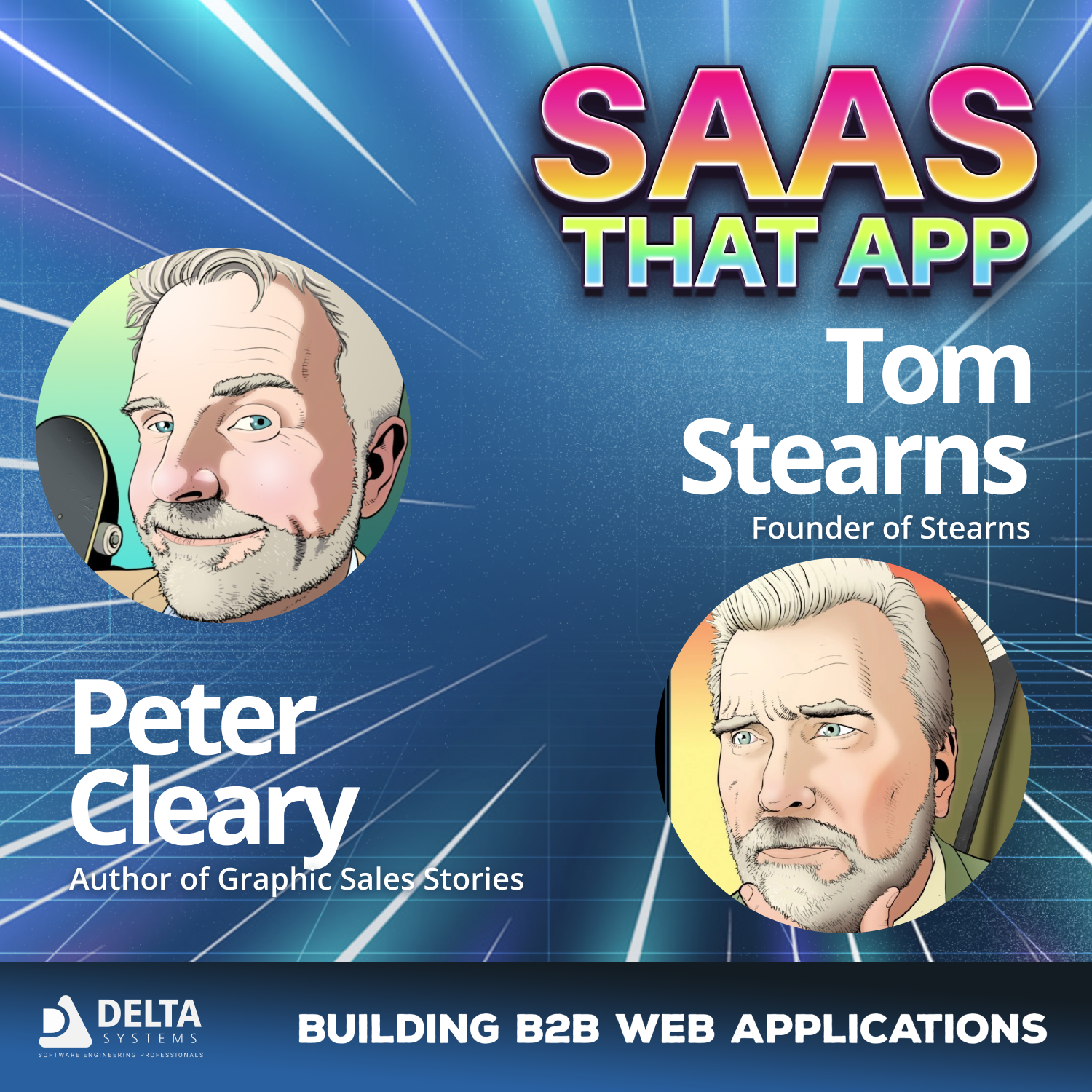 SaaS Sales: The Playbook Every Founder Needs to ScaleSaaS That App · features Tom Stearns80 / 100
 Selling is like tracking serial killersSales Today · features Tom Stearns79 / 100
 How Smaller Businesses Beat Bigger Competitors with Gareth LockwoodSpotlight on B2B Marketing · on Ideal customer profile (ICP)84 / 100
 How Private Equity CMOs Build Revenue That Increases Enterprise ValueDemand Revenue · on Ideal customer profile (ICP)84 / 100
 Episode #30: Building on Fundamentals: Why GTM Strategy Drives PE Returns w/ George de los ReyesThe LAB: Value Creation in Private Equity · on Ideal customer profile (ICP)82 / 100
 The Creative Testing Gap: Why Most B2B & B2C Lead Gen Campaigns Fail to ScaleThe Revenue Room · on Ideal customer profile (ICP)80 / 100
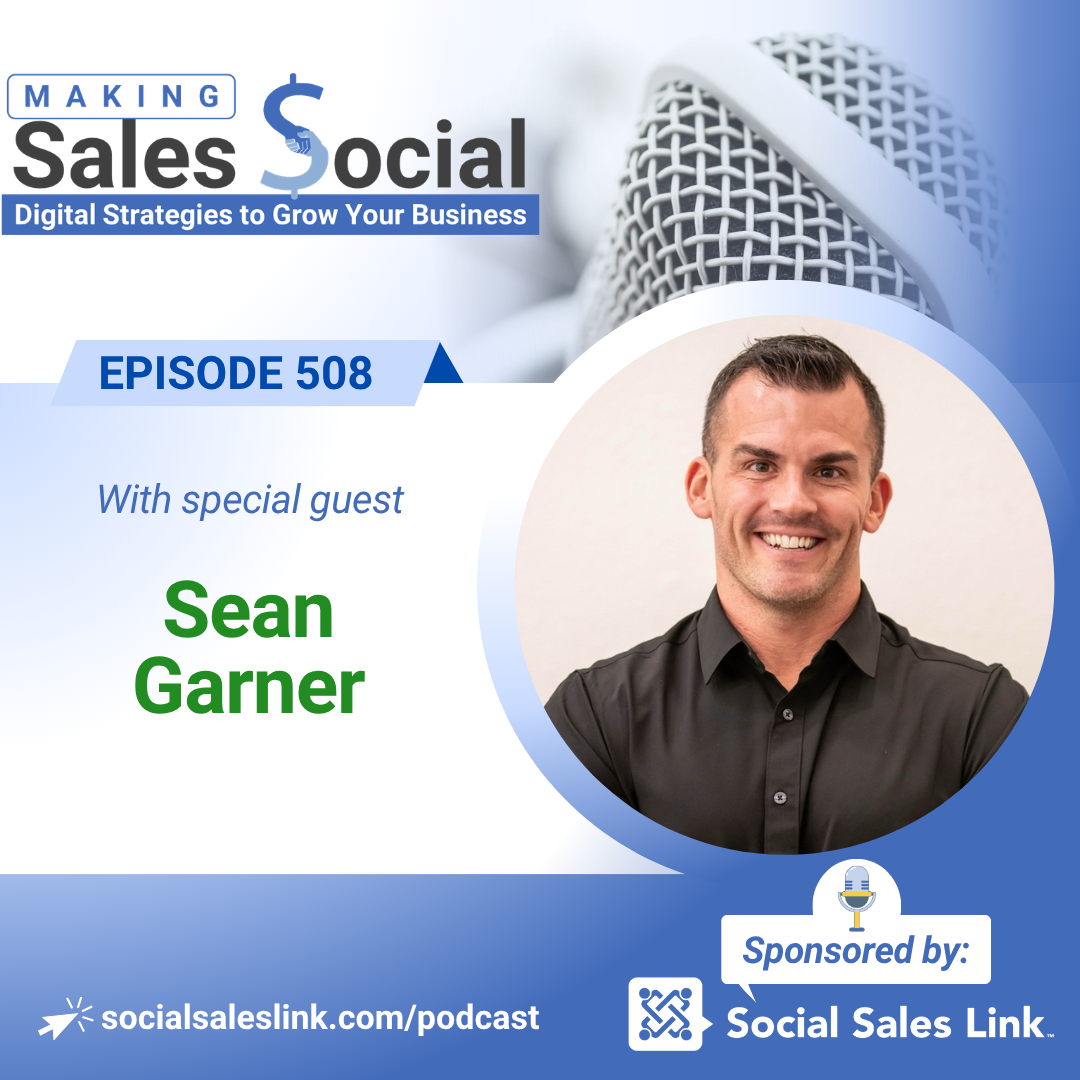 The New Era of SEO: Why Your Business Needs to Search Everywhere with Sean Garner
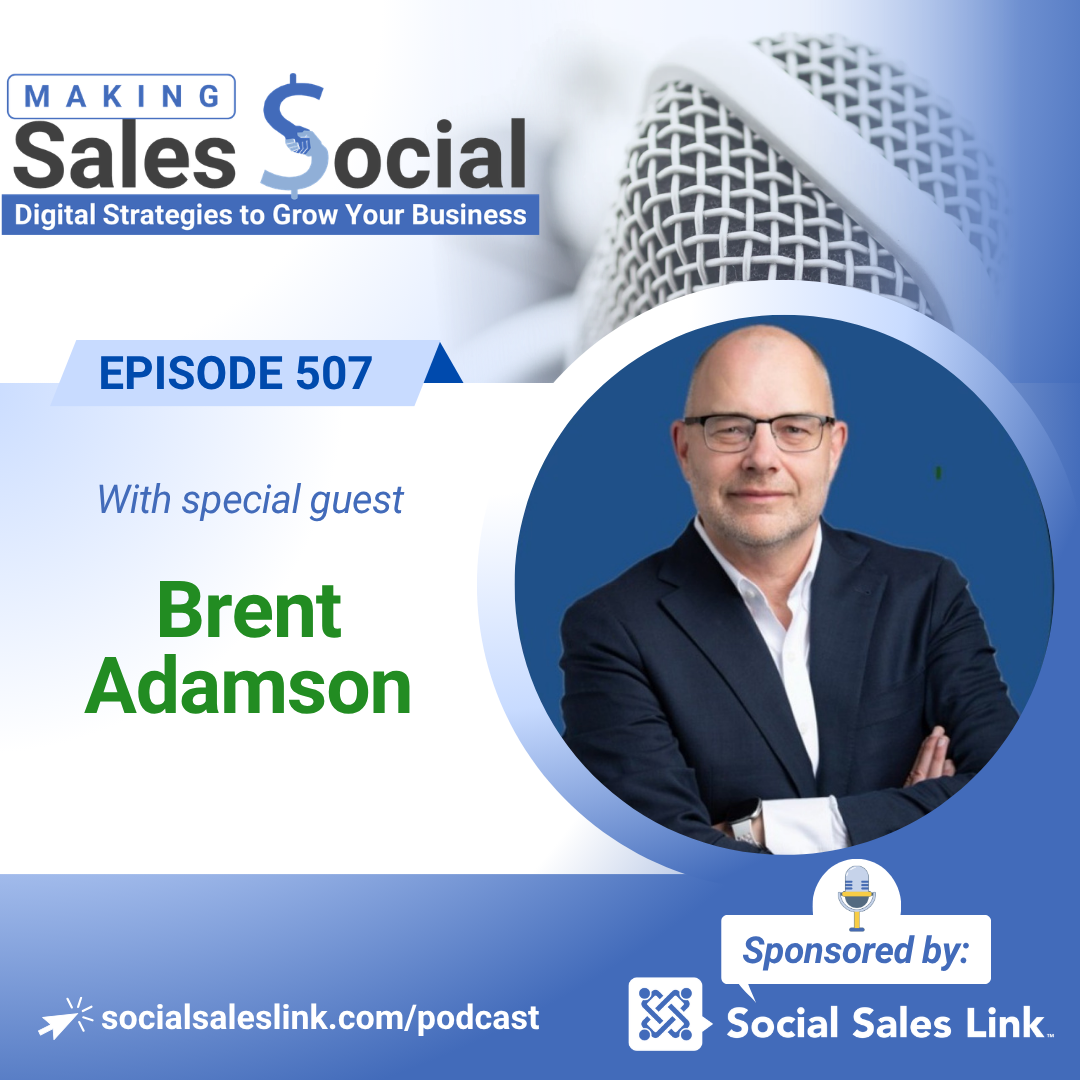 The End of Expert Selling: Why Your Customers Need a Frame Maker With Brent Adamson
 Mastering the Art of Personal Broadcasting with Steven Lewis
 Bringing Personality Back to Sales with Lauren Bailey
 Why LinkedIn Isn't Broken (And How to Optimize the New Algorithm)