KeyStone’s Stock Talk · 2026-06-30 · 50 min
Key moments - from our scoring
Substance score
51 / 100
Five dimensions, 20 points each
This episode covers two small-cap investment opportunities alongside broader market commentary. Brennan examines West Red Lake Gold Mines' transition from exploration to commercial gold production at its flagship Madsen mine in Ontario's Red Lake district, analyzing whether the stock's 100% year-to-date surge still offers value - a critical question for investors in junior producers where balance sheet strength determines survival through commodity downturns. Rahil provides a bull-and-bear case on Novaleap Health, a Halifax-based acquisitive microcap in home and community care across North America, recently featured at the Planet Microcap conference. The hosts contextualize these picks within commentary on TSX valuation (fair value to slightly overvalued at 9% YTD), geopolitical effects on oil (Iran-Israel tensions causing weekend volatility but markets adjusting), and SpaceX's extreme volatility following its NASDAQ 100 fast-track inclusion with only a sub-1% weighting due to low float. A recurring theme: the importance of fortress balance sheets in commodity and cyclical businesses, illustrated by an oil services company that survived Middle East contract losses because of strong cash reserves.
West Red Lake Gold Mines (WRLG) is a junior gold producer in Ontario's Red Lake district that recently poured first gold at its flagship Madsen mine after acquiring the distressed asset, transitioning from exploration to commercial production with current share price around $0.62.
Strong balance sheets provide a cushion to survive extended price downturns (e.g., oil at $60/barrel), maintain CapEx deployment, and avoid forced dilution or insolvency - one oil services company cited maintained viability through Middle East contract losses only because of fortress cash reserves.
SpaceX's low float (under 1% in NASDAQ 100 weighting), Musk valuation premium, and index inclusion mechanics - combined with leveraged and covered-call ETF buying - create volatility despite the company's size, with shares ranging $155 - $220 in early trading.
US Strategic Petroleum Reserve fell from 415M to 331M barrels (pre-March levels), creating lower inventories than 5-year averages; combined with Middle East supply uncertainty and Donald Trump's political preference for lower oil prices, traders face conflicting buy signals based on fundamentals versus policy pressure.
52% of respondents said Canadian equities (TSX up 9% YTD) trade at fair value, 28% undervalued, and 21% overvalued, reflecting a market-neutral consensus as the TSX now moves in line with US indices despite structural differences (less tech, more financials and resources).
Our reviewer’s read on each dimension, with quotes from the episode.
The episode contains some substantive financial analysis, particularly in the West Red Lake Gold detailed breakdown with napkin math calculations and the NovaleapHealth overview with specific metrics. However, significant portions are devoted to casual banter, conference promotions, and high-level market commentary that lacks depth. The commodity market discussion (Iran conflict, oil inventories, SpaceX) relies on surface-level observations without novel frameworks or actionable insights for operators.
With, uh, that guidance looking at 35,000 to 45,000 ounces in gold production, which you know, I believe was lower than what analysts were expecting.
the adjusted EBITDA margin has stayed stuck between 4% and 7%. So we have not yet seen true operating leverage.
The analysis largely applies standard financial frameworks (P/E ratios, debt analysis, EBITDA margins, balance sheet strength) without novel perspectives. The West Red Lake turnaround story is presented as a straightforward distressed asset play rather than a contrarian thesis. The NovaleapHealth acquisition strategy (buying cheap, folding into larger entity) is a known roll-up model. Missing are first-principles critiques or counterintuitive angles that would distinguish this from typical equity research.
through this turnaround play, uh, they gained control of about 1.65 million ounce gold rubber resource while inheriting over 237 million in tax loss carry forwards
They buy a small agency at three times and the stock market values the whole company at 12 times. So the moment they fold it in, the profit is worth much more.
The episode features only the three hosts (Brendan, Ryan, and Rahil) discussing stocks they have researched themselves rather than external expert guests with direct operating experience. While the hosts appear competent analysts, they lack demonstrated operator credentials (e.g., having built or scaled a business). The episode mentions interviewing NovaleapHealth management at a conference but does not feature that interview in this episode, only the hosts' subsequent analysis.
I welcome my co host, the Killer Bees, Bretton Brennan and our best addition rail.
We interviewed management. They seem like a competent team. Uh, there was no fluff or smoke being blown.
The West Red Lake segment provides detailed financial specifics: $41.8M Q1 revenue, 6,165 ounces gold sales, $4,678 AISC per ounce, 407M shares outstanding, $95.6M net debt, $237M tax loss carryforwards. NovaleapHealth includes $7.9M Q1 sales, 11% growth, 60% EBITDA jump, 40% gross margin, $38M market cap, $3.5M acquisition price. However, broader market commentary (Iran conflict, SpaceX, oil inventories) lacks concrete data or named precedents beyond general assertions.
revenue was 41.8 million, which was up substantially year over year, driven by gold sales of uh, about 6165 ounces. Adjusted EBITDA was 14.4 million
first quarter of 2026 sales were US$7.9 million up about 11%. Adjusted EBITDA jumped almost 60% and gross margin stayed around nearly 40%
The hosts engage in friendly banter and ask follow-up questions within their own analysis, but lack adversarial probing or pushback on each other's claims. When discussing West Red Lake's high AISC costs and debt, comments are observational rather than challenging: 'yeah, for sure.' The NovaleapHealth discussion includes some thoughtful follow-ups on operating leverage and acquisition strategy, but hosts rarely disagree or pressure each other on valuation or risk assessment. The tone is collegial rather than sharply interrogative.
Yeah. And gold has to sustain a higher price for this company to even and this mine to even make sense. If gold is back down to 2000 or 2500, I mean or lower, this uh, is not going to look good.
Operating leverage is something that we definitely would like to see. We'd love to see that increasing over time
Computed from the transcript - who did the talking, and the words that came up most.
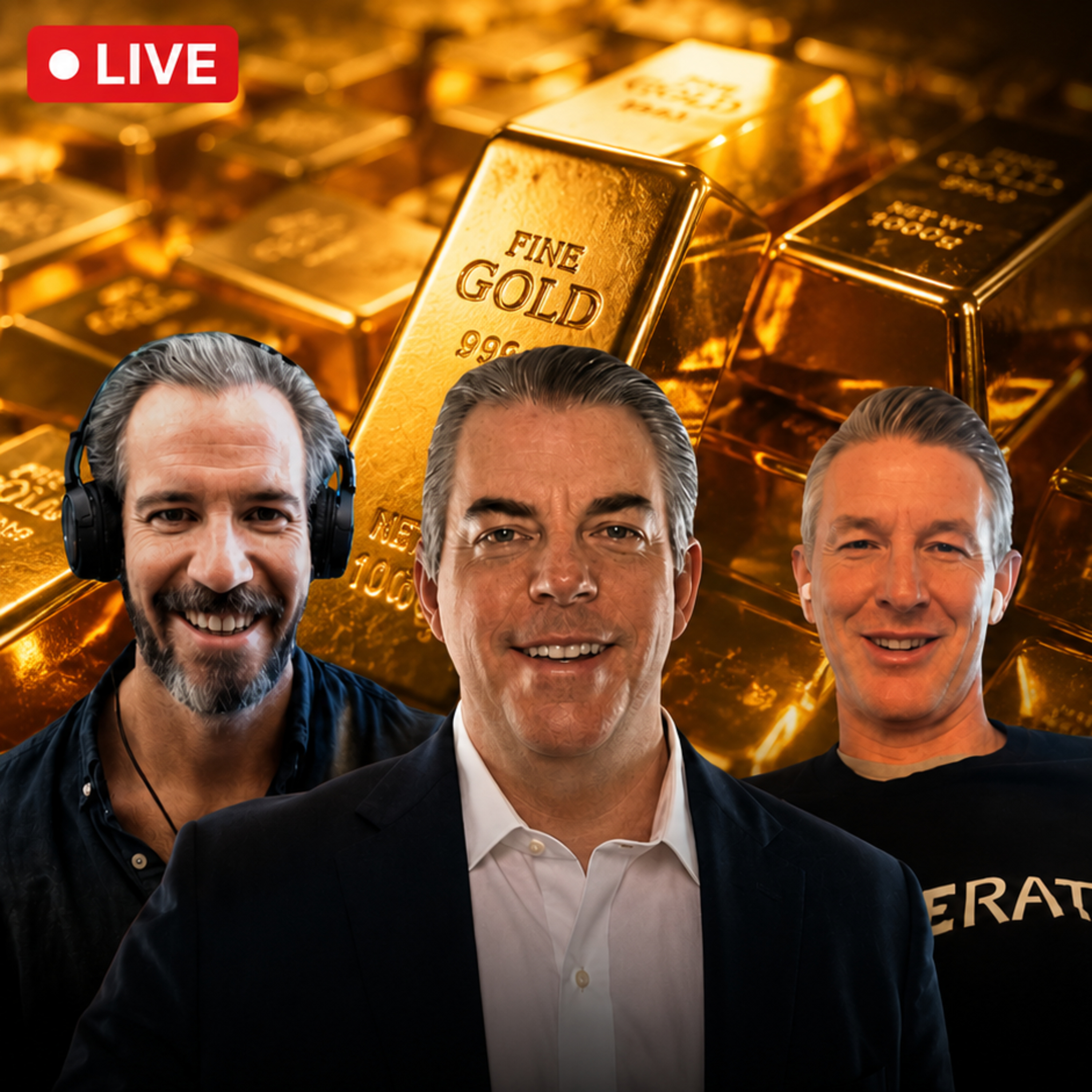
This Week, Is West Red Lake Gold Mines Ltd. (WRLG:TSX-V) - Is This High-Risk Gold Stock Worth Buying? Nova Leap Health (NLH:TSX-V) Stock Analysis: Bull & Bear Case
Transcribed and scored by The B2B Podcast Index.
Speaker A: Foreign.
Speaker B: You are listening to Keystone's stock Talk show, episode 3:40. It's great to chat with you again this week. Brendan kicks off our festivities with a viewer question on West Red Lake Gold Mines Ltd. WR LG on the TSX Venture, a junior gold producer and development company which just poured the first gold at its flagship Madsen gold mine project. Brennan takes a look at the business from a fundamental perspective. With the shares up around 100% this year. Hillsey and um, to let you know if it offers value at present. Rahil reviews novaleap Health Corp. Nlh on the TSX Venture and a company we recently interviewed at the Planet Microcap conference in Las Vegas. Novaleap is an acquisitive, profitable microcap. The company is based in Halifax and provides home and community based care across North America. Urhill will give his bull and bear case on the stock. Let's get to the show. I welcome my co host, the Killer Bees, Bretton Brennan and our best addition rail. Welcome, gentlemen.
Speaker A: Yes, there we go.
Speaker B: I didn't say newest. I know I had to change something.
Speaker C: You're not wrong.
Speaker A: I do think he's the best too.
Speaker B: There you go. I agree. There's a lot of smoke flowing, right?
Speaker A: Yeah, yeah.
Speaker B: Making us dinner or something. I don't know if we.
Speaker D: The check is on the way.
Speaker B: Yeah, exactly.
Speaker D: All right.
Speaker B: Um, anything briefly we want to talk about. Do you want to get to the poll question? Then we've got some other topics we want to get into as well. Correct. Yeah, I'd say too, I'm gonna be, uh, this month, uh, July 19th in Vegas, giving a talk at the Las Vegas Money Show. So at the bottom of this podcast when we send it out and on our YouTube channel, we will provide, um, some information on how you can, if you want to go to Vegas, see myself, uh, earlier in the year it was myself and Brennan. It's just me there. So I'm sure everybody, you know, there'll be far m more attendance now that it's just me then Brennan isn't there. So we'll see if you can. Team Brennan or Team Ryan. Right. To see which you want to go to. But, uh, we'll also be in San Francisco at the end of August. So if you just want to go on a traveling road trip and follow us, you know, across the US you can just do that and follow us at money shows. Uh, we'll be at both those events. We're giving a master class in San Fran, which Brennan, you're looking forward to. Right. Two hours.
Speaker C: I am.
Speaker A: Yep, I am.
Speaker B: I'm, uh, doing an hour and 55 minutes, and Brennan gets five minutes, so.
Speaker A: Ah, I. I still, uh, putting more
Speaker B: prep into it than I am now.
Speaker A: I gave a presentation, or not a presentation, but I gave a speech at a wedding this. This, uh, last weekend, and. And my.
Speaker B: Tell us how that went.
Speaker A: That's what she said. Uh, I mean, it went well, but. But that's what she said right after. She was like, wow, you know, you can tell that you do this for a living. You know, you did really, really, really well.
Speaker B: Speak at weddings for a living.
Speaker A: Uh, yes, I mean, I would love to, but, uh, free. Free liquor, but, uh, yeah, um, don't
Speaker B: you get that at conferences, too?
Speaker A: This is true. Yes.
Speaker B: All right. No, but that's good. So it went well. We wish. Um, it's Rylan and.
Speaker A: And Nikki.
Speaker B: Nikki. I can't believe I remember his name is Rylan because you always say hobby, so. Hobby. And Nikki, uh, we wish you all the best.
Speaker C: You bet.
Speaker B: All right.
Speaker C: All right, let's go to the poll
Speaker B: question on M. That note, right?
Speaker C: We can get married to some poll questions and some.
Speaker B: Yeah, finance.
Speaker C: No, you're not.
Speaker B: I don't know.
Speaker C: Is a simple one. What's your outlook on Canadian equities? 28 said undervalue, 52% said fair value, and 21 said overvalued. The TSX composites up about 9% year to date now, which it was outpacing the U.S. uh, by quite a bit at the start of the year. But now they're. It's pretty in line. I think just today, the NASDAQ surpassed it. Uh, S P is about the same, uh, maybe a touch lower, but it's been a pretty good first half of the year considering we've seen valuations being stretched in the broad, uh, equity environment, especially the large caps for the past year and a half or so. So I would say fair value maybe slightly overvalued in that camp. But we got a nice middle point there as well, just in our viewers response, which is kind of what you would expect.
Speaker A: Yeah, I agree.
Speaker B: Yeah. I mean, it's, uh, valuations are probably a little more stretch, but, you know, I mean, if you look at, like, Shiller ratios, which is the S&P 500, it says the market's significantly stretched in terms of valuations today. Um, yeah, I mean, I'd say. I'd say closer to fair value to slightly overvalued right now, but the markets will tell us where they are in terms of valuations broadly over the course of the next couple years.
Speaker C: Yeah. And the big difference, I'm surprised that it's actually where as close as we are to the US just because we are structurally different with our industries. Way less tech, way more financials, way more resource materials and energies which obviously start of the year quite well. Gold's come back down it oils come back down that with uh, back and forth what I'm calling the weekend war with Iran and the US and Israel that it seems Friday right after market close things start to happen. Then by market open we're back to normal. The straits open again.
Speaker B: Yeah, it seems to be like you said, the, I uh, mean the markets uh, they tend to react to something initially quite significantly and the more uh, you know, more of that event, uh, more the uncertainty around the event continues to go longer, the less the market tends to react to it. I mean you've seen ongoing trade activities when the initial event hit, uh, like the Liberation Day event hits, uh, severe reaction in the market. Uh, there's been probably news out that is almost as significant but the market's kind of adjusted and it doesn't see it as noise. But uh, the market has to move on. Business has to adjust and businesses have adjusted to a large degree. And that's you know in the end what this policy affects is individual businesses. Individual businesses are the stocks that trade on the stock exchange. So you know, if they adjust over time to the new reality of uncertainty, then the market tends to price that in and the initial uncertainty, the market just hates uncertainty. So if we can factor it in, even if it is catastrophic for an industry while that gets repriced and then it factors in, it's not as catastrophic for this industry or it doesn't affect this industry initially, the uncertainty just itself and then ask questions later. And now you've been able to answer those questions. So you know, in terms of the straight, the activity, the uh, non activity that has gone on there, the uh, market is adjusting and that's what happens. I mean people are finding different ways to get things out. Right. Like I mean human innovation is pretty amazing over time. So um, even if there is a straight lockup, it's, it's going to hurt industries for sure. But people will find a way. Uh, like, like in Jurassic Park. Life finds a way, right? Business finds a way. Oil finds a way to get out. Yeah, oil is life apparently.
Speaker C: Oil's dinosaurs. There you go, Jurassic Park. Um, but uh, you're talking about volatility. The volatility, it's come right back down to Effectively even below what it was. If we're looking at fix, which is S&P 500 volatility off the futures, it was as high as 31amonth after when it was really the peak of the conflict. And now it's back down to uh, speaking 17.6. Start of the year was 6. 16.7. So right in the same range. So it's really the market's just saying, hey, it's, we're not considering this at least increased volatility at this time. Whether or not that changes, especially I keep seeing oil commentating commentators saying that it should be higher. But of course they're bullish. There's no surprise there. But it does make a bit of sense. We've seen the reserves in China and the US come down quite dramatically. We've seen oil lose, I think it's 10 to 11 million barrels a day effectively off the market. Because you do have the east to west pipeline in Saudi Arabia, which was able to circumvent a degree of the straight closing. But most of the Gulf state countries just rely on the straight. So we've seen that off the board. It's going to be interesting to see if we start to see reserves get rebuilt or is it just going to be we're staying at these low levels until there is some semblance of an actual peace deal, Not a concept of a concept of a plan.
Speaker B: Yeah. And do we want to move on to some other news that we're going to touch on? I guess, yeah, let's do that.
Speaker C: We can move on.
Speaker B: All right. Alphabet, um, it replaced Verizon in the Dow. Uh, I mean, it's not anything really fundamentally for the business, but, um, you know, is a kind of a big deal in terms of the Dow being this massive index that's been around forever. Um, they replaced Verizon. Stock was up, uh, around 5% today. Uh, of course, uh, Alphabet, uh, has been in coverage for us for about eight years. It's done tremendously well over that period. And uh, you know, our clients get updated on that company, but it's probably, uh, around fair value right now. That's what we'll give out.
Speaker C: Yeah, and I would say the big deal about that is more like symbolic, ideological, because it's Dow, you're thinking 100 years ago. You're thinking railroads and industrials. You're not thinking an AI company where it's. And data centers and Google in general versus uh, it's a really, I would say a shift in just how the markets move more than Actual fundamentally meaningful because not many ETFs or people really track the Dow. Even though you'll see a pop up on CNBC or your local news, your institutional investors don't really care.
Speaker B: So 30 stocks. Yeah. I mean it's crazy how the Dow is quoted widely in media, more outside of like financial media, just because it's the name brand, sort of. Uh, but I mean like there are far better indexes if you actually want to track the markets generally, broadly speaking.
Speaker C: Yeah.
Speaker B: Okay. Uh, no more comments on the Dow. Do we want to talk about the weekend war or SpaceX? Um, to add it to the NASDAQ 100.
Speaker C: Yeah.
Speaker B: Or the performance of SpaceX since it was launched or went IPO. Sorry, yeah, launched. I just think everything's launched.
Speaker C: Everything's launching. They do have launch services. It's going to the moon, it's going to Mars, it's going everywhere. But oh, it's, we're like, as we're talking, it's $164 a share, which is above the IPO price of 135. I think the opening trades were around 150 when it did the IPO date. So if you weren't taking the actual ipo, which was very oversubscribed, you're still up, but it was actually down earlier today, so still very volatile. But it is getting included, fast tracked into the NASDAQ 100. It will be included in the all the NASDAQ 100 ETFs and of course the index which all the ETFs rely on on July 7, which is. This is another fundamental, this is an actual fundamental shift to the market. Unlike the Alphabet move, as it was a change to these indexes which even though when we were talking about a passive ETF, whether it's SPY and S, P500 ETF or NASDAQ, uh, people will say they're passive funds because you don't really make decision. But this is an active decision and it does actually can actually be meaningfully changing it. Likely it won't be massive because it's not going to be a massive weight at this time. It's under a percent. I forget the exact figure because it is still a low float. But it does change it. It is an active decision is my point. And it's always actually interesting when you do see these changes because they do need to change over time. The market does change. It does make sense why an index inclusion and index weighting needs to change. But it was very, in this case a carve out for SpaceX which I would disagree. Uh, from a passive investing kind of view.
Speaker B: Yeah. And the volatility is going to continue like you noted this, the low relative float is really leading to um, extreme, pretty extreme volatility. If you look at the size of the business at least by market cap, not talking about by revenues but by market cap. Um, you know, initial trades, 160 in that range it's 164 right now. That doesn't seem like a lot of volatility but if you look at it, you know, reached almost 220 uh you know, in a few days after and it's come back down to as low as 155 in that range. 165 today. Um, for a company of this size you're seeing pretty high level of volatility. And uh, there's not for again a company this size, a lot of shares trading freely right now. So that's, that's part of the issue. And I think people just don't know how to value it. I mean if we looked at any fundamental cash flow or anything based multiple it would be significantly overvalued right now. But people are buying future.
Speaker C: Yeah, you have to price in significant, significant growth. I think it's something like SpaceX is guiding out to 200 billion in revenues. And mind you there, what is 6 or something in last quarter? So it's.
Speaker B: Yeah. I mean again that's, that's ah, but yeah, yeah. And they're getting, I mean I'm just kind of holding my tongue a little bit. They're getting a musk multiple here somehow too as well. So I mean it's just it significant growth is priced in right now. That's what we can say. Um, it's hard for us to even value it unless you're just doing a price to sales and value on a forward basis. So yeah, uh, we'll continue to watch it. Cause the market watches it. It doesn't meet our fundamental criteria at this moment.
Speaker C: Well, there's certain, I will say I want to add this in. There's certain portions of the market which love it, uh that those leveraged ETFs, that covered call ETFs. Uh, I know what you guys have been getting a lot of ads from them. Just tons and tons of them. I know I probably because I talk about it quite a bit. They are generally poor. The leverage ones, you can use them for trading the covered calls. They'll underperform over time especially when you are looking at SpaceX. But the market is loving them. The investment Banks are loving it and I think that's really what's driving much of the interest is that sort of vehicle.
Speaker B: We'll Note too that SpaceX uh got in on the kind of debt binge or debt boom that we've been seeing over the last month. Uh, they raised 25 billion in debt in a sale last week. So ah, another company trying to capitalize on or I mean there is massive capex for these companies and they need to raise some capital but uh, debt is right now relatively readily available so they're cashing in on that market as we've seen many companies do that. Um, do we want to look at anything further or do you want to just get right into the show this week?
Speaker D: A couple of comments I would like to make. Ah, before we move on I think I was going through the oil inventory numbers this morning. US oil inventories are lower than 5 year average right now. It's even lower than last year's average. We are getting into this long weekend next week uh, with the US Independence Day coming. But I think the problem is um, uh, we have Donald Trump's PR team here who is trying to keep the lower oil prices and all the oil traders are scratching their heads whether they should be buying oil at these levels uh because uh, US government would like to see the oil prices down. So it's a very, I think it's a tough situation for oil traders here. Should they buy based on the fundamentals or should they, should they go against uh, and Donald Trump's PR team who wants to keep the oil price lower and inflation lower. So uh, it's a cage 22 for them.
Speaker C: Yeah and for context, so the Strategic Petroleum reserve is at 331 million barrels right before the really drawdown and this is mid March you had about 415 million. So you've cut out nearly a quarter of what was in the Strategic Petroleum reserve. In the US China has been drawing down 2 as well as the especially the Southeast Asia countries. But their reserves are quite a bit though are just really minute but locally to them they've really drawn down. They just didn't have that same capacity even for their own usage. So it's going to be interesting. Like I said, are we going to see an actual refill moment if things do normalize or is it going to be because we never saw really reserves be properly refilled in the US to pre Covid levels. When Covid happened it was 640 million barrels. It fell to that 350 and it was slowly being rebuilt before this. I'll get a chart up on the screen so it's a bit easier to follow then it got to that 415 before this last drawdown. So do we see it where it's just slowly going lower over time, where eventually something actually happens where you don't have that really safety net of this strategic release or is it going to actually just need a fundamental shift in how the market works?
Speaker D: Mhm.
Speaker B: Yeah. And I mean earlier in the year when prices spiked, um, we had many, uh, not necessarily all of our clients but we had many people saying okay, now we need oil and gas stocks to buy and uh, you know, typically uh, we'd rather buy them when you're trading at significant discounts, uh because the oil stocks spiked at that point. And uh, you're talking about cyclical industries. Um, if I'm going to buy something, this is just general, I'm going to buy a great balance sheet, I'm going to buy a low cost producer, I'm going to buy growth ahead of it and it needs to be trading at a reasonable price in that segment. So I mean there is a couple companies, one in particular in our universe that's now, I mean it's done tremendously over the past year given the segment, but it's come down to a range where it's probably in a better buying range today and then the markets, you know, everybody looks away. That's the time when you probably want to buy a company like that because you're buying it at a discount. And if you do, if you have lower inventories and then if you do get some higher prices, I mean it's still profitable here but uh, if you do get the higher prices it gets a windfall and as it did earlier in the year and there's good growth there and has that balance sheet because you need a good balance sheet in this industry because there is always a rainy day, you don't know when it's going to hit. But oil can go down to $60 a barrel. Again are you able to survive then or are you able to get through that period? And they need to continue to deploy CapEx to grow. That's what the business relies heavily on, capital expenditures. When times are down, if you don't have uh, good cash flow, you can't do it out of cash flow. It's nice to have some cash on hand because there's a lot of leverage in that industry historically and that's how companies get in trouble. Prices stay lower, farther, longer than they expected and Cash flow turns negative and then you either have to go in debt issue shares at horrible prices, you dilute. And that's how a company gets into a vicious cycle in that segment. That's why it's great to look at the balance sheet with those businesses. It's really simple, but it's something that people tend to forget.
Speaker C: Oh, we even saw with, um, a oil service company that had a big concentration in the Middle East. They had a great balance sheet. If they did not have that great balance sheet because they've affected, they'd be
Speaker B: in significant trouble right now.
Speaker C: Yeah. They would likely be insolvent at this point.
Speaker B: Yeah. So that's a good business with good prospects ahead of it. And yet, you know, this event can hit you and uh, you lose two thirds of your backlog. And if you didn't have that good balance sheet, uh, you can be in trouble or you're forced to then dilute the company to the point where, uh, you know, the, the forward earnings growth of 400 cash flow per share growth comes into question. And uh, and you know, it's, you can really get hurt in a business like that. But there, at least that company maintain that strong balance sheet and they're able to, they'll likely survive. And there may be a buying opportunity for a company like that versus a, um, a company that could be in real trouble. Right. And that can happen. If they were leveraged and that happened, even if it was just, you know, a reasonable amount of leverage, um, they wouldn't have had the cushion. So. And that's what you definitely need that in this segment. And people don't pay attention enough to that because, you know, you want to try to not lose money as well as make money. You want to do both of those things. Losing money, uh, hurts. So let's not do that. Okay. Anything, uh, else, or do we want to move on to, uh, uh, Brennan's, uh, segment? We're gonna look at another commodity based business. So we're talking about, uh, going from oil to, uh, gold. Gold, right.
Speaker C: Yep.
Speaker A: Yeah, let's do it.
Speaker B: All right.
Speaker A: West kind of segues. Nice.
Speaker B: Red. West. Red Lake gold mines. That's a lot in that.
Speaker C: Yeah, it is a lot.
Speaker B: There used to be a West Lake gold mine. So I have to keep looking at that twice when I'm reading it because I swear there was a west lake and now there's a west red lake.
Speaker A: Yes.
Speaker B: Or maybe it was just a red lake. Or maybe it was just west.
Speaker A: I think you're right. I, I can't Remember, it seems to
Speaker B: ring a, uh, I'm sure actually if knowing how many exploration companies in Canada, there's about 400 combinations of those three words put into those companies over the history and add the word consolidated and there's more, trust me. Anyways, I'm just making fun of the segment, all right. This company actually has a mind. They just poured, so.
Speaker A: Yes, exactly. But you know, like we were even just talking about, you know, having a nice cash rich balance sheet. How, how that can benefit uh, a business, especially a commodity related business. Uh, you know, looking at the history here, you can kind of see exactly how uh, you know, it can really blow up in your face if you have a, uh, if you're, you know, have a huge net debt position. Um, but yeah, so, so today I'm going to be discussing West Red Lake Gold Mines ltd, as we did receive a question from a client who said I think there's potential for an interesting story with how they acquired an old failed mine operation at Madsen. And he is wondering if there is potential for a positive inflection point on the horizon as they have recently moved to a commercial production stage, uh, with cash flow. So West Red Lake Gold Mines is a gold producer and a development company focused on the continued ramp up and development of its flagship Madsen gold mine project or the Madsen property and its uh, 47 square kilometer land package in the Red Lake gold district of Ontario. The company also owns 100 of the Rowan property, a 31 square kilometer land package in Red Lake that includes the past producing Rowan, Mount Jamie and Red Summit gold mines. So the ticker symbol here is WRLG on the TSX venture, currently trading at a price about $0.62 per share and a market cap of about 256 million. So, so just to give a brief history, um, the acquisition of the Madsen mine by West Lake or West Red Lake Gold Mines was a textbook distressed buyout. The asset, uh, which officially began production in 19, um, sorry 1938 and ran through 1976, was restarted by Pure Gold Mining in 2021 which spent over 350 million building a state of the art mill and underground infrastructure. However, due to severe operational flaws, uh, complex geology and expensive equipment leases, Pure Gold collapsed under its debt load and filed for bankruptcy protection in late 2022, leaving the brand new facility idle. West Red Lake Gold then stepped in and structured a deal in April of 2023, primarily with Sprott Resource Lending, the senior secured creditor. Using a court approved reverse vesting order, West Red Lake Wiped away all of pure gold's past liabilities and acquired the fully permitted mine clean of debt for just 6.5 million in cash, 32.5 million in shares and deferred milestones. Through this turnaround play, uh, they gained control of about 1.65 million ounce gold rubber resource while inheriting over 237 million in tax loss carry forwards to shield, uh, potential future earnings. So as you can see from this chart here, the company had a strong runup in 2025, up over 100% as the company expected, and did achieve commercial production at the Madsen mine on June or on January 1, 2026. But on April 23, 2026, management released full year guidance which led the stock down by over 25% in the following week. With, uh, that guidance looking at 35,000 to 45,000 ounces in gold production, which you know, I believe was lower than what analysts were expecting. That's why, you know, we saw that that uh, decline there. And all in sustaining cost or AISC guidance ranged from US 2,800 to $3,600 uh, per ounce, which was potentially higher again that, than you know, what the market expected. And all in all, this was a bit of a, you know, classic buy the rumor, sell the news, um, you know, setup over the last 18 months. Now looking at the financial results over the last eight quarters, we can see that inflection in revenue, but earnings have been a bit volatile. So let's dig a little bit deeper on what's going on in the last eight quarter here. Well, for Q1, 2026, ended March 31, 2026, revenue was 41.8 million, which was up substantially year over year, driven by gold sales of uh, about 6165 ounces. Adjusted EBITDA was 14.4 million, which was largely related to the change in fair value of the gold. Linked notes, uh, being added back and net earnings were a loss of 4.7 million million. But again, adjusted earnings or net earnings were closer to 6.4 million or 2 cents per share. Uh, I will also mention that all in sustaining cost was US $4,678 per ounce in Q1 of 2026, uh, which is pretty high, uh, but this is expected kind of in the first half of the year. Now you'll also notice that the company has a substantial amount of shares outstanding now up to 407 million shares, up from just 300. Well, not just, but up uh, from 328 million for the same period last year. This Is obviously you know, quite common for exploration and development companies. Uh, but even you know, our client, you know, noticed this and acknowledged that uh, you know they do have a very high share count. Uh, he also acknowledged that the company does have a significant amount of debt with about 95.6 million in net debt and leases, uh, at the last quarter here. So let's do some napkin math to see on you know, kind of a net income basis what we believe the company could potentially achieve. You know, making some assumptions here. You know, keep this as just a grain of salt or take this with a grain of salt uh, as again these are just you know, assumptions, uh, going forward. So based off of their guidance of 40,000, the midpoint of their guidance for 40,000 ounces, let's say the company realizes an average gold price of Canadian $5,700 per ounce. Uh, this would equate to 228 million in revenue for the year. Again that's Canadian. Given the company's all in sustaining costs of about 2800 to 3600 US which would be at the midpoint about 4500 Canadian. This would provide a total cost of about 181.76 million which I believe, I'm pretty sure. I believe that this includes the 10 million corporate uh, G and A as a part of the all in sustaining cost definition. I think that that is typical. Um, but you know that might be an error on my end if you think that it is. You know, put a comment uh, in the comment uh section of the YouTube video. But nonetheless this provides a cash profit of about 46.24 million. We can then subtract the 5 million from uh, from this for regional exploration providing income pre tax interest and depreciation of uh, 41.24 million. And if we are going to uh, you know, get rid of interest in depreciation and amortization of about 33 million. I'm putting those together and I'm just getting that. By annualizing Q1 of 2026, I am estimating uh, net income of about 8.34 million or earnings per share of about $0.02 per share. Now keep in mind the company realized a gold price of approximately $6,600 Canadian per ounce in Q1 with it now, you know, around $5,700 per ounce. So it is down you know, about 14% uh from that quarter. Uh, I will also note that you know the company has non capital loss carry forwards of about 237 million with expiry dates ranging from 2026 to 2045. Which is why you know I have not subtracted any taxes out here and the company will not be uh, you know taxed for the uh for the foreseeable future here. So to conclude, management successfully pulled off a pennies on the dollar asset acquisition uh uh, you know the asset or the, the Madsen mine. Wiping away previous liabilities and hitting commercial production. However, history dictates caution as the Madsen mine has failed multiple times under prior operators uh including 1999 under Claude Resources and then most recently the uh, the 2022 under pure gold. As such, technical and geological execution remains the primary risk to watch. Plus the company does have a significant number of shares outstanding now at uh, over 400 million and they do have you know a pretty high net debt ah load of just under a hundred million. Now thanks to inheriting 237 million in non capital tax loss carryforwards from the bankruptcy, West Red Lake will effectively operate as a non taxable corporate entity for the foreseeable future. Maximizing free cash flow retention to you know, service that debt. 2026 is a hot uh, is a heavy foundational infrastructure year um which is you know really explaining the high initial all in sustaining cost and lower first half production expectations. But it does pave the path to better profitability and the potential to become a multi asset company uh as its Rowan development project is expected for a 2029 production target at current guidance midpoints. My napkin math projects, you know fiscal year 2026 net income of 8.34 million or EPS of about $0.02 per share meaning the stock currently trades at uh roughly 30 times fiscal year 2026 earnings. There is fundamental potential here given the successful restart of a major asset, the significant tax shield and future growth from Rowan. However, operational risk remains exceptionally high here as the company must m prove it can execute where you know companies in the past have already failed. Uh it also you know does have to pay down that debt. Uh if they all of a sudden need to go to the market say you know, gold, the gold price turned on them um and they had to you know go out and uh, raise equity or to you uh, know, bolster their balance sheet. That might be difficult with how many shares are already outstanding. Um and you know just because the the company's high cost ramp up profile right now it does just remain very highly sensitive to the volatility of the gold price. So you know I do think that it's an interesting story. Thanks for, for Andrew for sending this one in, um, you know, we'll continue to follow it and just see, you know, uh, how the profitability trends, uh, and you know, what their production outlook looks for, uh, for the, for the 2027 fiscal year. I think that will be interesting. Um, but here is the disclosure. Uh, we do not own the stock or have any relationship with the company.
Speaker B: Yeah. And I think the things to note, there is high share count, which is ballooned, uh, over time. Uh, higher debt, I mean, it's serviceable at present, but it is higher debt, um, if, you know, margins shrink and there is high all in sustaining costs here. So yeah, uh, I mean that figure is supposed to come down, but in the last quarter, uh, the all in sustaining cost, it's like 4700 U.S. um, yeah, 4678.
Speaker A: Right.
Speaker B: Like, so that is, that is high. Um, it's supposed to come down. But I mean, to give you an idea, like the average all in sustaining cash would be below 2,000 for North American. Uh, and you know, like I am Gold, a company for example, is around 2000-2100, all in sustaining. Kinross is below that. Barrick would be, you know, roughly below, slightly below 2,000. So I mean, yeah, this company, I mean, there's a reason this mine was closed in the past. It's probably, it wouldn't have made sense in any other gold pricing environment. And even here it's um, you know, unless it becomes more efficient, uh, on an all in sustaining cost basis, you know, it's marginal. Right. Uh, you would really want to see better margins in the business. So, um, yeah, I mean, exciting that they brought that online.
Speaker A: But yeah, um, I think that's the thing. I think that's the thing as well. Just, you know, the amount of times that individuals will bring just like exploration projects for, you know, forward to us and it's like, well, you know, they're, they're progressing towards this mine. Um, you know, first of all, it's like, how are they going to fund it? You know, are they going to issue, you know, 300 million shares and they're going to end up at 400 million shares? Are they going to get into a net debt position? You know, that makes you're, you know, that adds a layer of risk, you
Speaker B: know, so 90% of them don't even do it. This is a company who's done it. And now, you know, we're questioning whether or not it's even going to be fundamentally, uh, financially worth it now that they have done it. And we're not you know, not saying it's not going to be, but you can see how difficult it is to do that. I mean the exploration companies are very, very high risk. So yeah, we'll just, we'll keep saying that over and over again. Uh, on the down, even in this environment.
Speaker C: Yeah. On the downside they do have something going for them in their debt. It's gold link notes. So it's actually being paid in gold instead. So you'll see that you, if you did see a collapse uh, in gold price, you would see their debt actually come down because right now it's marked to market at a higher value. So there is actually a bit, yeah, a bit less leverage than what would be seen just by the raw figures. They do obviously have to pay it back if we do see Gold continuing at 4,000 US at the balance sheet value. But if not, then they at least have some leeway, which is nice to see.
Speaker B: Yeah. And gold has to sustain a higher price for this company to even and this mine to even make sense. If gold is back down to 2000 or 2500, I mean or lower, this uh, is not going to look good.
Speaker C: Yeah, the high cash cost, it would be the biggest concern.
Speaker B: Yeah, yeah, for sure. And that's like if you are going to look at these companies, look at the balance sheets, look at the cash cost, look at the mine life, uh, you know, and there is there further growth going forward. I mean, you know there's some mines they bring online and it's got a six year mine life. Right. Like that's just not going to be as valuable as a low cost producer that has 30 years going forward and you know you can increase production or if you have a declining production profile. These are all the things that you look at M a number of the things there's a ton of other things so look at as well. But um, and then all of those things you can get right and the price of that commodity can go against you. If it goes with you, you have the chance to do what. But those are the factors that you have to weigh when looking at uh, speculation in this segment. All right, let's look at a less speculative segment and that would be through Nova Leaf Health Corp. This is a micro cap but is profitable and the business um, likely doesn't go away with the whims of a commodity.
Speaker D: Depends on your definition of profitability. I wouldn't call them uh, profitable Ryan,
Speaker B: or uh, highly profitable.
Speaker D: Okay, let's get uh, started. Um, uh, today we talk about Nova Leap Health, uh, The ticker is NLH. In Canada the price is about 43 cents and the whole company is worth around 38 million Canadian dollars. So what do they do? No. Leap helps seniors live safely, uh, in their own homes, Personal care, dementia care and a uh, good company. Uh, they use two brands, novaleap, uh, Health in in the US and Earth Angels in Canada. Now why is this a good market? It is big and still growing because people keep getting older every year and it uh, is very broken up. Thousands of small family run agencies. That is the perfect hunting ground for a buyer. Sonovaleep buys these small agencies that already make money and it buys them for cheap. Uh, most of their cash comes from families Insurance and U.S. veterans programs, not the government. So the income is steady. A simple business with a real demand. Uh, let's talk about the stock and the plan first. Um, a great sign, Noah. Leap has not sold a new share since Ah, 2022. That protects you as an owner because your slice of the company stays big. Insiders own about 30, uh, 8% and the CEO, Chris Dobbin owns a large piece himself. So he wins when shareholders win. The 2026 plan is easy to follow. They are building what they call a continuum of care. Uh, four services around the senior home care is the core, then care management, then palliative care and a private nursing coming in 2027. The idea is to serve uh, the same client for more than uh, more of their life. They keep also buying small agencies cheap and they grow each local market step by step. Last year sales rose 22% to 31 million. Uh, moving on to the latest Results, um, the first quarter of 2026 sales were US$7.9 million up about 11%. Adjusted EBITDA jumped almost 60% and gross margin stayed around nearly 40%. Record highs, uh, versus historical, which used to be around 36 to 35%. Over the last 12 months, both sales and profit hit uh, record highs with sales around $32 million and adjusted EBITDA around 2.2 million USD. But here is the honest part. Quarter by quarter, the operating income margin is not really climbing. Over the last nine quarters, the adjusted EBITDA margin has stayed stuck between 4% and 7%. So we have not yet seen true operating leverage. That is one thing to keep an eye on, uh, going forward, uh, moving on to the valuation, is the stock uh, cheap or expensive? Including that, uh, the company is uh, valued around US$29 million. That is about 13 times its adjusted EBITDA. Uh, I think it's a fair Multiple, not cheap, not crazy. A leverage ratio of only 0.5x. And as per our Keystone Financials 2026 forecast, it creates nearly 11 times enterprise value to adjusted EBITDA. Uh, again, pretty fair in my opinion. Now here is the exciting part. In May, Nova Leap bought another healthcare company in nova Scotia for 3.5 million Canadian dollars. Only about three times adjusted EBITDA. So that's very cheap. Uh, think about it. They buy a small agency at three times and the stock market values the whole company at 12 times. So the moment they fold it in, the profit is worth much more. And they do it again and again. That gap is the engine. It is how they build value for shareholders without selling new shares. So let's look at, uh, both sides. The good side is they buy cheap, uh, they grow steady. The CEO is careful with shares and the demand for home care keeps rising as people get older. The new services help to care manager, care management, palliative care, and soon private nursing. Let them earn more from each client and, and keep them longer. Now the risk side, uh, the new services may lose money early on. The CEO has said this himself. Uh, some past deals did not work and they had to write down around about US$3.4 million over the years. So they don't do always, uh, buy well, cash for new deal is also a little tight. Uh, one deal was with a related party, a company close to the CEO. So we want to see fair independent review there. And finding enough caregivers is hard. It is their number one limit on growth. Plus our main worry, the adjusted EBITDA margin has stayed flat between 4% and 8% for the nine quarters. We really want to see EBITDA margin, uh, grow faster than cost soon. Also, I would like to see the organic and inorganic growth breakdown because right now I don't think shareholders have true visibility of what, what is driving the growth year over year. Is it organic growth, Inorganic growth? Where are the opportunities? Uh, lastly, we would like to see earnings per share metric improving because the company is currently generating net loss on a per share basis, although it's EBITDA positive. Um, key trends I would like to watch for. Q2, Q3, uh, 2026 operating leverage. Does the adjusted EBITDA, uh, keep outpacing the revenue New, uh, pillar of economics. When do care management and palliative care turn EBITDA positive acquisition pace and funding without shareholder dilution and um, gross margin durability of 40%. And is there a path to higher EBITDA contribution margin? Uh, disclosure, we do not own any shares of Noah Leap Healthcare.
Speaker B: Yeah, that's a good overview. We interviewed management. They seem like a competent team. Uh, there was no fluff or smoke being blown. They, um, just wanted to hit their numbers. Operating leverage is something that we definitely would like to see. We'd love to see that increasing over time, as you want to see, uh, with any business, particularly with this company, it'd be great to see them be able to show that. And for nine quarters. Right, you said we haven't seen that. So something that we'll certainly monitor. And it's probably about fair right now. I mean, this company can be sleepy. So if it tracked back, you know, 20%, which you could see, uh, then you might have an opportunity, know, particularly if you started to see some form of operating leverage. So, yeah, it is an interesting business.
Speaker A: You know, correct me if I'm wrong.
Speaker B: Borrowing is. Is nice at times.
Speaker A: Correct me if I'm wrong too. But, like, previously they. They were, you know, utilizing their shares as. As, you know, uh, you know, you know, to help their acquisition strategy. I think they've really, like, you know, slowed down on that. I think, like, as you were. You indicated, Rahil, you know, it's really, you know, been more. More cash flow, uh, which. Which is, you know, a good thing to see.
Speaker D: Um, yes, they have done a couple of, uh, financing. Back in 2021, they raised five, um, and a half million dollars worth of shares at $0.72. So they took the benefit of the higher share price back in 2021. Um, around 6.8 million shares were exercised at 35 cents. Um, out of which, um, out of the 2point M4 million, 1.9 were by the insiders. So they have, um. They have raised. Historically.
Speaker C: Yeah, yeah, yeah. They did mention that they weren't looking to raise equity going forward.
Speaker B: We went back to 2023 and there's not really. I mean, they're basically around the same range. But you're right if you go back 10 years, there was 11, and then 20, and then 48, 60, 65, and then you got to 81 in 2022, then 86, and then it's been about there, you know, in that range, slightly higher over the last three, four years. Right. So, yeah, it would. It did seem like they did not want to. I mean, I'd love them to be able to just grow relatively consistently out of cash flow now.
Speaker A: Great.
Speaker B: Or. Or, you know, maybe take on some debt and then pay down, but just hopefully hit a point where you can grow out of cash flow. Would Be, you know, ideal, uh, particularly when if you think the share price just the valuations on the stock are fair to slightly undervalued, I uh, wouldn't want to raise then it just makes the equation to be accretive more difficult. If the stock rocketed ahead some, you know, for some reason was trading at what you think is relatively overvalued, then you may want to use it as currency. It's easier to make that math work for sure.
Speaker D: Historically I've seen their um, acquisitions pretty small, tiny like they, they buy around 3 to 4 million dollars revenue companies. I would like to see, you know, better or higher um revenue company um, to do or and maybe then start cutting out expenses and show some operating leverage. And that might be one of the reasons why they're not able to generate higher operating leverage because, because they are doing small token acquisitions here and there. Couple of million dollars worth of revenue, 10% EBITDA or 5% and that's where the operating leverage might not be kicking in.
Speaker C: That's always really the trade off with these companies. When you have these really fragmented markets, you can go bigger but then you're probably needing to pay a higher multiple or you go smaller then you have the integration cost, you have the employee turnover which um, he was stating it was always a concern is that's our biggest challenge is employee turnover.
Speaker B: So you have that, that was the biggest thing that one of the biggest challenges that they had. Right. Is just keeping, keeping the, keeping good employees, to be honest.
Speaker C: Yeah. Especially when you are integrating across because obviously there is going to be organizational changes with any acquisition. So when it is 2, 3, 4 million dollars do you end up losing half the staff and then it's actually really only a uh, $2 million revenue acquisition instead of 4. Uh, so it's a lot of consideration once you are looking at these really fragmented markets. And as well, um, if there were to be a larger acquisition, I do believe he stated that would be likely a new geography. But they're really focusing on expanding existing geographies at this time. Which is why I think where you are seeing these smaller tuck in tackon type acquisitions, more than a game changing one at this time.
Speaker B: So entering a new and then being able to do the same thing that they're doing in their existing markets right now, tuck in under that. So maybe you see a step up when they enter a new geography potentially. Exactly something to watch for. Okay, good. Uh, anything further?
Speaker C: No.
Speaker B: All right, well, we're good. Again reminder, if you want to come see us speak in Las Vegas. You can, uh, take a look at our promo for that, um, and, uh, get a hold of tickets, uh, to go to that event. Uh, now, if you're watching this wherever you ah. Or if you're watching this right now on YouTube, smash that subscribe button. If you're listening to this wherever you consume your podcast rate and review us, keep your questions coming in to our, your stock, our take segments, and we'll endeavor to answer those on a weekly basis. And as always, I wish you Profitable Investing. And Happy Canada Day coming up. Happy fourth of July, too, as well. And that's Happy birthday to Brett.
Speaker A: That is.
Speaker B: Let's get that in there. All right. Thank you very much.
Speaker A: Thanks.
Speaker B: Profitable Investing.
Speaker C: Thanks, everyone. Thank.
Other episodes covering the same guests and topics, from across The B2B Podcast Index.