
IT Sourcing Sorcerer · 2026-07-06 · 4 min
Key moments - from our scoring
Substance score
25 / 100
Five dimensions, 20 points each
The vCIO model addresses a critical gap for small and medium-sized organizations that need strategic technology leadership but lack the budget or justification for a full-time Chief Information Officer. Rather than hiring permanent executive staff, companies can access fractional CIO services - what Eclectic365 describes as enterprise-grade capabilities at 10% of the cost. The episode breaks down how vCIOs operate across five interconnected disciplines: they manage technology spending and cost optimization through ICT Financial Management, oversee service levels and security governance via ICT Performance Management, prioritize competing projects through ICT Demand Management, ensure user satisfaction and business focus via ICT Customer Satisfaction, and develop long-term vendor and sourcing strategies through ICT Sourcing Strategy and Service Design. The adoption trend underscores the model's growing value - from only 1.5% of organizations using vCIO services in 2010 to over 25% by 2026. Organizations gain experienced executive guidance, improved governance, better supplier management, strengthened cybersecurity, AI adoption acceleration, and strategic technology direction without the fixed overhead of permanent executive headcount.
A vCIO (virtual Chief Information Officer) provides executive-level technology leadership on-demand at roughly 10% of the cost of a full-time CIO, delivering fractional executive capabilities in strategic planning, governance, and supplier management without the permanent headcount.
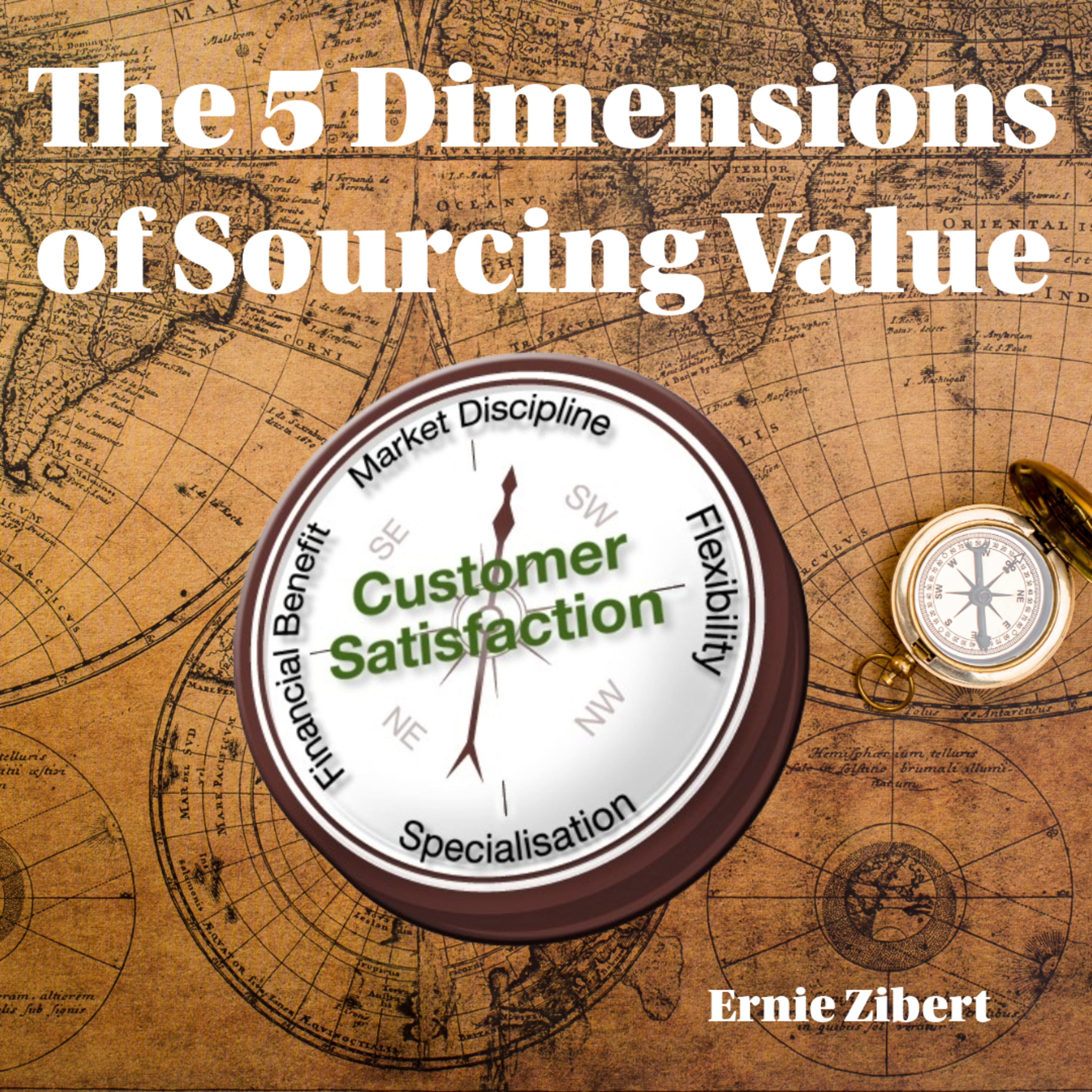
The five core areas are: ICT Financial Management (cost optimization and budget oversight), ICT Performance Management (service level and security monitoring), ICT Demand Management (project prioritization and resource allocation), ICT Customer Satisfaction (user experience and technology adoption), and ICT Sourcing Strategy and Service Design (long-term vendor planning and service improvement).
vCIO adoption among organizations increased from 1.5% in 2010 to over 25% by 2026, reflecting growing recognition of the model's value for providing executive-level guidance without full-time executive costs.
Organizations gain experienced executive guidance, stronger governance, improved supplier management, enhanced cybersecurity posture, accelerated AI adoption, better technology outcomes, and strategic direction aligned with business goals.
A vCIO reviews supplier invoices, validates contract compliance, manages technology budgets, scrutinizes service consumption, ensures costs align with market pricing, and identifies savings opportunities - ensuring organizations pay the right amount for the right things.
Our reviewer’s read on each dimension, with quotes from the episode.
The episode delivers a surface-level taxonomy of VCIO service areas with minimal novel insights. The five categories (financial management, performance management, demand management, customer satisfaction, sourcing strategy) are standard IT governance functions presented without evidence, depth, or counterintuitive angles. No specific client examples, implementation challenges, or actionable guidance beyond basic descriptions of what each function does.
Think of a VCIO as having access to executive level technology leadership on demand. You gain strategic advice, governance, commercial expertise, supplier management and technology planning, all without carrying the full cost of a permanent executive.
A VCIO reviews supplier invoices, validates contract compliance, manages technology budgets, scrutinizes service consumption, ensures costs align with market pricing, and helps leadership understand where investments should be made and and where money can be saved.
The episode recycles standard IT service delivery frameworks with no contrarian perspective, novel framing, or first-principles thinking. The VCIO model itself is presented as straightforward fractional CIO access - this is established industry practice, not fresh insight. The five service areas mirror ITIL and conventional IT governance playbooks.
Think of a VCIO as having access to executive level technology leadership on demand.
Via UH VCIO organizations can gain enterprise grade CIO capabilities for around 10% of the cost of a full time executive resource, also known as fractional executive adoption.
No identifiable guests with demonstrable operating experience appear in this transcript. The speakers (A and B) lack names, titles, or credentials. One reference to 'Ernie at Eclectic 365' is unnamed and unverified. The episode offers no practitioner perspective from someone who has actually scaled a VCIO practice or led transformation in a client organization.
Welcome to the eclectic 365 podcast where we help organizations get the most from technology without losing sight of business outcomes.
In short, Ernie at Eclectic365 describes this as paying the right amount for the right things.
The episode includes one concrete data point (VCIO adoption 1.5% in 2010 vs. 25% in 2026) and a rough cost metric (10% of full-time CIO salary), but lacks named client examples, case studies, specific outcomes, or measurable results from VCIO engagements. The five service areas are described functionally but without real-world scenarios, failure modes, or performance metrics.
Back in 2010, only 1.5% of organizations were using a UH VCIO service. In 2026 that percentage has increased to over 25%.
Via UH VCIO organizations can gain enterprise grade CIO capabilities for around 10% of the cost of a full time executive resource.
The conversation is scripted exposition with no real back-and-forth, challenge, or curiosity. Speakers alternate reading prepared points without follow-up questions, disagreement, or exploration of nuance. There is no tension, no devil's advocate, and no testing of claims (e.g., why do 75% of organizations still not use VCIO? What are the failure modes?). The format reads as a rehearsed marketing pitch rather than substantive inquiry.
Speaker A: What exactly is a VC?
Speaker B: The second area is ICT Performance Management. Speaker A: Here the VCIO monitors service levels...
Computed from the transcript - who did the talking, and the words that came up most.
A virtual CIO (vCIO) provides access to executive-leveltechnology leadership on demand. You gain strategic advice, governance, commercial expertise, supplier management, and technology planning - all without carrying the full cost of a permanent executive. Via a vCIO, organisations can gain enterprise-grade CIO capabilities for around ten percent of the cost of a full-time executive resource. Also known as fractional executive adoption.
Transcribed and scored by The B2B Podcast Index.
Speaker A: What exactly is a VC? Welcome to the eclectic 365 podcast where we help organizations get the most from technology without losing sight of business outcomes.
Speaker B: And today we're talking about a role that's becoming increasingly important for small and medium sized organizations, the virtual Chief Information Officer or vcio.
Speaker A: Many organizations need strategic technology leadership, but don't necessarily need or can't justify the cost of a full time cio. That's where a VCIO comes in.
Speaker B: Think of a VCIO as having access to executive level technology leadership on demand. You gain strategic advice, governance, commercial expertise, supplier management and technology planning, all without carrying the full cost of a permanent executive. Via UH VCIO organizations can gain enterprise grade CIO capabilities for around 10% of the cost of a full time executive resource, also known as fractional executive adoption.
Speaker A: The real value of a VCIO is delivered through five core service areas. Let's walk through them.
Speaker B: The first area is ICT Financial Management. This is all about ensuring technology spending delivers value.
Speaker A: A ah VCIO reviews supplier invoices, validates contract compliance, manages technology budgets, scrutinizes service consumption, ensures costs align with market pricing, and helps leadership understand where investments should be made and and where money can be saved. In short, Ernie at Eclectic 365 describes this as paying the right amount for the right things.
Speaker B: The second area is ICT Performance Management.
Speaker A: Here the VCIO monitors service levels, reviews supplier performance, oversees access management and information security, AI adoption and use, and ensures technology services are meeting organizational expectations. They also facilitate governance forums such as IT steering committees to keep everyone aligned.
Speaker B: The third area is ICT Demand Management.
Speaker A: Every organization has projects competing for attention and funding. The VCIO helps prioritize initiatives, reviews project progress, manages risks, and ensures technology resources are focused on the programs that deliver the greatest business benefit.
Speaker B: The fourth area is ICT Customer Satisfaction. Technology isn't successful unless people have a positive experience using it.
Speaker A: Exactly. Avistio UH regularly assesses staff and customer satisfaction with technology services, identifies improvement opportunities, and ensures it remains focused on supporting users and business outcomes rather than simply operating systems.
Speaker B: And finally, the fifth area, ICT Sourcing Strategy and Service Design.
Speaker A: This is where the long term planning happens. A UH VCIO aligns technology services with organizational goals, develops sourcing strategies, evaluates vendors and service models, and drives continual service improvement to ensure the organization remains secure, efficient and future ready.
Speaker B: When you combine these five disciplines financial management, performance management, demand management, customer satisfaction and sourcing strategy, you get a comprehensive framework for governing technology and maximizing value.
Speaker A: And that's why more organizations are turning to VCIO services. Back in 2010, only 1.5% of organizations were using a UH VCIO service. In 2026 that percentage has increased to over 25%. They gain experienced executive guidance, stronger governance, improved supplier management, improved cybersecurity posture, AI adoption model, better technology outcomes and strategic direction. All. All for a fraction of the cost of hiring a full time cio.
Speaker B: Thanks for joining us today.
Speaker A: Until next time, stay strategic, stay secure and stay focused on outcomes.
Speaker B: And remember, Eclectic365 IT consulting will help keep your head safely in the cloud and your feet firmly on the ground.
Other episodes covering the same guests and topics, from across The B2B Podcast Index.
 Securing Millions of Lives Through Identity-First Strategy with Richard Henderson of Alberta Health ServicesAuthenticate This! The Cybersecurity Leadership Podcast · on IT governance76 / 100
 How Agiliti Wins Clients for Life with Business-Focused TechStart Grow Manage · on VCIO (Virtual Chief Information Officer)75 / 100
 The SDM Formula33 / 100
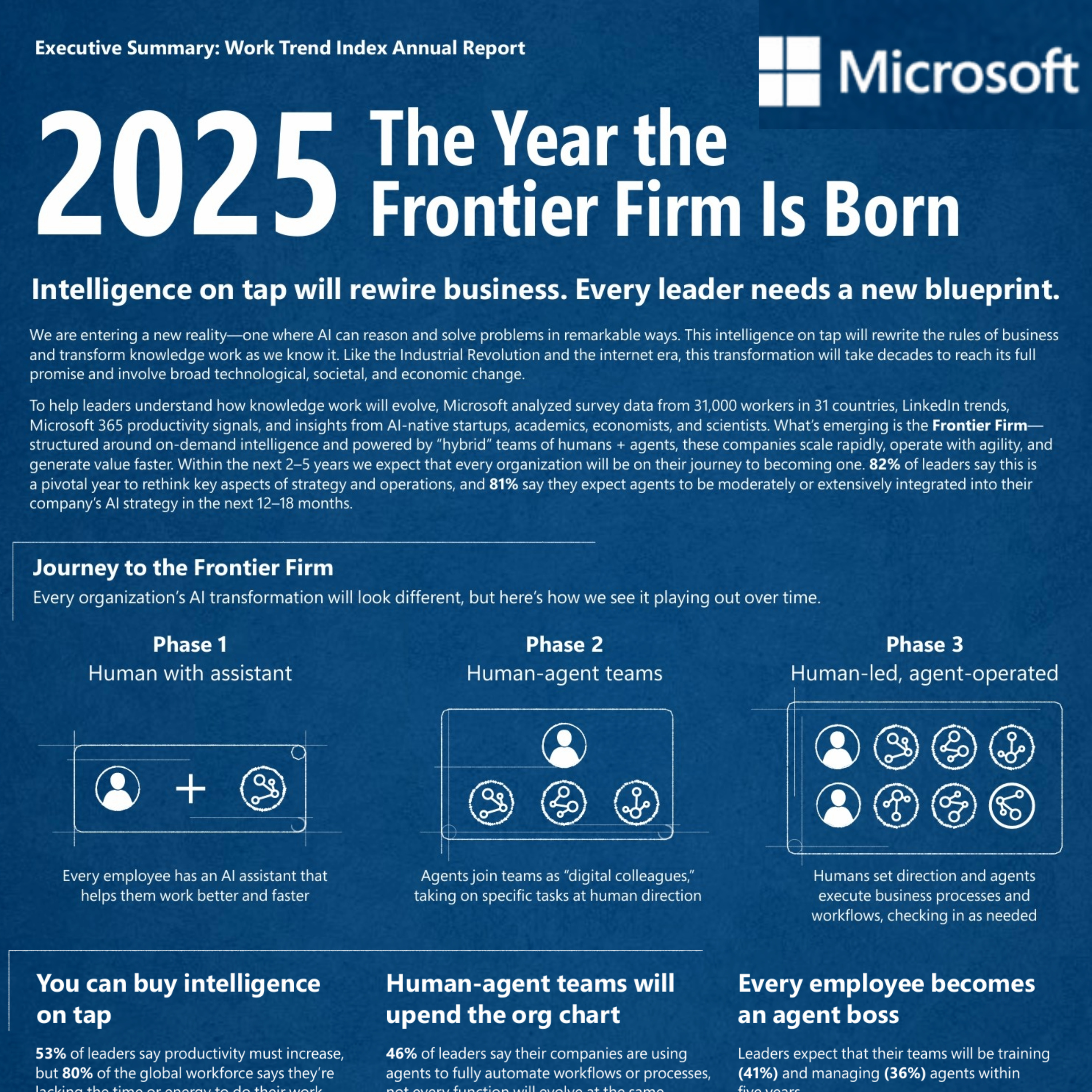 Microsoft Work Trends Index 2025 Summary35 / 100
 What’s wrong with outsourcing?39 / 100
 Size Doesn’t Matter: The Truth About IT Sourcing Deals
 The 5 Dimensions of Sourcing Value