
Hotel Tech Insider · 2026-05-05 · 27 min
Key moments - from our scoring
Substance score
56 / 100
Five dimensions, 20 points each
Ejaz Sodawala leads Yanolja Cloud Solution (formerly EZ Technosys), a property management platform serving over 23,000 hotels across 170 countries. The company has evolved from on-premise PMS software to a cloud-based platform offering booking engines, channel managers, F&B systems, dynamic pricing, and 600+ integrations. Sodawala articulates a critical vision for hotel tech's near future: the shift from tactical AI use cases to agentic PMS systems - where autonomous agents handle specific workflows like reservations, check-ins, and guest communications, freeing staff for genuine hospitality. He identifies data silos as the primary barrier to AI adoption; hotels operating fragmented tech stacks cannot access the unified data layer required for intelligent automation. Sodawala cites client successes including Sussex Model Group (driving 22% direct bookings through a tightly integrated system) and Jostel (building custom workflows via APIs across 100+ hostel locations). He argues the industry's move toward platform-based solutions rather than point products or loosely integrated marketplaces is essential, and controversially suggests technology should become invisible - eliminating forced guest interactions and reducing friction rather than adding touchpoints.
An agentic PMS uses specialized autonomous agents to handle specific hotel workflows - a reservation agent processes bookings, a check-in agent manages arrivals, a receptionist agent handles communications - eliminating repetitive manual tasks and freeing staff to spend more time with guests on genuine hospitality rather than administrative work.
When hotels use multiple disconnected apps without a common data layer, their data remains siloed across different systems, making it impossible for AI to access the unified information needed to make intelligent decisions and recommendations about pricing, operations, or guest service.
Hotels can drive direct bookings by implementing tightly integrated booking engines, creating destination-specific website content that tells their unique story, using price comparison tools to show direct booking benefits, and ensuring seamless payment processing - strategies like these have driven 20%+ of total reservations through direct channels.
True platforms operate on a common core data structure with tight integration between PMS, distribution, F&B, and other functions - preventing data silos - whereas marketplaces with loosely connected apps create fragmented data environments that limit AI effectiveness and operational efficiency.
Hotel tech evolved from on-premise server-based PMS (2005) to cloud-based systems (2011+), then expanded to multi-product platforms with APIs and mobile apps, and is now transitioning to agentic systems where autonomous AI agents actively manage hotel workflows rather than just serving as records of transactions.
Our reviewer’s read on each dimension, with quotes from the episode.
The episode contains some substantive ideas about AI agents replacing repetitive hotel tasks and the shift from tactical to holistic AI, but spends considerable time on company background, generic platform evolution, and padding. Key insights about agentic PMS and data silos are present but underdeveloped; much of the conversation retreads familiar hotel tech talking points without drilling into novel mechanics or implementation details.
I think the world of agentic PMS or a hotel running by agents, I think that's kind of a future I visualize where it's a kind of army of agents
when there is a data silo, I think the leverage of AI cannot be achieved
The guest articulates a contrarian view on forcing human interaction and making technology invisible, which is mildly fresh. However, the core narrative - platform consolidation, OTA commission pressure, direct booking optimization - is standard hotel tech discourse. The agentic AI framing is topical but not deeply original; it's a straightforward application of current AI industry trends to hotels without distinctive perspective.
forcing a guest into a mandatory conversations...it's not good
how as an industry we can make this technology to completely disappear, actually
Ejaz Sodawala is a 15+ year operator and CEO of a company serving 23,000 hotels across 170 countries, demonstrating real scale and domain depth. He speaks from operational experience rather than theory, and his company has genuine customer relationships and case studies. However, he is primarily a vendor CEO speaking about his own platform rather than an independent practitioner or analyst offering unfiltered perspective.
I am heading this hotel technology company for more than fifteen years now
over 23,000 hotels in more than 170 countries use Yanoja's software
The episode includes two named customer cases (Sussex Model Group achieving 22% direct bookings; Jocelyn hostel chain growing from 1 to 100+ locations) and concrete metrics (23,000 hotels, 170 countries, 15+ year timeline). However, the Sussex example lacks depth (no revenue impact, margin uplift, or timeline specifics), and most claims lack supporting numbers. The data silo problem is mentioned repeatedly but never quantified or illustrated with concrete examples.
Sussex Model Group...driving close to more than 22% of their total reservations through their own website
Jocelyn...they operate more than 100 locations
The host asks open-ended questions but rarely pushes back, drill down, or challenge claims. Questions are mostly receptive and allow the guest to deliver company narrative rather than probe into complexity. When the guest makes bold claims about agentic AI or the future of hotel tech, the host does not ask for evidence, timelines, or realistic constraints. No genuine follow-ups that would test or extend the guest's thinking.
To kick things off, I would love for you to introduce yourself and give us an intro on your company
Can you think of maybe two or three of your company's most successful clients?
Computed from the transcript - who did the talking, and the words that came up most.
What if your hotel ran itself - an “army of AI agents” handling everything from reservations to check-in - while your staff focused entirely on guests? In this episode, Aejaz Sodawala, CEO of Yanolja Cloud Solution, shares a forward-looking blueprint for how hotel tech is evolving - from fragmented systems to unified, AI-driven platforms powering over 33,000 hotels globally. Takeaways: Why data silos are quietly killing your AI strategy - and how to restructure your tech stack around a shared data layer to unlock real-time decision-making and automation. How leading operators are driving 20%+ direct bookings - using integrated booking engines, pricing transparency vs OTAs, and content-driven websites that convert. What “agentic PMS” actually means in practice - and how AI agents will replace repetitive roles (reservations, check-in, pricing) to free staff for higher-value guest interaction. Aejaz has spent 15+ years scaling hotel tech from on-premise systems to cloud platforms now used in 170+ countries. His perspective cuts through the AI hype: most hotels aren’t ready - not because of tools, but because of fragmented infrastructure. The surprising insight?
Transcribed and scored by The B2B Podcast Index.
I think the world of agentic PMS or a hotel running by agents, I think that's kind of a future I visualize where it's a kind of army of agents. From Hotel Tech Report, it's Hotel Tech Insider, a show about the future of hotels and the technology that powers them. Today on podcast, we have Ejaz Sodawala, the CEO of Yanoja Cloud Solution. The company started in 2005, and now over 23,000 hotels in more than 170 countries use Yanoja's software.
Ejaz predicts how the hotel tech space will evolve in the next few years, particularly expecting the shift from tactical AI use cases to more holistic leveraging of AI. Let's dive in. Thank you so much, AJS, for joining us on the podcast today. To kick things off, I would love for you to introduce yourself and give us an intro on your company.
Oh, yes. Thanks, for having me today on this podcast. Yeah, I am heading this hotel technology company for more than fifteen years now. I'm CEO at YCS, Yanolja Cloud Solution, previously known as the EZ Technosys, been acquired by Yanolja.
In this space, it's more than fifteen years solving the hoteliers' day to day problems every day, right, And working on the mission to how we can really empower the hoteliers through the technology so they can achieve the better revenue, maximize their sales, maximize their operational efficiency, deliver better guest experience. On a personal ground, I have been traveling to more than 40 countries in last ten years, had a chance to travel across the globe, parents to kids, eighth grade, and another in the five years old daughter.
Yeah. Perfect. Well, thanks for the intro. I'm so curious to learn more about your company and how you're thinking about the technology space, But to gain a common understanding of the space in which you work, could you tell me a bit about the typical hotel who uses Yanolja, and what are some of the key features that your system offers?
So to share about Yanolja Cloud solution, this is a subsidiary of the Yanolja Travel Tech company based out of South Korea. Right? And as a part of the Tower Tech company conglomerate, we are a subsidiary who take care of the hotel technology side. So when it comes to the hotel for their day to day operation, the PMS, need of the PMS, the distribution is the channel manager, the direct booking engine, the F and B pause, those are the solutions which we provide as the one unified platform.
North America right now. Since the company has been around for a while, I'm curious to hear how the company has evolved and how have you made sure that the business stays current when technology changes so often? Yeah. That's very interesting.
So at the end, you need to go back little bit in the back in the time. So we started in 2005. Those days, it is on premise hotel technology, typically installed on the servers, sitting into the hotels, behind the walls of the hotels. Right?
Those were the days. And when then we see the transition towards the cloud, starting from 2011 onwards where we built the cloud products and started scaling on our cloud products. So that is a tremendous technology shift. And in those era, we also saw the mobile apps and smartphones taking over, right, to the operation.
And the whole from disconnected environment of the hotel, it became connected anywhere, any place. And from now, from the cloud, I think we are talking about an era of AI. So over the years as a company, we have always evolved to what we offer to the our clients and from to the new technology perspective. It's a real example where we transit from on premise to the cloud technology.
And also when we begin our journey in 2005, we were predominantly doing the PMS only business. Right? And over the years, from single product of PMS, we created a platform which covers the booking engine, channel manager, FMB pause, dynamic pricing, offering the website builder, and so on. So it becomes platforms and including of the mobile apps, APIs, marketplace for 600 plus integrations.
So it's like offering the hoteliers with the latest of all the time. Right? And that's how it has evolved over the years. And, obviously, when in 2019, when Yanolja acquired, we got a great backup in terms of how the travel tech innovator in South Korea thinks, and that has helped us reinforce our dreams of putting more innovations into the hotel technology.
What have been some of the biggest challenges or the biggest hurdles that the company has had to overcome in the last several years? I think every company goes through over the decades when we operate for more than twenty years, I think we have gone through many hurdles every time. Right? And that's the fun thing about operating the business also, where you get to have a lot of hurdles and challenges.
But if I have to specifically talk about one hurdle, I think in recent times, you see, I'm sure. I mean, you we experience the change around the AI and the technology is at the tremendous speed. Right? And how as a company we make it to our customers, our hotel partners, bringing them from traditional long premise software to the cloud software And in cloud software, which is a system of records, how we turn around this as an intelligent platform, which helps them make the decisions, right, which helps them take actionable steps, right, to achieve better revenues or to achieve the seamless operations or to deliver the better and best guest experiences.
So to have this, I think an AI to really work upon, there has to be a good data infrastructure. And too many in today's scenario, I think as a hotel, as a company, and also the environment, what we see, the as the hotel has a lot of multiple apps which they use, which are not connected very well, which are not on the common data layer, and, thus, data access in silos. And when there is a data silo, I think the leverage of AI cannot be achieved. Right?
So we see this as a hurdle from here on, right, for our company also. How we build a structured layer for data where hotels have all the data on a platform and to really take advantage of the AI. I can see hotels wanting to leverage the full power that AI can offer, but because of the way their tech stack is built, they can't. So what does a future ready tech stack look like?
And what are the best practices or common mistakes that a hotel would want to prevent when composing that ideal tech stack? One thing I would say is about future tech stack is about the platform and not individual apps. I think as an industry, we are moving towards a platform model. So to say the PMS or their FMB pause or a distribution of the rates and inventories, getting more bookings through the OTAs, or getting more bookings through the TATO or direct websites and the booking, the marketing, everything will sit on the one platform.
That's how I see how industry moving, how the trend moving, and that is how I would want to see Hotel Tech to look like. And having an opportunity for a hotel to have access to the APIs, right, open APIs to build on top of it, to connect with any any other systems, right, on a common core data structures. That's how I see the TxTag, which will really bring enormous efficiency in operation as well as help in maximizing the revenue. Can you think of maybe two or three of your company's most successful clients?
And what are they doing maybe differently than their peers in terms of composing their tech stack or using software in a way that's most effective? Oh, sure. I mean, picking up couple of them from thousands is definitely a job. But let me talk about one of our client based out of US.
It's Sussex Model Group. As I recall, they have five or six properties in The US market. And one of the challenge they face is about the margin in the business. And as everyone would know, while OTAs also take the larger commission portion and thus impacts a lot of margin, so how do the hotel can really bring in more direct bookings, seamless processes, payment processing, tightly integrated, the booking engine which works on making the more conversions.
Right? So this particular hotel group is driving close to more than 22% of their total reservations through their own website, which is completely commission free. Right? And that helps them to become a margin product on the overall success of the hotel.
If I talk about one more, let's say, a Jostel, which is a chain of hostels, and they operate more than 100 locations. Most of them in India, but also they have in Bhutan, Nepal, and some in Thailand. And we our partnership with them goes back to, I think, more than a decade now. So they sell the private rooms as well as the backpacker domes.
Right? The beds. And what Jocelyn does it differently is building using our APIs. Right?
Building their own workflows for lot of processes and their costa because they target more of Zanzis and millennials, white, solo travelers, foreign travelers, female travelers. There are various target audiences, very specific. And to do them, they really leverage on the data and use the APIs to build more workflows on top of that to seamlessly manage the operation and also the distributions towards the travel agents, online travel agents, which specifically helps to the hostels.
And I'm really proud that together when they started with the one location more than ten years back, today, they are close to more than 100 plus locations across India and some other countries. So in all, I mean, we have so many cases, right, to talk about. But using technology for one room to 500 plus rooms or having the technology for one location to 100 plus locations from one country to multi country, or using one solution and then using a full of platform, there's a different kind of leverage every customer is acquiring through our platform.
The price comparison, is that something that your platform offers? And if so, what kind of impact do you see? Hotels that implement that type of price comparison tool. Price comparison is mainly about so you know what happens in the guest booking journey.
Typically, they see what is the rates and plans and the discounts and the offers available for a particular hotel on the different OTAs, bookings, and experience of the world. Alright? And the same property, what is the price and offers available if I am booking direct? So we are able to show the price of the same hotels, how it looks like on the OTS versus if they are booking direct.
Right? So what with the application of the promotions and the discount, what they can get. And that's how it is part of our solution when it comes to the direct booking engine where we give the price of the same hotels on the different OTAs. Do you have any other best practices that you've seen clients implement to improve direct bookings or improve margin?
So a few other things what I have seen is, like, it is more towards not the but the booking engine, but more towards their own website. Right? And how website is not a generic, but moving towards the content, the experience story, what that destination offers, what that location offers. Right?
And that kind of story and very specific to the property itself also has helped us a lot of hoteliers and that I see as a, I mean, differentiator between one property and another property. What is their story, right, about the hotel? And I can see the good bunch of hoteliers doing that, Right? About talking about destination, talking about their own hotels, talking about their guests and experiences.
I want to switch gears a little and talk about the hotel software landscape more broadly. What do you see have been the biggest changes in hotel software in the last couple of years could be specific to the PMS booking engine distribution platform like yours or just more broadly in the Hotel Tech space? What have been the biggest changes that you've noticed recently? I mean, if we look at the YCS, our own story, we came from on premise technology to cloud technology.
We came from one product to multiproduct. We operate in one or two countries. So today, having customers in 170 countries. Right?
And thousands of hoteliers globally plus us. As we see the landscape for hotel software and techno hotel technology space has always been evolving. Right? But last few years, I think AI has taken over a lot.
Okay? AI was really in my thinking, it was really a buzzword when I see probably two, three years back. And when I see it today, I think it's fundamentally very different. Alright?
It was more of generative AI only when we talk a couple of years back. But now I think it's about agentic world. Right? Agentic PMS, what it can come up with.
Right? And this is something I think tremendous shift in how hotel software companies will operate and how the landscape will further evolve in next five years and ten years. So AI is gonna be the center stage in my thinking. Right?
That will make a lot of change in terms of how every hotel software company will operate. Going off of that, how do you think software companies will adapt in two, three years into the future? If we were to look back on this moment, what do you think would be the changes that we would see to the way Hotel Tech works today? So a lot of Hotel Tech operated as a system of records.
Right? I think even last couple of years, lot of companies try to build on AI, but I think it's more of very limited practical usage cases, which are really really solved in the real time world. But from here on, I think from here on onwards, it's gonna be very exciting. I think the world of agentic PMS or a hotel running by agents, I think that's kind of future I visualize where it's a kind of army of agents.
And this army is just considered like in a hotel. You have a front office manager, and you have a reservation manager. You have a receptionist. Right?
So the agent basically handles a booking. Then the the whole flow goes to the booking agent. And then there is the agent who does the check-in all the time. So that goes to the check-in agent.
So kind of army of agents which will fundamentally take over lot of repetitive works, right, for the hotels, hotel staffs. And I think it is gonna be time where it will really give back to the hospitality, the time to make hospitality real hospitable. Right? So the people sitting at the back of the receptions will come out and spend time with the guests.
That's what I think should happen will happen in times to come. And we at YCS are also on that that direction, how we make those kind of changes, right, and implement those kind of innovations, which can drive and make the technology more of an invisible and this kind of agents can operate. We're on to our last question before we wrap up. I always like to finish with this one.
What is one thing you believe about hotels and our hotel tech space that you think others in the industry would disagree with you about? Oh, okay. I don't know if everyone will disagree, but I think most of may disagree. What I think is about lot of Hotel Tech companies operate, right, on having connected to many other companies.
Right? Or I would say that offering only a very specific solution, I think that kind of may not be the right model going forward because at the core, I think the company to really operate as in a platform. Unless and until the integrations are so tightly bound, right, which does not create the data silos. In my thinking, despite so much noise about marketplace and the integration, the real one we talk with the hotel, they still feel the pain about the data silos and the disconnections or not very good connections between the different apps.
So that's one issue. Another is many companies who claim to be offering everything in one, all in one, but not really, right, is gonna be the one of the issues. Right? And I think the value prop may be not only the the just that you are offering the PMS or you are offering only the distribution and become a all in one.
Right? There are more part of the hotel ops, and there are more part to the hotel distribution. There are more part which can tackle on the revenues. So to become nearly all in one, there has to be lot to be defined in the space.
And also the controversial belief about the human tax, I think. This ties directly, like, into a belief I have that many hoteliers disagree with also. Right? The industry loves to have the how to view the warm welcomes at the front office and all.
But I believe that forcing a guest into a mandatory conversations. Right? When the guest has just arrived, let's say, at eleven in the evening from a long flight, and then you have a forced conversation, it's not good. It's I think it's not that's more of a SOP processes driven.
Right? And so my thinking, which a lot of other tech people will not agree, is, like, how as an industry we can make this technology to completely disappear, actually. Right? And making really, really less where touchpoint of the technology for a hotelier to work upon and still get things done.
That's, I think, what I feel about. Well, thank you so much for being on the podcast today. You so much for having me, and it was a pleasure speaking to episode. Thanks for listening to Hotel Tech Insider produced by hoteltechreport.
com. Our goal with this podcast is to show you how the best in the business are leveraging technology to grow their properties and outperform the concept by using innovative digital tools and strategies. I encourage all of our listeners to go try at least one of these strategies or tools that you learned from today's episode. Successful digital transformation is all about consistent small experiments over a long period of time, so don't wait until tomorrow to try something new.
Do you know a hotelier who would be great to feature on this show, or do you think that your story would bring a lot of value to our audience? Reach out to me directly on LinkedIn by searching for Jordan Hollander. For more episodes like this, follow Hotel Tech Insider on all major streaming platforms like Spotify and Apple Music.
Other episodes covering the same guests and topics, from across The B2B Podcast Index.
 Radiology Can't Keep Up. Here's Where AI Actually Helps | Dr. Nina KottlerRethink Imaging · on Agentic AI96 / 100
 Can responsible AI beat hallucinations?The ITPro Podcast · on Agentic AI95 / 100
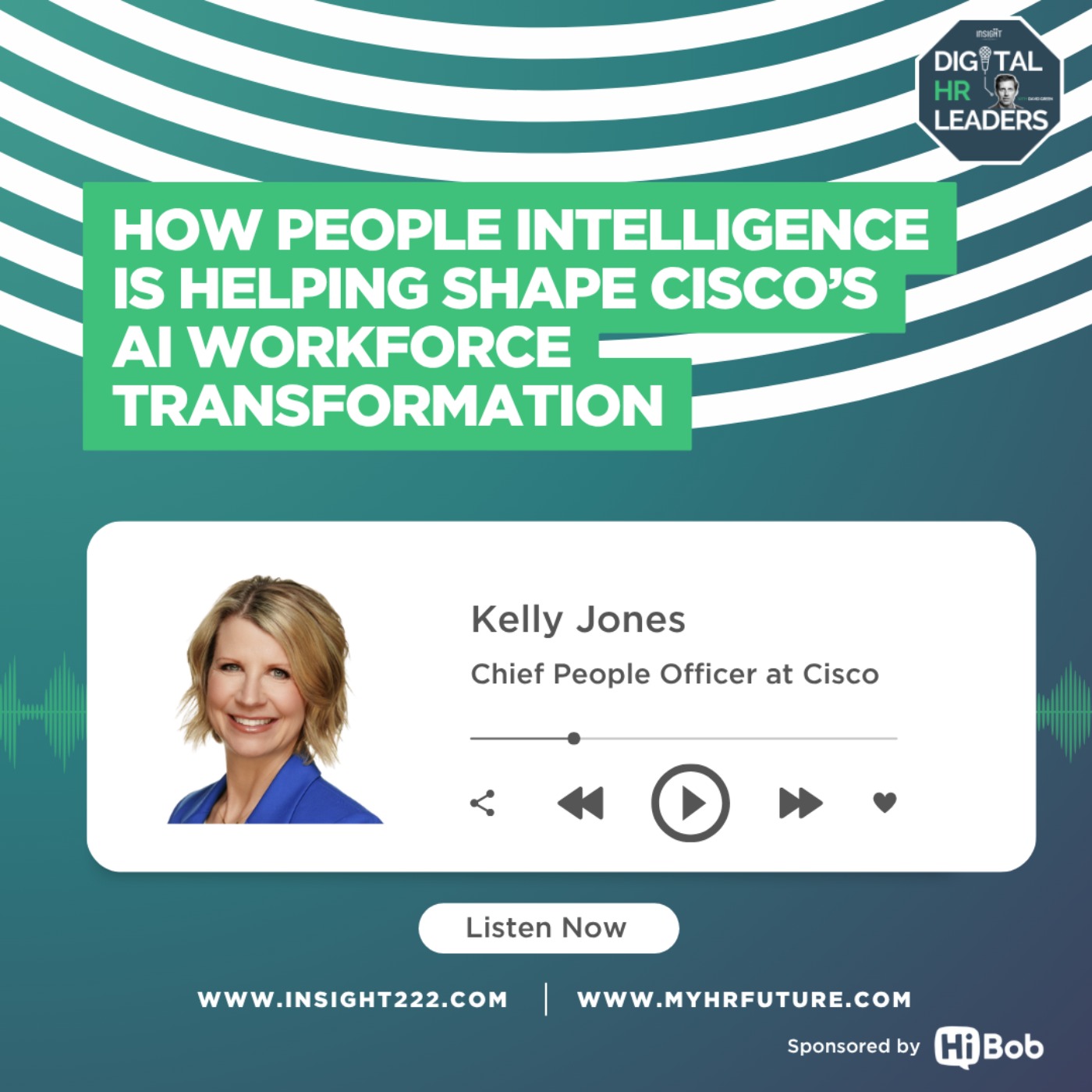 How People Intelligence Is Helping Shape Cisco’s AI Workforce TransformationDigital HR Leaders with David Green · on Agentic AI92 / 100
 Agentic AI in the Commercial Workflow with Johnson Controls CDIO Vijay SankaranEnterprise AI Innovators · on Agentic AI88 / 100
 Turning AI Agents Into Revenue Workflows With OutreachTech Talks Daily · on Agentic AI83 / 100
 Unscripted with Victor: Agentic AI, Fintech's Future, and the Death of the App EconomyVentures from The Valley · on Agentic AI83 / 100
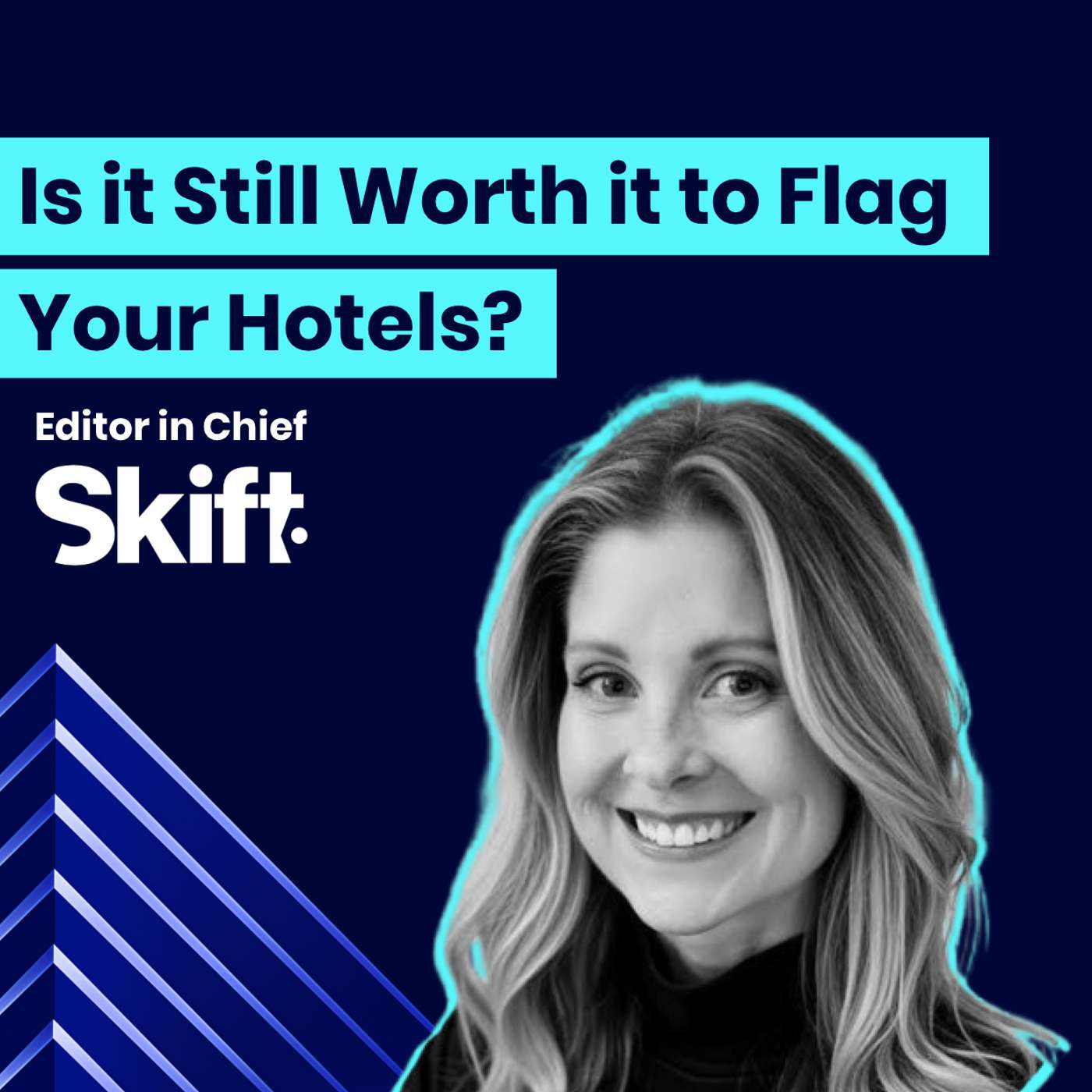 Skift Editor-in-Chief on Why Hotels Are Going Independent80 / 100
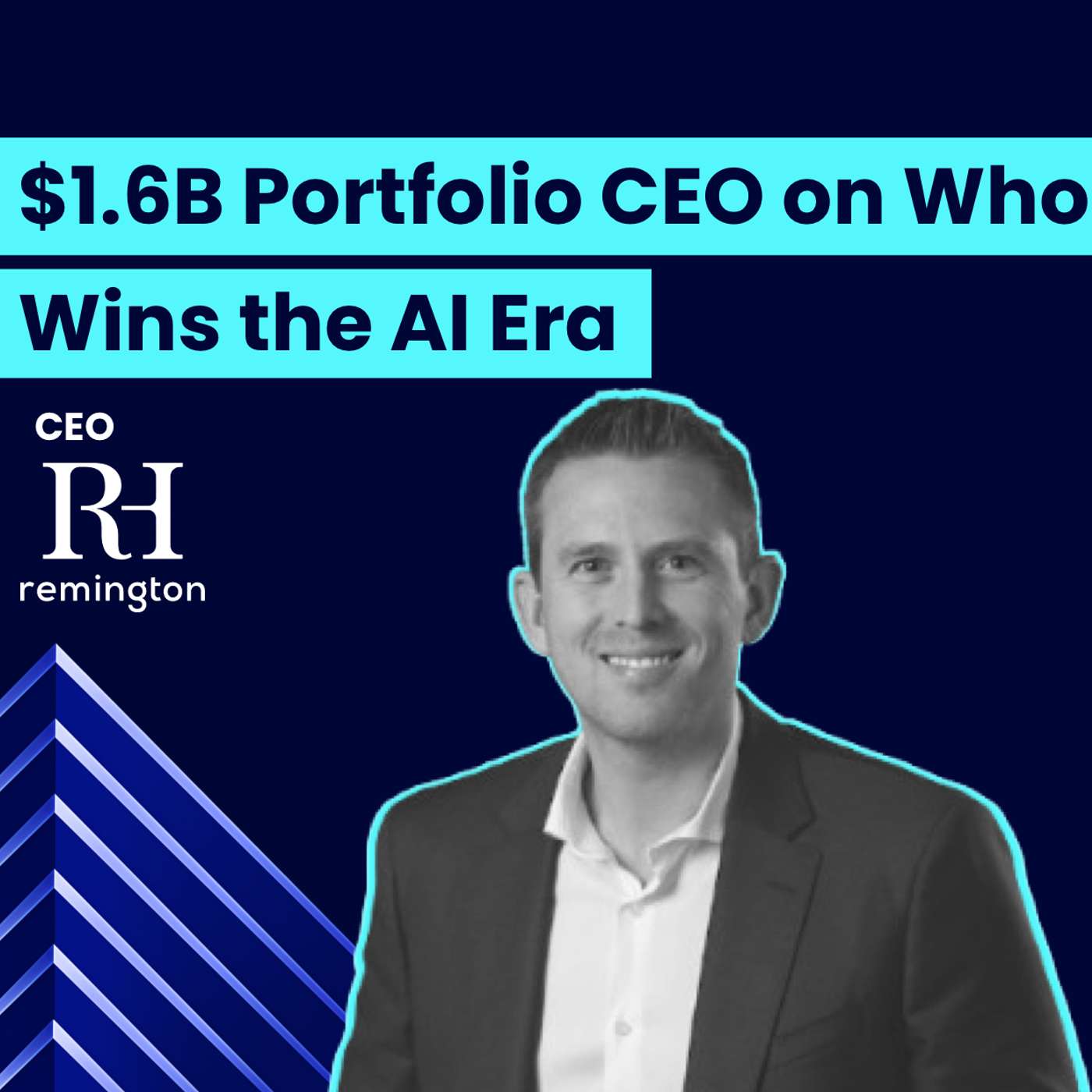 $1.6B Hotel Portfolio CEO on Who Wins the AI Era77 / 100
 Amano Group Managing Director on Scaling Hotels with Automation81 / 100
 Nomse Founder on Fixing Hotel Data Before AI Adoption80 / 100
 CEO of MEHR Consultancy on Building Cross-Platform Hotel Ops74 / 100