
HealthTech Growth · 2026-02-03 · 7 min
Key moments - from our scoring
Substance score
9 / 100
Five dimensions, 20 points each
Healthcare founders often unknowingly become the constraint limiting their own company's growth by functioning as the answer to every decision rather than building scalable systems. Speaker A identifies three critical signs of over-functioning: requiring approval for every decision, being the default problem-solver your team depends on, and being unable to unplug without operations grinding to a halt. This pattern creates slow decision-making, team disengagement, founder burnout, and ultimately an expensive job rather than a saleable business. The path to true leadership involves shifting from control to empowerment by creating standard operating procedures (SOPs), establishing clear processes tied to measurable KPIs, and developing team capacity to solve problems independently. Healthcare entrepreneurs, startup co-founders, and early-stage healthcare tech builders benefit from recognizing these bottleneck signals and restructuring operations around documented systems rather than personal involvement. The episode emphasizes that investors view founder over-functioning as a major red flag because it signals the business cannot scale beyond one person's capacity.
The three signs are: nothing moves forward without your approval, your team brings you problems instead of solutions and you're the default answer to everything, and you cannot unplug without work stalling. These patterns indicate over-functioning rather than true leadership.
True leadership involves empowering others to make their own decisions, building systems and processes that work without you, and developing your team's problem-solving capacity. This includes documenting SOPs for new initiatives, assigning clear roles based on team strengths, and creating measurable KPIs so the team can operate independently.
Founders over-function because they built the company and believe they know it best, so they assume every decision must run through them. Each time they jump in with answers, they reinforce the team's dependence, creating a cycle where the founder becomes the default problem-solver for everything.
A scalable business has documented systems and processes that work without the founder's involvement and can be sold or scaled. An expensive job requires the founder for everything, stops when they stop, has no exit strategy, and cannot grow beyond the founder's personal capacity.
Investors view over-functioning as a major red flag because it indicates the business cannot scale beyond the founder's personal capacity, creating no viable exit strategy and limiting the company's ability to grow independently of the founder's involvement.
Our reviewer’s read on each dimension, with quotes from the episode.
The episode is a short solo monologue recycling completely standard founder-bottleneck advice with zero novel claims per minute. Every point - team waits for approvals, can't unplug, build SOPs - is generic entrepreneurship boilerplate with no depth or nuance added.
Nothing moves without your approval. Your team waits for you to solve every problem.
You train them to depend on you. Every time you jump in with the answer, you reinforce that pattern.
There is no original thinking whatsoever; the 'founder as bottleneck' framework and all three 'signs' are among the most recycled tropes in startup content. No contrarian angles, no first-principles reasoning, and no counterintuitive arguments appear anywhere in the transcript.
You are not leading. You are over functioning.
A scalable business has systems and processes
There is no guest - the episode is a solo promotional monologue by an uncredentialed speaker whose only verifiable output is a pitch for their own paid workshop. No practitioner experience, scale, or domain expertise is established.
if you're ready to make that shift, I want to invite you to pitch to YES Workshop
Check the link in the description below or click just go to pitchtoyes.com
There are zero named companies, zero metrics, zero dollar figures, and zero timelines in the entire episode. The lone nod toward concreteness - mentioning writing SOPs - is itself stated in the vaguest possible terms.
the very first thing whenever we create a new campaign, new event in new initiative is writing a sop. How do we think is the best way to do this? That is a system.
Your true margins, your projected financials.
This is a scripted solo monologue with no interview, no questions, no follow-ups, and no dialogue of any kind; Speaker B contributes only a boilerplate intro and outro. The episode concludes with an overt sales pitch for a paid workshop, making it closer to an advertisement than a podcast.
Type pitch. Stop being the bottleneck.
I'm sure you've been carrying so much weight on your shoulder and it's not fun.
Computed from the transcript - who did the talking, and the words that came up most.
Are you the bottleneck in your own company, without even realizing it? Most founders believe they’re leading because every decision runs through them. But in reality, that’s often the very thing slowing growth, draining teams, and turning businesses into expensive jobs. In this episode, we break down three revealing signs that you’ve become the bottleneck in your own company, and what true leadership actually looks like instead. You’ll learn: ● Why nothing moving without your approval is a leadership red flag ● How solving every problem for your team keeps them dependent ● What it really means when your business can’t run without you ● The difference between over-functioning and scalable leadership ● How to shift from being the answer to building systems that work without you If your calendar is full of “quick questions,” your vacations don’t feel like vacations, and your team waits instead of acts, this video will hit close to home. The truth? This isn’t about working harder. It’s about working differently. Stop being the bottleneck. Start being the leader your company needs. Timestamps: 0:00 Are you the bottleneck in your own company? 1:04 Leadership or over-functioning.
Transcribed and scored by The B2B Podcast Index.
Guest: Are you the bottleneck in your own company? Most founders don't realize they are the problem. They think they are leading, but they are actually constraining their own growth. In this video, I'm going to show you three revealing signs that you have become the constraint and what to do about it.
Host: Welcome to Health Tech Growth, the weekly podcast for healthcare founders and innovators, where we explore essential strategies to create successful and sustainable healthcare startups that improve patient outcomes and transform the healthcare industry.
Guest: Here's the, uh, uncomfortable truth. You're building this company. You know it better than anyone. So naturally you think every decision needs to run through you. But here's what really happens. Nothing moves without your approval. Your team waits for you to solve every problem. And you cannot unplug, um, without things stalling. But get this. This isn't leadership. This is over functioning. And it's the difference between building a scalable business and building an expensive job. Sign number one. Nothing moves forward without your approval. Every decision awaits for you. Your team, your co founder, your board member asks permission for things they should own. You have become the gatekeeper, not the leader. Why does this happen? Because you build a company you think you know best. And maybe you do. But here's the cost. Slow decision making, missed opportunities, and a team that's disengaged because they're not empowered to think for themselves. Your team waits for you to solve every problem. They bring you problems now. Solutions. You are the default answer to everything. Your calendar is full of quick questions that aren't quick at all. You probably have a lot of quick questions. Slack messages too. Here's why this is happening. You train them to depend on you. Every time you jump in with the answer, you reinforce that pattern. The cost. You're doing their thinking. Then why would you pay them or share equity with them? They're not developing skills and you're stuck in the weeds. Instead of leading at the strategic level. You cannot unplug without things stalling. Vacation means work stops while you're on vacation. You still check slacks and emails constantly because things fall apart without you. The business runs on you, not systems. This happens because you haven't built infrastructure or empowered leadership and the cause is massive burned out. And uh, if you're expecting your co, founder or your partner with even funding the person to replace you and doing the same thing as you, they will also burn out. No exit strategy and a, uh, business that cannot scale beyond your personal capacity. This is the true red flag for majority of investors looking at your company. If you recognize Yourself in these signs. Here's what you need to hear. Slow, deliberate delivery. You are not leading. You are over functioning. You build an expensive job for yourself, not a scalable business. And this isn't uh, about working harder, it's about working differently. So what does leadership actually look like? Over functioning looks like being the answer to everything. You jump in to speak before someone even stops talking. You're trying to control every decision and want to be in every single room when those decisions are made and believing that it's faster if I just do it. Now. True leadership looks like empowering others to make their own decisions, building systems that work without you, and developing your team's capacity to solve problems on their own. The real question is, are you building a business or a job? A scalable business has systems and processes, although some people have no idea what that even looks like. For us, the very first thing whenever we create a new campaign, new event in new initiative is writing a sop. How do we think is the best way to do this? That is a system. And you sign people to each role in the each step, thinking about what they already do and what they good at, that becomes a process. Therefore, when you come to think about what this system process can do for you and create a KPI immeasurable end result you wanted to achieve, then the team operates independently. It can grow without you being in every decision. An expensive job requires you for everything. It stops when you stop and it cannot be sold or scaled. That means you have no exit plan. There is a shift from bottleneck to leader to become a true leader and stop over functioning. I think you get the gist. And if you're ready to make that shift, I want to invite you to pitch to YES Workshop. This is where we can help you craft the right messages that so clear your teen can run with it without you caring at all. Because at uh, the end of the day, if your team have no idea what you're trying to tell them, that means they will not do anything. And the same thing if the investors are not understanding what you are trying to create. Your true margins, your projected financials. The right people are doing the right things. They are also going to back away. When your pitch is dialed in, your influence will become massive. You don't have to be the one explaining it all every single time. Check the link in the description below or click just go to pitchtoyes.com or type pitch in the comment and we'll send you the registration link. Type pitch. Stop being the bottleneck. I'm sure you've been carrying so much weight on your shoulder and it's not fun. Start being the leader you company need you to be.
Host: Thank you for listening to Health Tech Growth. If you're a health care tech innovator or founder interested in being a featured guest on our show, or visit HealthTechGrowth IO to learn more.
Other episodes covering the same guests and topics, from across The B2B Podcast Index.
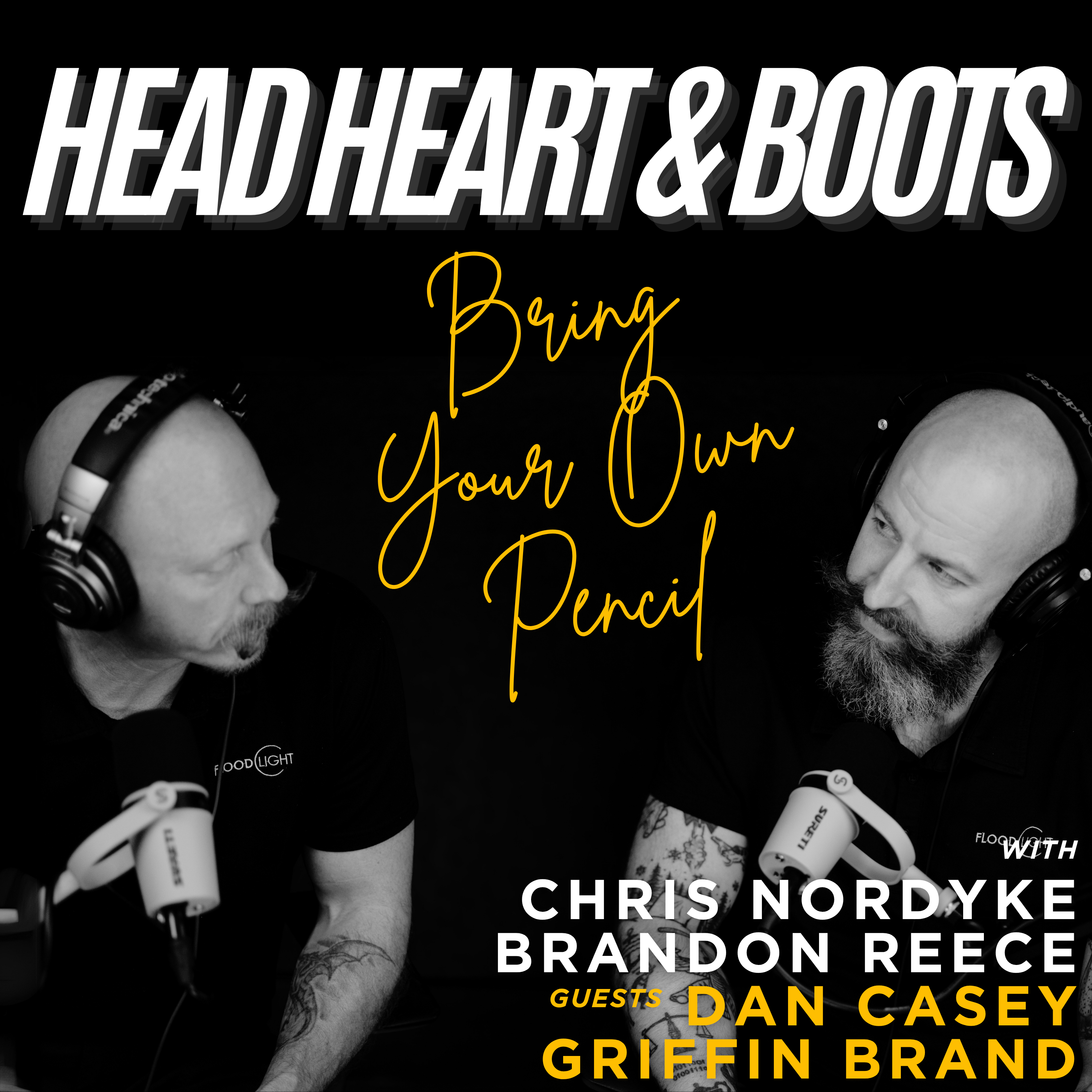 Ep 213 - "Bring Your Own Pencil"Head Heart & Boots · on Standard Operating Procedures (SOPs)83 / 100
 499. Smarter Restaurant Operations: More Revenue, Better Culture, Happier Guests - Joe MikulichRestaurant Rockstars Podcast · on Standard Operating Procedures (SOPs)80 / 100
 The One Document That Raises Your Business Valuation | Nathan Baws (#95)Exit Algorithms · on Standard Operating Procedures (SOPs)76 / 100
 Great strategy won't save you - execution will - #72The Consulting Pulse by CMap · on Founder bottlenecks75 / 100
 When Life Happens: Is Your Business Ready? Part-1Biz Help For You · on Standard Operating Procedures (SOPs)70 / 100
 How Credit Unions Are Using AI to Support Board Communication and Strategic PlanningC.U. on the Show · on Standard Operating Procedures (SOPs)70 / 100
 Why Your Excellent Product Dies in the Final Stage37 / 100
 How to Stop Being the Bottleneck in Your Own HealthTech Company26 / 100
 Driving Growth in HealthTech: Miracle Mobility's Strategy for Success53 / 100
 Bridging Innovation with Investment: From Concept to Cancer Treatment56 / 100
 Transforming Fertility Experiences: The Role of Technology and Empathy57 / 100