
FinPod · 2026-04-16 · 21 min
In this episode of Corporate Finance Explained, we dive into one of the most critical but overlooked foundations of finance: internal controls and fraud prevention. What starts as a simple reconciliation issue quickly becomes a much bigger question about trust, accuracy, and the systems that keep businesses running. Internal controls are often misunderstood as bureaucratic red tape, but in reality, they function as the immune system of a company. They are the invisible guardrails that ensure financial data is accurate, operations run efficiently, and organizations remain compliant with regulations. Without them, even the largest companies can collapse under the weight of errors or fraud. We break down the three core types of internal controls, preventive, detective, and corrective, and explain how they work together to protect a company’s financial integrity. From segregation of duties and access controls to reconciliations and internal audits, you will learn how finance teams design systems that catch issues before they become catastrophic. This episode also explores real-world case studies that show both success and failure.
Other episodes covering the same guests and topics, from across The B2B Podcast Index.
 GRC Is Broken... And Nobody Wants to Admit It ft Dylan O’Dell, AVP Information Risk Officer @ ManulifeSecurity & GRC Decoded · on Risk management95 / 100
 Trust, stablecoins, and the AI margin squeeze:What McKinsey and QED's fintech report means for banksTearsheet Podcast: Exploring Financial Services Together · on Banking89 / 100
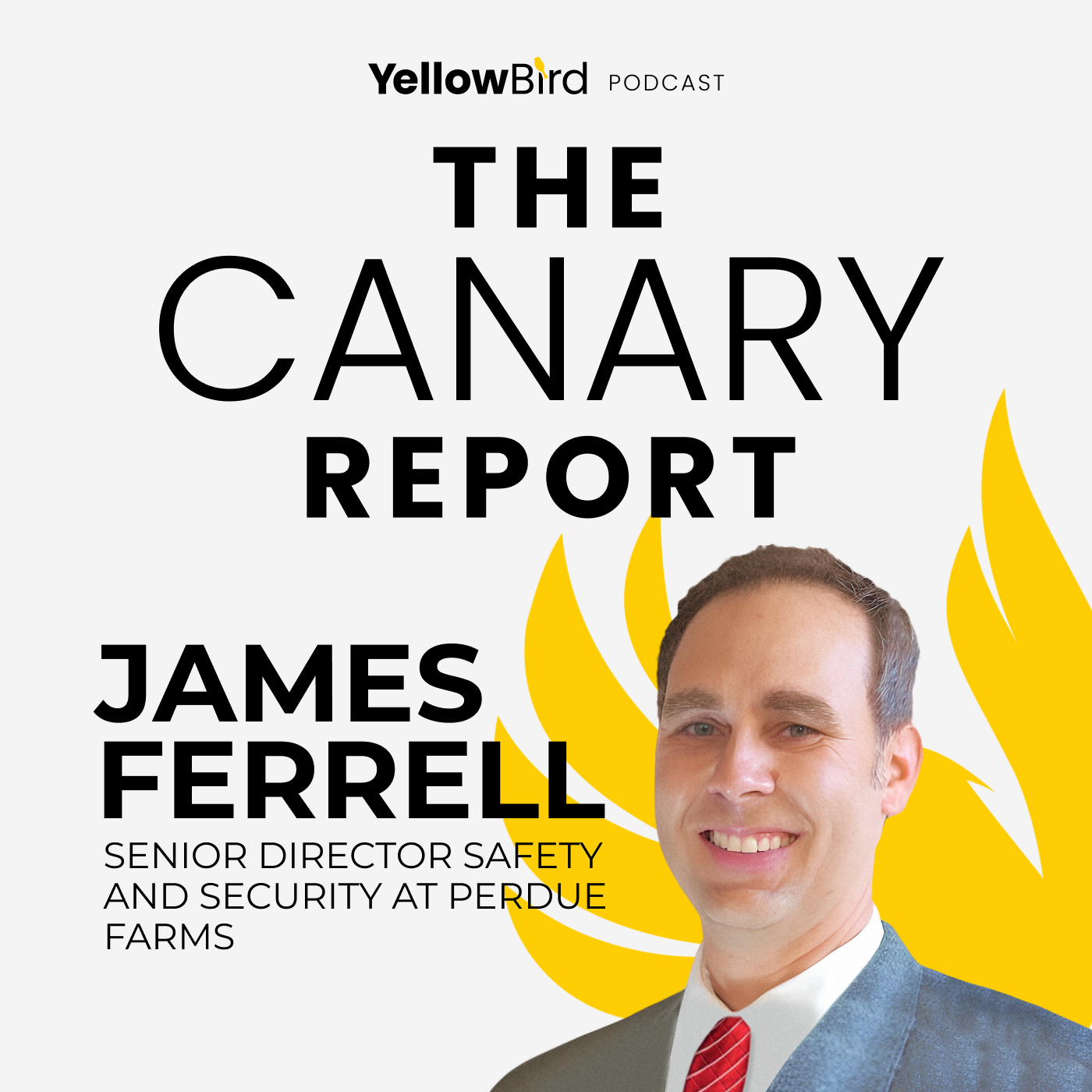 Systems Over Signs: How James Ferrell is Engineering Out Workplace HazardsThe Canary Report: Safety & Risk Management · on Risk management79 / 100
 S2 EP 27 Building Billions with JD Ross: Inside the Playbook Behind Multi-Billion Dollar CompaniesBuilding Billions with Brandon Dawson · on Risk management79 / 100
 Revisiting: Wall Street to SaaS CFO with Carla Cooper (CFO @ Contentful)The Growth-Minded CFO · on FP&A78 / 100
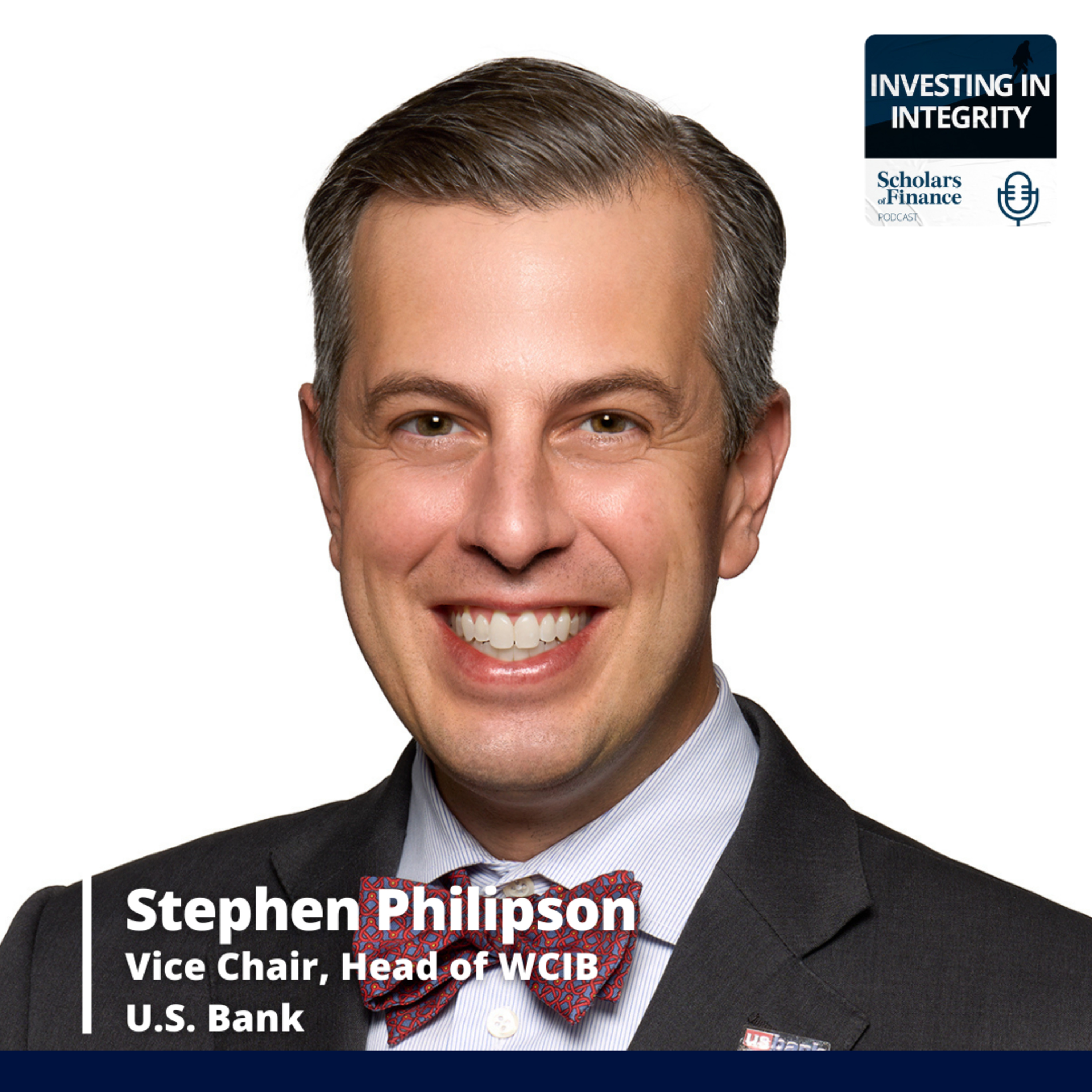 #95 - Driving Growth Through Change (Stephen Philipson, Vice Chair and Head of WCIB at U.S. Bank)Investing In Integrity · on capital markets76 / 100
 Corporate Finance Explained | Interest Rate Risk Management75 / 100
 What's New at CFI | Advanced SQL for Data Analysts61 / 100
 Corporate Finance Explained | Free Cash Flow: The Metric That Truly Drives Valuation56 / 100
 Corporate Finance Explained | The Finance of the AI Buildout71 / 100
 Corporate Finance Explained | Tariffs, Trade Policy, and Reshoring: The Financial Lens59 / 100