
FinPod · 2026-03-17 · 23 min
In this episode of Corporate Finance Explained on FinPod, we break down one of the most debated topics in modern business: ESG (Environmental, Social, and Governance). Is it simply corporate branding, or does it actually affect financial performance? You’ve likely seen ESG everywhere. It dominates earnings calls, investor presentations, and corporate annual reports. But behind the sustainability messaging lies a more important question for finance professionals: does ESG materially impact risk, cost of capital, and company valuation? In this episode, we cut through the buzzwords and analyze ESG strictly through a corporate finance lens. Using frameworks from the Corporate Finance Institute (CFI) and real-world case studies, we explore how ESG factors translate into measurable financial outcomes. From regulatory risk and supply chain stability to governance oversight and investor confidence, ESG only becomes relevant to finance teams when it achieves financial materiality, meaning it directly impacts cash flows, operating margins, or the cost of capital. We examine how companies like Ørsted, Unilever, and Microsoft have integrated ESG into their core financial strategy.
Other episodes covering the same guests and topics, from across The B2B Podcast Index.
 GRC Is Broken... And Nobody Wants to Admit It ft Dylan O’Dell, AVP Information Risk Officer @ ManulifeSecurity & GRC Decoded · on Risk management95 / 100
 Trust, stablecoins, and the AI margin squeeze:What McKinsey and QED's fintech report means for banksTearsheet Podcast: Exploring Financial Services Together · on Banking89 / 100
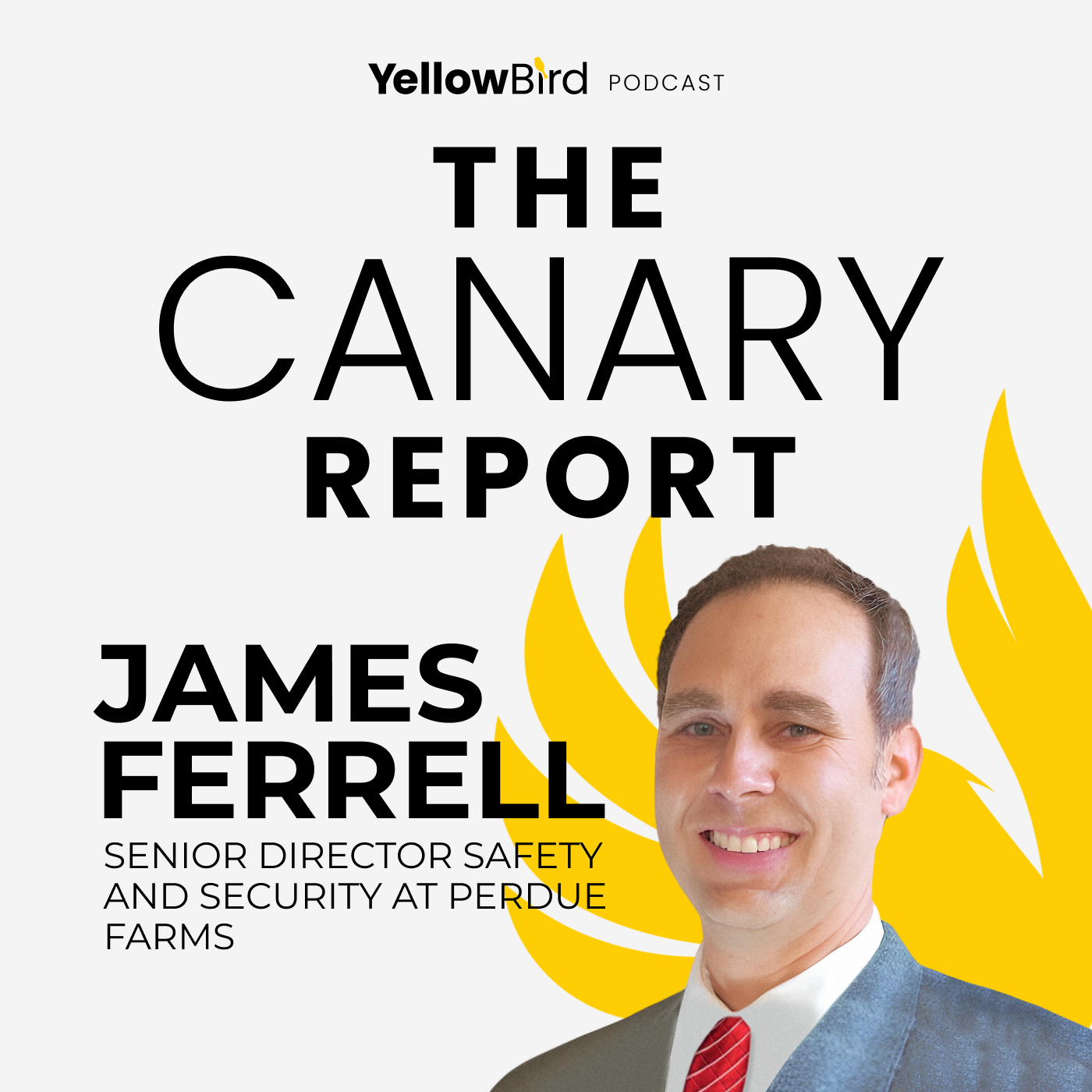 Systems Over Signs: How James Ferrell is Engineering Out Workplace HazardsThe Canary Report: Safety & Risk Management · on Risk management79 / 100
 S2 EP 27 Building Billions with JD Ross: Inside the Playbook Behind Multi-Billion Dollar CompaniesBuilding Billions with Brandon Dawson · on Risk management79 / 100
 Revisiting: Wall Street to SaaS CFO with Carla Cooper (CFO @ Contentful)The Growth-Minded CFO · on FP&A78 / 100
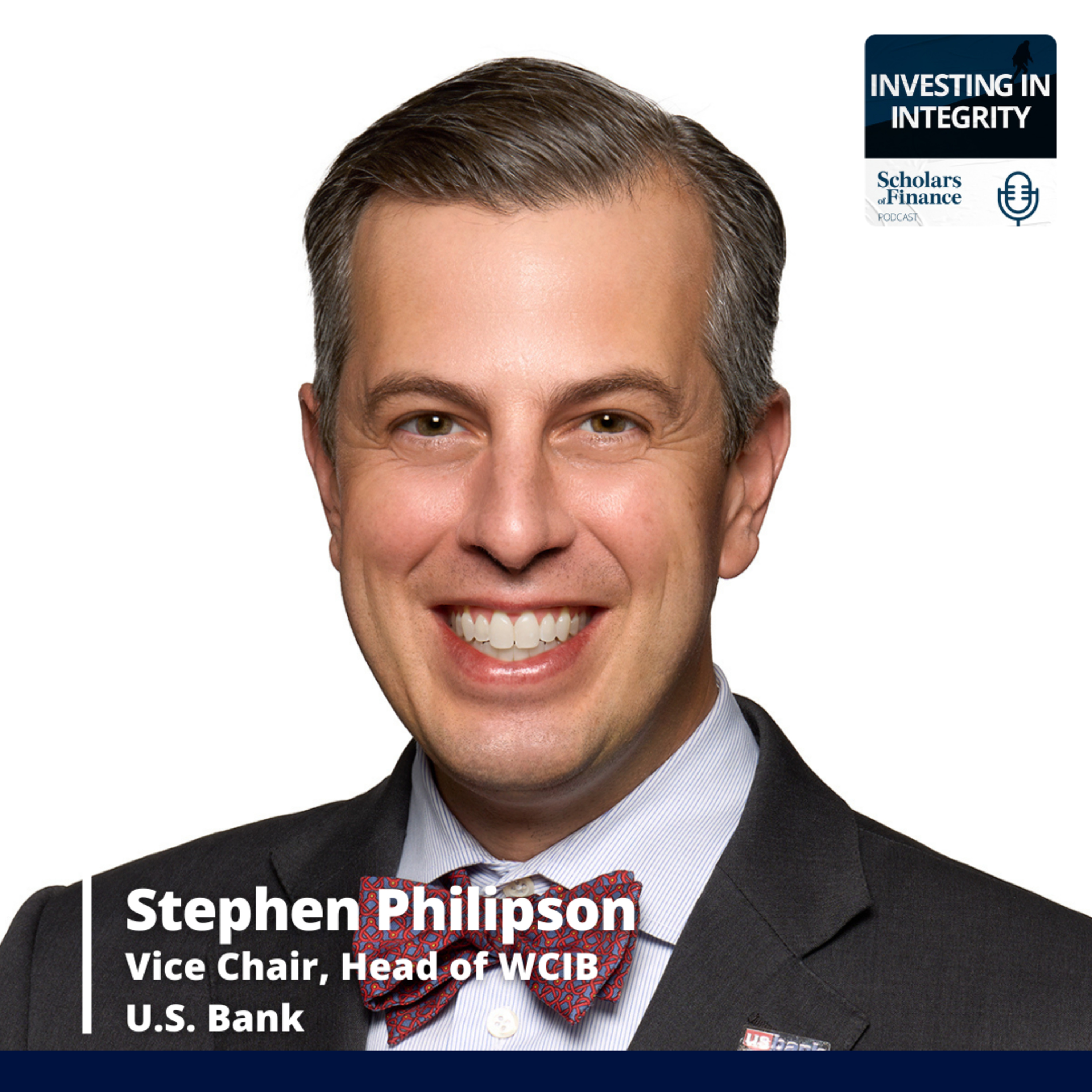 #95 - Driving Growth Through Change (Stephen Philipson, Vice Chair and Head of WCIB at U.S. Bank)Investing In Integrity · on capital markets76 / 100
 Corporate Finance Explained | Interest Rate Risk Management75 / 100
 What's New at CFI | Advanced SQL for Data Analysts61 / 100
 Corporate Finance Explained | Free Cash Flow: The Metric That Truly Drives Valuation56 / 100
 Corporate Finance Explained | The Finance of the AI Buildout71 / 100
 Corporate Finance Explained | Tariffs, Trade Policy, and Reshoring: The Financial Lens59 / 100