
FinPod · 2026-01-01 · 14 min
Corporate success is often measured by growth and diversification, but for many conglomerates, being too big leads to a "conglomerate discount." This is the moment when the boardroom turns to corporate separation - the strategic process of intentionally breaking a business apart to create massive new shareholder wealth. In this episode of Corporate Finance Explained on FinPod, we break down why companies spin off divisions, how finance teams manage the disentanglement, and the real-world consequences of these billion-dollar maneuvers. What is a Corporate Spinoff? A spinoff occurs when a parent company takes a business unit or division and separates it into a brand-new, independent, publicly traded company. The Mechanism: Existing shareholders of the parent company automatically receive shares in the new entity. The Tax Benefit: These deals are typically structured to be tax-free for both the corporation and the investor, making it a premier tool for reorganization. The 5 Strategic Drivers: Why Break Up? Eliminating the "Conglomerate Discount": The market often penalizes highly diversified firms because analysts struggle to value a mix of slow-growth and high-growth assets.
Other episodes covering the same guests and topics, from across The B2B Podcast Index.
 GRC Is Broken... And Nobody Wants to Admit It ft Dylan O’Dell, AVP Information Risk Officer @ ManulifeSecurity & GRC Decoded · on Risk management95 / 100
 Trust, stablecoins, and the AI margin squeeze:What McKinsey and QED's fintech report means for banksTearsheet Podcast: Exploring Financial Services Together · on Banking89 / 100
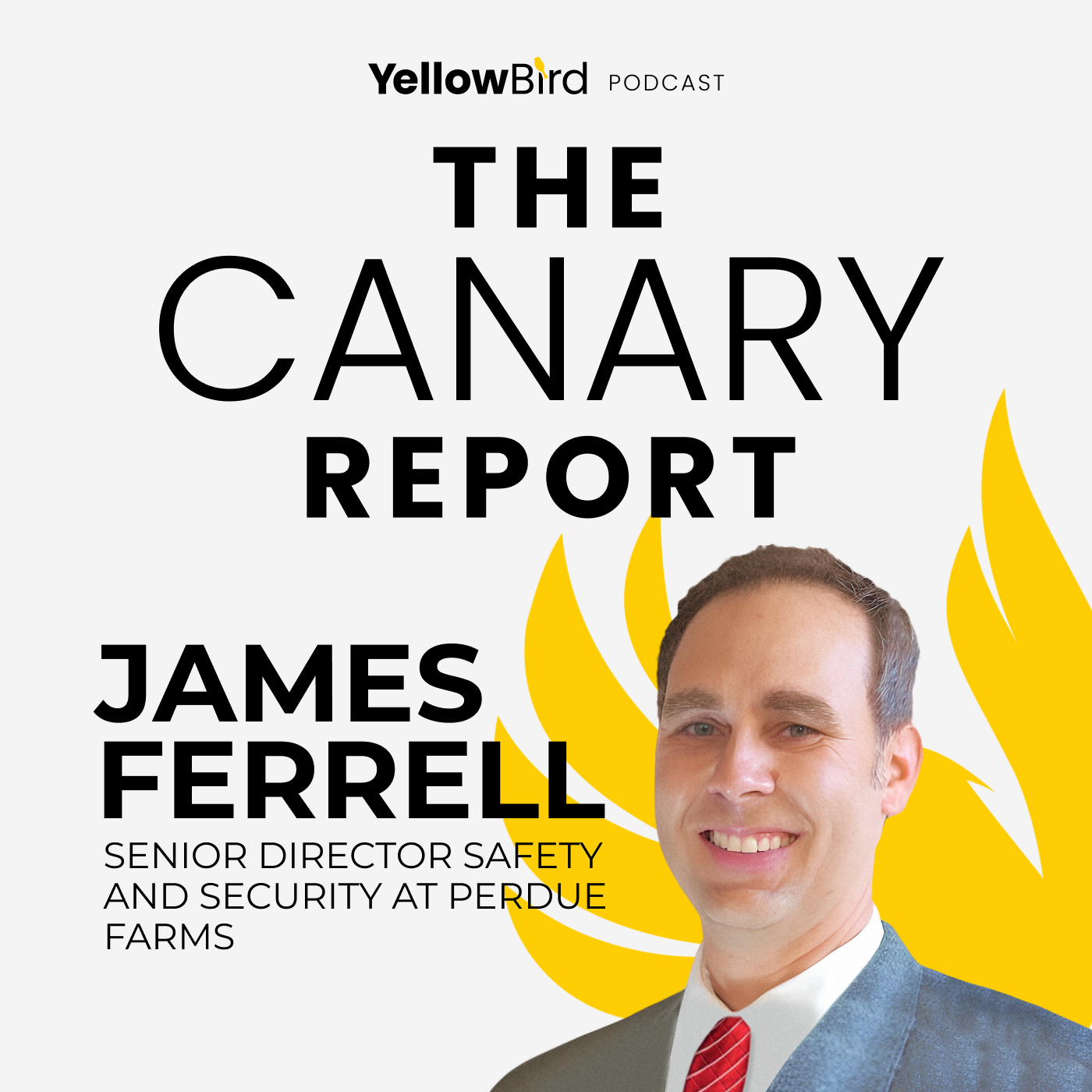 Systems Over Signs: How James Ferrell is Engineering Out Workplace HazardsThe Canary Report: Safety & Risk Management · on Risk management79 / 100
 S2 EP 27 Building Billions with JD Ross: Inside the Playbook Behind Multi-Billion Dollar CompaniesBuilding Billions with Brandon Dawson · on Risk management79 / 100
 Revisiting: Wall Street to SaaS CFO with Carla Cooper (CFO @ Contentful)The Growth-Minded CFO · on FP&A78 / 100
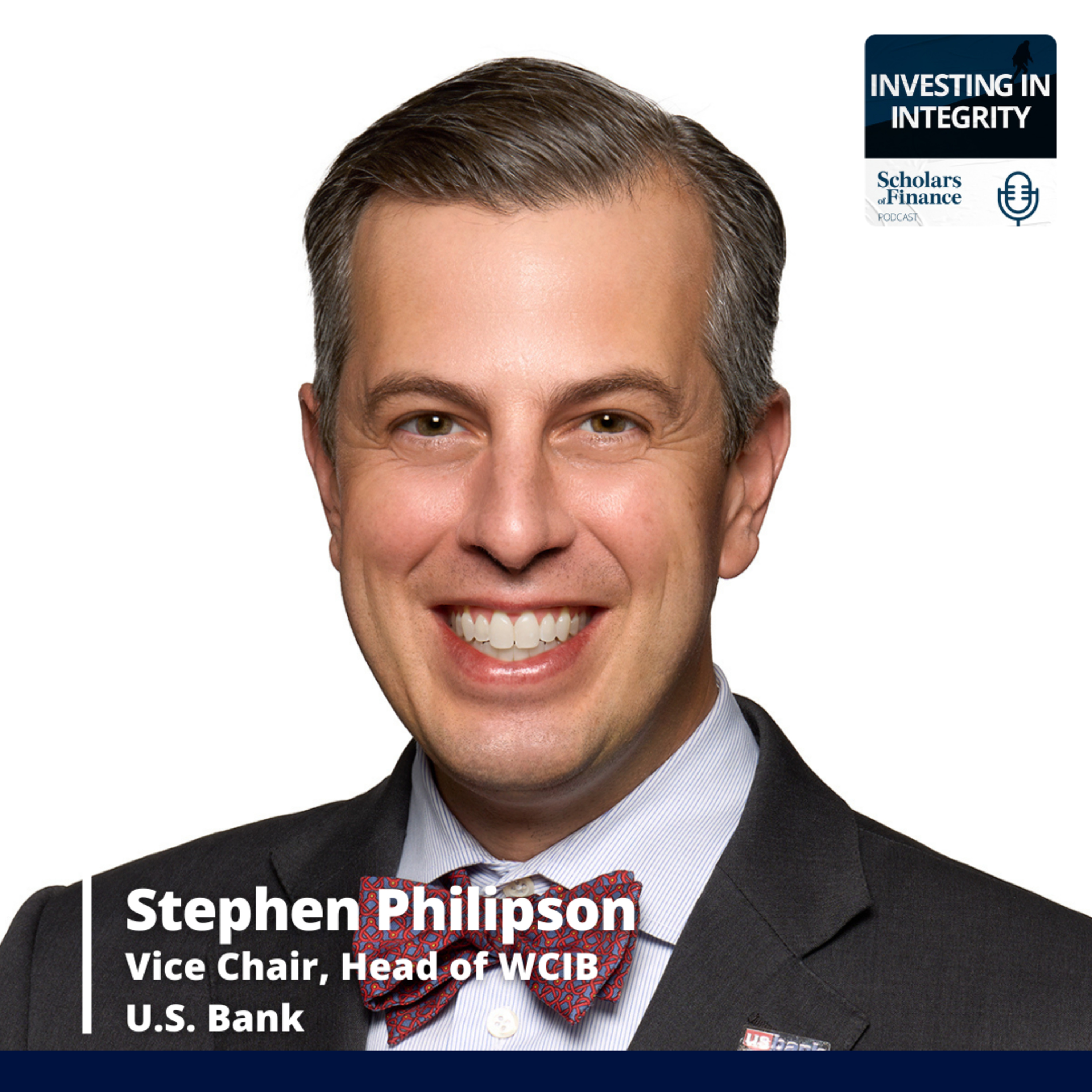 #95 - Driving Growth Through Change (Stephen Philipson, Vice Chair and Head of WCIB at U.S. Bank)Investing In Integrity · on capital markets76 / 100
 Corporate Finance Explained | Interest Rate Risk Management75 / 100
 What's New at CFI | Advanced SQL for Data Analysts61 / 100
 Corporate Finance Explained | Free Cash Flow: The Metric That Truly Drives Valuation56 / 100
 Corporate Finance Explained | The Finance of the AI Buildout71 / 100
 Corporate Finance Explained | Tariffs, Trade Policy, and Reshoring: The Financial Lens59 / 100