
FinPod · 2026-02-26 · 17 min
Forecasting is supposed to be the corporate crystal ball. In reality, it’s the nervous system of the organization, and it’s almost always wrong. In this episode of Corporate Finance Explained, we break down why even the most sophisticated companies, with PhDs, AI, and expensive ERP systems, still miss their forecasts and how those misses can cascade into hiring mistakes, inventory blowups, margin compression, and credibility loss with investors. The problem isn’t the spreadsheet. It’s the humans behind it: incentives, internal politics, and cognitive bias. We unpack the two forces that quietly sabotage forecasts inside most organizations: sandbagging (teams deflating targets to protect bonuses) and the optimism trap (leaders inflating projections to win budget and headcount). Then we go deeper into the psychology, including anchoring and overconfidence, and why “torturing the model until it hits the number” is a fast track to bad decisions. You’ll also hear a real-world contrast between Target and Walmart in the post-pandemic cycle, and how forecasting failures often stem from using lagging indicators, misreading demand normalization, and locking into static annual plans.
Other episodes covering the same guests and topics, from across The B2B Podcast Index.
 GRC Is Broken... And Nobody Wants to Admit It ft Dylan O’Dell, AVP Information Risk Officer @ ManulifeSecurity & GRC Decoded · on Risk management95 / 100
 Trust, stablecoins, and the AI margin squeeze:What McKinsey and QED's fintech report means for banksTearsheet Podcast: Exploring Financial Services Together · on Banking89 / 100
 Systems Over Signs: How James Ferrell is Engineering Out Workplace HazardsThe Canary Report: Safety & Risk Management · on Risk management79 / 100
 S2 EP 27 Building Billions with JD Ross: Inside the Playbook Behind Multi-Billion Dollar CompaniesBuilding Billions with Brandon Dawson · on Risk management79 / 100
 Revisiting: Wall Street to SaaS CFO with Carla Cooper (CFO @ Contentful)The Growth-Minded CFO · on FP&A78 / 100
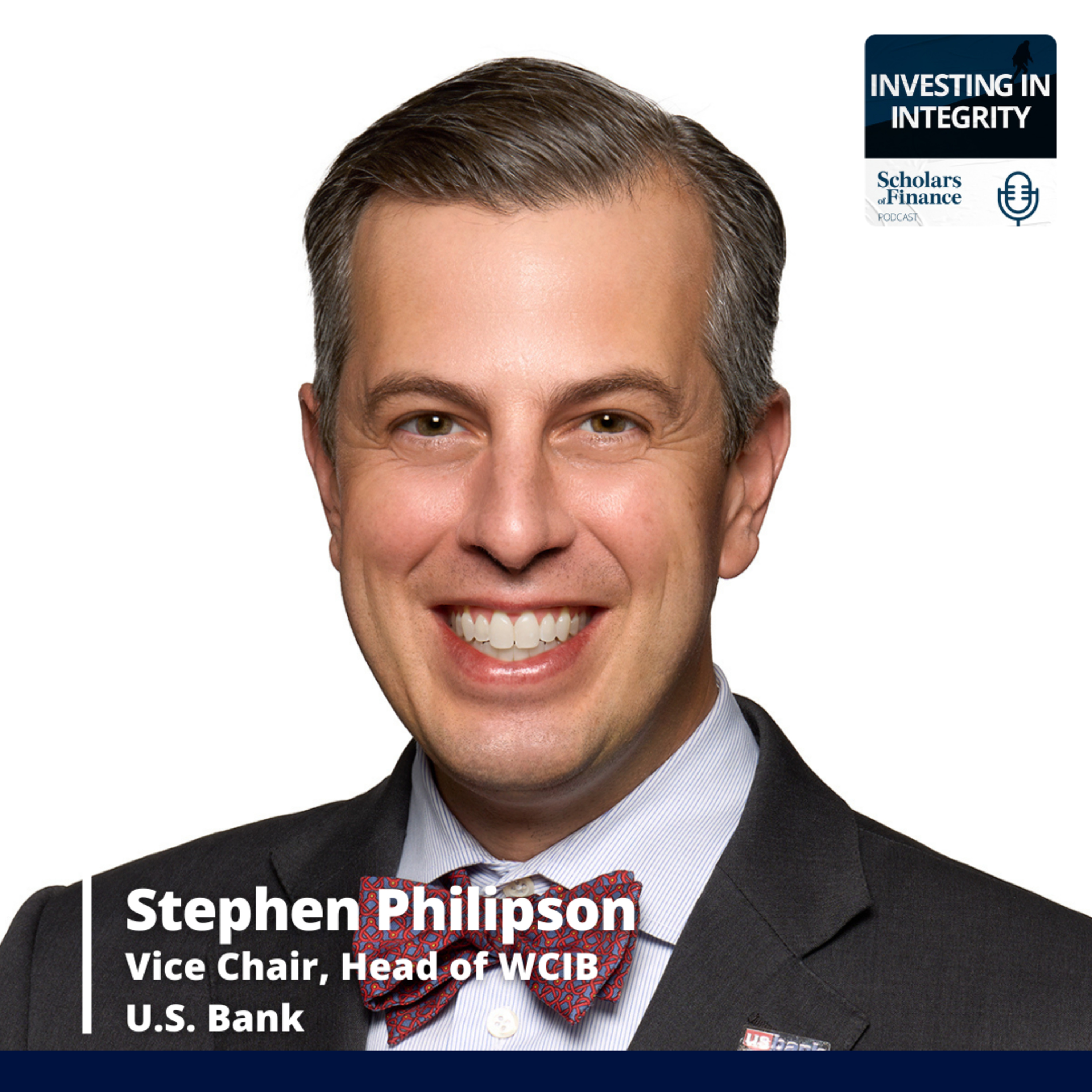 #95 - Driving Growth Through Change (Stephen Philipson, Vice Chair and Head of WCIB at U.S. Bank)Investing In Integrity · on capital markets76 / 100
 Corporate Finance Explained | Interest Rate Risk Management75 / 100
 What's New at CFI | Advanced SQL for Data Analysts61 / 100
 Corporate Finance Explained | Free Cash Flow: The Metric That Truly Drives Valuation56 / 100
 Corporate Finance Explained | The Finance of the AI Buildout71 / 100
 Corporate Finance Explained | Tariffs, Trade Policy, and Reshoring: The Financial Lens59 / 100