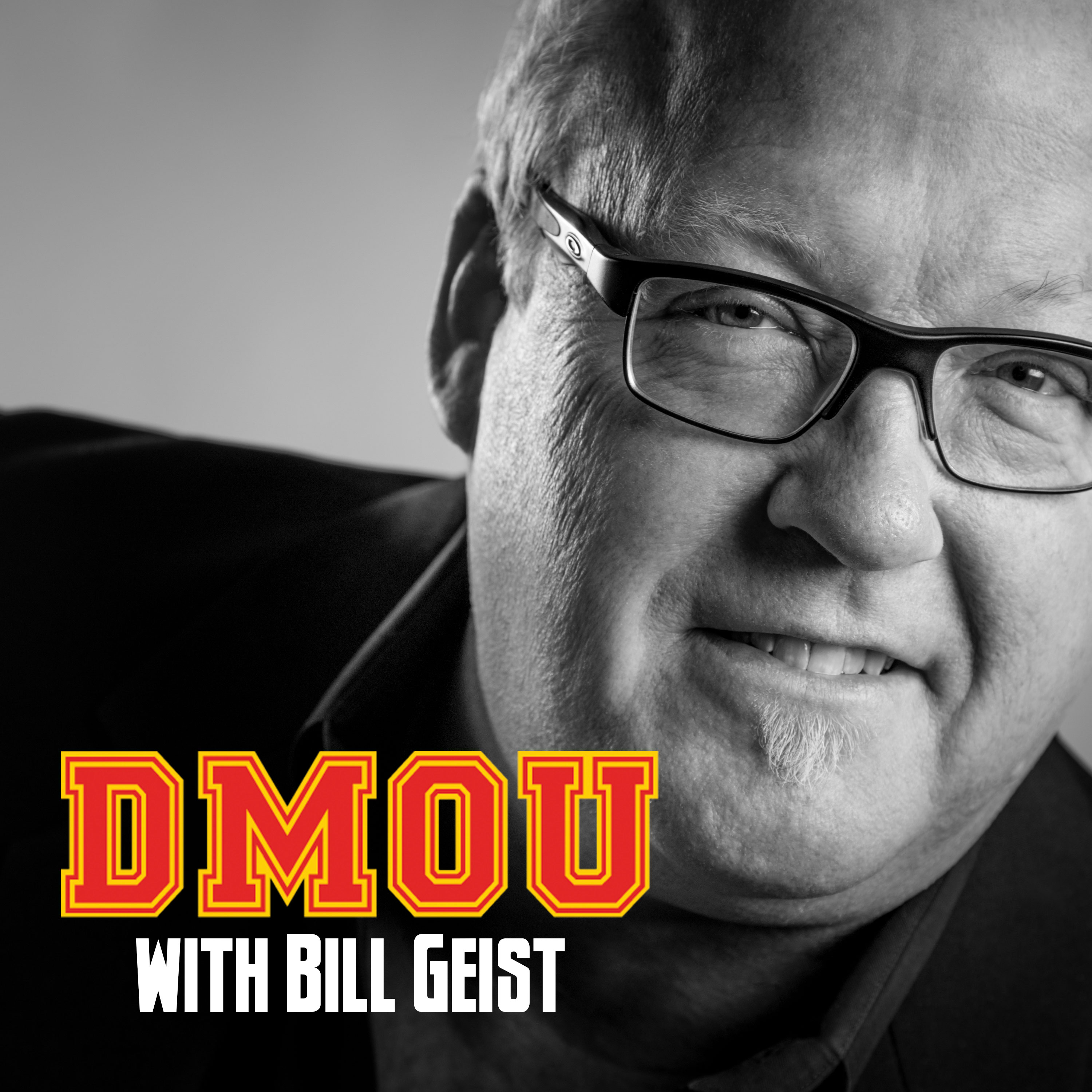
Hosted by dmou
Listed under Business › Management & Marketing, Business › Marketing, Business › Non-Profit
DMOU features the brightest voices in the Destination Marketing field, sharing innovative case studies and evolving philosophies.
100 episodes · publishes fortnightly · latest 2026-08-12 · ~34 min/episode
Rank
#136
Substance
79.0
/ 100
Breakdown
Scored 2026-08
Updated monthly
Across the index
#136 of 1878
Substance
Top 7%
outscores 93% of the index
DMOU: Destination Marketing Organization University ranks #136 on The B2B Podcast Index with a substance score of 79.0 out of 100, scored across 2 recent episodes. It scores highest on guest caliber and specificity & evidence. Gary Sherwin is a 40-year veteran DMO executive with genuine operational experience at scale (Newport Beach, Palm Springs, Long Beach, LA CVB), multiple industry board roles, and co-authorship of a recognized book. He has led transformational organizational restructuring and can speak from direct implementation experience. However, he is primarily a destination marketer rather than a B2B operator in growth, sales, finance, or product roles - so relevance is somewhat narrow to the B2B audience.
Averaged across 2 recently scored episodes, with cited evidence.
The episode contains several substantive ideas about DMO funding independence and branding methodology, but is padded with lengthy personal anecdotes, throat-clearing about industry relationships, and an extended bonus round on psychedelics that consumes 5+ minutes without DMO-relevant content. The core insights - private-sector hotel contracts as an alternative to tax funding, the Stay and Play employee program, and the critique of rebranding-as-logo-change - are valuable but sparse relative to runtime.
“we just came up with a very simple, I think it's two or three page contract that we sent to every hotel. It's the exact same contract. And they signed a 10 year deal saying we will contribute 5% of our monthly revenue to your organization”
“I consider branding personally...to be a much more transformational moment that really, you know, is about engaging people”
While the private-sector TBID structure is a genuine operational innovation specific to Newport Beach's context, the broader framing about DMO fragility and the need for financial independence is familiar advocacy. The branding methodology itself - community engagement, research-first, top-down vs. bottom-up - recycles well-established principles from Sherwin's own 2005 book. The psilocybin bonus round is unusual but irrelevant to B2B operator education.
“I just think that we need as an industry to say we need to find our own way so that we are not dependent on the gracious nature of our elected officials”
“A brand is very much a bottom up, I think, kind of process”
Gary Sherwin is a 40-year veteran DMO executive with genuine operational experience at scale (Newport Beach, Palm Springs, Long Beach, LA CVB), multiple industry board roles, and co-authorship of a recognized book. He has led transformational organizational restructuring and can speak from direct implementation experience. However, he is primarily a destination marketer rather than a B2B operator in growth, sales, finance, or product roles - so relevance is somewhat narrow to the B2B audience.
“A 40 year hospitality industry veteran, Gary Sherwin, CDME APR, has served as President and CEO of Visit Newport beach since 2006”
“I have said many times that room nights are a byproduct of getting all the other stuff right first”
Sherwin provides concrete details on the Newport Beach model: 5% hotel revenue share, 10-year contracts, $7.2M from city via 23% of TOT, $10M+ total budget, 9.9/10 aggregate hotel satisfaction rating, 130-room Lido House Hotel case study, and Dallas branding example. However, he avoids deeper metrics on business outcomes (revenue growth, visitor increases, ROI), relies on anecdotes (the blogger story, Bob Olson), and stays vague on how the model scales or fails elsewhere. The psilocybin section includes specific dosages (25mg clinical dose) but is noise.
“we get the money funneled directly into our bloodstream”
“out of a, uh, 10 being perfect, we got a 9.9 aggregate for all of our salespeople”
Bill Gies asks sharp opening questions that cut directly to the structural innovation (private-sector funding shift), and he challenges Sherwin productively on the tension between hotel dependency and DMO mission independence. However, Gies rarely presses for pushback on claims - he largely receives Sherwin's answers without follow-ups that test logic or surface trade-offs. The bonus round veers entirely away from substantive interrogation into personal disclosure, losing conversational rigor for relatability. Gies acknowledges this awkwardly at the end ('this has got to be the most unusual question').
“I think that one could be excused for offering the critique that this new private sector model puts you directly in service to the whims of your hotels”
“It is, but it isn't”
2 periods tracked.
2 scored on substance · 63 tracked in total.
Add this badge to your site - it links back here and updates automatically as you rank.

<a href="https://index.fame.so/show/dmou-destination-marketing-organization-university" target="_blank" rel="noopener">
  <img src="https://index.fame.so/badge/dmou-destination-marketing-organization-university/badge.svg" alt="Ranked #12 on The B2B Podcast Index" width="360" height="136" />
</a>Track DMOU: Destination Marketing Organization University's rank
Get an email whenever this show moves up or down the Index. Monthly at most, no spam.
Companies, products and tools that come up most across this show's episodes.
The themes that come up most across this show's episodes.
Podcasts that dig into the same topics.