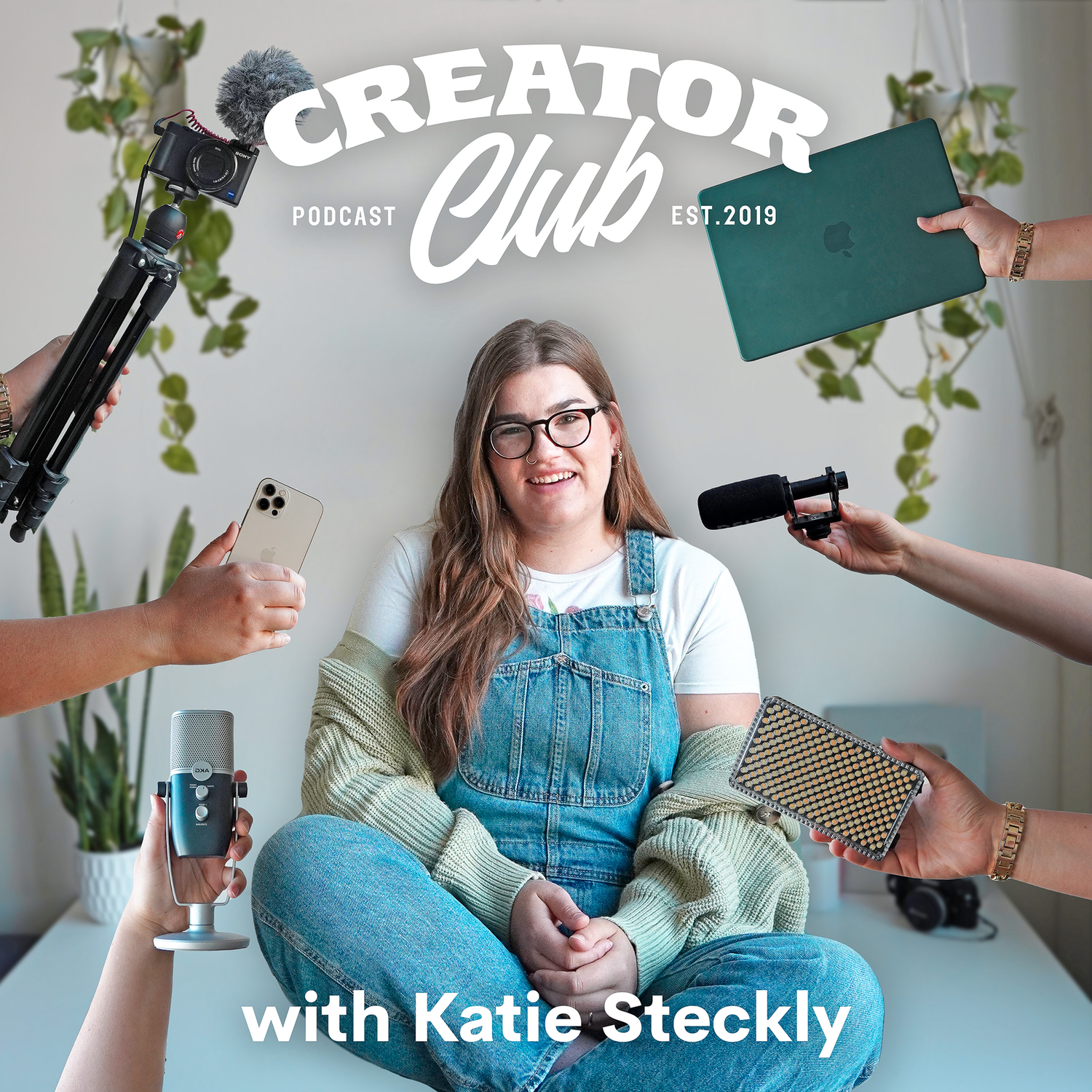
Creator Club · 2024-10-29 · 22 min
Key moments - from our scoring
Substance score
37 / 100
Five dimensions, 20 points each
Katie addresses a mix of strategic and operational questions submitted by her audience in this end-of-year Q&A format. She reflects on her trajectory from a 15-year-old starting YouTube to a six-figure entrepreneur, noting that while she's grateful for her path, she wishes she'd started with more intention around niche focus and audience clarity - though she also emphasizes infusing personal brand early to enable future pivots (citing Eamon and Beck as examples of creators who successfully shifted while maintaining audience loyalty). On balancing her YouTube channel, Instagram presence, and Creatorly Media (recently pivoted to a video editing-focused agency), Katie acknowledges the tension of managing two priorities simultaneously but highlights how integration - ensuring her agency's services align with her content - reduces friction. She covers client management through over-communication and detailed onboarding packets, hiring challenges around predicting demand fluctuations, and breaks down her structured weekly routine: themed days for editing (Monday-Tuesday), planning/scripting (Wednesday-Thursday), and filming (Friday), with 3-5 Instagram reels per week and ongoing admin tasks filling gaps. She references her Skillshare class on creator time management and emphasizes the importance of systems and written task tracking, particularly for managing ADHD.
Katie would start with clearer intention around her niche and target audience, while also infusing more personality to enable easier pivots later. She pivoted through many niches as a YouTuber, leaving 'ghost subscribers' behind, and wishes she'd balanced focus with personal brand strength so audiences would follow her through topic changes.
Katie structures her week with dedicated deliverables: one YouTube video and 3-5 Instagram reels weekly. She recently pivoted Creatorly to focus solely on video editing (YouTube videos and podcasts), which now aligns with her personal content focus, making promotion and time allocation more cohesive.
Katie uses detailed onboarding packets that clearly specify timelines, revision limits, deliverables, and processes (e.g., footage due Mondays by noon, edits back Thursday morning). She over-communicates to prevent expectation gaps, and when issues arise, prioritizes customer service and grace to ensure clients leave with a positive experience even if outcomes differ from their expectations.
Katie uses themed days: Monday-Tuesday for editing, Wednesday-Thursday for planning and scripting, and Friday for filming. She maintains detailed to-do lists and relies on written systems, particularly important given her ADHD. Admin tasks and client work fill gaps between these core deliverables.
Predicting demand is extremely difficult because client flow ebbs and flows with seasons (higher at New Year) and marketing intensity. Katie has hired during high-demand periods only to see clients phase out shortly after, leaving less work available - making it hard to time new hires perfectly.
Our reviewer’s read on each dimension, with quotes from the episode.
The episode contains practical advice on content creation, time management, and agency operations, but much of it consists of reiterations of already-familiar creator wisdom (focus on audience, find your passion, take breaks to avoid burnout). While specific tactical details are present (camera settings, tripod recommendations, client management processes), the density of genuinely novel insights is moderate - useful for beginners but unlikely to teach experienced operators substantially new frameworks.
turn off hdr, turn off auto frames per second and also make your format it'll automatic, it'll default to high efficiency. Change it to most compatible
I feel like eventually the process is like identifying all of your different artistic influences, all of the different creators you watch, all of the different movies you love, all of the different TV shows you watch, all of that eventually blends together to become like your personal style
The advice leans heavily on established creator-economy orthodoxy: niching, personality-first positioning, audience-centric thinking, and burnout prevention through scheduled breaks. While the speaker's personal story of slow growth (2011-2019 to 10k subscribers) is specific, the underlying frameworks are circulated widely in creator content. Limited contrarian or first-principles thinking; mostly refinement of existing playbooks.
having a genuine love for it, that you would make it whether or not people were watching
before you even stress about learning how to edit, learning, like, lighting techniques, the best gear, any of that, really think about, like, what is my goal with, with my content?
This is a solo Q&A format with no guest. The host, Katie, is a self-identified 'side hustle youtuber turned six figure entrepreneur' with an agency, but her credentials are largely self-reported and unverified in the transcript. No third-party validation, no evidence of operating at significant scale, and no expert guest perspective. The episode relies entirely on the host's perspective without outside triangulation.
I'm a side hustle youtuber turned six figure entrepreneur who's obsessed with social media strategy and content creation
From making YouTube videos in my bedroom as a very cringy 12 year old, to building a social media marketing agency from the ground up in my early 20s
The episode includes concrete technical details (4K 30fps, DJI Mic, Ulanzi MT78 tripod, Dash Hudson, SkillShare link) and process specifics (Monday-Tuesday editing, Wednesday-Thursday planning, Friday filming; one revision round; client onboarding PDF). However, these are mostly recommendations and personal routines rather than hard business metrics - no revenue figures, growth rates, client counts, or comparative performance data are disclosed to substantiate claims about agency success or creator viability.
filming in 4K 30 frames. Per second
Monday. Uh, Tuesday are kind of my editing days. Tuesday is when I submit the video for the brand to review seven days in advance of it going live
The host demonstrates friendly, accessible tone and reflects thoughtfully on questions, but the format - answering pre-submitted Q&A questions - lacks dynamic dialogue, follow-up probing, or genuine disagreement. The monologue style allows her to fully control narratives without being challenged or pushed deeper. Questions are softball (e.g., 'Do you have siblings?'), and there is no adversarial or exploratory interviewing that would test claims or uncover contradictions.
I have to say I feel super grateful, um, about where I've landed with my creation career
I feel like I am m still on a journey of figuring that out
Computed from the transcript - who did the talking, and the words that came up most.
Get the Social Media Trends Report by Dash Hudson, FREE!: thanks to Dash Hudson for sponsoring the Creator Club Podcast! | This is the last video of 2024 - so we thought we would end on a Q&A episode - anything from business, social media, and a bit into my personal life See you next year! Join the Creator Club - learn more about the membership here! Visit my shop page for more details on all of my products: ...and interested in the Creatorly Media services - check them out here:
Transcribed and scored by The B2B Podcast Index.
Speaker A: Hello friends. Welcome back to the Creator Club Podcast. Today I have a slightly different style of episode for you because we are doing a deep dive Q A to celebrate the last Creator Club podcast episode of 2024. It's hard to believe that it was just this year that I started doing this as a, uh, video podcast and posting it on YouTube. It's been such a ride and a learning curve, so starting to do this as a video podcast, but it's also been a lot of fun, so I hope that you've been enjoying it. And we are kind of rounding out the end of the year here as we move into the last few months of 2024, which is also hard to believe. So I wanted to do a check in with all of you. I asked for some questions over on Instagram on my story and in my broadcast channel and I'm going to answer a bunch of those today. It's going to be a little bit more of a chatty one. So throw this on on your drive to work, maybe while you're cleaning your house or while you're like editing some photos or I don't know, organizing your hard drive. If you have some kind of like little task like that that you've been putting off, this is my permission to do it. Now tune in to the Q and A while you do that and we're just gonna have like a little chill conversation together. So I'm glad you're here and thanks for tuning in. Welcome to the Creator Club podcast produced by Creatorly Media. I'm your host, Katie. I'm a side hustle youtuber turned six figure entrepreneur who's obsessed with social media strategy and content creation. From making YouTube videos in my bedroom as a very cringy 12 year old, to building a social media marketing agency from the ground up in my early 20s, there have been a lot of struggles along my content creator journey. My mission with this podcast is to share the lessons that I've learned in the hopes that it will make your journey in growing as a creator a little easier and, and a lot more fun. And by the way, this club is open to everyone. Whether you have one or one million followers, you have a seat at this table. So let's dive in. Speaking of doing the video podcast as a new thing this year, I have to shout out my friends over at Dash Hudson, the sponsor of the Creator Club podcast. I wouldn't have been able to make this into a larger like video podcast production if it weren't for, for their support. So I just gotta tell you about Dash Hudson, which is my favorite social media analytics platform. It's a really great user friendly, like visual dashboard application that allows you to sync your Instagram, TikTok, Pinterest, Facebook, did I say Twitter and LinkedIn yet? All of those different platforms in one place so you can see all of your most important social metrics on one stress free dashboard. I personally hate having to flip between every single different app and their own like little insight section of the app to see how my content is doing. And Dash Hudson means that I don't have to do that. Plus, with Dash Hudson's really cool Vision AI features, you don't have to be an expert in analytics at all to get value out of Dash Hudson's dashboards because Vision will actually help you interpret your insights for you. So it'll give you little summaries of the most important metrics on any given dashboard and kind of let you in on the behind the scenes of like how your Instagram is doing for instance, based on the insights there. So it's a really efficient way to get a sense of where your community's at, how your content's performing, and get some ideas of how you might want to shift your strategy in the future. Another cool feature of Vision AI is that you can actually, uh, upload future content into Dash Hudson and get a prediction of how well it's going to perform before you even post it. So if you have a real idea and you're not sure how it's going to land, you can test it out in Dash Hudson and Vision will give you a little prediction based on the performance of your past content to give you a sense of whether you might want to post it in how it might perform. I personally believe the Dash Hudson is a powerful part of any content creator or social media manager's growth strategy planning because you can really take your metrics into account when it comes to planning your new content, which is just going to help you grow more effectively and faster. So I really recommend checking out Dash Hudson. You can grab a free trial of Dash Hudson for yourself when you use my exclusive link-hudson.com creator club. It's also going to be linked in the show notes in the description. And thanks again to Dash Hudson for making the Creator Club podcast possible. Okay, like I mentioned, this is going to be the final episode of the year, but don't worry, I do have plans for the podcast in 2025, so make sure you stay tuned to the end because I'm going to talk a little bit more about my Vision and some ideas that I have for where I think the show could go, and I'd love your feedback on it, so stay tuned for that. But in the meantime, let's dive into some of your questions. I'm going to pull up my Instagram story right now and. And actually, you know what, we're gonna go over to Broadcast Channel. Let's check out what questions have been submitted there first. The first question, I think, is an interesting one, and that is, what would you change if you could change anything about your start as a content creator? Overall, I have to say I feel super grateful, um, about where I've landed with my creation career. I feel like there's so many different paths that I could have taken, but I really do love where I'm at. I feel passionate about the stuff that I'm talking about, and it really brings me so much joy to meet other content creators who've been to use my strategies or tips or some of my tutorials and implement them and see their creator dreams come true. Like, that is just the most special thing to me. So I really, like, in some ways, I wouldn't change my trajectory because I'm really happy about where I am. But thinking back to my own start as a content creator, I feel like if I could, a, uh, know some of the things that I know now, I think it would have been a lot less of a winding path and a little bit more direct, and it would have taken less time and less stress. Uh, but B, I also think that I maybe would have gone about it with a little bit more intention, which, again, the intention comes from having more knowledge. But basically, I feel like when I got started on YouTube, um, it's pretty aimless. I mean, it was just a hobby. It was just for fun. And that's a very fair place to start. But because of that, with my main channel, which, you know, YouTube is kind of my main platform, it's my most significant piece of income. And, you know, Instagram is important too. But YouTube is where I got started. I feel like I meandered through so many different niches and trying out different things, um, that I sort of have, like, a lot of, like, ghost subscribers, you could say, because I've had kind of different audiences at different times and pivoted. Um, and I think that maybe if I were to start again, I would have that intention of focus of, like, what I'm out here really wanting to do. And that being said, I feel like all the meandering through different niches and experimenting is what kind of Gives me the experience and expertise to be able to help other creators through it. But nonetheless, if I was, like, starting totally from scratch, having that intention of, like, who do I really want my audience to be? But then also not diving too far into that niche, because I think that's part of what made pivoting difficult for me. At different points, though, I have, you know, successfully pivoted from one thing to the next at different times throughout my career. But it does make it more difficult if you're really, really embedded in one niche and then you want to change a little bit. You're going to have a lot of audience drop off or, you know, a kind of, like, ghost subscribers, people who are still subscribed to you, but they're not, like, actually seeing your content or watching it. And so what I would do is have some intention and focus around, like, what I want to be posting about and who I want my audience to be, but also ensuring that from the beginning, I'm infusing as much personality and in much as much like me as possible to make those pivots easier. Because it's always going to be easier to bring people from one topic to another if what they're really invested in is easier. You as a person. I think of some of the travel creators who I watch that I, like, follow through so many seasons of their life to the point where I'm like, wait, is travel creator even, like, the right thing to label them as? So, for example, Eamon and Beck are, uh, Canadian content creators that started out in the Van life space, and that's what, you know, I found them for and what I always watch them for. But over time, they, you know, renovated an old cabin in the woods, and now they're kind of like navigating parenthood and starting a podcast. And I'm still very invested in them as people. So I keep watching them through all these iterations, and I think it's being. Because they've always infused so much of their own personality, um, and just kind of like, bring in that personal touch that really makes you feel connected. So I feel like those are the two main things that I would think about if I was starting over and what I would maybe change about my own path is, like, have that clear intention of, like, who is my audience and who do I really want to serve and kind of what am I passionate about talking about and being able to know that, by the way, comes with age. I started my YouTube channel when I was, like, 15. So obviously at 15 years old, you're not Going to be crystal clear on, like, your life passion or what you really want to talk about. Like being now, you know, 28. I have, um, maybe more of an idea about that, so we'll be fair to younger Katie with that. But, yeah, having a more clear, um, vision of what you want to do as a creator, like what your purpose of even starting all this is. And then also along with that, not getting too entrenched in a niche and making sure to really infuse your personality to build that strong community. So that's what I would probably change if I was gonna be starting over. There's a few questions about, um, running an agency and also having a personal brand at the same time. So I want to dive into those things. If you're not familiar, in addition to my YouTube channel and obviously this podcast here, I also have a small agency, Creatorly Media, which we actually recently pivoted from being kind of like a do it all sort of agency where we, we covered like, Instagram, tick tock, um, YouTube and podcasting services. And recently we've pivoted to be purely a video editing agency. So we edit YouTube videos, we video podcasts, and, um, we do it well. So that's kind of, um, what Creatorly is looking like right now, but in terms of kind of the, the structure of it or the behind the scenes. So what did it look like growing creatorly and a personal brand simultaneously? Um, difficult. I feel like it is hard to have two kind, um, of simultaneous priorities when you have two different things that you're putting your focus on. I feel like ultimately you can really only truly have one at once when you're just an individual person. And obviously I do have a team to support me now, which is awesome. But, um, in terms of just my own, like, creative energy, where I'm brainstorming, where I'm making plans, I feel like you can pour your energy into one thing at, uh, once. So it's kind of like trying to keep two balls in the air. Like, when I'm, you know, focusing on keeping the creatorly one in the air, then, you know, my own personal brand might drop a little bit and vice versa. So I do think that balance is difficult, but. But at the same time, I think that what I'm really, like, happy with is how much I've integrated what my kind of business is doing, what my agency is doing with what my content is about. Especially with this recent pivot. Like, I find myself over the past year becoming more focused on and passionate about YouTube in particular. And that Is I think what my audience on YouTube is excited about and even over on Instagram, my reels that perform the best. What people find really valuable for me tends to be editing tutorials and more like hands on practical stuff around content creation, which I really love. Like, that's what I'm most excited about. I love to talk strategy. I find that fascinating too. But there's lots of people that talk about strategy. But what I love is like showing you an easy way to edit videos or like showing you the best like tripod to use or whatever. Um, so I'm really happy to see my content going that direction and like seeing the energy for it and the services have kind of come there to match it. So anyway, I feel like it's helpful when you are balancing a business and a personal brand to have that kind of cohesiveness between them. Like there's a very easy tie in. One of the biggest challenges that I'll be upfront about is like, I find it kind of difficult to promote myself, which is really silly when like your job is being an influencer. But I feel like what I've really honed is like, I'm good at talking about the brands that I love. You know, like when I genuinely love a product or like an app or whatever, it's so easy for me to hype them up and talk about like why I find it helpful, why I find it useful. And I think this really is just an imposter syndrome or confidence thing. But I do find it more difficult to talk about my own stuff that I built myself with my team and like what we offer. And I'm really trying to work on that and become better at it because I know that, you know, the services we're offering are great and I should want to promote them. I just need to like feel more confident with it. So those are some of the like ups and downs of, of balancing an agency and a personal brand. And just the time part, like trying to find the time to really pour the energy into both can be tough. Another interesting agency question. How do you manage client expectations or deal with difficult clients? I have to say Most of like 99% of creatorly clients are amazing. So it's, it doesn't come up too often. But in any service based business, yes, you are going to come across people that are difficult to deal with and maybe have the wrong expectations. I personally try to address it through like just over communicating. Like, I'm a really big fan of like, just give people all the information that you can to try to mitigate any potential, like, mismatch in expectation. So, for example, with our editing services, we have an onboarding packet that is like the most detailed PDF you've ever seen with, like, really, really walking through exactly what is involved in working with us, what the timelines look like, what apps you're going to be expected to use. Like, it's basically Google Drive and, you know, email or whatever. But, like, we have very clear instructions on. You're going to need to set up this, and then we're going to need you to do this. And then, you know, these are the timelines. Every week, Monday by noon, you need to submit your footage. We're going to have the edit to you by Thursday morning, and then by Thursday, afternoo, we need your revisions, and then Friday we'll have the final video. Like, all of that stuff is really clearly laid out, and I think that helps to establish expectations and like, turnaround time, you know, being very clear. Okay, there's one round of revisions, like that type of thing. And I think what's, what's great is like just setting all of that out very clearly. And then you can always choose to, like, go above and beyond what you have set out. But it's never going to go very well if you do less than what you say you're gonna do, of course. So it's just very helpful to be very clear about what your expectations are or what you are able to offer. Um, and then I think that helps to mitigate any disappointment. But, um, yeah, some people are always like, there's always going to be some people that maybe don't read through that, so they expect that there's unlimited revisions when you were very clear that there was one or whatever the case might be. There's going to be some people that don't absorb the expectation setting that you put out there, because they've already determined in their mind what they think the expectations should be in there. They're not like, taking it in. Um, and with those people, you just have to try to navigate it with patience and grace and generosity. My goal is always, like, I want people to walk away from an interaction with me or creatorly feeling positively about it, even if it means what they got is a refund or what they got is maybe not exactly what they wanted, but at least, you know, really great customer service. Those are the kind of things that you can kind of do when all else fails, I feel like. But it is a challenge. Okay, one last agency question, then we'll keep moving on with the content. Creator stuff. But what has been the hardest part about scaling and hiring? Knowing when is the right time to do it. It is so difficult to judge what the demand is going to be like. We really find there's a lot of fluctuation in when we have new clients coming in, when people are kind of phasing out because, you know, whatever, they, they don't need to work with us anymore, whatever the case may be. It's really, it ebbs and flows. And I've been doing this for a few years now, and it's still like, there's some seasonal pat that I've noticed. Like, there's always the most interest at the new year. So when people are like, most excited about their new content creation goals or whatever. Um, and then also, of course, when I'm being really intentional about promoting it, that, of course, duh, turns out if you market stuff, you know, people will come and buy it. But, you know, there's, there's moments when we have more demand than others. And, um, it's hard to always predict that though. And so sometimes you might feel like, I've had times where, oh, there is so much client demand right now. We need another person, like, we need another team member to help us with this. We bring them on, we get them onboarded, and then two months later it's like, oh, actually there's some clients that are phasing out now and we don't have as many new ones coming in as we thought. And now there's kind of less work available. And that is, I feel like life in a business and I'm still trying to learn to, like, predict those things and like, read the situation best. So I know when is the right time to hire. And then also funding, obviously the right people for the roles, um, which is just like a work in progress, a learning thing. But yeah, you can just never really, really predict exactly what the demand is going to be and therefore how much, you know, team support that you're going to need. But it's trial and error and we, we do our best. Okay, the next one is kind of about time management. So how do you split your time daily and weekly between content, client stuff, business stuff? Can you break down your routine and schedule time management habits, please? Because, girl, I got adhd. I'm, I'm here for you. Okay? I feel very passionate about time management stuff. And, um, for me, um, it's all about routine and structure and to do lists. When I come across people that don't have like a planner or a notion or Some kind of way of like, tracking what their tasks are going to be. It stresses me out because I need to have stuff written down if I'm gonna do it. And I'm all about, like, repeatable systems and processes that I can do. And again, um, because I'm not trying to do stuff on the fly because it's not going to be able to happen in time. Right. So maybe I'll walk you through what my, like, typical week looks like real quick. So in any given week, um, my priorities are making a YouTube video that is kind of like, basically one of my main streams of income is YouTube sponsorships. Adsense, ah, is, you know, less so important, but it's also there. And then of course, also my YouTube is my biggest platform. So it's important for me to be promoting, like, creatorly and digital products and my membership and whatever through my YouTube channel as well. So number one priority is going to be making a YouTube video every week. The next thing is going to be creating my Instagram reels somewhere between three to five per week. Basically. I do that for all the same reasons that I do my YouTube video right. I have some brand deals and then also just the continuous promotion of the other aspects of my business and, uh, just making stuff that's fun and that my audience is going to find valuable. So those are kind of the two big things that are like my deliverables each week. And then there's like, like lots of other bits and pieces that I feel like are harder to make as a, as a task list. But there's stuff like, um, you know, weekly meetings with the creatorly team, troubleshooting stuff that comes up for editors, like whether it's figuring out, like, why this client video is glitching or how to fix the audio on this track or whatever. Like, I'm diving in and helping out with those pieces. Um, I'm also gonna be like, reviewing if there's a podcast episode going live, reviewing that, making sure it's good to go. Uh, Shelby, who works at Creatorly, does the editing for the podc, which is great. So that's kind of something off of, um, my plate that I really appreciate. Um, and then she also, um, does the creator letter each week. So my weekly Monday newsletter, that's another piece that I'll review from her. And then there's just all kinds of other things that fill in the gaps. Whether it's like replying to brand deal emails, signing contracts, um, just kind of generally monitoring how things are going with Creatorly, seeing the who like what clients are coming in, making sure we're like following up with them, doing all of that good stuff. Um, yeah, like, I guess, admin things. Um, um, so with all of that stuff, the things that are the main deliverables like YouTube and Instagram, I really try to have a structured routine around when I do these things to make sure that it happens. And then I personally find, just with my own personality, all the admin stuff fills in the gaps. Like, I'm checking my inbox m and I'm like doing kind of those things to, to monitor what's happening and seeing what I get messaged about to do. So, yeah, for YouTube, what that typically looks like is Monday. Uh, Tuesday are kind of my editing days. Tuesday is when I submit the video for the brand to review seven days in advance of it going live. Because I upload on Tuesdays, Wednesday, Thursday are kind of my planning slash scripting days. That's when I, like, write out what the video is going to be, um, you know, come up with all of my talking points, my B roll ideas, whatever. And then Friday is filming day. So for me, having those like, designated days of when I do those things, that really helps me with, like, knowing what my plan is for any given day and making sure that I get all that stuff done. So, yeah, I really recommend having like, themed days or like, like figure out what your deliverables are and then actually plan out, like when you're gonna do each piece. Um, yeah, I actually talk if you're curious to learn more about time management stuff. I made a YouTube video about it recently, but I also did a class, uh, with skillshare, all about like, planning your time as a content creator. This is not currently being sponsored by skillshare, but I have worked with them in the past. So if you go check out like one of my recent YouTube videos, you can use my link or whatever and can probably get a free trial to watch my class on time management if you think that would be helpful for you. Okay, I love this question. What would be your content starter kit on a budget? Okay, so I'm imagining this is like gear or like what things you need to actually acquire in order to start being a content creator. I would personally keep it so simple. Okay. I really believe in just using your phone when you get started as a creator, and there's a few ways that you can optimize this to make sure that you have the best quality content. I'd recommend going into your camera settings, make sure you're filming in 4K 30 frames. Per second. If you plan on editing any of your content on your laptop, which I would recommend you're eventually going to want to do. So it's good to get in the habit. Turn off hdr. Trust me, it is going to give you such a headache if you start editing iPhone footage in Premiere Pro. It's going to like export all washed out and weird looking. So turn off hdr, turn off auto frames per second and also make your format it'll automatic, it'll default to high efficiency. Change it to most compatible if you do all of those things. Your iPhone is such a great camera for vlogging. Even if you're editing in Premiere Pro or DaVinci resolve doing that, it'll make your footage look great, it'll be easy to edit. Um, um, and it's just so easy because you are naturally picking up your phone all the time anyway. You don't have to worry about carrying around another camera. And if you're trying to film in public, it feels so much more natural to like pick up and film like this rather than have like a huge, you know, chunky camera that you feel like is drawing attention to yourself. So highly recommend that with those settings if you want to up the quality a little bit. This is a big investment. But I love the DJI mics. I actually just got the DJI Mic two, um, and I have the original ones as well. Um, because I want to pair the mic twos with my Osmo Pocket 3. But anyway, that's a separate thing. But having like a lav mic like that that easily plugs into your phone really, really helps the audio, especially if you're vlogging out in public. But that's an optional thing. Um, you know, you can work with just your iPhone audio, especially if you're careful about staying close to the camera when you're. And honestly you can start with that and then a tripod. Actually I would definitely get a little tripod because it opens up a whole new realm of possibility when you're able to film yourself without you holding the camera or leaning it up against something. And I would really recommend the ucos. It's spelled E U C O S. Um tripod. You can get it on Amazon. All of this stuff is linked in my like or like explained in my free gear guide. By the way, if you go to katisteckley.com gear um, I can email it to you. Just fill out the form there and like all the stuff I'm talking about is linked. Um, so yeah, the UCOS tripod is really great. A lot of people have it. It's just like a kind of telescoping little tripod that extends up to like about five feet or so. Um, and then you can like easily set up your phone anywhere you go and it fits in a backpack really nicely. So those three things would honestly be my content creator starter kit. Really your phone with the settings that I've described, the DJI lav mics. Or you can also get comica ones that are a little bit cheaper. But I've like found the quality a little bit iffy on the comica mics. Um, and then the Ucos tripod. That would be great. And then you could obviously start to expand from there if you ever find that you're having limitations with your iPhone. I thought this was a cute little question about my personal life. Do you have any siblings? Yes, I have two brothers and I am the middle child, if you're curious. This. I like hardly ever get personal life questions, so I thought I would answer that. Speaking of that, actually somebody did say, how do you decide what personal stories you share and what stories you keep for yourself? Um, that's a good one. I feel like for me the personal stories don't come up too often because I'm m so focused on, you know, what my niche is and sharing like advice and strategies and tutorials. Um, but yeah, there, there are things that I feel like I, I decide to maybe keep to myself more. I do have like a little vlogging channel, just a hobby. My like Katie and Dan and a van travel channel. Um, and even with that, like, uh, different people in my life will kind of appear as characters in that, but I try to make sure that they are comfortable with that before I put them on the Internet. Um, and yeah, I don't know, I feel like I share some stuff that's like really deep and personal that I think would be relevant or relatable to all of you. So like talking about imposter syndrome or you know, struggling with confidence, um, and like self worth around being a creator, having a business, like how that kind of all looks and feels and like, I definitely am like, it's a very emotional thing to me. I'm very like invested in it. And I feel like I've talked about some of that deeper stuff online things, um, that I choose not to share. Personal details that are related to other people that I think like, would want to be more private. Like, I don't know, I'm not like at all. My family gatherings, getting up in people's face with my camera, like, that type of thing. Um, and just stuff that I think is, like, not relevant to my career or my, like, work here, I guess. Um, I don't know. I'm. I don't have, like, necessarily a big, um, you know, convoluted, like, privacy guide of, like, here's what to share, here's what not to. Um, but I feel like I just kind of go with the flow of, like, what do I think is helpful or relevant and to all of you, um, and what stuff that isn't. Um, so that's kind of how I approach it. But I'm not like, you know, a lifestyle creator or a vlogger in the sense that other people might be where they are. Like, their whole job is sharing their life. And then I think it's a lot more complicated. Uh, for me, there's a little bit more of work life separation in a sense, because my videos, like, have such a theme or kind of a purpose to them. Love this question about traveling. When you're traveling and creating content, how do you balance content, time and the experiences with it without always being behind the camera filming? Okay, so what I will say is, for me, when it comes to traveling and making, like, travel vlogs, that is something that I just, like, love to do. I really enjoy it. I'm not doing it out of, like, obligation or because I'm, like, making money from it or even, like, trying to, like, grow it as a business because it is pretty much a hobby channel at this point. I just love it. And for me, part of the way that I feel like I experience a new place is. Is through documenting it and capturing it on camera. I feel like a lot of people judge or kind of, like, look askance at, like, people who are always behind their cameras. And. And I do think it's important to just be in the moment and perceive things with your eyes. But I feel like part of how I appreciate the beauty of a new place, whether it's the scenery, like the architecture, whatever is through capturing it in some kind of, like, intentional way. When you pause for a moment to, like, truly try to capture a beautiful frame, like a beautiful clip, it kind of allows you to take in a little bit. Like that in. In itself, I feel like, is a way to pause, look at where you are, think about a beautiful way to capture it, and then, like, do that. Um, it's like, in itself a little bit of an experience or. Or a way to take in where you are. Um, so that's kind of how I feel about filming, but also, I think, like, in any given spot, if we're, like, traveling and exploring somewhere, we're kind of like arriving, capturing, like, you know, several clips, and then really just, like, taking it in from there. Because personally, I don't want to have, like, just 12 straight hours of footage of, you know, like, the Roman Coliseum to go through and edit when I'm making, like, a travel vlog of Rome, for example. So I try to be intentional about what I capture to make sure it's useful to me and then also, you know, know, spend time just experiencing things with my eyes. But I. I do really feel like filming it is part of the experience for me. And I'm always so, like, grateful to my past self when I did film lots of stuff, because it's fun to look back on, and I feel like I remember it more. Okay, now we're looking at some questions over from the Instagram story. I really think this is a good one. How do you not get discouraged when the growth is really slow? What is a good pace to grow? I feel like everyone's pace is going to be different. There's no, like, specific number. I can say that, like, oh, if you're getting, like, you know, 100 subscribers a month or, you know, every four months or whatever, it is like, oh, that's a good growth rate. Like, that is going to be so specific to you and your circumstance and your niche and how much you're posting and whatever. But what I will say is I feel like I know a thing or two about not getting discouraged, or at least not letting my discouragement stop me from creating, because I started my YouTube channel in 2011, and I didn't hit 10, 000 subscrib 2019. Um, and then I hit a hundred thousand subscribers in, I guess it would have been 2020. So that was many years of creating and somewhat feeling discouraged. Um, but I think what kept me going was, like, the genuine love of doing it. Like, I've always just really enjoyed making videos about anything. And I think that's what eventually brought me to my current niche, which is like, like, encouraging other people and teaching other people how to make videos. Because throughout my, like, teenage years, you know, whether I was, like, talking about Harry Potter, for a while I was, like, trying to make videos, talking about different historical things that I found fascinating or different, like, social justice topics that I was really passionate about. But then I also made videos about books, and then I also made videos about makeup and then fashion and then vlogs and, like, Mini music videos. Like, I did all this different types of stuff, and eventually I realized, like, oh, what I just love is making videos. Like that is. Is what's so fun to me. And I love the, like, community engagement aspect of YouTube, which I think is what draws me to it over something more like traditional, like TV or, you know, movies or whatever. Uh, but the point is, I just had, like, such a love for it that I really enjoyed it that I was like, I'm gonna make this whether or not people watch, because I just love doing it and it's a lot of fun. So I think what can help you from feeling discouraged with growing on any social platform is like, having a genuine love for it, that you would make it whether or not people were watching, and then also knowing that it takes time. It took me a really long time to figure things out by just trial and error and experimentation, because especially back then, there wasn't a lot of resources on this type of thing. Um, and that's part of why I'm so passionate about sharing my tips and advice now to help it be easier for you. Uh, but yeah, really connect with what you love about the, like. Love the process is kind of what I'm saying, rather than love the results. The next question is, with so many skills to learn, how do you choose what to focus on first without getting overwhelmed? This is, is, I think, really fascinating because it's true that as a creator you have to, like, wear so many hats and do so many different things. I think first and foremost, the important thing is to understand your audience and learn to craft really great content. And that really comes with, I think, for part one, empathy, connection, building relationships, and then for the second part of that, that practice. So I think first and foremost, having a clear picture of who you want to reach is going to do, like, wonders for your, um, growth as a creator. Because, you know, I come across people who are, like, great at editing, great at filming, you know, wonderful on camera, but if they don't really know who they're trying to reach or what their content should be about, it's going to fall flat. So I would say before you even stress about learning how to edit, learning, like, lighting techniques, the best gear, any of that, really think about, like, what is my goal with, with my content? Who am I trying to reach? And, you know, how am I going to connect with them on a human level? That's step one. That is going to be, like, really, really massive in your ability to make content that performs well. And beyond that, I think it's really like, well, even through that, analyzing what content already performs well for the people that you want to reach and then learning how to replicate that. So of course I would never say you should go and copy people, but I think that, that when you are fresh and you like, don't even know maybe how to edit a video yet, the way that you learn is by seeing what you like, like identifying what kind of content you like to watch or what kind of content your target audience likes to watch and then figuring out and, and seeing if you can do that yourself. And so what I would recommend with this is like, let's say you come across a cool, like, TikTok that you want to recreate, Go ahead and recreate it. Like literally do it the exact same way and, and just don't post it. You know, you don't have to post your practice content. It's just like, you know, if an artist is learning to paint and they're like, I'm gonna see if I can like replicate Starry Night by Van Gogh or whatever. Well, you're not gonna like, put that in a gallery and sell it because it's literally like Van Gogh. Like somebody else came up with it the same way. If you, if you start by doing like paint by numbers, for example, you're not gonna sell that in a gallery because somebody else designed it and created it. But it's a training tool. It's a way that you can start to get better at something. So if you wanna make a VLO looks just like your favorite creators type of travel vlog or whatever, make that, don't post it, keep it for yourself. But you've kind of proven to yourself, like, hey, I can do this. I know the techniques now. I really think, like, eventually the process is like identifying all of your different artistic influences, all of the different creators you watch, all of the different movies you love, all the different TV shows you watch, all of that eventually blends together to become like your personal style. And you kind of see those different little techniques that you like and you learn how to replicate them because you were inspired to based on somebody that you watched. And uh, to me that's like, eventually what becomes your unique style is blending all of those influences and then you doing it in your own kind of twist. Um, but when you're getting started and learning, I think replicating, uh, creators that you look up to and then keeping that, you know, practice video private is a good way to get started. So understanding your audience is the first thing that I would focus on in terms of skill building. That's kind of a soft skill. And then beyond that, I would say really start practicing your like, content creation, like making a really great video or, or whatever it is. Um, and you're gonna get better at that by consuming a lot of that content, increasing your taste, like, understanding. You know, what do I like about this video? Why is it engaging to me? Why do I think that the edit's really beautiful? And then trying to replicate it yourself in private and then eventually, you know, incorporating that into your own unique content. Okay, this is a quick and practical one. Please recommend a tripod that is lightweight but also sturdy. I know this is a difficult, uh, thing to navigate because the UCOS tripod that I referenced earlier, it is lightweight. It is not the most sturdy. I don't know if anybody else has this tripod and can relate to this, but I find like, if you put anything heavier than a phone on it, like even right now I have my light panel on it and I've kind of got it working, but anything really heavier than that, it just starts to like, like sink. You know what I mean? Like the, the tripod can't stay up. I just bought a new tripod that I was going to tell you about. I have it here that I think might be kind of like a slightly more sturdy, upgraded version of the UCOS one. So this is the brand Ulanzi and it's the MT78 um, tripod. And it opens up the same way that the YCOS one does, You know, like this and then it kind of telescopes up, but it's like made out of metal, not plastic. And when you go to extend it, you can just kind of feel like it's a lot more. It's, it's not like going in as easily. Like it doesn't just like droop. Um, that might, might come with time and use. But uh, for now it's seeming like a good solution for me. But you know, stay tuned, stay tuned to my Instagram. I'll eventually report back on, on how this works out. How can I prevent burnout? That is the million dollar question. I feel like I am m still on a journey of figuring that out and I think one of the biggest thing is taking breaks. Don't quit, quit, just rest. And also having like reasonable expectations for yourself. That is something that I struggle with because I always think that I should be doing more, seeing better results, you know, grow, grow, grow all the time. It's okay to take a break and have a lull. It's important for you and your mental health and, you know, your longevity as a creator. This year, back in, like, January, I plan to take the month of August off. I ended up taking probably, like, three weeks rather than the actual whole. Even within that, I did do a little work here and there because life's not so clean cut. You can't. I mean, I guess you could just completely go airplane mode and ignore everybody, but I didn't, uh, want to do that. But nonetheless, I still got a lot of rest and took a lot of time off compared to what my typical work weeks look like. And that was very rejuvenating for me. I'm so glad that I did that, because immediately when I came back, it has been, like, crazy, crazy go, go, go since, like, September 1st, I feel like, um, and I think that was just really important for have that time, or else I would be probably even closer, uh, to an emotional breakdown than I am now. So, no, I'm, I'm doing okay. It's just, it's. It has been very busy. I'll be honest about that. So take breaks. Schedule breaks is my biggest advice, because I just wouldn't ever take a break if I didn't, like, schedule it into my calendar and, like, months in advance tell myself, like, I'm not taking brand deals. Then I'm not, you know, committing to X or Y during that time. It's very important to plan that out because, um, it's gonna make a big difference in you just feeling like you can take stuff on. So schedule those breaks. Really, really. Don't discount taking care of yourself. Okay, friends, thank you so much for submitting all of these questions for the Q A episode. There are even more that I didn't have a chance to get to, so we might just have to keep making this a tradition of throwing in Q A episodes here and there. And I really appreciate you coming along for. For this Year of the Creator Club podcast. I do have plans in store for 2025. Like I teased at the beginning, I have some thoughts about potentially bringing in some interviews. You can let me know how you feel about that. I've done a couple here and there, but I have a few people that I think would be very, very fascinating to talk to, um, and would provide a lot of value to you guys. So let me know how you feel about interviews. Also thinking about, about changing up the editing style a little bit, making it a little bit more video forward. Um, so I'd love to know in the comments if you're watching this on YouTube, how many of you would like appreciate additional visuals more integrated, like if there was B roll, if there was graphics, that kind of thing. Or if you just love to press play and like do other stuff. Not actually watch it, you just have it open in another tab or whatever. Let me know if that is the case. Um, yeah, and just thinking about like how I want to balance the content that's here versus the content that's over on my main channel, that's another thing that I'm going to be like tackling in 2025. So share all the thoughts, all the feedback in the comments. I really appreciate it and I just really appreciate you tuning in. I also really appreciate Dash Hudson for making this whole podcast possible. So once again, shout out to Dash Hudson, my favorite social media analytics platform. If you want to get a free trial of Dash Hudson, you can go to-hudson.com Creator Club, use my exclusive link to get a seven day free trial style. And yeah, once again, thank you so much for listening. I will be back with more content in the new year and until then I hope that you have a beautiful end to your 2024. And thanks so much for listening. Okay, bye. Thanks so much for listening to the Creator Club Podcast. This show is produced by Creatorly Media, a social media and content marketing agency by Creators for Creators. If you want professional help growing your social media platform, platforms or creating your content, come Visit us@creatorlymedia.com or, uh, creatorly Media on Instagram. If you've listened this far into the episode, we want to know who you are. Seriously, thank you so much for listening. Screenshot your podcast app and share it to your Instagram story tagging at Creatorly Media or atestechley so that we can chat. Again, thanks for listening and remember to keep on creating. We'll catch you next time.
Other episodes covering the same guests and topics, from across The B2B Podcast Index.
 Ep 184: What If Your Best Content Sounds Like A Voice Note | Guest Expert: Rachel HoneymanTiny Marketing · on Instagram Reels77 / 100
 Jimmy Lai: Turning LinkedIn into a Law Firm Growth EngineBE THAT LAWYER · on Personal brand building67 / 100
 Identifying and Developing Your Next ExpertsRattle & Pedal: B2B Marketing Podcast · on Personal brand building65 / 100
 From Law School to 7-Figure Mortgage Entrepreneur with Abdel KhawatmiBuilt to Grow: The Small Business Playbook · on Personal brand building61 / 100
 Why B2B Podcasts Stall on Spotify (and What TikTok Does Better) | Jason Bradwell, Founder of B2B Better and Host of Pipe Dream PodcastPipe Dream · on Instagram Reels61 / 100
 #168: What Creators Don’t See About the Entertainment Business - With Jeff DuncanThe Creator's Adventure · on Instagram Reels59 / 100Ask yourself these 5 questions before starting a YouTube ChannelIf I started from scratch as a creator, I’d do thisHow to stop caring and start posting (get over your fears!)My content creator hot takes (faceless accounts, chat bots, and more)Exposing my brand deal rates (how to know what to charge…)