All Things Product with Teresa and Petra · 2026-06-02 · 15 min
Key moments - from our scoring
Substance score
41 / 100
Five dimensions, 20 points each
This episode is largely a frustrated deep-dive into dysfunctional procurement and vendor management at mid-market and enterprise companies. Teresa describes the absurdity of being asked to sign 80-page ethics policies and 40-page master service agreements for one-hour virtual speaking engagements, enduring four-week legal reviews, and filling out identical information across twelve separate Word documents. Petra echoes the pain from her side, highlighting how these bottlenecks actively prevent companies from bringing in experts, running training sessions, or building internal product communities. A standout example: Teresa navigates an 800-question security questionnaire with 17 identical MFA questions, only to have a call with an unprepared security contact who asks the same MFA question again verbatim. Both argue that companies accumulate process debt reactively after adverse events, creating bureaucratic drag that larger competitors with streamlined vendor experiences sidestep. They note that deal velocity correlates directly to stakeholder priority and CEO alignment - when a CEO commits, procurement moves in ten days instead of four months. The core insight for product leaders: vendor experience and procurement processes are part of your brand experience, yet rarely receive the design rigor applied to customer-facing products.
They eliminate legal review delays, vendor setup overhead, and bureaucratic gates. One of Teresa's clients went from typical four-month net-90 cycles to ten days when the CEO prioritized it, showing that formal procurement is a choice, not a requirement.
Vendors waste weeks answering redundant questions - Teresa's 800-question doc asked about MFA seventeen times for the same tools - and then security contacts still ask the same questions on calls unprepared, extending cycles by weeks with no new information.
Excessive vendor onboarding processes act as a hidden barrier that prevents companies from bringing in expertise they genuinely need, resulting in canceled engagements and lost opportunities for employee development.
Size doesn't determine complexity - both Teresa and Petra work with large corporations that move quickly via handshake and mid-sized companies with crushing bureaucracy, suggesting that procurement culture and stakeholder alignment matter more than headcount.
Our reviewer’s read on each dimension, with quotes from the episode.
The episode identifies real problems with enterprise procurement and legal processes that B2B operators face (vendor setup delays, repetitive security questionnaires, misaligned incentives), but offers minimal actionable insights beyond venting. Teresa and Petra mention a few observations (CEO involvement accelerates deals, size doesn't determine bureaucracy, procurement affects company culture), but these are surface-level observations without strategic frameworks or solutions. The conversation is largely complaint-driven rather than insight-driven.
They have all these procurement processes in place that normally, the only pay net ninety. It takes like four months to get through their legal review process. we're getting it done in ten days because of CEOs on board
in product. we design Experiences right...I think We should consider all processes and experiments experiences that the company basically Delivers and that includes vendor experience
The critique of enterprise bureaucracy and procurement dysfunction is well-trodden territory in B2B discourse. The hosts recycle familiar complaints about legal bottlenecks, security theater, and misaligned incentives without offering fresh frameworks or counterintuitive angles. The suggestion to treat procurement as a product experience is somewhat interesting but underdeveloped and not particularly novel in modern product thinking.
I'm tired. i really want to like give up and just retire
This is like bureaucracy - like the definition of bureaucracy
This is a co-hosted episode between two practitioners (Teresa, who sells speaking engagements and training, and Petra, who mentions working with AI coaches and procurement). While they have relevant experience navigating procurement friction, neither guest is presented with clear operating credentials at scale, significant organizational decision-making authority, or deep expertise in procurement design. They are primarily sharing personal frustrations rather than demonstrating senior operational or procurement leadership.
I'm talking to seven different companies about a one-hour speaking engagement
i Have to fill out twelve open word document forms
The episode contains abundant specific details about their procurement frustrations: an 80-page ethics policy for a one-hour talk, 40-page MSAs, 800 security questions (17 repetitions of the same MFA question), 12 identical Word forms, a 10-day approval vs. typical 4-month timelines, and concrete examples of failed vendor interactions. However, the evidence is anecdotal and used illustratively rather than analytically - no aggregate data, no comparative metrics across industries, no financial impact quantification, and no systematic analysis of patterns.
one of them wanted me to sign an eighty page ethics policy For a one-hour engagement not to mention they all have like forty page master service agreements
I received a word doc that has about eight hundred security questions. Now, what's worse is their repetitive? I think i was asked seventeen times on the forum whether or not use MFA
The hosts engage in collaborative commiseration and occasionally build on each other's points (Petra validates Teresa's observations with her own experiences), but the conversation lacks sharpness and follow-up depth. There are few probing questions, no pushback or productive disagreement, and limited exploration of root causes or solutions. The discussion stays in the surface-level venting mode without drilling into the mechanics of why these processes exist or how to navigate them strategically. Petra's attempt to pivot to product design insights is abandoned without development.
Can I, what do you see here Teresa?
Yeah You did. the thing is i'm observing the exact same things so only if people are wondering If it's only Teresa. now It's not.
Computed from the transcript - who did the talking, and the words that came up most.
Topics Covered: Why Teresa is (half-jokingly) threatening to retire The stark contrast between vendor-friendly companies and bureaucratic nightmares - and why company size isn't the deciding factor The hidden cost of procurement theater: scope creep, repetitive forms, and the 800-question security review How a CEO's buy-in can compress a 4-month legal review process into 10 days - and what that reveals about organizational priorities The vendor experience as a brand experience - a lens product people should apply to their own organizations Teresa's new policy: her paperwork, credit card payment, no vendor setup - or no speaking engagement How bureaucracy compounds over time through adverse events - and why startups historically win by moving fast Key Takeaways: Your procurement process is a reflection of your culture. If it's painful for vendors, it's probably painful internally too. Product thinkers should care about vendor experience. Every process your company delivers - including procurement - has brand impact. CEO-level buy-in is the fastest procurement tool there is. It reveals how much your organization actually values what it's trying to buy.
Transcribed and scored by The B2B Podcast Index.
Hi folks, this is all things product with Petra Villa and Theresa course. And we're so happy. your hair Teresa I'm by the look of you face again already tell you cranky. So what happened today that you in such a mood?
I heard it has something to do with procurement processes. I'm tired. i really want to like give up and just retire. That's where am at Today Don't.
Please don't! Yeah, I think i'm talking to seven different companies about a one-hour speaking engagement. One of them has been delightful. they Didn't require vendor setup.
They put my fee on a credit card. we scheduled it for two weeks out. I'm giving the talk. It's amazing.
Six of them. It's been like a full time job Like...one of them..I am not exaggerating wanted me to sign an eighty page ethics policy For a one-hour engagement not to mention they all have like forty page master service agreements.
And here's what I hate. Like someone reaches out to me and they're like, hey will you give it talk? And i'm like yeah before I quote you at price Let's talk about what you need from me. Yeah Am I showing up in giving a one hour talk or is there more to it than that?
It's like when company was like no we just want you to show Up and Give A One Hour Talk. I go great. so then I send them a proposal. It goes to legal for four weeks.
We're now like a week before the talk, I still don't have assigned agreement. I haven't invoiced, I require upfront payment. Nothing's done because their legal team has been stuck with it. then they come back and their vendor process takes forever And basically i'm just like...
I can't do this. we are going to cancel the event. And then they think that I'm. the problem like this is what drives me nuts Is like, I'm in the prima donna because I won't do twenty hours of work for a one-hour engagement Okay.
And they don't want to pay you for the twenty hours prep work, right? Otherwise it would be okay maybe. and then here's no cuz I Don't want this to my life. like yeah Read legal documents and read your company's ESG policy which I great.
that's great for your company. Like i'm giving a one-hour event It's virtual. there is no ESG impact whatsoever Right! Um...
like its just getting absurd And I don't, want to do it anymore. Like companies now reach out and ask me for a speaking engagement? My reaction is that if we use my paperwork so you literally sign my agreement... and pay by credit card.
then there's no vendor set up! They lie about what they want from you. Like I'm really clear, like a one hour talk. so on this day i am going to show up for an hour and then go.
well we will need half-an-hour early to make sure your tech works okay? We need seven minutes to make my tech work. yes One Then two! They want me record a promo video that can share it with everyone.
Okay thats fairly easy Im happy to do that. Then they want in half-and-hours meet & greet where just tell them about their company which I don't get, like your company's big. It gets well-known and i know about. you're a company that'll do my homework on the professional.
then they want Like A run of show a week beforehand where literally give them talk for tech event people. Okay now are... You just wanted me to show up in an hour turned into three hours Where two of those hours are a colossal waste time! I am gonna quit.
That is all right Matt? I'm going to quit But Can I, what do you see here Teresa? So does that mention a little cranky today. Yeah You did.
the thing is i'm observing the exact same things so only if people are wondering If it's only Teresa. now It's not. i'm stuck in procurement processes as well. i currently have one where i Have to fill out twelve open word document forms Which were i am filling In the exact Same information and each one of these documents and I can see why they're exposing the old structure.
One is for Procurement Department, another is for Legal Department." And then always like okay AI's just around a corner to save us all... and companies still live in late nineties with their procurement processes. so that's reality.
we are exposed too. but what i wanted to highlight this thing might be helpful people that are currently listening to. So if you're wondering why your company is not doing such things, like bringing in an expert and having this training sessions or having an internal product community of practice? That might be the root cause.
so your procurement processes might be hindering. If you work at a company where you were told I was coming to speak and it got canceled last minute. I'm gonna tell you, its because your legal team couldn't review my contract in time for the speaking of it. And this is wild right?
On the other hand what really drives me crazy about that is in product. we design Experiences right. we design the user experience and a customer experience of course with the help Of all our amazing colleagues. cross-functional blah, blah.
Blah you know the drill It's not only to product person. So it's not about roles here but in general somebody does design Processes and experiences And I think We should consider all processes and experiments experiences that the company basically Delivers and that includes vendor experience, because all of that has brand impact for example. So I think that is the learning for product people here. consider these even procurement processes that you're having?
Because maybe you currently don't want to resuspeak at your organization but i bet you purchasing...I don't know AI subscriptions or whatever it actually is and that might take ages as well with the procurement process that you got. Okay, you brought up AI so I'm gonna go there too. I'm talking to another company where they want to use our AI coaches but To get approved for AI tools They have to go through their security team.
Oh, okay? I get it security as a nightmare. I fully respect these teams and they need to understand their exposure. Mm-hmm completely willing to play along.
Ok i cannot express how much i am not exaggerating. I received a word doc that has about eight hundred security questions. Now, what's worse is their repetitive? I think i was asked seventeen times on the forum whether or not use MFA in different tools.
they could have just ask me Is there any tool where MFA isn't being used? but no you had to ask it seventeen time sometimes even as for this same too right like. But are we looking at AI slop Questions already? maybe I don't think because nobody can get a review process.
Okay, so like I go back and forth for six weeks over email apparently my answers to their eight hundred questions are adequate. So there's a lot of things on. they're that like i didn't do it good job answering. i will be totally up front about that.
And thats cuz im not security expert. when you ask me questions What's the encryption algorithm being used by AWS on a DynoDB table? It turns out I don't know. But, i can tell you that it is encrypted by default at rest and that seems like its dyno db is an aws service well known which should be good enough.
but they needed me to google the exact algorithm. so... So then we go, really I just ask Claude. We think were close.
so you have two outstanding items and the two outstanding item are monitoring and penetration testing. okay great here's what i can do. for monitoring. I'll turn on guard duty.
that is AWS' monitoring service. I got penetration test like total deal breaker small company don't a lot of exposure. I'm not collecting sensitive data. they're ok.
let us to call. So we get on the call and I'm expecting that. We're going to talk about penetration testing mm-hmm. That is not what he talked about.
The guy was totally unprepared. He's looking at this eight hundred question paper, but it has printed out And he goes. i just have a couple questions for you. i go okay?
He goes do use mfa. i Go on which account? like You've already asked me This question forty times And he Goes On Your aws admin Account And I'm like, can i look through the paper you're looking at and point where? I've answered that seven times already.
I felt Like it was in the office space that stupid movie like hedgehog day. not believe I could Not believe. That's what we got on a call for because I had already Answered It like seventeen Times. and then his next question Was do You recycle your password every ninety Four days?
and I said no he goes. well that's our company policy. and I Said I understand don't work At Your Company He Goes. okay.
I guess i'll have to note that as a security risk. Like, That was it! We never talked about monitoring. we never talked About penetration testing.
For some reason this company is like super focused on MFA and recycled passwords And me answering that question Seventeen times in a google doc wasn't adequate...we had To get on the call. This my life..and I hate It....
I am literally going to quit. I'm not gonna do any work with companies ever again. When people want to know why, it's because of this. That is by the way where I think startups were so successful at first place that they didn't care and just moved quickly.
So some companies will be outperformed. Yeah! If you wanna hire me on a credit card then there are no paperwork whatsoever. otherwise i'm gonna enjoy my outdoor lifestyle here in Bend Oregon.
Yeah, I loved it. I have two price tiers for companies were expect and by the way It has nothing to do with a size of the organization. i Have big corporate clients where its basically handshake deals. somebody looks you in The eye And say like we're doing this?
And then You're doing This and they paying it. so there is Nothing going sideways. it's Just easy peasy lemon squeezy. And then you have mid-sized companies where you think like, okay this will be a piece of cake and it's not because they have all the procurement and acceptance gates.
So I don't necessarily think that has to do with the size of the company but big corporates who have these processes are the ones always using corporate culture as an excuse. But that is not the case! Not a problem at all. They set up really as an organism, so smaller teams can actually do things and make holds and hold budgets."
This is like bureaucracy - like the definition of bureaucracy - and I kind understand how companies get here. Adverse events happen. they add little more process something else happens. it had a little more progress uh...
I get. but also i'll tell you about another company in working with that contacted us three weeks ago. They have their pants on fire, urgent for training. They want us to come do a training in person and then they're gonna follow-on coaching."
And I said okay all of this is great but we require upfront payment to travel. We will not incur risks if getting paid If were spending out of pocket. Can you get that done? This is giant company!
He's like yes my CEO was onboard with the training. he'll get it through. So they have all these procurement processes in place that normally, the only pay net ninety. It takes like four months to get through their legal review process.
we're getting it done in ten days because of CEOs on board and so what I'm learning is this also tells me how much poll does my contact having no organization? How important Is This To The Organization? And if you want Like How Much Impact Is My Talk Gonna Have? Or How Much impact Does This Training Gonna Have?
I also am just at the point where i don't know how much i care anymore. Like, this can't be my life and some people listening might be like well why don't you hire somebody? It doesn't work that way! We all tried it multiple times.
every system is unique. everything breaks in its own unique way. deal with negotiating a contract. I'm certainly not paying a lawyer seven hundred dollars an hour to negotiate these contracts, like...
I just will say no to the work." Yeah and that is sad because people could use your help Teresa but yeah- And they totally get mad! I totally agree with you. it's Balox Do how many of them go?
what? You don't want this. we wanna pay you. We wanna hire ya'.
I am like. No you dont really Ya You wanna pay me for one. fourtyth my engagement Ya Ya No Can't do that And it is getting increasingly worse. This is a giant rant and I apologize for that, but...
It's funny! i don't usually have like seven contracts in process at the same time. Everybody wants speaking engagements right now For whatever reason. That Is, I'm not sure why that is.
Um..and I Have A Whole Bunch In Like Six Of The Seven Are Hainists. um....And I think I just want to quit- And Im Not Quite Quitting, I'M Very Vocally Quitting.
Yeah No, quite quitting is not our thing. I love it! Thanks to Risa for sharing your run and perspective...I think its still valuable!
Other episodes covering the same guests and topics, from across The B2B Podcast Index.
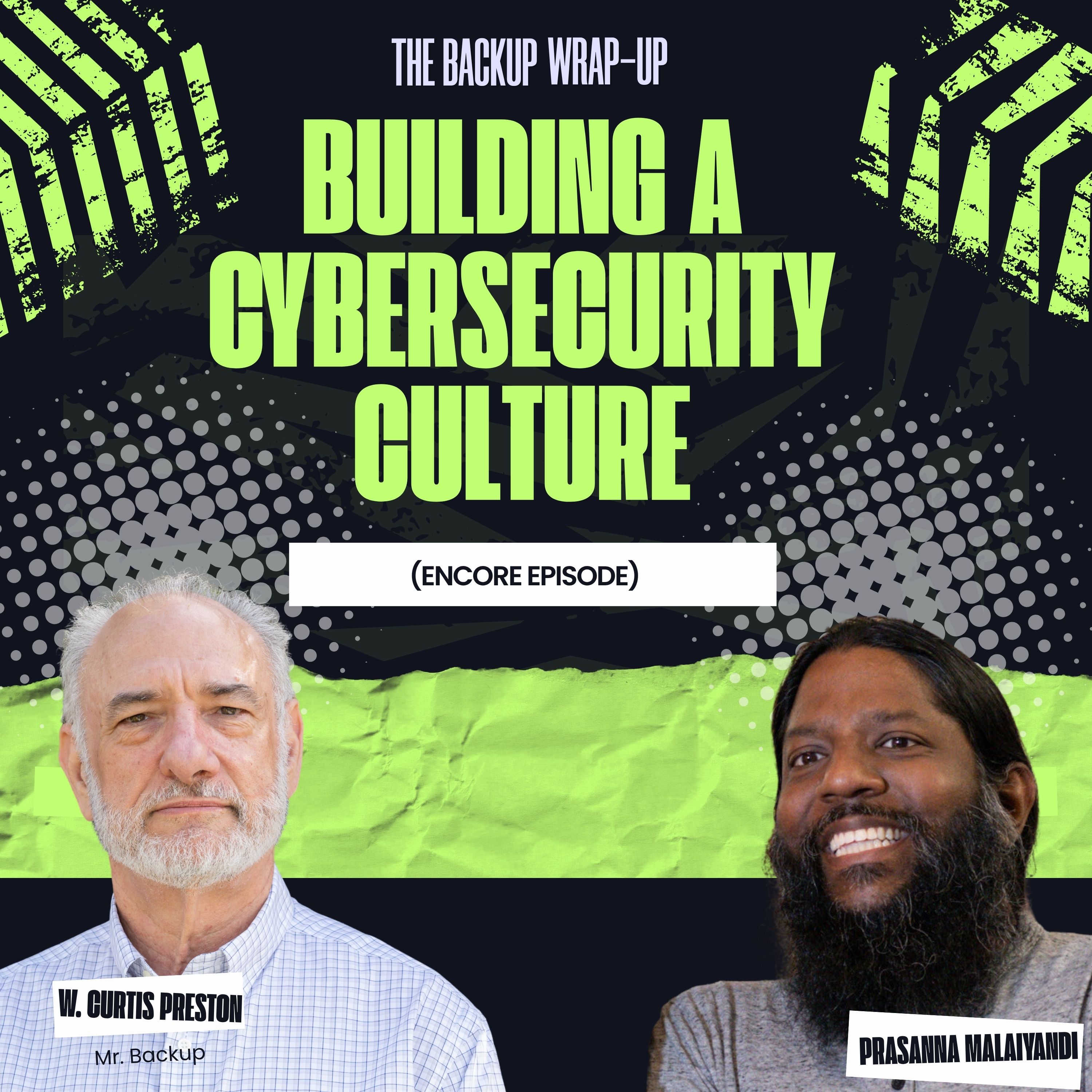 Building a Cybersecurity Culture in Your Company (Encore)The Backup Wrap-Up · on MFA (Multi-Factor Authentication)86 / 100
 When GRC Stops Watching and Starts Working ft Ryan Schoeller, Director of Security & GRC @ Treasure DataSecurity & GRC Decoded · on MFA (Multi-Factor Authentication)85 / 100
 How Senior Leaders Use Personal Branding to Control Their Career NarrativeExecutive Careers with Fexingo · on speaking engagements75 / 100
 From Invisible to Influential: Empowering Leaders to Be SeenOptimising Leader Brilliance · on speaking engagements67 / 100
 Supply Chain TransformationGAINS On · on Vendor management66 / 100
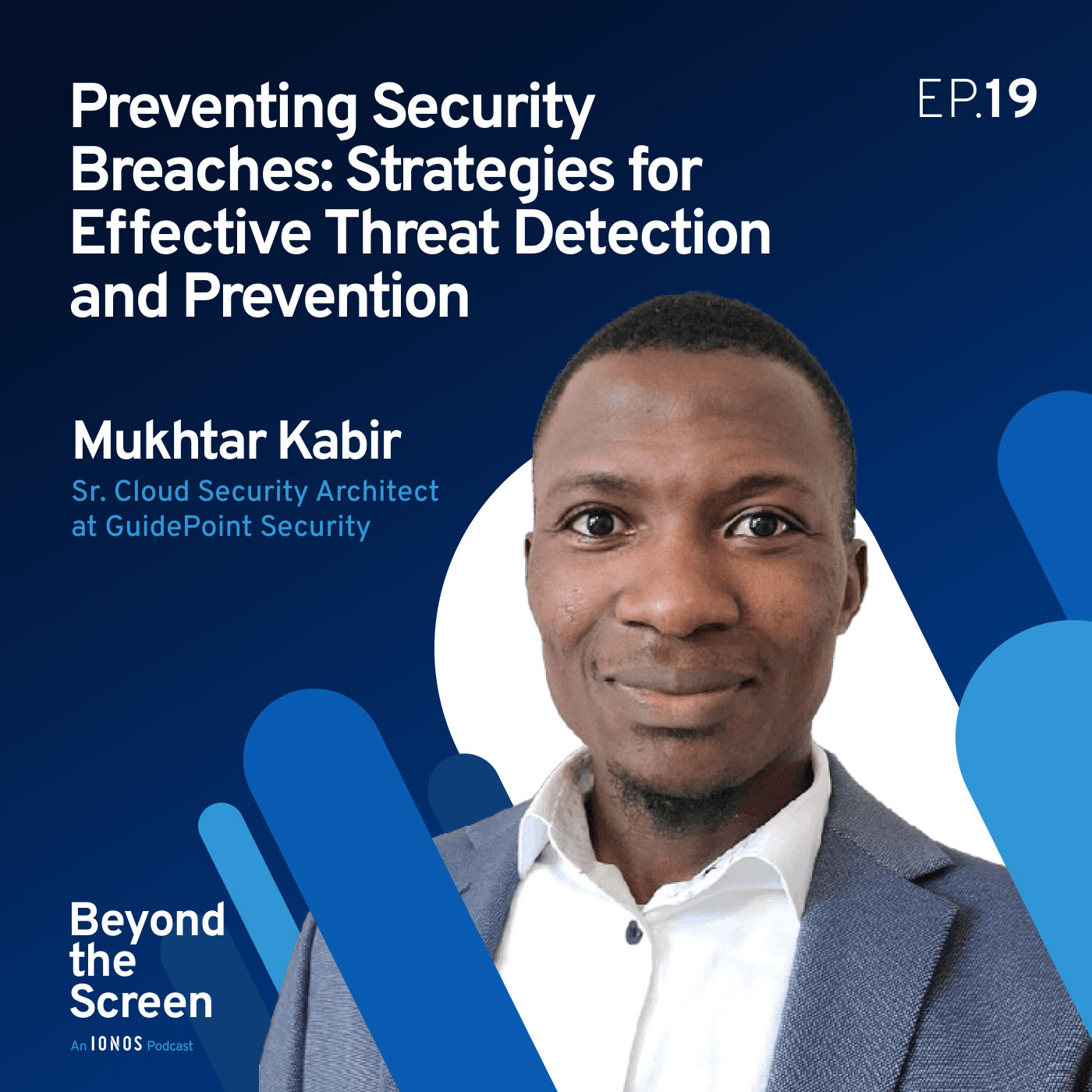 Preventing Security Breaches: Strategies for Effective Threat Detection and PreventionBeyond the Screen · on MFA (Multi-Factor Authentication)60 / 100
 Quality Of Evidence80 / 100
 AI-Shaped Problems52 / 100
 Creating Experiences65 / 100
 Organizational Change Is Exhausting75 / 100
 Learning Together75 / 100